
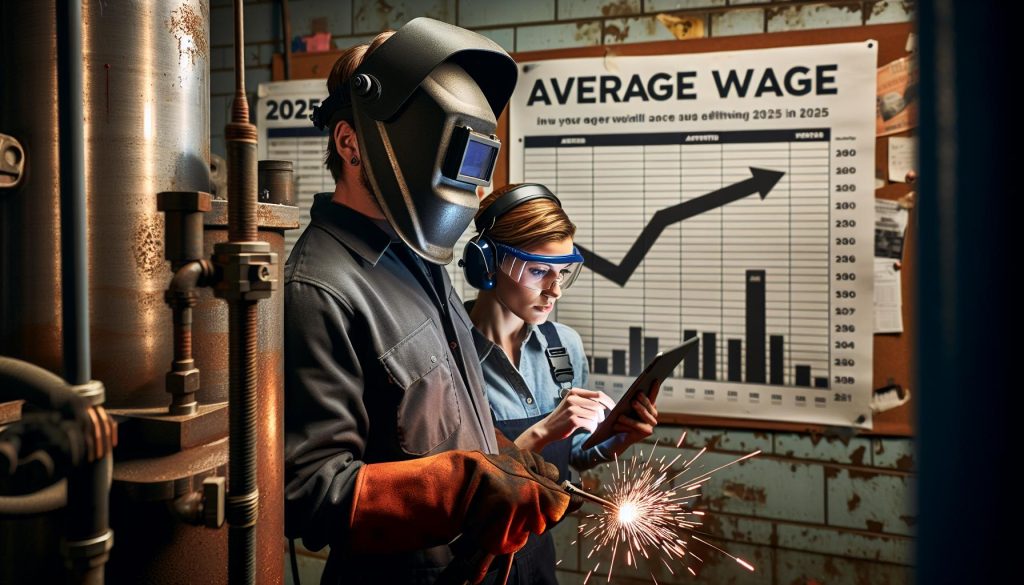
In recent years, pipe welding has emerged as a vital skill, especially in industries such as construction and manufacturing. As we delve into the average pay of pipe welders in Illinois for 2025, it’s important to understand how this profession not only ensures structural integrity but also offers substantial financial rewards. With the demand for skilled welders on the rise, understanding salary trends can inform both new and veteran welders about career advancement opportunities and market expectations. This insight is crucial for professionals looking to enhance their skills, negotiate better wages, or make informed career choices. Join us as we explore the latest data on pipe welder salaries and what it means for your future in this essential trade.
What is the Average Pay of Pipe Welder in Illinois? Insights for 2025

The average pay for pipe welders in Illinois is a critical consideration for those entering or advancing in the welding industry. As of 2025, pipe welders in Illinois can expect to earn approximately $60,000 to $80,000 annually, depending on various factors such as experience, specialty, and location within the state. This salary range reflects the comprehensive skills required in both MIG and TIG welding, with a high demand for welders who can efficiently work with materials like aluminum and stainless steel.
In this evolving job market, several key factors influence the salaries of pipe welders. The level of experience plays a substantial role, with entry-level positions starting around $45,000, while seasoned professionals with specialized certifications can command salaries upwards of $100,000. Additionally, industries such as construction and manufacturing are primary employers of pipe welders, driving competition for skilled workers and often leading to higher pay.
The cost of living in various regions of Illinois also affects welder salaries. For instance, urban areas like Chicago typically offer higher wages compared to rural parts of the state, balancing out the increased living expenses. As the industry continues to grow and adapt to technological advancements, the demand for well-trained pipe welders is expected to increase, potentially leading to higher salary averages in the coming years.
Investing in training and certification programs is essential for welders aiming to maximize their earnings. Programs that focus on advanced welding techniques and safety protocols not only enhance a welder’s skills but also improve their marketability and earning potential. As companies increasingly prioritize skilled labor, staying abreast of industry trends and honing specialized techniques can pave the way for lucrative opportunities in the field.
Factors Influencing Pipe Welder Salaries in Illinois

The demand for skilled pipe welders in Illinois is driven by various factors that can significantly influence salary levels. In an industry characterized by a steady need for proficient workers, several key aspects determine how much pipe welders can expect to earn. First and foremost, experience is a crucial element; entry-level welders may start with lower wages around $45,000, but as they gain hands-on experience and hone their skills, salaries can escalate substantially. Experienced welders, particularly those with specialized certifications or expertise in advanced techniques such as MIG, TIG, and stick welding, can command salaries exceeding $100,000.
Another important factor is the industry sector. The construction and manufacturing sectors are major employers of pipe welders, where high demand often leads to competitive salaries. Welders specializing in working with certain materials, such as aluminum and stainless steel, may find even greater opportunities and higher pay rates. Companies are increasingly recognizing the value of skilled labor in maintaining safety and quality standards, thereby offering better pay and benefits to attract top talent.
Geographical location within Illinois also plays a pivotal role in determining salaries. Urban regions like Chicago typically offer higher wages due to the increased cost of living and the concentration of industry demand. In contrast, rural areas may provide lower compensation, reflecting both demand levels and living expenses. Additionally, the cost of living influences net earnings; welders in high-cost areas must earn more to maintain their standard of living, while those in less expensive locales may find their salaries stretch further.
Finally, investing in relevant training and certifications can significantly enhance earning potential. Welders who commit to ongoing education, pursuing certifications that reflect advanced welding techniques or safety protocols, place themselves in a better position to negotiate higher salaries. This continued professional development not only increases a welder’s marketability but also aligns with industry trends that increasingly demand higher qualifications and specialized skills. As technology evolves and new welding methods emerge, keeping abreast of such developments is essential for both securing employment and maximizing earning potential in this dynamic field.
Comparison of Pipe Welder Pay by Experience Level
The pay scale for pipe welders in Illinois is significantly influenced by their level of experience, which often serves as a critical benchmark for compensation across various industries. Entry-level welders, typically those with less than one year of experience, can expect salaries ranging from $45,000 to $55,000 annually. While starting salaries may appear modest, they are an essential entry point into a field that offers substantial growth potential. Gaining foundational skills in basic welding techniques can lead to opportunities for advancement and increased earning potential in a relatively short period.
As welders accumulate experience, their earning potential grows exponentially. Welders with 3 to 5 years of hands-on experience can command salaries between $60,000 and $75,000. This elevation in pay correlates with their increased proficiency in specialized techniques, such as MIG and TIG welding, alongside their ability to work on more complex projects requiring higher skill levels. Those who master significant materials like aluminum and stainless steel often find themselves poised for roles that demand premium pay due to the intricate nature of the work involved.
Looking beyond the five-year mark, seasoned welders-those with over a decade of experience-can achieve salaries well over $100,000. These individuals often occupy senior positions or lead roles in high-demand industries such as construction, petrochemical, and manufacturing. Their capacity to apply advanced welding methods, handle diverse materials, and ensure compliance with safety standards grants them leverage in salary negotiations. Companies recognize the value of expertise, especially in a market where skilled labor is increasingly scarce, leading to competitive compensation packages that might also include bonuses and benefits.
The potential for ongoing salary increases is enhanced further by the incorporation of relevant certifications and skills acquisition. Engaging in continuous professional development not only opens doors to advanced positions but also enables welders to stay abreast of technological advancements in the industry. This, in turn, allows for a more dynamic career trajectory, ensuring that experienced welders can maintain and even amplify their income as they navigate through various opportunities in an ever-evolving marketplace.
Top Industries Hiring Pipe Welders in Illinois
In Illinois, pipe welders find themselves in high demand across a variety of industries, each contributing significantly to the job market and offering competitive salaries. The construction sector is one of the most prominent employers of pipe welders. Due to ongoing projects in residential, commercial, and infrastructural development, welders skilled in techniques such as MIG and TIG are sought after for their expertise in joining piping systems that are integral to buildings and public works.
Manufacturing is another major sector employing pipe welders, particularly those involved in the production of machinery and equipment. Here, the ability to handle different materials, including aluminum and steel, is crucial for fabricating components that require precise welding techniques like flux-cored welding. This sector often provides opportunities for welders to work with advanced machinery, enhancing their skill sets and potential earnings.
The petrochemical industry also plays a vital role in employing pipe welders, especially in regions near refineries and processing plants. The complexity and safety requirements of welding in this environment necessitate certified professionals who can adhere to stringent safety standards and ensure the integrity of pipelines transporting various chemicals and fuels.
To capitalize on these opportunities, aspiring welders should consider specializing in foundational skills that cater to these industries and seek certifications that affirm their capabilities. Continuous training in emerging technologies and welding techniques can further enhance earnability and career longevity, allowing welders to adapt to the evolving demands of the job market. Understanding the specific needs of each sector can guide welders as they navigate their career paths in Illinois.
Geographic Salary Variations within Illinois
In Illinois, the salary of pipe welders varies significantly based on geographic location, reflecting the demand for skilled labor across different regions. Urban centers, such as Chicago, generally offer higher wages for pipe welders due to the concentration of construction, manufacturing, and petrochemical industries. For instance, the Chicago metropolitan area tends to lead in pay scales, with experienced welders earning significantly more compared to their counterparts in rural regions. This wage differential can often exceed $5 to $10 per hour, underscoring the impact of location on earning potential.
The cost of living also plays a critical role in determining salaries across Illinois. Regions with higher living costs, such as Cook County, naturally push wage rates upward to compensate for the expenses related to housing and daily living. Conversely, areas with lower living expenses, such as parts of Southern Illinois, may offer lower salary ranges. However, this does not detract from the opportunities available; welders in these areas may benefit from less competition and access to unique projects.
Additionally, local economic conditions and the presence of key industries influence wage trends. In areas close to thriving manufacturing plants or ongoing construction projects, welders may find themselves in high demand, driving salaries higher than the state average. By keeping an eye on industry developments and moving to regions where demand is surging, welders can strategically position themselves for better paying opportunities.
Overall, understanding these geographic variations empowers pipe welders to make informed career choices. By not only examining wage data but also considering local industry growth and market dynamics, welders can enhance their chances of maximizing their earnings while pursuing their trade across the state.
| Region | Average Hourly Wage |
|---|---|
| Chicago Metro | $30 – $40 |
| Southern Illinois | $25 – $35 |
| Central Illinois | $27 – $37 |
Training and Certification Impact on Earnings
A well-trained and certified pipe welder can experience a significant boost in earnings, making education and credentials a pivotal factor in salary negotiations. Many employers in Illinois actively seek pipe welders who can demonstrate proficiency in various welding techniques, including MIG (Metal Inert Gas), TIG (Tungsten Inert Gas), stick welding, and flux core welding. Those with certifications from recognized organizations, such as the American Welding Society (AWS), often command higher wages due to their validated skills and knowledge of safety protocols.
Importance of Certifications
Certifications not only showcase a welder’s skills but also reflect commitment to the profession. For instance, obtaining a welding certification in specialized areas like pipe welding or implementing advanced techniques can lead to salary premiums. A certified welder can typically earn anywhere from 10% to 20% more than their non-certified counterparts. Additionally, certifications can enhance job security and open doors to specialized roles that require advanced skills, such as in the petrochemical or construction industries, which are prominent in regions like Chicago.
Continued Education and Skill Development
Continuing education plays a crucial role in maintaining relevancy in the rapidly evolving welding industry. Welders who participate in upgrade courses or workshops-including those that focus on new materials like aluminum and steel or emerging technologies-position themselves favorably in the job market. Employers are often willing to invest more in welders who show initiative in expanding their skills and knowledge. Moreover, experienced welders who embrace lifelong learning tend to be more adaptable and are hence often considered for higher-paying roles in leadership or specialized technical positions.
The financial implications of ongoing training and certification in welding cannot be overstated, as they directly influence employability and earning potential. As the industry evolves, welders who proactively seek out educational opportunities will likely ride the wave of emerging trends and technologies, solidifying their place as invaluable assets in their fields.
Cost of Living Impact on Welder Salaries
The cost of living is a crucial factor influencing the salaries of pipe welders in Illinois, as it directly affects how much wage earners can maintain their standard of living. For instance, cities like Chicago and its surrounding areas tend to have a higher cost of living compared to rural parts of the state. This disparity means that pipe welders working in urban settings often require higher pay to accommodate expenses such as housing, transportation, and everyday necessities.
In metropolitan regions, the average salary for a pipe welder may reflect the locality’s economic conditions rather than solely the worker’s skill level or experience. For example, while a welder in an urban area might earn an average of $30 to $40 per hour, those in less populated areas may earn closer to $25 to $30 per hour. This differential shows how geographic factors shape wage expectations and necessitate consideration of local economic dynamics when evaluating salary data.
Moreover, the rising cost of essential services such as healthcare and education can create pressure on welder salaries, as employers may need to adjust wages to attract and retain talent in a competitive market. Pipe welders should explore the implications of location carefully, weighing potential job offers against the local living costs.
Additionally, pipeline construction projects, which are often linked to economic booms in certain regions, can impact demand and salaries. A surge in projects in a particular area can lead to increased employment opportunities and a subsequent rise in hourly wages as companies strive to secure skilled workers, making it imperative for welders to stay informed about such trends in their region.
Future Salary Trends for Pipe Welders in Illinois
The landscape for pipe welders in Illinois is poised for transformation as we move further into 2025. Projections indicate a steady increase in demand for skilled welders due to ongoing infrastructure projects, particularly in the energy and construction sectors. As cities and towns across the state focus on upgrading their utility systems and enhancing public infrastructure, the needs for precision welding skills are expected to rise significantly, thereby influencing salary trends upward.
Employers are increasingly recognizing the necessity to offer competitive wages to attract and retain skilled talent. It’s not just about filling positions; it’s about securing the expertise that drives project success. welders with certifications in specialized techniques, such as MIG and TIG welding, are likely to see the most substantial salary increases. Additionally, factors such as experience level, technical proficiency, and specific industry demand will continue to refine salary structures. Those who invest in ongoing education and certifications will find themselves better positioned in the job market.
To illustrate, consider how industries vary in their hiring needs. The pipeline construction industry often necessitates immediate hiring surges in response to regulatory changes or environmental initiatives. This can create a temporary spike in hourly rates, which welders could strategically leverage if they stay informed about market changes and continue developing their skills.
Overall, the future for pipe welders in Illinois appears positive, with salary growth likely due to high demand, strategic skill enhancement, and the economic climate supporting infrastructure development. This presents an excellent opportunity for both new and seasoned professionals to build robust careers in this essential field.
Benefits and Perks for Pipe Welders in Illinois
For pipe welders in Illinois, the benefits and perks of the job extend well beyond handsome paychecks. With the demand for skilled labor on the rise, welders can expect a range of incentives that contribute significantly to their overall compensation package. Tailored benefits can vary based on the employer, but a typical package often includes health insurance, retirement plans, and sometimes even education reimbursement for further training and certification, which are crucial in staying competitive in this rapidly evolving field.
Many employers prioritize safety and health due to the nature of welding work, which exposes workers to hazardous environments. As such, companies frequently provide comprehensive safety equipment and training, ensuring that welders are well-informed about industry best practices. Additionally, job security is typically higher in this trade due to the consistent need for pipe welding in construction, plumbing, and manufacturing sectors, which often leads to long-term employment opportunities. This stability is a significant advantage over many other job sectors.
Welders who engage in specialized training for techniques such as MIG, TIG, or stick welding can often leverage their advanced skills for better positions and higher pay. Programs that offer tuition assistance or pay for certifications allow individuals to boost their credentials while minimizing out-of-pocket costs. Moreover, many employers recognize the importance of work-life balance; therefore, offering flexible scheduling or overtime options has become more common, allowing welders to maximize their earnings while maintaining personal commitments.
Overall, the welding profession in Illinois not only provides competitive salaries but also encompasses a comprehensive benefits package that supports professional development, safety, and job security. Welders should take advantage of these benefits, as they can significantly enhance both their immediate job satisfaction and long-term career trajectory.
Average Pay for Pipe Welders Compared to National Figures
When evaluating the average pay for pipe welders in Illinois, it becomes evident that this skilled trade is not only essential but also well-compensated compared to the national figures. As of 2025, the average annual salary for pipe welders in Illinois stands at approximately $60,000 to $70,000, placing them above the national average, which hovers around $50,000 to $60,000. This discrepancy can be attributed to several factors, including the increased demand for skilled labor in the midwest region and the thriving construction market that drives the need for skilled welders.
A significant driving force behind the competitive pay rates in Illinois is the state’s rigorous industrial activity, which encompasses sectors such as manufacturing, construction, and plumbing. Welders skilled in various techniques, such as MIG (Metal Inert Gas), TIG (Tungsten Inert Gas), and stick welding, can command higher pay due to the specialized knowledge required for these techniques. Those who work with challenging materials like stainless steel or aluminum tend to earn even more, as these materials demand higher precision and skill.
Comparison of State and National Trends
In Illinois, the pipeline of infrastructure projects and investments in renewable energy (such as solar and wind) have led to increased opportunities for welders. The state’s geographical location and its connections to major transportation and shipping routes also foster a robust market for welders. As a result, pipe welders in Illinois not only enjoy higher wages but also a variety of job opportunities that may not be as prevalent in other states.
For example, a comparison across states shows that while some areas may offer higher wages, the living costs and competition can dilute those advantages. Illinois welders typically benefit from a balanced equation of decent pay against reasonable living expenses, positioning the state as a top contender for skilled tradespeople seeking to maximize their financial stability in the welding field.
In summary, the combination of increased demand for skilled welders, particularly those trained in advanced welding techniques and materials, along with competitive compensation rates and strong job security, makes Illinois a desirable state for pipe welders compared to the national landscape. Welders can take advantage of the opportunities available to maximize their earning potential while contributing to vital industries across the state.
Skill Sets That Maximize Pipe Welder Pay
Mastering specific welding skill sets can significantly enhance a pipe welder’s earning potential, especially in a competitive market like Illinois. With the average annual salary for pipe welders in the state hovering between $60,000 and $70,000, it becomes increasingly important to differentiate oneself through targeted skills and knowledge. Various welding techniques such as MIG (Metal Inert Gas), TIG (Tungsten Inert Gas), stick welding, and flux core welding each have their own advantages and applications that can impact pay scales.
MIG and TIG Welding skills are particularly sought after for jobs requiring precision and aesthetic finish. While MIG welding is known for its ease of use and speed, making it ideal for high-volume production, TIG welding offers superior quality on thinner materials and complex joints. Mastery of these techniques not only enhances a welder’s marketability but also positions them for high-stakes projects where quality is paramount, often commanding higher rates.
Materials Expertise is another critical factor that can increase pay. Welders specializing in challenging materials like stainless steel, aluminum, or copper often see elevated compensation rates. For instance, working with aluminum requires a nuanced understanding of temperature control and material properties, while stainless steel projects often demand advanced techniques to ensure durability and resistance to corrosion.
Additionally, certifications can further affect earning potential. Obtaining certifications like those offered by the American Welding Society (AWS) not only validates a welder’s skills but can also lead to job opportunities that pay substantially more. Employers frequently look for certified welders who demonstrate a commitment to safety and professional standards.
In summary, diversifying skills in various welding techniques and materials not only enhances employability but also significantly boosts salary potential in Illinois. Those who actively seek advanced training and certification in specialized welding methods and materials will find themselves well equipped to leverage better job opportunities and negotiate higher wages.
Opportunities for Career Advancement in Welding
In the world of welding, the pursuit of career advancement is as crucial as mastering the technical aspects of the trade. For pipe welders in Illinois, opportunities abound for those who seek to elevate their careers beyond the average pay scale, which is currently between $60,000 and $70,000 annually. With the right strategies and skill sets, welders can not only enhance their earning potential but also achieve greater job satisfaction.
Networking plays a pivotal role in career progression. Engaging with professional organizations, attending industry conferences, and participating in local welding competitions can open doors to new job opportunities and collaborations. For instance, joining groups like the American Welding Society (AWS) allows for access to resources and connections that can lead to mentorship or job placements that require higher skills. Additionally, sharing experiences and learning from peers helps in keeping abreast of industry trends and technologies.
Education and training are equally influential in facilitating upward mobility. Specialized courses in advanced welding techniques such as TIG (Tungsten Inert Gas) and MIG (Metal Inert Gas) welding not only make a welder more versatile but also more attractive to potential employers. Enrolling in certification programs can significantly impact marketability; welders with credentials often command higher pay and have access to challenging projects. Furthermore, obtaining certifications in safety and quality standards is essential to gaining trust with prospective employers and can serve to demonstrate a welder’s commitment to their craft.
As demands within the industry evolve, so do the skill sets needed to excel. Familiarity with new welding technologies, such as automation in welding processes or smart welding equipment, can differentiate a welder in a competitive job market. Staying current with technological advancements and industry innovations can lead to opportunities in supervisory or inspection roles, which typically offer higher salaries and additional benefits.
In summary, pipe welders in Illinois have numerous avenues for career advancement. By leveraging networking opportunities, pursuing continuous education, obtaining certifications, and keeping pace with technological advancements, welders can not only enhance their earning potential but also secure their positions in a rapidly evolving industry. Those willing to invest in their professional growth will find themselves well equipped to navigate the challenges and opportunities ahead.
Frequently asked questions
Q: What is the expected salary range for pipe welders in Illinois in 2025?
A: The expected salary range for pipe welders in Illinois in 2025 is estimated to be between $25 to $40 per hour, depending on factors such as experience, industry, and geographic location. For more insights, refer to the section on “Average Pay of Pipe Welder in Illinois.”
Q: How does the cost of living affect pipe welder salaries in Illinois?
A: The cost of living significantly impacts pipe welder salaries in Illinois. Welders in metropolitan areas may earn higher wages to offset higher living expenses. Explore details under “Cost of Living Impact on Welder Salaries” for a thorough analysis.
Q: What qualifications can increase a pipe welder’s salary in Illinois?
A: Obtaining relevant certifications, such as AWS (American Welding Society) credentials, and specialized training can boost a pipe welder’s salary in Illinois. Check the “Training and Certification Impact on Earnings” section for additional recommendations.
Q: Which industries offer the highest pay for pipe welders in Illinois?
A: Industries such as construction, oil and gas, and manufacturing typically offer the highest pay for pipe welders in Illinois. For a complete overview, see the “Top Industries Hiring Pipe Welders in Illinois” section.
Q: What are the benefits of being a pipe welder in Illinois?
A: Pipe welders in Illinois enjoy various benefits, including health insurance, retirement plans, and potential overtime pay. For a deeper look, visit the section on “Benefits and Perks for Pipe Welders in Illinois.”
Q: How do entry-level salaries compare to experienced pipe welders in Illinois?
A: Entry-level pipe welders can expect to earn around $20 per hour, while experienced welders may earn upwards of $40 per hour. The “Comparison of Pipe Welder Pay by Experience Level” section provides more details on salary progression.
Q: What skill sets are essential for maximizing pay as a pipe welder in Illinois?
A: Essential skill sets include proficiency in various welding techniques (MIG, TIG, stick), blueprint reading, and knowledge of safety protocols. For more ways to enhance your earnings, see the “Skill Sets That Maximize Pipe Welder Pay” section.
Q: Are there any future trends affecting pipe welder salaries in Illinois?
A: Future trends such as technological advancements and increased demand for skilled labor are expected to drive salaries higher in the coming years. For a thorough analysis, refer to the “Future Salary Trends for Pipe Welders in Illinois” section.
To Wrap It Up
Understanding the average pay for pipe welders in Illinois in 2025 is crucial for anyone considering a career in this rewarding field. With insights on compensation, you can better navigate your career path whether you’re starting out or looking to advance. If you have questions about welding techniques-like MIG, TIG, stick, or flux core-or need guidance on equipment and safety protocols, explore our extensive resources for more detailed information.
Don’t miss your chance to enhance your skills: subscribe to our newsletter for the latest tips and trends in welding. Engaging in this trade offers lucrative opportunities, and staying informed is key. Join the discussion-share your thoughts or experiences in the comments below, and check out our guides on welding materials and repair solutions to further your knowledge. Your journey in the welding industry starts here; let’s build a brighter future together!


