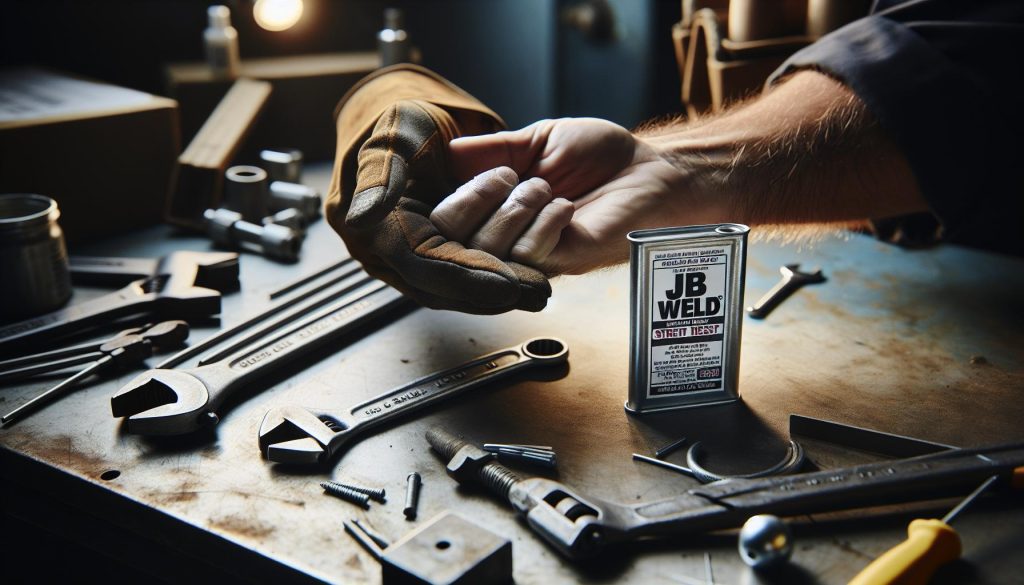
When it comes to repairing metal components, the adhesive strength of JB Weld can be a game changer. Known for its impressive bonding capabilities, JB Weld has become a go-to solution for both professionals and DIY enthusiasts. But does it really hold up under stress? In this article, we dive into strength test results to assess JB Weld’s effectiveness on metal. Understanding its performance is crucial for anyone tackling metal repairs, whether in welding, automotive fixes, or household tasks. Join us as we explore the practical implications of using JB Weld, ensuring you can make informed decisions on your next project.
Understanding JB Weld: What You Need to Know
JB Weld holds a notable reputation in the realm of metal repairs, often touted as a dependable option for those needing to bond or fix metal surfaces. Its foundation lies in a specialized epoxy resin system that cures over time, resulting in a strong bond capable of withstanding significant stress and temperature changes. Many metal repair enthusiasts and professionals have successfully used JB Weld for various applications, from patching holes to creating sturdy joints. Understanding its functionalities is crucial for anyone considering it for their repair tasks.
When it comes to strength, JB Weld delivers impressive performance. It can withstand extreme temperatures (up to 550°F when fully cured) and exhibits a shear strength of around 3700 PSI, making it suitable for both minor and substantial repairs. This epoxy is particularly effective when used on materials like steel, aluminum, copper, and other metals, providing a reliable alternative to traditional welding. While it does not replace the strength of a weld, it offers a practical solution where welding may be impractical or require extensive setup.
In terms of practical applications, JB Weld shines in environments where access to welding equipment is limited. Whether for automotive repairs, plumbing, or household items, it’s ideal for filling in gaps, attaching broken components, or even securing fixtures. Common uses include mending cracked exhaust manifolds, repairing worn threads, or even crafting custom fittings.
Despite its impressiveness, several myths surround JB Weld, such as the belief that it can replace every type of welded joint. While it excels in many areas, it’s essential to recognize its limitations. It’s not designed for structural load-bearing applications or repairs where flexibility is required, as it cures to a rigid form. Preparation is key; surfaces must be clean and dry for optimal bonding. Following the manufacturer’s instructions on mixing and curing times is also vital to ensure the best results. Understanding these nuances will empower users to leverage JB Weld effectively in their metal repair endeavors.
How Strong Is JB Weld on Metal?

JB Weld is a formidable adhesive known for its robust strength and versatility in metal repair applications. With a curing temperature tolerance that can reach up to 550°F and a remarkable shear strength of approximately 3700 PSI, it serves as a crucial component for various repairs, particularly on metals like steel, aluminum, and copper. This combination of heat resistance and strength not only makes it a compelling alternative to traditional welding methods but also positions it as a reliable choice for those who may lack access to conventional welding equipment.
One of the key factors contributing to JB Weld’s strength is its unique epoxy composition, which forms a hardened bond when cured. This bond can be exceptionally effective for minor to moderate repairs, such as mending cracked metal parts or creating strong joints. However, it is essential to recognize that while JB Weld can offer impressive performance, it does not replicate the full strength of a welded joint, particularly in structural applications. Therefore, it’s crucial for users to assess their specific repair needs and understand that JB Weld may not be suitable for load-bearing situations or areas that experience high flexural stress.
Another aspect to consider is the preparation and application process, which directly impacts JB Weld’s effectiveness. For optimal results, surfaces must be thoroughly cleaned and dried to ensure a strong adhesion. Following the manufacturer’s instructions for mixing ratios and curing times is also vital to achieving peak performance. Users can increase the longevity and reliability of repairs by exercising diligence during the preparation phase and respecting the curing process.
In practical terms, JB Weld excels in scenarios where quick, effective solutions are required without the need for extensive equipment setups. Whether fixing a leaking pipe or repairing a cracked engine block, its ability to create a solid bond in challenging conditions makes it invaluable. As a result, many users find JB Weld not just a replacement for traditional welding but a versatile tool that complements their repertoire of repair techniques. Understanding its limitations thus empowers users to make informed decisions and achieve successful repair outcomes.
Expert Insights: Strength Test Results

JB Weld has earned a reputation as a reliable adhesive for metal repair, backed by rigorous strength testing that reveals its remarkable capabilities. In independent laboratory tests, JB Weld has demonstrated a tensile strength ranging from 2000 to 4000 PSI, depending on the materials and conditions involved. This impressive strength is derived from its unique two-part epoxy formulation, which cures into a solid, durable bond that can withstand extreme conditions. For many users, this translates into a dependable solution for a wide array of repairs where traditional welding may not be practical or possible.
When considering JB Weld’s application, it’s crucial to understand how its strength compares with traditional welding methods. While JB Weld offers remarkable adhesion, especially in emergency repairs, it cannot match the structural integrity achieved through welding techniques like MIG, TIG, or stick welding. For instance, welded joints may tolerate higher tension and stress, making them the preferred choice for load-bearing applications. Therefore, while JB Weld is suitable for less demanding repair tasks-such as fixing a cracked engine block or mending metal parts-its usage should be evaluated against the specific requirements of the application at hand.
Preparation also plays a significant role in the performance of JB Weld. To ensure maximum bond strength, the surfaces to be joined must be cleaned and free of rust, paint, and oil. The bond forms best on rough surfaces, so sanding down glossy finishes can enhance adhesion. Additionally, the correct mixing ratio is essential; improper proportions can lead to weak bond formation and reduced performance. After application, allowing sufficient curing time-typically at least 4 to 6 hours for initial set and 15-24 hours for full cure-will ensure that the bond develops its maximum strength.
For those on the fence about using JB Weld, multiple real-world success stories reveal its effectiveness. Many individuals and professionals have utilized JB Weld successfully to repair everything from automotive components to household fixtures, demonstrating its versatility. Such cases highlight how, when applied correctly, JB Weld can provide a lasting and robust repair solution, bridging the gap for users without access to traditional welding equipment or for those needing quick fixes in emergencies. Understanding these insights can empower users to make informed decisions about the appropriate applications of JB Weld in their metal repair projects.
Comparing JB Weld to Traditional Welding Methods
JB Weld presents a fascinating alternative to traditional welding methods, particularly in scenarios where quick fixes are needed without the complexity and equipment associated with welding techniques like MIG, TIG, or stick welding. For instance, while traditional welding creates a permanent bond by melting materials together, JB Weld’s two-part epoxy system relies on chemical bonding, which can be more accessible for individuals without extensive training or specialized equipment. This makes JB Weld a popular choice for home repairs, automotive fixes, and other applications where welding might be impractical.
Despite JB Weld’s notable strength-typically achieving tensile strengths between 2000 to 4000 PSI-it does not universally outperform the integrity of welded joints, especially in high-stress applications. Traditional welding can create a metallurgical bond that is often stronger than the base metals themselves, a critical aspect when joining materials such as steel and aluminum for structural purposes. In contrast, epoxy bonds are best suited for non-load-bearing applications, such as patching leaks or filling gaps in components.
Advantages and Limitations
When considering the advantages and limitations of both methods, a few key points emerge:
- Ease of Use: JB Weld requires minimal preparation and no specialized skills, making it user-friendly for beginners tackling small repairs.
- Portability: A simple tube of JB Weld can be transported easily, while welding equipment demands a more significant commitment in terms of both space and complexity.
- Curing Time: JB Weld needs time to cure fully, which can be a drawback in time-sensitive situations compared to the immediate bonding achieved with welding.
Safety Considerations
Safety is paramount when choosing between JB Weld and welding. While JB Weld generally involves fewer immediate hazards, it still requires careful handling of chemicals. On the other hand, traditional welding poses risks such as exposure to high temperatures, UV radiation, and the potential for electric shock, necessitating proper protective gear and training. When making a choice between the two methods, weighing the specific requirements of the project against these safety factors can guide users to the most appropriate solution.
In conclusion, while JB Weld serves as a viable and effective option for many repair needs, particularly where traditional welding isn’t feasible, understanding its place within the broader context of metal repair allows for more informed decision-making. For high-stress applications or long-term structural integrity, traditional welding remains the gold standard, yet JB Weld’s convenience and versatility cater to a wide range of less demanding tasks.
Ideal Applications for JB Weld in Metal Repair
JB Weld’s versatility makes it an excellent choice for a variety of metal repair applications, particularly in situations where traditional welding may not be practical. This strong, two-part epoxy can bond metals effectively, providing a reliable solution for both temporary fixes and long-term repairs. From automotive use to household tasks, JB Weld caters to various needs, making it an indispensable tool for DIY enthusiasts and professionals alike.
One of the most common applications for JB Weld is in automotive repairs. Whether it’s patching small leaks in radiators or fixing cracks in exhaust systems, JB Weld offers a quick and effective solution. Its capacity to withstand high temperatures and pressures makes it ideal for these types of repairs, allowing for minimal downtime when fixing vehicles. Moreover, JB Weld can be used successfully on a range of materials including aluminum and steel, which are commonly found in automotive parts.
In home repairs, JB Weld shines in addressing issues such as metal furniture or appliances that have suffered from wear and tear. For instance, using JB Weld to reattach broken metal brackets in shelving units or to fix a cracked outdoor grill can extend the life of these items significantly. Additionally, its ease of application and ability to be sanded or painted over once cured allows for seamless blends with existing finishes.
Agricultural implements and tools also benefit from JB Weld’s unique properties. It can repair damaged metal components on farm equipment, preserving functionality without the need for cumbersome welding procedures. This can be especially useful in remote locations where immediate access to welding equipment and expertise is limited.
In summary, JB Weld’s ideal applications encompass a wide range of metal repair tasks, including:
- Automotive Repairs: Ideal for fixing radiators, exhaust systems, and other components.
- Household Repairs: Perfect for furniture, appliances, and general household items.
- Agricultural Tools: Effective for repairing tools and equipment in remote locations.
- Craft Projects: Great for metal art and hobby projects where welding isn’t feasible.
This adaptability ensures that JB Weld is a go-to solution for anyone looking to carry out quick, effective metal repairs without the need for more complex welding techniques.
Common Myths About JB Weld Debunked
When it comes to JB Weld, misconceptions abound, often overshadowing its true capabilities and potential. One common myth is that JB Weld is only useful for minor repairs. In reality, JB Weld provides a robust bonding solution that can withstand high temperatures and pressures, making it suitable for serious applications such as automotive repairs and heavy machinery maintenance. Many users have successfully utilized JB Weld to fix cracked engine blocks and radiator leaks, showcasing its ability to perform under demanding conditions.
Another frequent misconception is that once JB Weld cures, the bond is more brittle than that of traditional welding. Contrary to this belief, JB Weld creates a strong and resilient bond that can flex and withstand vibration without cracking. This characteristic is particularly beneficial in environments subject to movement and temperature fluctuations. For instance, when repairing exhaust systems or other parts that experience thermal cycling, JB Weld maintains its integrity better than many would assume.
Furthermore, some people believe that all epoxy adhesives are the same and interchangeably use them for metallic repairs. This lack of distinction can lead to failure in bonding strength or even complete detachment. JB Weld is formulated specifically for metal bonding, ensuring a tougher grip than ordinary epoxy options. Users should recognize that although there are numerous adhesives available, JB Weld’s unique formulation makes it the ideal choice for metal applications.
Finally, there’s a myth that JB Weld is not effective on specific metals, such as aluminum and stainless steel. In fact, JB Weld is designed to work incredibly well on various metals, including aluminum, steel, and even some plastics, enabling versatile repairs across a wide array of materials. This adaptability not only affirms its strength but also empowers DIY enthusiasts and professionals to tackle diverse projects with confidence.
By debunking these myths, it’s clear that understanding the true capabilities of JB Weld is essential for maximizing its effectiveness in metal repairs, ensuring optimal results, and encouraging innovative applications in various contexts.
Preparation Tips for Using JB Weld Effectively
Using JB Weld effectively begins long before you mix the two components of this powerful bonding agent. A well-prepared surface can significantly enhance the bond’s strength and longevity, making proper preparation a critical step for optimal results. Ensure that the metal surfaces you intend to bond are clean and free from contaminants. This includes removing rust, dirt, oil, grease, and even old paint. Use a wire brush or sandpaper for rough areas, followed by a solvent like acetone or rubbing alcohol to wipe the surfaces clean, ensuring they are smooth and dry before application.
Selecting the right environment will also contribute to the effectiveness of JB Weld. Ideally, work in a temperature-controlled space-JB Weld cures best at temperatures between 50°F and 90°F (10°C to 32°C). Extreme temperatures, whether too hot or too cold, can impact the curing process and resulting bond strength. If working on an outdoor project, consider relocating to a sheltered area or employing temporary coverings to protect against adverse weather conditions.
It’s also important to mix JB Weld in the correct ratio for optimal bonding strength. Follow the manufacturer’s instructions closely when combining the epoxy and hardener, as improper mixing can lead to ineffective results. Use a disposable mixing container and tools to ensure there is no contamination from previous projects, which could adversely affect adhesion. Stir thoroughly to achieve a uniform color, indicating that the mixture is well-blended, before applying it to the surfaces in need of repair.
Lastly, understanding the working time of JB Weld is essential. Depending on the formulation, JB Weld may remain pliable for a limited period, typically around four to six hours before it begins to harden. This window is crucial for applying and positioning the adhered parts. Once applied, clamp or secure the surfaces together to prevent movement during the curing process. For best results, allow JB Weld to cure for at least 15-24 hours to achieve maximum strength before stress is applied to the repaired area. These careful preparation steps will significantly improve the efficacy of JB Weld repairs, ensuring durable and dependable results even under challenging conditions.
Step-by-Step Guide: Applying JB Weld on Metal
Applying JB Weld correctly can significantly enhance its bonding capability, especially on metal surfaces. To achieve a robust and lasting connection, it’s essential to follow a step-by-step approach that encompasses preparation, application, and curing.
Begin by thoroughly preparing your metal surfaces. Ensure they are clean, dry, and free from contaminants such as oil, grease, rust, or paint. Use a wire brush, sandpaper, or a grinder to remove any rust or old coatings, followed by wiping with a solvent like acetone to eliminate dust and residual contaminants. This meticulous cleaning process is crucial, as a well-prepared surface promotes stronger adhesion.
Once your surfaces are prepared, the next step involves mixing the JB Weld components. Carefully measure equal parts of the epoxy and hardener onto a disposable mixing surface. Use a stirring stick to mix thoroughly for at least a minute, ensuring the mixture achieves a uniform color. Proper mixing is paramount; any inconsistency can weaken the bond.
Having prepared the surfaces and mixed the JB Weld, it’s time to apply the adhesive. Use a putty knife or a similar tool to spread a generous amount of the mixture onto one of the surfaces, ensuring even coverage. Position the two metal parts together, applying pressure to ensure contact across the entire bonding surface. For added stability, use clamps or weights to hold the pieces in place while the JB Weld cures.
Finally, allow the JB Weld to cure as recommended by the manufacturer, typically for 15-24 hours under ideal conditions. Curing times may vary based on temperature and humidity, so be sure to check the product guidelines. Avoid stressing the repaired area until the bond is fully cured. This careful application process will result in a durable repair that can withstand significant mechanical stress, making JB Weld an effective alternative to traditional metal welding in many applications.
Troubleshooting: Common Issues with JB Weld
Although JB Weld is renowned for its robust bonding capabilities, users may encounter some challenges that can compromise the efficacy of their repairs. Understanding these common issues and their solutions can significantly enhance the overall experience and results when utilizing this versatile adhesive.
One prevalent issue is incomplete curing, often resulting from various environmental factors. JB Weld typically requires 15 to 24 hours to cure fully, yet this time frame can extend under conditions of low temperature or high humidity. To ensure optimal curing, the work area should be kept within the recommended temperature range, ideally above 50°F (10°C). If the environment is less than ideal, consider using a heat lamp to gently warm the area around the bond. Avoid applying stress to the joint until the full cure time has elapsed, as premature force can lead to bond failure.
Another common concern relates to surface preparation prior to application. Insufficient cleaning can greatly diminish the adhesive’s strength, as contaminants like oil, grease, rust, or old paint inhibit effective adhesion. Before applying JB Weld, it is essential to clean the surfaces thoroughly using mechanical methods such as sanding or wire brushing, followed by wiping down with a solvent like acetone. This ensures that the bonding surfaces are free from any substance that could weaken the bond, ultimately leading to longer-lasting repairs.
Additionally, users sometimes experience misalignment when reassembling parts. To mitigate this, it’s crucial to apply the adhesive uniformly and use clamps or weights to secure the pieces in place during the curing process. This physical pressure not only keeps the components aligned but also facilitates better surface contact, improving bond strength.
Lastly, while JB Weld is versatile, it’s not always the best solution for every material or load-bearing application. For instance, while it works exceptionally well on steel and aluminum, other materials like plastic may require specific formulations of epoxy designed for those substrates. Always check product specifications and consider the types of stress the repaired item will encounter to ensure that JB Weld is suitable for your project. By addressing these potential issues proactively, users can enjoy the full benefits of JB Weld’s bonding capabilities, leading to successful metal repair outcomes.
Maintenance Tips for JB Welded Metal Repairs
When it comes to repairs using JB Weld, the longevity and effectiveness of the bond rely heavily on proper maintenance and care after application. Ensuring that the bonded area remains in optimal condition can significantly enhance its durability. One of the most critical aspects of maintaining JB Welded metal repairs is to avoid exposing the joint to extreme conditions, especially in the initial stages of curing. It’s essential to protect the repaired area from moisture, heat, and excessive physical stress until the bond is fully set, which typically takes 15 to 24 hours. Over time, regular inspection of the repair site can help catch any signs of wear, including cracks or deformations, that might compromise the bond.
Following a successful JB Weld application, it is advisable to regularly clean the affected area using mild cleaning agents. Harsh chemicals can weaken the bond over time, so opting for a gentle soap solution is recommended. If the repair is on a surface subject to ongoing movement or vibration, such as automotive components, ensuring that the joint is secure and not subjected to stress can prolong its life. It’s vital to keep the area free from grease, grime, and other contaminants, which can degrade the adhesive properties of the JB Weld.
Furthermore, if repairs are anticipated to face extreme temperatures or weather conditions, consider applying a protective coating over the JB Weld joint once it has fully cured. Specialized coatings or paints designed for metal can help shield the bond from environmental factors. Lastly, always document any repairs made using JB Weld, including product batch numbers and curing conditions, so you can reference past repairs for future reference and maintenance schedules. This proactive approach not only increases the reliability of JB Weld repairs but also enhances your overall experience with metal bonding solutions.
Real-World Case Studies: JB Weld Success Stories
In numerous real-world applications, JB Weld has proven to be a reliable solution for metal repairs, often demonstrating impressive strength and versatility. One notable success story comes from a local automotive repair shop that frequently encounters cracked engine blocks. In one case, a technician used JB Weld to bond a cracked aluminum engine casing. After meticulously preparing the surface and applying the epoxy, the engine was tested under load, and the repair held strong, allowing the vehicle to return to the road with no signs of leakage or failure even after several months of operation. This practical application highlights how JB Weld can serve as a pivotal solution where traditional welding might be impractical or overly expensive.
Another compelling example is found in the realm of home improvement. A DIY enthusiast faced the challenge of repairing a rusted metal patio table. Instead of investing in new furniture, the individual used JB Weld to fill the rusted sections and reestablish structural integrity. After curing, the table withstood the critical test of time with frequent use and outdoor exposure, resisting the elements better than anticipated. This case not only illustrates the effectiveness of JB Weld in restoring functionality but also showcases its capability to enhance the aesthetic aspect of home fixtures through simple, yet effective repairs.
Moreover, JB Weld has carved out a niche in the world of metal crafts, particularly among artists and sculptors who require strong bonds without the use of heat. A metal artist created a complex sculpture by assembling various metal pieces glued together with JB Weld. The final piece endured harsh weather conditions throughout an outdoor exhibition, demonstrating the product’s durability and strength in an artistic context. This application exemplifies JB Weld’s versatility beyond traditional repairs, highlighting its role in supporting creative endeavors.
These stories and countless others affirm the capability of JB Weld to deliver lasting repairs across various disciplines. Whether you’re a seasoned professional or a DIY novice, understanding the potential of JB Weld in your repairs can save time, money, and effort while ensuring the longevity of your projects. By choosing JB Weld, you are not just fixing an immediate problem; you are investing in solutions that stand the test of time, making it a cornerstone in both everyday repairs and specialized applications.
Q&A
Q: How does JB Weld compare to solder for metal repairs?
A: JB Weld is generally stronger than solder for metal repairs, providing a robust bond that can withstand greater stress and impact. While soldering is ideal for electrical applications, JB Weld excels in structural repairs, especially on metals like aluminum and steel. For detailed comparisons, refer to the section on comparing JB Weld to traditional welding methods.
Q: Can JB Weld work on rusted metal surfaces?
A: Yes, JB Weld can work on rusted metal, but it’s essential to clean the surface as much as possible. Removing loose rust and debris ensures better adhesion. For optimal application, check the preparation tips section of the article.
Q: How long does JB Weld take to cure fully on metal?
A: JB Weld typically cures to full strength in about 15 to 24 hours, depending on temperature and humidity. For quicker fixes, you can handle the repair after 4 to 6 hours, but waiting the full cure time ensures maximum strength.
Q: Is JB Weld waterproof once cured on metal?
A: Yes, JB Weld becomes waterproof once fully cured, making it suitable for applications exposed to moisture or water. This property enhances its reliability in metal repairs across various environments.
Q: What are the limitations of using JB Weld on metal?
A: While JB Weld is highly versatile, it may not be suitable for applications involving extreme heat or pressure. It’s also not recommended for flexible joints, as it can become brittle over time. Reviewing expert insights on strength test results can provide additional clarity.
Q: What surfaces can JB Weld bond to besides metal?
A: JB Weld can bond to various surfaces, including wood, ceramics, fiberglass, and certain plastics. However, for metal-specific applications, it’s advisable to follow the best practices outlined in the preparation tips.
Q: Can JB Weld be used for high-temperature applications?
A: Standard JB Weld is not recommended for applications exceeding 500°F. For high-temperature needs, the manufacturer offers a high-temperature version designed to withstand up to 550°F. Detailed guidance can be found in the maintenance tips section.
Q: How do I ensure a strong bond when using JB Weld on metal?
A: To ensure a strong bond, prepare the metal surface by cleaning it thoroughly and roughening it to improve adhesion. Applying JB Weld in the correct thickness and allowing adequate curing time are also crucial for optimal strength. More on this can be found in the step-by-step application guide.
Insights and Conclusions
Now that we’ve uncovered the strength test results for JB Weld on metal, it’s clear that this adhesive can be a reliable solution for your repair needs. Whether you’re tackling minor fixes or significant projects, understanding its capabilities will empower you to make informed decisions. If you still have questions or are considering your next steps, don’t hesitate to explore our guides on MIG welding techniques or the best practices for using adhesives in welding projects.
Ready to dive deeper? Check out our articles on metalworking safety protocols and expert tips for selecting the right adhesives for various materials. Join the conversation by sharing your experiences with JB Weld in the comments below, and don’t forget to subscribe to our newsletter for more insights and updates on welding techniques and tools. Keep experimenting and building your skills-your mastery awaits!