

Welding is a crucial skill in countless industries, from construction to automotive repair, yet many don’t realize its significance until they face a challenging project. “A&A Welding: Professional Techniques Every Welder Should Know” delves into the essential techniques that can transform both beginners and seasoned welders into confident craftsmen. Understanding methods like MIG, TIG, and stick welding not only boosts your proficiency but also enhances safety and efficiency. As you refine your skills, you’ll discover that mastering the art of welding opens doors to numerous career opportunities and self-sufficient repairs. This guide will equip you with the knowledge needed to tackle various materials, from steel to aluminum, ensuring you achieve high-quality results every time. Join us to unlock the best practices and expert insights that will elevate your welding expertise and inspire your passion for this vital trade.
Understanding Different Welding Techniques: MIG, TIG, Stick, and Flux Core
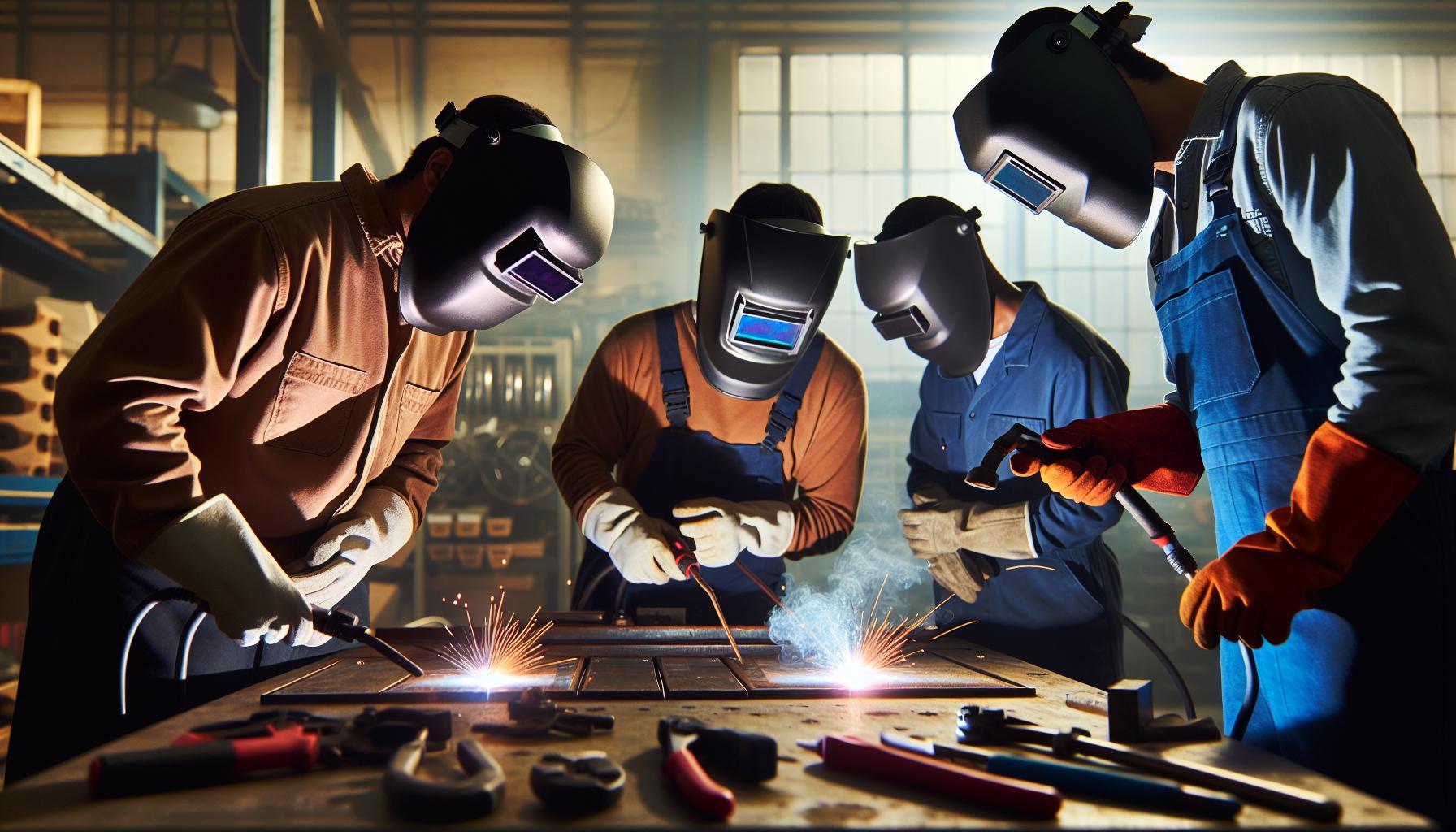
Understanding the different welding techniques can be pivotal in determining the success of various projects, whether you are a beginner or an experienced professional. Each method has unique characteristics that cater to specific applications, materials, and desired outcomes. Among the most prominent welding processes are MIG (Metal Inert Gas), TIG (Tungsten Inert Gas), Stick welding, and Flux-Cored welding. Choosing the right technique influences not just the quality of the weld, but also the efficiency and safety of the operation.
MIG welding is a versatile and popular choice due to its speed and ease of use. It employs a continuously fed wire electrode and a shielding gas to protect the weld from contamination. This method excels when working with mild steel and aluminum, making it suitable for automotive repair and fabrication projects. In contrast, TIG welding requires more skill but offers precision, making it ideal for thin materials and intricate work. It uses a non-consumable tungsten electrode and a separate filler rod, which allows for exceptional control, especially in stainless steel applications.
Stick welding, or Shielded Metal Arc Welding (SMAW), is favored in outdoor environments and for heavier materials. The process uses a consumable electrode coated in flux, which generates gas to shield the weld pool. Its robustness makes it perfect for repairing pipelines and construction work. Lastly, Flux-Cored welding operates similarly to MIG but uses a tubular wire filled with flux. This creates a protective gas layer without the need for an external gas source, making it advantageous for vertical and overhead welds and in windy conditions.
To maximize success with these techniques, it is vital to evaluate the materials involved, the environment, and the desired precision. Understanding these unique welding methods provides a solid foundation for selecting the appropriate process for any project, enhancing overall performance and quality of welds.
Selecting the Right Materials for Your Welding Projects
Selecting the right materials for welding projects can significantly influence the quality, strength, and durability of the final welds. Understanding the properties of different materials is crucial not just for achieving strong bonds but also for enhancing the efficiency and effectiveness of the welding process. For instance, the choice between aluminum and steel can dictate the welding technique employed, the filler materials required, and the eventual application of the welded product.
Material Properties to Consider
When selecting materials for welding, it is vital to consider their mechanical and chemical properties, along with the welding technique best suited for them:
- Aluminum: Lightweight and corrosion-resistant, aluminum is ideal for projects requiring strength without adding excessive weight, such as in the automotive and aerospace industries. MIG and TIG welding are commonly used for aluminum due to their ability to produce clean and precise welds.
- Carbon Steel: Known for its strength and durability, carbon steel is one of the most widely welded materials. It is essential to choose the correct filler material and welding technique, such as Stick or MIG welding, to accommodate its specific carbon content and thickness.
- Stainless Steel: This material offers excellent corrosion resistance and is best welded using TIG techniques, which provide the control necessary to mitigate warping and distortion. Understanding the different grades of stainless steel and their specific requirements can lead to more successful welds.
- Alloys: Special alloys may require unique considerations, including preheating and specific filler materials. Researching the alloy’s characteristics helps in predicting how it will react during the welding process.
Environmental Factors
In addition to material selection, environmental factors can also play a pivotal role in your choice. For instance, if your project will take place outdoors or in a windy location, MIG or Flux-Cored welding may be preferable due to their ability to perform well without shielding gas, which can be blown away. Conversely, projects that will be in a controlled environment might allow for more precision methods such as TIG welding, giving you the freedom to choose the most suitable materials without worrying about external conditions.
Understanding the specific requirements and constraints of your welding project allows you to make informed decisions, ensuring optimal results. Proper material selection not only enhances weld quality but also extends the lifespan of the welded structure, contributing to overall project success.
Essential Welding Equipment and Tools: A Comprehensive Guide
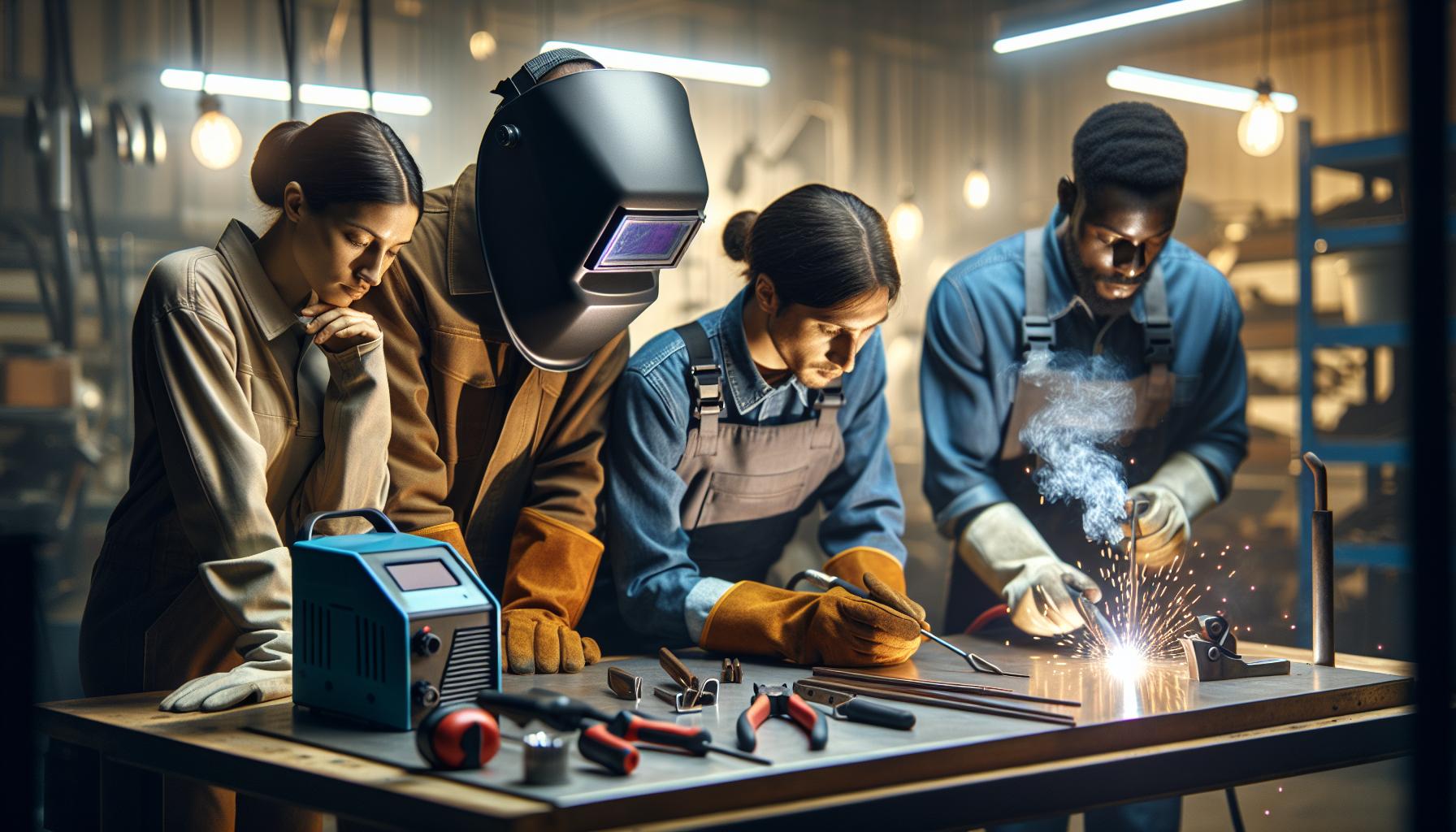
Essential welding equipment and tools are fundamental to achieving high-quality welds and ensuring the safety of the welder. With the right gear, even the most complex projects can be executed with precision and confidence. The following guide highlights essential tools and equipment for various welding techniques, from MIG and TIG to stick and flux core welding.
Key Equipment for Welding
The heart of any welding operation is the welding machine itself. Different welding processes have specific machines designed to optimize results:
- MIG Welding Machine: Ideal for beginners and experienced welders alike, MIG (Metal Inert Gas) machines use a continuously fed wire and are suitable for welding aluminum and various steels. They often come with adjustable voltage and feed speed settings, allowing for versatility across projects.
- TIG Welding Machine: Known for its control and versatility, TIG (Tungsten Inert Gas) welding is perfect for detailed work on stainless steel and thin materials. TIG machines require a separate gas supply for shielding, typically argon, which enhances the quality of the weld.
- Stick Welding Machine: The stick welder is robust and portable, making it ideal for outdoor environments. It utilizes a consumable electrode coated in flux, and while it may produce more spatter, it excels in welding thick materials.
- Flux-Cored Welding Machine: Utilizing a tubular wire filled with flux, this machine is particularly effective for welding in windy conditions or outdoors, as the flux creates its own shielding gas.
Essential Protective Gear
Safety is paramount in welding, and the right protective gear is essential for preventing injuries. Consider the following items:
- Welding Helmet: A quality helmet with the appropriate lens shade is crucial for protecting the eyes from harmful UV and infrared rays.
- Welding Gloves: Durable gloves made from leather or other fire-resistant materials protect against burns and provide the dexterity needed for precise work.
- Protective Clothing: Flame-resistant clothing, such as jackets and pants, should be worn to shield skin from sparks and heat.
- Ventilation Gear: Adequate ventilation is necessary to avoid the buildup of toxic fumes. In confined spaces, consider using a welder’s respirator.
Additional Tools and Accessories
Beyond welding machines and personal protective gear, several additional tools enhance a welder’s effectiveness:
- Welding Clamps: These fixtures hold materials in place, ensuring consistency and safety during the welding process.
- Angle Grinder: Essential for surface preparation, grinding down welds, or sharpening electrodes, this tool adds versatility to the welding arsenal.
- Measuring and Marking Tools: Accurate measuring tools such as calipers and levels help ensure precise alignment and fit before welding begins.
- Welding Carts: A mobility solution for organizing and transporting your welding equipment and ensuring that everything is within reach during the welding process.
Investing in quality equipment not only improves results but also enhances safety and efficiency in every welding task. Understanding each tool’s purpose and function helps welders of all skill levels make informed decisions about their equipment selection, leading to better project outcomes and a more satisfying welding experience.
Safety Protocols Every Welder Must Follow
Welding is an essential skill that carries inherent risks, making safety protocols not just optional but imperative. From the blinding light produced during welding to the toxic fumes generated, every welder – whether new or seasoned – must prioritize safety to prevent serious injuries. Establishing and adhering to comprehensive safety practices can greatly mitigate hazards and ensure a protective environment.
One of the fundamental safety measures is the proper use of protective gear. A high-quality welding helmet equipped with the appropriate lens shade is essential for shielding the eyes from harmful ultraviolet (UV) and infrared (IR) radiation. Additionally, durable gloves made of leather or other fire-resistant materials provide necessary protection against burns while allowing for dexterity during detailed work. Flame-resistant clothing, including jackets and pants, and appropriate safety footwear further safeguard against sparks and molten metal. In work environments that may generate toxic fumes, ensuring adequate ventilation or using a respirator can be lifesaving measures.
Besides personal protective equipment, understanding the workspace dynamics is crucial. Welders should ensure that their working area is clear of flammable materials, and that fire extinguishers are accessible in the event of an emergency. Proper storage and handling of gas cylinders, whether for MIG, TIG, or Flux-Cored welding, is essential to avoid leaks or explosions. Implementing a ‘clean as you go’ policy can help keep workspaces organized, reducing the risk of trips and falls, which are common in welding operations.
Regular maintenance of equipment is another vital aspect of welding safety. This includes checking connections and leads on welding machines before use, ensuring that all equipment is in working order. Welders should also stay educated about potential hazards associated with the specific welding techniques they employ, such as the spattering common in stick welding versus the clean finish from TIG. By staying informed and proactive about safety practices, welders can enhance their craft while significantly reducing the risk of accidents and injuries.
Advanced Welding Techniques for Professionals
Welding is not just about joining metals; it’s an art form that requires skill, precision, and a deep understanding of various techniques and materials. For seasoned professionals, mastering advanced welding techniques can significantly enhance the quality of work and broaden career opportunities. Techniques such as Metal Inert Gas (MIG), Tungsten Inert Gas (TIG), stick welding, and flux-cored welding offer distinct advantages suitable for specific applications, emphasizing the importance of selecting the right process for each project.
Exploring Techniques
MIG welding is favored for its speed and ease of use, making it ideal for projects that require high productivity. It allows for smooth wiring continuously fed through the welding gun, which can be useful in automotive and industrial contexts. Professionals should focus on:
- Pulsed MIG: This variation helps manage heat input, providing better control and preventing burn-through on thinner materials.
- Multi-pass Techniques: When dealing with heavy sections, applying multiple passes can improve penetration and strength.
On the other hand, TIG welding is lauded for its precision, making it the preferred method for welding thin materials and achieving clean, high-quality welds in applications such as piping and aerospace. Proficiency in advanced TIG methods involves:
- Walking the Cup: A technique that enhances control over the weld pool while minimizing contamination.
- Filler Metal Techniques: Choosing the right filler material to complement the base metals can enhance strength and durability.
Material-Specific Techniques
Understanding the nuances of different materials, like aluminum and stainless steel, is crucial for advanced welders. Each material presents unique challenges that require tailored approaches:
- Aluminum Welding: Employing AC TIG for aluminum helps manage its oxide layer, while using the right filler rod can significantly improve joint quality.
- Stainless Steel: Techniques such as back-purging in TIG welding can prevent oxidation in the root pass.
Furthermore, mastering stick and flux-cored welding techniques can be invaluable, particularly in construction and repair work. Advanced practitioners should explore:
- Electrode Selection: Understanding the right electrode for specific applications can influence weld quality and mechanical properties.
- Joint Design Adaptations: Adapting joint configurations to improve accessibility and efficiency can reduce time spent in complex weld positions.
By honing these advanced welding techniques, professionals can significantly elevate their craftsmanship, ensuring high-quality results that meet the rigorous demands of the industry. Embracing continuous learning and keeping abreast of innovations are essential strategies for any welder aiming to excel in this dynamic field.
Troubleshooting Common Welding Problems
Welding is an intricate craft, and even the most skilled welders can encounter common issues that can compromise their work. Understanding how to troubleshoot these problems is crucial for ensuring high-quality results and maintaining a safe working environment. Whether you are dealing with stubborn porosity, uneven weld beads, or excessive spatter, identifying and addressing these issues promptly can save time and resources.
One of the most prevalent issues is porosity, which manifests as small holes in the weld due to trapped gas. This can result from contaminated welding surfaces, improper gas flow rates, or using the wrong filler material. To mitigate porosity, ensure the base materials are clean and free of oil or rust before starting the weld. For MIG welding, adjusting the gas flow to the manufacturer’s recommended levels can significantly reduce gas entrapment.
Another common problem is inconsistent weld bead appearance, which could be a result of improper travel speed or incorrect voltage settings. Welders should maintain a steady pace while also adjusting their settings according to the material and joint design. If you notice that the bead is too wide or too narrow, revisit your voltage and wire feed speed. For TIG welders, ensuring that the tungsten electrode is properly ground and sharpened can also contribute to a more uniform bead.
Excessive spatter can frustrate many welders, detracting from the aesthetic quality of the work and necessitating additional cleanup. This issue often arises from too high of a voltage or wire feed speed in MIG welding. To alleviate spatter, experiment with lower settings, and consider switching to a smaller diameter wire if working with thin materials. Additionally, using anti-spatter sprays or gels can help maintain a cleaner workspace.
In some instances, welds may also show cracking upon cooling. This can occur due to thermal stresses or improper electrode selection. When dealing with materials like aluminum or high-carbon steel, it is crucial to use the appropriate filler material and to preheat the base metals if necessary. Implementing these measures can minimize the risk of cracking and contribute to stronger, more reliable welds.
By diagnosing these common welding problems and understanding their sources, welders can enhance their skills, reduce waste, and improve the integrity of their work. It’s essential to approach each issue methodically, adopting best practices and maintaining an ongoing commitment to learn and adapt in the ever-evolving field of welding.
Career Pathways in Welding: Skills and Opportunities
Welding is not just a craft; it’s a cornerstone of numerous industries, providing vital skills that are highly sought after in modern manufacturing and construction. With the increasing demand for skilled tradespeople, aspiring welders have a plethora of career pathways available that can lead to rewarding opportunities. The welding profession is versatile, offering positions across various sectors including construction, shipbuilding, automotive, aerospace, and even artistic metalwork. This diversity allows welders to specialize in areas where their interests and strengths align, increasing job satisfaction and career longevity.
To embark on a successful career in welding, it’s essential to develop a robust skill set that includes proficiency in various techniques such as MIG, TIG, stick, and flux core welding. Each method has its unique applications and mastering these allows for greater flexibility in job offerings. For instance, while MIG welding is popular for its speed and ease of use in fabrication settings, TIG welding is preferred in industries requiring precision and high-quality welds, such as aerospace or thin materials like aluminum. Becoming adept in these techniques can position welders as invaluable team members capable of tackling diverse projects.
Essential Skills for Welders
- Technical Proficiency: Understanding welding techniques and processes is non-negotiable. This includes knowledge of equipment, safety protocols, and material properties.
- Attention to Detail: Quality control is paramount in welding; a small error can result in significant failures.
- Problem-Solving Skills: Welders often encounter unexpected challenges that require quick thinking and innovative solutions.
- Physical Stamina: The job can be physically demanding, often requiring standing for long periods and performing repetitive motions.
Moreover, pursuing certifications can significantly enhance a welder’s employability. Organizations like the American Welding Society (AWS) offer certifications that signal a welder’s expertise and commitment to the craft. Many employers prefer or require these certifications, which can also lead to higher wages and advancement opportunities.
In addition to traditional roles, the evolving landscape of welding technology, such as automation and robotics, is creating new avenues for welders to explore. By embracing continuous learning and keeping updated with technological advancements, welders can further diversify their careers and remain competitive in the job market.
Overall, welding offers a dynamic career path filled with diverse opportunities and the potential for growth. Whether starting as a novice in a local welding school or transitioning from another field, with the right skills, training, and dedication, becoming a skilled welder can lead to a fulfilling and prosperous career.
Tips for Repairing and Maintaining Welded Structures
Welded structures are foundational to a wide array of applications, from heavy machinery to intricate artworks, and ensuring their longevity and integrity is critical. Regular maintenance and proactive repairs can significantly extend the life of these structures, restoring functionality while preventing further deterioration. First and foremost, it’s essential to conduct periodic inspections. Look for signs of wear and tear, rust, or cracks that may compromise the weld integrity. Early detection can mitigate more severe damage and avoid costly repairs down the line.
When it comes to repairing welded structures, the choice of technique is paramount. For instance, utilizing MIG welding for general repairs is advantageous due to its speed and versatility, particularly when working with mild steel. On the other hand, TIG welding is ideal for precision tasks and for working with aluminum or stainless steel, where cleanliness and detail are critical. Furthermore, understanding the base materials’ properties before commencing repairs is crucial; it allows for selecting the most compatible filler metals and ensures optimal bonding and strength in the repaired area.
Maintaining welded structures also requires attention to environmental factors. If the welds are in locations prone to moisture, implementing protective coatings can significantly reduce the risk of rust and corrosion. Applying inhibitors or paints specifically designed for metal protection can create a barrier against the elements. Additionally, proper cleaning techniques after exposure to harsh environments-such as rinsing with water and applying a lubricating oil-can prevent buildup that leads to deterioration.
Lastly, adopting a systematic maintenance schedule not only preserves the structural integrity of your work but also enhances safety. Establishing timelines for inspections, cleaning, and repairs fosters a proactive culture towards maintenance. This systematic approach ensures that all components of the welded structure remain functional and safe for use, ultimately extending their lifespan and effectiveness.
Welding Tips for Beginners: Getting Started Right
Welding is a skill that lies at the heart of countless industries and crafts, with the potential to transform metal into durable structures and intricate designs. As a beginner, understanding the fundamentals of welding techniques such as MIG, TIG, stick, and flux core is essential for laying a solid foundation. Each method brings its own set of advantages, challenges, and applications, significantly influencing the end results of your projects.
When initiating your journey into welding, consider starting with MIG welding, known for its user-friendly approach and versatility. This technique is highly recommended for newcomers due to its ability to produce clean, strong welds with minimal fuss. Ensure your equipment choices align with your material goals-aluminum, for instance, may require a spool gun for effective feeding. Conversely, TIG welding, although requiring greater skill, offers unparalleled precision, especially useful for thin materials and stainless steel. Familiarize yourself with the necessary equipment, such as tungsten electrodes and shielding gas setups, making attention to cleanliness vital, as impurities can affect the integrity of the weld.
Having the right materials and tools is equally important. Always select high-quality filler rods and practice with various base metals like mild steel and aluminum to develop your technique confidently. Furthermore, don’t underestimate the value of safety gear. Protect yourself with proper welding helmets, gloves, and fire-resistant clothing. The sparks generated during welding can lead to serious injuries, making it essential to prioritize safety in every session.
Lastly, practice is paramount in mastering welding techniques. Begin with small projects that allow for trial and error; these may include tack welds on scrap metal or simple joinery tasks. Document your learning process and the adjustments you make in your techniques to track your progress. As you gain experience, gradually challenge yourself with more complex structures. Remember that every experienced welder started as a novice, and with perseverance and a thirst for knowledge, you can develop the proficiency needed to succeed in this rewarding field.
The Importance of Welding Certifications and Training
Welding certifications are essential not just for the credibility they provide, but also for ensuring that welders possess the skills necessary to perform tasks safely and effectively. In a field where precision and safety are paramount, having a recognized certification can significantly enhance a welder’s career opportunities, job security, and earning potential. For instance, employers often seek certified welders to execute projects that require adherence to stringent quality standards and regulations, particularly in industries such as construction, aerospace, and automotive manufacturing.
Obtaining certification typically involves a combination of training, testing, and practical experience. Before pursuing certification, prospective welders should familiarize themselves with the various welding techniques-such as MIG, TIG, stick, and flux core-because certain certifications may emphasize proficiency in specific methods. Certification programs, like those offered by the American Welding Society (AWS), typically assess knowledge through both written exams and practical evaluations, ensuring that candidate welders not only understand theoretical aspects but can also demonstrate their skills effectively under real-world conditions.
Furthermore, staying abreast of industry innovations and safety protocols is critical for maintaining certification. Continuous education through workshops and advanced training programs can help welders adapt to new technologies, such as automated welding systems or advanced materials like aluminum and titanium. For example, as aluminum becomes more prevalent in various industries due to its lightweight and durable properties, welders certified in techniques specific to aluminum welding can position themselves as sought-after professionals.
In addition to enhancing career prospects, certifications also reinforce a commitment to safety, which is paramount in welding. Accredited training programs emphasize essential safety practices, teaching welders to recognize hazards and implement preventative measures. This focus on safety not only protects the welder but also ensures the integrity of the projects undertaken, ultimately sustaining both the quality of work and the reputation of the welding profession as a whole.
Innovations in Welding Technology and Techniques
The welding industry is undergoing a rapid transformation driven by technological advancements that not only enhance efficiency but also improve quality and safety. Innovations such as automation, advanced materials, and sophisticated welding techniques are redefining the standards in welding practices. One of the most notable trends is the integration of robotics into the welding process. Automated welding systems are capable of performing repetitive tasks with precise accuracy, reducing human error and increasing productivity. This technology is particularly beneficial in high-demand sectors like automotive manufacturing, where consistency and speed are crucial.
Another significant innovation is the development of advanced welding techniques that cater to a wider range of materials, including aluminum and high-strength steels. Techniques such as Metal Inert Gas (MIG) welding and Tungsten Inert Gas (TIG) welding are continuously evolving, allowing welders to handle complex structures and alloys with ease. For instance, MIG welding now integrates advanced gas mixtures and optimized nozzle designs, improving arc stability and reducing spatter. Moreover, research into hybrid welding processes, which combine traditional methods with laser technology, is gaining momentum. These hybrid systems can produce stronger, cleaner welds, particularly beneficial for critical applications in aerospace and infrastructure.
Safety remains a paramount concern in welding, and innovations in personal protective equipment (PPE) are helping to address this issue. New materials for helmets and clothing offer enhanced protection against ultraviolet (UV) rays and heat, while also providing better comfort and visibility. Smart welding helmets, equipped with augmented reality (AR) capabilities, allow welders to visualize welding paths and monitor environmental conditions, promoting safer practices on the job site.
As the industry continues to evolve, staying updated with these innovations is essential for welders seeking to enhance their skills and remain competitive. Participating in ongoing training and workshops focusing on new technologies and techniques is critical. By embracing these advancements, welders not only improve their capabilities but also contribute to the overall progress of the profession, positioning themselves as valuable assets in a rapidly changing landscape.
Understanding Weld Defects and How to Prevent Them
Welding defects can be detrimental to the integrity of a structure, leading to costly repairs or even catastrophic failures. Understanding the common types of weld defects-such as porosity, cracks, undercuts, and incomplete fusion-is essential for any welder looking to enhance their craftsmanship. For instance, porosity, characterized by small gas pockets trapped within the weld, can significantly weaken joints and is often caused by contamination or poor shielding gas coverage. Similarly, cracks can result from improper cooling rates or the use of incorrect filler materials, leading to a loss of structural reliability.
To prevent these issues, the implementation of rigorous inspection techniques and routine maintenance of welding equipment is crucial. Ensuring that your equipment is set up correctly can prevent many defects. Here are some actionable strategies to maintain the quality of your welds:
- Equipment Calibration: Regularly calibrate your welding machines to ensure they operate within specified parameters.
- Material Preparation: Thoroughly clean the base materials to remove any contaminants such as grease, rust, or paint.
- Shielding Gas Management: Ensure proper gas flow and selection relevant to the material being welded, particularly for MIG and TIG processes.
- Weld Technique: Adopt suitable travel speeds and angles based on the welding process and material thickness.
- Cooling Methods: Control cooling rates by managing interpass temperatures, particularly for thicker metals to prevent cracking.
By remaining vigilant and applying these preventive measures, welders can significantly reduce the risk of defects. Furthermore, continuous education-through training in advanced welding techniques and familiarization with various materials, such as aluminum and high-strength steels-enhances the ability to adapt to evolving standards and practices in the welding industry. Keeping updated on innovative technologies and methodologies not only betters individual skills but also contributes to overall workplace safety and efficiency.
FAQ
Q: What are the most common welding techniques used in various industries?
A: The most common welding techniques include MIG (Metal Inert Gas), TIG (Tungsten Inert Gas), Stick welding, and Flux Core. Each technique has specific applications: MIG is popular for thin materials, TIG offers precision, Stick is versatile in outdoor settings, and Flux Core excels in heavy-duty projects.
Q: How can I improve my welding skills efficiently?
A: To improve welding skills efficiently, practice consistently, follow structured training programs, and seek feedback from experienced welders. Utilize online resources, join welding forums, and consider attending workshops to enhance practical knowledge and techniques relevant to your specialty.
Q: What safety gear is essential for professional welding?
A: Essential safety gear for professional welding includes a welding helmet with proper filters, flame-resistant clothing, safety gloves, and steel-toed boots. Additionally, a respirator may be necessary to protect against harmful fumes, and protective eyewear should be worn when grinding or cutting.
Q: When should I consider getting certified in welding?
A: Consider getting certified in welding when looking to enhance career opportunities, demonstrate professional competency, or meet job requirements in specific industries. Certifications, such as those from the American Welding Society, can significantly improve job prospects and potential earnings.
Q: Why is material selection crucial in welding projects?
A: Material selection is crucial because it directly affects the weld’s integrity, strength, and suitability for the intended application. Using incompatible materials can lead to defects, failures, or reduced performance, so understanding the properties of aluminum, steel, and other materials is essential.
Q: What are some common issues faced by beginners in welding?
A: Common issues faced by beginners in welding include poor arc control, improper joint preparation, and ineffective technique application, leading to defects like porosity and inadequate penetration. Regular practice, learning troubleshooting techniques, and seeking guidance can help overcome these challenges.
Q: How does welding technology impact modern industry standards?
A: Welding technology impacts modern industry standards by enhancing precision, increasing efficiency, and improving material compatibility. Innovations such as automated welding equipment and advanced training simulations are revolutionizing practices, ensuring higher quality and productivity across various sectors.
Q: Where can I find advanced welding techniques and training resources?
A: Advanced welding techniques and training resources can be found through reputable online platforms, welding trade schools, and local community colleges that offer specialized programs. Websites and forums dedicated to welding also provide valuable information and networking opportunities with professionals in the field.
Key Takeaways
Mastering professional welding techniques like MIG, TIG, stick, and flux core not only enhances your skill set but ensures safety and precision in every project. Whether you’re tackling aluminum repairs or building steel structures, the knowledge you’ve gained here is invaluable. Don’t let the opportunity to elevate your welding expertise slip away-dive deeper into our resources on safety protocols and equipment reviews to support your journey.
For tailored guidance, consider subscribing to our newsletter for the latest tips and updates! If you have questions or insights, join the conversation in the comments below. Explore our related articles on welding techniques and career advancement to further your understanding and make the most out of your welding career. Remember, every weld you make can pave the way for your success-let’s keep pushing the boundaries together!


