Welding is an essential skill that combines artistry and engineering, creating everything from structural beams in skyscrapers to functional components in your favorite vehicles. Whether you’re looking to turn a passion into a profession or simply tackle DIY projects at home, mastering the various welding techniques-such as MIG, TIG, and stick welding-can open countless doors. This complete beginner’s roadmap is designed to guide you through the fundamentals, ensuring you not only understand the theory behind welding but also gain practical insights into materials like aluminum and steel, equipment choices, and vital safety protocols. As you embark on this rewarding journey, you’ll discover how welding not only enhances your skill set but also empowers you to create and repair with confidence. Dive in to uncover the techniques and knowledge that will set you on the path to welding success.
Essential Welding Techniques for Beginners
When entering the world of welding, mastering fundamental techniques is crucial for both safety and effectiveness. Each method brings unique challenges and benefits, shaping the final outcome of your projects. Whether you’re a complete novice or familiar with handling tools, understanding the essential techniques can elevate your skills significantly. This guide provides an insight into core welding methods, helping beginners establish a solid foundation.
Key Welding Techniques
- MIG Welding (Metal Inert Gas): Often recommended for beginners, MIG welding is versatile and relatively easy to learn. It utilizes a continuous wire feed and an inert gas to shield the weld from contaminants. This method excels in joining thin materials and is widely used in automotive and general fabrication.
- TIG Welding (Tungsten Inert Gas): Known for its precision, TIG welding permits welders to control the molten puddle effectively, making it ideal for intricate projects. While it demands more skill and practice, it produces clean, high-quality welds in materials like aluminum and stainless steel.
- Stick Welding (Shielded Metal Arc Welding): This traditional technique is highly effective for outdoor work and thicker materials. The simplicity of equipment involved makes it accessible, though it requires practice to master the arc control and maintain steady movement.
- Flux-Cored Welding: Similar to MIG but using a tubular wire filled with flux, this technique is great for outdoor use due to its self-protecting properties against wind and contamination. It’s effective on thicker sections and is a great choice for structural work.
Practice Makes Perfect
Beginners should focus on regular practice with different techniques, starting with simpler materials like mild steel before progressing to more complex projects involving aluminum or specialized alloys. Setting up a dedicated workspace with proper ventilation and safety equipment ensures a safer learning environment. A great exercise to build confidence is to make simple lap or butt joints, which will help refine your technique as you gain comfort with controlling the weld pool and maintaining speed.
Conclusion
Fostering a strong foundation in these essential welding techniques paves the way for more advanced skills and projects. Commitment to practice, coupled with a willingness to learn from mistakes, will greatly accelerate your growth as a welder.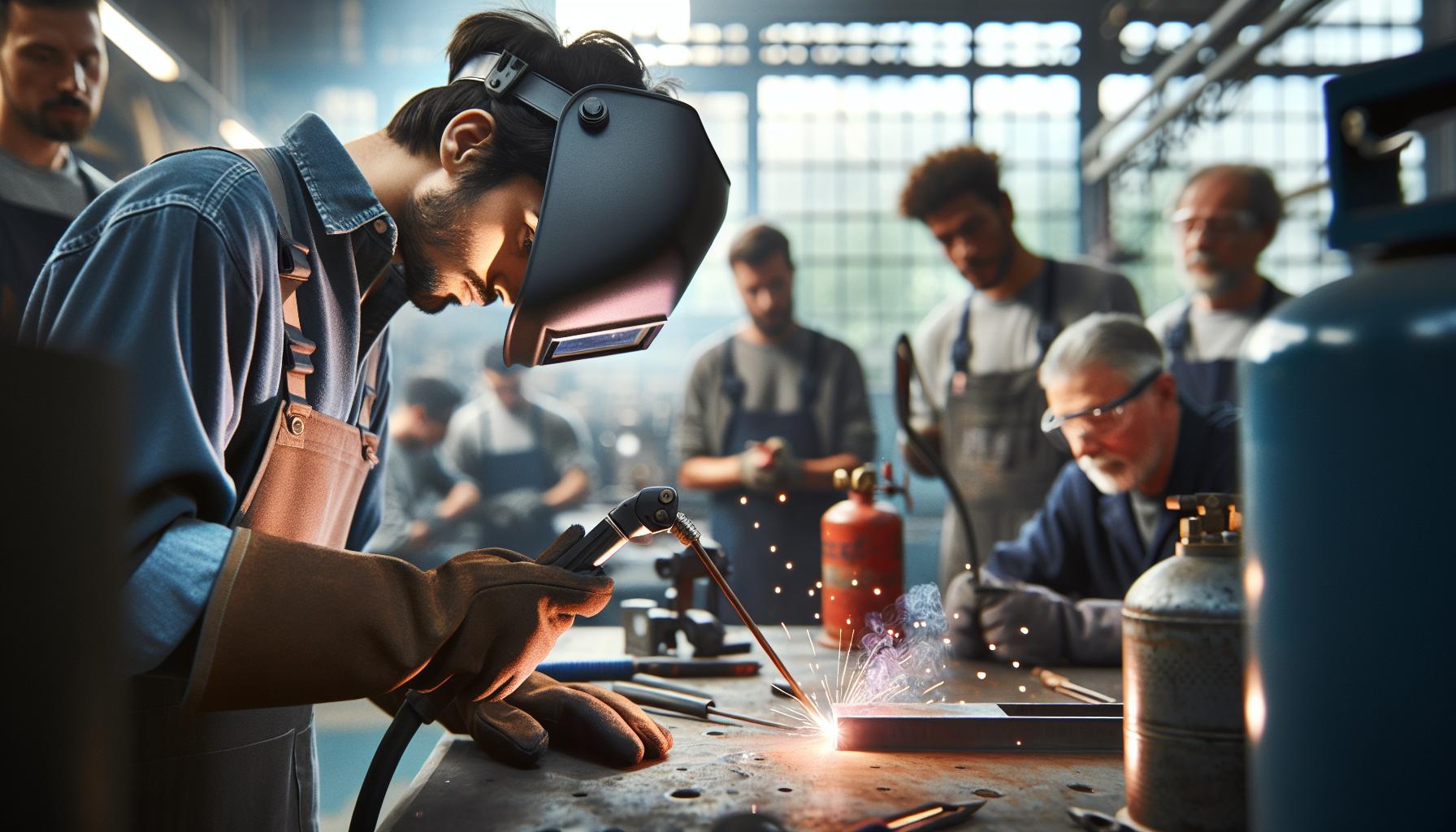
Understanding Different Welding Processes
Understanding the various welding processes is essential for any beginner eager to embark on a successful welding journey. Each technique has its own unique characteristics, suitable applications, and skill requirements, making it crucial to choose the right method for your specific project needs. Familiarizing yourself with these processes will not only enhance your welding skills but also broaden your creative possibilities in this versatile craft.
MIG Welding (Metal Inert Gas)
MIG welding is often the go-to starting point for novices due to its user-friendly nature. This method utilizes a continuous wire feed as the electrode and an inert gas, such as argon or carbon dioxide, to shield the weld area from contaminants. Its versatility makes it ideal for joining thin materials like sheet metal, commonly found in automotive repairs and general fabrication. However, the speed and ease of MIG welding might sometimes lead beginners to overlook proper technique, which is vital for achieving quality welds.
TIG Welding (Tungsten Inert Gas)
In contrast, TIG welding requires a higher skill level but offers unparalleled precision. This process involves a non-consumable tungsten electrode to produce the weld, allowing the welder to have intricate control over the weld pool. It is particularly effective for welding thin sections of materials like stainless steel and aluminum, making it a favorite in industries requiring high-quality finishes. Although it presents a steeper learning curve, mastering TIG welding can significantly elevate a welder’s skill set and project options.
Stick Welding (Shielded Metal Arc Welding)
Stick welding, or shielded metal arc welding (SMAW), is one of the oldest welding techniques and remains widely used today. This method employs a consumable electrode coated in flux to produce the weld. Its simplicity and effectiveness make it suitable for outdoor work and thicker materials, allowing welders to tackle challenging conditions. Beginners may find stick welding approachable; however, achieving a steady arc and consistent welds takes practice and patience.
Flux-Cored Welding
Flux-cored welding is another excellent technique for beginners, particularly in outdoor environments. Similar to MIG welding, it uses a tubular wire filled with flux to generate a protective gas shield around the weld. This process allows for welding in windy conditions, which could disrupt other methods. It’s particularly well-suited for thicker sections, making it a popular choice in structural work. Understanding the nuances of flux-cored welding can enhance your versatility as a welder, allowing you to work on a broader range of projects.
Each welding process offers distinct advantages tailored to different materials and project requirements. By investing time to understand these welding techniques, beginners can make informed decisions, honing their skills and expanding their welding repertoire as they gain more experience. Whether you opt for the ease of MIG, the precision of TIG, the reliability of stick, or the convenience of flux-cored welding, mastery of these processes will serve as a cornerstone of your welding expertise.
Choosing the Right Welding Equipment
Selecting the appropriate welding equipment is pivotal for ensuring successful projects and maintaining safety in your workspace. With an array of welding techniques available, the right tools can make the difference between a quality weld and a disappointing outcome. Beginners often face confusion when choosing welding machines, so understanding the nuances of each type and its corresponding requirements is essential.
To start, consider the primary welding processes: MIG, TIG, stick, and flux-cored welding. Each process demands specific equipment tailored to its operational needs. For example, MIG welding requires a welding machine capable of feeding wire consistently, along with an appropriate gas supply to protect the weld pool. A versatile MIG welder that handles various metal thicknesses is an excellent investment for those new to welding. In contrast, TIG welding equipment generally involves a more sophisticated setup, including a high-frequency start system, a foot pedal for precise amperage control, and dedicated tungsten electrodes based on the metals to be welded.
Safety features are another critical aspect when selecting your welding equipment. Look for machines with thermal overload protection and those designed to operate with proper ventilation for gas emissions. Additionally, personal protective equipment (PPE) is crucial; high-quality helmets, gloves, and protective clothing can help guard against burns and injury, enhancing not just your safety but also your confidence as you learn.
In terms of consumables, the materials you plan to work with will influence your choices. Different gases, rods, and wires are necessary for varying metals like aluminum, stainless steel, or thicker steel sections. Keeping a well-stocked inventory that aligns with your project goals can streamline your work and minimize delays.
Ultimately, investing time in understanding your equipment, from the machine’s capability to its safety features, will set the foundation for a successful welding career. The right tools not only enhance performance but also ensure safety and quality as you embark on your welding journey.
Safety Protocols Every Welder Must Know
Welding, while an incredibly rewarding skill, comes with its share of hazards that can have serious consequences if not properly managed. Every welder, whether a novice or experienced, must prioritize safety to protect themselves and those around them. Adhering to established safety protocols is essential in reducing the risk of injury and ensuring longevity in the welding profession.
One of the crucial steps in maintaining a safe welding environment is the proper use of personal protective equipment (PPE). At a minimum, welders should wear a welding helmet with appropriate filter lenses, flame-resistant clothing, heavy-duty gloves, and steel-toed boots. Additionally, respiratory protection may be necessary when welding in confined spaces or when dealing with materials that produce toxic fumes. Using PPE designed specifically for each welding process-such as MIG, TIG, or stick welding-can provide additional layers of protection against specific hazards associated with each method.
To further enhance safety, it’s imperative to create a well-organized and ventilated workspace. Welding generates fumes and gases that can be harmful if inhaled. Adequate ventilation is essential to allow these gases to dissipate and prevent the accumulation of hazardous materials. Implementing proper housekeeping measures, like keeping combustible materials away from welding areas and ensuring electrical cords are in good condition, significantly reduces the risk of fire and electrical accidents.
Incorporating a system of checks before beginning any welding work can help foster a culture of safety. This could include inspecting equipment for defects, ensuring gas supplies are secure, and being aware of the work environment. A safety checklist that includes assessing the presence of flammable materials, the functionality of equipment, and adequate first aid supplies can serve as a vital routine for every welder. Ultimately, understanding and practicing these safety protocols not only protects individual welders but also promotes a safe and efficient workplace.
Materials Overview: Steel, Aluminum, and Beyond
Understanding the various materials used in welding is crucial for both beginners and experienced welders, as each material comes with its specific properties, advantages, and challenges. The two most commonly welded materials are steel and aluminum, each requiring different techniques and considerations. Knowing how to work with these materials enhances your skill set and allows for a broader range of projects.
Steel is the most widely used material in welding due to its strength, versatility, and availability. It can be categorized into carbon steel, stainless steel, and alloy steel, each having distinct characteristics. For instance, carbon steel is strong and can be welded easily but can corrode, while stainless steel offers enhanced corrosion resistance and requires specific techniques, often utilizing TIG welding for better precision. A prime example of a typical project involving steel is fabricating structural supports for buildings, where strength is paramount.
In contrast, aluminum is celebrated for its lightweight and corrosion-resistant properties, making it ideal for automotive and aerospace applications. However, aluminum’s low melting point and high thermal conductivity necessitate different welding techniques, such as MIG or TIG welds with specialized filler materials. When welding aluminum, it’s critical to clean the surface thoroughly to remove any oxidation layer that can interfere with the weld quality. One common project for beginners is creating small aluminum brackets or frames, which helps develop the necessary skills while working with this challenging material.
Beyond Steel and Aluminum
While steel and aluminum dominate the welding landscape, other materials like copper, bronze, and plastics also present interesting opportunities for welders. Copper welding is often used in electrical applications, while bronze may be utilized for artistic and decorative works. Plastic welding, although not as common, is gaining popularity in certain manufacturing contexts where traditional welding cannot be applied. The techniques used for these materials differ significantly, so understanding their respective melting points, settings, and welding techniques is essential for successful projects.
As you advance your skills, experimenting with different materials can open up new avenues for creativity and innovation in your welding projects. Each material not only requires a distinct approach but also encourages you to adapt your techniques continuously, enhancing your overall expertise in the field.
Step-by-Step Guide to MIG Welding
MIG welding, or Metal Inert Gas welding, is among the most versatile and widely used welding processes in the field today. Known for its ease of use and efficiency, MIG welding is particularly appealing to beginners due to its straightforward technique and adaptability to various materials, including steel and aluminum. By understanding the fundamental steps of the MIG welding process, newcomers can quickly develop their skills and confidence.
The first step in successfully executing a MIG weld is to prepare the work area and the materials. Begin by ensuring that your workspace is clean and free of any flammable materials. Next, prepare the metal surfaces by cleaning them of rust, paint, or grease using a wire brush or grinder. Proper surface preparation is crucial, as contaminants can weaken the weld. Once the surfaces are ready, secure the pieces together using clamps to prevent any movement during the welding process.
Next, select the appropriate MIG welding machine settings. This includes adjusting the voltage and wire feed speed based on the thickness of the material and the type of filler wire being used. For most welding tasks, a solid wire with a shielding gas mixture of argon and carbon dioxide is suitable. In general, thicker materials require higher voltage and faster wire feed speeds, whereas thinner materials necessitate lower adjustments. Consult your welding machine’s manual for specific parameters and make necessary adjustments accordingly.
Once your setup is complete, wear the correct protective gear, including a welding helmet, gloves, and flame-resistant clothing. Then, strike the arc by triggering the welder’s gun and move the torch smoothly along the joint at a consistent speed. Maintain the correct distance (usually about 1/4 inch) between the tip and the workpiece to ensure a stable arc. As you move the torch along the seam, it’s essential to create a pattern, either weaving or progressing in a straight line, depending on the joint configuration. Observe the molten pool and adjust your speed and angle to achieve consistent penetration and bead appearance.
After completing the weld, it’s crucial to allow the joint to cool before inspecting the bead. Look for any inconsistencies such as undercutting, incomplete fusion, or excessive spatter, which can indicate defects that need correcting in future welds. Practice is key; experiment with different materials and settings to deepen your understanding and refine your MIG welding technique. Embrace the learning curve, and with time, you’ll build the skill set necessary for both simple repairs and complex projects.
Mastering TIG Welding for Precision Projects
TIG welding, or Tungsten Inert Gas welding, is often regarded as the gold standard for precision welding. Its versatility and finesse make it a preferred choice for experienced welders when working on intricate projects, especially with thin materials and stainless steel. Mastering this technique not only enhances your skill set but also opens doors to advanced applications in various industries, from automotive to aerospace.
To begin with, understanding the components of a TIG welding setup is essential. The process uses a non-consumable tungsten electrode, which creates the arc necessary for the weld. A shielding gas-typically argon or a mixture of argon and helium-protects the weld area from contamination. When choosing your tungsten electrode, consider its diameter and type; a smaller diameter provides better control for thin materials, while larger diameters can handle higher currents for thicker sections. The selection of filler material, if used, should also match the base metal to achieve optimal results.
Safety is paramount in TIG welding, as the high temperatures and bright arcs can pose significant risks. Make sure to wear proper protective gear, including a shade 10 welding helmet, insulated gloves, and flame-resistant clothing. It’s also crucial to work in a well-ventilated area to avoid the inhalation of any harmful fumes. Additionally, due to the nature of the welder’s arc, maintaining the correct distance and angle of the torch is vital for producing clean, strong welds. Typically, holding the torch at a 15 to 20-degree angle allows for better visibility and control when manipulating the arc across the joint.
In practice, gaining proficiency in TIG welding takes time and patience. A recommended approach is to start by practicing on scrap pieces of metal, focusing on maintaining a consistent speed and angle. Gradually incorporate filler material into your practice as you become comfortable with the basics. Pay attention to the color and shape of the molten pool; a bright, fluid pool suggests proper heat settings, while a humped or dark pool can indicate excessive heat or improper technique. Spending time honing these skills will set a solid foundation, allowing for successful execution of more complex projects as you progress.
Stick Welding: A Beginner’s Best Friend
Stick welding, or Shielded Metal Arc Welding (SMAW), often stands out as an ideal starting point for new welders. Its relative simplicity and versatility make it accessible, allowing novices to develop fundamental skills that are transferable to more advanced techniques later on. This welding method requires minimal equipment-just a welding machine, electrodes, and protective gear-making it perfect for those just stepping into the world of welding.
One of the critical advantages of stick welding is its adaptability to various environments and conditions. Unlike MIG or TIG welding, which demand clean, dry surfaces and stable settings, stick welding can be performed outdoors and on rusty or dirty metal surfaces. This can be a real game-changer for beginners who may not have access to a fully equipped workshop. Additionally, the learning curve is relatively gentle; with a bit of practice, beginners can quickly produce strong welds on thicker materials like steel, which is often the most common welding requirement.
While working with stick welding, understanding the selection of electrodes is essential. Different electrodes are designed for different types of metals and thicknesses, so choosing the right one can significantly impact the quality of the weld. For instance, E6011 electrodes are excellent for all-position welding on dirty surfaces, while E7018 ones offer high strength and better appearance for structural applications. Beginners should experiment with a variety of electrodes to grasp their specific properties and how they behave under different settings.
Safety cannot be overstated in stick welding due to the bright arc and the presence of electrical currents. Protective gear, including a quality welding helmet with a suitable shade level, gloves, and flame-resistant clothing, is pivotal. Additionally, proper ventilation is necessary to avoid the inhalation of fumes produced during the process. Understanding and following safety protocols will not only safeguard personal health but also enhance overall welding performance.
Ultimately, mastering stick welding builds a robust foundation for aspiring welders, enabling them to progress to more complex techniques while fostering confidence and proficiency in their craft. Through practice and experimentation, beginners can turn stick welding into a reliable tool for various projects, from home repairs to artistic endeavors, paving the way toward a full-fledged career in this rewarding field.
Exploring Flux-Cored Welding Advantages
One of the most compelling benefits of flux-cored welding is its ability to deliver exceptional performance in challenging conditions. This method utilizes a tubular wire electrode filled with flux, allowing for effective welding without requiring external shielding gas. This capability makes flux-cored welding highly favorable for outdoor applications or in environments where wind and atmospheric contaminants might hinder other welding methods like MIG. For beginners, this presents an advantage as it permits work without the need for stringent environmental controls, thus providing greater flexibility in project execution.
Flux-cored welding excels in producing deep penetration welds, particularly on thicker materials. This is vital for industrial applications where the integrity of welds is paramount. Beginners may find it easier to achieve solid welds on metals such as steel due to the high deposition rate offered by this technique. Furthermore, the process allows for the use of various flux compositions, enabling adjustments tailored to specific materials and project requirements. As a result, beginners can experiment with different wire types, quickly gaining insight into how adjustments affect weld quality.
Effective Techniques
A common challenge for many new welders using flux-cored welding is maintaining an optimal travel speed. A slower travel speed can often lead to excess heat accumulation, which risks warping the metal or creating weakened joints. To mitigate these issues, it’s essential to practice controlling travel speed and maintaining consistent arc length. Regular practice sessions that focus on different positions and angles will contribute significantly to mastering these techniques.
Moreover, understanding the nuances of flux-cored welding can provide a leg up in a welder’s career progression. The process is prevalent in construction, shipbuilding, and heavy equipment repair industries, which means that proficiency in this technique is often in demand. As welders develop their skills and safety awareness with flux-cored welding, they prepare themselves for roles that require both technical expertise and an understanding of complex welding operations. Adopting this method early on can lead to a deeper engagement with more advanced techniques and, ultimately, greater career versatility.
Ultimately, exploring the advantages of flux-cored welding opens up numerous pathways for beginners, making it not only a practical choice for those starting but also a robust foundation for a career in welding. With continued practice and an emphasis on safety, welders can harness the strengths of this technique to tackle various projects, building both confidence and skill along the way.
Common Welding Mistakes and Solutions
Welding, despite its straightforward premise of joining materials, is rife with opportunities for error, especially for beginners. A common misconception is that any weld will do, yet this notion can lead to critical mistakes that compromise both safety and structural integrity. Understanding these common pitfalls and their solutions is essential for any aspiring welder to build a solid foundation in their craft.
One prevalent mistake is improper travel speed. Whether using MIG, TIG, stick, or flux-cored welding, an incorrect travel speed can lead to undercutting, burn-through, or an inconsistent bead appearance. For example, traveling too quickly can result in insufficient heat penetration, creating weak joints. Conversely, moving too slowly may produce excessive heat that warps the base metal. Solution: Practice maintaining a steady hand and focus on your travel speed. Use scrap pieces of metal to experiment with different speeds and observe how they affect the quality of your welds.
Incorrect electrode angle can also drastically impact weld quality. Setting the wrong angle can cause insufficient coverage or stray arcs, making it difficult to achieve a clean and strong weld. This error is often overlooked by novices who might not realize how angle adjustments affect the arc stability and penetration. Solution: For most welding processes, a 15 to 20-degree angle towards the direction of travel is recommended. Practicing on scrap metal will help beginners develop an instinct for the proper angles, enhancing their welds’ overall effectiveness.
Another mistake is inadequate preparation of the base metal. Welding over dirt, rust, or paint can lead to poor fusion and increased risk of contamination, resulting in weak welds that are prone to failure. This critical error often stems from haste or a lack of awareness regarding the importance of clean surfaces. Solution: Always clean the surfaces to be welded. Use a wire brush, grinder, or chemical cleaner to ensure the metal is free of contaminants, which will significantly improve the quality and longevity of your welds.
Lastly, neglecting personal safety is perhaps the most dangerous mistake a welder can make. Inadequate protective gear or a lack of awareness about potential hazards can lead to severe injuries. Solution: Always adhere to safety protocols by wearing appropriate personal protective equipment (PPE), such as helmets, gloves, and flame-resistant clothing. Familiarize yourself with the specific hazards of each welding method and continuously practice safety-first principles.
By identifying common welding mistakes and implementing these solutions, both beginners and seasoned welders can improve their skills, enhance their safety, and produce stronger, more reliable welds. Continuous practice, self-assessment, and adherence to safety protocols will not only boost confidence but also pave the way for a successful welding career.
Building a Successful Career in Welding
A career in welding offers not only the opportunity for substantial financial rewards but also a chance to engage in creative and meaningful work that directly impacts various industries. With the demand for skilled welders steadily increasing-particularly in sectors such as construction, automotive, and manufacturing-there has never been a better time to embark on this professional journey. However, laying a strong foundation requires not only mastering the technical skills associated with different welding processes, such as MIG, TIG, stick, and flux-cored welding, but also developing a keen understanding of the industry, safety protocols, and essential networking strategies.
Essential Skills and Continuous Learning
To build a successful welding career, you must hone both technical and soft skills. Technical proficiency is essential; this includes understanding different materials, such as steel and aluminum, and mastering various welding techniques. Each process has its unique advantages and applications, so familiarity with these nuances will set you apart from the competition. Simultaneously, soft skills like communication and teamwork are invaluable, especially when working on large projects where coordination with other trades is required. Commitment to continuous learning through workshops, online courses, and industry certifications will keep your skills relevant and advance your career trajectory.
- Technical Skills: Mastery of MIG, TIG, stick, and flux-cored welding.
- Material Knowledge: Understanding properties and welding techniques specific to metals like steel and aluminum.
- Soft Skills: Communication, teamwork, and problem-solving abilities.
Networking and Industry Engagement
Networking plays a vital role in a successful welding career. Join welding associations, local trade unions, or online communities where you can connect with seasoned professionals and fellow apprentices. Attend industry trade shows and seminars to stay updated on new technologies and best practices. Engaging with mentors can provide valuable insights, guiding your career choices and helping you avoid common pitfalls.
It’s also worthwhile to consider internships or apprenticeships, as these positions often lead to full-time job offers. Gaining hands-on experience is not only a requirement for many certification programs but also a crucial step in building credibility within the field.
Staying Safe and Adapting to Industry Changes
Whatever path you choose, understanding and adhering to safety protocols and regulations is fundamental. Compliance with Occupational Safety and Health Administration (OSHA) standards is non-negotiable, not just for your safety but also to prevent injuries that can disrupt your career. Familiarity with personal protective equipment (PPE), safe operation of welding equipment, and proper material handling will cultivate a secure work environment.
As technology advances-whether through automation or new welding materials-being adaptable is crucial. Embrace change and continuously seek new knowledge and skills. This adaptability will enhance your employability and prepare you for the future of welding.
Building a rewarding career in welding is a multidimensional journey that combines technical mastery, practical experience, networking, and a commitment to safety and ongoing education. By focusing on these areas, you will not only establish a strong foundation but will also position yourself as a valuable asset in an ever-evolving industry.
Essential Welding Projects for Skill Development
Embarking on a journey in welding not only opens doors to various career opportunities but also allows for the development of valuable skills through hands-on projects. Engaging in practical welding tasks can significantly enhance your proficiency, understanding of different techniques, and material properties. Choosing the right projects can build a solid foundation while fostering creativity and craftsmanship.
To start, consider simple projects that incorporate basic techniques such as MIG, TIG, stick, or flux-cored welding. Creating items like a metal toolbox or a small garden trellis not only introduces you to welding principles but also results in functional products. These projects encourage experimentation with different welding positions and settings, which are critical in developing a feel for the equipment and materials involved.
As you advance, aim for slightly more complex designs, such as outdoor furniture or decorative art sculptures. These endeavors not only challenge your skills but also require precision and attention to detail, particularly with techniques like TIG welding, where control over the heat input is essential for achieving clean, aesthetically pleasing joints. Each project will build your confidence and help you learn to troubleshoot common issues, such as distortion or inconsistent bead appearance.
Project Ideas for Skill Progression
Explore the following project ideas to enhance your welding skills:
- Metal Toolbox: A practical item that teaches basic welding joins and material handling.
- Garden Trellis: Develops skills in creating strong structures while practicing different welding positions.
- Outdoor Furniture: Encourages creativity and mastery of joint aesthetics, particularly in TIG welding.
- Sculptural Art Pieces: Focuses on intricate details and requires precision in multiple welding techniques.
Each of these projects also presents opportunities to experiment with various materials, such as steel and aluminum, further broadening your expertise. Always remember to prioritize safety by using the appropriate personal protective equipment (PPE) and adhering to safety protocols during your welding activities. Doing so not only ensures your safety but also enhances the learning experience, allowing you to focus on mastering the craft without distractions.
Frequently asked questions
Q: What are the best practices for welding safety?
A: The best practices for welding safety include wearing appropriate personal protective equipment (PPE) like gloves, helmets, and protective clothing. Ensure proper ventilation to avoid inhaling fumes, use fire-resistant materials, and keep a first aid kit handy. Regularly check equipment for defects to minimize hazards.
Q: How can I choose the right welding technique for my project?
A: Selecting the right welding technique depends on the materials used and the requirements of the project. For thicker metals, consider MIG or stick welding; for thinner metals, TIG welding is preferable. Understanding the properties of different materials, like steel and aluminum, will also guide your choice.
Q: What are common welding mistakes to avoid as a beginner?
A: Common welding mistakes include poor joint preparation, improper settings on the welder, and lack of practice controlling the welding arc. Beginners should focus on mastering basic techniques before progressing to complex projects. Regularly reviewing common pitfalls can significantly improve results.
Q: How do I prepare metal surfaces before welding?
A: Preparing metal surfaces involves cleaning the area to remove dirt, rust, and oil. Use a wire brush, grinder, or chemical cleaners for thorough cleaning. Additionally, ensure the surfaces fit together well without gaps for a strong weld. Proper preparation enhances the joint’s strength and appearance.
Q: What type of welding projects are suitable for beginners?
A: Beginners should start with simple projects such as creating a metal toolbox, ornamental racks, or basic furniture. These projects help build confidence and skills. With practice, you can gradually move to more complicated structures and designs, applying techniques from your training.
Q: When is it necessary to use filler material in welding?
A: Filler material is necessary when welding two pieces of metal that cannot join directly by melting alone. It compensates for gaps and creates a stronger bond. The type and amount of filler depend on the welding technique and base materials used, requiring consideration during planning.
Q: How can I improve my welding skills quickly?
A: To improve welding skills quickly, practice regularly on various materials and joint types. Seek feedback from experienced welders or classes, and analyze your work to identify areas for improvement. Using video tutorials can also provide valuable visual guidance and tips.
Q: What tools do I need for DIY welding at home?
A: Essential tools for DIY welding include a welding machine (MIG, TIG, or stick), protective gear (helmet, gloves, and apron), clamps for securing workpieces, and a variety of welding rods or wire. Investing in basic quality tools will enhance your welding experience and safety.
Wrapping Up
As you embark on your welding journey, remember that mastering techniques like MIG, TIG, stick, and flux core welding will empower you to tackle projects with confidence, whether it’s working with aluminum or steel. With the knowledge gained from “How to Welding: Complete Beginner’s Roadmap to Success,” you are well-equipped to create strong, durable welds that stand the test of time. Don’t hesitate-grab your welding gear and start practicing today!
Explore additional resources with our guides on welding safety protocols to keep you protected, or check out our equipment reviews to find the best tools for your projects. If you’re considering a welding career, dive into our career guidance section for tips on how to succeed in this field. We encourage you to share your thoughts or questions in the comments below, and be sure to subscribe to our newsletter for the latest updates and expert insights. Join our community of passionate welders and elevate your skills today!