
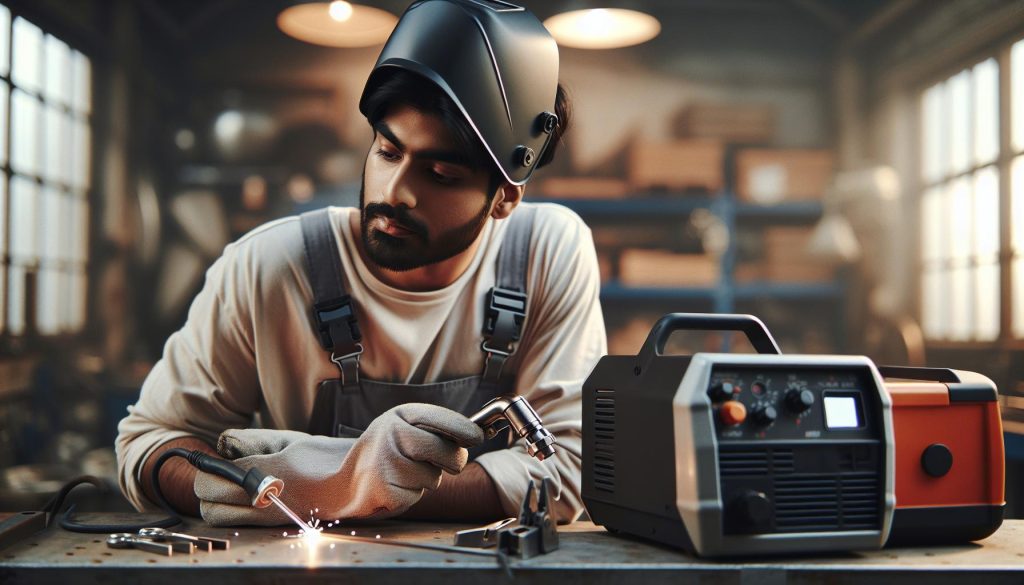
Welders frequently ponder the capabilities of their machines, particularly whether a TIG welder can also function as a plasma cutter. Understanding this relationship is crucial for fabricators and hobbyists alike, as it influences purchasing decisions and workflow efficiency. Both techniques serve distinct purposes: TIG welding excels at creating strong, precise joints in materials like steel and aluminum, while plasma cutting offers fast, clean cuts through a variety of metals.
As the industry moves towards multi-functional tools, it’s essential to explore whether a single machine can meet diverse welding needs without compromising quality. This expert analysis aims to clarify the interplay between TIG welding and plasma cutting, addressing common concerns and providing insights that could save time and resources in your next project. Dive in to discover how to optimize your equipment for versatility and effectiveness in metalworking.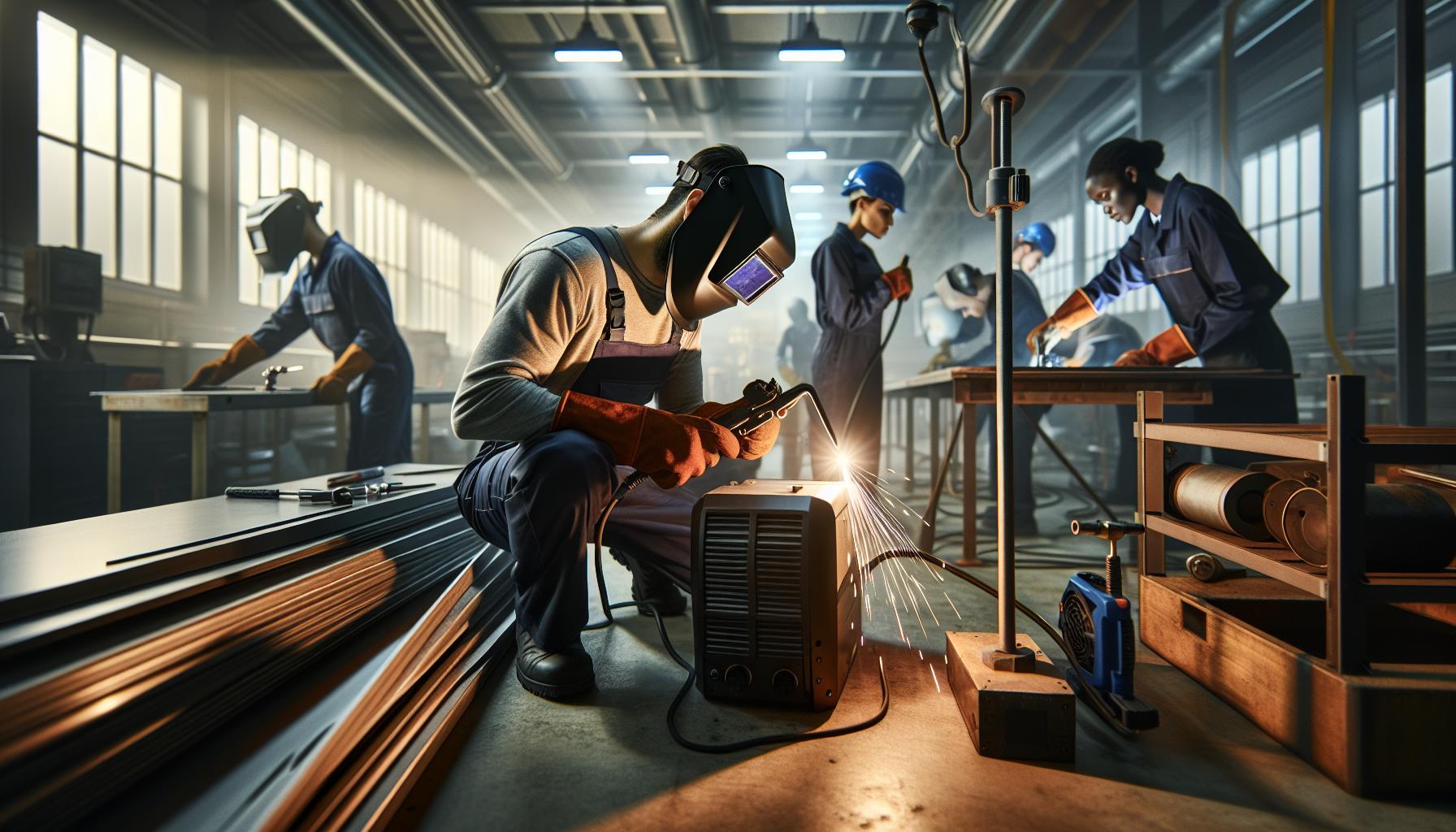
Can a TIG Welder Work as a Plasma Cutter? Exploring the Possibilities
The potential for using a TIG welder as a plasma cutter might intrigue many welders looking to consolidate their equipment or explore versatile applications. While TIG (Tungsten Inert Gas) welding is primarily designed for creating clean, precise joins in metals, especially non-ferrous ones, plasma cutting serves a different purpose: it uses high-temperature plasma to cut through various materials. Understanding the inherent differences between the two processes is crucial for evaluating whether a TIG machine can function as a plasma cutter.
In theory, a TIG welder cannot be transformed into a plasma cutter without significant modification. TIG welding relies on a non-consumable tungsten electrode that produces an arc between the electrode and the workpiece, melting the metal to create a weld. In contrast, plasma cutting utilizes a consumable electrode and compressed gas, ionizing it to create a plasma stream that effectively slices through materials. While some components may overlap-for example, both methods require an electric power source and protective measures-the distinct operational mechanisms make them not directly interchangeable.
However, for specialized applications or experimental setups, certain TIG welding machines can be outfitted with attachments that allow for plasma cutting capabilities. These dual-purpose machines, often categorized as multi-process welders, integrate technologies that enable them to perform both functions. This versatility can save on equipment costs and space while providing the flexibility traders need on diverse job sites. Nevertheless, it’s essential to recognize that each process has its strengths; for instance, TIG welding excels in thin, intricate welds where precision is paramount, while plasma cutting is superior for rapidly slicing through thicker materials.
Ultimately, understanding one’s specific welding and cutting needs is vital before deciding to push the limits of a TIG welder’s functionality. Those requiring both welding and cutting services might find it more pragmatic to invest in dedicated equipment to ensure efficiency, safety, and optimal results.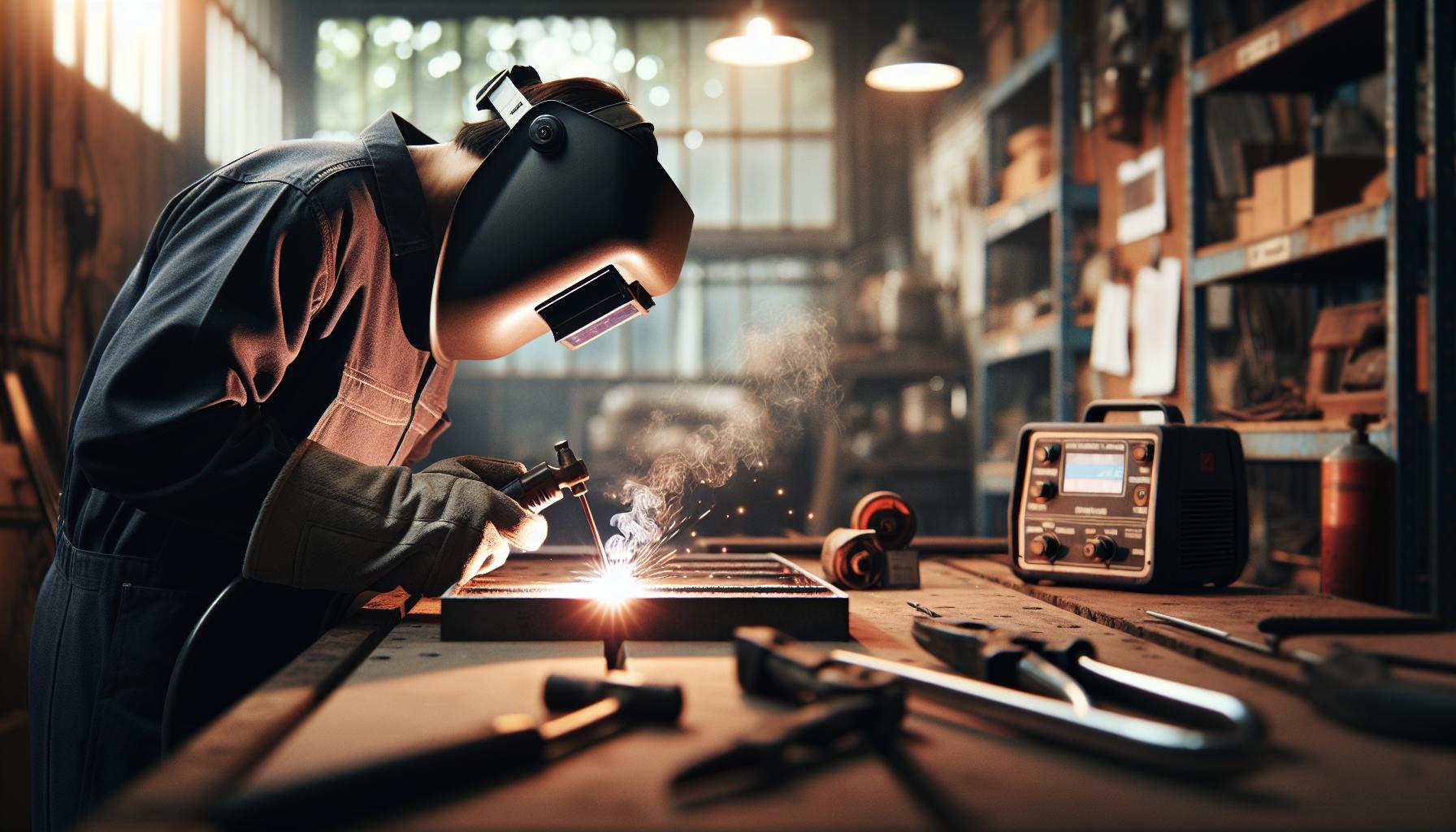
Understanding TIG Welding: Fundamentals and Applications
TIG welding is renowned for its precision and clean welds, making it the preferred method for joining thin metals, particularly aluminum, stainless steel, and copper. The technology operates on the principle of creating an electric arc between a non-consumable tungsten electrode and the workpiece. This arc generates an intense heat that melts the metal, allowing for the formation of strong, high-quality joints with minimal spatter and distortion. The process is often favored in applications where aesthetics and structural integrity are paramount, such as in automotive, aerospace, and art industries.
To maximize the effectiveness of TIG welding, welders frequently utilize inert gas, typically argon, to shield the weld area from atmospheric contamination. This shielding gas helps to prevent oxidation, which can compromise the quality of the weld. Additionally, TIG welding can accommodate a variety of filler materials, allowing operators to customize the weld based on the specific requirements of the job. Factors such as the thickness of the metals, the type of joint, and the desired mechanical properties all influence the choice of filler material and welding parameters.
Practical applications of TIG welding extend far beyond just assembly. It is widely employed in repair work, where precision is crucial for restoring original strength and appearance. For example, TIG welding can be used to repair intricate components on aircraft or fabricate custom parts for machinery. The versatility of the process makes it suitable for both professional fabrication shops and hobbyist workshops, where welders can execute a wide array of projects, from artistic sculptures to functional components.
Moreover, the skill set required for TIG welding is often viewed as a mark of mastery within the profession, as it demands a steady hand and keen attention to detail. Beginners may find it challenging but rewarding, enabling them to produce high-quality work with practice. As technology advances, many modern TIG welding machines now incorporate features like digital displays and programmable settings, further enhancing their usability across various applications. Understanding these fundamentals is critical for determining whether a TIG welder can meet the rigors of tasks typically assigned to plasma cutters, particularly in terms of material thickness and joint integrity.
What is Plasma Cutting? Key Features and Benefits
Plasma cutting is a versatile and efficient method used to slice through various conductive materials, such as steel, aluminum, brass, and copper. Utilizing a high-velocity jet of ionized gas, or plasma, the process heats the workpiece to the melting point before expelling the molten material, resulting in a clean and precise cut. This technique is especially favored in industries requiring high levels of accuracy and speed, such as automotive, aerospace, and manufacturing, where traditional cutting tools may fall short.
One of the key features of plasma cutting is its ability to cut through thick materials with relative ease, often up to several inches thick, depending on the power of the machine. The process is marked by its rapid cutting speeds, which can significantly reduce operational downtime compared to other methods like oxy-fuel cutting. Additionally, plasma cutting generates less heat than traditional cutting methods, which minimizes the risk of warping or distorting the metal.
Benefits of Plasma Cutting:
- Speed: Plasma cutting is one of the fastest cutting methods available, allowing for quick turnaround times on fabrication projects.
- Precision: High-quality cuts with minimal kerf width ensure that materials are accurately processed without excessive waste.
- Versatility: Capable of cutting a wide range of conductive materials, it is suitable for various applications across different industries.
- Portability: Many plasma cutting machines are designed to be lightweight and portable, enabling on-site cutting capabilities.
The effectiveness of plasma cutting also extends to intricate designs and profiles, which are increasingly critical in modern manufacturing. Advanced plasma cutters come equipped with features such as CNC (Computer Numerical Control) integration, enhancing automation and maintaining consistent quality across multiple pieces. Overall, the adoption of plasma cutting can transform production processes by enhancing both efficiency and safety.
Comparing TIG Welding and Plasma Cutting: A Side-by-Side Review
When considering the capabilities of TIG welding compared to plasma cutting, it’s essential to understand the fundamental differences in their operational mechanisms, output quality, and practical applications. TIG welding, or Tungsten Inert Gas welding, involves using a non-consumable tungsten electrode to produce an arc, allowing for precise and controlled welding of metals. This method excels in producing high-quality, strong joints with minimal distortion, particularly favored for materials like stainless steel and aluminum. On the other hand, plasma cutting employs a high-velocity jet of ionized gas to cut through conductive materials, making it an ideal choice for creating intricate shapes and profiles quickly and efficiently.
One of the most notable distinctions is their intended purposes. TIG welding is inherently slower and primarily focused on joining materials rather than severing them. In contrast, plasma cutting is designed for speed and agility, effectively slicing through materials up to several inches thick with remarkable precision. For instance, industries such as automotive fabrication rely on plasma cutting for creating complex parts rapidly, whereas TIG welding is preferred for structural applications where strength and finish are critical.
In assessing whether a TIG welder can be used as a plasma cutter, it’s vital to note that while both processes utilize electrical arcs, they do so in fundamentally different ways and for differing end results. While some dual-purpose machines are available, typically called plasma-TIG welders, standard TIG equipment lacks the features necessary to operate effectively as a plasma cutter without substantial modifications.
- Speed: Plasma cutting is much faster, suitable for extensive cutting tasks.
- Precision: TIG welding offers high precision, ideal for intricate welds.
- Material Thickness: Plasma cutting handles thicker materials than TIG can weld.
- Heat Affected Zone: TIG welding has a smaller heat affected zone, reducing warping.
In conclusion, while both TIG welding and plasma cutting serve vital functions in metalworking industries, they should not be viewed as interchangeable. Each has its own strengths; hence, a thorough understanding of their applications will guide you in selecting the appropriate technique for your specific projects. Whether prioritizing the quality and strength of a weld or the speed and versatility of a cut, recognizing the unique attributes of each method is crucial for achieving optimal results in metal fabrication.
Capabilities of TIG Welders vs. Plasma Cutters: Which is Best?
When weighing the capabilities of TIG welders and plasma cutters, it’s clear that each tool serves distinct but essential functions in metalworking. While both utilize high-energy arcs, their applications and results are tailored to different needs. TIG welding excels at creating high-quality, precise welds, especially in applications that demand meticulous craftsmanship, such as aerospace components or high-end automotive parts. This method allows for excellent control over the heat and weld puddle, making it ideal for thin materials and exotic alloys like aluminum, stainless steel, and titanium.
In contrast, plasma cutters thrive on speed and versatility, making them the go-to choice for cutting through thicker materials quickly. These machines can effortlessly slice through steel up to several inches thick, producing clean edges without the need for secondary finishing processes. This capability is invaluable in industrial environments where efficient material processing is critical, such as in shipbuilding or metal recycling operations. Moreover, the versatility of plasma cutting allows for more intricate shapes and profiles compared to traditional cutting methods.
Key Differences in Capabilities
Understanding the differences between these two technologies can help in determining which is best suited for specific tasks.
- Application Focus: TIG welders are designed for joining metals with a high degree of precision, while plasma cutters are primarily for cutting and shaping materials.
- Material Thickness: Plasma cutters maintain effectiveness on thicker materials, rendering them essential for heavy industrial applications, whereas TIG welding is better for joining thinner sections.
- Heat Affected Zone (HAZ): TIG welding produces a smaller heat-affected zone, minimizing warping and distortion in delicate components, which is critical in high-precision fields.
- Speed vs. Precision: While plasma cutting is generally faster, producing rapid cuts, TIG welding offers enhanced control over the final appearance and integrity of the joint.
Deciding which tool is “best” ultimately hinges on the specific requirements of a project. For tasks that prioritize clean joins and require a high degree of meticulous work, TIG welding is unparalleled. Conversely, for those needing quick cuts on larger sections of metal, plasma cutting is the clear winner. Recognizing these strengths will guide users in selecting the appropriate tool, ensuring efficient and high-quality results in their metalworking endeavors.
Safety Protocols for Using TIG Welders and Plasma Cutters
When working with TIG welders and plasma cutters, safety is paramount. Both tools involve high temperatures and electrical arcs that can pose serious risks if proper protocols are not followed. Whether you’re a novice or a seasoned professional, understanding and adhering to safety measures can protect you from potential hazards like burns, electrical shocks, and inhalation of harmful fumes.
- Personal Protective Equipment (PPE): Always wear appropriate PPE, including welding helmets with proper lens shading, flame-resistant clothing, gloves, and safety boots. In addition, use respirators or masks to guard against harmful fumes and particulates generated during the welding or cutting process.
- Ventilation: Ensure your workspace is well-ventilated. Proper airflow can help dissipate fumes produced by welding and plasma cutting, decreasing the chance of inhalation of toxic gases. If working indoors, consider using local exhaust ventilation systems.
- Electrical Safety: Before using equipment, check that all electrical connections are secure and free of damage. Use tools with insulated handles to reduce the risk of electrical shock. Always unplug the equipment when making adjustments or switching out consumables.
- Fire Safety: Keep flammable materials away from the work area and have a fire extinguisher readily available. Since both processes generate sparks, ensure your workspace is clear of combustible substances.
- Proper Handling and Setup: Make sure that all equipment is set up according to the manufacturer’s instructions. Secure your workpieces properly to prevent them from moving during operation, which can lead to accidents.
Additionally, it’s critical to remain aware of your surroundings and the materials you are working with. Recognizing the specific properties of different metals, such as aluminum or stainless steel, can help mitigate risks associated with various welding and cutting techniques. Regular training on the latest safety procedures and technology advancements is also beneficial for maintaining a safe working environment. Remember, your safety and well-being should always be the top priority when using welding and cutting tools.
Dual-Purpose Equipment: Is a TIG Welder Enough?
Utilizing dual-purpose equipment can significantly enhance a welder’s versatility and efficiency. However, the question remains: is a TIG welder sufficient to handle the tasks typically associated with a plasma cutter? While both machines serve essential roles in metalworking, they operate based on different principles and are optimized for specific applications.
TIG welders excel in precision welding, especially with materials like aluminum and stainless steel. They produce high-quality, clean welds due to their ability to control heat and achieve fine beads. However, TIG welders are not designed for cutting and may struggle in applications where plasma cutters excel. Plasma cutting involves the use of ionized gas to create an extremely hot cutting arc, enabling it to slice through thicker materials – a capability that a TIG welder simply can’t match, especially when it comes to speed and efficiency.
Before determining if a TIG welder can effectively replace a plasma cutter, consider the intended tasks. If the goal is to make intricate welds on thin materials, the TIG welder is undoubtedly the more suitable option. Conversely, for projects that demand cutting heavy metals or achieving rapid separation, investing in a dedicated plasma cutter is advisable. In many professional settings, utilizing both tools is common to ensure that the welder can pivot between welding and cutting tasks seamlessly.
Having both a TIG welder and a plasma cutter not only increases task capabilities but also enhances productivity. For fabricators, hobbyists, or industrial users, choosing tools that complement each other can streamline workflows for various projects, ensuring that you have the right equipment for the job at hand.
Common Myths About TIG Welders and Plasma Cutters
Many welders and metalworkers may believe that a TIG welder can seamlessly perform the functions of a plasma cutter, leading to misconceptions about the capabilities of each machine. This belief can stem from a misunderstanding of the fundamental differences in operation and intended purpose of these tools. While both devices are essential in metalworking, they are designed for distinctly different tasks, which is crucial to grasp for anyone looking to optimize their workflow.
One prevalent myth is that TIG welders can efficiently cut metal. This stems from the idea that both processes involve high heat. However, TIG welding uses a non-consumable tungsten electrode to create an arc that melts the base metal for welding, while plasma cutting employs ionized gas to produce an arc that can slice through metal. Plasma cutters are explicitly designed to handle thicker materials and do so at a speed and efficiency that TIG welders simply cannot replicate. This misconception can lead to wasted time and potential damage to equipment if users attempt to use a TIG welder for cutting applications.
Another common myth is that combining these processes into one dual-purpose machine can solve all metalworking needs. While it’s true that some modern systems offer both TIG welding and plasma cutting capabilities, this doesn’t mean that a TIG welder can replace a plasma cutter. Each tool excels in its specific function: TIG welding is unparalleled for producing high-quality, precise welds, especially in thin materials like aluminum and stainless steel, while plasma cutting is ideal for making quick cuts in various thicknesses. Understanding this distinction is vital to selecting the right tool for the job, ultimately enhancing both safety and productivity.
Lastly, a widespread belief among novices is that the materials and techniques used in TIG welding and plasma cutting are interchangeable. In reality, the working environment, electrode types, and shielding gases differ significantly due to the unique nature of each process. For instance, while TIG welding typically utilizes inert gases like argon to protect the weld area from contaminants, plasma cutting can involve a different set of gases that enhance the cutting performance and ensure clean edges. Acknowledging these technical differences not only clarifies the limitations of each method but also informs better decision-making when planning metalworking projects.
Expert Tips for Using a TIG Welder in a Plasma Cutting Role
While the idea of using a TIG welder for plasma cutting might be an intriguing concept for some metalworkers, the reality is that these two processes are fundamentally different, making expert tips crucial for anyone contemplating this crossover. One essential aspect to keep in mind is that TIG welding primarily focuses on joining metals by melting the base material with a high-temperature arc created by a non-consumable tungsten electrode. In contrast, plasma cutting employs a high-velocity jet of ionized gas, enabling it to slice through various materials with speed and efficiency that a TIG welder simply cannot match.
For those who still wish to explore the possibility of using a TIG welder in a plasma cutting role, consider the following guidance:
Using Appropriate Equipment
It’s essential to understand that conventional TIG welders lack the design features necessary for effective plasma cutting. If you’re determined to make this approach work, invest in high-quality accessories specifically designed for cutting. This might include using a special cutting torch and ensuring you have the correct consumables, such as gas nozzles and electrodes, to optimize performance. However, even with the right attachments, the results may not rival those achieved with a dedicated plasma cutter.
Technique Considerations
Mastering the right technique is critical if attempting any cutting with a TIG welder. Unlike plasma cutting, which allows for rapid movements, TIG entails a slower, more methodical approach. Therefore, you’ll need to maintain a steady hand and consistent speed while managing the heat input to avoid warping the workpiece. It’s also advisable to experiment with different settings on your TIG welder to find an optimal balance that allows for effective cutting rather than just melting.
Safety First
Always prioritize safety when working with any welding equipment. Even though plasma cutting can typically be done with protective gear, using a TIG welder in this capacity requires even more caution. Make sure to wear proper eye protection, gloves, and a welding jacket. Additionally, ensure your workspace is well-ventilated to prevent the buildup of harmful fumes, as the heat generated may release toxic gases depending on the material being cut.
In summary, while it may be possible to experiment with a TIG welder for cutting, the limitations of this approach often lead to inefficiencies and safety concerns. The expertise and specific design features of plasma cutters make them the preferred choice for any serious cutting applications. By acknowledging these distinctions, metalworkers can choose the most effective tools for their needs and enhance their overall efficiency and safety in the workshop.
Maintenance Considerations for TIG Welders and Plasma Cutters
Proper maintenance of both TIG welders and plasma cutters is crucial for ensuring optimal performance, longevity, and safety in your metalworking projects. While TIG welders are designed primarily for welding, their maintenance shares some commonalities with the upkeep of plasma cutters, especially in terms of electrical components and consumables.
To start, always inspect your equipment before and after use. For TIG welders, check the tungsten electrode for wear and ensure it is ground to a proper point; a dull electrode can lead to poor arc stability and uneven welds. Regularly changing the collet and collet body will also help maintain arc performance. Plasma cutters, on the other hand, require regular checks of the cutting nozzle and electrode, as worn parts can greatly affect cutting speed and quality.
It’s also essential to clean any mistakes or buildup on your machines. Residue from welding or cutting can interfere with the airflow required for both processes. Use compressed air to blow out any dust and metallic residue, and utilize brushes specifically designed for welding to clean the torch components. A clean torch will not only prolong the life of your equipment but will also enhance your results by ensuring consistent gas flow.
In terms of storage, both TIG welders and plasma cutters should be kept in a dry, well-ventilated space away from corrosive materials. Proper cables management is also critical; avoid kinks and excessive bends in cables to prevent damage.
Finally, consult the manufacturer’s manual for specific maintenance schedules and tasks that may be necessary based on the usage of your equipment. Keeping a maintenance log can help track usage and remind you when it’s time for a detailed inspection or replacement of parts. By adhering to these maintenance guidelines, metalworkers can ensure their TIG welders and plasma cutters remain reliable and effective tools for their craft.
Cost Analysis: Investing in a TIG Welder vs. Plasma Cutter
Investing in the right metalworking equipment can be a daunting task, especially when deciding between a TIG welder and a plasma cutter. Each tool serves distinct functions, and understanding their initial costs, operational expenses, and potential return on investment is crucial for both hobbyists and professionals.
TIG welders typically range from $500 to over $3,000, depending on the brand, features, and capabilities. They are prized for their precision and ability to weld thin materials such as aluminum and steel, making them a popular choice for intricate projects. In contrast, plasma cutters generally fall within a similar price range but can vary significantly based on cutting thickness and quality of cut. Basic models can start around $300, while industrial-grade units may exceed $4,000.
When considering operating costs, TIG welding can be more economical in certain contexts. The process consumes argon gas and tungsten electrodes, which can add to the overall expenses. Plasma cutting, however, requires compressed air or nitrogen along with consumables such as cutting tips and electrodes, which can wear out faster due to the higher intensity of the process.
In practical terms, the choice between a TIG welder and a plasma cutter often boils down to the materials being worked with and the nature of the projects. For those focusing on finesse and weld quality, investing more in a TIG welder might yield better results. Conversely, for cutting through various metals quickly, a plasma cutter can save time and resources. For businesses, the choice can also hinge on customer demand and the spectrum of services offered; dual-purpose machines that combine both functions could provide a balanced solution for budget-conscious operations, allowing for versatility without drastic overhauls in equipment.
Ultimately, weighing the initial investment against your project needs, alongside ongoing costs, will guide you in determining what equipment will be the most beneficial for your metalworking endeavors.
Real-World Applications: When to Use Each Technique
In the realm of metalworking, understanding when to deploy a TIG welder versus a plasma cutter is essential for achieving optimal results in various applications. Each technique excels in different scenarios, making knowledge of their strengths crucial for professionals and hobbyists alike.
TIG welding is known for its precision and control, making it the go-to choice for welding thin materials like aluminum and stainless steel. It’s particularly effective in applications that require clean, strong joints, such as in the aerospace and automotive industries. Examples include fabricating high-performance vehicle components, where the integrity of the weld is paramount, or in the creation of artistic metal sculptures that require meticulous attention to detail. On the other hand, when rapid cutting through thicker materials is required, plasma cutting is irreplaceable. This method offers the ability to cut through metal quickly with minimal thermal distortion, making it suitable for fabrication processes in construction, demolition, or repairing heavy machinery.
Understanding your materials and project scope enables you to select the appropriate tool effectively. For instance, when working on projects that involve intricate metal details or require reworking joints, TIG welding should be your primary choice. Conversely, for jobs that involve prepping materials for assembly or those that require quick cuts on heavier steel sections, such as in scrapyard operations or metal recycling, plasma cutting proves far more efficient. Having both tools at your disposal allows for versatility in handling various tasks, streamlining the workflow in environments like metal shops or industrial manufacturing.
Familiarity with the benefits and limitations of each technique is critical for successful metalworking. While TIG welding may necessitate more time due to its precision, its end strength and aesthetics often justify this investment. As a rule of thumb, if your task emphasizes structural integrity and appearance, opt for TIG. If you need speed and efficiency, especially in cutting metals of varying thicknesses, plasma cutting will serve you best. Ultimately, recognizing these real-world applications will empower metalworkers to enhance their skills and improve project outcomes effectively.
Frequently asked questions
Q: Can a TIG welder be converted into a plasma cutter?
A: No, a TIG welder cannot be directly converted into a plasma cutter as they operate on different principles. While both use electricity to join or cut metal, plasma cutters utilize a high-velocity jet of ionized gas, which is fundamentally different from the consistent arc produced by a TIG welder.
Q: What is the main difference between TIG welding and plasma cutting?
A: The primary difference lies in their functions: TIG welding is designed for joining metals using a non-consumable tungsten electrode, whereas plasma cutting involves melting and removing metal using a high-temperature plasma arc. This makes them suited for different applications and situations in metalworking.
Q: What materials can you cut with a plasma cutter that you can’t with a TIG welder?
A: Plasma cutters can effectively cut through thicker materials and metals like stainless steel and aluminum quickly, which is not feasible with TIG welding, as it is more focused on precision joining rather than cutting.
Q: Are there any dual-purpose machines for TIG welding and plasma cutting?
A: Yes, some dual-purpose machines are available that combine both TIG welding and plasma cutting functionalities. These machines provide versatility in metalworking projects, allowing users to switch between processes as needed.
Q: Is one method safer than the other, TIG welding or plasma cutting?
A: Both processes come with unique safety risks, but plasma cutting can produce more hazardous fumes and sparks due to the high temperature of the plasma jet. Proper safety equipment and protocols are essential for both methods.
Q: Can you use a TIG welder for cutting thin materials?
A: Although a TIG welder is not designed for cutting, skilled welders can use it to sever thin materials with a technique called arc cutting. However, plasma cutting remains the more efficient and effective method for cutting.
Q: What safety gear is necessary when using TIG welders and plasma cutters?
A: Essential safety gear includes gloves, welding helmets, and protective clothing. Specific to plasma cutting, respiratory protection may be needed due to the fumes produced. Always follow safety protocols to minimize risks.
Q: How do maintenance needs differ between TIG welders and plasma cutters?
A: Maintenance varies significantly; TIG welders need regular checks on the tungsten electrode and torch, while plasma cutters require attention to the nozzle and electrode wear. Proper maintenance ensures longevity and performance for both types of equipment.
Insights and Conclusions
In conclusion, while a TIG welder can produce precise cuts, it is not a substitute for a plasma cutter, which is specifically designed for that purpose. Understanding the strengths and weaknesses of both tools ensures you choose the right one for your projects. If you’re interested in enhancing your welding skills, check out our in-depth guides on MIG welding techniques and the safety protocols essential for every welder.
Don’t miss out on the latest insights-subscribe to our newsletter for tips that will elevate your welding expertise, or explore our equipment reviews to find the best tools for your needs. Engage with us in the comments below: what’s your experience with TIG and plasma cutting? Your feedback not only helps us, but also builds a community of passionate welders ready to share knowledge. Remember, whether you’re a beginner or looking to refine your skills, we’ve got the resources you need to succeed in your welding journey!


