When it comes to working with metal, understanding the capabilities of your tools is crucial for both safety and effectiveness. Plasma cutters, known for their precision, can reach astonishing temperatures, often exceeding 25,000°F (13,900°C). This incredible heat allows for clean cuts in various materials, but it also poses risks if not controlled properly. Whether you’re a seasoned fabricator or just starting out, knowing how hot a plasma cutter can get is essential for mastering your craft and preventing accidents. In this article, we’ll delve into the science behind plasma cutting temperatures, exploring their implications for your projects and safety protocols. Get ready to uncover facts that could transform your approach to welding and metalwork!
How Plasma Cutters Generate Extreme Heat
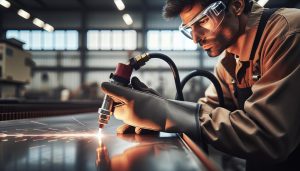
Plasma cutters generate extreme heat through a process known as ionization, which occurs when gas (usually air or an inert gas) is converted into plasma. This conversion happens when a high-voltage electric arc is established between an electrode and the workpiece, causing the gas to become electrically conductive. As the current passes through the gas, it is heated to extremely high temperatures, typically exceeding 20,000 degrees Fahrenheit (around 11,000 degrees Celsius), allowing the plasma cutter to effortlessly slice through materials like steel and aluminum.
The intensity of the heat generated is influenced by several factors, including the type of gas used, the amperage settings of the cutter, and the distance between the nozzle and the workpiece. Different gases produce different plasma characteristics; for instance, pure argon can create a hotter and more stable arc compared to air. Moreover, higher amperage can increase the cutting speed and heat concentration, yielding cleaner cuts. Understanding the specific parameters of your plasma cutter is crucial for maximizing its performance while ensuring safety.
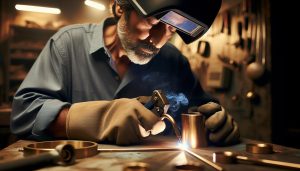
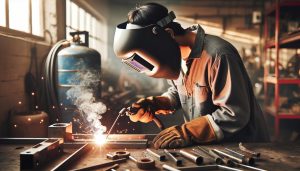
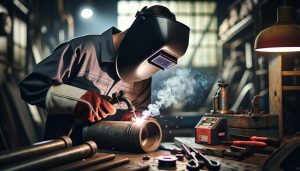
It’s essential to note that the extreme temperatures involved in plasma cutting necessitate appropriate safety measures. Protective gear, including gloves, helmets with auto-darkening filters, and flame-resistant clothing, should be worn to guard against heat injuries and UV radiation. Also, proper ventilation is critical to dissipate fumes and maintain a safe working environment.
In summary, plasma cutters harness the power of ionized gas to produce intense heat capable of cutting through various materials with precision and speed. Mastering the nuances of plasma cutter operation not only improves efficiency but also enhances safety and the quality of the finished work.
Understanding Plasma Cutter Temperature Ranges
Understanding the temperature ranges of plasma cutters is crucial for achieving optimum performance and maximizing safety during operation. Plasma cutting is renowned for its ability to reach astonishing temperatures that can exceed 20,000 degrees Fahrenheit (11,000 degrees Celsius). Such extreme heat enables the cutter to forge through various metal types, with steel and aluminum being the most common materials in a wide range of applications.
The effective temperature of a plasma cutter is influenced by numerous factors, including the type of gas used, the cutter’s amperage settings, and the distance from the nozzle to the workpiece. For instance, using gases like oxygen or nitrogen can produce hotter plasmas compared to compressed air, enhancing cut quality. As the amperage increases, so too does the temperature and speed of the cut. Higher amperages can create a narrower and hotter plasma arc, which can be particularly advantageous when precision is required, such as in detailed fabrication or when cutting thicker materials.
It’s important for operators to understand the operational temperature ranges associated with different materials. For example, cutting mild steel typically requires a plasma temperature of around 12,000 to 20,000 degrees Fahrenheit, while cutting aluminum may demand slightly cooler settings to avoid warping or other heat-related deformities. Knowledge of these specifics not only promotes better cutting results but also aids in preventing damage to the workpiece.
Lastly, when operating at such temperatures, having a deep understanding of the equipment and maintaining proper safety protocols cannot be overstated. Protective measures, including appropriate clothing and ventilation, are essential to safeguard against potential hazards created by intense heat and harmful fumes. Thus, mastering plasma cutter temperature ranges empowers operators, ensuring efficiency and quality in their work.
Factors Affecting Temperature in Plasma Cutting
The efficiency and effectiveness of plasma cutting hinge significantly on various elements that can influence the temperatures generated during the cutting process. Understanding these factors is crucial for both novice and seasoned operators seeking to optimize performance and achieve superior cut quality.
One of the primary determinants is the gas type employed. Different gases yield varying thermal qualities, impacting the temperature of the plasma arc. For example, using oxygen or nitrogen tends to produce hotter plasmas than compressed air, which can lower cutting temperatures and possibly affect quality. Additionally, the presence of impurities in the gas can also alter the heat generated, emphasizing the need for high-purity gases for critical applications.
Amperage settings are another crucial factor. Increasing the amperage not only boosts the intensity of the plasma arc but also raises the temperature and speed of the cut. A higher amperage creates a narrower arc that focuses heat more effectively on the material, ideal for cutting thick or heavy-duty metals. However, operators must be cautious, as excessively high settings can lead to warping or burning through the workpiece, particularly with thinner materials.
The distance from the nozzle to the workpiece, referred to as the standoff distance, also plays a significant role. An optimal distance allows for a more concentrated heat focus, whereas too great a distance can reduce the effectiveness of the heat transfer, leading to a less efficient cut. Achieving the right balance is essential for maintaining cutting precision and ensuring quality finishes.
Other operational parameters such as cut speed and the material type are also influential. Harder materials often require higher temperatures for effective cutting, while softer metals may necessitate careful monitoring of heat to prevent deformation. By understanding and adjusting these variables, operators can significantly influence the temperatures of their plasma cutters, ensuring both efficiency and effectiveness in their tasks.
Comparing Plasma Cutter Temperatures to Other Tools
Plasma cutting is renowned for generating temperatures that can easily exceed 30,000 degrees Fahrenheit, making it one of the hottest cutting methods available. To appreciate the heat produced by plasma cutters, it’s crucial to compare their temperatures with other common cutting and welding tools used in fabrication and metalworking.
Consider a MIG welder, which typically operates at temperatures ranging from 400°F to 2,000°F, depending on the material and settings. While MIG welding is effective for joining metal, it can’t match the extreme temperatures generated by plasma cutters. Similarly, TIG welding reaches a maximum temperature around 6,500°F, while the resulting heat can vary significantly based on the tungsten electrode and the materials being welded. Though effective for thin metals and precision welds, TIG does not produce the same cutting capabilities as plasma, particularly for thicker sections.
In contrast, oxy-acetylene torches, which are often used for cutting and welding, reach temperatures up to 6,300°F. Although this is substantial, it still falls short of the plasma cutter’s intense heat. The versatility and ability of plasma cutting to slice through conductive materials without the necessity for added fuel make it a preferred choice for quick and precise cuts.
Moreover, while laser cutters can exceed 20,000°F in the focal point, their application is generally limited to more specific materials and thicknesses, unlike plasma cutting, which can handle a broader range of thicknesses, including many metals. When selecting the appropriate tool for a job, the decision often hinges on material type, thickness, and desired cut profile, with plasma cutters frequently taking precedence in industrial and metalworking environments for their extraordinary temperatures and efficiency.
Understanding these comparative temperature ranges can guide operators in choosing the right tool for their specific applications, ensuring optimal results whether they are cutting, welding, or repairing materials. To maximize efficiency and maintain safety, it is essential to be aware of each tool’s capabilities and limitations while approaching each task with the right technique and equipment.
Applications of High-Temperature Plasma Cutting
A plasma cutter’s ability to reach temperatures exceeding 30,000 degrees Fahrenheit opens up a world of opportunities across various industries. This technology excels in applications where precision and speed are essential, making it indispensable in fabrication, automotive repair, and construction. The extreme heat generated by plasma allows for cutting through thick materials such as steel, aluminum, and even some non-ferrous metals with ease, creating clean and precise edges that are increasingly vital in modern manufacturing processes.
In the industrial sector, plasma cutters are widely used for sheet metal fabrication, where the ability to produce intricate designs quickly can significantly enhance productivity. For instance, manufacturers utilize plasma cutting to create components for the automotive industry, where precision parts are crucial for vehicle safety and performance. The adaptability of plasma cutting allows operators to switch between different materials and thicknesses without extensive downtime, making it a versatile tool in the workshop.
Beyond manufacturing, plasma cutting technology finds significant applications in repair and maintenance. Metal workers and machinists rely on plasma cutters to fix structural components, cut out damaged sections, and perform on-site repairs. The portability of handheld plasma cutters further empowers technicians to tackle projects in remote locations or within confined spaces where traditional cutting methods would be impractical.
Moreover, plasma cutting plays a crucial role in artistic expressions and custom creations. Fabricators often employ plasma technology to produce intricate sculptures, signage, and decorative panels. The precision of the cut, combined with the ability to work with a range of materials and thicknesses, empowers artists and craftspeople to turn their creative visions into reality efficiently.
As industries evolve and the demand for high-quality, precise cuts increases, the continue to expand, solidifying its role as a cornerstone in modern metalworking and fabrication practices. Emphasizing safety protocols, including proper protective gear and equipment maintenance, is essential to ensure that operators can maximize the benefits of plasma cutting while minimizing risks associated with high temperatures and flying debris.
Safety Measures for Handling Plasma Cutters
Using plasma cutters can be an exhilarating yet hazardous experience due to the extreme temperatures involved, often exceeding 30,000 degrees Fahrenheit. Ensuring safety during plasma cutting operations is crucial, not only to protect the operator but also to safeguard bystanders and equipment. The key to safe plasma cutting lies in understanding and implementing comprehensive safety protocols.
Prior to operating a plasma cutter, wear appropriate personal protective equipment (PPE). This includes a heavy-duty welding helmet with a suitable filter shade, flame-resistant gloves, and clothing that covers the entire body to prevent burns. Eye protection is particularly important, as the bright arc can cause severe eye damage. Additionally, using appropriate respiratory protection is essential when cutting materials that may release harmful fumes or particles.
Work Environment Considerations
Maintaining a safe work environment is just as critical as wearing proper PPE. Ensure that the workspace is well-ventilated and free of flammable materials. Plasma cutting produces sparks and molten metal, which can ignite nearby substances. It’s advisable to have a fire extinguisher readily accessible and to conduct a pre-operation check for any hazards in the area.
Operators should also be familiar with the plasma cutter’s controls and settings before initiating work. Understanding the machine’s manual and the specific temperature settings for the material being cut can prevent equipment malfunction and ensure a more controlled cutting process. Always keep the cutting area clear of clutter and bystanders to minimize the risk of accidents.
Proper Handling and Maintenance
Regular maintenance is integral to safe plasma cutter operation. Inspect the equipment for wear and tear, particularly the torch and consumable parts, before each use. Damaged components can lead to faulty operation and unintended hazards. Setting up the plasma cutter on a stable surface further reduces the risk of it tipping over or becoming dislodged during operation.
Lastly, operators should undergo proper training to familiarize themselves with both the equipment and safety protocols. Continuous education on safety practices can greatly enhance an operator’s ability to handle unforeseen situations that may arise during cutting operations.
Incorporating these safety measures not only enhances the wellbeing of the operator but also contributes to an efficient and productive plasma cutting process. Adopting a mindset focused on safety and preparedness ensures that the incredible capabilities of plasma cutting can be harnessed without undue risk.
Maximizing Efficiency: Choosing the Right Temperature
Choosing the optimal temperature for plasma cutting is essential for maximizing efficiency and ensuring high-quality results. Plasma cutters operate at incredibly high temperatures, often exceeding 30,000 degrees Fahrenheit, which allows them to cut through a variety of metals with precision. However, not all cutting tasks require maximum heat; understanding the specific requirements of your material and project can greatly enhance performance while reducing wear and tear on your equipment.
To achieve the best results, it is crucial to match the cutting temperature to the type and thickness of the material you are working with. For instance, thicker metals, such as steel over one inch, typically require a hotter setting to penetrate effectively, while thinner materials benefit from lower temperatures to minimize warping and oxidation. Additionally, the type of metal influences the chosen temperature; aluminum, for example, conducts heat more quickly than steel, which may necessitate adjustments in your cutting parameters.
Maintaining a consistent arc and heat level not only improves cut quality but also extends the lifespan of consumables such as nozzles and electrodes. Operators should regularly calibrate their plasma cutter settings based on the material being used. This practice helps in achieving a clean cut without excessive dross, the unwanted residue left after cutting. Utilizing a plasma cutter with adjustable settings allows users to tailor the temperature settings to fit specific tasks, ensuring operational efficiency.
Ultimately, effective temperature management is a balance between the demands of your project, the characteristics of the materials involved, and the capabilities of your plasma cutting equipment. Investing time in understanding these variables can significantly enhance your cutting efficiency, reduce material waste, and prolong the life of your tools, leading to a more productive and cost-effective workflow.
Common Myths About Plasma Cutter Temperatures
Many misconceptions surround the temperatures involved in plasma cutting, with one prominent myth suggesting that plasma cutters operate at a single, fixed temperature. In reality, the effective temperature can vary significantly based on several factors including the material type, thickness, and specific cutting parameters chosen by the operator. Understanding these nuances is vital for achieving optimal results while ensuring workplace safety.
Another common myth is that higher temperatures always yield better cutting results. While it’s true that plasma arc temperatures can exceed 30,000 degrees Fahrenheit, this does not mean that every cutting task requires the hottest setting available. For example, cutting thinner materials or those sensitive to heat can lead to warping, excessive oxidation, or even burning through the material. Instead, a tailored approach, where the cutting temperature is aligned with the material characteristics, will yield cleaner cuts and prolong the life of consumables like nozzles and electrodes.
Additionally, many newcomers to plasma cutting believe that a hotter arc automatically means faster cutting speeds. While some correlation exists, the reality is that cutting speed should be optimized alongside temperature considerations. A balance must be struck where the arc remains stable without being excessively hot, preventing damage to both the workpiece and the tool. Adjusting the current settings while monitoring the cut quality is essential for any operator looking to master the art of plasma cutting.
Finally, the idea that all plasma cutters perform the same regardless of their design is misleading. Different machines have distinct capabilities and temperature settings that affect their performance. Investing in a quality plasma cutter with adjustable capabilities allows users to tailor their approach to better fit the demands of their projects. Understanding and debunking these myths helps both novice and experienced welders enhance their efficiency and effectiveness in metalworking processes, thereby reinforcing safe practices within this dynamic field.
Plasma Cutter Maintenance for Optimal Performance
Maintaining your plasma cutter is essential not just for efficiency but also for safety and longevity. With plasma cutting temperatures reaching astonishing heights, ensuring that your equipment remains in optimal condition can make a significant difference in performance and quality of cuts. A well-maintained plasma cutter will provide consistent results and reduce the risk of complications that can arise from wear and tear.
Regular inspection and cleaning should be part of your maintenance routine. Over time, debris and residue can accumulate on the nozzle and electrode, which can hinder the plasma arc’s performance. After every few uses, take the time to inspect these components and clean them thoroughly. If you notice excessive wear or damage, replace them immediately to prevent poor cutting quality or even tool malfunction. Additionally, ensure that the power supply and ground connections are secure and free of corrosion, as unreliable electrical connections can affect arc stability.
Another critical aspect of maintenance involves monitoring the cooling system. Most plasma cutters rely on air or liquid cooling to keep operational temperatures in check. Regularly check for any blockages or leaks in the cooling system, as overheating can lead to premature wear and affect the effectiveness of your cuts. If your machine allows for it, consider using higher quality consumables designed to withstand the intense heat generated during operation. Not only will this improve performance, but it can also minimize downtime due to replacements.
Finally, always consult the manufacturer’s manual for specific maintenance schedules and recommendations. Each model comes with unique guidelines on upkeep and operational best practices tailored to its design and specifications. Keeping a close eye on the performance indicators like voltage and amperage can also help in early detection of potential issues before they escalate. Through a combination of routine checks, cleanings, and following manufacturer guidelines, you can ensure that your plasma cutter remains a reliable asset in your workshop for years to come.
Tips for Beginners: Getting Started with Plasma Cutting
Getting started with plasma cutting can be both exciting and daunting, especially considering that the temperatures generated during this process can reach upward of 30,000°F (16,649°C). This remarkable heat is essential for cutting through metals like steel and aluminum with speed and precision, but as a beginner, understanding how to navigate these powerful tools is crucial for safety and efficiency.
First and foremost, familiarizing yourself with the basic components of a plasma cutter is key. A typical plasma cutter consists of a power supply, a torch, consumables (like nozzles and electrodes), and a gas supply, often air or nitrogen. Before you start, always read the user manual specific to your model to grasp its unique features and safety precautions. For instance, ensure that you are wearing appropriate personal protective equipment (PPE) such as gloves, goggles, and protective clothing to shield yourself from not just the intense heat but also harmful UV rays and metal splatter.
In practice, start by testing your setup on scrap metal to fine-tune your technique without the pressure of a critical project. Adjusting your amperage and gas settings can significantly affect cutting ability and quality. Higher amperage will result in hotter plasma, which is essential for thicker materials, while lower settings work well for thinner metals. Additionally, the speed at which you move the torch can also influence cut quality; moving too slowly may overexpose the metal to heat, while going too fast might not cut through completely. Finding the right balance will require experimentation, but it’s an important part of mastering the tool.
Another key aspect for beginners is to understand the significance of establishing a proper ground connection. A weak or non-existent ground can not only lead to incomplete cuts but also poses serious safety risks. When setting up your work area, ensure that metal pieces are securely grounded to prevent stray currents. Regularly checking your ground connections will help maintain arc stability during operation, resulting in cleaner cuts and enhancing overall efficiency.
As you continue to practice and refine your skills, remember to keep safety protocols top of mind. Using a fire extinguisher in proximity, working in a well-ventilated area, and having someone nearby in case of emergencies can boost your confidence and provide an added layer of safety while you learn the intricacies of plasma cutting. With these foundational tips, your journey into the world of plasma cutting can become an exciting venture characterized by creativity and craftsmanship.
Advanced Plasma Cutting Techniques for Professionals
Mastering advanced plasma cutting techniques can significantly enhance productivity and precision, while also expanding your ability to work with a diverse array of materials. Professional plasma cutting transcends basic operation; it encompasses nuanced approaches to optimizing heat management, achieving superior cut quality, and increasing operational efficiency. For experienced technicians, understanding temperature control not only fosters better cuts but also improves the longevity of consumables and equipment.
One of the most effective techniques involves adjusting the cutting speed based on the thickness and type of material being worked on. For instance, when cutting thicker metals such as mild steel, a slower travel speed allows for deeper penetration and cleaner cuts, while maintaining a steady air pressure ensures that the plasma remains stable. Conversely, when working with thin aluminum or stainless steel, a faster cutting speed is essential to prevent excessive heat buildup, which can warp the material. Additionally, employing a technique called “drag cutting” can help maintain a desirable temperature by allowing the torch tip to slightly touch the workpiece, providing better control of the arc and reducing the risk of overheating the metal.
Effective Use of Pulsed Arc Technology
Integrating pulsed arc technology can lead to remarkable advancements in plasma cutting applications. By alternating between periods of high and low current, operators can achieve precise control over the heat input and enhance cutting performance while minimizing dross formation. This method is particularly beneficial when cutting intricate shapes or fine lines, allowing for greater detail and reducing post-processing time. Understanding how to utilize this technology effectively involves familiarizing yourself with the ideal settings for various materials; for example, lower duty cycles can be advantageous for thin materials, while higher ones are better suited for thicker sections.
Temperature Optimization for Different Materials
To maximize performance while working with diverse materials, it’s essential to understand their thermal properties. Some metals respond differently to heat; for example, magnesium and aluminum have lower melting points than steel, necessitating different temperature settings and cutting techniques. When tackling uniquely challenging materials, such as coated or painted metals, it’s wise to conduct preliminary tests to ascertain the optimal plasma settings, as the coatings may require adjustments to avoid burning or creating excessive fumes.
As you adopt these advanced techniques, remember that safety remains paramount. Always ensure proper ventilation when dealing with high-temperature plasma cutting to mitigate the risks of fumes and particulates. Regularly inspecting and maintaining your equipment, especially the torch and consumables, is crucial in sustaining performance and extending the lifespan of your tools. Engaging with the plasma cutting community, participating in workshops, and continuously seeking advancements in technology can keep you well-informed about best practices and innovations in the field. With these strategies, you will position yourself not only as an efficient operator but also as an expert in advanced plasma cutting techniques, capable of tackling any challenge the metalworking world presents.
Innovations in Plasma Cutting Technology and Heat Management
The advancements in plasma cutting technology have revolutionized how professionals manage the extreme heat generated during the cutting process. Modern plasma cutters can reach temperatures exceeding 25,000°F (13,888°C) in the plasma arc, making it essential for operators to implement effective heat management strategies to achieve optimal results while ensuring safety. Innovations such as advanced cooling systems, automated arc control, and smart technology integration are helping to enhance precision and efficiency in operations while managing the risks associated with high temperatures.
To better control heat during cutting, manufacturers have begun incorporating sophisticated cooling mechanisms that can maintain the torch’s temperature within a safe range. These innovations include advanced water-cooling systems that circulate coolant around critical components, effectively dissipating heat and prolonging consumable life. Additionally, automated arc control systems provide real-time adjustments to current and voltage, allowing for more precise heat application based on the material being cut. This enables operators to adjust heat levels dynamically, optimizing performance and reducing warping or damage to thinner materials.
Smart Technology Integration
The rise of smart plasma cutters equipped with digital interfaces and connectivity capabilities plays a crucial role in heat management. Operators can now access real-time data and diagnostic information, allowing them to monitor temperature variations and make informed adjustments to cutting parameters on-the-fly. These systems can also store material profiles, enabling users to select pre-set conditions that automatically adjust to the appropriate temperature and speed for each type of metal. This not only enhances the quality of cuts but also improves the efficiency of the entire cutting process.
Future Developments
Looking ahead, innovations in plasma cutting will likely focus on sustainability and efficiency as industries seek to reduce energy consumption and material waste. Future enhancements may include the integration of hybrid technologies that combine plasma cutting with other processes, such as laser cutting, allowing for greater versatility and control over heat application. As research continues into high-temperature and low-emission plasma generation, operators can expect tools that not only perform at unprecedented temperatures but also adhere to stricter environmental regulations.
Incorporating these innovations into your plasma cutting operations fosters a safer and more efficient workplace. Always stay informed about the latest advancements and consider investing in equipment that enhances both heat management and overall cutting performance to maintain a competitive edge in the industry. With the right tools and techniques, operators can master the art of plasma cutting, achieving exceptional results while managing the challenges posed by extreme heat.
Q&A
Q: How does the temperature of a plasma cutter compare to traditional welding methods?
A: Plasma cutters can reach temperatures between 10,000°F to 30,000°F, significantly higher than traditional welding methods, which typically range from 1,000°F to 6,500°F. This extreme heat allows for faster and more precise cuts, making plasma cutting an efficient choice for metal fabrication.
Q: What materials can be effectively cut with a plasma cutter due to its high temperatures?
A: Plasma cutters can effectively cut through various metals, including steel, aluminum, copper, and brass. The extreme heat generated by the plasma allows for clean cuts in thick materials, making it ideal for industrial applications and projects requiring versatility.
Q: What are the signs that a plasma cutter is operating at its optimal temperature?
A: Signs of optimal plasma cutter operation include consistent cut quality, minimal dross formation, and smooth edges. Adjusting the cutting speed and amperage settings can help maintain the right temperature for different material thicknesses, enhancing performance.
Q: Can plasma cutters be used for precision tasks requiring low temperatures?
A: Although plasma cutters operate at extremely high temperatures, they can be adjusted for precision tasks. Proper settings can minimize heat-affected zones, allowing for delicate cuts, especially in thinner materials. This versatility is useful in detailed metal artwork or electronics.
Q: How do different nozzle sizes affect the temperature and cutting efficiency of a plasma cutter?
A: Nozzle size directly influences the temperature and arc stability of a plasma cutter. A smaller nozzle focuses the heat, increasing the temperature and cutting efficiency, perfect for detailed work, whereas a larger nozzle spreads heat over a wider area, suitable for thicker materials.
Q: Is it safe to operate a plasma cutter at maximum temperature?
A: Operating a plasma cutter at maximum temperature can be risky if not managed properly. Safety measures such as proper PPE and maintaining a safe distance from flammable materials are crucial when using high temperatures to prevent accidents and injuries.
Q: What role does airflow play in the temperature management of a plasma cutter?
A: Airflow critically impacts a plasma cutter’s performance by cooling the plasma and stabilizing the arc. Adequate airflow ensures consistent cutting temperatures and improves cut quality, reducing the risk of overheating and damage to cutting tips.
Q: Why is it important to monitor voltage levels during plasma cutting?
A: Monitoring voltage levels is essential as it directly affects the arc stability and cutting temperature. Incorrect voltage can lead to poor cut quality, increased dross, and damage to the workpiece. Adjusting voltage based on material and thickness ensures optimal cutting performance.
Wrapping Up
Thank you for diving into the fascinating world of plasma cutting with us! As we’ve explored, the extreme temperatures of a plasma cutter are truly impressive, allowing for precision cutting that can easily handle a variety of metals, from aluminum to steel. If you’re eager to learn more about enhancing your welding skills, don’t miss our comprehensive guides on MIG and TIG techniques, as well as safety protocols every welder should know.
Ready to take your plasma cutting skills to the next level? Check out our recommendations for the best plasma cutting equipment available today, and be sure to sign up for our newsletter for exclusive tips and updates in the welding community. Your journey doesn’t end here-leave a comment with your questions or share your cutting experiences, and stay tuned for more valuable content that can elevate your craft. Happy cutting!