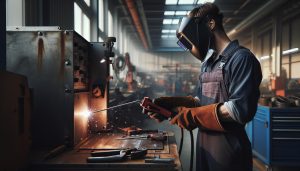
Understanding the amperage requirements for plasma cutters is essential for both novice and experienced welders. The right amperage not only ensures optimal cutting efficiency but also affects equipment longevity and overall performance. Many operators face challenges in choosing the correct amperage based on material thickness and specific project needs. Selecting the appropriate amps can mean the difference between smooth cuts and frustratingly jagged edges. This guide will demystify how many amps your plasma cutter uses, providing insights into power requirements, material compatibility, and best practices to enhance your cutting experience. With a solid grasp of these concepts, you’ll not only improve your welding skills but also take your metalworking projects to the next level.
Understanding Plasma Cutter Amperage Requirements
Understanding the amperage requirements of a plasma cutter is crucial for efficient operation and successful metal cutting. Plasma cutters utilize high temperatures to melt and cut through metal, with amperage levels significantly influencing cutting speed and thickness capabilities. Generally, the more amps a plasma cutter can effectively use, the thicker the material it can handle and the faster the cutting process. For example, a 20 Amp plasma cutter, such as the Chicago Electric model, can adeptly handle various metals but is best suited for thinner materials, typically up to 1/4 inch in thickness under optimal conditions.
Several factors impact how much amperage a plasma cutter uses during operation. These include the type and thickness of the material being processed, the cutting speed, and the specific settings used on the machine. For instance, cutting through stainless steel may require different amperage settings compared to cutting aluminum. Additionally, users may need to adjust amperage based on their working conditions, such as the availability of power supply and ambient temperatures.
It’s important to match the plasma cutter’s amperage to the necessary power requirements to avoid overloading the breaker. Most standard residential outlets provide a maximum of 20 amps, which is often adequate for smaller, less powerful plasma cutters. However, larger or industrial-grade models could require specialized breakers and heavy-duty power sources to function correctly. Ensuring you have the right power infrastructure in place before beginning a cutting project can save time, reduce frustrations, and prevent potential equipment damage or safety hazards.
Factors Affecting Plasma Cutter Amp Usage
Determining how much amperage your plasma cutter uses hinges on several key variables, each playing a crucial role in the cutting process. Understanding these factors can significantly enhance both the efficiency and quality of your metal cutting projects.
A primary consideration is the thickness of the material being cut. Generally, thicker metals require higher amperage settings. For example, to achieve optimal cutting speed and quality, a plasma cutter typically needs around 40 amps for cutting through 3/8″ steel and up to 50 amps for 1/2″ steel. Conversely, thinner materials might only need around 20 to 30 amps, ensuring that you’re not wasting power or risking burn-through on lighter gauge metals [3[3].
Additionally, the material type influences amperage usage. Different metals conduct heat and electricity differently; aluminum, for instance, disperses heat faster than steel, which may necessitate adjustments in amperage for effective cut quality. Moreover, the desired cutting speed has a direct relationship with amperage settings-faster speeds might require slightly higher settings to maintain a clean cut without significant dross.
Lastly, environmental factors such as ambient temperature, humidity, and even the altitude can modify how a plasma cutter behaves. Increased altitude results in lower air density, which can increase the arc length, thereby requiring adjustments to the amperage level to achieve the desired cut quality. Always consider these factors and refer to your plasma cutter’s manual for specific guidance on optimal amperage settings according to the material and conditions at hand. This mindful approach ensures not just effective cutting but also extends the lifespan of your equipment by reducing strain during operation.
Comparing Amperage Ratings Across Plasma Cutters
When considering the amperage ratings across different plasma cutters, it’s essential to recognize that these ratings can vary significantly based on the machine’s design, intended application, and operational efficiency. Essentially, amperage ratings dictate the maximum thickness of metal that can be cut and the speed of the cut, influencing both performance and output quality. For instance, a plasma cutter rated at 40 amps might efficiently handle materials up to 3/8″ steel, whereas higher-rated machines, like an 80-amp model, may tackle materials exceeding ½” with ease, demonstrating the direct correlation between amperage and cutting capability.
Moreover, modern plasma cutting technology incorporates features that enhance performance, often allowing for greater versatility in amperage settings. Some advanced models even enable users to select specific amperage levels, helping to optimize the cutting speed for various materials and thicknesses. A practical example can be observed with the Powermax65, which, while rated at 65 amps, operates efficiently at various input power levels, allowing for optimal use in diverse cutting applications. Understanding these differences not only empowers users to make more informed purchasing decisions but also assists in tailoring operations for specific projects.
In addition to the raw amperage ratings, it’s vital to consider the overall design and efficiency of the plasma cutter. High-quality models often exhibit superior energy consumption rates, meaning they can deliver the same cutting performance at lower amperage, which is particularly beneficial for tasks that require extended use or where power supply constraints exist. Consequently, evaluating specifications such as duty cycle, input voltage requirements, and cooling systems becomes crucial when comparing different machines.
Ultimately, selecting the right plasma cutter involves a comprehensive assessment of amp ratings alongside other engineering features, enabling welders-both novice and expert-to hone their skills effectively while maximizing their cutting capabilities. Keeping abreast of advancements in plasma cutting technology can further enhance operational effectiveness, ensuring that the choice of machine aligns not only with immediate project needs but also with long-term operational efficiency.
Determining the Right Amps for Your Project
Determining the appropriate amperage for your plasma cutting project is crucial to achieving optimal results. Amperage not only dictates the maximum thickness of metal you can effectively cut but also influences your cutting speed. For instance, a plasma cutter operating at approximately 40 amps is typically capable of handling 3/8″ steel, while a higher amperage around 80 amps is suitable for cutting materials exceeding ½”. This relationship highlights the need to align your amperage settings with your specific material and project requirements.
To choose the right amperage, start by considering the following factors:
- Material Thickness: Understanding the thickness of the materials you will be working with is fundamental. Refer to a plasma cutter amperage chart to identify the recommended amperage based on the thickness. Charts commonly suggest 30-40 amps for 1/4″ steel and upwards of 60 amps for thicker materials.
- Type of Material: Different materials behave differently under plasma cutting. For instance, cutting aluminum generally requires higher amps compared to steel due to its thermal conductivity. Adjust your amperage accordingly to account for variations in material properties.
- Cutting Speed: Higher amperage allows for faster cutting, but this can impact the quality of the cut and the precision required for detailed work. Slower cuts may provide cleaner edges on thinner materials, so balance speed with quality as needed.
- Machine Capacity: Familiarize yourself with your specific plasma cutter’s capabilities, including its duty cycle and maximum amperage settings. Choosing an amperage that is too high might lead to overheating issues or premature wear.
When setting your amperage, consider a gradual approach. Start with a lower setting to gauge the cut quality and gradually increase the amperage until you find the ideal balance of speed and precision for your project. This technique is particularly useful when working with unfamiliar materials or complex shapes.
Lastly, ensure that your power source is adequate for the amperage you choose. Some plasma cutters can draw a significant amount of electricity; knowing your power supply’s limitations will help avoid tripped breakers or power shortages during operation. Proper setup not only enhances the efficiency of your cutting process but also ensures a safer working environment.
Common Power Sources for Plasma Cutters
The choice of power source for plasma cutters significantly affects their performance, efficiency, and how well they handle various cutting tasks. Most plasma cutters are designed to operate with either 115V or 240V electrical outlets, but understanding the requirements and limitations of these power sources is essential for optimal usage.
Plasma cutters with a 115V input are typically more accessible for home or light shop environments. These models, such as the Ironton 120V Plasma Cutter, are generally designed for 20 amps, making them suitable for light to moderate cutting tasks. However, they are limited in terms of maximum cutting thickness. For example, they generally handle mild steel up to 1/4 inch thick efficiently. Operating on a lower voltage may be convenient, but users should be aware that cutting at higher capacities may lead to increased wear on the machine or even tripped breakers if the power supply isn’t handled properly [[2]].
On the other hand, plasma cutters that require a 240V supply, often utilizing a 50 amp breaker, can deliver significantly more power. This configuration allows for cutting thicker materials, up to 1/2 inch or more, and is favored for commercial applications. Such machines are usually equipped with circuit breakers that can handle the higher current draw, which helps maintain performance during prolonged usage [[1]].
When setting up your plasma cutter, consider the amperage requirements of your specific model and ensure that your electrical infrastructure can support these demands. It’s crucial to use an appropriately rated extension cord and verify that your workspace has suitable safety protections in place, including a dedicated circuit to minimize interference with other electrical devices. This approach not only maximizes the performance and lifespan of the cutter but also enhances safety during operation.
Safety Considerations for Plasma Cutter Operation
Operating a plasma cutter can be an intricate, yet highly rewarding endeavor, but it comes with its share of dangers. The high amperage and voltage involved in plasma cutting systems necessitate a commitment to safety protocols to prevent accidents and ensure a safe working environment. Understanding the risks associated with these tools and implementing appropriate precautions is crucial for anyone, from novice hobbyists to seasoned welders.
One of the primary concerns is the risk of electrical shock. Plasma cutters work with high voltage electricity, which can be hazardous if not managed properly. Always ensure that your cutter is grounded according to local electrical codes, and never operate in wet or damp conditions. Wearing appropriate personal protective equipment (PPE) is essential; this includes insulated gloves, safety goggles, and flame-resistant clothing. In addition, providing adequate ventilation in your workspace is vital to avoid the buildup of harmful fumes and gases generated during cutting.
Another critical aspect is fire safety. The intense heat produced by a plasma cutter can ignite flammable materials nearby. Organize your workspace to maintain a safe distance from combustibles, and always have a fire extinguisher readily accessible. Regularly inspect your equipment for wear and tear, particularly the torch and hoses, as damaged parts can lead to sparks or flames. When not in use, ensure the cutter is switched off, and the power supply is disconnected to reduce the risk of accidental activation.
Finally, understanding the operational limits of your plasma cutter model can prevent excessive wear or overheating. Operating within the recommended amperage, as discussed in previous sections, can prolong the life of your equipment and enhance your safety. Always monitor the duty cycle of your machine to avoid overheating and ensure efficient performance without compromising safety. By adhering to these essential safety considerations, you can create a safer and more productive plasma cutting experience, allowing you to focus on your projects without unnecessary risks.
Tips for Efficient Plasma Cutter Usage
Efficient plasma cutter usage is crucial for obtaining high-quality cuts while minimizing operational costs and maximizing the lifespan of your equipment. Understanding how to optimize your cutter’s performance involves various techniques and best practices tailored to both novice and experienced users. At the heart of this is maintaining an appropriate amperage level for the thickness of material being cut. Using too high an amperage can lead to excessive wear on components and increased energy costs, while too low can compromise cut quality and speed.
To enhance your cutting efficiency, consider the following tips:
- Choose the Right Amperage: Match the cutter’s amperage settings to the material thickness and type. For instance, a 40-amp setting is generally effective for cutting 3/8″ steel, while 50 amps may be suitable for 1/2″. Check your machine’s manual for specific guidelines.
- Optimize Cutting Speed: The speed at which you move the cutter across the material significantly affects the quality of the cut. Practice to find the optimal speed where the plasma arc remains stable without losing focus or overheating.
- Maintain Proper Torch Height: Keeping the correct distance between the torch and the workpiece is vital. This varies based on the plasma cutter model, but a common rule is to maintain a gap of about 1/8″ to 1/4″. A steady height will ensure a consistent arc and better cut quality.
- Use Appropriate Nozzle Size: The nozzle affects the plasma arc’s characteristics. For cleaner cuts and reduced input energy, choose the right nozzle size corresponding to the material thickness. A too-small nozzle can lead to excessive wear and degraded cut quality.
Regular maintenance is another cornerstone of efficient plasma cutter operation. Keeping consumables such as electrodes and nozzles in check ensures optimal performance and minimizes downtime. Frequent cleaning of the torch and surrounding work area prevents contaminants from affecting the cutting operation, which can be particularly crucial when working with metals that have residues or coatings.
Lastly, energy efficiency is also about managing your workspace setup. Ensure proper ventilation to avoid overheating and operator discomfort. Adequate airflow not only protects components but also enhances overall cutting quality by maintaining a suitable working temperature. By embedding these practices into your operations, you’ll foster not just cost efficiency but also operational safety and equipment longevity, paving the way for a productive cutting experience.
Troubleshooting High Amp Usage in Plasma Cutters
High amperage usage in plasma cutters can often indicate underlying issues that need addressing to ensure optimal performance and efficiency. One key reason for excessive amperage is the thickness of the material being cut. Using an amperage setting that doesn’t align with the material’s thickness can lead to poor cut quality and unnecessary energy consumption. For instance, cutting through thicker materials without adjusting the amperage accordingly can cause the cutter to work harder, increasing the chances of overheating and equipment failure.
Another common cause of high amp usage is improper torch height. Maintaining the correct distance between the torch and the workpiece is crucial for achieving a stable arc. If the torch is too far from the surface, the plasma arc may struggle to maintain intensity, leading to increased amperage as the cutter tries to compensate. It’s advisable to keep the torch height within the recommended range-generally about 1/8″ to 1/4″-to ensure that the arc remains consistent and efficient.
A worn or inappropriate nozzle size can also contribute to increased amperage consumption. The nozzle is essential for directing the plasma arc effectively, and if it’s either too small for the thickness of the material or shows signs of wear, it can cause the cutter to draw more amps to achieve a clean cut. Regularly inspecting and replacing nozzles as needed can help minimize this issue.
Lastly, checking the power source can reveal if fluctuations in voltage are pushing your plasma cutter to draw more amps than necessary. Ensure that your power supply is stable and within the correct range for your specific model. Uneven or low voltage inputs can cause the cutter to work harder, leading to higher amperage usage. By regularly troubleshooting these aspects and making necessary adjustments, you can maintain efficient operation, enhance cut quality, and prolong the lifespan of your plasma cutter.
Maximizing Performance with Correct Amperage
Achieving optimal performance with a plasma cutter hinges significantly on selecting the correct amperage settings for your specific cutting tasks. Many users underestimate the impact of amperage not only on productivity but also on the longevity of their equipment. For instance, using higher amperage than necessary can lead to excessive heat, which not only burns through the consumables faster but can also damage the cutting torch and components, increasing your costs and downtime.
To maximize your plasma cutter’s performance, first assess the thickness and type of material you will be cutting. Different materials and thicknesses require varying amperage levels to achieve clean and efficient cuts. As a guideline, for cutting 3/8″ materials, settings around 40 amps are generally effective, while for ½” materials, increasing to about 50 amps can improve cut quality and speed [3[3]. It’s crucial to follow the manufacturer’s recommendations as these settings often reflect the balance between speed and quality.
Another essential factor is the torch height during cutting. Maintaining the recommended distance-typically around 1/8″ to 1/4″ from the material-ensures the arc remains stable. If the torch is positioned too far away, it can lead to inconsistent cuts and spikes in amperage as the machine compensates for weak arc stability. Additionally, always ensure that nozzles are sized appropriately and in good condition; a worn or incorrectly sized nozzle will demand higher amperage levels to penetrate the material adequately.
Lastly, an often-overlooked aspect is the quality and stability of your power source. Fluctuations in voltage can push the cutter to draw more amps than intended, which can lead to performance issues. Make sure that your power supply is reliable and meets the voltage requirements for your plasma cutter model. By monitoring and adjusting these elements-correct amperage settings, proper torch height, and stable power supply-you can significantly improve your plasma cutting performance, resulting in cleaner cuts and less wear on your equipment.
Energy Consumption: Cost Implications of Amperage
The energy consumption of plasma cutters is significantly influenced by the amperage level selected for each cutting task. Different projects necessitate varying amperage settings, and understanding the relationship between amperage and electricity costs can help operators optimize their cutting processes without incurring excessive expenses. For instance, using a plasma cutter set at higher amperage levels will not only increase the operational power requirement but also amplify energy costs due to the increased electricity consumption.
When determining the cost implications of various amperage settings, consider that higher amperage consumes more kilowatts per hour (kWh). A plasma cutter operating at 40 amps might use around 4 kW, while one running at 50 amps could increase usage to 5 kW or more, depending on the efficiency of the machinery. To put this into perspective, running a 40-amp plasma cutter for about 10 hours may consume approximately 40 kWh, leading to notable costs, especially in regions where electricity rates are higher. It’s essential to calculate these energy costs and factor them into your project budgets.
Strategies for Cost Management
To manage energy costs effectively while using a plasma cutter, operators should:
- Choose Appropriate Amperage: Use only the amperage necessary for the material thickness and type being cut. For example, cutting 3/8″ steel typically requires only 40 amps.
- Optimize Cutting Speed: Adjust the travel speed of the cutter to find a balance between cutting quality and speed, which can help in managing power consumption.
- Conduct Regular Maintenance: Ensure that the plasma cutter is in good working condition. Worn consumables or poorly adjusted cutters can lead to increased amperage draw and wasted energy.
In summary, monitoring and managing the amperage settings optimally not only enhances cutting performance but also mitigates energy costs. By paying attention to how amperage affects energy consumption, operators can make informed decisions that lead to both efficient operations and cost-effective practices in plasma cutting.
Alternative Cutting Methods and Their Power Needs
While plasma cutting is a highly effective method for severing various metals, it is not the sole option available to fabricators and welders. Understanding alternative cutting methods, each with its unique power needs and operational characteristics, can help you choose the most suitable approach for your project requirements.
One notable alternative is MIG (Metal Inert Gas) Welding, which utilizes a continuous wire feed to produce a weld. MIG welding is often employed for sheet metal and requires a power supply that generally ranges between 100 to 300 amps, depending on the thickness of the metal being welded. This method offers a cleaner cut than plasma cutting and can be particularly effective for aluminum and stainless steel applications. However, the MIG welder’s energy consumption varies with settings, and effective amperage should be matched with the material thickness to prevent over-consumption.
Another method is TIG (Tungsten Inert Gas) Welding, which involves a non-consumable tungsten electrode. TIG welding typically operates at a lower amperage range of 10 to 300 amps, with professionals often using it for thin materials due to its precision and control. The power needs can change significantly based on the welding technique, making it ideal for intricate work on metals like aluminum but less efficient for thicker materials compared to plasma cutting.
Oxy-fuel cutting is also a widely used technique, which combines fuel gas and oxygen to produce a flame hot enough to melt metal, allowing for cutting. The oxygen and fuel set-up can typically draw high amperage and can operate effectively at around 200 to 400 amps, depending on the thickness of the material being cut. However, this method may introduce more heat-affected zones, which can lead to warping in metal compared to plasma cutting’s localized heat application.
Lastly, waterjet cutting is emerging as a precise alternative that uses a high-pressure jet of water, often mixed with abrasives, to cut through materials. Waterjet systems can utilize varying power levels, commonly between 30,000 to 60,000 psi, rather than traditional amperage. This method emphasizes versatility, being able to effectively cut almost any material with minimal thermal distortion, but it may not be suitable for all environments due to water use and equipment cost.
Ultimately, selecting the right cutting method hinges on the specific requirements of the project, such as material type, thickness, and desired edge quality. By weighing the benefits and power needs of each alternative, you can ensure efficient and effective cutting operations, leading to superior results and potentially lower energy consumption than relying solely on plasma cutting techniques.
Future Trends in Plasma Cutting Technology
As the demand for precision and efficiency in metal fabrication continues to rise, plasma cutting technology is evolving rapidly to meet the needs of both amateur and professional welders. One of the most significant trends is the integration of advanced control systems that enable better management of amperage during cutting. These systems use real-time monitoring and adaptive algorithms to adjust power output dynamically, ensuring optimal amperage settings for various materials and thicknesses. This not only enhances cut quality but also minimizes energy consumption, making plasma cutting more environmentally friendly.
Automation and Smart Plasma Systems
The rise of automation in manufacturing is also having a profound impact on plasma cutting technology. Smart plasma systems equipped with automation capabilities can programmatically determine the optimal amperage and cutting speed based on the specific project at hand. Such systems reduce the need for manual input and can significantly increase productivity, minimizing human error while optimizing operational efficiency. For instance, features like automated height control can help maintain consistent cut quality, further enhancing the performance of plasma cutters in industrial settings.
Enhanced Plasma Cutter Features
Emerging technologies are leading to the development of plasma cutters with improved functionalities, such as multi-process capabilities that allow for seamless transitions between cutting and welding. This is particularly useful in shops where versatility is key. Additionally, advancements in consumable materials are enhancing the lifespan and efficiency of plasma cutting tips, allowing for prolonged use without significant performance degradation. As manufacturers invest in research and development, we can expect more user-friendly interfaces and enhanced features that can cater to various cutting needs with ease.
Energy Efficiency and Sustainability
With global energy concerns increasingly at the forefront, the plasma cutting industry is under pressure to deliver more energy-efficient solutions. Future plasma cutters are likely to incorporate technologies that optimize power usage, such as inverter technology, which can provide a broader range of amperage settings with less energy consumption. This aligns with industry trends towards sustainability and may lead to regulations requiring lower energy consumption from metalworking tools.
In summary, the future of plasma cutting technology promises to bring forth innovations that enhance precision, efficiency, and sustainability. These developments will not only cater to the evolving challenges faced by welders but will also ensure that plasma cutting remains a vital tool in the metal fabrication landscape, making it accessible and beneficial for both novice and experienced users alike.
FAQ
Q: How many amps does a typical plasma cutter use?
A: A typical plasma cutter uses between 15 to 40 amps for standard operations. Smaller models often operate on 120 volts, while larger cutters can require up to 240 volts or more, depending on the required cutting capacity and the material being processed.
Q: What voltage is needed for high amp plasma cutters?
A: High amp plasma cutters commonly require 240 volts to achieve optimal performance. Some professional-grade models can even utilize 3-phase power, which enhances efficiency and cutting capabilities for thicker materials [3].
Q: Can you run a plasma cutter on a standard household outlet?
A: Yes, you can run smaller plasma cutters on standard 110-120 volt outlets, provided they do not exceed the 15 or 20 amp limit typically found in household circuits. For larger models, a dedicated 240 volt circuit is recommended [2].
Q: How do I know if my plasma cutter is using too many amps?
A: Signs of excessive amp usage include longer cut times, overheating components, and excessive wear on consumables. Monitoring finish quality and consulting the manufacturer’s specifications can help identify optimal amp settings for your plasma cutter [3].
Q: What are the energy cost implications of using a higher amp plasma cutter?
A: Higher amp plasma cutters generally consume more electricity, leading to increased operational costs. Evaluating the energy consumption specifics of your unit can prepare you for potential costs, especially if you’re using the system for extended periods [3].
Q: Is there a benefit to using a plasma cutter with higher amperage?
A: Yes, higher amperage plasma cutters offer faster cutting speeds and can handle thicker materials more effectively, making them suitable for industrial applications. However, it’s essential to balance amperage with adequate safety and setup considerations for optimal performance [2].
Q: What should I consider when choosing a plasma cutter based on amps?
A: Consider the material thickness, types of cuts you’ll make, and available power supply. It’s crucial to match your plasma cutter’s amperage range with your anticipated projects to ensure both efficiency and effectiveness in cutting performance [3].
Feel free to explore our article sections for a deeper understanding of selecting the right plasma cutter for your needs!
In Retrospect
As you explore the essential insights of how many amps a plasma cutter uses, remember that understanding power requirements is just the first step to mastering your cutting capabilities. If you’re looking to enhance your welding skills, consider diving into our guides on MIG welding techniques and safety protocols to ensure every project is executed with precision and care. Don’t forget to check out our equipment reviews to identify the best tools suited for your specific needs.
Ready to take your plasma cutting to the next level? Subscribe to our newsletter for expert tips, tricks, and exclusive content that will elevate your welding game. Have questions or want to share your experiences? Feel free to leave a comment below-we love hearing from you! Explore further with resources that will empower your journey in welding, whether you’re a novice or a seasoned pro. Your next project awaits-let’s cut it like a pro!