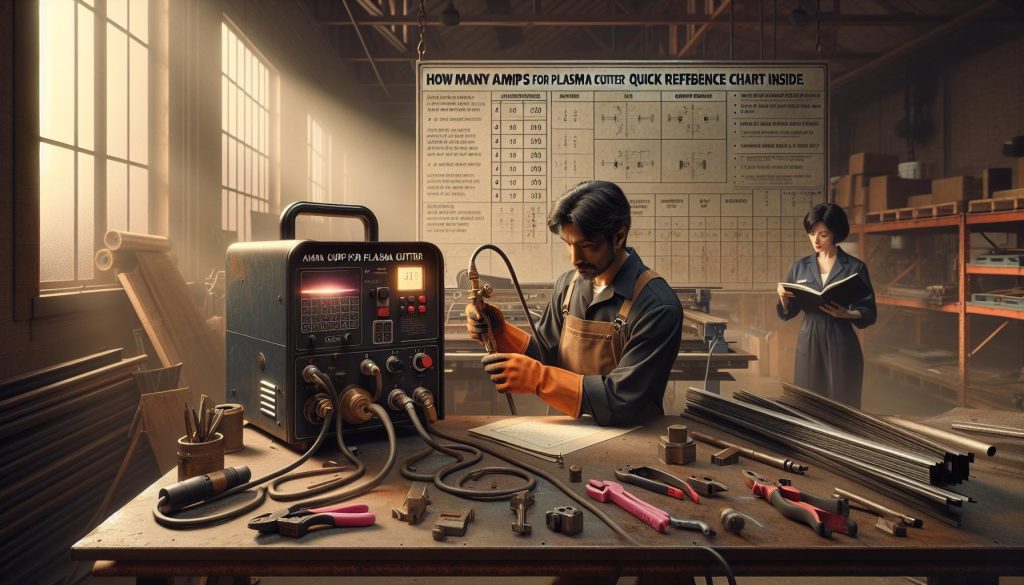
When it comes to plasma cutting, choosing the right amperage can significantly impact your project’s quality and efficiency. Did you know that the appropriate amperage setting not only determines cutting speed but also influences the overall finish of the cut? Understanding how many amps are needed for various material thicknesses is crucial for both novices and seasoned welders alike. This quick reference chart will guide you in making informed decisions, ensuring that your plasma cutting projects are executed smoothly and effectively. Whether you’re dealing with thin steel or thicker aluminum, knowing the right amps empowers you to achieve optimal results while maintaining safety and precision. Dive into the details that will elevate your welding skills and improve your outcomes.
Understanding Plasma Cutter Amperage Basics
Understanding plasma cutter amperage is crucial for achieving optimal cutting performance and efficiency. The amperage setting plays a critical role not only in determining the speed of the cut but also in influencing the quality and finish of the cut metal. Each plasma cutter is designed to work effectively at specific amperage ranges, which correspond to the thickness and type of material being cut. For example, a lower amperage may suffice for thin metals, while thicker materials require higher settings to ensure a clean cut without excessive dross.
When it comes to plasma cutting, understanding how the amperage affects the gas flow and cutting speed is essential. Typically, higher amperage results in faster cutting speeds, but this can also lead to increased wear on consumables and decreased precision if not managed properly. Moreover, as operators increase the amperage, the heat generated during the cutting process intensifies, which can impact the integrity of heat-sensitive materials like aluminum. Therefore, a careful calibration of amperage settings based on the specific project requirements is fundamental to extending the life of the equipment and maintaining high cutting standards.
Amperage is often referenced in relation to the duty cycle of the plasma cutter, which indicates how long the machine can operate at a given amperage without overheating. This parameter is especially important for professionals who rely on continuous operation for larger projects. Understanding the interplay between amperage settings and duty cycle can ultimately enhance productivity while ensuring safety in the workshop. Always remember to consult your plasma cutter’s manual for specific recommendations on amperage settings based on the materials you’re working with, as improper handling can lead to subpar results or equipment damage.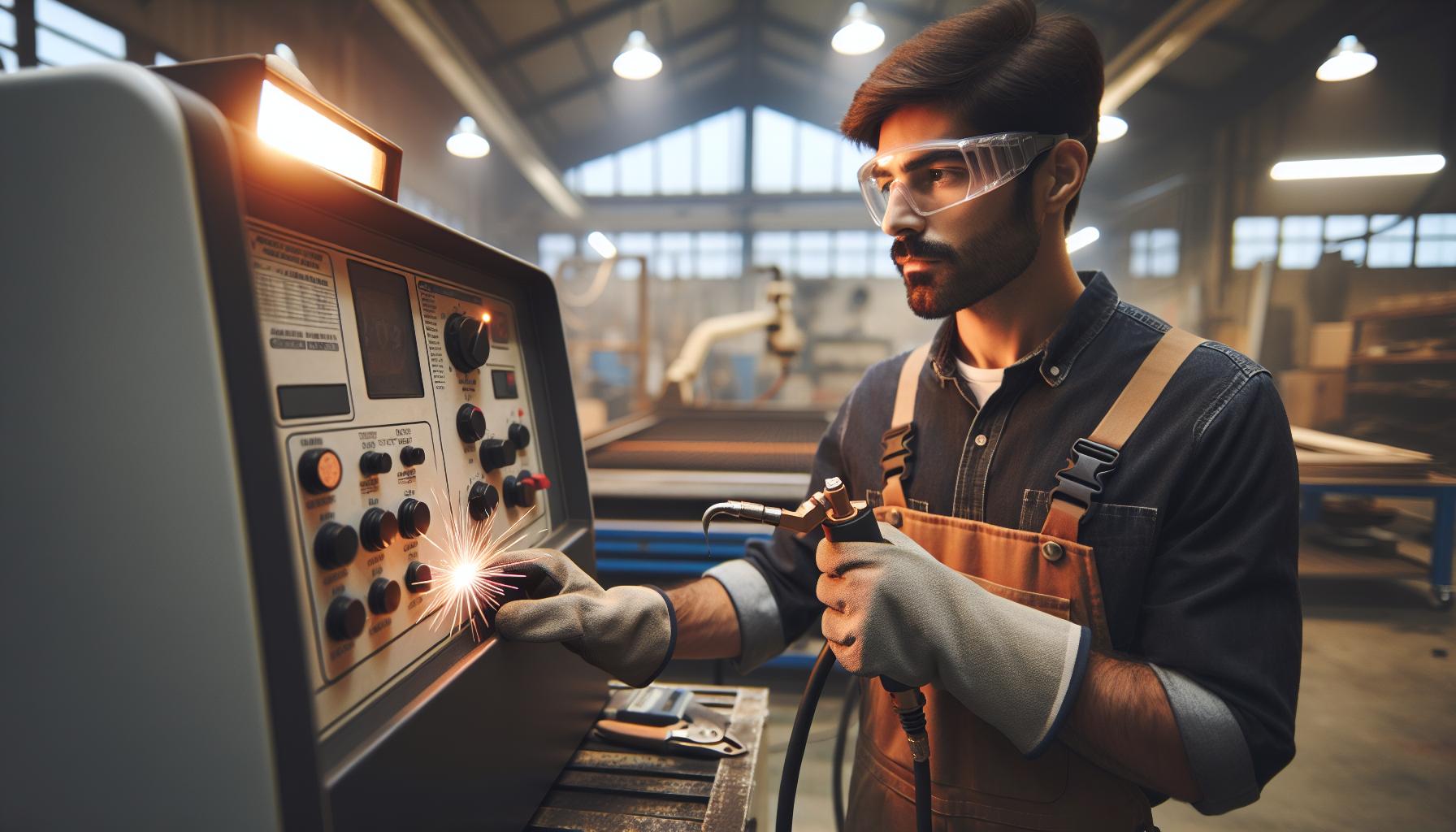
Choosing the Right Amperage for Your Projects
Choosing the correct amperage for your plasma cutting projects can significantly affect both the quality and efficiency of your work. Many operators fall into the trap of using maximum amperage settings, believing that more power will equal better cuts. However, a well-calibrated amperage based on material thickness and composition often yields superior results. For example, a plasma cutter typically operates effectively at around 40 amps for cutting 3/8-inch steel, while 50 amps is often recommended for ½-inch cuts [[1](https://www.everlastgenerators.com/blog/plasma-cutting-selecting-right-amperage)].
When selecting the appropriate amperage for your specific project, consider the following factors:
- Material Thickness: Thicker materials require higher amperage settings. Consult your cutter’s manual for a quick reference chart that matches amperage levels to material thickness.
- Type of Material: Different metals behave differently under heat. For instance, aluminum may need lower amperage relative to its thickness to avoid warping, while steel might handle higher settings better.
- Desired Cutting Speed: Higher amperage typically results in faster cutting speeds but can compromise cut quality. Finding a balance is key.
- Duty Cycle: The duty cycle indicates how long your plasma cutter can run reliably at a given amperage without overheating. This is particularly important for extensive cutting projects.
Real-world application is crucial; try conducting tests on scrap pieces of your intended material. This will not only help you to better understand the dynamics of your specific plasma cutter but also fine-tune your skills in adjusting amperage settings for different materials. By maintaining careful control over the amperage, you can achieve cleaner cuts, prolong the lifespan of your consumables, and enhance overall project quality. Always remember that the ideal amperage is a balance between speed, quality, and the unique characteristics of the materials you’re working with.
Plasma Cutter Amp Settings for Different Materials
Selecting the appropriate amperage settings for different materials during plasma cutting is crucial for achieving optimal results. Understanding how different materials react to heat and energy can significantly impact the quality of your cuts. For instance, steel generally requires higher amperage compared to aluminum due to its greater density and thermal conductivity. Knowing the specific requirements can enhance both efficiency and effectiveness in your projects.
When cutting mild steel, a practical guideline is to operate at about 30-40 amps for material thicknesses up to 1/4 inch. If your project demands cutting thicker steel, such as 3/8 inch to 1/2 inch, increasing the amps to between 40-60 can yield cleaner cuts. For aluminum, which is more thermally conductive, lower amperage settings around 20-30 amps for thicknesses up to 1/4 inch are often more effective to mitigate warping and unwanted effects.
Quick Reference Chart for Plasma Cutter Amperage Settings
| Material Type | Thickness | Recommended Amperage |
|---|---|---|
| Mild Steel | 1/8 inch | 20-30 amps |
| Mild Steel | 1/4 inch | 30-40 amps |
| Mild Steel | 3/8 inch | 40-50 amps |
| Mild Steel | 1/2 inch | 50-60 amps |
| Aluminum | 1/8 inch | 20-25 amps |
| Aluminum | 1/4 inch | 25-30 amps |
This chart serves as a practical guideline; however, it’s essential to consult your plasma cutter’s manual for specifications, as equipment can vary. Testing on scrap pieces of your target material can provide insight into how your specific cutter performs with various amperage settings. Tailoring the amp output to the material not only ensures quality cuts but also extends the lifespan of consumables and minimizes downtime. Balancing speed, quality, and specific material characteristics is key to mastering plasma cutting effectively.
How to Calculate Required Amps for Cuts
Calculating the required amperage for plasma cutting is crucial for ensuring optimal performance and achieving clean, precise cuts. The necessary amperage largely depends on the type and thickness of the material being cut, as well as the specific capabilities of your plasma cutter. Understanding these factors can prevent overheating, excessive wear on consumables, and can enhance both the quality of the cut and the efficiency of the operation.
To begin with, consider the type of material you are cutting. For example, mild steel generally requires higher amperage than aluminum due to its density. As a general guideline, for cutting mild steel, a practical range is 20-30 amps for thicknesses up to 1/8 inch, 30-40 amps for up to 1/4 inch, and progressively higher for thicker materials. If cutting aluminum, lower amperage settings can often yield better results, typically around 20-25 amps for 1/8 inch material and 25-30 amps for 1/4 inch, as this helps mitigate warping caused by excessive heat.
Next, refer to a quick reference chart for specific amperage settings based on thickness and material type. These charts serve as a practical tool for preliminary calculations, but be sure to fine-tune settings based on your specific situation. Testing arc performance on scrap material is invaluable; it allows you to observe how your cutter behaves under different amperage settings, which can lead to improved accuracy and less material waste.
Elemental stress can also play a role; for projects that require cutting through multiple layers or different material types, you may need to adjust your amperage accordingly. Factors such as duty cycle-the percentage of time the plasma cutter can operate effectively without overheating-should also be considered as they can affect how long you can maintain your chosen amperage during intensive workloads. Keeping a close watch on these variables not only enhances efficiency but also ensures safety, prolongs the lifespan of your equipment, and optimizes the quality of your cuts.
Common Plasma Cutting Techniques and Their Amps
The effectiveness of plasma cutting hinges significantly on the selected amperage, which varies according to the cutting technique and the materials involved. Understanding various plasma cutting techniques and their associated amperage requirements not only enhances cutting efficiency but also improves the overall quality of the work.
When using the drag cutting technique, where the torch is dragged across the material surface, a standard amperage for mild steel ranges from 20 to 30 amps for thinner sheets (up to 1/8 inch). For thicker materials, such as 1/4 inch steel, an increase to around 30 to 40 amps is advisable to ensure a clean cut without excessive dross. This technique is particularly useful for sheet metal work due to its simplicity and effectiveness.
In contrast, the plunge cutting method requires a higher amperage setting. This technique involves starting the cut from above the workpiece, making it essential for thicker sections where penetration is key. Hence, for cutting 1/2 inch mild steel, it’s effective to use 50 amps or more, allowing for a smoother entry into the material and minimizing the chance of damaging the surrounding area.
Additionally, different materials demand specific adjustments in amperage. For instance, aluminum cutting often necessitates lower amperage settings due to its high thermal conductivity. A recommended approach is using 20-25 amps for cutting 1/8 inch aluminum and 25-30 amps for 1/4 inch, thus preventing heat buildup which may lead to warping.
Lastly, this nuanced approach to selecting amperage not only maximizes the quality and efficiency of the cut but also prolongs the life of consumables, reducing unnecessary costs and enhancing safety throughout the plasma cutting process. Understanding these layers of technique and material interaction ensures that welders and metalworkers achieve optimal results in their projects.
Maximizing Efficiency: Amp Output and Duty Cycle
Maximizing the efficiency of a plasma cutter relies on a deep understanding of amperage output and duty cycle, which are crucial for achieving optimal cutting results while maintaining equipment longevity. The amperage setting directly influences the quality and speed of cuts; however, it’s equally important to consider the duty cycle, which is the time your plasma cutter can operate continuously before it needs to cool down. Understanding these parameters can significantly improve both performance and safety during plasma cutting operations.
A key factor to remember is that higher amperage settings generally allow for cutting thicker materials, but they also lead to increased heat generation and wear on the machine. For instance, if you’re working with 1/2 inch thick steel, using a setting of around 50 amps might be appropriate for a clean cut. However, the duty cycle becomes critical at this point-if your plasma cutter has a 60% duty cycle, it means it can run for a maximum of 6 minutes out of every 10 minutes at full amperage without overheating. Operating beyond this limit can shorten the lifespan of consumables such as nozzles and electrodes and can lead to overheating issues.
To achieve a balance between amp output and duty cycle, consider the following practical tips:
- Plan Your Cuts: Before starting, plan your cutting path to minimize the time the torch is active. This not only conserves energy but also helps manage heat buildup.
- Intermittent Operation: Giving your plasma cutter breaks during extensive cuts helps maintain its temperature. This ensures the duty cycle does not exceed the recommended limit and prolongs the life of the machine.
- Optimize Air Supply: Ensuring the plasma cutter has a proper air supply can limit the amount of time spent adjusting settings. Correct air pressure can help achieve better cuts at lower amperage, making your equipment operate more efficiently.
In summary, understanding the interplay between amperage output and duty cycle not only enhances cutting efficiency but also improves the quality of your work while reducing operational risks. By following best practices in managing these variables, you can ensure that both your projects and equipment perform at their best, leading to successful outcomes in your plasma cutting endeavors.
Safety Protocols When Operating Plasma Cutters
Operating a plasma cutter, while effective for cutting through metals, also requires careful attention to safety protocols to prevent injuries and ensure the longevity of equipment. The intense heat generated during the cutting process can pose significant risks, not only to the operator but also to those nearby. By adhering to specific safety measures, you can cultivate a secure working environment.
First and foremost, protective gear is essential. Always wear appropriate personal protective equipment (PPE), including safety goggles to protect your eyes from arc flashes, heat-resistant gloves to guard against burns, and long-sleeved clothing to shield your skin from sparks and debris. A welding helmet equipped with a suitable filter shade will also provide crucial protection from harmful radiation. Additionally, consider using a respirator or ventilation system if you’re working in confined spaces or with materials that can produce harmful fumes.
Preparing your workspace is equally critical. Ensure that the area is clear of flammable materials and that there’s adequate ventilation to dissipate fumes. Setting up a fire extinguisher nearby is also a prudent step. In case of an emergency, it’s important to know how to quickly tackle small fires that could arise from sparks or hot metal.
When operating the plasma cutter, familiarize yourself with the machine’s controls and settings. Start with a lower amperage if you are inexperienced or when working with delicate materials. This approach allows for better control and reduces the chances of accidents. Always be conscious of your surroundings, watching for people or objects that could be impacted by the cutting process. Maintaining a safe distance from bystanders helps minimize risks.
Finally, regularly inspect your plasma cutting equipment for any signs of wear or damage. This maintenance not only ensures that the machine performs optimally but also prevents accidents caused by equipment failure. Adhering to these protocols will not only safeguard personal well-being but also enhance overall cutting efficiency and project outcomes.
Troubleshooting Amperage Issues in Plasma Cutting
When operating a plasma cutter, mismatched amperage can drastically affect the efficiency and quality of your cuts. A common scenario is when a cutter either underperforms or overexerts itself, leading to either poor results or equipment damage. Recognizing and addressing amperage-related issues can often be the key to achieving optimal performance and extending the life of your machine.
One of the primary troubleshooting steps involves checking the settings of your plasma cutter. Each machine will have a recommended amperage based on the type and thickness of material being cut. If your machine is not set to the correct amperage, you may experience issues such as uneven cuts, excessive dross, or even difficulty in initiating the arc. Refer to the manufacturer’s guidelines or a quick reference chart to determine the appropriate settings for your specific application. For instance, a ¼” material typically requires around 25 amps, while thicker materials may demand 50-80 amps depending on their characteristics and condition.
Another factor to consider is the quality and condition of your electrode and nozzle. Worn or damaged components can result in increased resistance, which signifies the need for higher amps to maintain a stable arc. Regular inspection and replacement of these parts are essential. If consistent issues arise with amperage despite correct settings, consider examining your power supply. Insufficient voltage can lead to fluctuating amperage and affect cutting ability. Ensuring that your plasma cutter is plugged into a reliable power source can help mitigate these problems.
Lastly, environmental factors can play a crucial role in cutting performance. The composition of the atmosphere, such as humidity and airflow, can influence the cutting arc. A well-ventilated area is ideal, as it prevents rapid cooling of the molten metal and improves arc stability. If you consistently face amperage issues, assess your working environment and make necessary adjustments. By taking these troubleshooting steps, you will likely see significant improvements in your plasma cutting operations and enhance overall safety and efficiency.
Comparative Review: Top Plasma Cutters and Their Amperage
When it comes to selecting the right plasma cutter, understanding the amperage capabilities of different models is crucial for achieving optimal cutting performance. Plasma cutters can vary significantly in their amperage ranges and capacities, which directly influence the types of materials they can effectively cut and the thickness they can handle. A well-chosen machine not only enhances cutting efficiency but also contributes to better quality cuts.
Top Plasma Cutters and Their Amperage Ratings
Several leading plasma cutter models stand out based on their amperage capabilities and overall performance. Here are some noteworthy examples:
| Model | Input Power (V) | Max Amperage (A) | Material Thickness Capability (Steel) |
|---|---|---|---|
| Hypertherm Powermax65 | 240 | 65 | ≤ 25 mm (1 inch) |
| Lincoln Electric Tomahawk 375 | 220 | 30 | ≤ 10 mm (3/8 inch) |
| Everlast PowerPlasma 60S | 240 | 60 | ≤ 15 mm (5/8 inch) |
| Eastwood Plasma Cutter 40A | 120/240 | 40 | ≤ 10 mm (3/8 inch) |
Choosing the right amperage for a plasma cutter depends primarily on the materials you intend to work with. For example, if one regularly cuts sheet metal up to 10 mm thick, a plasma cutter with a maximum output of 40 amps may suffice. However, for thicker materials that demand precision and clean cuts, models with higher amperage ratings, such as the Hypertherm Powermax65 rated at 65 amps, are more suitable.
Considerations for Selecting a Plasma Cutter
When evaluating plasma cutters, it’s important to consider not only the maximum cutting capability but also aspects like duty cycle and portability. A machine with a high duty cycle will allow for extended use without overheating, which is essential for larger or continuous projects.
In addition, consider the specific needs of your projects. For hobbyists or those dealing primarily with thinner materials, a budget-friendly cutter with lower amperage may be the best choice. Conversely, professionals working with a diverse range of metals and thicknesses will benefit from investing in a more robust machine with greater versatility and higher amperage capabilities.
Lastly, familiarize yourself with the machine’s settings and performance characteristics as detailed in manufacturer guidelines, ensuring that you’re properly equipped for your cutting needs. Selecting the right plasma cutter paired with appropriate amperage not only enhances the cutting experience but significantly impacts the quality and efficiency of the work.
Expert Tips for Adjusting Amps During Cutting
Adjusting amperage during plasma cutting is a crucial skill that can significantly affect the quality of your cuts. Understanding how to manipulate the amp settings based on material type and thickness can lead to cleaner, more precise work and enhance the longevity of your equipment. For instance, if you’re cutting thinner materials, such as sheet metal under 1/8 inch, utilizing lower amperage can prevent excessive heat buildup, ensuring minimal warping or burning at the edges.
When determining the correct amperage, always consider the material being cut. Different metals respond uniquely to thermal exposure, which means that aluminum, for example, requires different settings compared to steel. It’s recommended to start on the lower end of the amperage spectrum, gradually increasing until you achieve the desired cut quality. This approach allows for adjustments based on real-time observation. You should also pay attention to the speed of your cut; if you’re moving too quickly and the material isn’t being severed adequately, an increase in amperage may be necessary.
In practical terms, maintaining a steady hand and consistent motion while cutting contributes to even heating and reduces the risk of damaging the workpiece. Monitoring the arc length-ideally kept at about an eighth of an inch-can also help stabilize cuts. If you notice a flickering or irregular arc, slightly adjusting the amperage can restore consistency and improve cutting results. Moreover, maintaining the correct electrode distance from the workpiece is key, as improper distance can lead to excessive heat concentration, potentially ruining your cut.
As with any precision task, don’t forget safety protocols. Always wear appropriate PPE, and keep your workspace clear of flammable materials, especially if you find yourself needing to make quick adjustments during operation. By mastering the art of amperage adjustment, you can not only elevate the quality of your plasma cutting projects but also develop a more intuitive understanding of your equipment and materials.
Maintaining Optimal Performance in Plasma Cutting
Optimal performance in plasma cutting hinges on understanding not just the amperage settings, but also the interplay between those settings and various other factors. Properly maintaining your plasma cutter ensures that it operates effectively at the required amperage, extends the lifespan of the equipment, and results in cleaner cuts across various materials. The right balance of settings combined with good practices is key to producing professional-quality work.
One of the most critical aspects of maintaining optimal performance is regularly checking and cleaning the torch and consumables. Any degradation in the nozzle or electrode can lead to inconsistent arc behavior and increased amperage requirements. For instance, worn components can lead to wider arcs, which may cause the plasma cutter to operate inefficiently, ultimately impacting the quality of the cut. Always replace worn parts timely to ensure that the plasma cutter operates at its intended specifications.
Additionally, adjusting the input power supply appropriately can enhance performance. Most plasma cutters require specific amperage inputs based on their design; for instance, a 65-amp cutter might demand around 72 amps at 240 volts to function effectively. Ensuring that the power supply aligns with these requirements will prevent underperformance or damage to the cutter from electrical overloads. It’s essential to use a dedicated circuit for the plasma cutter whenever possible to maintain a stable power supply and reduce the likelihood of fluctuations that can affect cut quality.
Moreover, consider the cutting environment. Factors like ambient temperature and the type of material being cut can influence the efficiency of the amperage setting. For example, when cutting thicker metals, you may need to boost the amperage, but be mindful of maintaining proper cooling to prevent overheating. Keeping a consistent speed and maintaining the suggested distance between the nozzle and workpiece will also promote better cutting efficiency and prolong the life of the consumables.
In summary, to maintain optimal performance with your plasma cutter, focus on regular maintenance, ensuring appropriate input power, and adapting your technique based on environmental conditions and material properties. By doing this, you not only achieve better cut quality but also safeguard your equipment from premature wear and tear, ultimately enhancing your plasma cutting projects.
Frequently asked questions
Q: How do I determine the right amperage for my plasma cutter?
A: To determine the right amperage, consider the thickness and type of material you are cutting. Refer to a comprehensive chart for specific guidelines based on material, which can be found in the section “Choosing the Right Amperage for Your Projects.”
Q: What materials require higher amps when using a plasma cutter?
A: Thicker and denser materials such as steel and stainless steel typically require higher amps. For instance, cutting 1/2-inch steel may require 50-80 amps, while thinner materials may require 20-30 amps. Refer to “Plasma Cutter Amp Settings for Different Materials” for detailed recommendations.
Q: What is the maximum amperage for a standard plasma cutter?
A: The maximum amperage for standard plasma cutters usually ranges from 30 to 100 amps, with some industrial models exceeding 100 amps. Consult the product specifications for exact figures and their corresponding cutting capabilities.
Q: Can I adjust the amps during plasma cutting?
A: Yes, adjusting the amperage during plasma cutting is possible and can enhance cut quality. For guidance on how to effectively adjust amps, see the section “Expert Tips for Adjusting Amps During Cutting.”
Q: How does duty cycle affect amperage in plasma cutting?
A: Duty cycle indicates how long the plasma cutter can operate continuously at a specific amperage before needing to cool down. Higher amperage results in a lower duty cycle; refer to “Maximizing Efficiency: Amp Output and Duty Cycle” for a deeper understanding.
Q: What are common troubleshooting steps for amperage issues in plasma cutting?
A: Common troubleshooting steps include checking for correct amp settings, ensuring a clean electrode, and inspecting the work area. For comprehensive troubleshooting techniques, see “Troubleshooting Amperage Issues in Plasma Cutting.”
Q: What is the ideal amperage for cutting aluminum with a plasma cutter?
A: The ideal amperage for cutting aluminum typically ranges from 30 to 50 amps, depending on thickness. For more specific guidance on various materials, refer to “Plasma Cutter Amp Settings for Different Materials.”
Q: How can I ensure safety while operating a high-amperage plasma cutter?
A: Ensure safety by using appropriate PPE, following operational guidelines, and keeping a clear workspace. Detailed safety protocols are outlined in the section “Safety Protocols When Operating Plasma Cutters.”
Concluding Remarks
Now that you’ve got the essentials on how many amps you need for your plasma cutter, you’re well-prepared to make informed decisions for your projects. Whether you’re cutting steel or aluminum, understanding the correct amperage is crucial for achieving optimal results. Don’t hesitate-dive into our detailed guides on MIG welding techniques and equipment reviews to master your craft further.
Ready to take your welding skills to the next level? Explore our resources on safety protocols and practical welding strategies to ensure you work smarter and safer. If you found our quick reference chart helpful, consider signing up for our newsletter for more expert tips and industry insights delivered right to your inbox. Engage with us in the comments-your experience and questions could help fellow welders! Keep pushing the boundaries of your skills, and let’s weld the future together.