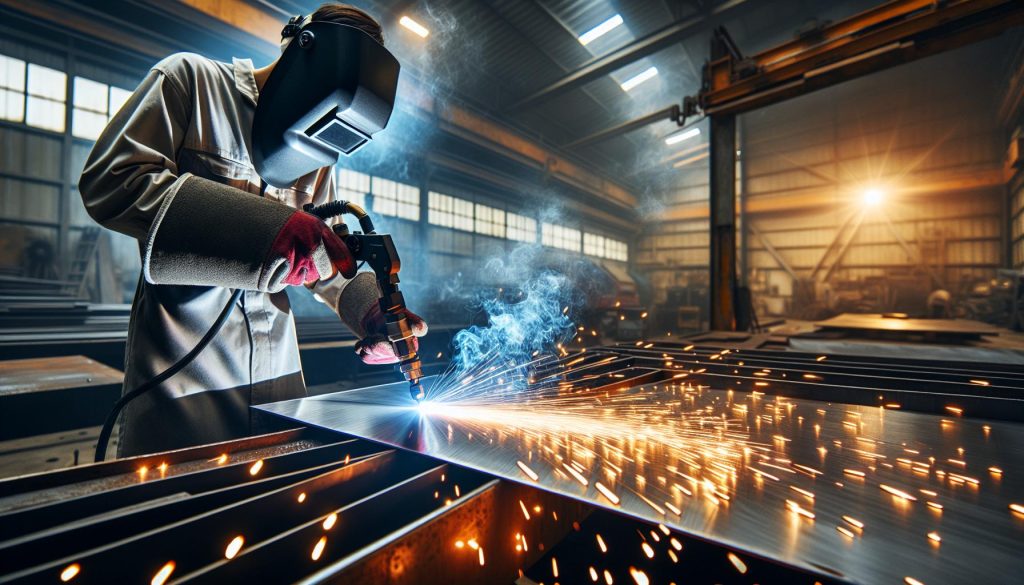
Plasma cutters are heralded for their precision and versatility, making them indispensable tools in metalworking and fabrication. But just how thick can they cut? Understanding the maximum thickness a plasma cutter can handle is crucial for welders and DIY enthusiasts alike, as it directly impacts project feasibility and material choices. Whether you’re a seasoned professional or a beginner, knowing the capabilities of your equipment helps in planning effective and efficient cuts, ensuring both safety and quality. This guide will delve into the factors influencing cutting thickness, revealing not just limits but also techniques to maximize your plasma cutter’s performance. Prepare to enhance your welding projects and unlock the full potential of this innovative technology!
Maximum Cutting Thickness of Plasma Cutters Explained
When considering the capabilities of plasma cutters, understanding their maximum cutting thickness is crucial for ensuring optimal performance in various applications. Typically, plasma cutters can effectively handle thicknesses ranging from 1/16 inch (1.6 mm) to over 1 inch (25 mm), depending on the specific model and power settings. For instance, industrial-grade plasma cutters are designed to cut thicker materials, reaching up to 2 inches (50 mm) in aluminum or mild steel with relative ease. However, achieving these maximum thicknesses requires not just the right machine but also the proper settings and techniques.
Several factors can influence the cutting thickness of a plasma cutter, including the amperage of the device, the type of material being cut, and the nozzle size. Higher amperage settings allow for increased cutting speeds and the ability to tackle thicker materials. However, the quality of the cut can diminish as thickness increases, leading to dross or rough edges, particularly if optimal settings are not maintained. It’s also important to consider that different materials, such as stainless steel or aluminum, may respond variably under the plasma cutter’s heat and need appropriate adjustments.
For those looking to produce clean, efficient cuts, adjusting the plasma cutter’s settings to match the thickness of the material is vital. Manufacturers often provide guidelines for ideal amperage and travel speed settings, which can help users achieve the best results for specific materials and thickness levels. Understanding these parameters not only enhances cutting efficiency but also extends the life of the consumables involved.
Factors Influencing Plasma Cutter Thickness
The cutting thickness of plasma cutters is not solely determined by the machine’s design but is influenced by several crucial factors that welders must consider to optimize performance and ensure quality results. Understanding these elements allows operators to adjust their approach based on the specific requirements of each cutting job.
One of the primary factors is the amperage of the plasma cutter. Higher amperage settings enable the machine to generate more heat, which is essential for cutting through thicker materials efficiently. For instance, a machine rated for 40 amps can typically cut materials up to 1/2 inch thick, while those rated for 60 amps or more may handle thicknesses up to 1 inch or more. However, it’s worth noting that increasing the amperage also increases the risk of burn-through and reduced cut quality, particularly on thinner materials, which can lead to unwanted dross formation.
The type of material being cut also plays a significant role. Different materials, such as carbon steel, stainless steel, or aluminum, have varying responses to heat. For example, aluminum conducts heat more effectively and may require adjustments in settings to achieve clean cuts without warping. Similarly, the nozzle size affects the plasma arc’s characteristics: a larger nozzle can handle thicker materials by producing a broader arc, while a smaller nozzle creates a more focused arc suitable for finer cuts.
Other considerations include the cut speed and the quality of the consumables, such as electrodes and nozzles, that influence the overall cutting process. Slower cutting speeds may allow for deeper penetration in thicker materials, but they also increase the potential for heat accumulation, which can lead to distortion. To achieve optimal performance and maximize cutting thickness, operators should frequently consult their machine’s manufacturer guidelines and tailor their settings based on their specific tasks and materials. By doing so, they can enhance cutting precision, reduce wear on consumables, and improve overall efficiency in their welding projects.
Types of Materials Plasma Cutters Can Handle
When it comes to the versatility of plasma cutters, understanding the types of materials they can handle is crucial for achieving optimal results in various welding and fabrication projects. Plasma cutters excel in cutting through metals rapidly and with precision, making them indispensable in industries ranging from automotive to construction. However, not all materials are created equal, and each type presents different challenges and considerations during the cutting process.
Common Materials Cut by Plasma Cutters:
- Carbon Steel: Known for its durability and structural integrity, carbon steel is a common choice for heavy machinery, frames, and various industrial applications. Plasma cutters can easily slice through varying thicknesses of carbon steel, making it a favorite among welders.
- Stainless Steel: The corrosion-resistant properties of stainless steel make it essential in industries like food processing and pharmaceuticals. While plasma cutters perform well on stainless steel, maintaining appropriate settings to prevent oxidation is critical for clean and precise cuts.
- Aluminum: Lightweight and easy to maneuver, aluminum is widely used in automotive and aerospace applications. It requires special attention during cutting as its heat conductivity can cause warping or excessive melting if not managed properly. Adjusting the amperage and cutting speed is essential to achieve clean edges.
- Cast Iron: While tougher to cut due to its density, plasma cutters can effectively manage cast iron with the right settings. Welders should opt for slower speeds to allow the plasma arc sufficient time to penetrate the material without causing cracks or other forms of damage.
- Plastics and Composites: Although less common, specialized plasma cutting can also handle certain plastics and composite materials, primarily in industrial applications. Operators must be careful to adjust their technique to avoid melting or distorting these materials.
Selecting the appropriate plasma cutter settings is vital for each material type. For instance, using a larger nozzle improves the heat distribution required for thicker materials, while finer settings are better suited to detailed work. Furthermore, the cutter’s consumables, such as nozzles and electrodes, must be compatible with the material to avoid premature wear and ensure efficiency. As you explore plasma cutting, familiarize yourself with your machine’s specifications and the properties of the materials you intend to cut. This knowledge empowers you to adapt your approach, ensuring superior cutting quality and performance in all your projects.
Comparing Plasma Cutters: Power Ratings and Performance
To maximize cutting efficiency and quality with plasma cutters, understanding power ratings is essential. Plasma cutters typically operate within a range of amperage settings, and higher amp ratings generally correlate to the ability to cut through thicker materials. Most commercial plasma cutters can achieve a maximum cutting thickness of anywhere from 1/4 inch to over 1 inch, depending on the model and the material being cut. For instance, a 40-amp plasma cutter might handle mild steel up to about 1/2 inch effectively, whereas a higher-rated 80-amp machine can cut materials ranging from 1 inch to beyond, particularly advantageous for thick aluminum or stainless steel.
The performance of a plasma cutter is not solely dictated by power ratings; various factors influence its cutting ability, including duty cycle, airflow, and the type of consumables used. A cutter with a higher duty cycle can operate longer without overheating, allowing sustained performance on tougher or thicker jobs. Additionally, the airflow or plasma gas used also affects cutting quality. Most plasma cutters require an air compressor capable of delivering a consistent air pressure, typically around 60 to 100 psi for optimal operation.
Another aspect to consider when comparing plasma cutters is their efficiency in cutting different materials. Some machines may cut thicker steel efficiently but struggle with materials like aluminum due to its thermal conductivity, which requires adjusted settings. Therefore, when selecting a plasma cutter, it’s crucial to match its power rating not only to the thickness of the material but also to the specific requirements of the job at hand. Understanding these variables ensures better outcomes in both performance and safety.
When investing in a plasma cutter, review the manufacturer’s specifications and user reviews to gauge real-world performance, particularly concerning maximum thickness capabilities. A reputable manufacturer will often provide detailed insights and comparisons, offering guidelines on the most suitable applications for their devices. By considering both the technical specifications and user experiences, welders can make informed decisions that enhance their cutting capabilities effectively.
Ideal Settings for Different Thickness Levels
When it comes to achieving optimal results with plasma cutting, understanding the ideal settings for varying thickness levels is crucial. Each thickness will require specific adjustments in amperage, gas flow, and cutting speed to ensure clean, precise cuts while minimizing dross and maintaining material integrity. For instance, while a plasma cutter rated at 40 amps may efficiently slice through 1/4-inch mild steel, boosting the amperage to around 60 amps is generally recommended for 1/2-inch thickness, ensuring better penetration and cut quality.
To effectively navigate these adjustments, consider the following guidelines:
Settings for Common Material Thicknesses
- Up to 1/4 inch: Typically, a 40-amp plasma cutter is adequate. Set your gas flow rate to around 70 psi and maintain a cutting speed of 30-50 inches per minute for optimal performance.
- 1/4 to 1/2 inch: Increase amperage to 60-70 amps. Slightly adjust your gas pressure to 80 psi and slow down your cutting speed to 20-30 inches per minute to enhance cut quality.
- 1/2 to 3/4 inch: A plasma cutter with at least 70-80 amps is necessary. Aim for 80-90 psi of gas flow, and reduce the speed to about 15-20 inches per minute to achieve a clean finish.
- Over 3/4 inch: For tougher tasks, a machine capable of 80 amps or more is required. Gas pressure should be around 90-100 psi, and a cutting speed of 10-15 inches per minute will help ensure proper fusion and minimal dross formation.
Fine-Tuning Techniques
In addition to these basic adjustments, fine-tuning your settings based on specific materials is vital. For example, cutting aluminum often demands a different approach than steel due to its higher thermal conductivity. Using a faster cutting speed and slightly lower amperage can help prevent warpage and ensure a smoother cut. Always consult the manufacturer’s guidelines for your specific plasma cutter to achieve the best performance across various thicknesses and materials.
By honing in on these settings and adjustments, welders can markedly improve the efficiency and quality of their work, making informed choices that cater to the demands of diverse projects while ensuring safety and precision.
Techniques for Getting Clean Cuts on Thick Materials
To achieve clean cuts on thick materials with a plasma cutter, it’s essential to implement a combination of precise settings and technique. Effective cutting requires not only the right equipment but also a thorough understanding of how different variables affect the outcome. When working with thicker materials, ensuring consistent plasma flow and achieving optimal speed is crucial.
Utilizing the correct amperage relative to material thickness is foundational for attaining a clean cut. For instance, when cutting materials thicker than 1/2 inch, increasing the amperage to the upper limits of your plasma cutter’s capacity will facilitate deeper penetration. It’s equally important to maintain a steady and appropriate cutting speed; moving too quickly may lead to incomplete cuts, while moving too slowly risks excessive heat buildup and dross formation. To enhance your workflow and achieve superior results, consider the following techniques:
Recommended Techniques for Clean Cuts
- Use a Guide: Employ straight edges or jigs to maintain a consistent cutting path. This minimizes the risk of skewed cuts that can occur with hand-guided cutting.
- Adjust Gas Pressure: Optimal gas flow is crucial. For thicker metal, ensuring that your gas pressure matches the recommended range for the material can dramatically affect cut quality.
- Angle of the Torch: Hold the plasma torch at an angle (around 5 to 15 degrees) to the surface being cut, which allows for better arc stability and reduces the risk of sticking.
- Control Preheat Time: Allowing some preliminary ignition to stabilize the arc can help before moving through the cut-this is especially beneficial when starting a cut in thick material.
Additionally, monitoring the temperature of the material throughout the process can help in adjusting cutting strategies. Some materials conduct heat differently, which influences how they respond to plasma cutting. For example, thicker aluminum may require faster cutting speeds and altered amperage settings due to its higher thermal conductivity, which helps in preventing distortion.
By employing these techniques, you will enhance your ability to achieve clean, precise cuts, transforming your welding projects into high-quality finished products. Ensure to keep experimenting with your settings to find the perfect balance for different materials, and remember that practice is key to mastering plasma cutting on thick materials.
Common Mistakes When Cutting Thick Materials
When tackling thick materials with a plasma cutter, the temptation to push the limits is often met with common pitfalls that can lead to subpar results. A frequent misstep is choosing the wrong cutting speed; cutting too fast may seem efficient, but it compromises the cut quality, leaving jagged edges and excessive dross. Conversely, moving too slowly can create excessive heat buildup, warping the metal and leading to cuts that are neither clean nor precise. Understanding the balance between speed and power settings is crucial for achieving the intended results.
Another mistake holistically revolves around the choice of amperage. Many operators underutilize their machine’s capabilities, sticking to lower amperages in hopes of preserving material integrity. However, when cutting materials thicker than a certain threshold-typically around 1/2 inch-raising the amperage is essential. This allows for deeper penetration and smoother cuts. Failing to adjust this parameter can result in incomplete cuts or significant wear on the consumables, ultimately impacting workflow.
Additionally, improper torch angle and distance can lead to inconsistent cuts. Many operators neglect the importance of maintaining a proper distance from the workpiece. A distance that is too great may weaken the arc, while too close may result in contact with the material, risking damage to both the torch and the work. Maintaining a consistent angle (generally between 5 to 15 degrees) can improve arc stability, ensuring that the plasma jet cuts evenly through the material.
To avoid these common mistakes, diligent preparation and continued education on effective practices are key.
- Establish Standard Operating Procedures: Creating guidelines for equipment settings based on material types and thicknesses can improve cutting consistency.
- Invest in Quality Consumables: Regularly replacing wear components like tips and electrodes ensures optimal performance.
- Practice Regularly: Gaining experience through various projects enhances an operator’s capability in adapting to different materials and thicknesses.
With attention to these details, operators can improve their results, ultimately leading to increased efficiency and higher quality workmanship in plasma cutting operations.
Safety Considerations When Using Plasma Cutters
Operating a plasma cutter involves understanding the inherent risks associated with working in environments characterized by high temperatures and electrical currents. Awareness and proactive measures are key to safety in plasma cutting, as accidents can lead to severe injuries or even fatalities. One of the most important safety practices is to always wear appropriate personal protective equipment (PPE), which should include flame-resistant clothing, goggles or a full-face shield, and heavy-duty gloves. This PPE protects against harmful UV radiation from the plasma arc, as well as sparks and molten metal that can cause burns or eye damage.
Moreover, proper ventilation is critical when using a plasma cutter. Cutting metals often generates harmful fumes and gases that can be hazardous to your health. Always ensure the workspace is well-ventilated, or utilize fume extraction systems where necessary. If cutting indoors, check for potential ignition hazards, such as flammable materials nearby, and remove them from the vicinity to prevent fires or explosions.
It’s also crucial to maintain a thorough understanding of the equipment being used. Regularly inspect the plasma cutter for any signs of wear or damage before use, including power cords, hoses, and consumables. Ensure the machine settings are suitable for the material thickness being cut; operating outside of recommended parameters can not only yield poor results but can also lead to overheating or equipment malfunction. Furthermore, practicing proper grounding and circuit protection can reduce the risk of electric shock, which is a constant threat when handling electrical equipment.
In addition, keeping the work area tidy by removing scrap metal and debris can greatly reduce the chances of slips, trips, or falls, which are common in workshop environments. Proper storage and organization of tools and materials not only promote safety but also improve efficiency during cutting operations.
By integrating these safety protocols into daily practices, operators can significantly mitigate risks while maximizing both the effectiveness and the quality of their plasma cutting efforts. Always prioritize safety to foster a secure and productive working environment.
Maintenance Tips to Enhance Cutting Performance
To achieve optimal performance from a plasma cutter, regular maintenance is essential. Not only does proper upkeep prolong the life of the cutter, but it also enhances cutting quality, especially when tackling thicker materials. Plasma cutting relies heavily on precision and the integrity of the equipment, so adopting a systematic approach to maintenance can make a significant difference in results.
Regular Inspection and Cleaning: Before each use, inspect the plasma cutter for any wear and tear. Pay close attention to the nozzle, electrode, and other consumables; these components are crucial for maintaining a consistent arc. A dirty nozzle can lead to erratic cuts and excessive dross. Regularly clean these parts and replace them according to manufacturer recommendations. In addition, check the power cord and hose for any signs of damage, ensuring they are free from kinks and abrasions.
Calibration and Settings: Each material type and thickness demands specific settings for optimal performance. Regularly calibrate the plasma cutter according to the manufacturer’s specifications, particularly when changing materials or thicknesses. Ensure that the air pressure and electrical output are set correctly for the desired cut, as improper settings can lead to poor-quality cuts and increased wear on the machine.
Maintaining Coolant and Filters: If using a plasma cutter with a built-in cooling system, check the coolant level regularly. A well-maintained coolant system prevents overheating, which can severely affect cutting performance and the life of the cutter. Furthermore, replace or clean air filters to ensure that the air entering the system is free from contaminants, as dirty filters can restrict airflow and compromise cutting capabilities.
Integrating these maintenance practices into your routine will not only bolster the performance of your plasma cutter but will also ensure safer and more efficient operations. Regular upkeep is key to navigating the demands of heavy-duty cutting, allowing operators to achieve clean, precise cuts even on the thickest materials.
Variations in Thickness Across Different Plasma Cutter Brands
The maximum cutting thickness that plasma cutters can achieve varies significantly across brands, primarily due to differences in technology, design, and intended use. Several factors influence these variations, including the power output, nozzle design, and the quality of materials used in manufacturing. For instance, industrial-grade plasma cutters often have power ratings between 40 to 100 amps, enabling them to slice through thicker materials compared to hobbyist models, which might only reach 20 to 30 amps.
Higher amperage units are generally capable of cutting through metals ranging from 1/2 inch to over 1 inch thick. In contrast, lower-rated cutters tend to restrict users to materials up to 1/4 inch thick. Furthermore, the type of plasma cutting system significantly impacts thickness capabilities. For example, a machine equipped with a high-frequency start may penetrate thicker materials more effortlessly than a contact-start machine, which can struggle with conductivity in thicker substrates.
Power and Performance Considerations
Plasma cutters from leading brands such as Hypertherm, Miller, and Lincoln Electric are designed with specific applications in mind. A plasma cutter from Hypertherm’s Powermax series can achieve maximum cut capacities of up to 1 inch on mild steel, while a similar product from Lincoln Electric might perform optimally at a thickness of 3/4 inch, illustrating the importance of evaluating specs based on your project’s requirements.
- Hypertherm Powermax: Up to 1 inch on mild steel
- Miller Spectrum: Max 3/4 inch cutting ability
- Lincoln Electric: Typically around 1/2 inch
Choosing the right plasma cutter involves more than just maximum cutting thickness; it’s about understanding the range of materials you’ll work with, the thickness you anticipate encountering, and how frequently you’ll be switching between them. Knowing that some brands excel in specific types of metals, such as stainless steel versus aluminum, is also crucial. For instance, while aluminum is highly conductive and may require exactly calibrated settings for effective cutting, other metals may not present the same challenges.
In conclusion, selecting a plasma cutter involves weighing the maximum thickness capabilities against your unique cutting needs and the types of materials you plan to utilize. Each brand’s specifications reflect its engineering approaches, making it essential to match a cutter’s performance to your specific applications for optimal results.
Applications of Plasma Cutters in Heavy Industry
In the realm of heavy industry, plasma cutters serve as vital tools for a wide array of applications, primarily due to their capability to cut through substantial materials with remarkable precision. The versatility of plasma cutting technology allows for efficient processing in sectors such as metal fabrication, automotive manufacturing, shipbuilding, and construction. Their ability to navigate intricate designs while handling various material thicknesses makes plasma cutters indispensable for both routine and specialized tasks.
Plasma cutters excel in cutting ferrous and non-ferrous metals, including steel, aluminum, brass, and copper. For instance, in metal fabrication shops where speed and accuracy are paramount, industrial-grade plasma cutters can slice through steel plates exceeding one inch in thickness with ease. This capability is especially beneficial for creating frames or structural components that demand rigorous tolerances. Moreover, their advantage over traditional cutting methods is evident in projects that require specific geometrical shapes or detailed outlines, leading to fewer secondary operations, which can drastically reduce lead times.
Another noteworthy application of plasma cutters is within the automotive industry, where they are employed for cutting body panels, exhaust systems, and other components from sheet metals. The ability to promptly adjust cutting settings allows welders to switch between different thicknesses and types of materials, enhancing workflow flexibility. Furthermore, in repair shops, plasma cutters facilitate the quick dismantling of vehicles for recycling purposes, showcasing their utility in sustainable practices.
Additionally, plasma cutting technology is often integrated into automated systems, enhancing production capabilities in manufacturing environments. Systems equipped with CNC (Computer Numerical Control) capabilities allow for complex cutting patterns, ensuring accuracy and consistency across multiple parts in high-volume manufacturing scenarios. As industries continue to evolve, the demand for advanced plasma cutting solutions that can address varied thicknesses and material types remains strong, highlighting the critical role these tools play in modern industrial applications.
Key Industrial Applications
- Metal Fabrication: Essential for creating structural components and frames.
- Automotive Manufacturing: Used for cutting body panels and exhaust systems.
- Shipbuilding: Cutting thick metal plates for hulls and other components.
- CNC Automation: Integrates plasma technology for precise and efficient manufacturing.
As plasma cutter technology continues to advance, the potential applications expand, further solidifying their prominence in heavy industry and beyond.
Frequently asked questions
Q: What is the maximum thickness a plasma cutter can cut?
A: Plasma cutters can typically cut materials up to 1 inch thick, depending on the machine’s power rating. Some high-end plasma cutters can handle thicker materials, but optimal performance often occurs at around ½ inch to ¾ inch for clean cuts. Refer to the “Maximum Cutting Thickness of Plasma Cutters Explained” section for more details.
Q: How does the power of a plasma cutter affect cutting thickness?
A: The power rating of a plasma cutter directly influences its cutting thickness. Higher-powered machines, usually rated at 50 amps or more, can cut thicker materials compared to lower-powered models. Check the “Comparing Plasma Cutters: Power Ratings and Performance” section for insights on power vs. thickness.
Q: Can plasma cutters cut stainless steel? What thickness is achievable?
A: Yes, plasma cutters can cut stainless steel effectively, typically up to ½ inch in thickness for clean cuts. For thicker stainless steel, preheating may be necessary to achieve optimal results. See “Types of Materials Plasma Cutters Can Handle” for additional information.
Q: What types of materials can a plasma cutter handle?
A: Plasma cutters can handle a variety of materials including steel, stainless steel, aluminum, and copper. The thickness achievable varies by material type and cutter capability. Explore “Types of Materials Plasma Cutters Can Handle” for detailed comparisons.
Q: What causes poor cutting quality in thick materials?
A: Poor cutting quality in thick materials can result from incorrect settings, worn-out consumables, or improper technique. Ensuring optimal settings and maintaining equipment can significantly improve cutting results. Refer to “Common Mistakes When Cutting Thick Materials” for troubleshooting tips.
Q: How can I improve cutting efficiency for thick metals?
A: To improve cutting efficiency for thick metals, use the appropriate plasma cutter settings, maintain consumables, and ensure a steady, consistent speed during cutting. The “Techniques for Getting Clean Cuts on Thick Materials” section offers actionable advice.
Q: What safety precautions should be taken when using plasma cutters?
A: Always wear appropriate PPE, such as gloves and eye protection, ensure proper ventilation, and be aware of surrounding flammable materials. Comprehensive safety protocols can be found in the “Safety Considerations When Using Plasma Cutters” section.
Q: Is maintenance important for plasma cutters? How can it affect cutting thickness?
A: Yes, maintenance is crucial for ensuring optimal cutting performance. Regularly checking and replacing consumables, cleaning the equipment, and following the manufacturer’s guidelines can enhance cutting thickness and quality. See “Maintenance Tips to Enhance Cutting Performance” for detailed advice.
In Conclusion
Unlocking the full potential of your plasma cutter is crucial for precision cutting, especially when it comes to tackling varying material thicknesses. Remember, understanding the limits of your equipment can enhance both performance and safety. If you’re exploring more about cutting techniques or the best practices for MIG, TIG, or stick welding, dive deeper into our resources on welding techniques, or check out our detailed equipment reviews to optimize your setup.
Don’t let uncertainty hold you back-take action today by subscribing to our newsletter for the latest insights and expert tips. Whether you’re a novice or seasoned pro, there’s always something new to learn in the world of welding. Have questions or want to share your cutting experience? Engage with our community in the comments below! Your next project awaits, so let’s get cutting with confidence!