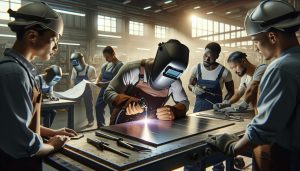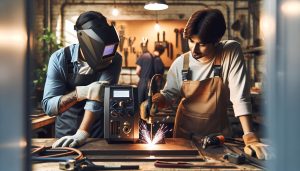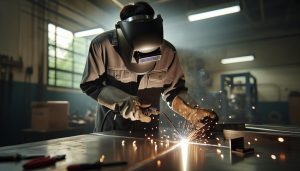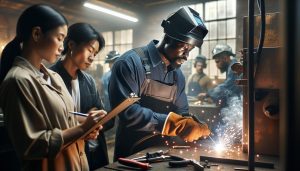
Heliarc welding, often recognized for its precision and versatility, opens the door to superior fabrication in both aluminum and steel applications. Did you know that mastering this technique can significantly enhance your welding skills, leading to better job opportunities and project outcomes? Whether you’re a hobbyist looking to elevate your craft or a professional aiming to refine your expertise, understanding the fundamentals of heliarc welding is crucial. This premium technique requires a keen understanding of equipment, safety protocols, and material properties, making it essential for producing high-quality welds. In this guide, you’ll discover practical tips and valuable insights that will empower you to master heliarc welding quickly and effectively. Embrace the journey, and transform your welding capabilities!
How Heliarc Welding Differs from Other Techniques
Heliarc welding, more commonly known as TIG (Tungsten Inert Gas) welding, stands out from other welding techniques due to its precision and versatility. One of the most notable differences is the use of a non-consumable tungsten electrode, which allows for greater control over the weld and can handle a wide range of materials, including aluminum, stainless steel, and magnesium. This is in contrast to MIG (Metal Inert Gas) welding, which utilizes a consumable wire electrode and is generally faster but less precise, making it more suited for thicker materials and production environments.
The shielded gas environment created by TIG welding provides added protection from atmospheric contamination, leading to cleaner welds with less oxidation. In comparison, stick welding often struggles with similar concerns as it requires a flux-coated electrode that burns off during the process to protect the weld area. As a result, TIG welding results in high-quality, aesthetically pleasing welds suitable for applications where appearance is crucial, such as in artistic metalwork or high-performance automotive components.
Another distinctive feature of heliarc welding is its ability to weld thin materials with minimal distortion. This is a significant advantage in fields such as aerospace and automotive engineering where precision is paramount. While MIG welding is faster and often used for thicker materials, it can lead to deformation due to heat input. The cooler operating temperature of TIG welding allows for finer control, making it ideal for intricate projects that require a delicate touch.
In summary, heliarc welding’s reliance on a non-consumable tungsten electrode, its superior clean welding environment, and the capacity for precise control over heat input make it an exceptional choice compared to other welding techniques. Whether you’re working with delicate materials or require aesthetically pleasing welds, understanding these differences can guide you in selecting the right welding process for your specific application.
Essential Tools for Heliarc Welding Success
To achieve excellence in heliarc welding, having the right tools is paramount. This precision welding technique, also known as TIG (Tungsten Inert Gas) welding, requires equipment that not only caters to high-quality welds but also ensures safety and efficiency. A well-equipped workspace can make all the difference between a successful project and a frustrating one.
One of the fundamental tools for heliarc welding is the TIG welding machine itself. Look for a machine that offers adjustable amperage, enabling you to customize heat settings based on the thickness and type of material you are working with. Additionally, consider machines with pulse capability for added control, especially when working with thinner materials. Accompanying the welding machine should be a stable work table and clamps to secure your pieces firmly during the welding process.
Another critical component is the tungsten electrode. The type and size of tungsten need to match the material you are welding. Common sizes include 1/16″, 1/8″, and 3/32″, with pure tungsten often used for welding aluminum and thoriated tungsten for stainless steel. Always remember to sharpen your electrodes properly, as a clean point promotes a stable arc and better heat concentration.
You will also need inert gas, typically argon, to shield the weld from atmospheric contamination. Ensure you have a proper gas regulator and flow meter to monitor and control the gas flow effectively. Moreover, investing in a high-quality welding helmet with appropriate shade filters is essential to protect your eyes from the intense light and UV rays produced during welding.
Lastly, do not underestimate the importance of auxiliary tools: appropriate gloves, protective clothing, and a fume extractor will contribute to a safer and more productive welding environment. With these essential tools at your disposal, you can enhance your heliarc welding skills while ensuring high-quality results.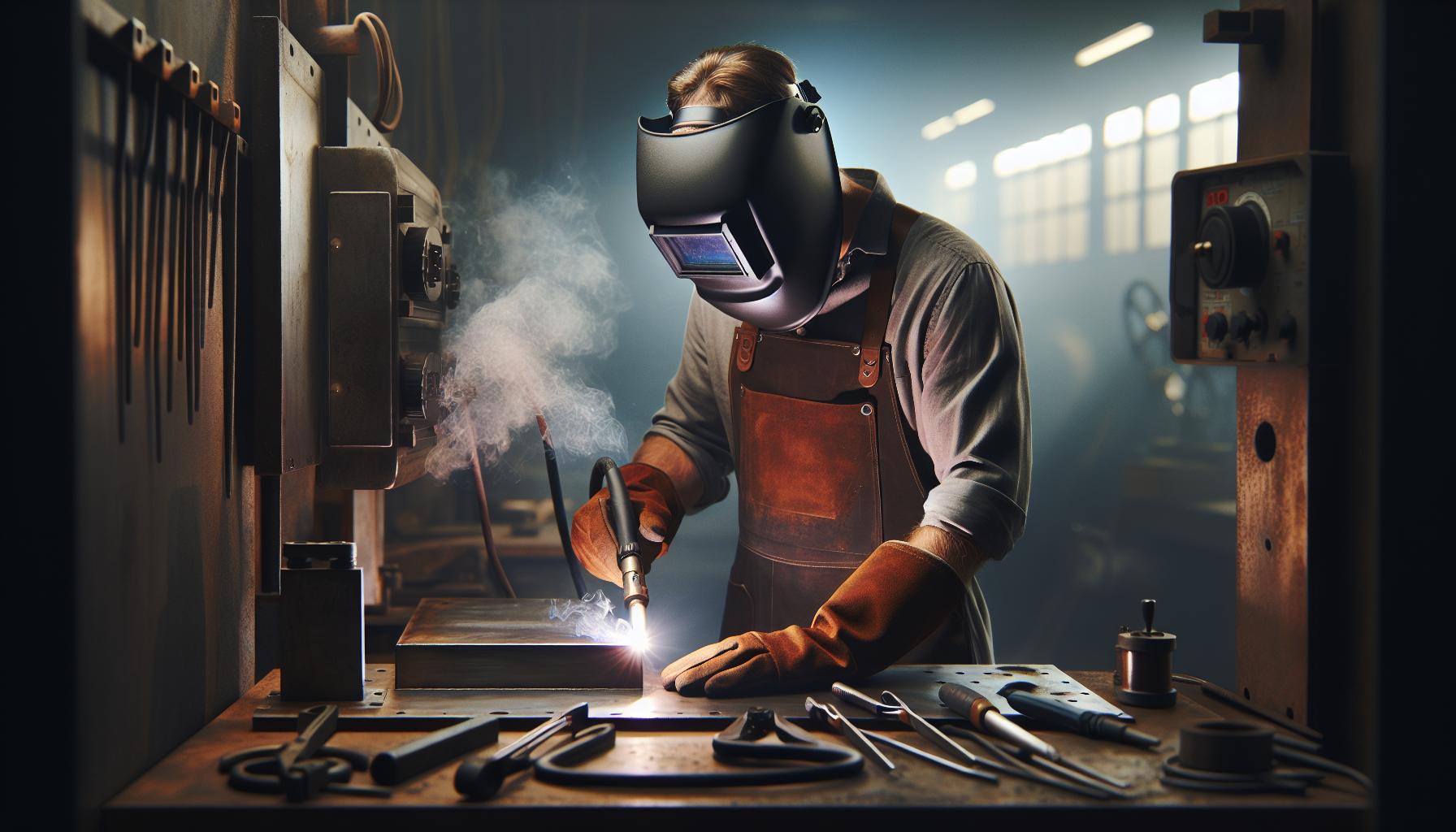
Step-by-Step Guide to Heliarc Welding
To master heliarc welding, or TIG welding, a systematic approach will help streamline your process and ensure high-quality results. This method necessitates careful preparation and execution, focusing on maintaining a clean and controlled environment throughout the welding process.
First, begin with preparation. Ensure your workpieces are clean and free from contaminants such as rust, oil, or dirt. Use a wire brush or grinder to prepare the area where the weld will be applied. Position the workpieces securely on a stable work table and use clamps to hold them in place. Adequate grounding is crucial-attach the ground clamp of your welder to the workpiece or table to prevent electrical issues.
Next, set up your equipment. Select the appropriate tungsten electrode based on the material thickness and type you are welding. For instance, a pure tungsten electrode is ideal for aluminum, while thoriated tungsten suits stainless steel. After inserting the tungsten into the electrode holder, adjust your welding machine. Set the amperage based on the material thickness and consult electrode size charts for reference.
After setup, don your safety gear, including a welding helmet, gloves, and protective clothing. Ensuring you have appropriate shielding gas flow and the correct torch angle is vital. Hold the torch at approximately a 15-degree angle to the workpiece, and maintain a consistent distance. Begin your arc by striking the tungsten against the workpiece, then moving it slightly away to establish a stable arc.
Finally, execute the welding process. Maintain steady movement, weaving the torch if necessary to achieve proper penetration and bead shape. Monitor your heat settings and adjust as needed to avoid overheating or undercutting the weld. Once completed, allow the weld to cool, then clean any oxide buildup, which can be addressed with a wire brush.
These steps provide an effective framework for executing and mastering heliarc welding. Practice in a controlled environment will help refine your technique, leading to better results and increased confidence in your welding capabilities.
Mastering Heliarc Welding Settings for Optimal Results
Mastering the intricate settings of heliarc welding, or TIG welding, is crucial for achieving optimal results and ensuring the integrity of a weld. The precision of TIG welding allows for high-quality welds in a variety of materials, making the right settings fundamental to successful welding endeavors. One of the key elements to focus on is the amperage setting; the correct amperage depends on the material thickness and type. Generally, the rule of thumb is to set the machine at 1 amp per 0.001 inch of material thickness for aluminum and stainless steel, ensuring adequate heat penetration without overheating.
Equally important is the choice of gas and the flow rate. Argon is the most commonly used shielding gas in TIG welding, providing a clean and inert atmosphere that protects the weld pool from contaminants. For thin materials, a flow rate of 15-20 cubic feet per hour (CFH) is typically sufficient, while thicker sections may require a slightly higher flow to maintain coverage against drafts and contamination. Proper gas coverage is vital; even small amounts of atmospheric exposure can lead to defects such as porosity in the weld.
Beyond those fundamental settings, mastering the torch angle and distance from the workpiece can significantly influence the quality of the weld. The torch should ideally be held at a 15-degree angle to the direction of the weld, which helps achieve a smoother arc and consistent bead shape. Maintaining the correct distance-typically between 1/8 to 1/4 inch-allows for better control of the heat input and minimizes the risk of defects.
Ultimately, the best way to refine these settings is through consistent practice and experimentation. Adjusting parameters based on real-time feedback from the weld pool and adapting to the specific characteristics of the material will elevate your welding skills. Keeping a welding log can also be beneficial to track which settings yield the best results on different materials, allowing for a tailored approach that meets the unique demands of each project.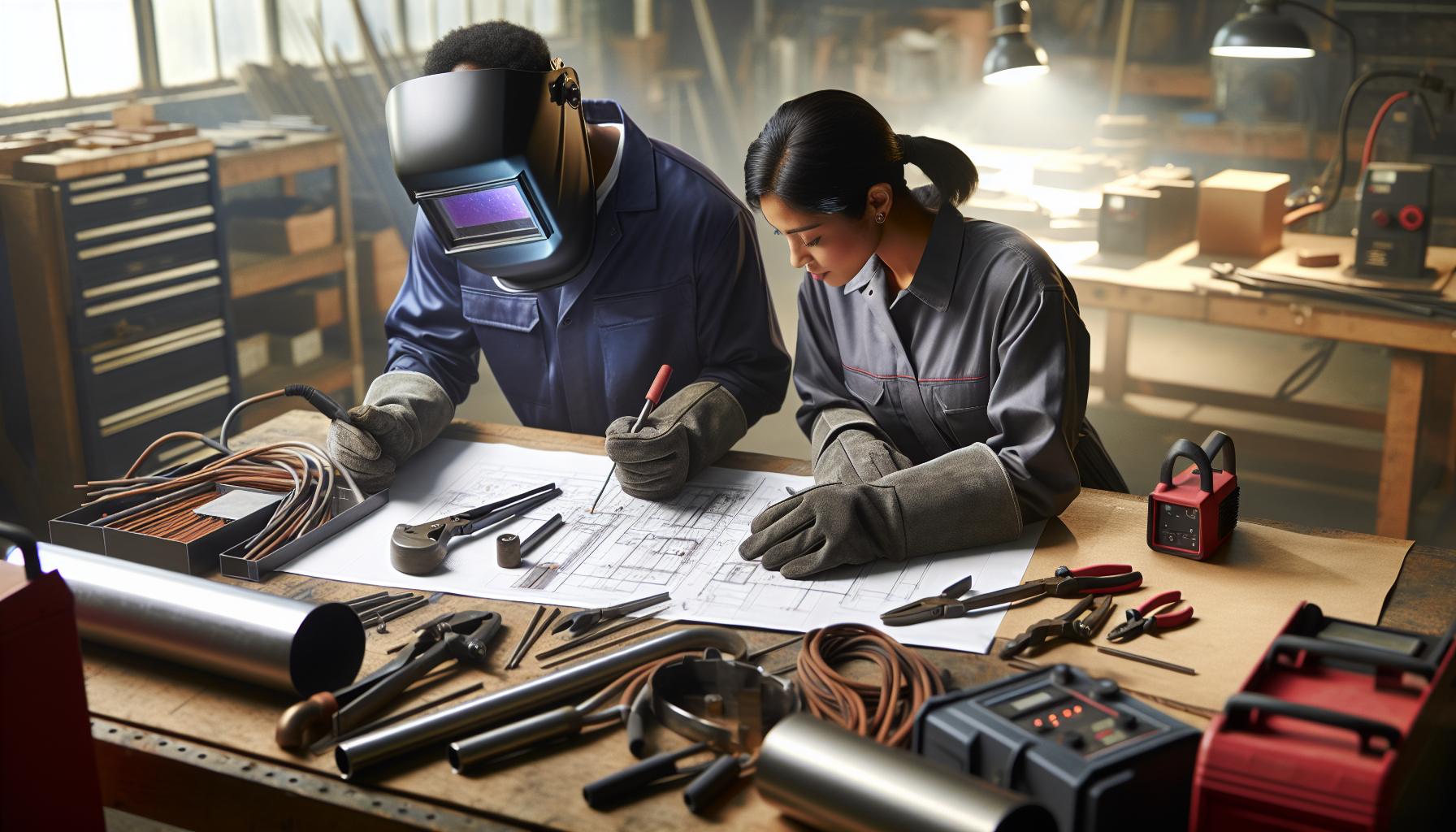
Common Heliarc Welding Materials and Their Applications
Heliarc welding, also known as TIG (Tungsten Inert Gas) welding, excels in producing high-quality welds across a range of materials, making it a preferred method in various industries. This technique is particularly adept at welding non-ferrous metals like aluminum and magnesium, as well as ferrous materials such as stainless steel and carbon steel. Understanding the materials suited for heliarc welding and their specific applications is crucial for welders aiming to achieve optimal results.
Aluminum is one of the most common materials used in heliarc welding due to its lightweight nature and excellent strength-to-weight ratio. In industries like aerospace and automotive, components such as frames, body panels, and fuel tanks often utilize aluminum for its corrosion resistance and formability. Magnesium, another lightweight metal, is used similarly but can be more challenging to weld due to its flammability, requiring careful handling and shielding techniques.
Carbon steel is another material frequently welded with TIG. Its versatility allows it to be used in structural applications, piping, and machinery components. Stainless steel, known for its corrosion resistance and aesthetic appeal, is widely used in food processing equipment, medical devices, and architectural applications. Welders must pay attention to the specific grade of stainless steel, as differing compositions can affect the welding parameters and resulting strength of the weld.
Applications of Heliarc Welding Materials
The applications of materials welded with heliarc techniques are extensive:
- Aerospace: Heliarc welding is integral for creating lightweight and durable aircraft components such as wing structures and fuselage panels.
- Automotive: This method is used for both structural integrity in car frames and aesthetic elements such as exhaust systems.
- Marine: Aluminum alloys are often welded for boat hulls and frames, benefiting from their lightweight properties and resistance to saltwater corrosion.
- Manufacturing: Stainless steel is commonly used in manufacturing equipment due to hygiene standards, making heliarc welding essential for joining pipes and vessels.
By mastering the characteristics of these materials and their applications in heliarc welding, welders can significantly enhance their efficiency and the quality of their work. Having the right knowledge allows for precise adjustments in techniques and settings, which ultimately leads to robust and aesthetically pleasing welds.
Safety Protocols for Heliarc Welding: Stay Protected
Heliarc welding, or TIG welding, offers remarkable precision and control, but it also requires a keen awareness of safety practices to protect welders from potential hazards. Safety should always be the foremost consideration in any welding operation, especially when working with high temperatures and reactive gases. Ensuring a well-prepared workspace, appropriate personal protective equipment (PPE), and an understanding of the materials involved can significantly mitigate risks.
First and foremost, wearing the right PPE is crucial. This includes a welding helmet equipped with a proper shade lens to protect your eyes from the intense light produced during welding. The use of flame-resistant clothing, gloves, and boots helps shield the skin from sparks and heat. Additionally, consider using respiratory protection when welding in confined spaces or when working with materials that produce harmful fumes, such as galvanized steel or certain aluminum alloys.
Workspace Safety
Creating a safe workspace is equally important. Ensure adequate ventilation to disperse harmful fumes and gases. If natural ventilation is inadequate, using exhaust fans or fume extractors can provide necessary air circulation. Keep the work area free from clutter, flammable materials, and unnecessary personnel to reduce the risk of fires and accidents. It’s vital to have fire extinguishers readily available and to be familiar with their use. Furthermore, ensure all equipment is properly maintained and inspected before starting any welding, as malfunctioning equipment can lead to dangerous situations.
Electrical Safety
Given that heliarc welding involves high electrical currents, ensure all electrical equipment is grounded properly to prevent electric shock. Inspect cables for wear and damage before each use and ensure that outlets and extensions are rated for the appropriate amperage. Keeping your workspace dry and avoiding wet clothing will further minimize the risk of electrical hazards.
In summary, by adhering to stringent safety protocols, welders can excel in heliarc welding while minimizing health risks. Emphasizing the importance of personal protective gear, workspace organization, and electrical safety can make a significant difference in maintaining a safe and productive working environment. Creating a culture of safety is not just a guideline but a fundamental practice that every welder should adopt.
Troubleshooting Heliarc Welding Problems Effectively
Effective troubleshooting is essential for successful heliarc welding, as even minor issues can lead to significant defects in the finished weld. Whether you are a novice not familiar with typical welding challenges or an experienced welder facing unexpected problems, understanding common issues can save time and materials.
One prevalent challenge in TIG welding is inconsistent arc stability, which can manifest as erratic or wavering arcs. This issue often stems from incorrect settings, such as inadequate gas flow or improper electrode size. To rectify this, ensure that the shielding gas flow rate is set according to the material and thickness being welded, with typical flow rates between 15-20 cubic feet per hour (CFH). Adjust your gas flow regulator and monitor the gas cup for any obstructions that may impede proper gas coverage. Additionally, verify that the tungsten electrode is sharpened to the correct angle (usually 15-30 degrees) and the correct length is exposed to maintain a stable arc.
Another common problem is contamination of the tungsten electrode. This can occur through contact with the base material, shield gas impurities, or excessive heat. When contamination arises, the arc may become unstable and produce a poor-quality weld. To prevent this, always handle the tungsten with clean, gloved hands, and keep the weld area free from oils, dirt, and moisture. If contamination occurs, it is critical to clean or replace the electrode immediately. Use a dedicated tungsten grinder for precise shortening and reshaping to maintain the best performance.
Weld bead appearance can also be a telling sign of underlying issues. A bead that is too convex or concave often indicates incorrect travel speed or amperage settings. For a consistent bead profile, begin by experimenting with a travel speed that is appropriate for the material thickness-typically around 1 inch per minute for 1/8-inch thick materials. Adjust the amperage according to the material type; for aluminum, higher amperage is often necessary compared to steel.
Lastly, remember that troubleshooting is often a process of elimination. Keep a detailed log of settings and results from your welding sessions. If an issue persists, return to the basics: check all equipment, verify gas types, and assess environmental factors. By systematically addressing each element of your welding setup, you enhance your ability to overcome challenges effectively, leading to higher quality welds and a more satisfying welding experience.
Advanced Techniques for Precision Heliarc Welding
Advanced techniques in heliarc welding, also known as TIG welding, can set a skilled welder apart, elevating the quality and precision of their work. One remarkable aspect of this technique is its versatility and its application in diverse industries, from aerospace to automotive manufacturing. By mastering advanced methods, welders can achieve high-quality results that meet strict specifications.
One effective advanced technique involves pulsed welding, where the welding current alternates between a high peak and a low background current. This method allows greater control over heat input, minimizing warping and burn-through, especially on thin materials. Pulsed welding is particularly advantageous when working with aluminum or stainless steel, as it helps maintain a stable arc while also allowing for faster travel speeds. This technique can significantly enhance the aesthetic quality of the weld bead, producing a flatter profile with fewer defects.
Another critical approach is the use of back purging when welding stainless steel or other non-ferrous materials. Back purging involves supplying inert gas to the underside of the weld area to prevent oxidation and contamination. Setting up the purge effectively-ensuring sufficient flow and proper coverage-can result in cleaner welds with optimal mechanical properties. Remember to monitor oxygen levels during the purging process; maintaining a low oxygen environment is essential for achieving a high-quality finish.
Additionally, the welder’s ability to manipulate the torch angle and distance plays a vital role in precision welding. A correct torch angle-typically between 10 to 15 degrees-allows for better access to the weld pool while ensuring a stable arc. Coupled with maintaining the right distance (usually around 1/8 to 1/4 inch from the material), these adjustments help produce uniform welds. Properly managing these variables is particularly crucial when welding in positions that are less than ideal, such as overhead or vertical welding.
To enhance your skill set further, consider undertaking the following actionable strategies:
- Invest in Quality Equipment: Upgrading your torch and power source can have a significant impact on the quality of your welds. A high-quality foot pedal, for instance, can provide better control over amperage.
- Practice with Diverse Materials: Familiarize yourself with welding different alloys and thicknesses. Each material has its unique characteristics, and understanding these will help you refine your technique.
- Engage with Professional Training: Workshops and courses can introduce you to advanced techniques and provide hands-on experience under expert supervision.
By integrating these advanced techniques into your heliarc welding practice, you can significantly enhance the precision and quality of your work. The commitment to ongoing learning and adaptation to advanced methods will not only improve your skills but also expand your career opportunities in the welding field.
Maintenance Tips for Heliarc Welding Equipment
Proper maintenance of heliarc welding equipment is crucial for achieving optimal performance and ensuring safety during operations. Regular upkeep not only extends the lifespan of your tools but also enhances the quality of your welds. One notable fact is that a well-maintained machine can significantly reduce the frequency of costly repairs and downtime. Here are some essential tips to keep your heliarc welding equipment in top condition.
Start by keeping your work area clean and organized. A clutter-free environment prevents debris and contaminants from entering your equipment, which can lead to malfunctions or poor weld quality. Regularly clean all components, including the torch, cable connections, and gas line, using appropriate solvents and brushes. Specifically, the tungsten electrode should be inspected and dressed frequently to maintain its sharpness, as a dull electrode can lead to erratic arcs and poor control.
Regular Inspection and Replacement
Perform routine inspections of your welding machine’s components. Check for wear and tear in hoses, cables, and fittings, and replace any damaged parts immediately. This proactive approach ensures that your machine operates safely and effectively. Pay special attention to the gas lens and collet bodies, as these parts can accumulate debris affecting gas flow and arc stability. Additionally, whenever you change the tungsten electrode, take the time to clean the area thoroughly to eliminate any potential contaminants.
Cooling System Care
For machines with a cooling system, ensure it functions correctly by checking fluid levels and inspecting hoses for leaks. Overheating can severely damage the welder and compromise performance. To enhance cooling efficiency, regularly clear any obstructions around the machine’s ventilation ports. If your unit is water-cooled, monitor the quality of the coolant; replace it periodically to prevent corrosion and build-up within the system.
Calibration and Settings
Finally, maintain the calibration of your equipment. Regularly verify that settings such as amperage, voltage, and gas flow are adjusted according to the materials being welded. Calibration ensures that you are getting the best performance from your machine, leading to cleaner and stronger welds. Keeping a log of settings based on materials can serve as a valuable reference for future projects, thus promoting consistency in your work.
Commitment to these maintenance practices will secure not only the efficiency of your heliarc welding equipment but also your safety and the quality of your work. With diligent care, your tools can continue to deliver exceptional results for years to come.
Career Opportunities in Heliarc Welding: What to Know
Heliarc welding, also known as TIG (Tungsten Inert Gas) welding, opens a wide range of career possibilities due to its precision and versatility across various industries. Whether working in manufacturing, construction, or aerospace, the demand for skilled heliarc welders continues to grow, making it a lucrative field for those interested in welding careers. The ability to weld various materials, such as aluminum and stainless steel, adds to the appeal, as these materials are commonly used in many high-demand applications.
One of the significant advantages of pursuing a career in heliarc welding is the opportunity for specialization. Welders can focus on distinct sectors like automotive repair, pipefitting, or artistic metalworking, allowing them to tailor their careers to their interests and strengths. Many employers value advanced certifications, so pursuing additional qualifications from recognized institutions can enhance job prospects and earning potential. Additionally, heliarc welders often have the flexibility to work in diverse environments, from workshops to outdoor settings, and even as independent contractors.
The continuous evolution of welding technology also creates opportunities for career advancement. Staying updated on the latest techniques and equipment can position welders as experts in their field, granting access to higher-paying roles such as welding supervisors or educators. Furthermore, experienced welders can transition into roles that involve oversight of safety protocols and training of new employees-areas where they can leverage their practical skills to foster a safer and more efficient work environment.
Lastly, networking plays a crucial role in advancing a welding career. Joining professional organizations, attending trade shows, and participating in welding competitions not only improves skills but also expands professional connections. These relationships can lead to job offers, collaborations, and mentorship opportunities that fuel career growth. In summary, a career in heliarc welding offers stability, diversity, and a path to personal and professional fulfillment, making it an excellent choice for aspiring welders.
Frequently Asked Questions About Heliarc Welding
Heliarc welding, or TIG welding, often raises questions among both novice and seasoned welders seeking clarity about its intricacies and best practices. One common inquiry is, “What materials can I effectively weld using heliarc techniques?” The versatility of TIG welding allows for a wide range of materials, including aluminum, stainless steel, and carbon steel. The non-consumable tungsten electrode used in the process is optimal for creating precise and strong joints, particularly in thinner materials, where precision is critical.
Another frequent concern revolves around “What safety equipment is essential for heliarc welding?” Proper safety gear is crucial to protect welders from high heat, ultraviolet exposure, and harmful fumes. Recommended equipment includes a quality welding helmet with appropriate lens shade, fire-resistant clothing, gloves, and a respiratory mask if working in confined spaces. Adhering to safety protocols not only safeguards personal health but also contributes to a successful welding project.
Welders often ask, “What settings should I use for different materials?” The answer lies in mastering the welder’s settings, including amperage, tungsten electrode size, and gas flow. For instance, when welding aluminum, a higher amperage and a larger tungsten electrode are typically required, as aluminum dissipates heat quickly. In contrast, stainless steel often requires lower settings to avoid warping. Understanding these adjustments allows welders to tailor their approach depending on project specifications, improving both the quality and efficiency of their welds.
Finally, newcomers to heliarc welding might wonder, “How can I improve my technique?” Regular practice combined with continuous learning is key. Taking the time to experiment with different settings, joining professional welding forums, or enrolling in training courses can significantly enhance skills. Additionally, studying successful welds and seeking feedback from more experienced welders helps refine techniques, ensuring that quality and precision are at the forefront of every welding task.
Frequently asked questions
Q: What is Heliarc welding used for?
A: Heliarc welding, or TIG welding, is commonly used for joining metals like aluminum, stainless steel, and magnesium. It’s favored for its ability to produce high-quality, precise welds in applications such as aerospace, automotive, and construction industries, providing excellent control over heat and filler materials.
Q: How do I choose the right filler metal for Heliarc welding?
A: Selecting the right filler metal depends on the base metals being welded. For example, if welding aluminum, use a filler such as 4047 or 5356. Always refer to the manufacturer’s guidelines and consider compatibility to ensure a strong and reliable weld joint.
Q: What are the common mistakes to avoid in Heliarc welding?
A: Common mistakes include incorrect electrode angle, improper travel speed, and inadequate shielding gas flow. Avoiding these errors will enhance weld quality. Always maintain the correct arc length and ensure your workpiece is clean and properly prepared before starting.
Q: How can I improve my Heliarc welding technique?
A: To improve your Heliarc welding techniques, practice consistent movement and maintain a steady hand. Adjust your settings based on the material thickness and type. Joining a welding community or taking advanced classes can also help refine your skills and gain valuable feedback.
Q: Can Heliarc welding be done outdoors?
A: While it’s possible to perform Heliarc welding outdoors, it’s not ideal due to wind, which can disrupt the shielding gas and lead to contamination. If necessary, create a windbreak or use a portable shelter to protect your work area from gusts.
Q: What safety equipment is essential for Heliarc welding?
A: Essential safety equipment for Heliarc welding includes a welding helmet with appropriate shade, gloves, flame-resistant clothing, and respiratory protection in specific environments. Always ensure a well-ventilated workspace to minimize inhalation hazards from fumes.
Q: What materials can be welded using Heliarc techniques?
A: Heliarc welding is versatile and can efficiently weld materials such as stainless steel, aluminum, magnesium, copper, and titanium. Each material requires specific settings and filler materials to achieve optimal results.
Q: How do I maintain my Heliarc welding equipment?
A: Regular maintenance of Heliarc welding equipment includes cleaning the torch regularly, checking for gas leaks, and inspecting the electrode for wear. Follow the manufacturer’s maintenance guidelines and replace parts as necessary to ensure consistent performance.
Insights and Conclusions
Congratulations on taking the first step to master heliarc welding! This powerful technique can elevate your projects by providing clean, strong welds with precision and control. Remember, practicing the skills covered in this guide will make a significant difference in your capabilities, whether you’re working with aluminum, steel, or other materials. Don’t let hesitation hold you back; dive into that welding booth and start applying what you’ve learned today!
To further enhance your welding journey, explore our resources on MIG and TIG techniques, as well as equipment reviews that can boost your efficiency. You might also find valuable insight in our safety protocols guides, ensuring that you work safely while achieving outstanding results. For news, tips, and updates, consider subscribing to our newsletter-it’s a great way to stay connected and informed!
Your endeavors into the realm of welding don’t have to end here. Engage with us by leaving your comments or questions below, and don’t forget to share this guide with fellow welding enthusiasts. Together, we can forge a strong community, committed to mastering the art of welding. Happy welding!