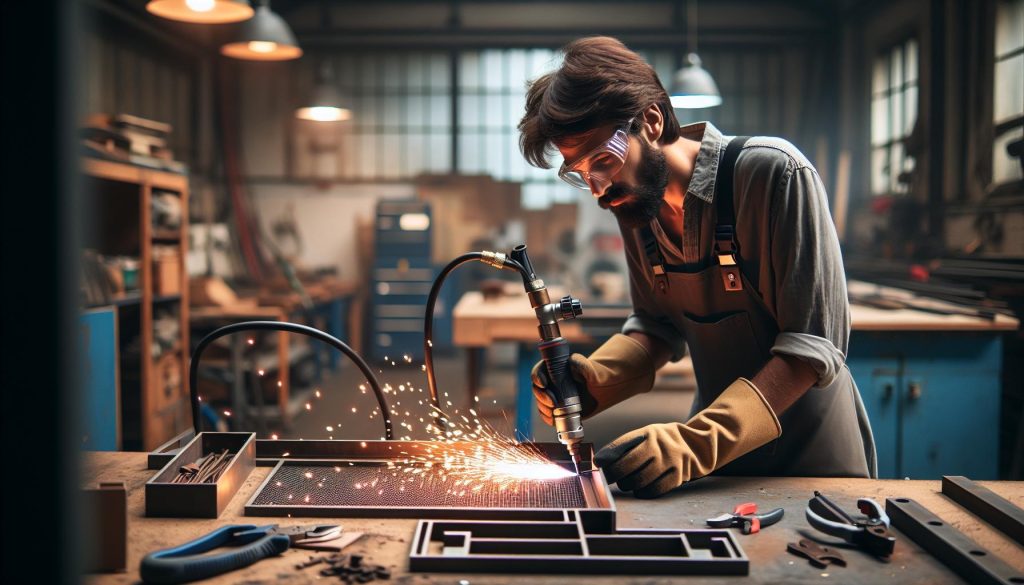
When it comes to welding and metalworking, precision is essential, and a reliable plasma cutter is a powerful tool that can help you achieve clean, accurate cuts. However, harnessing its true potential often requires a well-designed cutting jig. In this guide, we will walk you through the process of creating your own DIY plasma cutter jig, combining safety and efficiency. Whether you’re a seasoned professional or a passionate hobbyist, understanding how to construct a jig tailored to your needs can significantly enhance your cutting experience. With the right tools and techniques, you can elevate your projects, streamline your workflow, and ultimately achieve superior results in your metalworking endeavors. Join us as we delve into the intricacies of crafting an effective plasma cutter guide, designed to empower you in your welding journey.
Choosing the Right Plasma Cutter for Your DIY Project
When embarking on a DIY plasma cutting project, the plasma cutter you choose can significantly impact both the ease of use and the quality of your results. A good plasma cutter should balance power, portability, and features tailored to your specific needs. For beginners, an inverter-based plasma cutter is often ideal as it combines efficiency with portability, allowing for easy maneuvering without sacrificing cutting performance. In contrast, more experienced users may prefer a heavier-duty, industrial-grade machine that can handle thicker materials and operate continuously without overheating.
Key considerations when selecting a plasma cutter include the material thickness, the type of materials you’ll be cutting (such as aluminum or steel), and the electrical requirements specific to your workspace. It’s also important to assess the duty cycle, which indicates how long the machine can operate before needing a cool-down period. A cutter with a higher duty cycle will be more efficient for larger tasks. Furthermore, look for features like adjustable amperage, which grants you greater control over cuts, and a pilot arc function that enables cutting through rust or paint without requiring pre-cleaning.
In addition to the plasma cutter itself, ensure you invest in quality accessories such as a coolant system and a variety of nozzles and electrodes. These components can enhance the precision and quality of your cuts, allowing for smoother finishes and reduced wear on the machine. Additionally, purchasing safety gear, including a welding helmet with proper tinting and protective clothing, is paramount to protect yourself from harmful sparks and UV radiation produced during cutting.
As you evaluate different products, it’s beneficial to read customer reviews and seek recommendations from trusted sources or fellow DIY enthusiasts. This can help you gauge reliability, ease of use, and satisfaction over time. Remember, investing in the right plasma cutter tailored to your project’s needs can not only improve your cutting experience but also lead to more precise and professional results in your DIY endeavors.
Essential Materials for Your Cutting Jig
Creating an effective cutting jig for your plasma cutter begins with selecting the right materials, as these will directly influence the quality of your cuts and the overall stability of your setup. A well-constructed jig not only improves accuracy but also enhances safety during operation. To craft a reliable jig, consider the following essential materials:
- Steel or Aluminum Frame: Using a robust metal frame will provide the necessary rigidity to withstand the forces of plasma cutting. Steel is preferable for heavy-duty applications, while aluminum can be suitable for lighter projects due to its ease of handling and lightweight nature.
- Base Plate: A flat, durable base plate made of thick steel or aluminum will serve as the foundation of your cutting jig. This plate must be strong enough to support the weight of the materials being cut and remain stable during operation.
- Adjustable Clamps: Equip your jig with adjustable clamps or hold-downs to secure the workpiece. This prevents movement during cutting, ensuring clean, precise cuts without damaging the material.
- Guide Rails: Incorporating guide rails made from steel or aluminum will help maintain straight cuts and provide a path for the plasma cutter to follow. These rails can be fixed or adjustable, depending on your design needs.
- Fencing or Stops: Including fencing or stop blocks on your jig aligns with varying material sizes and helps in repetitive cuts. Using materials like hardwood or soft metals can provide effective guides that are easy to reposition.
- Cutting Edge Materials: If your jig requires a cutting edge or guide, consider using materials designed to withstand high temperatures, such as high-carbon steels or specialized heat-resistant alloys.
In addition to selecting the right materials, it’s essential to focus on safety and durability. Ensure that all components are securely fastened and that any movable parts operate smoothly without excessive wear. A well-built jig not only elevates the precision of your plasma cutting projects but also contributes to a more enjoyable and efficient cutting experience.
Step-by-Step Guide to Building Your Plasma Cutter Jig
Building a plasma cutter jig can significantly enhance your efficiency and accuracy when tackling metal cutting projects. A well-constructed jig not only simplifies the positioning of materials but also ensures consistent, high-quality cuts. Here’s a practical step-by-step guide to creating your own plasma cutter jig, perfect for both novice and experienced users alike.
Begin by gathering your materials, which include a sturdy base plate, frame, clamps, and guide rails. The first step is to cut your base plate to the desired dimensions. This plate should be thick enough to resist warping and provide a stable platform for your workpieces. Next, assemble the frame by welding or bolting together your steel or aluminum parts, ensuring it is rigid enough to handle the intensity of plasma cutting.
Once your frame is solid, it’s time to attach the guide rails. These will help maintain straight, accurate cuts. Depending on your design, you can either create fixed rails for specific cuts or incorporate adjustable ones for versatility. When securing the materials, make use of adjustable clamps to hold the workpiece firmly in place; this prevents any shifts during the cutting process and enhances precision.
As you finalize your jig, double-check all connections and ensure that movable parts operate smoothly. It’s crucial for the jig to be user-friendly while meeting all safety standards. As a last step, consider adding stop blocks to assist with repetitive cuts and further enhance the efficiency of your projects. By following these steps, you will have a reliable plasma cutter jig that not only boosts your cutting capabilities but also makes your DIY experience more enjoyable.
Design Considerations for Effective Cutting Jigs
When crafting a cutting jig for plasma cutting, thoughtful design considerations can make all the difference between precision and frustration. A well-designed jig not only optimizes accuracy but also enhances safety and usability, allowing both novice and experienced welders to achieve impressive results.
To begin with, the layout of your jig should be determined by the specific materials and shapes you plan to cut. Consider using a modular design that enables quick adjustments for different projects. This could involve adjustable clamps and guide rails that can be moved or locked in place as needed. The stability of your jig is paramount; ensure that the base plate is heavy enough to prevent movement during cutting. Additionally, opting for materials with low thermal expansion-such as aluminum-can help prevent distortion due to heat generated during the cutting process.
Size and Dimensions play a crucial role in the effectiveness of your jig. Make sure the cutting area is spacious enough to accommodate both large workpieces and smaller, intricate cuts. Include plenty of attachment points for clamps to secure various sizes of materials effectively. Designing your jig with well-placed stop blocks can facilitate repetitive cuts, providing a consistent and reliable way to make identical pieces.
Furthermore, pay attention to the ergonomics of your design. Positioning everything within reach makes the cutting process smoother and reduces fatigue. If the jig can be designed to operate at an optimal height, it can greatly minimize strain on the back and arms, enhancing overall comfort during use. Additionally, ensure that the design accommodates adequate ventilation and safety features, such as shields or barriers, to protect the operator from sparks and debris.
Incorporating these thoughtful design elements will not only enhance the performance of your plasma cutter jig but also create a safe and efficient workspace that boosts your cutting capabilities. Whether you’re working on detailed metal art or fabricating parts, a well-planned jig is a crucial tool in your DIY arsenal.
Advanced Features to Enhance Your Cutting Experience
When aiming to elevate your plasma cutting experience, several advanced features can transform a basic jig into a highly functional tool that enhances both precision and efficiency. One of the most beneficial upgrades is the inclusion of a digital readout or LCD display that provides real-time data on cut parameters, such as speed and amperage. This feature allows for more accurate adjustments, ensuring that each cut meets the desired standards while minimizing material waste.
Another significant enhancement is the integration of automated feed systems. Traditionally, manual feeding can lead to inconsistencies in the cutting process. By adding a programmable feed mechanism, users can maintain a constant speed and pressure on the material being cut, greatly improving the overall quality of the cut edges. This system often includes sensors that monitor the material’s thickness and adjust the cutting speed accordingly, thus accommodating various materials and enhancing versatility.
Incorporating adaptable guide rails and clamps can also substantially improve the usability of a plasma cutter jig. These components allow for swift adjustments based on the specific dimensions of the workpiece. Many advanced setups now utilize quick-release mechanisms that facilitate rapid changes without the need for tools, thereby boosting productivity during dynamic projects. Coupled with a modular design, this flexibility grants users the confidence to tackle a wider array of tasks, from simple cuts to intricate patterns.
Finally, adding safety features such as retractable shields and integrated spark collection systems can enhance the operator’s safety. These features not only protect the welder but also maintain a cleaner workspace, which is essential for visibility and safety during the cutting process. By incorporating these advanced elements into your jig design, you can significantly optimize your plasma cutting projects, resulting in cleaner cuts and a more enjoyable working experience.
Safety Measures When Using a Plasma Cutter
Using a plasma cutter can be a game-changer for metal fabrication, but it carries inherent risks that demand respect and awareness. The intense heat generated during operation, capable of melting metal in mere seconds, underscores the importance of implementing strict safety measures. Without proper precautions, operators can face serious hazards, from burns to respiratory issues caused by fumes. Therefore, understanding and adhering to safety protocols is essential for both novice and experienced welders who seek to maintain a secure work environment.
A critical component of safety is personal protective equipment (PPE). Always wear a welding helmet with an appropriate lens shade to protect your eyes from harmful radiation and flying sparks. Additionally, long-sleeved shirts, flame-resistant gloves, and sturdy boots will safeguard your skin from heat and potential splatter. It’s also wise to keep a fire extinguisher nearby, as plasma cutting can ignite flammable materials unintentionally, especially in a cluttered workspace.
Proper ventilation is crucial while using a plasma cutter, as the process generates hazardous fumes, especially when cutting certain metals like galvanized steel. Use local exhaust ventilation systems or work outdoors where possible to minimize inhalation risks. If the workspace is enclosed, invest in a high-quality respirator that fits correctly to filter out harmful particles and gases.
Lastly, routine maintenance of your plasma cutter not only enhances performance but also supports safety. Regularly inspect your equipment for worn or damaged components and replace them as needed. Ensure that hoses and electrical connections are secure to prevent shocks or leaks that could result in hazardous situations. By fostering a proactive approach to both equipment care and safety measures, you can create a productive yet safe plasma cutting environment that maximizes efficiency while minimizing risk.
Common Issues with Plasma Cutter Jigs and Solutions
While building a plasma cutter jig can significantly improve the precision and efficiency of your cutting projects, users often encounter a range of challenges that can hinder their experience. Common issues with plasma cutter jigs are not only frustrating but can also compromise the quality of the cuts being made. Understanding these problems and their solutions can enhance your overall cutting capabilities and ensure that your DIY projects exceed expectations.
One frequent problem is inaccurate cuts. This often results from insufficient jig rigidity or improper alignment. To remedy this, ensure that your jig is constructed from sturdy materials; using robust metal for the base will maintain stability during cutting. Additionally, double-check your alignment before starting. Clamps or guide rails can also help secure the workpiece in place, preventing it from shifting during the cutting process.
Another challenge is thermal distortion, which can occur when the intense heat of the plasma cutter causes metal components of the jig to warp. To combat this, consider implementing a design that minimizes direct heat exposure to the jig itself, perhaps by using thermal barriers or insulating materials. Furthermore, employing shorter cutting passes where feasible can mitigate heat buildup, preserving the integrity of your jig.
Electrode and nozzle wear is another issue that can lead to poor cut quality. A worn nozzle or electrode not only affects the cutting speed but also results in inconsistent cuts. Regularly inspect these components and replace them as necessary. Keeping a spare set on hand can save time and maintain your project’s momentum. It’s also advisable to adjust the cutting parameters according to the thickness and type of material, as this helps prolong the life of your consumables.
Lastly, fume and debris buildup can obscure the cutting path and negatively impact visibility. Maintaining a clean workspace is crucial. Implement a system to regularly clear metal shavings and particles from both the cutting area and the jig itself. Using a small vacuum or a brush can quickly remove debris that accumulates during cutting, ensuring a clear line of sight and a safer work environment.
By addressing these common issues proactively, you’ll streamline your plasma cutting process and achieve more accurate, professional results while enhancing the durability of your jig. Regular maintenance and appropriate design considerations not only extend the life of your tools but also contribute to greater safety during operation.
Creative Applications for Your DIY Cutting Jig
Creating a DIY cutting jig for a plasma cutter opens up a realm of creative possibilities, enhancing not just the precision of your cuts but also expanding the projects you can undertake. Whether you’re a hobbyist or a seasoned fabricator, a properly built jig can transform your plasma cutting experience. Imagine using your jig for intricate metal art pieces, custom automotive components, or even furniture design-there’s virtually no limit to what you can achieve.
One exciting application is the design of custom signage. With a reliable cutting jig, you can create detailed letters and logos from sheets of metal, wood, or other materials. By fine-tuning your jig to accommodate different thicknesses and materials, you can achieve clean, intricate designs that stand out in any setting. Incorporating adjustable features into your jig allows for quick modifications, enabling you to switch between various projects without the hassle of redesigning the whole setup.
Another innovative use for your cutting jig lies in the realm of home decor. From decorative wall panels to unique garden sculptures, the ability to execute precise cuts opens up a wide array of artistic prospects. You can create patterns or shapes that enhance your living space or outdoor areas. Consider using your jig to cut templates for stencils or to replicate intricate designs across multiple pieces-a valuable time-saver for larger projects where consistency is key.
Also, consider how your cutting jig can serve functional purposes around the workshop. Custom tool organizers, brackets, and mounts can be cut to fit your specific needs, turning a simple metal sheet into a highly useful item. Tailoring your jig to accommodate different angles and forms allows for efficient fabrication of parts that can improve both safety and organization in your workspace.
Ultimately, the creative applications of your DIY cutting jig are limited only by your imagination. By exploring various design features-such as incorporating multiple guides, adjustable clamps, and modular components-you can continuously evolve your cutting capabilities. This versatility not only encourages experimentation but can also lead to thrilling new projects that showcase your skills while enhancing the efficiency of your plasma cutting endeavors.
Maintenance Tips for Long-lasting Plasma Cutting Equipment
To ensure your plasma cutting equipment remains functional and efficient for years to come, regular maintenance is crucial. Neglecting maintenance can lead to improper cuts, increased wear and tear, and ultimately, costly repairs. A routine check and care regimen can significantly prolong the life of your plasma cutter and enhance its performance.
Start by inspecting the consumables: the electrode and nozzle. These parts are the first to wear out due to the high temperatures generated during cutting. Regularly check for signs of damage or wear, and replace them as necessary. A good rule of thumb is to change the electrode after every 6-8 hours of cutting and the nozzle every 15-25 hours, depending on usage. Keeping extra consumables on hand can minimize downtime in your projects.
Another essential aspect of maintenance is keeping the air filter and lines clean. Contaminants in the air supply can lead to inconsistent cuts and damage to internal components. Routinely check the air filter and replace it according to the manufacturer’s guidelines-usually every few months of heavy use. Additionally, inspect the hoses for leaks or wear, as these can adversely affect air pressure and flow.
Cleaning your plasma cutter is also vital. After each use, blow out any metal debris or dust accumulated inside the machine using compressed air. This practice helps prevent corrosion and ensures that moving parts operate freely. Pay special attention to the cooling fan; blocked fans can lead to overheating and reduced performance. Regularly checking and cleaning this area can prevent overheating and maintain optimal function.
Lastly, familiarize yourself with the user manual for specific maintenance tips and schedules tailored to your model. Proper lubrication of parts and adherence to manufacturer specifications for maintenance routines can turn a good plasma cutter into a great one, enabling precision in every project you undertake. By implementing these practices, you will not only protect your investment but also enhance your cutting capabilities and project outcomes.
Comparing Different DIY Jig Designs: Pros and Cons
When embarking on DIY plasma cutting projects, the design of your cutting jig can significantly influence the quality, precision, and ease of your work. Each jig design comes with its unique advantages and disadvantages, making it essential to evaluate them carefully to choose the one that best suits your needs.
One popular design is the fixed jig, which holds the workpiece securely in a set position and allows for straight cuts. The primary advantage of this type is the consistency it provides, facilitating repeatable cuts without the need for repositioning. However, the limitation is that it may restrict your cutting range and can be cumbersome when working on larger pieces or more intricate shapes.
On the other hand, adjustable jigs offer flexibility, allowing you to modify dimensions and angles based on specific cutting requirements. This adaptability can be highly beneficial when tackling various projects or irregular shapes. Nonetheless, the complexity introduced with adjustable components might lead to inaccuracies if not calibrated correctly, giving rise to potential errors in your cuts.
Table of Pros and Cons
| Jig Design | Pros | Cons |
|---|---|---|
| Fixed Jig |
|
|
| Adjustable Jig |
|
|
Ultimately, the choice between a fixed or adjustable jig should reflect your specific project requirements and your level of experience with plasma cutting. For beginners, starting with a simpler fixed jig might be advisable to build confidence and skill before progressing to more complex adjustable designs. Conversely, experienced users might prefer adjustable jigs for their versatility and the potential to tackle more intricate tasks. Always consider your cutting needs, desired precision, and comfort level to select the most fitting jig design for efficient and effective plasma cutting.
Expert Tips for Precise Cuts with Your Jig
Achieving precision in plasma cutting is more than just having the right jig; it involves a combination of technique, setup, and attentiveness to detail. Understanding how to utilize your cutting jig effectively can make a remarkable difference in the quality of your cuts. One critical tip is to ensure that your workpiece is securely clamped and stable. This not only reduces vibration, which can lead to jagged cuts, but also keeps the material from shifting during the cutting process. A solid, stable setup enhances consistency and accuracy, especially when dealing with detailed designs or intricate patterns.
Regularly calibrating your cutting jig is equally essential. Even minor shifts in alignment can drastically affect cut quality. Use tools like a level and a square to check that all components are correctly positioned. Remember, the cutting torch should remain perpendicular to the surface of the workpiece for optimal cutting performance. This may involve making slight adjustments to the jig’s design or its assembly to ensure that the torch operates at the desired angle.
Another effective strategy is to practice on scrap material before proceeding with your final piece. This allows for fine-tuning your settings and helps identify any issues with the jig or plasma cutter. Observing how your setup interacts with different materials can also provide insights into the best cutting speeds and amperages necessary for achieving clean edges without excessive dross.
Lastly, consider the use of advanced features like guide wheels or tracks, which can significantly enhance your cutting precision. These components help in maintaining a steady motion and can be particularly beneficial when performing long or curved cuts. By leveraging these tips and ensuring that you maintain a focus on both setup and technique, you can achieve impressive results with your plasma cutting projects while fostering continuous improvement in your skills.
Resources for Further Learning on Plasma Cutting Techniques
Resource-rich environments enhance the learning curve for those venturing into the world of plasma cutting. From instructional books to online courses, the options for furthering your knowledge are abundant and cater to all skill levels. Utilizing these resources not only builds competence but also encourages safety and efficiency when working with plasma cutters.
Books and Literature
Consider foundational texts such as *”Plasma Cutting Basics: A Beginner’s Guide”* which provides an overview of techniques, safety protocols, and common applications. For those seeking an in-depth understanding, *”Welding Symbols on Drawings”* equips welders with the knowledge to interpret detailed plans correctly, ensuring that your jigs and structures align perfectly with engineering specifications.
Online Courses and Tutorials
Numerous platforms offer comprehensive online courses tailored for beginners and advanced users. Websites like Udemy or Coursera frequently host plasma cutting classes that cover both theoretical aspects and practical applications. Additionally, YouTube is laden with video tutorials that offer visual guidance on everything from setting up your plasma cutter to advanced jig building. Engaging in these interactive formats promotes hands-on learning and quick troubleshooting techniques.
Forums and Community Engagement
Joining forums such as the WeldingWeb or the plasma cutting section of Reddit can connect you with enthusiasts and seasoned professionals alike. Sharing experiences, troubleshooting issues, and discussing equipment reviews on these platforms fosters a supportive learning environment. Engaging with the community can provide insights into innovative jig designs and safety practices that are typically under-discussed in traditional literature.
Workshops and Local Classes
Participating in local workshops or classes can provide hands-on experience under the guidance of industry professionals. Many community colleges and vocational schools offer workshops that cover essential skills while allowing practical engagement with tools and techniques. Such experiences not only boost confidence but also promote a deeper understanding of safety measures.
Expanding your knowledge through these various resources will not only enhance your plasma cutting skills but also contribute to a safer and more productive work environment. Whether you’re just starting out or looking to refine your expertise, investing time in learning will yield significant improvements in your craft.
Frequently Asked Questions
Q: What materials are best for constructing a plasma cutter jig?
A: The best materials for building a plasma cutter jig include steel or aluminum for durability, and high-density plywood for lightweight support. Ensure that all components can withstand high temperatures and the quality of the cut you aim to achieve. Refer to the “Essential Materials for Your Cutting Jig” section for more details.
Q: How do I ensure precision cuts with my DIY plasma cutter jig?
A: To ensure precision cuts, regularly check and calibrate your jig’s alignment. Use high-quality measuring tools and fixed stops to maintain consistent distances. The “Expert Tips for Precise Cuts with Your Jig” section offers specialized advice for enhancing cutting accuracy.
Q: What are some common mistakes to avoid when building a plasma cutter jig?
A: Common mistakes include inadequate support for the workpiece, improper alignment of cutting guides, and neglecting to incorporate adjustment features. These issues can lead to inaccurate cuts. Visit the “Common Issues with Plasma Cutter Jigs and Solutions” section for more insights.
Q: Can I use my plasma cutter jig for different materials?
A: Yes, a plasma cutter jig can be adapted for various materials, including steel, aluminum, and stainless steel. However, be aware of material-specific settings and safety considerations. Check the “Creative Applications for Your DIY Cutting Jig” section for examples.
Q: How can I improve the safety of my plasma cutter jig?
A: To improve safety, ensure all parts are securely fastened, use protective gear, and have a fire extinguisher nearby. Additionally, avoid distractions while operating the plasma cutter. Refer to “Safety Measures When Using a Plasma Cutter” for comprehensive guidelines.
Q: What type of protective gear should I wear when using a plasma cutter jig?
A: Essential protective gear includes a welding helmet with appropriate shade, gloves, long-sleeved clothing, and steel-toed boots. This equipment will protect you from sparks and heat. See the “Safety Measures When Using a Plasma Cutter” section for detailed recommendations.
Q: How do advanced features enhance the functionality of a plasma cutter jig?
A: Advanced features, such as adjustable stops, angle cutting capabilities, and integrated clamping systems, enhance both precision and versatility. These upgrades can simplify complex designs and improve workflow. “Advanced Features to Enhance Your Cutting Experience” discusses this in depth.
Q: How often should I maintain my plasma cutter jig?
A: Routine maintenance should be performed after each use, including cleaning, checking alignment, and tightening bolts. Regular inspections will ensure optimal performance and longevity of your equipment. For more maintenance ideas, refer to “Maintenance Tips for Long-lasting Plasma Cutting Equipment.”
Final Thoughts
Now that you’re equipped with the skills to create your own DIY plasma cutting jig, it’s time to put your knowledge to the test and transform your cutting experience. Don’t wait-gather your materials and dive into your project today! Remember, building your jig not only enhances precision but can also save you time and frustration in your future welding tasks.
If you’re looking for more ways to refine your welding techniques, check out our in-depth guides on MIG and TIG welding, which can elevate your skills further. Interested in safety protocols while using your new equipment? Our dedicated articles on welding safety practices will ensure you’re protected as you work.
Have questions or want to share your experience? Join the conversation in the comments below and connect with fellow DIYers. Your feedback is invaluable and helps strengthen our welding community. For the latest tips and resources, don’t forget to subscribe to our newsletter. Your journey into the world of welding innovation starts here-let’s create together!