Welding plastic might seem daunting, yet it offers a cost-effective solution to repair items, fabricate custom parts, or repurpose materials. With the right methods, you can achieve strong, durable joints in a range of plastic types, making this skill invaluable for DIY enthusiasts and professionals alike. Understanding the various techniques-such as hot air welding, ultrasonic welding, solvent welding, and more-empowers you to choose the most effective approach for your project. Whether you’re tackling a household fix or a larger industrial application, mastering these methods not only saves money but also enhances your problem-solving capabilities. Dive into this guide to discover how you can effectively weld plastic, explore practical tips, and unlock new possibilities for your projects.
Understanding Plastic Welding: Basics You Should Know
Plastic welding is a specialized process used to join thermoplastic materials by using heat or pressure to create a durable bond. Unlike traditional welding methods, which often involve melting metals, plastic welding requires precise control over temperature and technique to avoid damaging the workpiece. This unique aspect of working with plastics makes it essential for both beginners and seasoned welders to have a solid understanding of the fundamental principles involved.
Several key factors influence the effectiveness of plastic welding. The type of plastic being joined, the welding method selected, and the environmental conditions all play critical roles in determining the success of the bond. For example, thermoplastics such as polyethylene and polypropylene respond differently to heat compared to materials like polystyrene or PVC. Understanding these differences is crucial when selecting the appropriate welding technique.
Basic methods of plastic welding include hot air welding, ultrasonic welding, and laser welding, each with its own set of advantages and applications. Hot air welding, for instance, is excellent for repairing and joining larger surfaces where precise control over temperature is required. In contrast, ultrasonic welding is favored for its speed and ability to create strong joints with minimal thermal impact, making it ideal for intricate components. The choice of welding process will also depend on the project’s requirements, such as the desired strength, aesthetic finish, and production volume.
In practical applications, safety should always be a priority. Adequate ventilation, personal protective equipment (PPE), and awareness of the specific properties of the materials being used are vital for minimizing risks. Additionally, having the right equipment-such as appropriate welding guns, fixtures, and temperature control devices-further enhances the quality and safety of the welding process. By comprehensively understanding these basics, welders can approach plastic welding projects with greater confidence and proficiency.
Essential Tools for Plastic Welding Success
To achieve successful plastic welding, having the right tools is essential. The nature of plastics means that the welding process requires specialized equipment and materials to ensure not only a strong bond but also the integrity of the workpiece. Whether you are a novice or a seasoned welder, investing in the appropriate tools can make all the difference in the quality of your work and your overall efficiency in completing projects.
A fundamental tool in plastic welding is the hot air welder, which uses a controlled stream of hot air to soften and join plastic surfaces. This tool is particularly beneficial for larger surface areas. The hot air welder often comes with interchangeable nozzles, allowing you to handle diverse shapes and sizes of materials effectively. Additionally, it’s crucial to have a temperature control device to maintain the optimal heat level, reducing the risk of overheating or scorching the plastic.
When it comes to ultrasonic welding, the ultrasonic welding machine is vital. This machine generates high-frequency ultrasonic waves that create friction heat, facilitating the joining of plastic parts with minimal thermal impact. For intricate assemblies, such a machine can be invaluable, producing strong joints without the risk of warping the components.
Possessing adequate accessories can enhance the welding experience as well. A good set of welding rods or fillers-compatible with the specific plastics being joined-provides support and ensures that the connection is robust and seamless. Additionally, tools that aid in clamping and holding the pieces together during the welding process are equally important; they prevent movement and ensure precise alignment.
Lastly, personal protective equipment (PPE), including gloves, safety goggles, and respiratory protection, is a necessity for any welder. Given the potential fumes and heat associated with plastic welding, safeguarding personal health is paramount. Utilize these essential tools and safety measures to enhance both your skills and the quality of your plastic welding projects.
Exploring Different Plastic Welding Methods
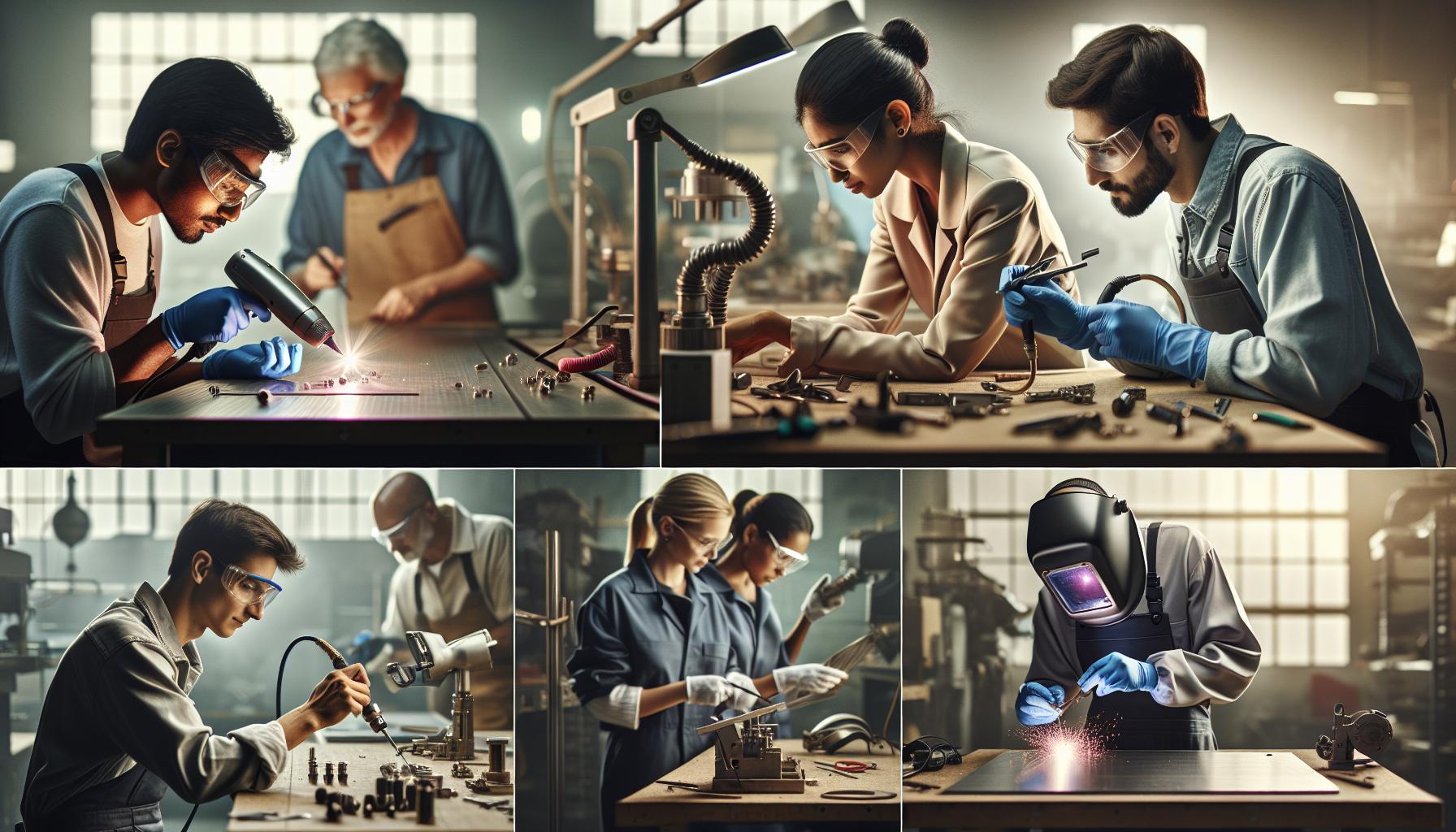
Plastic welding encompasses various methods, each possessing distinct characteristics that influence the final product’s strength, appearance, and compatibility with different types of plastic materials. Understanding these diverse techniques is crucial for selecting the right approach for your specific project needs.
One popular method is hot air welding, which utilizes a stream of hot air to melt the surfaces of the plastic pieces, allowing them to fuse upon cooling. This method is predominantly used for thermoplastics, making it ideal for larger surfaces such as tarps and membranes. The flexibility of hot air welding comes from its ability to weld complex shapes and angles, making it a go-to choice for many fabrication shops.
Another widely employed technique is ultrasonic welding, which applies high-frequency sound waves to create frictional heat at the joining surfaces. This process is particularly advantageous for automotive and electronic components due to its precision and speed. Ultrasonic welding generates minimal thermal impact on the surrounding material, reducing the risk of warping or damage to delicate assemblies. As a result, it is often used for small, intricate parts where a clean finish is essential.
Laser welding stands out for its high-speed capabilities and the ability to penetrate thick materials. This technique employs a focused laser beam to melt the plastic, allowing for precise control over the welding process. It’s exceptionally effective for welding transparent plastics or when minimal physical access to the joint is available. Laser welding is increasingly utilized in the medical device and packaging industries due to its reliability and high-quality welds.
Lastly, solvent welding involves applying a solvent to one or both surfaces of the plastic parts to create a bond as the solvent evaporates and the materials meld together. This method is most commonly used with PVC and ABS plastics, making it particularly favored in plumbing and construction applications. Solvent welding is typically simpler and does not require specialized equipment, making it accessible for DIY projects.
In summary, the choice of welding method depends on the specific application, the materials involved, and the desired outcome. Each of these methods opens a world of possibilities in plastic fabrication, and understanding their unique advantages will empower you to make informed decisions for your projects.
Step-by-Step Guide to Hot Air Welding

Hot air welding is a versatile and effective method used primarily for joining thermoplastic materials. This process harnesses a stream of heated air to melt the edges of plastic components, promoting a solid bond as they cool. The appeal of hot air welding lies in its adaptability, making it ideal for various applications ranging from industrial fabrications to crafting and repairs.
To commence hot air welding, it’s imperative to prepare both the work area and the materials thoroughly. First, clean the surfaces of the plastics to remove any contaminants such as dirt, oil, or grease. This is crucial because impurities can hinder adhesion and compromise the weld quality. Following this, align the pieces accurately, ensuring the joint surfaces are in close proximity while allowing room for the heated air flow.
Once the setup is ready, the next step is to select the appropriate welding tool, usually a hot air welder equipped with different nozzles to suit the job’s requirements. Engage the welder, and adjust the temperature; typically, this ranges from 350°F to 700°F, depending on the type of plastic. Begin heating the joint area with a steady motion, keeping the nozzle at a consistent distance and angle to prevent overheating or burning the material. As the plastic begins to soften, introduce a filler rod if required, which should also be heated until it melts into the joint.
After achieving a proper weld, it’s essential to allow the joint to cool naturally. Rapid cooling can lead to structural weaknesses, so patience is crucial during this phase. For best results, consider using clamps or jigs to maintain pressure over the joint as it solidifies. When finished, the bond should be strong enough to withstand significant stress and environmental factors, making it a reliable choice for various projects. With practice and attention to detail, hot air welding can yield professional-quality results suitable for both DIY endeavors and industrial applications.
Mastering the Art of Ultrasonic Welding
Ultrasonic welding is an innovative technique that utilizes high-frequency ultrasonic vibrations to create frictional heat at the interface of thermoplastic materials, leading to a strong molecular bond without the need for additional adhesives or fillers. This method excels in precision, making it ideal for applications requiring tight tolerances, such as in the automotive, electronics, and medical industries. One of the standout features of ultrasonic welding is its speed; the process can produce a complete weld in mere seconds, contributing to improved productivity rates in manufacturing settings.
To effectively master ultrasonic welding, it’s vital to understand the technology’s core components. The system primarily consists of a generator, transducer, booster, and sonotrode. The generator converts electrical energy into ultrasonic frequencies, which the transducer transforms into mechanical vibrations. These vibrations are amplified by the booster and directed to the sonotrode, which interfaces directly with the plastic parts being welded. Ensuring that these components are well-maintained and calibrated is crucial to achieving optimal weld quality.
When preparing for ultrasonic welding, the surface of the plastic components must be clean and free from contaminants to ensure a strong bond. Additionally, the material type plays a significant role; suitable thermoplastics include polyamides, polyether, and polypropylene, each bringing different characteristics to the weld. It’s also essential to consider the joint design, as certain configurations, such as lap joints or shear joints, can significantly influence the welding process’s success.
Safety is paramount when engaging in ultrasonic welding operations. Due to the high-frequency sounds produced, protective gear such as earplugs and safety glasses should be standard. Furthermore, ensuring a well-ventilated workspace can mitigate any fumes generated during the process. By adhering to these safety protocols and focusing on material and equipment integrity, professionals can confidently utilize ultrasonic welding to produce robust and reliable plastic joints that meet the rigorous demands of modern applications.
The Benefits of Laser Plastic Welding
Laser plastic welding is revolutionizing the way thermoplastic components are joined, offering an array of benefits that significantly enhance both quality and efficiency. One of the most compelling advantages of this method is its precision; lasers can focus their energy down to a very small spot size, allowing for remarkably accurate welds. This level of control minimizes heat-affected zones, which is crucial for maintaining the integrity of sensitive electronic components or complex geometries in automotive applications.
The systems involved in laser welding offer enhanced speed and flexibility. Unlike other welding methods, laser welding can operate continuously and quickly, often achieving superior joint strength in a fraction of the time. This rapid process is particularly useful in high-volume manufacturing scenarios where time is of the essence. Moreover, the ability to adjust the laser parameters for different materials means that manufacturers can optimize the weld settings for various thermoplastics, maximizing production efficiency while reducing waste.
Applications and Effectiveness
Laser plastic welding is ideally suited for a wide range of applications, including medical device assembly, automotive parts, and consumer electronics. The technology excels in joining dissimilar materials, which is essential in multicomponent assemblies. For instance, products within the medical industry often require the joining of engineered thermoplastics with varying thicknesses, a challenge easily met by laser technology.
Given its ability to create strong, hermetically sealed joints, laser welding is often favored for components that need to maintain sterility or resistance to environmental conditions. For example, sealed housings for medical devices or sensor enclosures in automotive applications benefit from the superior adhesion provided by laser welds.
Safety and Environmental Considerations
While laser welding offers many operational advantages, safety protocols should not be overlooked. The high-intensity light beams can pose risks, including eye damage and burns, making the use of appropriate protective equipment essential. Additionally, ensuring proper ventilation is vital to mitigate any potential fumes or particulates released during the welding process. By prioritizing safety measures, operators can harness while minimizing risks in their work environments.
In summary, the precision, speed, and versatility of laser plastic welding make it a formidable choice for a wide array of applications, effectively merging efficiency with quality. As technology continues to advance, it is poised to redefine manufacturing processes across industries, delivering robust and aesthetically pleasing welds that meet the demands of modern engineering challenges.
Choosing the Right Plastic Materials for Welding
Choosing the appropriate plastic materials for welding is critical in achieving durable and high-quality joints. Not all plastics are created equal; their composition directly affects how they bond during the welding process. Polypropylene (PP), polyethylene (PE), and polyvinyl chloride (PVC) are among the most commonly welded thermoplastics, each possessing distinct properties and behaviors under heat. Understanding these properties can significantly enhance the effectiveness of your welding technique and the strength of the final product.
Different plastics require specific welding parameters, which may include temperature, pressure, and the choice of filler material. For instance, polypropylene and polyethylene generally weld well using hot air welding, as they soften at elevated temperatures and bond effectively. In contrast, PVC may require a different approach due to its unique chemical structure and lower thermal resistance. When selecting the right plastic, consider factors such as joint design, service conditions, and compatibility of the materials. Using dissimilar plastics can lead to weak joints unless specifically engineered for co-welding.
Evaluating Material Compatibility
When choosing materials, it is essential to evaluate compatibility between different thermoplastics. Not only should similar polymers be used together, but it’s also important to consider additives that might be present in commercial plastics. Additives can influence the welding process and the final joint’s strength. For example, plastics with flame retardant additives may not weld effectively with standard methods due to their altered melting points.
Here is a quick overview of common thermoplastics and their welding suitability:
| Material | Welding Method | Typical Applications |
|---|---|---|
| Polypropylene (PP) | Hot Air, Laser, Ultrasonic | Containers, Automotive Parts |
| Polyethylene (PE) | Hot Air, Ultrasonic, Extrusion | Pipes, Tanks, Liners |
| Polyvinyl Chloride (PVC) | Hot Air, Solvent Welding | Plumbing, Electrical Conduits |
| Polycarbonate (PC) | Laser, Ultrasonic | Safety Shields, Optical Components |
| Acrylonitrile Butadiene Styrene (ABS) | Hot Air, Solvent | Toys, Automotive Trim |
The correct selection of plastic materials does not only streamline the welding process but can also dramatically improve the reliability and longevity of the final product. Additionally, it minimizes waste and reduces the risk of production delays caused by ineffective welding. Therefore, taking the time to understand and select the right materials is a cornerstone of effective plastic welding.
Common Challenges in Plastic Welding and Solutions
Welding plastic presents unique challenges that can greatly affect the quality and durability of the final product. One prevalent issue experienced by welders is warping or distortion of the material due to excessive heat. This often occurs when the welding parameters-such as temperature and duration-are not adequately controlled. To prevent this, it is vital to use temperature-controlled equipment and adjust the speed of the weld according to the plastic type being used. For example, while polypropylene can tolerate higher temperatures, polyvinyl chloride (PVC) requires more cautious handling due to its lower thermal tolerance.
Another common challenge is achieving a proper bond when working with dissimilar materials. Many welders encounter difficulties when attempting to fuse different types of plastics, which may not bond effectively due to differences in melting points or chemical composition. The solution often lies in the selection of appropriate fillers or the use of specialized welding techniques. For co-welding, it’s best to research the compatibility of different plastics and, if necessary, perform preliminary tests to determine the effectiveness of the chosen method.
Contamination is yet another hurdle in plastic welding. Any dirt, oil, or moisture on the surfaces intended for welding can compromise the joint’s integrity. Prior to welding, surfaces must be thoroughly cleaned using suitable solvents that do not leave residues. Additionally, maintaining a clean workspace can significantly reduce the risk of introducing contaminants into the weld.
To enhance the overall welding outcome, consider implementing the following strategies:
- Utilize proper safety gear to protect against fumes and other hazards.
- Carry out pre-weld assessments to identify materials and their specific welding requirements.
- Invest in quality equipment designed specifically for plastic welding to ensure precision.
- Conduct regular maintenance on welding machines to prevent operational issues.
By addressing these common challenges with informed strategies, welders can improve their skills and produce high-quality plastic joints that stand the test of time.
Safety Practices for Plastic Welding
Welding plastic safely requires a keen understanding of the materials involved and the processes used. With the unique properties of different plastics and the methods employed in welding, the potential for hazards is significant. For instance, many plastics release harmful fumes when heated beyond their tolerable limits. Therefore, ensuring good ventilation in the workspace is crucial to mitigate inhalation risks. Using fume extractors can further enhance air quality and protect health during the welding process.
Investing in appropriate personal protective equipment (PPE) is another essential step in promoting safety. Welders should wear heat-resistant gloves to protect their hands from burns, safety goggles to shield their eyes from bright welding light and flying particles, and respirators rated for organic vapors to filter out any hazardous fumes. In addition, clothing made from natural fibers can minimize the risk of ignition from sparks or flames.
It’s also vital to conduct thorough pre-welding checks. Assess the condition of your tools and materials to ensure they are free from contamination. Surfaces intended for welding should be cleaned with solvents that leave no residues, as impurities can compromise the quality of the weld. Furthermore, maintaining a clutter-free workspace can significantly decrease the likelihood of accidents.
In terms of emergency preparedness, welders should have first-aid kits readily available and be familiar with the procedures for dealing with burns or inhalation of harmful gases. Regular training on safety protocols should be a standard practice to keep all involved in plastic welding informed and ready to act swiftly in case of emergencies. By prioritizing safety practices through proactive measures, welders can significantly reduce risks and create a safer working environment.
DIY Plastic Welding Projects for Beginners
Engaging in DIY plastic welding projects can be a rewarding venture, opening doors to creativity and practical problem-solving. Whether it’s repairing a broken plastic piece or designing a new item, getting hands-on experience can significantly enhance your understanding of plastic materials and welding techniques. Starting with simple projects is ideal for beginners, allowing for experimentation and integration of new skills without the pressure of pursuing complex designs immediately.
One excellent beginner project is creating a custom plastic container or toolbox. This project offers the chance to practice various welding methods, such as hot air welding or extrusion welding, which can be employed to bond different sections of plastic sheets together. You’ll need basic materials such as high-density polyethylene (HDPE) sheets and a hot air welder. Begin by cutting the plastic sheets to the desired dimensions, ensuring the edges are clean and free from impurities. Assemble the parts and use the hot air welder along the joints to melt and fuse the plastic together. Not only will you end with a practical storage solution, but you’ll also gain confidence in your welding abilities.
Another beginner-friendly idea is to repair damaged plastic items around the house, such as a cracked garden planter or a broken plastic chair. For these repairs, you’ll want to keep a repair kit handy with a plastic welding rod compatible with the original material. Heat the welding rod while applying it to the crack, allowing the material to melt and fill any gaps. This method not only restores the functionality of the item but also teaches you about the different melting points of various plastics and how to manipulate them effectively.
To expand your skills, consider documenting your projects step-by-step, including any hiccups along the way. This reflective practice can enhance your understanding of the plastic welding process and assist others who might want to embark on similar DIY endeavors. Sharing your results-whether through social media or community workshops-can foster a sense of accomplishment and encourage collaboration with fellow enthusiasts. As you progress, experimenting with more complex projects, such as automotive parts or custom fittings for electronic equipment, can further refine your technique and expand your toolkit.
Advanced Techniques for Professional Welders
To achieve optimal results in plastic welding, professional welders often turn to advanced techniques that enhance both efficiency and bond integrity. Mastery of these methods can differentiate a skilled welder from novices and contribute to the production of durable, high-quality joints in various applications. By exploring sophisticated techniques such as robotic welding, dual-wavelength laser technology, and solvent welding, professionals can significantly improve their welding processes and expand their capabilities.
Robotic Plastic Welding
The use of robotics in plastic welding has revolutionized the industry, especially in high-volume manufacturing settings. Robotic systems are designed to automate the welding process, providing consistent results and minimizing human error. Advanced robots can be equipped with vision systems that ensure precise alignment of components before welding. This technology is particularly beneficial in industries where repetitive tasks are common, providing speed and precision that manual welding cannot match. For instance, automotive manufacturers frequently utilize robotic hot air welding to join dashboards and interior panels, ensuring uniformity across their production lines.
Dual-Wavelength Laser Welding
This innovative technique employs two distinct laser wavelengths to achieve a more effective weld, particularly suited for multi-layered and varying material thicknesses. The first wavelength can penetrate deeper into the material, while the second focuses on the surface, allowing for thorough melting of both layers without compromising the integrity of the overall structure. This method is not only faster but also produces cleaner joints with minimal thermal distortion. Industrial applications often see this technology in action for welding intricate components in electronics and medical devices where precision is crucial.
Solvent Welding
Solvent welding is a highly effective and economical method applicable to thermoplastics such as PVC, CPVC, and ABS. This technique involves applying a solvent to the surfaces of the plastics to be joined, temporarily softening them, and then pressing them together. As the solvent evaporates, a solid bond forms. While simpler than some advanced welding methods, solvent welding requires a deep understanding of various plastics and their chemical compatibility. Professionals can optimize this technique by selecting the right solvent for each specific type of plastic, ensuring a strong and lasting bond.
Conclusion
Investing in advanced welding techniques not only raises the quality of welded products but can also enhance productivity by minimizing defects and rework. Apprentices and established professionals alike should explore these advanced methods, continually seeking education and training to stay ahead in the evolving landscape of plastic welding. As technology progresses, those who adopt innovative practices will better serve the demands of various industries, leading to greater opportunities and career advancement. By integrating robotics, laser technologies, and chemical bonding methods into their skill set, welders can ensure they remain at the forefront of their field.
Troubleshooting Plastic Welding: Tips and Tricks
Plastic welding can be a complex process fraught with challenges, but understanding common issues and troubleshooting techniques can significantly enhance the quality of your welds. One of the most frequent problems is inadequate fusion between the plastic parts, which may occur due to insufficient heat. This can easily be remedied by adjusting the welding temperature; most thermoplastics have specific temperature ranges required for effective welding. Always refer to the manufacturer’s guidelines for the optimal welding temperatures, as overheating can lead to burn-through or degradation of the material.
Another common issue is contamination on the surfaces being welded. Dust, grease, and other foreign materials can compromise the integrity of the joint. To avoid this pitfall, ensure that surfaces are thoroughly cleaned before welding. Use isopropyl alcohol or a similar cleaner, and allow adequate drying time to ensure no moisture interferes with the bonding process. Incorporating a pre-weld inspection checklist can help identify potential contaminants before they become a problem during the welding process.
Testing and Adjustments
After initial attempts, testing your welds for strength and durability is crucial. If a joint fails, analyze the weld failure type-whether it’s cohesive (within the material) or adhesive (between the material surfaces)-to diagnose whether the issue is with technique, temperature, or material compatibility. For example, if the weld is cohesive, it may indicate you need to increase the heat or welding time. Conversely, if it fails adhesively, double-check that the surfaces were adequately prepared.
Documentation and Learning
Keep detailed records of your welding parameters, results, and adjustments. This can provide insightful trends over time, aiding in the refinement of your techniques. Additionally, consider leveraging available laminates or fillers that support better bonding for specific materials, particularly when working with mixed polymers. Mastering these troubleshooting tips will not only boost the efficacy of your plastic welding projects but also enhance your skill set as a proficient welder in a variety of industrial applications.
FAQ
Q: What types of plastics can be welded?
A: Various plastics can be welded, including polypropylene (PP), polyvinyl chloride (PVC), and polyethylene (PE). Each type requires specific welding techniques and conditions, so it’s crucial to identify the plastic before choosing a welding method. For further details, refer to the section on “Choosing the Right Plastic Materials for Welding.”
Q: Can I weld plastic at home without professional tools?
A: Yes, you can weld plastic at home using simple tools like a soldering iron or a heat gun for hot air welding. Ensure to follow safety protocols and use appropriate materials. You can explore more in the section on “DIY Plastic Welding Projects for Beginners.”
Q: How do I prepare plastic surfaces for welding?
A: Proper preparation involves cleaning the surfaces to remove contaminants and ensuring they fit together tightly. Sanding or roughing the surfaces can also improve adhesion during the welding process. This preparation is essential for successful welding results.
Q: What safety precautions should I take when welding plastic?
A: Always wear protective gloves and goggles to shield yourself from fumes and heat. Work in a well-ventilated area to prevent inhalation of fumes. Check the “Safety Practices for Plastic Welding” section for more detailed safety guidelines.
Q: How long does it take for welded plastic joints to cool and set?
A: Cooling times vary by plastic type and thickness but generally take several minutes to an hour. Allowing joints to cool undisturbed ensures strong adhesion and integrity of the weld.
Q: What common mistakes should I avoid when welding plastic?
A: Avoid overheating the material, which can lead to melting and deformation. Not cleaning the surfaces adequately or not using the correct welding technique are also common pitfalls. Refer to “Common Challenges in Plastic Welding and Solutions” for more advice.
Q: Are there alternative methods to weld plastic aside from heat welding?
A: Yes, adhesive bonding is a popular alternative to heat welding for plastics. It can provide strong joints, especially for intricate designs where heat may not be suitable.
Q: What are the signs of a successful plastic weld?
A: A successful plastic weld will appear smooth and show no signs of melting or cracking. The joint should be robust, allowing for the same stress tolerance as the original material. For troubleshooting tips, see the “Troubleshooting Plastic Welding: Tips and Tricks” section.
Final Thoughts
In mastering the techniques of plastic welding, you’ve just unlocked the potential to enhance your projects with effective and durable solutions. Remember, whether you choose hot air, friction, ultrasonic, or laser welding, the right method can make all the difference in achieving professional results. If you have any lingering questions or need more hands-on guidance, explore our comprehensive guides on safety protocols and equipment reviews for welding techniques like MIG, TIG, and stick welding.
Don’t miss out-enhance your skills further by checking out our latest articles that tackle common welding materials, such as aluminum and steel, and offer career guidance for aspiring welders. Join our community by signing up for our newsletter, where you’ll receive updates and tips tailored to elevate your welding journey. Your next project awaits-let’s continue to explore the world of welding together!