

Did you know that aluminum, the most abundant metallic element in the Earth’s crust, can be welded effectively? This lightweight metal is sought after in various industries for its strength and resistance to corrosion, making it essential for everything from automotive to aerospace applications. However, welding aluminum poses unique challenges, including susceptibility to warping and the need for specialized techniques. Whether you’re a beginner or an experienced welder looking to enhance your skills, understanding how to properly weld aluminum is crucial for achieving strong, reliable joints. Dive into the world of aluminum welding with us, and discover the techniques and best practices that will elevate your welding game. From MIG to TIG, we’ll cover everything you need to know to do it right!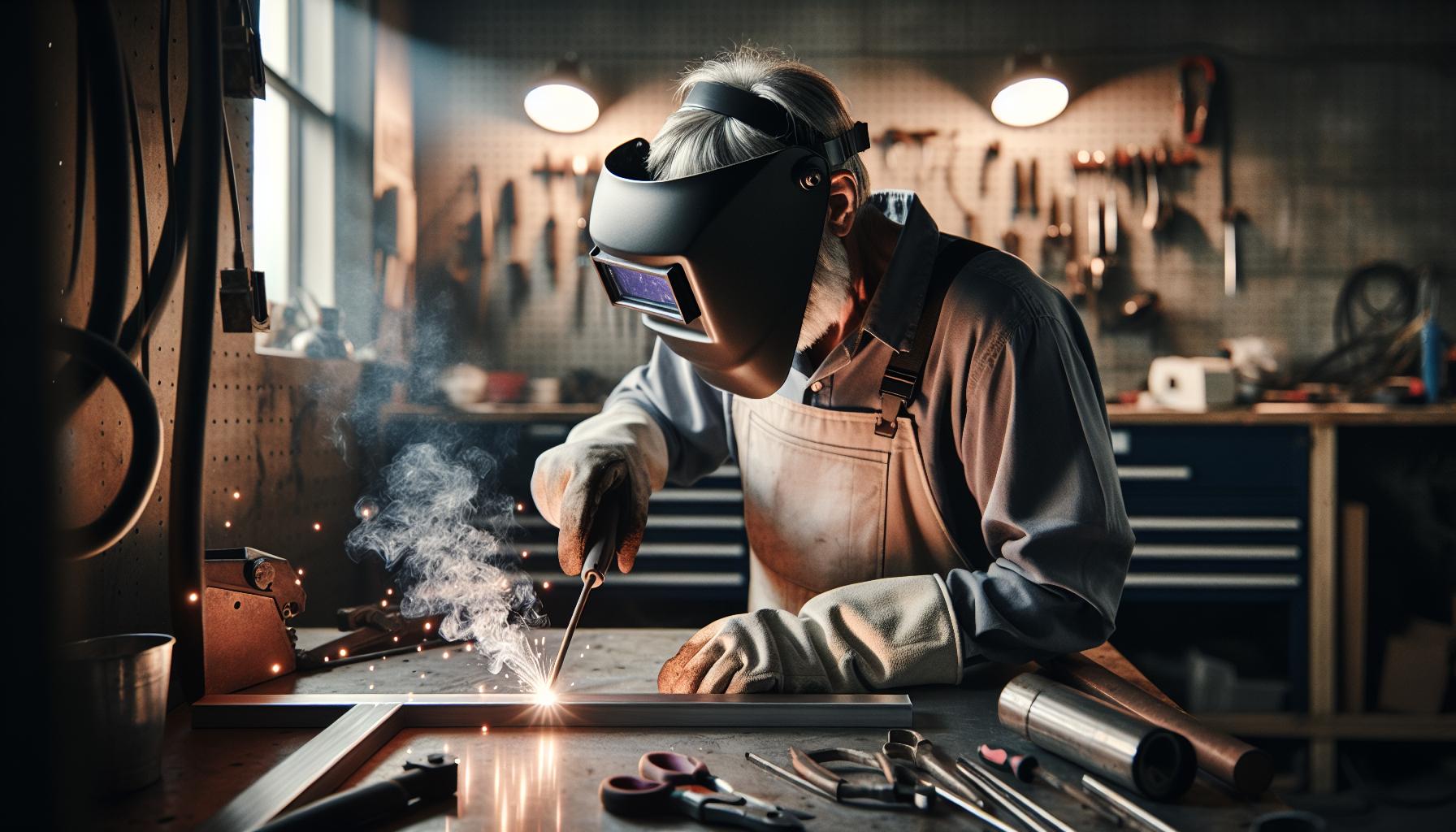
Understanding Aluminium Welding Techniques
Welding aluminum is a nuanced process that requires a deep understanding of specific techniques tailored to its unique properties. Unlike welding steel, aluminum presents significant challenges due to its high thermal conductivity and lower melting point, leading to the necessity for specialized approaches and settings. Proper technique mastery ensures strong, durable welds while minimizing defects such as cracking or distortion.
The most prevalent techniques for aluminum welding include Metal Inert Gas (MIG) and Tungsten Inert Gas (TIG) welding. MIG welding is suitable for its speed and ease of use, especially in fabricating large aluminum sections or where high production rates are desired. This method employs a continuous feed of filler wire and is particularly effective when using a spool gun, which can help control wire feeding and avoid tangling. Conversely, TIG welding provides precise control and superior weld quality, ideal for thinner materials or when weld aesthetics are critical. This method utilizes a non-consumable tungsten electrode alongside an inert gas shield, offering clean and precise welds.
To succeed with these techniques, preparatory steps are critical. Aluminum should be thoroughly cleaned to remove any oxide layers and contaminants that may hinder the welding process. This can typically be achieved using a dedicated aluminum cleaning solution or by mechanical means such as wire brushing. Additionally, proper selection of filler materials-specific to the aluminum alloy being welded-ensures compatibility and strength in the final product. Adopting the right techniques and preparation processes not only enhances the quality of aluminum welds but also mitigates common challenges, paving the way for successful outcomes in both amateur and professional welding environments.
Why Aluminium Requires Special Welding Methods
Welding aluminum demands specialized techniques due to its distinct physical and chemical properties. Unlike steel, aluminum boasts high thermal conductivity coupled with a relatively low melting point, making it more susceptible to melting through oversaturation in heat. This unique characteristic requires welders to adopt very precise parameters during the welding process to avoid defects like burn-through, warping, or incomplete fusion.
One of the critical factors in aluminum welding is its tendency to oxidize rapidly when exposed to air. The formation of an aluminum oxide layer can severely hamper the welding process, leading to poor-quality joints if not adequately addressed. Therefore, pre-weld cleaning is essential, often involving methods such as wire brushing or chemical cleaning to remove this oxide layer. Not only does this ensure better penetration and adhesion of the filler material, but it also reduces the risk of defects caused by contaminants.
Moreover, different welding methods respond uniquely to aluminum’s characteristics. MIG welding is often preferred for thicker sections due to its speed and efficiency, especially when employing a spool gun that simplifies wire feeding and reduces the likelihood of tangles. On the other hand, TIG welding excels in applications requiring precision, particularly on thinner materials where control over the pool and heat input is essential for achieving a strong joint without compromising the integrity of the base material. Understanding these nuances not only enhances the quality of the welds but also ensures that the final product meets required specifications and standards.
The Best Welding Processes for Aluminium
Welding aluminum requires a thorough understanding of various processes tailored to its unique properties. Most notably, the two primary methods for welding aluminum are MIG (Metal Inert Gas) welding and TIG (Tungsten Inert Gas) welding, each offering distinct advantages depending on the specific requirements of a project.
MIG welding, renowned for its speed and efficiency, is ideal for thicker aluminum sections and produces a robust weld with relative ease. This method utilizes a continuously fed wire and a shielding gas to protect the weld pool from contamination. Employing a spool gun can significantly streamline the process by minimizing wire tangles and ensuring consistent feeding, which is particularly beneficial for non-experienced welders. MIG welding is often favored in industrial settings where production speed is critical.
On the other hand, TIG welding is the go-to choice for applications demanding precision and control, especially on thinner aluminum materials. TIG allows welders to manually control the heat input and feed a filler rod into the weld pool, leading to cleaner and more aesthetically pleasing joints. The process requires a more skilled technique but rewards the welder with superior results, particularly valuable in high-quality automotive or aerospace applications.
For specialized cases, alternative methods such as stick welding may be utilized, typically in outdoor environments where wind can disrupt shielding gases, though it is less common for aluminum due to potential challenges achieving a clean weld. Flux core welding is another approach that can be used, but it often requires additional cleaning to remove slag and ensure a strong bond. Ultimately, selecting the right welding process depends on factors such as material thickness, welding position, and the required quality of the final product. Understanding the strengths and limitations of each technique will ensure a successful and efficient welding experience.
Essential Equipment for Aluminium Welding
When delving into aluminum welding, having the right equipment is crucial to achieve high-quality results. Unlike other metals, aluminum requires specialized tools to address its unique properties, such as its tendency to warp under heat and its susceptibility to oxidation. An understanding of essential equipment will not only enhance your welding efficacy but will also significantly influence the overall outcome of your projects.
Equipment Essentials for Aluminum Welding
- Welding Machine: A dedicated MIG or TIG welder is fundamental. For MIG welding, choose a machine capable of handling aluminum-specific features like a spool gun or push-pull system to prevent feeding issues. TIG welding machines should offer high-frequency start options for smooth arc initiation, essential for thinner materials.
- Filler Rods: Selecting the appropriate filler rod is vital for creating strong welds. For aluminum, 4047 and 4045 are common choices. These rods are designed to match the base materials and provide the necessary composition for a defect-free joint.
- Shielding Gas: The right shielding gas is crucial for protecting the weld pool from contamination. Argon is typically used in TIG welding due to its inert properties, while a mix of argon and helium may be advantageous for MIG welding to improve arc stability and penetration, especially on thicker sections.
- Protective Gear: Safety should never be overlooked. Invest in high-quality gloves, goggles, and a welding helmet with adequate shade levels to protect against burns and glare. Additionally, flame-resistant clothing is recommended to guard against sparks and molten metal.
- Preparation Tools: Proper preparation significantly impacts the quality of the weld. Tools such as wire brushes specifically designed for aluminum and chemical cleaners are essential to remove oxide layers. A quality grinder may also be used to prepare the edges of the aluminum before welding.
- Clamping and Positioning Tools: Securely holding your workpieces in place is critical. Use clamps, jigs, or fixtures to ensure proper alignment and to minimize movement during the welding process, which can lead to misaligned joints and poor-quality welds.
By understanding and investing in the right equipment, welders can enhance their ability to work effectively with aluminum. Whether you’re a beginner or an experienced professional, ensuring that all necessary tools are in place will pave the way for successful, high-quality aluminum welds.
Common Challenges in Welding Aluminium
Welding aluminum presents a unique set of challenges that can frustrate even experienced welders. Unlike steel, aluminum is more prone to issues such as distortion, porosity, and cracking due to its high thermal conductivity and low melting point. Therefore, understanding these common pitfalls is essential for achieving strong, reliable welds.
One significant challenge is porosity, which manifests as small holes or voids in the weld. This imperfection is often caused by contamination from moisture, grease, or oxidation on the aluminum surface. The presence of such contaminants can trap gases during the welding process, compromising the integrity of the weld. To mitigate this issue, it’s crucial to thoroughly clean the aluminum with appropriate solvents and to utilize effective shielding gases, such as pure argon or argon-helium mixes, to protect the molten weld pool from atmospheric contamination.
Another common problem welders face is cracking, particularly in thicker materials or during the cooling process. Aluminum’s rapid cooling and solidification can cause the metal to contract unevenly, leading to stress and cracks. This phenomenon is often exacerbated by high heat inputs during welding. To avoid cracking, it’s recommended to use preheating techniques or to monitor heat input closely, ensuring that the material’s temperature rises uniformly. Moreover, choosing the right filler material can aid in providing a more flexible joint that can better accommodate stress.
Distortion is also a prevalent challenge, especially when welding large aluminum components. The heat from welding causes localized expansion, which can warp the material. Welders can reduce the risk of distortion by employing techniques such as stitch welding, which reduces the amount of heat applied in one spot and allows for better heat dissipation. Clamping strategies and working with fixtures can also help maintain alignment throughout the welding process.
Ultimately, mastering these challenges requires both experience and a keen understanding of aluminum’s behavior during welding. By preparing adequately, selecting the right tools and techniques, and maintaining a clean working environment, welders can navigate the complexities of aluminum welding and achieve high-quality results.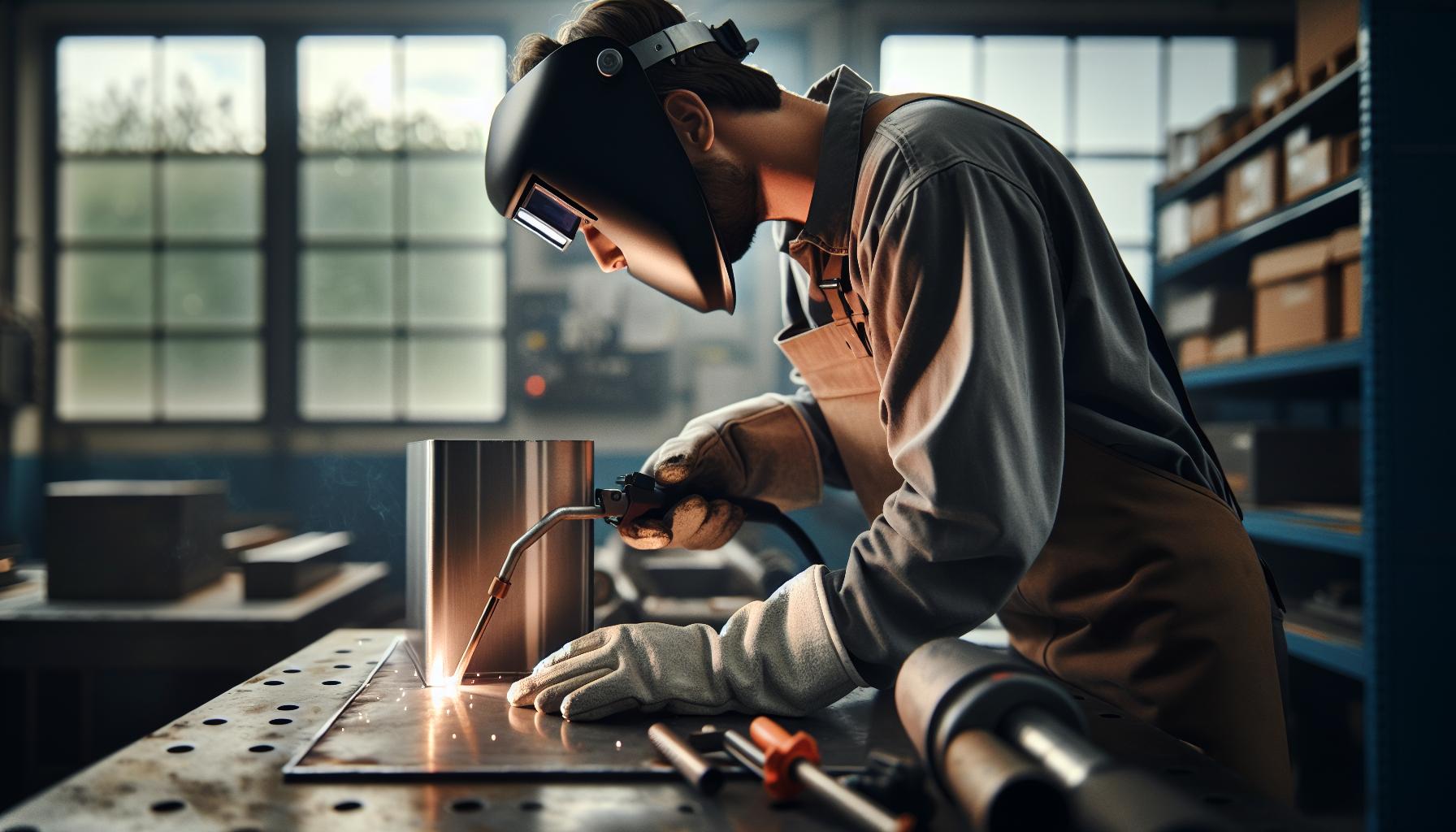
How to Prepare Aluminium for Welding
Preparing aluminum for welding is a crucial step that can significantly influence the quality and strength of the final weld. Aluminum’s inherent properties, such as its susceptibility to oxidation and porosity, mean that welders must take extra care to ensure that the material is in optimal condition before starting the welding process. One key fact to remember is that aluminum can form a thin oxide layer within mere seconds of being exposed to air, which can inhibit proper fusion during welding.
The preparation process begins with thorough cleaning to remove any contaminants that may compromise the weld integrity. It is essential to utilize appropriate cleaning agents, such as acetone or specialized aluminum cleaners, to eliminate grease, oil, and oxidation from the surface. Using abrasive pads can effectively remove the oxide layer, but caution is needed to avoid introducing scratches that could act as stress concentration points. Following the cleaning process, it’s advisable to rinse the aluminum surfaces with clean water and dry them completely to prevent moisture from causing porosity during welding.
Preparation Steps for Aluminum Welding
- Cleaning: Use solvents like acetone to degrease and remove contaminants.
- Sizing and Fit-Up: Ensure that the pieces fit together correctly with minimal gaps.
- Inspecting for Damage: Check for any cracks or defects that need to be addressed before welding.
- Using Clamping: Secure the parts in place with clamps to maintain alignment and reduce distortion during the welding process.
Additionally, selecting the right filler material is critical. Common filler alloys, such as 4047 for welding 3003 aluminum or 5356 for 5086 aluminum, should be matched based on the base material to ensure compatibility. Remember to keep filler rods clean and handle them with care to avoid contamination that could lead to defects in the weld.
Finally, preheating can be beneficial, especially for thicker sections or when welding alloys prone to cracking. A controlled preheat can help minimize thermal stresses, leading to improved joint integrity. Overall, proper preparation is the foundation of achieving successful aluminum welds, minimizing defects, and ensuring structural reliability.
Mastering MIG Welding for Aluminium Success
Achieving success in MIG welding aluminum requires a blend of technical knowledge and hands-on practice, making it essential for welders to understand the unique characteristics of this versatile metal. Aluminum’s lightweight and high conductivity present specific challenges, particularly its tendency to oxidize and form porosity if not properly handled. Successful MIG welding of aluminum hinges on controlling these factors, ensuring that welds are both strong and aesthetically pleasing.
To commence, selecting the right MIG welding equipment is crucial. Utilize a machine that allows for precise control of voltage and wire feed speed, which is vital for managing the heat input. The recommended inert gas for MIG welding aluminum is a mix of argon and helium, as this combination enhances heat management and helps achieve a smoother weld appearance. Additionally, using a spool gun is advisable for beginners, as it mitigates feeding issues common with softer aluminum wires.
Preparation plays a pivotal role in the welding process. Begin by ensuring that the aluminum surface is spotless; this can be achieved through cleaning with solvents like acetone followed by abrasive cleaning to remove any oxide layer. Once clean, maintain proper fit-up by clamping pieces securely to avoid movement during the weld. One effective approach to ensure consistent weld quality is to set the correct travel speed. Too slow may lead to overheating and excessive filler material, while too fast might cause the weld to be incomplete.
Practicing weld technique is equally important. Employ a steady hand and consistent motion, keeping the MIG gun at a 15-degree angle to the workpiece. This improves penetration and bead appearance. For a robust weld, a weave pattern can be beneficial, particularly on thicker materials, as it helps distribute heat more evenly. Remember, patience and precision are key; refining these skills through practice will lead to greater confidence and efficiency in MIG welding aluminum.
Also, maintaining safety standards cannot be overstated. Protective gear-including gloves, a welding helmet with an appropriate shade, and flame-resistant clothing-should always be worn to safeguard against potential hazards. By adhering to these practices and continuously honing your skills, you’ll find yourself mastering the art of MIG welding aluminum, leading to high-quality welds that stand the test of time.
TIG Welding Techniques for Flawless Aluminium Joints
Mastering the art of TIG welding aluminum is essential for achieving flawless joints, as this process allows for precise control over heat input and excellent manipulation of the welding puddle. Aluminum’s high thermal conductivity and low melting point present unique challenges, but by understanding the nuances of TIG welding, you can produce strong and visually appealing welds.
To start, selecting the right tungsten electrode is crucial. For most aluminum applications, a pure tungsten or 2% thoriated electrode is recommended, with the diameter depending on the thickness of the aluminum being welded. A 1/16-inch electrode is suitable for thin materials, while larger diameters are more appropriate for thicker sections. The electrode should be ground to a point to facilitate a concentrated arc, which is essential for welding aluminum effectively.
In addition to electrode choice, the use of argon gas as a shielding gas is vital in protecting the weld from oxidation. Ensure that the flow rate of the gas is sufficient, typically around 15 to 30 cubic feet per hour (CFH), to create an effective barrier against contaminants. Remember to maintain a consistent arc length-ideally around 1/8 inch-to ensure stable and controlled heat application. Techniques such as “push” welding, where the torch is pointed toward the weld pool, can enhance penetration and promote cleaner welds.
Preparation is key to successful TIG welding as well; thorough cleaning of the aluminum surface is paramount. This can be accomplished using solvents such as acetone, followed by a light abrasive cleaning to remove the oxide layer. Proper fit-up of the workpieces will prevent distortion during welding. While welding, aim to maintain a steady hand and consistent travel speed, utilizing movements such as a slight weaving technique to distribute heat more evenly across the joint.
Finally, safety should never be overlooked. Always wear appropriate personal protective equipment (PPE), including a welding helmet with a suitable shade for TIG welding, gloves, and flame-resistant clothing. By honing your TIG welding skills and adhering to these best practices, you can create durable and aesthetically pleasing aluminum welds that meet professional standards.
Safety Protocols When Welding Aluminium
Welding aluminum can be a delicate process due to its unique composition and properties, making safety protocols particularly crucial. The combination of high thermal conductivity and low melting point necessitates a careful approach to protect both the welder and the integrity of the materials. As you prepare to engage in aluminum welding, understanding and implementing safety measures will not only safeguard your health but also enhance your welding quality.
First and foremost, the right personal protective equipment (PPE) is indispensable. Welders should don a welding helmet with an appropriate shade to protect their eyes from bright arcs and UV radiation. In addition to head protection, flame-resistant clothing will help shield skin from sparks and heat. Gloves designed for welding provide hand protection against sharp edges and molten metal splatter. It’s also advisable to use a respirator or a mask with appropriate filters to guard against harmful fumes and particulate matter released during the process.
Work Area Safety
A clutter-free and well-ventilated workspace is essential. Good ventilation prevents the accumulation of hazardous fumes, particularly from aluminum, which can release gases that may be harmful when inhaled. Keeping the workspace organized reduces the risk of tripping or knocking over equipment. Additionally, ensure that any flammable materials are stored safely away from the welding area-this includes not just typical combustibles but also various chemicals that might ignite. Regular checks of cables and equipment can help prevent electrical hazards that might occur during operations.
Moreover, being aware of your surroundings is crucial. If you are welding outdoors or in a shared space, use appropriate barriers or screens to protect others from arc flash and sparks. Experienced welders often find it beneficial to conduct risk assessments before beginning any project. Such evaluations should consider potential hazards and the safety measures that can mitigate them effectively.
In conclusion, by prioritizing safety through the use of proper PPE, maintaining a clean and ventilated workspace, and being vigilant about surrounding hazards, welders can significantly enhance their safety while working with aluminum. Implementing these protocols not only prepares you for the challenges of aluminum welding but also contributes to achieving high-quality, safe work outcomes.
Post-Weld Treatment and Inspection for Aluminium
Properly finishing a welded aluminum joint is crucial for ensuring its integrity, performance, and durability. After completion of the welding process, post-weld treatment and inspection should be carried out to identify any potential issues and enhance the quality of the weld. Due to aluminum’s unique properties, such as its reactivity and tendency to corrode, it requires specific post-weld care.
One essential step is the cleaning of the weld area. Removing any slag, spatter, or oxide layers from the weld surface is integral to preventing corrosion and ensuring good adhesion if further treatments are applied. Using a stainless steel brush or a dedicated aluminum cleaner can effectively prep the surface. After cleaning, inspect the joint visually to check for defects such as cracks, incomplete fusion, or excessive undercut. Employing a simple dye penetrant test can be a practical method for detecting surface-breaking defects that the naked eye may miss.
Once the visual inspection is completed, consider heat treatment or stress relief if the application requires it. Aluminum welds can sometimes undergo changes in structure due to the heat generated during welding, leading to residual stresses. Controlled heat treatment can help alleviate these stresses and restore some of the original properties of the aluminum. It’s also advisable to check the alignment and dimensions of the welded assembly to ensure everything remains as intended after welding.
In terms of final protective measures, applying an appropriate coating can significantly enhance corrosion resistance. Options range from anodizing to simply applying a primer before painting. It’s important to select materials that are compatible with aluminum and can withstand the environmental conditions the finished piece will encounter. After applying these treatments, conduct a final inspection to verify the effectiveness of post-weld treatment and ensure the joint is safe and ready for use in its intended application.
In summary, post-weld treatment and inspection are vital in achieving high-quality aluminum welds. From cleaning and inspection to potential heat treatments and protective coatings, following these steps can significantly enhance the performance and longevity of aluminum joints.
Advice for Beginners: Your First Aluminium Weld
Getting started with aluminum welding can seem daunting, but understanding the process can make it an engaging and rewarding experience. Aluminum welding differs from other materials like steel, requiring specific techniques and considerations due to the metal’s unique properties. With the right approach and gear, beginners can achieve strong and durable joints while building their confidence.
Preparation is key to successful aluminum welding. Start by ensuring that the aluminum surfaces are clean, free of oil, dirt, and oxidation. Using a dedicated aluminum cleaner or a stainless steel brush is advisable to eliminate any contaminants that could affect the weld quality. Select a suitable welding process; most beginners find Gas Metal Arc Welding (MIG) to be the most accessible, as it provides a steady arc and allows for continuous welding. Alternatively, Tungsten Inert Gas (TIG) welding offers precision, making it ideal for thinner materials and intricate work.
When welding, maintain proper torch angles and movement speeds to produce clean, consistent welds. A common tip for beginners is to practice on scrap aluminum pieces first, allowing for trial and error without the pressure of a final project. This approach helps you become familiar with the welder settings, the behavior of the aluminum, and how to handle the filler material effectively.
Safety should be a priority throughout the process. Ensure adequate ventilation to avoid inhaling harmful fumes, and always wear appropriate personal protective equipment, including gloves, a welding helmet with the correct lens shade, and flame-resistant clothing. With thorough preparation and mindful practice, your first aluminum weld can serve as a stepping stone to mastering this versatile material.
Advanced Tips for Professional Aluminium Welders
Achieving flawless aluminum welds is a mark of a skilled welder, and incorporating advanced techniques can significantly enhance the quality and aesthetics of your work. For seasoned professionals looking to refine their craft, mastering the subtleties of feed rate and travel speed can make a substantial difference. A common pitfall is maintaining a consistent travel speed; too fast can lead to poor penetration, while too slow increases heat input and risks warping. It’s essential to develop an intuitive sense of how these variables interact with the type of aluminum and filler material being used.
Using the right filler alloy is crucial for achieving optimal weld strength and corrosion resistance. Aluminum alloys vary significantly in their welding characteristics, and using a filler that matches or complements the base material can mitigate issues like cracking and distortion. For instance, when welding 6061 aluminum, the use of 4047 filler is often recommended for better fluidity and corrosion resistance. Additionally, consider preheating thicker sections to reduce the risk of cracking, particularly in high-strength alloys.
Moreover, experiment with shielding gas mixtures for specialized applications. While pure argon is standard, a blend of argon and helium can improve arc stability and penetration. This is particularly useful in TIG welding processes for aluminum, where the increased heat from the helium can help with thicker materials. Don’t overlook the benefits of advanced techniques like pulse welding, which can help control heat input and improve weld bead appearance, especially on thinner materials.
Lastly, continuous learning and adaptation are fundamental for any professional welder. Stay updated with industry advancements and new materials by attending workshops, joining welding forums, and participating in trade shows. These opportunities not only provide practical knowledge but also foster connections that can lead to mentorship opportunities, new jobs, and collaborative projects. By combining these advanced techniques with ongoing education, welders can hone their skills and produce exceptional aluminum welds.
Frequently Asked Questions
Q: Can aluminum be welded using a MIG welder?
A: Yes, aluminum can be successfully welded using a MIG welder. When welding aluminum with the MIG process, use a spool gun or a push-pull setup to prevent feed issues due to the softness of aluminum. Ensure to select a suitable filler material for optimal results.
Q: What types of aluminum are best for welding?
A: The best aluminum alloys for welding include 4047, 5356, and 6061. Each of these alloys offers good weldability and strength, making them suitable for various applications. Consider the specific requirements of your project when selecting aluminum grades.
Q: How do you clean aluminum before welding?
A: Cleaning aluminum before welding involves removing oxides and contaminants. Use a stainless steel brush or a chemical cleaner to remove surface impurities, followed by wiping with a solvent like acetone. Proper prep ensures better weld integrity and appearance.
Q: What safety equipment is essential for aluminum welding?
A: Essential safety equipment for aluminum welding includes a welding helmet with a suitable shade, gloves, protective clothing, and appropriate footwear. Additionally, ensure good ventilation or use a fume extraction system to mitigate inhalation risks.
Q: How do temperature and heat affect aluminum welding?
A: Temperature significantly affects aluminum welding. Aluminum has high thermal conductivity and expands quickly when heated, which can lead to distortion. Preheating thick sections and controlling interpass temperatures can help manage these effects and improve weld quality.
Q: Are there specific welding rods for aluminum?
A: Yes, specific welding rods or filler materials are available for aluminum, such as ER4047 and ER5356. Choose a filler that matches the base material to ensure a strong bond and compatibility with the welding process used.
Q: What common mistakes should be avoided when welding aluminum?
A: Common mistakes when welding aluminum include insufficient cleaning of surfaces, incorrect settings on welding machines, and failing to allow for thermal expansion. Avoid these pitfalls by following proper procedures and guidelines for aluminum welding.
Q: Can you weld aluminum to steel?
A: Yes, aluminum can be welded to steel, often using dissimilar metal welding techniques such as flux-cored arc welding or gas metal arc welding with special filler rods. Ensure to utilize proper techniques to mitigate issues like galvanic corrosion.
Concluding Remarks
By mastering aluminum welding techniques like MIG and TIG, you can unlock a world of possibilities for your projects. Whether you’re a beginner or an experienced welder, understanding the unique properties of aluminum and how to work with it safely is essential. As you dive deeper into this craft, don’t forget to check out our guides on safety protocols and equipment reviews to ensure you’re fully prepared.
Ready to take the next step? Explore our detailed resources on welding aluminum and other materials by visiting our blog. Join our community by signing up for our newsletter to receive expert tips and updates straight to your inbox. Remember, the journey doesn’t end here-share your experiences in the comments and let us know what welding challenges you’d like us to tackle next!
Welding aluminum is not just achievable; it’s a valuable skill that can elevate your craftsmanship. Stay engaged with us for more insights and become a part of our welding community today!


