

Welding aluminum to steel is a topic that sparks curiosity among both novice and experienced welders. While these two metals are commonly used in various applications, joining them isn’t as straightforward as it may seem. The truth is, traditional welding methods can often lead to weak joints and potential failures. Understanding the right techniques, like using specific welding processes such as MIG or TIG, is crucial for achieving a strong bond. As you explore this article, you’ll uncover essential strategies and tips that can help you navigate the complexities of dissimilar metal welding. Whether you’re looking to enhance your skills, tackle a challenging project, or ensure lasting integrity in your work, knowing how to effectively weld aluminum to steel could be a game-changer. Delve in to discover the truth that could elevate your welding projects to the next level.
Understanding the Challenges of Welding Aluminum to Steel

Welding aluminum to steel presents a unique set of challenges that even seasoned welders must navigate carefully. One of the primary difficulties arises from the differing physical properties of these two metals. Aluminum has a much lower melting point than steel, typically around 660°C (1220°F), compared to steel’s range of approximately 1370°C to 1520°C (2500°F to 2760°F). This disparity can lead to issues such as warping or burning through the aluminum if not managed properly.
Moreover, aluminum and steel have different thermal conductivities. Aluminum conducts heat more efficiently, which can lead to rapid heat dissipation during the welding process. This means that achieving a strong weld requires careful control of the heat input. Using techniques such as MIG (Metal Inert Gas) or TIG (Tungsten Inert Gas) welding can help, but the welder must adjust settings continually to mitigate issues associated with overheating or underheating the metals.
When embarking on a project involving the welding of these two dissimilar metals, proper preparation is essential. The joint design is critical; using a lap joint or a bolted connection in conjunction with welding may enhance mechanical strength. Utilizing appropriate filler materials, such as specialized rods designed for dissimilar metal joining, can also make a significant difference in the quality of the weld. Both aluminum and steel require clean surfaces, so thorough cleaning with solvents or mechanical means is vital for achieving a solid joint.
In summary, understanding the challenges associated with welding aluminum to steel is crucial for any welder. These challenges necessitate careful control of heat, skillful choice of joint design and filler material, and diligent preparation to ensure success in fusion welding. Mastering these elements not only aids in successful execution but also enhances the durability and reliability of the welded structure.
The Essential Techniques: MIG vs. TIG Welding
Welding aluminum to steel requires mastery of specific techniques to navigate the complexities of working with these two distinct metals. Among the most effective methods are MIG (Metal Inert Gas) and TIG (Tungsten Inert Gas) welding. Each technique has its own strengths and practical applications, making them suitable for different welding scenarios.
MIG welding is often favored in the fabrication industry for its speed and ease of use. It involves feeding a continuous wire electrode through a welding gun, creating an arc between the wire and the metal workpiece. This method is particularly advantageous for welding aluminum to steel because it allows for greater control over the heat input, which is crucial given the differing melting points of the two materials. Additionally, MIG welding can handle thicker sections of aluminum and steel effectively, making it ideal for more substantial projects where speed is essential. However, it requires careful adjustment of the settings to prevent overheating or underheating, ensuring a strong joint without compromising the integrity of the aluminum.
TIG welding, on the other hand, is known for producing high-quality, precise welds. It employs a non-consumable tungsten electrode to create the arc, with a filler rod added manually as needed. This method is highly effective for welding thinner sections of aluminum and delicate joints, providing greater control over the weld pool. TIG welding excels in scenarios where aesthetics matter, as it produces clean, well-defined welds with less spatter. While it may be slower and require more skill compared to MIG welding, the precision it offers makes it an excellent choice for applications where joint integrity is paramount.
In practice, the choice between MIG and TIG will depend on the specific requirements of the project, including material thickness, desired weld quality, and the skill level of the welder. For instance, a beginner may find MIG welding more approachable and suitable for general repair work, while an experienced welder might prefer TIG for high-precision tasks, such as automotive or artistic applications. Understanding these techniques allows welders to select the right method, ensuring successful fusion welding of aluminum to steel.
Preparing Your Metals for a Strong Joint
To achieve a strong joint when welding aluminum to steel, meticulous preparation of both materials is crucial. The structural integrity and longevity of the weld are heavily influenced by the cleanliness and alignment of the metals. Any contaminants, such as oils, dirt, or oxidation, can significantly weaken the weld, leading to potential failures under stress. Hence, a systematic approach to preparation is essential.
Begin by thoroughly cleaning both the aluminum and steel surfaces. For aluminum, which is prone to oxidation, this often involves using a wire brush or a dedicated cleaning agent specifically designed for aluminum. Ensure that all oxide layers are removed, as they can interfere with the weld. On steel, rust and paint should be stripped away using a grinder, sandpaper, or chemical removers. A clean surface enhances the ability of the weld to bond effectively, reducing the likelihood of defects.
Next, ensure that both metals are properly aligned and clamped in a fixed position to prevent movement during welding. This can be achieved by using clamps or fixtures to hold the pieces securely in place. Misalignment can lead to gaps in the weld joint, which not only create weak points but also complicate the welding process. When aligning aluminum with steel, consider using backing bars made from a compatible material to help stabilize the assembly and ensure better heat distribution.
In addition to physical preparation, pay attention to the joint design. Common configurations, such as butt joints or lap joints, can influence the performance of the weld. For instance, a lap joint typically offers a larger surface area for the weld and can be more forgiving to misalignment compared to a butt joint. Selecting the appropriate joint design tailored to the specific application can play a key role in achieving a robust and reliable weld.
Collectively, these preparation steps-cleaning, aligning, and designing joints properly-form the backbone of a successful welding project, particularly when dealing with dissimilar metals like aluminum and steel. Prioritizing these factors not only enhances the quality of the weld but also increases its durability, ensuring your welded structures withstand the test of time and stress.
Filler Materials: The Key to Successful Welds

When embarking on the intricate task of welding aluminum to steel, the choice of filler material emerges as a pivotal factor influencing the success of the joint. Unlike welding similar metals, dissimilar metals present unique challenges that necessitate thoughtful selection of fillers to ensure a solid, durable joint. Primarily, the filler material must accommodate the differing properties of aluminum and steel, such as their melting points and thermal conductivities.
Aluminum is particularly sensitive to heat; thus, using a filler that matches its thermal expansion characteristics is crucial. The most commonly employed filler materials for this type of hybrid welding are typically aluminum-silicon alloys, such as ER4047, which provide excellent flow properties and enhance the bonding process. Additionally, for applications where strength and corrosion resistance are paramount, consider using filler materials like ER5356, which contains magnesium, offering improved tensile strength.
Using MIG (Metal Inert Gas) welding is often the preferred method for combining these two metals, as it allows precise control over heat input, minimizing the risk of warping or distorting the more malleable aluminum. In contrast, TIG (Tungsten Inert Gas) welding may be utilized for more delicate applications requiring meticulous detailing. The versatility and range of filler materials available enhance the ability to tailor the weld to specific requirements of the project, ensuring that the welded joint not only functions effectively but also endures over time.
In practical terms, understanding how filler materials interact with both aluminum and steel in the welding process can lead to better outcomes. For instance, ensuring that the filler is compatible with both base metals and prepared properly can yield a joint that not only meets structural demands but also maintains aesthetic quality, a crucial factor in visible structures. Therefore, knowledge of fillers is not just about fulfillment of technical specifications; it is integral to achieving long-term success in hybrid welding applications.
Welding Equipment: What You Need for Hybrid Welding
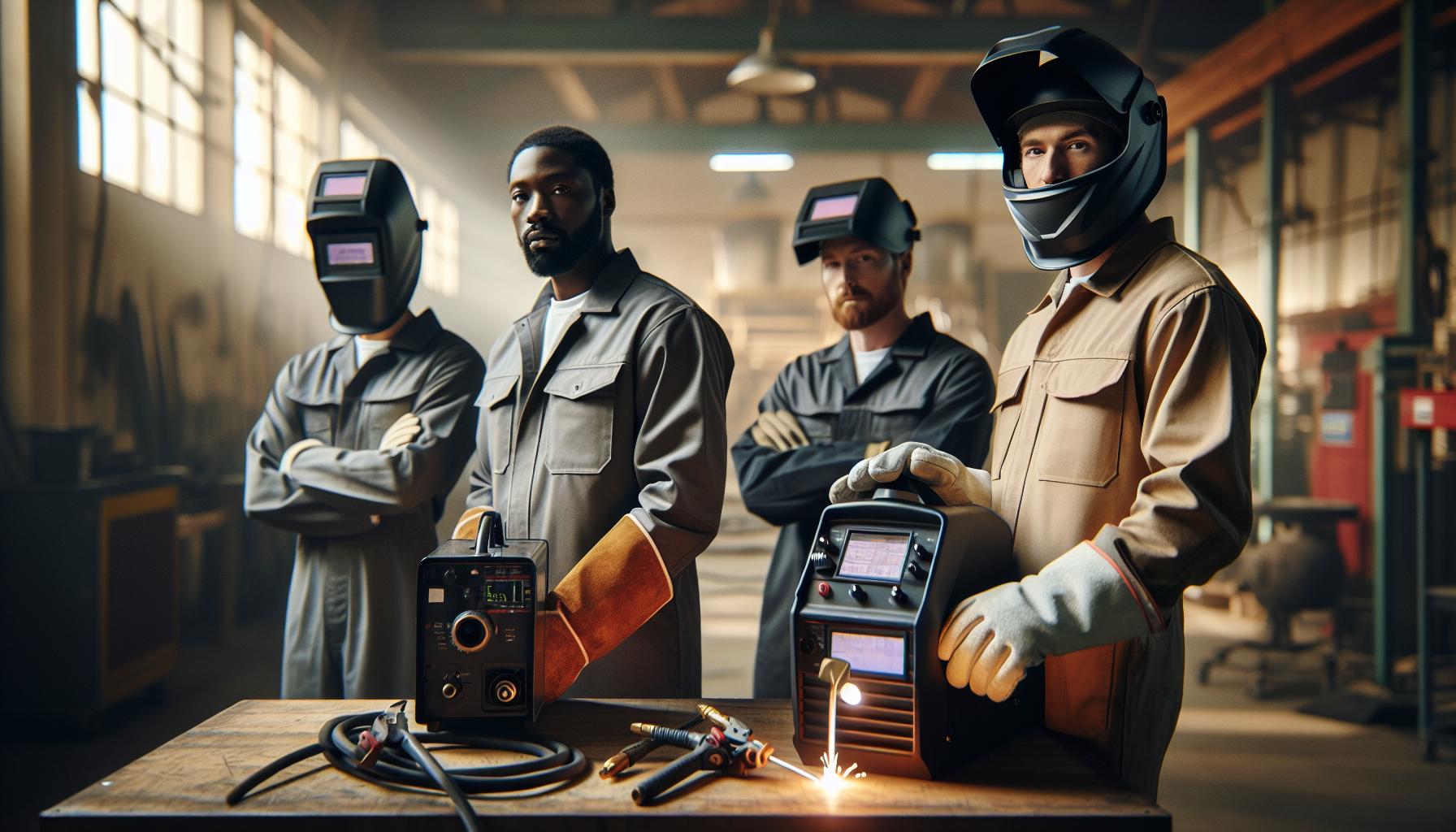
When preparing to weld aluminum to steel, utilizing the right equipment is paramount for achieving a strong and reliable joint. The unique properties of these two metals, including differing melting points and thermal conductivities, necessitate equipment that can accommodate such disparities. The preferred methods for hybrid welding typically involve MIG (Metal Inert Gas) and TIG (Tungsten Inert Gas) welding, both of which offer distinct advantages in terms of heat control and versatility.
MIG Welding Equipment
For MIG welding, a welder must have access to a suitable machine that provides variable voltage and wire feed speed settings. Look for equipment with a dual-purpose MIG capability, which allows for both aluminum and steel welding by switching between suitable wire types. The use of a shielding gas, such as argon for aluminum, along with an appropriate filler wire, further enhances the quality of the weld.
A robust MIG welder typically features:
- Gas Flow Regulator: Adjusts gas flow rates to ensure consistent shielding.
- Contact Tips and Nozzles: Different sizes may be needed to accommodate various wire diameters.
- Feed Rollers: Need to be suited for the differences in wire material and tensile strength.
TIG Welding Equipment
Choosing TIG welding equipment can provide more control, especially for intricate welds or projects that require detailed finishing. A quality TIG welder should come equipped with features such as high-frequency start capability, which allows for a smoother start without touching the metal. Additionally, a foot pedal can give the operator precise control over heat input during the welding process, which is critical when working with aluminum’s lower melting point.
Key components for TIG welding include:
- Tungsten Electrodes: Use a pure or zirconiated tungsten for aluminum to achieve a clean arc.
- Gas Lens: Improves shielding gas coverage at the arc, enhancing weld quality.
- Filler Rods: Select appropriate materials, such as ER4047 or ER5356, based on the specific requirements of the joint.
Safety Considerations
Regardless of the welding method, adhering to proper safety protocols is essential. Always wear appropriate personal protective equipment (PPE), including a welding helmet with appropriate shade, gloves, and protective clothing that minimizes exposure to sparks and heat. Ensuring adequate ventilation is also crucial, especially when welding aluminum, which can release harmful fumes.
In conclusion, the right equipment is instrumental in successfully navigating the complexities of welding aluminum to steel. By investing in quality MIG or TIG welding systems, utilizing appropriate fillers and electrodes, and prioritizing safety, welders can achieve durable and aesthetically pleasing results in their hybrid welding projects.
Safety Precautions When Welding Dissimilar Metals
Welding dissimilar metals, such as aluminum and steel, poses unique safety challenges due to their differing properties. One critical aspect to understand is that aluminum has a lower melting point, leading to potential overheating, which can compromise the integrity of both the material and the weld. This increased risk makes it essential to adopt specific safety precautions to ensure a successful welding process while protecting the welder and the work environment.
First and foremost, personal protective equipment (PPE) is crucial. Always wear a welding helmet equipped with the correct shade to protect your eyes from intense light and UV radiation. In addition to a helmet, use flame-resistant gloves and protective clothing that covers the entire body. Since aluminum can generate harmful fumes when heated, ensuring adequate ventilation in the workspace is essential. Utilize local exhaust ventilation or work outdoors if possible, as this can help in rapidly dissipating hazardous fumes generated during the welding process.
Furthermore, understanding the compatibility of filler materials is vital not just for weld quality, but for safety as well. Using inappropriate filler metal can lead to poor welds that might crack or fail under stress, posing safety risks in applications where structural integrity is critical. Therefore, ensure to use recommended filler materials, such as ER4047 or ER5356 for aluminum applications, and to keep these materials separate from other metals to avoid contamination.
It’s also important to maintain a clean workspace. Any rust, dirt, or oil can not only hinder the quality of the weld but can also be a fire hazard. Tidying up the work area regularly, cleaning the metal surfaces before welding, and storing materials properly helps mitigate the risk of accidents. Keeping fire extinguishers nearby that are suitable for metal fires can be a prudent additional safety measure.
By adhering to these safety precautions when welding aluminum to steel, welders can significantly reduce the risk of accidents and ensure a successful and secure welding operation. Prioritizing safety not only protects the welder but also helps maintain the quality and reliability of the welds produced.
Common Issues and How to Solve Them

Welding aluminum to steel presents a unique set of challenges that can lead to common issues if not addressed effectively. Understanding these problems and their solutions is crucial for achieving successful welds and ensuring structural integrity. One primary issue that arises is the formation of brittle intermetallic compounds, which can occur when aluminum and steel are welded together using traditional methods. These compounds can weaken the joint and lead to failures under stress. A solution to this problem is to utilize specialized filler materials, such as those designed explicitly for dissimilar metals, which can help mitigate the risk by providing a buffer between the two materials.
Another significant challenge in hybrid welding is the differing thermal properties of aluminum and steel. Aluminum has a much lower melting point than steel, leading to overheating and potential burn-through during the welding process. To solve this problem, it is often recommended to use a pulsed MIG or TIG welding technique, which allows for better control of the heat input. This method can help ensure that the heat is delivered more evenly, thereby reducing the risk of melting through the aluminum while still adequately fusing the steel.
The cleanliness of the materials being welded also plays a crucial role in the integrity of the joint. Oil, dirt, and oxidation can significantly impair the quality of the weld. Therefore, it is essential to thoroughly clean the surfaces of both aluminum and steel before welding. Using a suitable solvent for cleaning aluminum, followed by a mechanical abrasion to remove any surface oxides, can help create a better bonding surface. Additionally, employing multiple cleaning methods, including chemical cleaners, can enhance weld quality and adherence.
Lastly, it is essential to monitor the cooling rates of the weld joint to prevent cracking. Dissimilar metals tend to cool at different rates, and this can induce stress, leading to fractures. A practical approach to mitigate this issue is to preheat the steel slightly to minimize the temperature differential between the two metals. This strategy can help balance the cooling rates and reduce thermal stresses, resulting in a more robust and durable weld.
Real-World Applications: When to Weld Aluminum to Steel
Welding aluminum to steel opens a world of possibilities in various industries, from automotive to construction, where the unique properties of both metals can be leveraged. This hybrid approach addresses practical needs, such as achieving lightweight structures with the strength of steel. One prominent application is in the fabrication of trailers and equipment, where aluminum’s lightweight nature reduces overall weight while the steel components provide necessary durability and strength to withstand heavy loads.
In the automotive sector, welding aluminum to steel is increasingly popular as manufacturers seek to enhance fuel efficiency and performance. Cars that integrate aluminum body panels with steel frames exemplify this trend. This combination not only helps in reducing vehicle weight but also contributes to improved fuel consumption. However, the welding process must be carefully controlled to manage the different thermal properties of the two metals and to avoid issues like warping or cracking.
Another significant application is in the aerospace industry, where aluminum is often used in aircraft structures to reduce weight without sacrificing strength. By welding aluminum components to steel parts, manufacturers can create custom brackets or supports that help in the aircraft assembly, optimizing both performance and structural integrity. The rigorous standards in this field highlight the importance of precision in welding techniques, including the use of specialized filler materials designed for dissimilar metals.
Furthermore, the construction and manufacturing sectors frequently benefit from the versatility of welding aluminum to steel in products like industrial scaffolding, which commands high safety standards. Here, the combination allows for lightweight yet durable structures that can easily support heavy loads. The key is to adapt welding techniques accordingly-employing methods like TIG or pulsed MIG welding-while ensuring thorough surface preparation and cleanliness to achieve strong joints.
In conclusion, the decision to weld aluminum to steel can open doors to innovative designs and efficiencies across various specialized fields. By understanding the applications, benefits, and technical requirements involved, welders can effectively utilize these materials to meet modern engineering challenges. This strategic use of metals is not just about combining materials; it’s about enhancing performance through informed welding practices.
Alternatives to Welding: Exploring Other Joining Methods
Exploring alternatives to welding aluminum to steel offers essential insights into achieving strong and reliable joints, particularly when the challenges of dissimilar metals may pose risks like cracking or warping. While welding remains a popular choice for fabricating these materials together, other joining methods can provide effective solutions depending on project requirements and intended applications.
Adhesive bonding has gained traction due to its capacity to create robust, lightweight connections without the heat involved in welding. This method utilizes specially formulated adhesives designed for metal bonding, which can accommodate the differing thermal expansion rates of aluminum and steel. For instance, epoxy-based adhesives are particularly effective, as they offer excellent tensile and shear strength. However, it’s crucial to ensure proper surface preparation by cleaning and roughening the metal surfaces for optimal adhesion.
Mechanical Fastening
Mechanical fastening methods, such as rivets, bolts, and screws, also present practical alternatives. These methods allow for quick assembly and disassembly while maintaining the integrity of both metals. When utilizing mechanical fasteners, it’s vital to select materials and coatings that prevent galvanic corrosion, a common issue when aluminum and steel are in contact. For example, using stainless steel fasteners with protective coatings can mitigate this risk. Moreover, the implementation of locking mechanisms-such as lock washers or thread-locking compounds-can enhance joint security under varying load conditions.
Other Joining Techniques
For more specialized applications, techniques like brazing or soldering may be warranted. These methods involve joining metals at lower temperatures than welding, which can reduce the risk of distortion. Brazing, in particular, uses a filler metal with a melting point above 450°C and can be effective for aluminum and steel when combined with appropriate fluxes. While these methods may not offer the same structural strength as welding, they can serve well in repairs or contexts where a lower strength joint suffices.
In summary, exploring alternatives to welding can yield favorable results in projects involving aluminum and steel. Understanding the unique properties and challenges of each method allows engineers and fabricators to choose the most effective solution for their specific applications. Whether through adhesive bonding, mechanical fastening, or alternative joining techniques, the right choice can enhance performance while accommodating the intricacies of dissimilar metal assemblies.
Expert Tips for Perfecting Your Welds
In the world of welding, the ability to effectively fabricate joints that combine dissimilar metals like aluminum and steel can be both an art and a science. Each welding process possesses its unique advantages, but mastering the complexities involved in hybrid welding is essential for achieving strong, durable connections. Here are some expert tips to refine your welding skills and optimize the performance of your joints.
Start with thorough surface preparation-this is paramount when welding aluminum to steel. Clean the surfaces meticulously to remove any contaminants such as oil, grease, or oxidation, particularly on aluminum, which can form a stubborn oxide layer. Consider using a wire brush or a chemical cleaner to create a bright surface. Mechanically roughening the surfaces can further enhance bond strength, allowing for better penetration of the weld filler material.
Choosing the right welding technique is equally important. MIG welding (Metal Inert Gas) is often favored for aluminum due to its speed and ease of use. Pairing it with an appropriate spool of filler wire designed for dissimilar metals can help create a stronger bond. On the other hand, TIG welding (Tungsten Inert Gas) provides a more precise control over heat and filler addition, which can be beneficial for intricate tasks requiring finesse. Ultimately, selecting the right technique should be based on factors such as material thickness and joint configuration.
Utilizing the appropriate filler materials is a critical element for successful joints. For welding aluminum to steel, use aluminum-silicon alloys which provide improved compatibility and minimize chances of crack formation. Understanding and selecting the right alloy composition can significantly impact the integrity of the weld. Additionally, keep in mind the melting point differences between the two metals; controlling heat input will prevent warping or other issues.
Safety precautions must accompany every welding project. Ensure to wear the correct personal protective equipment (PPE), such as welding helmets with proper filters, gloves, and flame-resistant clothing. Adequate ventilation is essential to avoid inhaling hazardous fumes, particularly when welding aluminum, which can release toxic gases. Implementing a fire watch in work areas can prevent potential accidents, especially when hydraulic fluids or flammable materials are nearby.
By integrating these practices into your welding routine, you can enhance not just the strength of your fabricated joints, but also your confidence and precision as a welder. Continuous learning and adaptation are vital in mastering the complex art of welding dissimilar metals, allowing you to tackle a broader range of projects with expertise.
FAQs: Addressing Common Concerns About Aluminum and Steel Welding
Understanding the nuances of welding aluminum to steel can spark a plethora of questions, especially for those navigating this challenging yet rewarding process. One common concern is whether the two metals can be effectively joined and, if so, how to achieve a solid, lasting bond. The process is possible, but it demands attention to detail and the right materials, techniques, and safety practices.
For instance, a frequent question revolves around the ideal welding method. MIG welding is highly regarded for aluminum due to its speed, making it a practical choice for larger or less intricate projects. However, when working on detailed applications requiring precision, TIG welding comes into play, providing finer control over heat and weld quality. In both cases, ensuring the correct filler material is used-typically aluminum-silicon alloys-greatly impacts the joint’s strength.
Safety is another paramount concern, particularly when merging such dissimilar metals. It is essential to wear proper personal protective equipment (PPE) to mitigate risks from hazardous fumes released during the welding process. A well-ventilated workspace is crucial for protecting your health, emphasizing the importance of following established safety protocols.
Ultimately, cultivating a deeper understanding of the welding process-by engaging with experienced welders, seeking training, or utilizing online resources-can greatly enhance one’s confidence and skill. This knowledge allows welders to tackle a range of projects involving aluminum and steel while minimizing common issues like warping or cracks, which could compromise the weld quality over time. With practice and adherence to recommended techniques, successfully welding aluminum to steel becomes an attainable skill.
Frequently Asked Questions
Q: Can you weld aluminum to steel?
A: Yes, you can weld aluminum to steel, but it requires specific techniques and filler materials to ensure a strong joint. MIG and TIG welding are common methods used for this hybrid welding process.
Q: What are the challenges of welding aluminum to steel?
A: The main challenges include different melting points, thermal expansion rates, and the need for a suitable filler material. Proper joint preparation and technique are crucial to overcome these issues for a successful weld.
Q: What filler material is best for welding aluminum to steel?
A: A commonly used filler material for welding aluminum to steel is aluminum-silicon alloy, often designated as ER4047 or ER4045. This helps to bridge the metallurgical gap effectively.
Q: How do you prepare aluminum and steel for welding?
A: Proper preparation involves cleaning both surfaces to remove oxides and contaminants, ensuring tight fit-up, and pre-heating the steel to reduce thermal shock. This foundation is essential for strong weld integrity.
Q: Is TIG or MIG better for welding aluminum to steel?
A: TIG welding is generally preferred for precision and quality when welding aluminum to steel, but MIG welding can also be effective for thicker materials. Your choice depends on the project requirements and available equipment.
Q: What safety precautions should be taken when welding dissimilar metals?
A: Always use appropriate personal protective equipment (PPE), ensure proper ventilation, and be aware of potential fume hazards. Follow the safety protocols relevant to both aluminum and steel welding.
Q: Can aluminum and steel be joined using methods other than welding?
A: Yes, alternative joining methods include brazing and adhesives. These methods can offer less heat input and may be more suitable for certain applications where welding is not feasible.
Q: What common issues occur when welding aluminum to steel and how can they be resolved?
A: Common issues include poor fusion and cracking. These can be resolved by ensuring proper joint preparation, selecting the right filler material, and controlling heat input during the welding process.
In Summary
While welding aluminum to steel presents challenges, understanding the right techniques, such as TIG and MIG welding, can lead to successful results. Now that you’re equipped with insights into the feasibility of this union, consider your next steps-whether it’s exploring the right equipment, safety protocols, or further techniques. Check out our resources on welding techniques and equipment reviews to set yourself up for success.
Don’t let uncertainty hold you back-take action today! If you’re thinking of a project that requires expertise in welding different metals, our guides can help you navigate potential pitfalls. Join our community of welders by leaving a comment or sharing your thoughts below. Explore more about maintaining equipment and advancing your skills by signing up for our newsletter. Your next welding adventure starts here!


