
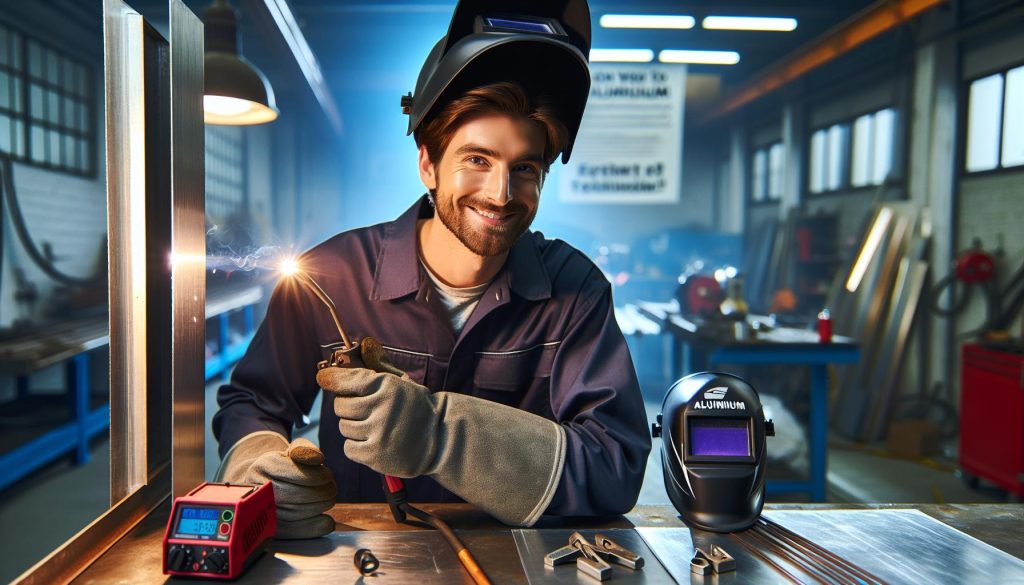
Aluminum, known for its lightweight and corrosion-resistant properties, requires specific techniques for effective welding, making it a challenge even for seasoned welders. Understanding how to weld aluminum not only enhances your skill set but also opens doors to diverse applications in automotive, aerospace, and construction industries. Whether you’re a hobbyist or a professional, mastering aluminum welding can significantly improve your projects’ durability and aesthetic appeal. In this article, we’ll explore the best methods like MIG and TIG welding, delve into essential equipment, and provide tips to ensure safety and success in aluminum welding. Get ready to elevate your welding capabilities and achieve flawless results!
Can You Weld Aluminium Safely? Understanding Key Considerations
Welding aluminum can be a complex and rewarding process, but safety must always be a priority. The nature of aluminum, characterized by its lightweight and corrosion-resistance, also comes with specific challenges that make welding it different from other metals. To weld aluminum safely, it’s essential to understand its physical properties, including how it conducts heat and its susceptibility to warping. Proper preparation of the material surfaces-removing any oxide layer, dirt, or grease-is crucial. An oxide layer forms rapidly on aluminum, and if not adequately cleaned, it can lead to weak welds and potential hazards during the process.
Working with the right equipment and techniques is also vital. The choice between MIG (Metal Inert Gas) and TIG (Tungsten Inert Gas) welding significantly impacts not only the quality of the weld but also the welder’s comfort and safety. Each method has its advantages: MIG is generally faster and easier for beginners, while TIG welding offers higher precision and control, making it ideal for thinner aluminum materials. Understanding these techniques and selecting the appropriate filler materials are essential to achieving strong, high-quality welds while minimizing risks.
Moreover, personal protective equipment (PPE) plays a crucial role in ensuring safety during aluminum welding. This includes helmets with appropriate shading for eye protection, gloves, and protective clothing to guard against sparks and heat. Ventilation is another key consideration, as burning aluminum produces fumes that can be harmful if inhaled. Implementing these safety measures not only protects the welder but also contributes to achieving consistent and efficient welding outcomes. By being diligent about safety protocols and selecting the right methods and tools, aluminum welding can be performed successfully without compromising health and well-being.
The Importance of Choosing the Right Welding Technique

Choosing the right welding technique can mean the difference between a successful project and costly rework, especially when it comes to aluminum. This lightweight metal presents unique challenges due to its high thermal conductivity and lower melting point compared to steels. By understanding various welding techniques-Metal Inert Gas (MIG), Tungsten Inert Gas (TIG), and flux-cored welding- welders can select an approach that optimally suits their specific needs, skill levels, and material characteristics.
MIG welding is often favored for aluminum due to its speed and ease of operation. With a continuous feeding of filler wire, it allows for quick and effective welds on thicker sections, making it an excellent choice for production work. Conversely, TIG welding offers precise control of the heat and arc, allowing for superior aesthetics and strength in welds, particularly important for thinner gauges of aluminum. This technique is ideal for applications where the visual quality of the weld is as crucial as its structural integrity, such as in automotive or aerospace industries.
In addition to technique, the selection of filler material plays a vital role. Using the appropriate filler alloy can significantly improve the corrosion resistance and strength of the weld joint. For instance, when working with 6061 aluminum-one of the most common alloys-adding a filler rod of 4047 can enhance both the strength and appearance of the weld. Understanding these variable characteristics and the influences of joint design and technique can help ensure optimal fusion and prevent defects such as porosity or cracking.
Practical experience, paired with knowledge of the properties of aluminum and the chosen welding method, will empower welders to make informed decisions that lead to high-quality results. Aligning the selected technique with project requirements not only enhances efficiency but also reinforces the structural performance of the welded components, contributing to overall safety and reliability. Making educated choices about welding techniques is not just a matter of aesthetic preference; it bears significant implications for the efficiency and integrity of the work at hand.
MIG vs. TIG: Which is Best for Aluminium Welding?
When it comes to welding aluminum, the choice between Metal Inert Gas (MIG) and Tungsten Inert Gas (TIG) is often a topic of significant discussion among welders. Each of these techniques has its own strengths and weaknesses, making them suitable for different applications and skill levels. Understanding the fundamental differences can help you determine which method is best for your specific aluminum welding project.
MIG welding is typically recognized for its speed and efficiency, especially when working with thicker aluminum sections. The process involves a continuously fed filler wire that allows for rapid weld creation, making it an ideal choice for high-production environments. It’s user-friendly and less demanding in terms of skill, which makes it a popular option among beginners or those looking for quick and straightforward welding solutions. However, MIG welding can sometimes lead to issues like poor aesthetics or the likelihood of defects such as burn-through, especially in thinner materials.
On the other hand, TIG welding offers a level of control that MIG cannot match, making it highly beneficial for tasks that require precision and visual appeal. This technique allows welders to manually control the heat and the filler material, which is crucial when working with thin gauges of aluminum. For applications in automotive, aerospace, or artistic projects where the quality of the weld must meet stringent standards, TIG welding is often the method of choice. The results are usually cleaner and stronger, provided that the welder has the requisite skill.
Ultimately, the decision on whether to use MIG or TIG welding for aluminum projects often comes down to the specific requirements of the job, including material thickness, speed of production needed, and the importance of weld aesthetics. For example, if you’re tasked with fabricating large aluminum structures quickly, MIG might be your best bet. Conversely, for intricate designs or thin sheets where appearance and strength are paramount, TIG would stand out as the superior option. Understanding these nuances ensures that welders can align their techniques with the project demands, leading to better results and increased satisfaction in their work.
Essential Equipment and Tools for Aluminium Welding
Welding aluminum effectively requires specialized equipment tailored to its unique properties, making it essential to choose the right tools for the job. Aluminum’s lightweight and malleable nature presents both advantages and challenges, such as susceptibility to warping and oxidation during welding. Therefore, investing in the appropriate equipment not only enhances results but also ensures safety and efficiency during the welding process.
To begin with, a reliable welding machine is crucial. For MIG welding, a dedicated MIG welder that can handle aluminum settings with an appropriate power range is essential. Since aluminum requires a specific wire feed speed and gas flow rate, opt for equipment that allows for precise adjustments. If TIG welding is your preferred technique, a high-quality TIG welder with an AC capability for aluminum is necessary to manage the different electrical characteristics of aluminum compared to steel.
In addition to the welding machine, a high-purity argon gas source is vital for both MIG and TIG welding aluminum. Argon prevents oxidation and ensures a clean weld pool, which is critical for maintaining the integrity of the weld. Furthermore, using aluminum-specific filler rods is essential for achieving strong and durable welds. These rods, available in various alloys (like 4047 for brazing and 5356 for structural applications), are designed to meet the demands of specific aluminum welding projects.
An array of safety gear is also non-negotiable. Proper personal protective equipment (PPE) includes flame-resistant clothing, gloves, a welding helmet with appropriate filter lenses, and sturdy boots. These items safeguard against the risks associated with UV radiation, sparks, and molten metal.
Lastly, supplementary tools like clamps, grinders, and cleaning equipment contribute significantly to the quality of your work. For instance, using a wire brush specifically designed for aluminum will help you remove oxidation from the surface before welding, allowing for better fusion. Ensuring your workspace is equipped with the correct tools not only aids in developing a solid aluminum weld but also minimizes the potential for defects and enhances overall productivity.
Step-by-Step Guide to MIG Welding Aluminium

MIG welding aluminum is a favored technique among welders due to its efficiency and versatility. This process involves using a continuous solid wire electrode fed through a welding gun, while a shielding gas protects the weld area from oxidation. While numerous factors influence MIG welding, a structured approach ensures successful welds that are both strong and aesthetically pleasing.
Start by properly preparing your aluminum workpieces. This involves cleaning the surfaces thoroughly; remove any dirt, grease, or oxidation using a stainless steel brush or a chemical cleaner designed for aluminum. Once cleaned, ensure that the fit-up of the materials is tight, as gaps can lead to poor weld quality. After preparation, set up your welding machine. For aluminum, use a solid aluminum wire of appropriate gauge, typically 4047 or 5356, and select a suitable shielding gas, typically 100% argon. The settings for the voltage, wire feed speed, and travel speed must be finely tuned based on the thickness of the aluminum and the specific project requirements.
Next, begin the welding process by positioning the nozzle of the gun about 1/2 inch away from the workpiece. A push technique is preferred over pulling; this means that the torch should be directed towards the weld pool, which helps to maintain a stable arc and better control the heat input. As you move the gun along the joint, ensure a steady motion to achieve uniform penetration and bead appearance. It’s vital to maintain a consistent travel speed; moving too quickly can lead to weak welds, while too slow might cause burn-through. Practicing on scrap pieces can help refine your technique before tackling the actual project.
Finally, after completing the welds, allow them to cool naturally before inspecting your work. Look for uniformity in the bead, and check for any signs of porosity or undercutting. If needed, post-weld cleaning can be performed, which might include removing any discoloration or oxides that have formed on the surface. Adopting these detailed steps will not only enhance your skills in MIG welding aluminum but also improve the quality and durability of your finished products.
Mastering TIG Welding: Techniques for Aluminium

Mastering TIG welding for aluminum is an art that combines precision, technique, and an understanding of the material’s unique properties. Unlike MIG welding, which may offer quicker results, TIG welding provides superior control over the heat and final appearance of the weld. This method is particularly advantageous for thin sections and applications where aesthetics matter, as it produces clean, strong welds with minimal spatter. Understanding the intricacies involved in TIG welding can significantly enhance both the quality and durability of your aluminum projects.
To begin, ensure the correct setup of your TIG welding machine. Select a high-frequency start for aluminum to prevent contamination and enhance arc stability. Use a pure tungsten electrode, typically 2% thorium or 1.5% lanthanum, as these types maintain a sharper point and produce a more stable arc. The diameter of the tungsten should be chosen based on the thickness of the aluminum; thinner metals demand smaller electrodes. Set the appropriate balance between the AC output and cleaning action using the balance control, which should be close to 67% or 70% cleaning for aluminum, ensuring the base metal is effectively cleaned and oxide layers are removed during the welding process.
Technique is key. Hold the torch at a 15-degree angle to the workpiece and maintain a consistent distance between the tungsten and the aluminum to ensure smooth operation. Utilize a scooping motion while introducing filler rod into the weld pool; this increases fusion and helps achieve a uniform bead. It’s also essential to control the heat input. Start by establishing a good puddle and then gradually add the filler material, moving in a steady rhythm. Practice on scrap pieces before tackling your main project to refine your technique and become comfortable holding the arc within the desired parameters.
Lastly, pay close attention to safety practices while TIG welding aluminum. Implement protective measures such as using gloves, a face shield, and appropriate clothing to guard against harmful UV radiation and intense heat. Ensure proper ventilation to prevent inhalation of harmful fumes. Regularly inspect your equipment and maintain cleanliness in your work environment to enhance safety and effectiveness. By mastering these techniques and practices, you can achieve exceptional results in your aluminum welding endeavors, resulting in strong, high-quality joints tailored to your project requirements.
Flux Core Welding: An Alternative for Aluminium

For those looking to explore alternative methods of welding aluminum, flux core welding presents a viable option worth considering. While it’s often overshadowed by MIG and TIG techniques, flux core welding offers unique advantages, particularly in outdoor or windy conditions where shielding gas might be blown away. This self-shielding capability makes it an attractive choice for many welders working with aluminum.
Utilizing a flux core wire, this method heats the aluminum while simultaneously using the flux to create a protective barrier that prevents oxidation and contamination in the weld pool. This process can make it easier to achieve good penetration and fusion, especially on thicker materials or in less than ideal environments. However, it’s vital to choose the right type of flux core wire specifically designed for aluminum; standard wires used for steel won’t provide the necessary results and could lead to poor weld quality.
When considering flux core welding for aluminum, attention to detail during setup is crucial. Ensure that your welder is compatible with flux core usage, adjusting the voltage and wire feed speed appropriately based on the thickness of the material. Performing thorough cleaning of the aluminum surfaces before starting is essential, as any oxides or contaminants can compromise weld integrity. The welding technique will also differ slightly; maintain a steady hand and a consistent travel speed to avoid defects in the final weld.
In addition to having the right equipment and materials, welders should prioritize safety. Even though this technique may be easier in outdoor settings, the presence of flux can still produce harmful fumes. Adequate ventilation, protective gear, and proper disposal of waste materials are necessary to ensure a safe working environment. By understanding and effectively employing flux core welding for aluminum, welders can achieve successful results while expanding their skill set in this versatile field.
Aluminium Welding Filler Materials Explained
Understanding the right filler materials for aluminum welding can dramatically influence the quality and integrity of your welds. Aluminum is unique in its characteristics, requiring specific alloys that can enhance the properties of the welded joints while compensating for aluminum’s inherent lack of strength. Choosing the appropriate filler material not only ensures a strong bond but also helps in managing issues related to corrosion resistance and the overall appearance of the weld bead.
When welding aluminum, the most commonly used filler materials include the following alloys:
- 4047 (Al-Si alloy): This filler material is ideal for welding 3000 series aluminum and is often selected for its excellent flow characteristics and low shrinkage. It creates a smoother bead and minimizes the risk of porosity.
- 4045 (Al-Si alloy): Primarily used for brazing applications, this filler material also performs well in welding, particularly for joining dissimilar metals and providing robust, corrosion-resistant joints.
- 5356 (Al-Mg alloy): This is a popular choice for marine environments due to its high strength and resistance to saltwater corrosion. It’s suitable for welding 5000 series alloys, particularly when additional strength is needed.
- 4043 (Al-Si alloy): Best known for its good corrosion resistance and ductility, this filler metal is recommended for welding 6000 series aluminum and is especially effective when a bright finish is desired.
Selecting the right filler goes beyond merely matching the aluminum being welded; it also requires consideration of the welding technique employed. For instance, while MIG welding typically uses a continuous wire feed, TIG welding often utilizes a rod that is manually added to the weld pool. As such, the dimension and type of the filler can greatly affect the weld’s outcome.
In addition to alloy selection, preparation of the filler material is crucial. Ensure that all surfaces, including the filler rod, are clean and free from contaminants such as oil, paint, or oxidation. This pre-welding cleaning helps to achieve a strong bond and minimizes defects. Moreover, knowing the properties of various filler materials and how they interact with the base metal can guide welders in applications such as automotive repair, aerospace, and general manufacturing where the finished appearance and strength are critical.
Ultimately, honing your understanding of aluminum welding filler materials enhances your ability to produce quality welds that meet specific performance requirements while keeping safety at the forefront.
Common Challenges in Aluminium Welding and Solutions
Welding aluminum presents distinct challenges due to its unique properties, which can perplex even seasoned welders. One of the foremost issues encountered is the formation of porosity in the weld. Porosity occurs when gas is trapped in the weld pool during the solidification process, leading to weak welds. This issue can be exacerbated by contaminants on the surface of the metal or inadequate pre-weld cleaning. To combat porosity, it is essential to ensure that all aluminum surfaces are thoroughly cleaned to remove oils, oxidation, and other contaminants. Using a dedicated cleaner or mechanical methods such as wire brushing can greatly enhance weld integrity by minimizing gas entrapment.
Another frequent challenge is the high thermal conductivity of aluminum, which causes rapid heat dissipation. This property makes it difficult to maintain the required heat in the weld zone, risking issues like undercutting or incomplete fusion. Utilizing the right welding technique, such as TIG or MIG welding with appropriate settings, can mitigate this. For instance, adjusting the amperage and travel speed can help maintain adequate heat. Additionally, using a wider, more consistent bead can help distribute heat more evenly and prevent overheating at the edges.
Common Challenges and Their Solutions
- Porosity: Ensure thorough cleaning of the workpiece to remove any contaminants before welding. Using a shielding gas with low moisture content can also help reduce porosity.
- Heat Management: Adjust welding parameters like amperage and travel speed to maintain the appropriate heat in the weld zone; consider preheating thicker materials to ease heat distribution.
- Distortion: Due to aluminum’s high thermal expansion, distortion is a common problem. Employing proper clamping techniques and utilizing backing bars can constrain movements during the cooling process.
- Weld Cracking: This can happen due to rapid cooling or inappropriate filler material. Selecting the right filler alloy, maintaining optimal heat input, and controlling the cooling rate can mitigate cracking risks.
By understanding these challenges and implementing targeted solutions, welders can significantly improve the quality and durability of aluminum welds, ensuring successful outcomes in various applications-be it in automotive, aerospace, or artistic welding projects.
Safety Protocols That Every Aluminium Welder Should Follow
Welding aluminum demands not just skill and technique but also a profound commitment to safety. In environments where high temperatures and potentially hazardous materials converge, understanding and implementing safety protocols is paramount for any welder. Ensuring a safe workspace not only protects the welder but also enhances the quality of the work produced. By integrating robust safety measures, welders can preemptively address hazards associated with aluminum welding, such as fire risks, fume inhalation, and equipment mishaps.
One of the primary safety practices is the use of appropriate personal protective equipment (PPE). This includes a high-quality welding helmet fitted with the correct filter lens to protect against UV and infrared radiation. Gloves made from cut-resistant material are essential to protect hands from sparks and sharp edges, while flame-resistant aprons and non-flammable clothing help shield against heat and potential burns. Additionally, using a respiratory mask designed to filter out harmful fumes is crucial, particularly in confined spaces where ventilation may be poor.
Additional Safety Measures
- Work Area Preparation: Before starting, ensure that the work area is free from flammable materials. Clear away oils, solvents, and dust that could ignite during welding operations.
- Ventilation: Proper ventilation is essential to mitigate the accumulation of harmful fumes. If welding indoors, use fans or extraction systems to maintain airflow.
- Equipment Check: Regularly inspect welding equipment and leads for any signs of wear or damage. Faulty or improper equipment can create electrical hazards.
- Emergency Preparedness: Have fire extinguishers readily accessible and ensure that all personnel are familiar with emergency procedures in case of an accident.
Implementing these safety protocols allows for a more secure and productive welding process, enabling professionals to focus on the artistry and precision required while minimizing risks. A commitment to safety not only protects the individual welder but also promotes a culture of care and responsibility in the workplace.
Repair Techniques for Aluminium Welding Mistakes
Mistakes are an inevitable part of welding, especially when working with aluminum, a material known for its unique properties and sensitivities. A misstep can lead to serious structural flaws, reduced joint strength, or aesthetic issues that may necessitate repair. Understanding effective repair techniques can save time and resources while ensuring the integrity of the welded joint.
When addressing contamination and porosity, which are common issues in aluminum welding, the first step is to properly clean the affected area. This often involves using a suitable degreaser to remove any oil, grease, or oxide layers that might compromise the weld quality. Once cleaned, operators may choose to grind or sand down the area surrounding the defect to create a smoother surface that promotes better adhesion during the repair process. In cases of minor porosity, applying a back-purging technique with inert gas can help prevent further gas entrapment during the repair weld.
For more significant defects, such as burn-throughs or cracks, the damaged area should be carefully machined or ground out. This prepares a clean edge for the subsequent weld. It’s crucial to fully penetrate the weld during the repair to restore strength. When re-welding, consider using a filler material that matches the original aluminum alloy to maintain compatibility and ensure optimal mechanical properties. Techniques like TIG welding are often preferred for repairs due to their control over heat input and ability to produce high-quality welds.
Lastly, once the repair is completed, inspecting the weld through methods such as dye penetrant testing or ultrasonic testing can identify any remaining flaws. These inspections are essential for high-stakes applications where safety and reliability are paramount. Emphasizing thorough preparation and meticulous execution during repairs not only enhances the final product but also strengthens the welder’s skills for future projects.
Exploring Career Opportunities in Aluminium Welding
With the booming demand for lightweight and durable materials in industries ranging from aerospace to automotive, aluminum welding has emerged as a vital skill set. As businesses increasingly seek professionals proficient in aluminum welding techniques like MIG and TIG, a wide array of career opportunities has opened up for both seasoned welders and newcomers eager to embark on this challenging yet rewarding path.
Job Roles and Industries
In the realm of aluminum welding, the potential career options are diverse. Welders can find employment in various sectors such as:
- Aerospace: Skilled welders are essential for building aircraft frames and components, where precision and weight reduction are critical.
- Automotive: The shift towards lighter vehicles drives the demand for aluminum welders in car manufacturing and repair services.
- Marine: Aluminum is a favored material for boat building due to its resistance to corrosion. Welders in this field often work on hull construction and other marine components.
- Construction: Aluminum is increasingly used in architectural designs and structural support, necessitating proficient welders for installation and repairs.
- Fabrication Shops: Many businesses specialize in custom fabrication of aluminum products, requiring skilled welders to meet client specifications.
Advancing Your Skills
To excel in aluminum welding, continuous improvement through training and certifications is crucial. Many vocational schools offer specialized programs in welding that focus on aluminum, covering essential techniques, safety protocols, and the latest technologies in welding equipment. Obtaining certifications, such as those from the American Welding Society (AWS), can significantly enhance employability and demonstrate a commitment to the craft.
Additionally, networking through industry events and engaging in online welding communities can provide insights into job openings and emerging trends in the field. The more knowledge and experience a welder gains, the broader their career prospects become.
Future Opportunities
As industries adopt more automated processes, welders adept in both traditional techniques and new technologies such as robotic welding systems will be highly sought after. Moreover, the increasing emphasis on sustainability and recycling in manufacturing suggests that aluminum will continue to play a pivotal role in many markets, ensuring that skilled aluminum welders remain in demand.
With the right combination of skills, experience, and ongoing education, an aluminum welding career not only promises stability but also continuous growth and professional fulfillment in a thriving field.
FAQ
Q: Can you weld aluminum with a MIG welder?
A: Yes, you can weld aluminum with a MIG welder. Use a spool gun or a push-pull setup to ensure smooth feeding of aluminum wire. Adjust the settings for proper voltage and wire speed, and select the right filler material for optimal results.
Q: What is the best welding technique for aluminum?
A: The best welding techniques for aluminum are MIG and TIG welding. MIG is efficient for thicker materials, while TIG offers greater control for thinner sections. Your choice will depend on the project’s requirements and the welder’s skill level.
Q: How do you prepare aluminum for welding?
A: To prepare aluminum for welding, clean the surface to remove dirt, grease, and oxidation. Use a wire brush or chemical cleaner. Ensure the edges are properly fitted to prevent gaps and ensure strong welds.
Q: What type of gas is used for aluminum welding?
A: For MIG welding aluminum, use pure argon or an argon-helium mixture. For TIG welding aluminum, pure argon is generally the standard. These gases help maintain a stable arc and improve weld quality.
Q: Why is aluminum welding challenging?
A: Aluminum welding is challenging due to its thermal conductivity and susceptibility to warping. Additionally, aluminum oxides form quickly, which can cause issues with arc stability and weld penetration. Proper preparation and technique are essential.
Q: What safety precautions should be taken when welding aluminum?
A: Always wear appropriate personal protective equipment (PPE), including gloves, a welding helmet, and respirators if necessary. Ensure proper ventilation and remove flammable materials from the welding area to minimize fire hazards.
Q: Can aluminum welding be done indoors?
A: While aluminum welding can be performed indoors, it requires adequate ventilation to prevent the buildup of fumes and gases. Make sure your workspace is well-ventilated, and consider using a fume extraction system.
Q: What common mistakes should be avoided in aluminum welding?
A: Common mistakes include not cleaning the aluminum surface, incorrect heat settings, and poor filler material selection. It’s crucial to follow proper techniques and guidelines to ensure strong, defect-free welds.
Insights and Conclusions
In conclusion, welding aluminum is a valuable skill that can open doors to various projects, from automotive repairs to artistic creations. Utilizing techniques such as MIG and TIG welding ensures strong, effective bonds that stand the test of time. If you’re eager to enhance your welding capabilities, explore our in-depth guides on MIG techniques and the best welding equipment to maximize your results. Don’t hesitate to dive deeper into topics like safety protocols and career pathways in the welding industry.
Ready to elevate your skills? Subscribe to our newsletter for exclusive tips and updates or check out our product pages for the latest welding gear. If you have any questions or want to share your experiences, we encourage you to leave a comment below. Join our community of welders today and turn your projects into masterpieces!


