

Welding aluminum at home can seem intimidating, but with the right setup and knowledge, it’s a highly rewarding skill that opens up numerous creative and repair possibilities. Aluminum is a versatile metal used in automotive, aviation, and household applications, making it essential for DIY enthusiasts to master. Whether you’re fixing a bike, crafting custom furniture, or delving into a professional project, understanding the nuances of aluminum welding-like TIG and MIG techniques-can dramatically enhance your results. Safety should always be your top priority, as improper practices can lead to hazards. This guide will equip you with valuable insights on DIY setups, essential tools, and safety protocols, ensuring you approach every project with confidence and expertise. Dive in to discover how to navigate the world of aluminum welding, transform your skills, and create durable, high-quality welds in your own garage!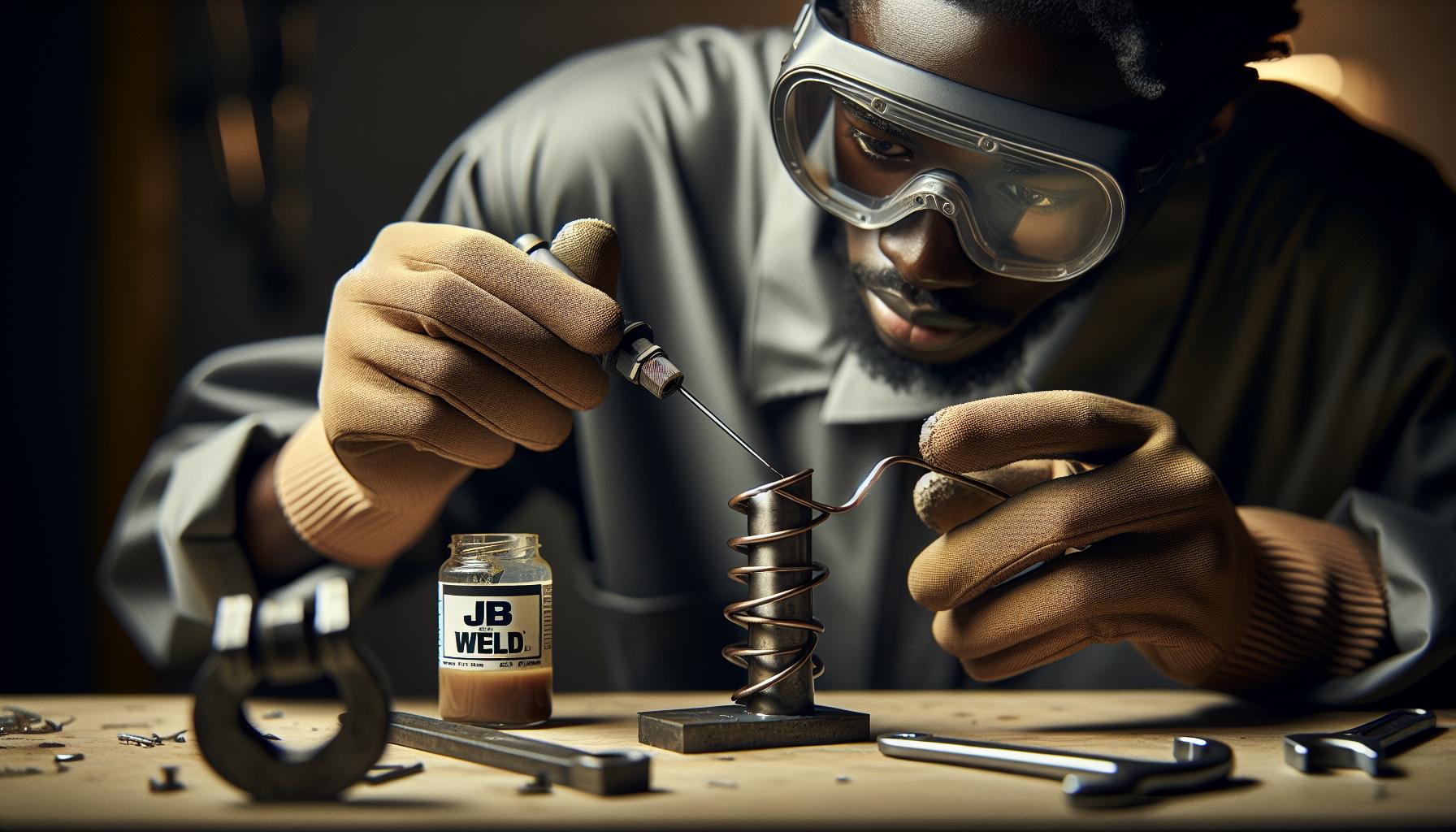
Types of Welding Techniques for Aluminum
Welding aluminum is an art and a science, requiring specialized techniques tailored to the unique properties of this lightweight metal. The predominant methods employed include MIG (Metal Inert Gas), TIG (Tungsten Inert Gas), and sometimes stick welding, each presenting distinct advantages and specific applications, particularly for DIY enthusiasts working from home.
MIG Welding is often the go-to choice for beginners and seasoned welders alike because it allows for faster welding speeds and is typically easier to learn. In the context of aluminum, MIG welding uses a spool of wire fed through a gun, which melts to form a weld. To successfully weld aluminum using MIG, it’s essential to use a spool gun or a push-pull system designed specifically for this material. This prevents the aluminum from getting stuck in the feed mechanism due to its softer nature. Additionally, the process works best with a high-frequency shielding gas, often argon or a mix of argon and helium, which helps produce clean welds with minimal spatter.
TIG Welding stands out for its precision and control, making it ideal for welding thinner sections of aluminum or when aesthetic quality is paramount. This method employs a non-consumable tungsten electrode to produce the weld while feeding a filler rod separately. TIG welding enables the operator to adjust the heat input with great accuracy, which is crucial when working with aluminum’s high thermal conductivity. The welder can control the length of the arc and the amount of filler material added, allowing for intricate welds that require high levels of skill.
Other Techniques
While MIG and TIG dominate the aluminum welding landscape, some situations might call for stick welding or flux-cored arc welding. Stick Welding is less common for aluminum but can be utilized if skilled operators are careful with the technique and choose appropriate rods. On the other hand, Flux-Cored Arc Welding is primarily used for thicker aluminum components and in outdoor environments where wind may affect shielding gas effectiveness.
Understanding these welding techniques is crucial for any DIY aluminum welding project. Each method offers safety considerations and advantages depending on the project requirements, available equipment, and your level of expertise. Selecting the right technique will not only ensure a successful weld but also enhance the overall quality and durability of the final product.
Essential Tools for DIY Aluminum Welding
When embarking on a DIY aluminum welding project, having the right tools is crucial for success and safety. Unlike welding other materials, aluminum requires specific equipment due to its properties, such as thermal conductivity and thickness variations. A well-equipped workspace not only enhances the quality of your welds but also minimizes the risk of accidents.
A strong foundation of essential tools begins with the welding machine itself. For aluminum, both MIG and TIG welders are popular choices, with each offering distinct advantages depending on your welding style and project needs. MIG welding is faster and simpler for beginners, requiring a wire feeder, which can be complemented by a spool gun for maintaining consistent feed. TIG welding, while requiring more finesse, incorporates a tungsten electrode for precise control and tenderness, ideal for thinner materials or intricate designs.
Beyond the welder, a selection of consumables will facilitate the welding process. This includes filler rods or wires specifically designed for aluminum, which are available in various diameters to match the thickness of the materials being joined. Additional utilities to consider include:
- Protective Gear: A quality welding helmet with an auto-darkening feature, leather gloves, and fire-resistant clothing are vital to protect yourself from UV exposure and high temperatures.
- Cleaning Tools: Aluminum should be cleaned before welding to remove oxides. Wire brushes and solvents will help prepare the surface by ensuring a clean bond.
- Clamps and Fixtures: Secure your workpieces with strong clamps to prevent movement during welding, ensuring a more accurate and strong weld.
- Ventilation System: Proper ventilation is essential. Invest in fume extractors or ensure your workspace is well-ventilated to avoid inhaling harmful fumes.
Having the right tools not only improves the efficiency of your aluminum welding tasks but also enhances safety. Prioritize quality over quantity-selecting versatile, durable equipment will yield the best results and keep you welding confidently for years to come. Whether you’re a hobbyist crafting small projects or aiming to create professional-grade welds, these foundational tools will set you on the right path.
Setting Up Your Home Welding Area
Creating a dedicated welding space at home can significantly elevate your aluminum welding experience, enhancing both safety and efficiency. An optimal setup minimizes distractions and hazards, enabling you to focus on perfecting your craft. The first consideration is choosing a suitable location. Ideally, this space should be well-ventilated, away from flammable materials, and spacious enough to accommodate your equipment and workpieces without crowding. A garage or workshop is preferable, but any covered outdoor area can work if equipped adequately.
Next, lighting plays a crucial role in your welding area. Good illumination reduces eye strain and helps ensure accuracy while working with materials such as aluminum that require precision. Installing bright, adjustable LED lights will illuminate your workspace effectively and can be directed as needed to eliminate shadows. Additionally, it’s essential to have adequate electrical outlets; each welding machine will have specific power requirements, so ensure your electrical system meets these needs safely.
Must-Have Workbench Features
A sturdy workbench is one of the most important components of your setup. It should be made from non-flammable materials and heavy enough to prevent movement during welding. Consider incorporating a ground clamp directly to the workbench for an improved grounding option, reducing the risk of electrical shocks. Use durable vises and clamps to hold your aluminum pieces securely while you weld, preventing any movement that could compromise your weld quality.
Safety First
Safety measures in your welding area cannot be overstated. Organize your tools and consumables in a way that minimizes clutter and allows for quick access during welding sessions. Ensure that a fire extinguisher rated for metal fires is within easy reach, and consider installing a fire blanket nearby. Furthermore, having the necessary safety gear, such as goggles, gloves, and protective clothing, should be part of your workspace layout, ideally stored within easy access.
By delineating an area specifically for welding, equipping it with proper tools, and implementing the necessary safety protocols, you create an effective environment that not only boosts your capabilities as a welder but also helps maintain a safe working atmosphere. Whether you’re a novice or a seasoned professional, these foundational principles will assist you in producing high-quality welds consistently.
Safety Gear and Precautions for Welding
Welding is a rewarding but potentially hazardous activity that requires a solid understanding of safety gear and precautions to protect oneself from the inherent risks. At the heart of every effective safety plan is the right personal protective equipment (PPE). Welders must prioritize their safety by investing in high-quality gear designed to withstand the specific hazards of welding aluminum, such as intense ultraviolet (UV) light, flying sparks, and extreme heat.
When selecting safety gear, a welder’s attire should include the following essentials:
- Welding Helmet: A properly fitted helmet with a lens shade appropriate for aluminum welding protects the face and eyes from UV radiation and bright light.
- Gloves: Heat-resistant gloves made of durable materials like leather or specially designed synthetics protect the hands from burns and provide grip.
- Protective Clothing: Flame-resistant clothing is essential. Long-sleeved shirts and pants, ideally made from cotton or wool, should cover the entire body to minimize exposure to sparks and heat.
- Safety Boots: Steel-toed boots with slip-resistant soles provide protection from heavy falling objects and electrical hazards.
- Respirators: Depending on the working environment, a respirator may be necessary to protect against harmful fumes generated during aluminum welding.
In addition to personal protective equipment, implementing safety precautions in the welding area is critical. Establishing a clean workspace free of clutter and flammable materials significantly reduces fire risks. Adequate ventilation must be ensured to dissipate harmful gases and fumes, which can be particularly prevalent when welding aluminum. Additionally, a fire extinguisher should always be accessible, rated for class D fires that may arise from metals.
Furthermore, understanding the equipment used is vital for maintaining safety. Each welding machine has specific operational guidelines, and following the manufacturer’s instructions can prevent accidents or equipment malfunctions. Regular maintenance checks ensure that gear remains in good condition and continues to provide the needed protection. By consistently evaluating both personal safety measures and the operational environment, welders can mitigate risks associated with aluminum welding, ensuring a safer and more productive experience.
Common Aluminum Welding Challenges and Solutions
Challenges can often deter even the most determined DIY enthusiasts from mastering aluminum welding, but understanding these common issues can pave the way for successful projects. One significant hurdle is the material’s tendency to warp due to the high heat generated during the welding process. This can lead to misalignments in joints and an uneven finished product. To combat this, ensure even heat distribution and use a fixture to hold pieces in place while they cool. Additionally, preheating thicker sections of aluminum before welding can minimize the stress caused by thermal expansion.
Another prevalent challenge is achieving a clean weld. Aluminum easily oxidizes, creating a layer of aluminum oxide that must be removed before welding. Any contaminants present on the surface can lead to porosity, which compromises the integrity of the weld. To prepare the aluminum correctly, use a stainless steel brush or a dedicated aluminum cleaner. Also, consider practicing on scrap pieces to fine-tune your technique before tackling the final project.
Poor penetration is often encountered when using incorrect settings or inadequate shielding gas flow, leading to weak joints. Fine-tuning your MIG or TIG welder settings is crucial; adjusting parameters such as voltage, wire feed speed, or travel speed can significantly improve penetration and bead appearance. Employing the appropriate shielding gas composition-typically a mixture of argon and helium for TIG welding-can also enhance results.
Lastly, issues with distortion and cracking during or after the welding process may arise due to rapid cooling. If possible, implement a controlled cooling process where you allow the metal to cool naturally instead of dousing it with water, which can introduce stress fractures. Regularly inspecting your work and being prepared to rework seams where necessary can also help address these issues proactively.
By recognizing these challenges and employing practical solutions, DIY welders can achieve cleaner, more reliable outcomes in their aluminum welding endeavors.
Preparing Aluminum for Welding Success
Before diving into the process of welding aluminum, an essential step that can make or break your project is the preparation of the material. Proper preparation not only sets the foundation for a strong weld but also enhances the overall quality and aesthetics of the final product. Aluminum surfaces are notorious for developing an oxide layer, which can interfere with the welding process. Therefore, ensuring that your aluminum is clean and free from contaminants is crucial for achieving successful welds.
To start, utilize a dedicated aluminum cleaner or a stainless steel brush to thoroughly clean the aluminum pieces. Avoid using steel brushes as they can contaminate the aluminum with iron particles, which weaken the weld. Once cleaned, inspect the surface for any grease or oil; if necessary, wipe it down with a solvent like acetone to eliminate any remaining contaminants. This step is particularly important as even minor impurities can lead to porosity in the weld bead, compromising its strength.
Pre-Welding Techniques
In addition to cleaning, consider implementing a few pre-welding techniques that can significantly enhance welding success:
- Deburring Edges: Sharp edges can create stress points in welds. Use a file or grinder to smooth out the edges of the aluminum before welding.
- Fit-Up: Ensure that the pieces you plan to weld fit together well. Gaps can lead to poor penetration, which adversely affects joint strength. Use clamps or fixtures to secure the pieces in place during the welding process.
- Preheating: For thicker sections of aluminum, a controlled preheating to around 200°F can help manage thermal stresses and reduce the incidence of cracking during the welding process.
Welding Techniques
The choice between different welding techniques, such as MIG, TIG, or even stick welding, greatly affects the preparation approach. For instance, when using TIG welding, ensuring that the filler rod is also cleaned will prevent contaminating the weld pool. Moreover, with MIG welding, you’ll want to select an appropriate shielding gas-typically a mixture of argon and helium-for optimal results.
In summary, preparing aluminum for welding involves thorough cleaning, ensuring proper fit-up, and sometimes preheating the material. By dedicating time to these preparatory steps, welders-whether novices or seasoned professionals-can significantly enhance their chances of achieving strong, clean welds that withstand the test of time. By equipping yourself with knowledge and taking the effort to prepare aluminum properly, you’ll find greater satisfaction in your welding projects.
Welding Techniques: MIG, TIG, and More
When it comes to welding aluminum, choosing the right technique can make all the difference in achieving a high-quality weld. Each method offers unique advantages, making it essential to understand their characteristics and how they specifically apply to aluminum. Among the most common techniques are MIG (Metal Inert Gas) welding and TIG (Tungsten Inert Gas) welding, each suitable for different applications and skill levels.
MIG welding is often favored for its speed and ease of use, especially for beginners. It utilizes a continuously fed wire electrode that melts to form a weld pool, significantly reducing the amount of cleanup needed. When welding aluminum, it’s crucial to use a spool gun or a push-pull system to prevent the soft aluminum wire from tangling and jamming. The typical shielding gas mix for aluminum is a blend of argon and helium, which provides excellent overall arc stability and weld quality. Projects that require a faster throughput and where appearance is less critical often benefit from MIG welding.
On the other hand, TIG welding is ideal for achieving impeccable weld aesthetics and precision, making it the go-to choice for thin aluminum sections where control is paramount. In TIG welding, a non-consumable tungsten electrode creates the arc, while a separate filler rod is added manually. This technique allows for better control of the heat input, which is essential when welding materials like aluminum that can warp easily. Additionally, being more labor-intensive, it requires a higher skill level, but it offers superior results in terms of cleanliness and strength. Proper preparation of the aluminum surface is crucial before starting a TIG weld, as any oxide or contaminant can compromise the integrity of the weld.
For those looking to explore other welding processes, stick welding and flux-cored arc welding (FCAW) are worth mentioning. Stick welding is generally not recommended for aluminum due to the challenges in controlling heat and the risk of contamination. Flux-cored welding, while more common in steel applications, can also be used for aluminum if the right filler material is chosen. However, it’s less frequently employed in aluminum welding due to its potential for creating weld imperfections.
In the toolbox of techniques available for aluminum welding, the selection between MIG, TIG, or any alternative techniques should align with the project’s specific requirements, the welder’s experience level, and the desired finish quality. Understanding these nuances not only facilitates successful welding but also builds confidence in handling various projects, ultimately enhancing the DIY experience.
Troubleshooting Common Welding Problems
Welding aluminum can be both rewarding and challenging, particularly for those attempting it at home. Understanding common problems that may arise during the process is essential for achieving a successful weld. Whether you’re using MIG or TIG techniques, various issues can affect the quality of your work. By recognizing these potential problems early on, you can take proactive steps to address them.
One frequent issue faced by both novice and experienced welders is inconsistent arc stability. This can lead to poor penetration and weak welds. To mitigate this, ensure that your machine settings are appropriate for aluminum, adjusting the voltage and wire feed speed as necessary. Make sure you’re using the correct shielding gas-typically a mixture of argon and helium for aluminum welding-as improper shielding can result in contamination of the weld metal, creating holes or porosity.
Another common challenge is burn-through, particularly when working with thinner aluminum sections. To combat this, it’s crucial to maintain proper heat control. Using the right approach-such as TIG welding for thinner materials-will help you focus the heat where it is needed without excessively melting the base metal. Additionally, employing a slower travel speed and using a backing bar can help absorb excess heat, minimizing the risk of burn-through.
Weld discontinuities, such as undercutting, can also impact structural integrity. This often results from too high an amperage or improper travel speed. To resolve this, ensure that your welding technique involves a steady, consistent motion. Additionally, consider adjusting the angle of your torch or wand to ensure that the weld pool flows smoothly along the joint.
Lastly, it’s essential to address oxidation on the aluminum surfaces before beginning work. Aluminum develops a thin layer of oxide that can impede the formation of a strong weld. Cleaning the metal with a suitable solvent or using a mechanical method, such as brushing, can ensure that you’re starting with a clean surface. This preparation can prevent issues related to weak fusion and will greatly enhance the quality and strength of your welds.
By being aware of these common challenges and adopting appropriate solutions, you can significantly improve your aluminum welding projects. Adjusting settings, refining techniques, and ensuring proper preparation can make all the difference in achieving high-quality, durable welds that you can be proud of.
Post-Welding Finishing Techniques
After successfully welding aluminum, the importance of cannot be overstated. These processes can significantly enhance both the aesthetic appeal and functional integrity of your welded projects. Whether you are a beginner or an experienced welder, understanding how to properly finish your welds is essential for achieving high-quality results.
One crucial step in post-welding is cleaning the weld area. Aluminum tends to attract grime, oil, and other contaminants, which can lead to corrosion over time. Start by using a wire brush or grinder to remove any slag or spatter from the weld bead. Following this, a solvent such as acetone or a specialized metal cleaner can help eliminate any remaining oils or residues. It’s advisable to work in a well-ventilated space when using solvents to avoid inhaling harmful fumes.
Surface Treatment Options
Depending on the desired finish, several surface treatments can be employed to enhance the final appearance of your welds:
– Grinding: This is useful for smoothing out rough edges and blending the weld bead with the base metal. Be cautious not to grind too aggressively, as this can weaken the joint.
– Sanding: Using fine-grit sandpaper can create a uniform surface finish. This method is particularly effective for cosmetic projects where appearance is paramount.
– Brushing: A stainless steel brush can be utilized for a polished aluminum look. This method not only adds shine but also helps remove any resultant oxidation.
Protective Coatings
A protective coating is vital for preventing aluminum from corroding. Consider applying a layer of paint, powder coating, or even a sealant specifically designed for metals. These coatings act as barriers against moisture and other environmental contaminants. When applying, ensure that the surface is thoroughly cleaned and dry to achieve optimal adhesion.
Heat Treatment
For specific applications, such as structural assemblies, heat treatment may be required post-welding to restore some of the aluminum’s inherent strength that can be adversely affected by the welding process. This involves heating the welded assembly to a specific temperature followed by a controlled cooling process. It’s essential to follow the correct parameters for the aluminum alloy you are working with, as improper heat treatment can lead to weakened joints.
Incorporating these not only improves the lifespan of your aluminum projects but also elevates their overall aesthetic quality. Mastering these processes allows you to produce professional-grade work right from your home workshop, catering to both form and function in your welded creations.
Maintaining Your Equipment for Longevity
Maintaining your welding equipment is crucial for ensuring optimal performance and longevity, especially when working with materials like aluminum, which demands precision and reliability. A well-maintained welding machine not only increases your efficiency but also significantly reduces the risk of common welding issues, ultimately saving you time and money in the long run.
To start, regularly clean your welding equipment after each use. Residue from welding can accumulate over time, affecting functionality. For MIG and TIG welders, keep the nozzle and contact tip free from spatter; this ensures a smooth and consistent arc. Use brushes or scrapers specifically designed for such tasks. For the power source, gently wipe down the exterior with a damp cloth to remove dirt and grime-this helps prevent overheating of the electrical components.
Routine Inspections
Conduct routine inspections of your equipment to catch potential issues before they escalate. Check the hoses for any signs of wear or damage-replace them if you notice cracks, leaks, or fraying. Inspect the ground clamp and cable connections as well; secure any loose fittings to maintain effective grounding and minimize arc fluctuations. Keeping an eye on consumable parts such as nozzles, tips, and shielding gas cylinders is equally important. Regularly reviewing these components can prevent unexpected downtime.
Proper Storage
A common mistake many welders make is inadequate storage of their equipment. Store your machines and tools in a dry, temperature-controlled environment to avoid rust and corrosion. Consider using protective covers or cases for your welding helmet, torches, and other sensitive equipment. If you work with multiple welding techniques, such as stick or flux-cored welding, keep a dedicated storage area for consumables related to those methods to prevent mix-ups and ensure you always have the right supplies on hand.
By implementing these maintenance practices, your welding equipment will serve you well, enabling you to tackle your aluminum projects with confidence and precision. Not only does proper care enhance the life of your tools, but it also contributes to creating high-quality welds that reflect your skills and dedication to the craft.
Exploring Aluminum Welding Applications and Projects
Aluminum welding opens a world of creative potential, allowing hobbyists and professionals alike to explore a variety of projects that capitalize on the material’s lightweight, durability, and corrosion resistance. From simple home repairs to intricate art pieces, understanding the applications of aluminum welding can significantly enhance your skills and expand your project repertoire.
Many everyday applications utilize aluminum welding, such as crafting custom bicycle frames, building lightweight trailers, and fabricating components for automotive and aerospace industries. Whether you’re looking to restore an old vehicle, create a unique piece of furniture, or even start a small fabrication business, aluminum’s adaptability makes it an ideal choice. For instance, consider fabricating a boat using welded aluminum, which is not only strong and lightweight but also offers excellent resistance to the marine environment.
When embarking on a DIY project, it’s essential to understand the specific requirements of aluminum welding, as different techniques yield different results. MIG welding is often the go-to method for beginners due to its ease and speed, making it perfect for larger, straightforward projects. Conversely, TIG welding offers greater precision and is best suited for intricate work or components requiring a strong aesthetic finish, such as artistic sculptures.
Common Aluminum Welding Projects
- Custom bicycle frames: Lightweight and designed for performance.
- Boat fabrication: Durable and corrosion-resistant structures.
- Art installations: Unique pieces that showcase creativity using aluminum’s flexibility.
- Repairing automotive parts: Strong joins that enhance vehicle lifespan.
Exploring these applications not only builds your practical experience but also allows you to engage in a community of makers and fabricators who share insights and innovations. Each project serves as a learning opportunity, enabling you to hone your welding techniques and develop your own style in the realm of aluminum welding. As you gain confidence, consider tackling more complex projects to fully leverage the unique qualities of aluminum.
Cost-Effective Aluminum Welding Material Options
When considering the financial aspects of aluminum welding, selecting cost-effective materials can significantly impact your budget without compromising quality. Aluminum is already a lightweight and durable option, but there are various ways to save money when purchasing welding materials or components. Proper planning, sourcing, and using alternative strategies can lead to substantial savings on your projects.
One effective method for reducing costs is purchasing recycled aluminum. Many suppliers offer recycled options that maintain the strength and functionality of new aluminum but at a fraction of the cost. Additionally, sourcing local vendors can cut down on shipping fees and sometimes provide better prices. Keep an eye on community marketplaces or classified ads where individuals often sell scrap metal, which can be repurposed for welding projects. It’s not uncommon to find aluminum sheets, extrusions, or sections at reduced rates from local fabricators or workshops looking to offload excess materials.
Another aspect worth considering is the type of welding consumables used. For MIG welding, using 4047 or 4045 filler rods can be a budget-friendly option compared to more specialized rods, particularly for general-purpose welding. Similarly, TIG welders can opt for ER4047 filler material, which allows for effective welding of aluminum alloys while maintaining a lower cost profile. Be sure to weigh the benefits of these less expensive materials against the specific demands of your project to ensure that they meet your performance criteria.
Finally, always remember that maintenance and care of your welding equipment are crucial for keeping long-term costs down. Regularly servicing your welding machines and ensuring you use them according to manufacturer guidelines can prevent costly repairs and extend their lifespan. This includes cleaning the torch tips, checking gas flow rates, and replacing worn consumables promptly. Together, these practices not only ensure high-quality welds but also save you money in the long run by maximizing the efficiency and durability of your tools.
By being strategic in sourcing materials and choosing the right consumables, you can enjoy a successful welding experience without overshooting your budget.
Q&A
Q: What is the best way to clean aluminum before welding?
A: The best way to clean aluminum before welding is to use a combination of mechanical and chemical methods. Start with a wire brush or grinder to remove any oxidation, grease, or dirt. Then, wipe the surface with a solvent like acetone to ensure it’s free from contaminants. Proper cleaning enhances weld quality.
Q: Why is aluminum difficult to weld at home?
A: Aluminum is difficult to weld at home due to its high thermal conductivity and susceptibility to warping. Additionally, its oxide layer can interfere with the welding process. Proper preparation, including preheating and using the right equipment, is essential for successful welding.
Q: How can I prevent warping when welding aluminum?
A: To prevent warping when welding aluminum, use a lower heat setting, weld at a faster speed, and maintain a consistent travel speed. Preheating the aluminum can also help reduce thermal stress. Consider tacking the pieces down to hold them in place during welding.
Q: What safety precautions should I take when welding aluminum?
A: Essential safety precautions when welding aluminum include wearing gloves, a welding helmet, and protective clothing to shield against sparks and UV radiation. Ensure proper ventilation to avoid inhaling fumes, and have a fire extinguisher nearby to handle any potential hazards.
Q: Can I use a MIG welder for aluminum welding at home?
A: Yes, a MIG welder is suitable for aluminum welding at home, especially with the right spool gun. Ensure that you have the appropriate filler wire and settings for aluminum. Use a shielding gas like argon to protect weld integrity.
Q: How thick aluminum can I weld at home using a DIY setup?
A: With a typical DIY welding setup, you can safely weld aluminum sheets up to 1/8 inch thick. For thicker materials, you may need specialized equipment or techniques like TIG welding for better penetration and control.
Q: What are common mistakes beginners make when welding aluminum?
A: Common mistakes include inadequate cleaning of aluminum surfaces, incorrect heat settings, and using the wrong filler material. Beginners often overlook the importance of maintaining a consistent travel speed, which can lead to poor welds.
Q: How do I choose the right filler wire for aluminum welding?
A: To choose the right filler wire for aluminum welding, consider the base metal’s alloy and thickness. Common filler wires include ER4047 for welding pure aluminum and ER5356 for higher-strength applications. Matching the filler wire with the base material’s properties ensures better joint strength.
Final Thoughts
Congratulations on taking the first steps toward mastering the art of welding aluminum at home! With the right setup, safety protocols, and techniques like MIG or TIG welding, you can transform materials into durable creations. Remember, practicing your skills is just as vital as understanding the theory-so don’t hesitate to get started on your first project today!
For further guidance, be sure to explore our detailed articles on welding safety precautions and equipment reviews to ensure you’re fully equipped for success. If you have questions or want to share your projects, we encourage you to join the discussion in the comments below. And don’t forget to sign up for our newsletter for the latest tips and resources on welding techniques and DIY projects. Your journey into the world of welding is just beginning-keep it going!


