

Welding stainless steel is a valuable skill that can open doors to numerous projects in various industries. Its unique properties, including resistance to corrosion and high temperatures, make stainless steel a popular choice for constructing durable structures and components. However, many welders-both novices and seasoned professionals-often question whether stainless steel can be efficiently welded and what techniques yield the best results.
The good news is that, with the right approaches and understanding of material behavior, anyone can master the art of welding stainless steel. In this guide, we’ll delve into five essential steps that will empower you to tackle stainless steel welding with confidence. Whether you’re looking to enhance your skills for personal projects or professional endeavors, mastering the welding of stainless steel is a crucial step that can significantly elevate your capabilities. Keep reading to uncover these valuable insights.
Understanding Stainless Steel Welding Basics

Understanding the intricacies of stainless steel welding can significantly enhance the quality and durability of your projects. Stainless steel, known for its corrosion resistance and aesthetic appeal, requires specific techniques and considerations to ensure strong, lasting welds. The primary factor contributing to the welding complexity of stainless steel is its chromium content, which forms a passive layer that can be adversely affected by heat and contamination. Hence, understanding the basics of welding this versatile material is crucial for anyone looking to master the craft.
One of the fundamental principles in stainless steel welding is managing heat input. Unlike carbon steel, stainless steel is more sensitive to thermal expansion and contraction, making it vital to control the welding temperature to avoid distortion and warping. The most commonly used welding methods for stainless steel include Gas Tungsten Arc Welding (TIG), Gas Metal Arc Welding (MIG), and Shielded Metal Arc Welding (SMAW). Each technique has its pros and cons; TIG welding is favored for its precision and control, especially in thin materials, while MIG is often preferred for tasks requiring speed and efficiency.
Furthermore, proper joint preparation is critical to achieve optimal results. This involves cleaning the surfaces to remove any oxides, oils, or debris that could compromise the weld integrity. Using a wire brush or chemical cleaning agent can prepare the surface effectively. Another important aspect is the selection of filler material; for stainless steel, using a filler with a compatible composition is vital for maintaining corrosion resistance and mechanical properties post-weld. Always consider the specific grade of the stainless steel when selecting both the filler and the welding process, as different alloys can require tailored approaches to welding.
Incorporating these basics into your welding practice will not only boost your confidence but also improve your craftsmanship. As you progress, you will discover the nuances that differentiate a mediocre weld from an exceptional one, all rooted in your understanding of stainless steel’s properties and behaviors.
Types of Welding Techniques for Stainless Steel

Understanding the various welding techniques applicable to stainless steel is paramount for achieving strong, durable joints while maintaining the material’s intrinsic properties. Each technique has unique advantages and suits different applications, thereby enhancing the versatility of stainless steel in a variety of projects.
Gas Tungsten Arc Welding (TIG) is renowned for its precision, making it an excellent choice for thin stainless steel sections. This process utilizes a non-consumable tungsten electrode and a shielding gas, usually argon, to protect the weld pool from contamination. The welder can control the heat input meticulously, which is essential for stainless steel due to its sensitivity to thermal impact. TIG welding provides high-quality, aesthetically pleasing welds that are often required for visible components in structural applications.
Gas Metal Arc Welding (MIG) offers speed and versatility, making it suited for projects that require quicker fabrication processes. Using a continuous wire feed as an electrode, MIG welding allows for faster deposition rates compared to TIG. While it’s suitable for thicker sections of stainless steel, careful attention must be given to parameters such as voltage, wire speed, and the composition of the shielding gas to ensure proper penetration and reduce the risk of porosity.
Shielded Metal Arc Welding (SMAW), commonly known as stick welding, is another preferred method for stainless steel. This technique uses a coated electrode, where the coating generates a shielding gas when heated, protecting the weld from contamination. SMAW is advantageous in outdoor settings where wind can disrupt shielding gases. It requires less initial investment in equipment compared to TIG and MIG, making it accessible for many welders. However, this method can be less efficient for achieving clean welds and may require higher skill levels to manage slag and inclusions.
Lastly, Flux-Cored Arc Welding (FCAW) combines elements of shielded metal arc and gas metal arc welding. It uses a tubular wire filled with flux to produce a shielding gas upon heating. FCAW is particularly effective for working in less-than-ideal conditions and can be used with or without shielding gas, enhancing its adaptability. This method allows for deeper weld penetration and can be effective for thicker stainless steel components.
In summary, choosing the right stainless steel welding technique involves considering the project’s specific requirements, the material thickness, and the working environment. Each method offers distinct advantages that can align with both beginner and experienced welders’ skill sets, enabling successful and high-quality results. By mastering these techniques, you can expand your capabilities and deliver projects that meet stringent standards in strength and aesthetics.
Essential Tools and Equipment for Welding Stainless Steel
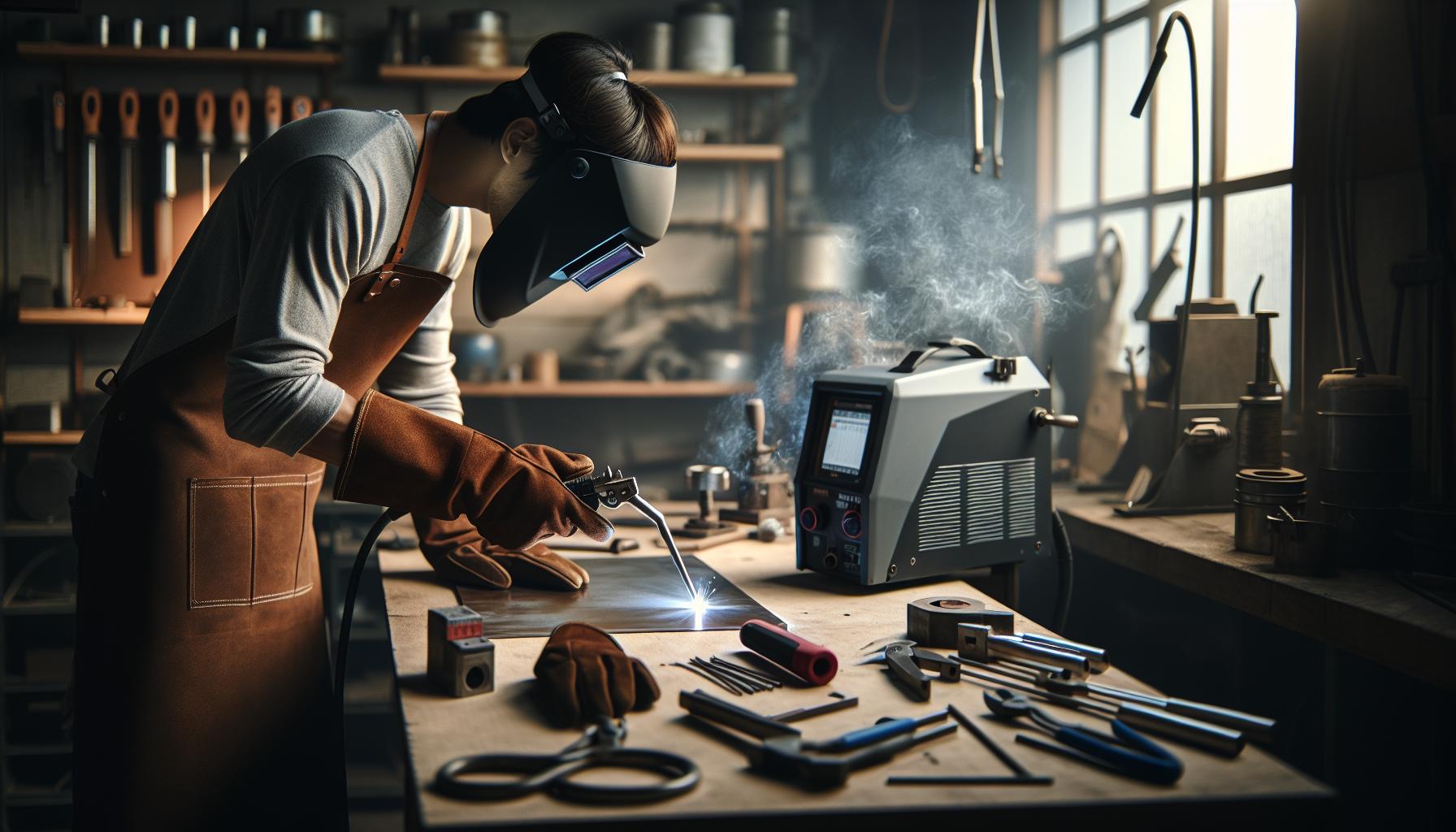
Effective stainless steel welding hinges on the proper selection and use of essential tools and equipment. High-quality equipment not only enhances the efficiency of the welding process but also supports the durability and integrity of the welded joints. Understanding the essential tools enables both novices and experienced welders to optimize their practices and achieve successful outcomes.
A reliable welding machine is at the core of any welding setup. For stainless steel, choosing between MIG (Metal Inert Gas), TIG (Tungsten Inert Gas), or Stick welding will depend on the specific project requirements. Each type of welding machine offers unique benefits: MIG is favored for its speed and ease of use on thicker materials, while TIG excels in precision for thinner gauges and provides aesthetically superior welds. For versatile tasks, a multi-process welder can handle different welding techniques seamlessly.
In addition to the welding machine, several accessories are crucial for effective welding:
- Electrodes and filler rods: Selecting the correct type and diameter is vital, especially for different grades of stainless steel. Filler rods should be compatible with the base materials to ensure a solid bond.
- Protective gear: Safety should never be compromised. A good welding helmet with appropriate shading, gloves, and flame-resistant clothing protect the welder from sparks, heat, and harmful UV rays.
- Clamps and fixtures: These tools help secure the workpieces in place, allowing for accurate and safe joins.
- Grinding and cleaning tools: These are vital for preparing the metal surfaces to remove impurities that could affect the weld quality. A grinder or wire brush can help achieve a clean, oxide-free surface.
To further enhance the welding process, investing in shielding gas cylinders and flow meters appropriate for the chosen welding technique is advisable. Gas mixtures, such as argon or helium for TIG welding, can significantly affect the quality of the weld.
Comprehensively equipping yourself with these tools not only streamlines the welding process but also increases the likelihood of achieving high-quality welds that are strong and visually appealing. By ensuring the right tools are at hand, welders can focus on honing their skills, tackling various projects more effectively, and ultimately mastering the art of stainless steel welding.
Preparing Stainless Steel for a Successful Weld
Preparing stainless steel for a weld is a critical step that can significantly impact the quality and integrity of the finished joint. One of the most important aspects to consider is the cleanliness of the surfaces being joined. Stainless steel is known for its oxide layer, which helps provide corrosion resistance but can also hinder welding. Therefore, it’s essential to remove any contaminants, including oil, grease, paint, and rust, from the surface before beginning the welding process. A properly cleaned surface leads to better fusion and minimizes the risk of defects like porosity or weak joints.
To achieve a successful weld, employ several methods to prepare the stainless steel. Start with mechanical cleaning techniques, such as grinding or brushing, which can effectively remove oxidized layers and debris. Using a stainless steel wire brush is ideal, as it avoids introducing iron contaminants that can cause rust. Chemical cleaning solutions can also be used, particularly those designed specifically for stainless steel. These not only clean the surface but can help restore the material’s passivation layer, enhancing its corrosion resistance after welding.
Proper fit-up is equally crucial when preparing stainless steel for welding. Ensure that all parts fit snugly together without gaps. Misalignment can lead to uneven melting and poor weld quality. Using clamps and fixtures during this stage can help maintain the right positioning of the materials. Preheating the stainless steel can also be beneficial, especially with thicker materials, as it reduces thermal stress and improves the overall weld penetration.
Lastly, consider the welding technique you plan to use, as this can influence how you prepare the stainless steel. For example, when utilizing MIG welding, ensuring the edges are beveled can enhance the weld pool’s access and make for a stronger joint. By carefully preparing the stainless steel, you set the stage for achieving high-quality welds that meet both aesthetic and structural standards.
Common Challenges and Solutions in Welding Stainless Steel
Welding stainless steel presents several challenges that can impact the quality and integrity of the finished product. One of the most common issues encountered is the occurrence of warpage. Stainless steel has a relatively high expansion and contraction rate due to its lower thermal conductivity compared to other metals. This can lead to distortion during the welding process, especially when working with thin sheets. To mitigate this, it is advisable to use proper clamping techniques and to consider a stitch welding approach, wherein the weld is applied in short segments rather than continuous beads. This helps control the heat input and minimizes warpage.
Another challenge is sensitivity to contamination, which can affect the corrosion resistance of stainless steel. Welding in environments where contamination from carbon steel or other metals is possible can introduce impurities that weaken the weld. To combat this, ensure that tools and surfaces are clean and free from oils, grease, and foreign materials before commencing welding. It may also be practical to use dedicated tools made of stainless steel to prevent cross-contamination.
The issue of cracking can arise, particularly when welding certain grades of stainless steel that have a high carbon content. This cracking often occurs due to rapid cooling and solidification of the weld, leading to brittle structures. To address this, preheating the base material can reduce thermal gradients and improve the overall weldability. Additionally, understanding and selecting the right filler material compatible with the base metal will further enhance the joint’s performance and longevity.
Finally, porosity, characterized by small gas pockets within the weld, is another prevalent issue in stainless steel welding. This can result from improper shielding gas coverage or contaminants on the surface of the metal. Employing the correct shielding gas-typically argon for TIG welding or a mix for MIG welding-and ensuring a clean welding environment are essential steps to prevent this problem. Regular inspection of the welds for porosity using non-destructive testing methods can also ensure high-quality results.
By being aware of these common challenges and adopting proactive solutions, welders can significantly improve the success rate of their stainless steel welding projects, ensuring durable and reliable joints.
Post-Welding Treatments and Finishing Techniques
Achieving a high-quality weld is just the beginning of the stainless steel fabrication process. are crucial to ensure the integrity, appearance, and longevity of the weld. These processes can significantly enhance the visual and structural properties of the welded joint, addressing any imperfections that may have arisen during welding. Whether you are working on a small project or a large industrial application, understanding these techniques will contribute to superior outcomes.
One of the initial steps in post-welding treatment is cleaning the welded area. This step is vital for removing contaminants such as residue, oils, and other impurities that can affect the quality of the weld. A variety of cleaning methods can be employed, including mechanical cleaning with brushes, or chemical cleaning solutions specifically designed for stainless steel. It’s essential to choose a method that does not introduce further contaminants or damage the surface.
Following cleaning, passivation is a critical treatment for stainless steel. Passivation involves treating the surface of the steel with an acid solution to remove free iron and contaminants, restoring the protective chromium oxide layer that enhances the metal’s corrosion resistance. This process not only improves the durability of the weld but also enhances its appearance, making it more aesthetically pleasing. Typically, nitric or citric acid is used for passivation, and it is crucial to thoroughly rinse and neutralize the surface afterward to avoid any adverse reactions.
To address the finishing aspect, techniques such as grinding and buffing can be employed to refine the weld’s appearance. Grinding helps to smooth out any rough edges or uneven welds, while buffing enhances the shine and overall look of the project. These techniques can be particularly important in applications where aesthetics are critical, such as in architectural elements or consumer products.
Finally, a protective coating can be applied to enhance corrosion resistance further, especially in environments exposed to harsh conditions. Coatings can include lubricants or specific sealants designed for stainless steel, ensuring the longevity and maintenance of the welded structure.
By implementing these , welders can overcome initial imperfections and significantly enhance the overall quality and durability of stainless steel projects, ensuring they stand the test of time.
Safety Best Practices for Welding Stainless Steel
Welding stainless steel presents unique challenges, not only because of the material’s properties but also due to the hazards associated with the welding process itself. One critical aspect that every welder must prioritize is safety. Unregulated exposure to welding fumes, ultraviolet light, and the physical demands of welding can lead to serious health risks if adequate precautions are not taken. Therefore, understanding and implementing safety best practices is essential for both novice and experienced welders aiming to create quality welds while protecting themselves and those around them.
To ensure a safe working environment, begin with proper personal protective equipment (PPE). A full-face shield or helmet with appropriate filtration is vital for protecting against harmful ultraviolet and infrared rays. Gloves made from welding leather or other heat-resistant materials safeguard against burns and abrasion. Additionally, long-sleeved shirts, welding aprons, and flame-resistant clothing can provide much-needed protection from sparks and hot materials. Just as critical is adequate respiratory protection; depending on the welding process and materials used (such as when working with galvanized steel), wearing a properly fitted respirator can help prevent exposure to harmful fumes and particulates.
Furthermore, maintain a clean and organized workspace. This minimizes the risk of slips, trips, and falls while also making it easier to manage and respond to any emergencies that may arise during the welding process. Before starting, ensure that all equipment is functioning properly, and check that hoses or cables are free from damage. Additionally, keep a fire extinguisher in close proximity, as sparks can easily ignite flammable materials nearby, and ensure that fire safety protocols are clearly communicated to everyone present.
Finally, understanding the hazards specific to the type of stainless steel being welded is crucial. Different grades may release diverse fumes that can affect health and require different safety considerations. For example, welding 304 stainless steel may be common, but a weld composed of 316 stainless could emit different levels of nickel fumes, which can pose additional health risks. Regular training and refreshing safety protocols will help ensure all welders are aware of the specific risks related to the materials they work with, and encourage adherence to best practices in safety and health.
By prioritizing these safety measures, welders can significantly reduce the risk of accidents or health issues, allowing for a more focused and effective welding experience. Whether working in a small shop or a large industrial environment, adherence to safety best practices not only protects individual welders but also fosters a culture of safety that benefits all.
Advanced Techniques for Professional Welders
Welding stainless steel at an advanced level requires a mastery of various techniques and an understanding of the material’s unique properties. Professionals often leverage methods such as Tungsten Inert Gas (TIG) and Metal Inert Gas (MIG) welding due to their precision and efficiency when working with stainless steel. Understanding the right parameters for each technique not only enhances the quality of the weld but also ensures structural integrity for the components being joined.
TIG Welding: Precision and Control
TIG welding is favored for its precision, particularly in applications that require high-quality, clean welds. This process uses a non-consumable tungsten electrode, allowing for a greater control over the weld pool. When welding stainless steel, using a pure argon gas as a shielding gas helps minimize contamination and oxidation, which are critical for maintaining the corrosion resistance that stainless steel is known for. To master TIG welding, one must pay close attention to:
- Travel Speed: Keep a consistent speed to avoid burn-through while ensuring proper fusion.
- Angle of the Electrode: A slight angle brings better control of the filler material and results in a sharper bead.
- Heat Settings: Adjust amperage based on the thickness of the metal; thinner sections require lower settings.
MIG Welding: Speed and Efficiency
For larger projects, MIG welding provides speed and efficiency. This technique uses a continuously fed wire electrode, which also serves as the filler material. Although it is less precise than TIG welding, MIG is effective for thicker stainless steel sections when time efficiency is critical. Important considerations when MIG welding stainless steel include:
- Shielding Gas: A mix of argon and carbon dioxide is commonly used to enhance the cooling properties and minimize spatter.
- Wire Type: Using ER308L wire is standard for stainless steel, as it offers excellent corrosion resistance and strength.
- Voltage and Wire Feed Speed: Fine-tune these settings according to the thickness of the material to achieve a smooth, consistent bead.
Combining Techniques and Advanced Practices
Advanced welders often combine techniques, such as using TIG for root passes in pipe welding and transitioning to MIG for faster fill passes. This approach utilizes the benefits of both methods, allowing for a strong foundation that is then built upon with more rapid welding. Additionally, controlling heat input is essential; utilizing techniques like pulse welding can manage heat levels effectively, reducing warping and distortion in the stainless steel components.
Emphasizing meticulous preparation, such as cleaning the base metal thoroughly and choosing the appropriate filler material, can drastically improve the outcome of stainless steel welds. Adopting a continuous learning approach by attending workshops or following industry trends can also provide insights into emerging methods and technologies that further enhance welding capabilities, enabling welders to tackle complex stainless steel projects with confidence.
Troubleshooting Common Welding Issues
Welding stainless steel presents a unique set of challenges that can test the skills of the most seasoned professionals. Common issues such as porosity, lack of fusion, and warping can occur if not properly addressed. Understanding these problems and their solutions is critical for achieving high-quality welds.
To tackle porosity, which manifests as small holes or voids in the weld, inspect your materials for contaminants such as oil, grease, or rust. Cleaning the surfaces thoroughly before welding, using a solvent or degreaser, should dramatically reduce the likelihood of this issue. Additionally, check your shielding gas type and flow rate; using argon or a suitable mixture, and ensuring proper flow can help protect the weld pool from atmospheric contamination.
Another frequent problem is lack of fusion, where the weld metal fails to properly bond with the base materials. This often results from insufficient heat. To correct this, verify your welding parameters, including voltage and travel speed, ensuring they are set adequately for the thickness of the materials being welded. It may also help to slow down your travel speed and increase the heat input, thus allowing the weld pool to penetrate deeply into the material.
Warping, caused by uneven heating, is another challenge typically seen in larger stainless steel pieces. To mitigate warping, employ techniques such as tacking, where short welds are made at various points to hold the metals in place before completing the full weld. Additionally, alternating the starting points of successive welds can help maintain a balance in heat distribution, reducing the risk of distortion.
Maintaining a well-organized workflow and continuously checking your equipment-for instance, ensuring the correct feed speed for MIG welding or proper tungsten preparation for TIG welding-can significantly decrease these common issues. Emphasizing preparation, cleanliness, and the right settings not only enhances the quality of the weld but also contributes to a more efficient welding process overall.
Comparing Stainless Steel Grades for Welding Applications
When it comes to welding stainless steel, understanding the various grades available is essential for achieving optimal results. Each stainless steel grade has unique properties that make it suitable for specific applications, affecting weldability, corrosion resistance, and overall performance. Choosing the right grade can significantly influence your project’s success, enhancing durability and functionality.
The most commonly used stainless steel grades for welding include 304, 316, and 410. Grade 304 is an austenitic stainless steel known for its excellent corrosion resistance and formability, making it ideal for general-purpose welding applications. It’s versatile and commonly used in food processing, kitchen equipment, and architectural applications. Grade 316, also an austenitic grade, contains molybdenum, which enhances its resistance to pitting and crevice corrosion in chloride environments. This makes it a superior choice for marine applications and environments with high exposure to chemicals.
On the other hand, Grade 410 is a martensitic stainless steel, characterized by its high strength and wear resistance, which is better suited for applications requiring hard tooling and wear resistance, such as knife blades and industrial knives. However, its weldability is more challenging compared to the austenitic grades. Preheat and post-weld heat treatment are often recommended to avoid cracking.
Welding Considerations for Different Grades
Understanding how to properly weld these stainless steel grades can drastically improve the quality of your finished product:
- 304 and 316: These can typically be welded without preheating. Using TIG or MIG welding techniques with the appropriate filler material can produce strong, homogeneous welds.
- 410: Requires careful attention to preheating to minimize stress and prevent cracking. Stick welding is often used for this grade, and a filler material suited for martensitic stainless steel is essential.
Welders should also factor in the anticipated service environment when choosing a stainless steel grade. For instance, if welding will occur in a high-chloride environment, opting for Grade 316 will justify the increased material costs due to its enhanced corrosion resistance.
Finally, keep in mind that achieving optimal results in welding stainless steel not only depends on selecting the right grade but also on proper technique. Matching the filler material to the base metal’s composition will help maintain the mechanical integrity of the weld. Always consult welding guides and technical specifications for specific grades to enhance your welding success.
Understanding the distinctions and applications of various stainless steel grades empowers welders to make informed decisions, ensuring quality workmanship and longevity in their projects.
Welding Stainless Steel: Tips from the Experts
Mastering the art of welding stainless steel extends far beyond the mere application of heat. Experienced welders recognize that nuanced techniques, alongside a strong understanding of materials and processes, are paramount for achieving robust and aesthetically pleasing welds. To elevate your welding game, consider implementing the following expert tips, which address both fundamental practices and advanced strategies.
Firstly, choosing the right filler material is crucial. MIG welding often employs a standard ER308L stainless steel filler for grades like 304 and 316, due to its excellent corrosion resistance. For TIG welding, opt for ER308L or ER316L depending on your base metals. If you’re working with Grade 410, a martensitic stainless steel, select a filler specifically designed for its unique properties to ensure optimal fusion and strength. It’s equally important to maintain a consistent heat input to prevent warping and ensure even penetration.
Pre-Weld Preparation
Good preparation can make or break a welding project. Cleaning the surfaces to be welded is essential, as contaminants like oil, grease, and rust can cause defects in the weld. Use a stainless steel brush or a chemical degreaser to leave a clean, oxide-free surface. Additionally, proper fit-up of the workpieces helps achieve uniformity in the weld bead, reducing the need for excessive manipulation during the welding process.
Technique Matters
Variations in technique also greatly impact the quality of welds. For TIG welding, maintain a tight arc and apply the filler material at the leading edge of the puddle. With MIG welding, ensure the gun angle is correct-typically around 15-20 degrees from vertical towards the direction of travel-to improve bead shape and penetration. In high-speed welding scenarios, such as those encountered in industrial applications, consider a pulsed arc technique to provide better control over heat input.
- Frequency of Checks: Frequently check the integrity of your welds by conducting visual inspections and using methods like dye penetrant testing for critical applications.
- Temperature Management: Keep an eye on post-weld temperatures. Rapid cooling can lead to cracking; therefore, consider a controlled cooling environment if working with thick plates.
A comprehensive understanding of post-weld treatments, such as passivation, can enhance corrosion resistance further. This treatment removes free iron and contaminants from the surface, ensuring longevity in both aesthetics and performance.
By applying these expert insights into your stainless steel welding projects, you can significantly enhance both the quality and durability of your welds, setting a solid foundation for successful results every time.
Real-World Applications of Stainless Steel Welding
Welding stainless steel is integral to numerous industries due to its strength, durability, and resistance to corrosion. From the food processing industry to automotive manufacturing, stainless steel plays a vital role in applications where hygiene and structural integrity are paramount. For instance, in the construction of food processing equipment, seamless welds prevent bacterial growth and ensure compliance with health regulations, making stainless steel a preferred choice.
Another prominent application is in the marine sector, where stainless steel’s resistance to saltwater corrosion is critical. Boat manufacturers often utilize stainless steel components, relying on expert welding techniques to create robust and long-lasting structures that withstand harsh marine conditions. These applications require welders to be proficient in various techniques, such as TIG welding for precision work on thinner materials, which is essential for achieving a clean finish without compromising structural integrity.
Stainless steel is also widely used in architectural applications, where both aesthetics and functionality are important. Welded stainless steel railings and fixtures not only enhance the visual appeal of buildings but also provide safety and durability. In such projects, attention to detail in the welding process is crucial; the finish must be seamless and free from defects to maintain the overall design vision.
Overall, mastering stainless steel welding techniques unlocks a multitude of opportunities across various sectors. Whether in manufacturing, construction, or home improvement, the ability to effectively weld stainless steel ensures a reliable and high-quality outcome, further solidifying the material’s status as a staple in modern industry.
Faq
Q: What type of welding is best for stainless steel?
A: MIG (Gas Metal Arc Welding) and TIG (Gas Tungsten Arc Welding) are generally the best welding techniques for stainless steel. MIG is faster and ideal for thicker materials, while TIG offers superior control for thinner sections and intricate work. Refer to the “Types of Welding Techniques for Stainless Steel” section for more details.
Q: Can you weld stainless steel to mild steel?
A: Yes, stainless steel can be welded to mild steel using methods like MIG or TIG, but it’s crucial to use a filler material compatible with both metals to avoid corrosion issues. For detailed preparation steps, see the “Preparing Stainless Steel for a Successful Weld” section.
Q: What precautions should be taken when welding stainless steel?
A: Always wear appropriate safety gear, including gloves, goggles, and protective clothing. Ensure proper ventilation to prevent inhalation of fumes. Refer to the “Safety Best Practices for Welding Stainless Steel” section for comprehensive safety measures.
Q: How do you prevent warping when welding stainless steel?
A: To minimize warping in stainless steel, use a lower heat setting and weld in short bursts. Allow the material to cool between welds. For deeper insights, check out the “Common Challenges and Solutions in Welding Stainless Steel” section.
Q: What are the signs of a poor stainless steel weld?
A: Signs include inconsistent bead appearance, excessive spatter, undercut, and cracks. These issues can compromise strength and aesthetics. For troubleshooting advice, refer to the “Troubleshooting Common Welding Issues” section.
Q: How important is the welding filler material for stainless steel?
A: The choice of filler material is crucial for achieving a strong and corrosion-resistant weld between stainless steel components. Always match the filler to the stainless steel grade being welded. More on this can be found in the “Comparing Stainless Steel Grades for Welding Applications” section.
Q: Can stainless steel be welded with a stick welder?
A: Yes, stick welding (Shielded Metal Arc Welding) can be employed for stainless steel, especially when working outdoors. However, using special stainless steel electrodes is essential for a good result. Refer to the tools section for suitable equipment recommendations.
Q: What is the best temperature for welding stainless steel?
A: The ideal heat input during welding varies, but generally, maintaining a temperature between 300°F and 600°F is effective to avoid overheating while ensuring proper melting of the metal. For more specific recommendations, review “Preparing Stainless Steel for a Successful Weld.”
Future Outlook
Mastering stainless steel welding is within your reach-now is the time to put your knowledge into practice! Whether you’re experimenting with MIG, TIG, or flux core techniques, remember that consistent practice and the right safety protocols are key to achieving high-quality welds. Don’t hesitate to explore further; check out our detailed guides on welding equipment reviews and safety best practices to bolster your skills and confidence.
If you’re still pondering questions about specific materials or techniques, feel free to dive into our resources on aluminum and steel welding or consider reaching out for personalized consultations. We’re here to support your welding journey every step of the way. Share your thoughts or experiences in the comments below, and don’t forget to subscribe to our newsletter for the latest updates and insights. Together, let’s elevate your welding expertise!


