
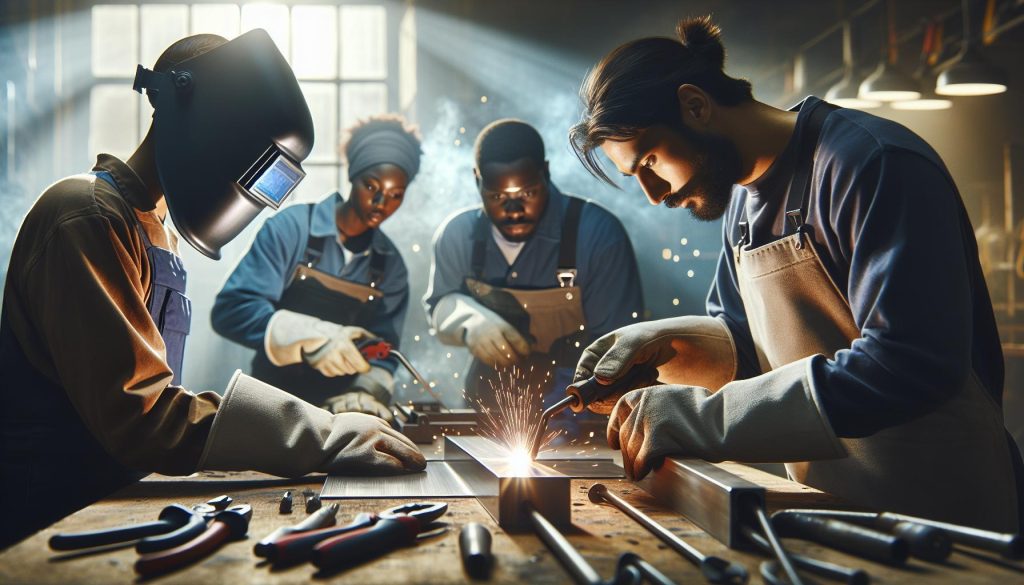
Welding stainless steel to carbon steel can seem daunting, yet it’s a valuable skill that opens up diverse applications in manufacturing and repair. With the right techniques, you can achieve strong, durable joints, ensuring your projects meet industry standards. Understanding how to effectively weld these two distinct materials not only enhances your versatility as a welder but also equips you to tackle common challenges like differing thermal expansion rates and corrosion resistance. As you explore this guide, you’ll find practical advice and step-by-step instructions tailored to both beginners and seasoned professionals. Whether you’re looking to fabricate custom components or make repairs, mastering this technique can significantly elevate your welding capabilities and broaden your project potential. Get ready to dive deeper into the art of welding and unlock new possibilities in your craft!
Understanding the Differences Between Stainless Steel and Carbon Steel
is crucial for successful welding, particularly when dealing with dissimilar metals. While both materials share certain characteristics as steel, their distinct properties significantly influence the welding process, final weld integrity, and overall performance in application.
Stainless steel, known for its corrosion resistance and durability, contains chromium which forms a passive oxide layer that protects it from rust and corrosion. This attribute makes it ideal for environments exposed to moisture or corrosive elements. In contrast, carbon steel is more prone to oxidation due to its higher carbon content and lack of alloying elements like chromium. It is often stronger and more malleable, making it a preferred choice in structural applications but less suited for environments that promote corrosion.
When welding these two types of steel, it’s essential to consider that their thermal expansion coefficients differ. This discrepancy can lead to warping or cracking if not managed properly during the welding process. Additionally, the melting points vary, with stainless steel generally melting at higher temperatures than carbon steel, which can complicate fusion and require specific adjustments in technique and filler materials.
For successful welding of stainless and carbon steel, equipped welders must be adept at choosing the right processes-MIG and TIG welding are commonly preferred due to their controllability. Ensuring a clean joint free of contaminants will also foster better bonding, enhancing the overall durability of the welded assembly. Understanding these differences not only paves the way for superior weld quality but also promotes informed decision-making throughout the welding process.
The Science Behind Welding Dissimilar Metals

Welding dissimilar metals, particularly stainless steel to carbon steel, is a nuanced process requiring a strong understanding of material interactions and welding techniques. The primary challenge arises from the different thermal properties and chemical compositions of these two types of steel. Stainless steel, notorious for its corrosion resistance due to the presence of chromium, behaves differently under heat compared to carbon steel, which has a higher carbon content and is more susceptible to oxidative processes. This fundamental difference means that careful consideration must be given to everything from welding thermostats to the selection of filler materials.
When initiating the weld, it is crucial to manage the heat input effectively. Dissimilar metals often have divergent melting points; for instance, stainless steel melts at a higher temperature than carbon steel, which means that excessive heat can lead to issues such as warping or burn-through. Implementing a proper backing bar can help to absorb some heat, minimizing the risk of deformation. Moreover, pre-heating the carbon steel can assist in reducing thermal stress during welding, further ensuring a solid bond.
Successful execution of the weld also depends on the welding technique employed. Both Metal Inert Gas (MIG) and Tungsten Inert Gas (TIG) welding are favored for their precision. TIG welding, in particular, provides a higher degree of control, which is essential when dealing with the thin materials often present in stainless steel. In terms of filler materials, it is generally recommended to use a filler rod that possesses a similar composition to the stainless steel piece you are welding, which allows for compatibility and better fusion.
Ultimately, a critical takeaway is to maintain a clean joint prior to welding. Contaminants can severely weaken the weld integrity, leading to premature failure. As part of the preparation, joint surfaces should be thoroughly cleaned using methods such as grinding or sanding to remove any oxidation or grease. Adhering to these practices not only enhances the quality of the weld but also contributes effectively to the longevity of the joined materials.
Essential Preparation Steps for Welding Stainless to Carbon Steel
Welding stainless steel to carbon steel demands meticulous preparation to ensure a strong, durable bond. Before beginning the welding process, it’s crucial to recognize that the unique properties of these metals necessitate several essential steps. By following a structured approach, welders can mitigate potential challenges and enhance the integrity of the joint.
A thorough cleaning of the joint surfaces is paramount. Any contaminants such as oil, grease, rust, or oxidation can severely compromise the quality of the weld. Utilize tools like grinders, sanders, or chemical cleaners to prepare the surfaces adequately. This step not only improves adhesion but also reduces the risk of slag inclusion or porosity in the weld. It’s advisable to inspect the prepared surfaces for any remaining impurities before proceeding.
The next critical step involves understanding the thermal dynamics of the materials being welded. Given that stainless steel has a higher melting point than carbon steel, careful control of the heat input is necessary. Preheating the carbon steel can reduce thermal shock and help in managing the heat distribution during welding. For larger sections, using a backing bar can assist in absorbing excess heat and minimizing warping during the weld. By monitoring and managing the heat, you can create a more stable and reliable weld joint.
Finally, the selection of the right filler material is crucial for achieving a successful weld. Typically, a filler metal with a composition similar to that of the stainless steel is recommended. This ensures compatibility and improves the overall strength of the weld. When using MIG or TIG welding techniques, ensure that the filler rod’s diameter is appropriate for the thickness of the materials being welded. This attention to detail in preparation enhances the likelihood of a robust, long-lasting bond between stainless steel and carbon steel, paving the way for effective welding outcomes.
Choosing the Right Welding Technique for Your Project

When it comes to welding stainless steel to carbon steel, the choice of welding technique can significantly influence both the quality and durability of the weld. Each method has unique advantages and constraints that can impact your project, especially considering the differences in melting points and thermal properties of these two materials. Understanding these intricacies is crucial for achieving a strong, reliable bond that can withstand the rigors of its intended application.
One of the most popular techniques for welding these dissimilar metals is MIG (Metal Inert Gas) welding. This process is favored for its speed and ease of use, making it suitable for both beginners and experienced welders. MIG welding uses a continuous wire feed that melts to form the weld pool, combined with shielding gas to protect against contamination. For stainless and carbon steel, a specific filler metal is recommended to ensure compatibility and reduce the risk of issues like corrosion or cracking. For example, using ER309LSi filler wire can help achieve a solid joint since it is designed for dissimilar steel welding.
Another effective method is TIG (Tungsten Inert Gas) welding, which is noted for providing greater control and finesse. This technique is especially advantageous for thin materials or intricate designs where precision is paramount. TIG welding involves manually feeding the filler rod into the weld pool, allowing for a more refined application of heat. While it may require a higher skill level compared to MIG, the results often yield cleaner and stronger welds. This method is crucial when aesthetic appearance and structural integrity are both priorities.
Stick welding (SMAW) is also an option, particularly in fieldwork or less controlled environments due to its portability and minimal equipment requirements. While it can produce strong welds, achieving consistency can be more challenging, especially on thinner materials. The choice of electrode is vital; using a low-hydrogen electrode suited for stainless steel will help mitigate problems associated with hydrogen cracking.
Lastly, flux-cored arc welding (FCAW) can be beneficial for outdoor applications or in conditions where wind may affect shielding gas. This self-shielding method reduces the risk of contamination and is effective for thicker materials. However, it requires careful control of heat input and proper filler selection to avoid issues like dilution and heat-affected zone (HAZ) problems.
In summary, the choice of welding technique for joining stainless steel to carbon steel should be based on the project requirements including material thickness, joint configuration, and environmental conditions. By selecting the right method and ensuring compatibility with filler materials, welders can achieve strong, durable joints that meet the demands of their specific applications.
Recommended Filler Materials for Welding Stainless to Carbon Steel

Welding stainless steel to carbon steel requires careful selection of filler materials to ensure strong, durable joints while minimizing the risks of cracking and corrosion. The dissimilar properties of these metals, including their differing thermal expansion rates and melting points, necessitate a filler that can bridge these characteristics effectively. For most applications, the following filler materials are highly recommended.
One of the most commonly used filler metals for this purpose is ER309L. This filler wire offers excellent compatibility, as it is specifically formulated for welding stainless steel to carbon steel. It boasts a higher chromium and nickel content than standard mild steel fillers, which helps to create a more corrosion-resistant weld, ultimately ensuring that the joint can withstand various environmental conditions.
Another effective option is ER316L, which is also suitable for welding stainless steel to carbon steel. This filler material includes molybdenum, enhancing resistance to pitting and crevice corrosion, making it ideal for applications in marine or chemical environments. Its solid performance in dissimilar metal welding allows for robust joints that maintain structural integrity over time.
For those using MIG welding, particularly in situations requiring thicker sections or outdoor applications, FCAW (Flux-Cored Arc Welding) wires such as E309LT1-1 can be beneficial. These wires provide both the strength and versatility necessary for challenging welding conditions, while a shielding flux minimizes the risk of contamination during the process, which is a common challenge in outdoor environments.
In TIG welding, the choice of filler rod is equally critical. For projects that demand high precision and aesthetics, using ER308L or ER309L for your TIG applications can yield impressive results, as these rods provide a strong bond and good corrosion resistance while allowing for fine control over the weld pool.
When selecting filler materials, it is essential to consider the specific conditions and requirements of your project, including the thickness of the materials being welded and the environmental factors they will be exposed to. Proper filler selection, coupled with the right welding technique, not only enhances the quality of the weld but also significantly extends the lifespan and durability of the fabricated components.
Safety Protocols When Welding Different Steel Types
To ensure a safe and effective welding environment, especially when working with dissimilar metals such as stainless steel and carbon steel, adhering to stringent safety protocols is essential. Welders must recognize the distinct properties of each material and how these differences can influence safety practices during welding operations. For example, carbon steel can produce harmful fumes when heated, while stainless steel contains chromium and nickel, which can also emit hazardous substances.
- Personal Protective Equipment (PPE): Always wear appropriate PPE-including helmets with proper shading, gloves resistant to heat and abrasion, safety glasses, and protective clothing made from non-flammable materials. This gear is critical in protecting against sparks, molten metal drops, and harmful UV radiation.
- Ventilation: Adequate ventilation is paramount to prevent the accumulation of toxic fumes and gases. Utilize exhaust systems and ensure proper airflow in confined spaces. If welding indoors, consider using fume extractors or working near open windows when possible.
- Fire Safety: Keep fire extinguishers readily accessible, and clear nearby flammable materials from the work area. It’s advisable to have a fire watch in place during and after welding, especially if working in environments that may harbor combustible materials.
- Electrical Safety: Ensure that welding equipment is properly grounded to minimize the risk of electric shock. Inspect cables for any wear or damage before use, and avoid working in wet conditions where the risk of electrocution increases.
The nature of the metals being welded brings its own set of challenges. For instance, when welding stainless steel to carbon steel, it’s crucial to monitor heat input carefully to prevent warping or joint failure due to differing thermal expansion rates. Additionally, employ appropriate filler materials and techniques that suit the characteristics of both metal types, such as using the correct welding rod or wire, to prevent contamination.
Regular training and stay-informed on the latest safety techniques and regulations can further enhance a welder’s understanding of best practices. Understanding risks and knowing how to mitigate them not only protects the welder but ensures the integrity of the work produced, resulting in high-quality welds that are safe, durable, and reliable.
Common Challenges and Solutions in Dissimilar Metal Welding
Welding dissimilar metals like stainless steel and carbon steel, often seen in various construction and manufacturing processes, presents unique challenges that can significantly affect the integrity of the weld. One primary challenge arises from the differing physical properties of these materials-most notably their thermal expansion coefficients. Stainless steel expands and contracts differently than carbon steel, which can lead to warping and cracking if not carefully managed during the welding process. Consistent heat input, shielding gas considerations, and proper joint design are crucial to overcoming this issue.
Another common obstacle is the risk of contamination at the weld joint. When welding stainless steel to carbon steel, the iron from the carbon steel can migrate into the stainless, adversely affecting corrosion resistance. To mitigate this, using an appropriate filler metal is essential to create a suitable interlayer that minimizes the risk of contamination. Employing techniques such as TIG welding provides better control over the heat input and helps maintain the integrity of the weld pool, leading to more reliable results.
Unpredictable weld penetration presents an additional hurdle. For instance, achieving enough penetration without burning through thinner sections can be tricky with dissimilar metals. Adjusting the welding parameters, such as the amperage and travel speed, is vital. Furthermore, conducting test welds beforehand can help determine the best settings and filler materials suitable for your specific application.
To recap, attention to detail during the welding process is paramount for achieving high-quality joints between stainless steel and carbon steel. By addressing material compatibility, controlling heat input, and selecting the right filler materials, welders can effectively overcome these challenges, resulting in strong and durable welds suitable for demanding applications.
Post-Weld Treatments for Improved Durability
Welding stainless steel to carbon steel not only requires careful consideration during the welding process itself but also necessitates thorough post-weld treatments to enhance durability and longevity. For the finished welds, the differences in corrosion resistance and thermal properties between the two metals can lead to premature failure if not appropriately managed. Performing diligent post-weld treatments can significantly improve the strength and integrity of the joint, providing a robust solution for various applications.
One essential post-weld treatment is passivation, particularly vital for stainless steel components. This process involves treating the welded area with a chemical solution that removes free iron and enhances the formation of a protective oxide layer. Passivation increases the corrosion resistance of stainless steel, which is crucial, especially when the welded product will be exposed to harsh environmental conditions. For best results, ensure the passivation solution is compatible with both stainless and carbon steel and follow manufacturer guidelines for application time and method.
In addition to passivation, applying a protective coating, such as paint or a corrosion-inhibiting primer, can further shield the weld area from environmental exposure. This is especially important for carbon steel, which is more susceptible to rust. When choosing a coating, consider those specifically designed for metal surfaces to ensure proper adhesion and protection. Surface preparation is critical here; make sure to clean the welded area of any slag, spatter, or contamination before applying coatings to ensure their effectiveness.
Another crucial aspect is the prevention of thermal fatigue. To mitigate the effects of thermal expansion and contraction, which can lead to cracking over time, stress-relief annealing might be employed. This procedure involves heating the welded area to a specific temperature and then gradually cooling it, helping to relieve internal stresses introduced during welding. Such treatments can lead to improved mechanical properties and enhance overall joint performance, especially in applications with fluctuating temperatures or dynamic loads.
Ultimately, employing a combination of these post-weld treatments will help ensure that your welded joints remain strong and durable over time. By diligently addressing both corrosion resistance and mechanical integrity through passivation, protective coatings, and stress-relief techniques, welders can significantly improve the robustness of joints between stainless steel and carbon steel, ensuring their performance in demanding applications.
Maintaining Weld Quality: Tips for Success
Welding dissimilar metals, such as stainless steel to carbon steel, can present unique challenges that impact the integrity and longevity of the weld. To maintain high-quality welds, it is crucial to adhere to best practices right from preparation through to the final application. The key is a combination of careful planning, skilled execution, and strategic post-weld treatments.
Preparation is the foundation for successful welding. Start by thoroughly cleaning both metal surfaces. Contaminants like rust, oil, or dirt can lead to poor adhesion and compromised weld quality. A wire brush or grinder can help remove surface impurities, ensuring the metals are clean and ready for joining. Additionally, selecting the right filler material is essential; it must have compatibility with both types of steel while offering the appropriate properties to withstand the welding environment.
Once you initiate the welding process, monitor the parameters consistently. For MIG or TIG welding, maintaining the correct voltage, amperage, and travel speed is crucial. Uneven heat distribution can cause warping or cracking, so it’s advisable to use a back-step technique to manage heat input more effectively. Using a stitch weld instead of a continuous bead can also help control the amount of heat introduced at the joint, reducing the risk of thermal distortion.
After the welding is complete, the next critical phase involves post-weld treatment to ensure joint integrity. Applying a passivation solution specifically formulated for stainless steel is essential to increase resistance to corrosion. Additionally, performing a visual inspection and employing non-destructive testing (NDT) methods, such as ultrasonic or dye penetrant inspections, can identify any weaknesses or defects in the weld before the final application, ensuring that they are addressed promptly.
Ultimately, a systematic approach that emphasizes preparation, precise execution, and thorough post-weld treatment will enable welders to produce robust, high-quality joints between stainless steel and carbon steel. By focusing on these critical aspects, the longevity and performance of the welded structure can be significantly enhanced, making it suitable for a range of real-world applications.
Real-World Applications of Stainless and Carbon Steel Welding
Welding stainless steel to carbon steel opens doors to a multitude of practical applications, leveraging the beneficial properties of both materials. This combination is particularly advantageous in industries where corrosion resistance is critical while still requiring the strength and cost-effectiveness of carbon steel. From manufacturing to construction, the versatility of welding these dissimilar metals spans various sectors.
One prominent example is in the automotive industry, where components such as exhaust systems often necessitate the use of stainless steel due to its corrosion resistance while being joined to carbon steel parts. The ability to weld these two materials allows manufacturers to optimize performance, ensuring durability and longevity of the exhaust systems even under harsh environmental conditions. Similarly, in construction, stainless steel is widely employed for structural applications, where it is frequently welded to carbon steel beams and columns. This creates robust and aesthetically pleasing structures that resist rust and corrosion, enhancing the overall durability of the building.
In the oil and gas industry, pipelines often consist of carbon steel due to its strength and cost-effectiveness, necessitating the need for stainless steel components in specific sections to combat corrosion. This combination is crucial for maintaining the integrity and safety of the transport systems. Moreover, in food processing, where hygiene standards are paramount, food-grade stainless steel is commonly joined with carbon steel equipment. This ensures that the parts comply with health regulations while maintaining functionality and structural integrity, crucial for any processing plant.
Ultimately, the ability to weld these metals not only enhances the functionality and performance of various applications but also promotes innovative solutions in engineering and design. By understanding the unique properties and proper techniques for welding stainless steel to carbon steel, welders can effectively tackle a plethora of projects, ensuring quality and durability in their work.
Evaluating Equipment Options for Welding Projects
When embarking on a welding project that involves combining stainless steel and carbon steel, selecting the right equipment is crucial for achieving optimal results. The effectiveness of your welds largely hinges on the compatibility of your machinery with the specific welding processes you intend to use-be it MIG, TIG, stick, or flux-cored welding. Each process has unique requirements and advantages that can significantly impact the quality and strength of the final joint.
Key Equipment Considerations
Before diving into the specifics of welding machines, consider these essential factors:
- Power Source: Ensure your power supply is sufficient for the thickness of the materials. Most MIG and TIG machines operate on either 120V or 240V, with higher voltages providing greater welding capabilities.
- Welding Technique: Choose based on your project needs. MIG welding is excellent for speed and ease of use, while TIG offers precision and is particularly beneficial for thin-walled stainless steel applications.
- Filler Material Compatibility: Ensure that your equipment can accommodate the filler materials required for successfully welding dissimilar metals (such as ER309L for stainless to carbon steel joints).
For many projects, a MIG welder is favored due to its versatility and production speed, making it suitable for thicker sections of steel. Alternatively, TIG welding is preferred for its ability to deliver clean, precise welds, especially important in applications like food processing or situations where thin sections demand meticulous work. Additionally, stick welding equipment provides an economical and portable option, ideal for outdoor projects where wind can be an issue, though it may require more cleanup and finishing work.
Evaluating Specific Machines
When assessing welding machines, consider factors such as:
- Duty Cycle: A machine’s duty cycle indicates how long it can operate before requiring a rest period. For extensive projects, a machine with a higher duty cycle (e.g., 60% or above) is advisable.
- Weight and Portability: Portable machines are advantageous for projects that require mobility. Weigh the benefits of ease of transport against the potential need for stable, heavy-duty machines that require a robust setup.
- Integrated Features: Look for features such as built-in digital displays, pre-set welding profiles, and automatic wire feeding mechanisms, which can enhance usability and reduce setup time.
In practice, investing in a MIG welder with dual-functionality for both gas and flux-cored welding could provide the versatility needed for different projects involving stainless and carbon steel. On the other hand, a TIG welder with pulse capabilities might be particularly advantageous for achieving clean and controlled heat input, reducing the risk of warping when working with thinner materials.
Ultimately, the right welding equipment can significantly influence the efficiency of your workflow and the quality of your finished pieces. By evaluating your specific project needs and considering the outlined factors, welders can make informed decisions that lead to strong, reliable joints between stainless and carbon steel.
Expert Tips: Achieving a Stronger Weld Joint
To achieve a stronger weld joint between stainless steel and carbon steel, attention to detail and the right techniques are essential. One critical factor to consider is the selection of appropriate filler material. Using a filler like ER309L is recommended for this type of welding, as it is designed to accommodate the differences in thermal expansion and contraction between the two metals. This specific filler material promotes better fusion and reduces the likelihood of weld cracking, which can result from the dissimilar properties of the base metals.
Temperature control during the welding process is another key component. Both MIG and TIG welding methods provide opportunities for precise heat management. Maintaining a lower heat input is crucial when working with stainless steel, as excessive heat can lead to warping and other deformation. Welding in shorter passes will help minimize heat buildup and improve the integrity of the joint. Additionally, using a stringer bead technique rather than a weave pattern can also help control heat input and produce a cleaner weld.
Surface preparation is equally significant and should not be overlooked. Ensure that both surfaces to be welded are free from contaminants such as oil, rust, and paint, as these can compromise the quality of the weld. A clean surface promotes better bonding between the metals, enhancing the overall strength of the weld. Preheating the carbon steel side can also help reduce the chances of cracking and improve the penetration of the weld, particularly if the thickness of the carbon steel is significant.
Safety protocols play an integral role in achieving a successful weld joint. Always wear appropriate personal protective equipment (PPE), such as gloves, a welding helmet, and adequate clothing to shield against sparks and UV radiation. Proper ventilation is crucial, especially when welding dissimilar metals, to avoid the inhalation of harmful fumes. Following appropriate safety measures not only protects the welder but also ensures a cleaner working environment, promoting higher-quality welds overall.
Incorporating these expert tips into your welding practice will help in creating strong and reliable joints between stainless and carbon steel, ensuring the longevity and durability of your finished projects.
Frequently Asked Questions
Q: Can you weld stainless steel to carbon steel?
A: Yes, you can weld stainless steel to carbon steel. This process requires careful consideration of compatibility and the right welding techniques to ensure a strong joint. Using the appropriate filler material, such as ER309L, can help achieve a durable weld.
Q: What is the best welding method for stainless steel to carbon steel?
A: The most effective welding methods for joining stainless to carbon steel include TIG (Tungsten Inert Gas) and MIG (Metal Inert Gas) welding. TIG provides better control and precision, while MIG is faster for larger projects. Each method has its merits based on the specific application.
Q: What are the challenges of welding stainless steel to carbon steel?
A: Challenges include differences in thermal expansion, potential for cracking, and corrosion issues at the weld joint. Preheating the carbon steel can mitigate these complications, ensuring better fusion and durability of the weld.
Q: Do you need a special filler material to weld stainless to carbon steel?
A: Yes, using a filler material specifically designed for dissimilar metals, such as ER309L, is essential. This type of filler accommodates the different thermal expansion rates and enhances the strength of the weld joint.
Q: How do you clean stainless steel before welding to carbon steel?
A: To clean stainless steel, use a wire brush or grinder to remove any contaminants, rust, or scale. It’s crucial to eliminate these to ensure strong adhesion during the welding process and prevent impurities from weakening the joint.
Q: Why is preheating important when welding stainless steel to carbon steel?
A: Preheating the carbon steel reduces the risk of cracking and helps maintain an appropriate interpass temperature. This practice promotes uniform heating, which can enhance the strength and integrity of the finished weld.
Q: What are post-weld treatments for stainless and carbon steel joints?
A: Post-weld treatments such as stress relief annealing can improve the durability and resistance to cracking in stainless and carbon steel joints. Additionally, applying anti-corrosion coatings helps safeguard the weld from environmental damage.
Q: How can you ensure a high-quality weld between stainless and carbon steel?
A: Ensure high-quality welds by properly preparing the materials, selecting the right welding technique and filler, maintaining appropriate temperatures, and following safety protocols. Regular inspections for defects can further enhance weld integrity.
In Retrospect
In conclusion, welding stainless steel to carbon steel can open up a world of possibilities for your projects, provided you follow the right techniques and safety protocols. As you’ve learned, understanding the distinct properties of these materials is crucial to achieving a strong joint, whether you’re using MIG, TIG, or stick welding methods. Don’t hesitate-experiment with these strategies today and elevate your skills.
For further exploration, check out our articles on welding safety protocols and best practices for MIG welding to enhance your expertise. Join our newsletter for the latest tips and resources, and feel free to share your welding experiences in the comments below-your insights could help fellow welders. Dive deeper into your welding journey and explore the essential tools and techniques that can transform your fabrication work into a masterpiece. Remember, the right knowledge and equipment can make all the difference!


