

Welding stainless steel to regular steel can seem daunting, yet it’s a valuable skill that enhances versatility in fabrication and repair projects. Understanding the differences in properties and behaviors of these metals is crucial for achieving strong, reliable joints. Many welders face challenges when mixing these materials, from ensuring proper fusion to preventing corrosion. By mastering the techniques and considerations involved, you can expand your capabilities and tackle more diverse projects. This article will delve into essential pro tips that will not only guide you through the welding process but also help you avoid common pitfalls. Discover the keys to successful welding and elevate your skills while maintaining the integrity of your work.
Can You Weld Stainless Steel to Mild Steel? Understanding the Basics
Welding stainless steel to mild steel is a practical solution in many construction and manufacturing scenarios, but it requires a nuanced understanding of the materials involved. These two metals possess different properties: stainless steel is known for its corrosion resistance and durability, while mild steel is valued for its ductility and strength. When properly executed, a weld between these materials can be strong and reliable, opening the door for innovative design solutions in various projects.
However, achieving a good joint between stainless steel and mild steel isn’t straightforward; it presents unique challenges due to differences in thermal expansion and contraction rates. Stainless steel generally has a higher coefficient of expansion, which can lead to distortion if not managed properly during the welding process. Additionally, contamination of the weld zone must be avoided; oils or oxides on the surface can lead to weakness in the joint. Therefore, careful preparation of the surfaces to be welded is essential, often requiring thorough cleaning prior to welding to ensure optimal bonding.
Selecting the appropriate welding technique is critical when joining these dissimilar metals. For example, Metal Inert Gas (MIG) and Tungsten Inert Gas (TIG) welding are popular choices. MIG welding tends to be faster and easier for beginners, while TIG welding provides higher precision and control-ideal for applications requiring a clean finish. Furthermore, choosing the right filler material, often austenitic stainless steel filler, is crucial to match compatibility, maintain integrity, and enhance corrosion resistance in the final weld.
In summary, welding stainless steel to mild steel is not only possible but widely practiced across various industries. When armed with the right techniques and knowledge about material properties, welders can successfully create strong, durable joints that enhance the performance of their projects while addressing potential challenges head-on.
The Importance of Selecting the Right Filler Material
When it comes to joining stainless steel and mild steel, the selection of the right filler material plays a pivotal role in ensuring the strength and durability of the weld. A well-chosen filler not only helps overcome the distinct physical properties of these dissimilar metals but also contributes to the overall performance and longevity of the welded joint. Using an inappropriate filler can lead to weakened welds, susceptibility to corrosion, and, ultimately, premature failure of the joint, making this decision critical.
One of the most recommended filler materials for welding stainless steel to mild steel is austenitic stainless steel filler, typically ER308L or ER309L. These fillers are specifically designed to accommodate the differences in thermal expansion and contraction that occur during welding. Austenitic fillers provide excellent corrosion resistance and allow for compatibility with both materials, offering a smoother transition between the weld and base metals. This is particularly important as improper fillers might lead to issues like cracking or reduced ductility, impacting the joint’s integrity.
Moreover, the welding process itself influences which filler to choose. For instance, when utilizing Metal Inert Gas (MIG) welding, the wire feed must match the filler material’s properties to ensure a strong bond. Conversely, with Tungsten Inert Gas (TIG) welding, the precision of filler selection becomes even more critical, as the welder often has direct control over the application of the filler rod. In both techniques, ensuring that the filler matches the desired mechanical properties is key to achieving a robust and resilient joint.
In addition to selecting the correct filler material, proper surface preparation and ongoing weld maintenance can elevate the performance of the welded joint. Ensuring that the base metals are clean and free from contaminants will enhance the bonding capabilities of the filler, providing a solid foundation for the weld. Through meticulous attention to detail-both in filler selection and substrate preparation-welders can confidently produce durable joints that stand the test of time.
MIG vs. TIG: Which Welding Technique is Best?
When considering the best welding technique for joining stainless steel to mild steel, understanding the distinct advantages of MIG and TIG welding is crucial. Both methods have their unique characteristics, potentially influencing the quality and performance of the welded joint. For instance, Metal Inert Gas (MIG) welding is celebrated for its speed and efficiency, making it ideal for those looking to work on larger projects or in production settings. Conversely, Tungsten Inert Gas (TIG) welding excels when it comes to precision and control, particularly useful for applications requiring high-quality welds on thinner materials.
A notable advantage of MIG welding is its user-friendliness, particularly for novice welders. With a continuous wire feed and minimal setup time, it facilitates quick welding sessions. However, this method may not be as effective in terms of penetration when working with dissimilar metals like stainless and mild steel, as the heat input can be harder to control. On the other hand, TIG welding offers unparalleled versatility, allowing for precise adjustments in heat and filler material. This control is vital when navigating the differing properties of stainless and mild steel, as it helps prevent issues such as warping or cracking. It’s also worth noting that TIG welding can be performed with or without filler material, offering additional flexibility in the welding process.
Both techniques also come with their considerations in terms of safety and equipment. MIG requires a gas cylinder, typically containing shielding gas like argon or CO2, and a reliable wire feed system. In contrast, TIG welding demands a more complex setup, including a high-frequency starter and a foot pedal for controlling amperage, making it more suitable for skilled welders. Robust Personal Protective Equipment (PPE) is essential for both methods to shield against weld spatter and UV radiation, emphasizing the importance of maintaining a safe working environment.
In summary, choosing between MIG and TIG welding for stainless steel to mild steel projects ultimately depends on the specific requirements of the job, including the necessary precision, the thickness of materials, and the welder’s skill level. Novice welders may find MIG more approachable for quick tasks, while those pursuing high-quality results might lean toward the precision of TIG. Understanding these distinctions can significantly impact the success of your welding projects, particularly when dealing with mixed metals.
Welding Safety Tips: Protecting Yourself and Your Workspace
Welding, while a powerful tool for joining metals, comes with a significant responsibility for safety. Effective safety measures not only protect the welder but also create a safer workspace for everyone involved. One of the first steps to ensuring safety is to equip yourself with appropriate Personal Protective Equipment (PPE). This includes a welding helmet with a proper shade lens to protect your eyes from intense light and UV radiation, gloves made from heat-resistant material to safeguard your hands, and flame-retardant clothing to minimize the risk of burns from sparks and spatter.
Creating a safe workspace is equally critical. Ensure your welding area is well-ventilated to mitigate the inhalation of harmful fumes. Use exhaust fans or position your setup outdoors where possible. Also, keep the area clear of flammable materials and maintain a clean workspace to avoid accidental fires. It’s advisable to establish a designated welding zone with appropriate signage to alert others of potential hazards and to keep unauthorized personnel away during the welding process.
Proper handling and storage of equipment further enhance safety. Inspect welding gear, cables, and gas tanks for any signs of wear or damage before each use. Secure gas cylinders upright and ensure they are stored in a well-ventilated location to prevent leaks. Moreover, familiarize yourself with the specific safety protocols for the welding method you plan to use, whether MIG, TIG, stick, or flux core. Each technique has unique risks, and understanding them is crucial for effective risk management.
Finally, training is essential. If you are new to welding or experimenting with mixed metals like stainless steel and mild steel, consider attending a safety course or workshop. This training will provide insights into best practices and emergency procedures, allowing you to approach your projects with confidence. Remember, diligence in following safety protocols not only protects you but also upholds a culture of safety in the welding community.
Common Challenges When Welding Stainless to Regular Steel
Welding stainless steel to regular mild steel presents a unique set of challenges that can impact the strength and integrity of the weld joint. One of the primary issues arises from the differences in thermal conductivity and expansion rates of these two metals. Stainless steel tends to expand and contract more than mild steel when subjected to heat, which can lead to warping or cracking in the welded area. Understanding these physical properties is fundamental for achieving strong, durable joints.
When selecting a filler material, the choice can complicate the welding process further. Using the wrong filler can lead to weak joints that may not hold up under stress or corrosion. Typically, a stainless steel filler is preferred for welding to mild steel due to its higher corrosion resistance, but this introduces challenges in achieving a proper fusion between the different metal types. Several welding techniques, such as MIG or TIG, have their own intricacies when trying to bridge these material differences. For instance, TIG welding, while offering greater control, requires more skill and experience, especially when dealing with variable melting points and potential contamination.
Another common challenge is ensuring proper shielding gas selection. When working with stainless steel, using a tri-mix gas (helium, argon, and CO2) can yield better penetration and a cleaner weld compared to standard mixtures used for mild steel. However, this adds complexity in handling equipment and understanding the specific needs of each metal type during the process.
Inadequate surface preparation can also lead to failures in welded joints. Contaminants like oils, rust, or paints on either metal can create barriers that hinder adhesion, resulting in weld defects. Therefore, meticulous cleaning of the surfaces prior to welding is crucial for achieving optimal results. This involves thorough degreasing, grinding, or even using pickling solutions for stainless steel to remove any oxide layers that might influence the weld quality.
Ultimately, successfully welding stainless steel to regular mild steel requires an understanding of these challenges and a strategic approach to mitigate them. By carefully selecting filler materials, adapting techniques like MIG or TIG to account for material properties, and ensuring proper surface preparation, welders can enhance the likelihood of creating strong, reliable connections that meet the demands of their specific applications.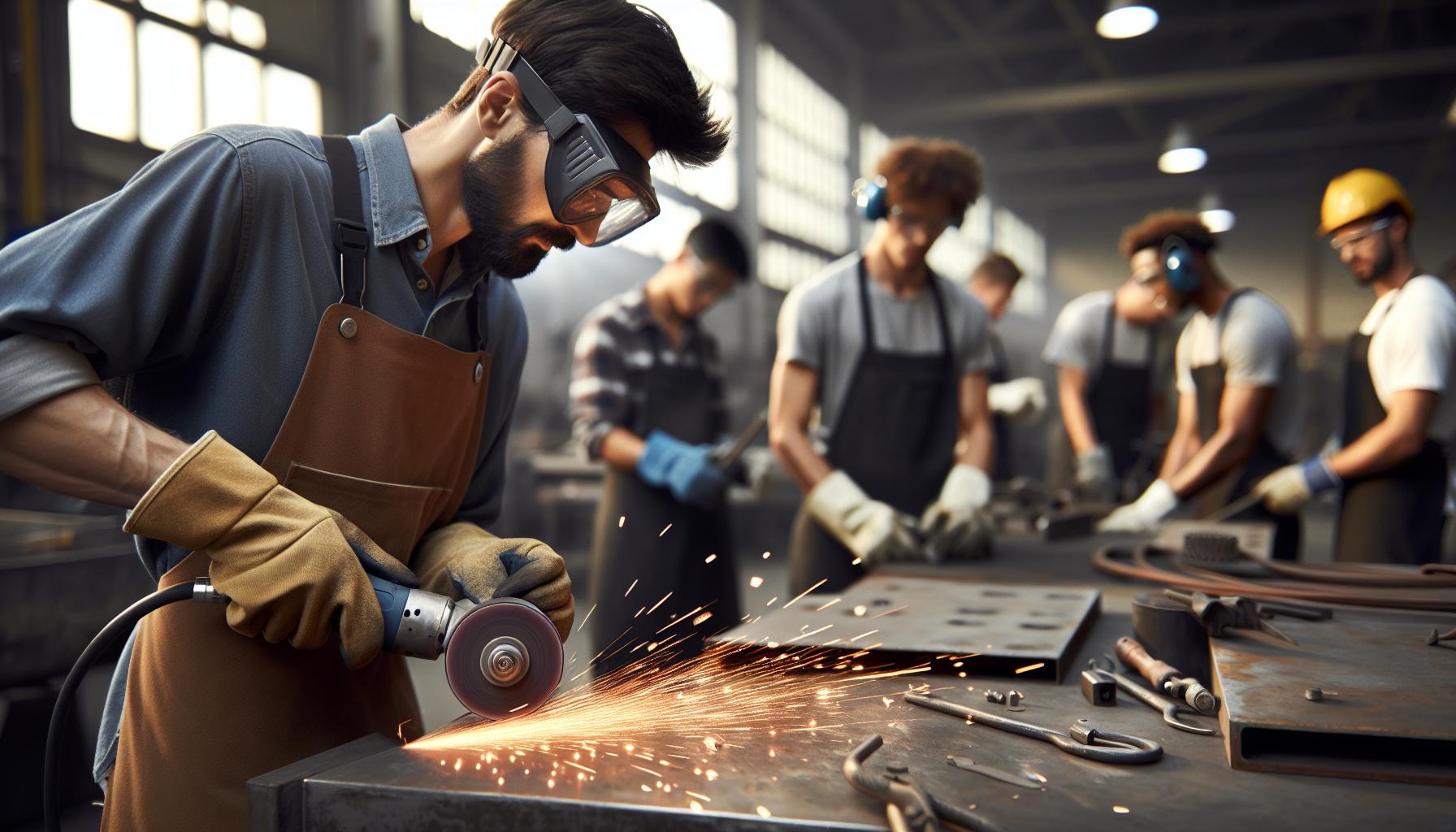
Best Practices for Preparing Metals for Welding
To achieve optimal results when welding stainless steel to mild steel, proper metal preparation plays a critical role. The integrity and strength of the weld joint hinge significantly on the cleanliness and condition of the surfaces being joined. Any contamination, such as oils, dirt, oxidation, or rust, can compromise the fusion process, resulting in weak welds and potential failures during service.
### Cleaning the Metal Surfaces
Before welding, it is essential to clean both stainless and mild steel thoroughly. Here are some effective methods for preparation:
- Degreasing: Use solvents or detergents to remove any grease or oil from the surfaces.
- Grinding: A wire brush or grinder can be employed to eliminate rust and scale. This process also helps to create a rough surface that enhances mechanical bonding.
- Pickling: For stainless steel, a pickling solution can effectively remove surface oxides and bring the metal back to a clean state.
Surface preparation not only ensures a clean interface for welding but also prevents issues like porosity and slag inclusions that can lead to weld defects.
### Achieving Proper Fit-Up
Once cleaned, the next step is to ensure that the pieces fit together correctly. Gaps and misalignment can result in uneven heating and distortion during welding. Employ techniques such as tack welding to hold the pieces together securely while maintaining proper alignment. The goal is to achieve uniform gaps, generally around 1/16 inch, which facilitates effective penetration of filler metal.
### Handling Thick Sections
For thicker materials, pre-heating can mitigate the risk of cracking and distortion. This practice helps in reducing thermal shock, ensuring a more consistent weld. Pre-heating temperatures typically range from 200°F to 300°F, but it’s crucial to adjust based on the specific material and thickness.
### Final Inspection Before Welding
Before starting the welding process, conduct a visual inspection of the prepared surfaces to ensure they are free from any contaminants and properly aligned. Any irregularities should be addressed, as they can significantly impact the quality of the weld joint. A well-prepared surface leads to a stronger, more reliable weld, significantly increasing the success rate when joining these two distinct materials.
Post-Weld Treatments: Ensuring Longevity and Strength
Post-welding treatments are crucial for maximizing the longevity and strength of joints between stainless steel and mild steel. The welding process may lead to residual stresses and altered metallurgical properties at the weld site, which can jeopardize the integrity of the joint if not addressed properly. By implementing effective post-weld treatments, welders can enhance the durability of their work and mitigate common issues that arise from dissimilar metal welding.
One essential aspect of post-weld treatment is the proper cooling of the welded joint. Rapid cooling can create thermal stresses, leading to cracking. Controlled cooling rates can help alleviate these stresses. This can be achieved by covering the weld area with thermal blankets or applying a heat sink close to the joint. Furthermore, applying a joint heat treatment can relieve residual stresses and restore the mechanical properties of the materials involved. For instance, a post-weld annealing process for stainless steel can ensure that its corrosion resistance is not compromised, particularly when joined with mild steel.
Cleaning the weld area after welding is equally important. By removing slag, spatter, or other contaminants, you ensure better corrosion resistance and improve overall aesthetics. For stainless steel, a pickling process may be beneficial to remove any oxides formed during welding, while mild steel typically benefits from rust inhibitors or coatings to prevent oxidation.
Lastly, applying protective coatings can significantly enhance the longevity of the welded joint. Using paint, galvanization, or specialized coatings can provide a barrier against environmental elements that cause corrosion. It’s essential to select a suitable coating that is compatible with both stainless and mild steel to ensure maximum adhesion and protection. This final layer not only protects the weld area but also contributes to the overall strength and durability of the entire structure, optimizing its performance in various applications.
Troubleshooting Common Welding Issues
Welding dissimilar metals, such as stainless steel and mild steel, can present unique challenges. However, recognizing and addressing common welding issues can significantly improve the quality of your work and ensure the durability of welded joints. Among the most frequent problems are poor fusion, cracking, and contamination, each of which can severely compromise the joint’s integrity.
Poor fusion often occurs due to inadequate heat input or incorrect filler material. To mitigate this, ensure that your welding parameters are appropriate for both materials. For instance, when MIG welding, adjusting the voltage and travel speed can help achieve better penetration. Choosing the right filler material is essential; for instance, using a filler that matches the thermal expansion properties of both metals can prevent issues related to differential expansion during cooling.
Cracking is another prevalent issue when welding stainless to mild steel. This can arise from several factors, including high carbon content in cast iron or the formation of chromium carbide when welding stainless. To reduce the likelihood of cracking, control the cooling rate by using methods such as preheating the base metals or utilizing slower cooling techniques. Additionally, implementing a post-weld heat treatment can help relieve residual stresses, particularly with stainless steel.
Contamination, often observed through discoloration or inclusions in the weld, can happen when foreign materials interfere with the welding pool. This is particularly important when working with stainless steel, which is sensitive to oxidation. To combat this, maintain a clean work environment and effectively clean all surfaces before welding. Using appropriate shielding gas, such as argon mixed with CO2, can promote a cleaner weld by preventing oxidation during the process.
By being vigilant about these potential issues and applying these troubleshooting techniques, welders can significantly enhance the quality of their joints, yielding stronger, more resilient connections between stainless steel and mild steel.
Expert Tips for Achieving Strong Weld Joints
Achieving strong weld joints between stainless steel and mild steel requires a blend of technique, material selection, and environmental considerations. Understanding these elements can significantly enhance the integrity and longevity of your welds. One essential tip is to ensure the proper heat control throughout the welding process. Both stainless steel and mild steel have different thermal expansion characteristics, which can lead to cracking if not carefully monitored. Implement techniques such as preheating the base materials to reduce thermal shock and promote better fusion. This method is particularly beneficial when working with thicker sections, where the heat can penetrate more uniformly.
Another critical factor is the choice of filler material. Selecting a filler that closely matches the composition of the base metals is vital. For MIG welding, a commonly used filler is ER309 for stainless to mild steel applications, as it has the right balance of properties to handle differential expansion and maintain weld strength. Ensure that your filler wire is devoid of contaminants and environmentally sealed until use to prevent oxidation and other undesirable reactions.
Maintaining a clean work environment cannot be overstated. Before welding, all surfaces should be thoroughly cleaned with a suitable degreaser to remove any oils, rust, or debris, as these contaminants can lead to inclusions and poor-quality welds. Additionally, using an appropriate shielding gas mixture-such as 75% Argon and 25% CO2-can help protect the molten weld pool from oxidation. Furthermore, consider the welding technique itself; using a weaving motion can help distribute heat evenly and enhance penetration. This technique is particularly useful in preventing burn-through in thin materials.
Lastly, implementing post-weld treatments, such as stress relief annealing or pickling, can further enhance the durability of welds by mitigating residual stresses and improving corrosion resistance. By adhering to these practices, welders can not only achieve visually appealing welds but also ensure they meet the functional demands of the application.
When to Seek Professional Assistance for Welding Projects
Professional welding services can be a game-changer when working on projects involving stainless steel and mild steel, especially given the complexities involved in achieving strong, reliable welds. If you find yourself faced with challenges that require advanced skills or specialized equipment, seeking professional assistance may not just be a wise choice-it could also save you from potential safety hazards and costly mistakes.
One crucial reason to consider hiring a professional is when the project involves critical structural components. For instance, in industries such as automotive or aerospace, improper welding can lead to catastrophic failures. Professionals are well-versed in the nuances of different welding techniques-such as MIG, TIG, or stick welding-and can select the most appropriate method for your specific materials and environment. Their experience ensures that they can manage factors like heat input, welding speed, and filler material choice, which are essential for achieving optimal integrity in the weld joint.
Another indicator that professional help is warranted is the scale or complexity of the project. Large-scale fabrications or components with intricate geometries may benefit significantly from the precision and advanced equipment that experienced welders possess. Professionals can navigate challenging joinery that may be difficult for less experienced welders, ensuring both aesthetic quality and structural durability. Moreover, if projects are time-sensitive, utilizing professional services can expedite the completion process, allowing you to meet critical deadlines without sacrificing quality.
In addition, if you’re new to welding or find yourself overwhelmed by the technical requirements, it’s often better to rely on experts. This not only ensures adherence to industry standards but also offers valuable learning opportunities. When you enlist professional welders, consider it an investment in the quality of your work and in your own skills; you may gain insights that enhance your own welding techniques in the future.
Ultimately, while DIY welding can be fulfilling, there are situations where professional intervention is not just beneficial but necessary for achieving the best possible results. Assessing the project’s demands and understanding your comfort level can guide your decision on when to call in the experts.
Understanding Cost Implications of Mixed Metal Welding
Welding two distinct metals, such as stainless steel and mild steel, can entail a complex financial consideration. This mixed metal welding not only requires specialized techniques but also impacts overall project costs significantly. Understanding these cost implications is crucial for both DIY enthusiasts and professionals aiming to ensure quality while staying within budget.
One of the primary factors affecting costs is the filler material selection. Stainless steel requires specific filler that can blend both metals effectively without compromising integrity. Such fillers tend to be more expensive compared to those used for welding mild steel alone. Additionally, the choice of welding process-whether MIG, TIG, or stick welding-will also influence expenses. For instance, TIG welding, while providing superior control and quality, often incurs higher material and labor costs due to the skill level required.
Moreover, equipment costs must be considered. Techniques suitable for this type of welding often require advanced welding machines with precise control settings to prevent overheating and distortion during the weld. If you do not already possess the necessary equipment, expenses can increase quickly. Renting or hiring skilled labor that understands the intricacies of welding dissimilar metals is another potential cost not to be overlooked.
Lastly, the potential for defects adds to the financial equation. Improperly executed welds can lead to failures necessitating rework, which not only increases material and labor costs but can also delay projects, affecting overall productivity and profitability. Therefore, investing in quality work upfront can mitigate these risks, leading to more cost-effective outcomes in the long run.
In summary, while mixed metal welding presents considerable upfront costs in terms of materials, equipment, and skilled labor, understanding and planning for these implications can lead to more successful projects and sustainable savings over time.
Essential Tools and Equipment for Stainless Steel Welding
For successful stainless steel welding, having the right tools and equipment is paramount to achieving strong, durable welds. Whether you’re a novice welder or an experienced professional, each task may demand different setups depending on the materials involved and the welding technique chosen. Investing in quality equipment not only ensures better results but also enhances safety and efficiency during the welding process.
Welding Machines
The choice of welding machine is foundational. For MIG welding, a MIG welder with adjustable settings for voltage and wire feed speed is essential, as these can affect heat input and arc stability. When welding stainless steel to mild steel, consider machines that accommodate both solid and flux-cored wires, which can be advantageous for different project requirements. TIG welders are preferred for precision work, especially when a clean, aesthetically pleasing finish is required. A high-frequency start feature can also make a significant difference in initiating the arc, particularly with thin materials.
Filler Materials
Selecting the appropriate filler material is crucial when joining stainless steel to mild steel. Use a filler that complements both materials without introducing weaknesses. ER309L filler wire is often recommended for stainless to mild steel joints, as it effectively bridges the properties of both metals. Always ensure that the filler is compatible with the welding process you are employing.
Safety Gear
Safety should never be compromised in welding. Essential safety gear includes a welding helmet with proper shading, fire-resistant gloves, long-sleeved protective clothing, and safety boots. Proper ventilation is also crucial, especially in enclosed spaces, to prevent the buildup of harmful fumes released during the welding process. Having a fire extinguisher nearby is also wise, as welding can pose fire risks.
Preparation Tools
Before welding, proper preparation of the metal surfaces improves joint integrity. Tools like angle grinders for surface cleaning, stainless steel brushes for deburring, and clamps for securing the materials in alignment can enhance results. An angle grinder equipped with a flap disc or a wire wheel is particularly effective for preparing stainless steel surfaces by removing oxidation and contaminants.
By equipping yourself with the right tools and adhering to safety practices, you can improve the quality and durability of your welds when tackling stainless steel and mild steel projects. Whether you’re working on intricate fabrications or structural applications, an investment in quality tools will pay dividends in performance and output.
Frequently Asked Questions
Q: Can you weld stainless steel to mild steel?
A: Yes, you can weld stainless steel to mild steel. However, it requires careful selection of filler material to ensure a strong bond while preventing corrosion issues. Using a compatible filler metal such as ER309L is recommended for better results.
Q: What type of filler material should I use for welding stainless steel to regular steel?
A: For welding stainless steel to regular steel, using an austenitic stainless steel filler like ER309 or ER316L is ideal. These fillers help achieve a good fusion and mitigate the risk of corrosion at the weld site.
Q: Is MIG welding suitable for joining stainless steel to mild steel?
A: Yes, MIG welding is suitable for joining stainless steel to mild steel. It’s versatile and allows for good control over heat input, which is crucial for maintaining the integrity of both metals.
Q: What are the potential challenges when welding stainless steel to regular steel?
A: Common challenges include differences in thermal expansion and contraction rates, which can lead to warping or cracking. Ensuring thorough cleaning and proper heat management can help mitigate these issues.
Q: Should I use filler rod when welding stainless steel to mild steel?
A: Yes, using a filler rod is typically necessary when welding stainless steel to mild steel. It helps create a stronger bond between the two metals and compensates for the differences in their melting points.
Q: What precautions should be taken when welding dissimilar metals like stainless and regular steel?
A: Take precautions such as pre-cleaning the surfaces to remove contaminants, ensuring proper joint design, and controlling heat to prevent distortion. Post-weld treatments like passivation can also enhance corrosion resistance.
Q: How can I ensure a strong weld joint between stainless steel and mild steel?
A: To ensure a strong weld joint, use appropriate filler material, maintain consistent heat, and ensure the weld is well-penetrated. Following best practices for joint preparation and welding technique is also essential.
Q: When is it necessary to seek professional help for welding stainless steel to regular steel?
A: Seek professional help when dealing with complex welds, when the project scope exceeds your skill level, or if you lack the necessary equipment. Professionals can ensure quality and safety in critical applications.
Closing Remarks
In conclusion, welding stainless steel to regular steel is not only possible but can be greatly beneficial with the right techniques and precautions. Remember, understanding the distinct welding methods like MIG, TIG, and stick welding will enhance the quality of your projects and prevent common pitfalls. If you’re ready to dive deeper into practical welding techniques, check out our guides on MIG Welding Essentials and Safety Protocols for Welders.
Do you have more questions or need expert guidance? Don’t hesitate to leave a comment below! Your feedback is invaluable and helps others in the welding community. While you’re here, consider subscribing to our newsletter for regular updates, tips, and exclusive insights to elevate your welding projects. Join us in exploring the versatile world of welding-your next project starts today!


