Welding galvanized steel to regular steel poses unique challenges and risks that are vital to understand, especially for fabricators seeking to optimize their welding processes. Galvanization offers excellent corrosion resistance, making these materials a popular choice in various applications, but the zinc coating can release harmful fumes during welding. Proper safety precautions and techniques are essential to ensure a successful weld without compromising health or structural integrity. In this guide, we will explore the key considerations, techniques, and safety measures you need to keep in mind when tackling this often-avoided but necessary procedure. Whether you’re a seasoned pro or just starting, understanding how to safely weld galvanized steel is critical for achieving durable and reliable welds. Keep reading to unlock essential strategies that will enhance your knowledge and skills in this important area of welding.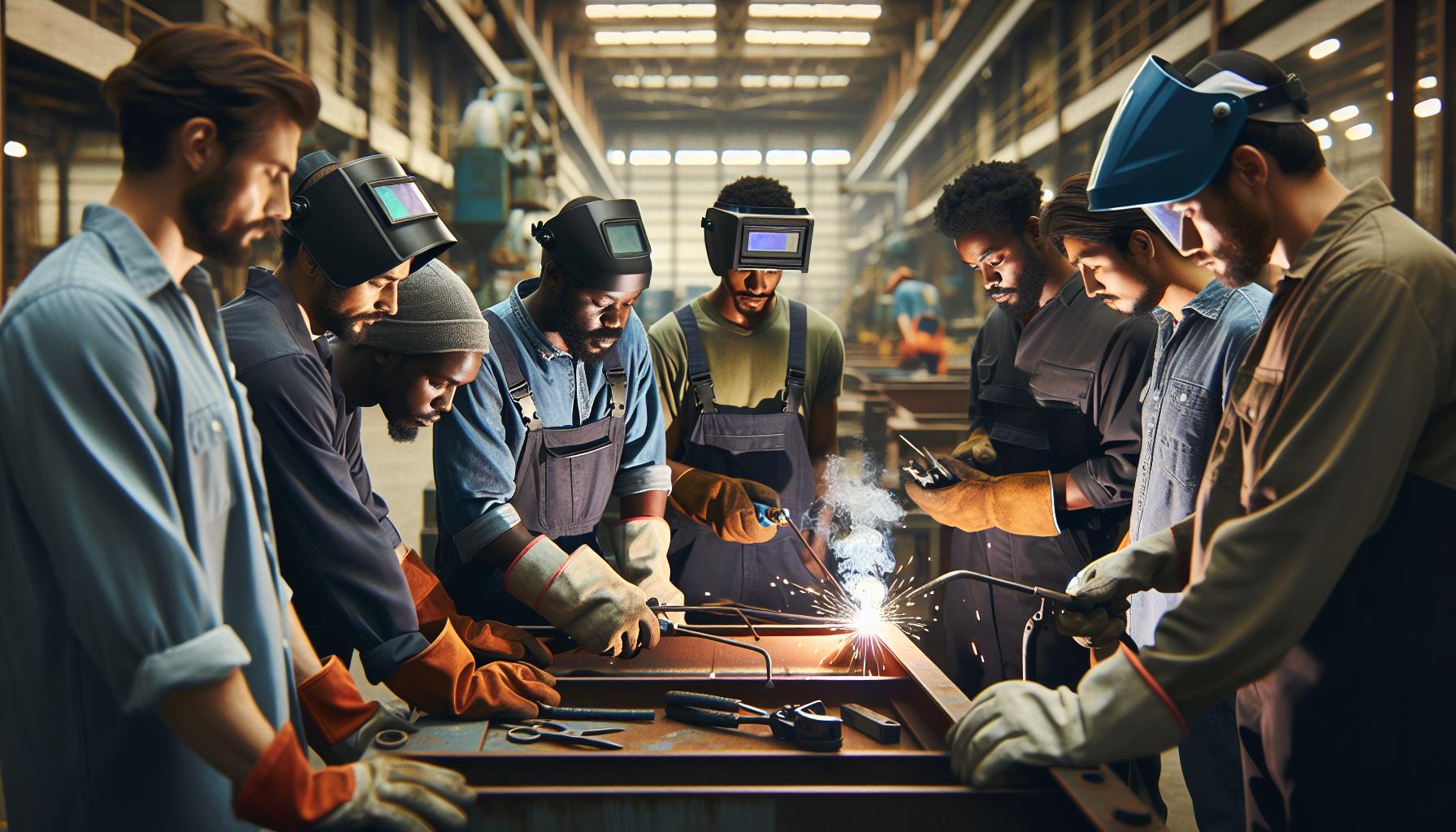
Understanding Galvanization and Its Impact on Welding
The process of galvanization, which involves coating steel or iron with a layer of zinc, not only enhances resistance to corrosion but also significantly influences the welding characteristics of the material. Understanding this impact is crucial for welders looking to effectively join galvanized steel to other metals, including uncoated steel. When heated during welding, galvanized steel can release zinc fumes-these fumes can pose health hazards if inhaled, making it essential for welders to operate in well-ventilated areas or use appropriate respiratory protection.
When welding galvanized steel, the heat from the welding process may alter the layer of zinc, potentially leading to issues such as poor adhesion and compromised joint integrity. If not managed correctly, the presence of zinc can result in weld imperfections, like porosity, or a lack of fusion between the base materials. Hence, understanding the melting point of zinc, which is significantly lower than that of steel, plays a critical role in selecting the right welding technique and parameters.
To mitigate these issues, proper preparation of the galvanized surfaces is fundamental. This may involve removing the zinc coating from the areas to be welded, ensuring a clean and robust bond can be achieved. Various welding methods, including MIG, TIG, and stick welding, can be employed depending on the thickness of the materials and the specific requirements of the project. Awareness of these details can lead to successful welding outcomes, preserving the advantages that galvanization brings while ensuring strong, durable joints.
Safety Risks When Welding Galvanized Steel
Welding galvanized steel introduces a unique set of safety risks that must be carefully managed to protect both the welder and the integrity of the workpiece. One of the primary concerns arises from the release of zinc fumes when the galvanized coating is subjected to the intense heat of welding. These fumes are hazardous to health and can cause respiratory issues when inhaled. Therefore, ensuring adequate ventilation in the work environment is crucial. Utilizing local exhaust ventilation systems or wearing appropriate respiratory protection, such as an air-supplied respirator, can significantly reduce the risk of inhalation.
Furthermore, exposure to zinc can also lead to a condition known as metal fume fever. This illness manifests with flu-like symptoms after inhaling zinc oxide fumes and can affect anyone, but particularly those who might not be accustomed to working with galvanized materials. In addition to respiratory concerns, there is also a risk of skin and eye irritation from exposure to molten zinc. It’s vital to wear protective clothing, gloves, and goggles to shield against splashes and direct contact.
Welding galvanized steel also presents fire hazards due to the presence of flammable materials in the vicinity, especially when working with overhead or in confined spaces. Ensuring a clean workspace and removing any combustibles can mitigate this risk. Setting up a fire watch during and after welding operations is also a recommended safety practice, ensuring any potential sparks or flare-ups are promptly dealt with.
In summary, the hazards associated with welding galvanized steel are significant but manageable with proper precautions. Effective ventilation, adequate personal protective equipment (PPE), workspace safety, and awareness of health risks will not only enhance the welder’s safety but also promote better welding outcomes by allowing for more focus on technique rather than potential hazards. Prioritizing these safety measures is essential for anyone involved in the welding of galvanized materials.
Techniques for Welding Galvanized to Steel
When considering the challenge of welding galvanized steel to other forms of steel, it is essential to understand the unique properties and behaviors of the galvanized coating under welding conditions. The zinc coating, provide essential corrosion resistance, is prone to vaporization due to the high heat generated during welding, leading to potential defects in the weld if not managed correctly. Familiarizing yourself with effective techniques is vital to achieving a strong, sound joint while minimizing complications arising from the presence of zinc.
One of the most widely accepted is to use the MIG (Metal Inert Gas) welding process. This method can be particularly beneficial when using a solid wire electrode, as it allows for better control over the heat input, thus minimizing the amount of zinc vapor that escapes during the welding process. Additionally, preheating the galvanized material can help reduce the thermal shock, allowing for a more stable weld and less chance of zinc being expelled without proper penetration. Ensure the area immediately adjacent to the weld is cleaned thoroughly to remove the zinc layer; contaminants can lead to poor bonding and increased spatter.
For those utilizing the Stick (SMAW) method, a low hydrogen electrode is recommended to mitigate the adverse effects of the zinc coating. The flux within the electrode helps to shield the weld pool, reducing oxidation and improving the quality of the weld. It is crucial to have a steady hand and control the travel speed effectively; moving too quickly may lead to insufficient fusion, while moving too slowly could increase the zinc exposure, resulting in contamination.
Another approach involves using the Flux-Cored Arc Welding (FCAW) technique. With this method, the flux within the core provides an additional protective layer over the molten pool, which helps in managing the zinc vapor. Selecting the right type of flux-cored wire specifically designed for galvanized materials can enhance the process by maintaining a cleaner weld. Always keep the welding area well-ventilated, as supported by best safety practices, to handle the potential release of zinc fumes appropriately.
In summary, the can be successfully executed with careful planning, technique selection, and a robust awareness of safety protocols. Each welding method has unique advantages and requirements, so choose the one that best fits the material thickness and project needs while prioritizing the integrity of the weld and the health of the welder.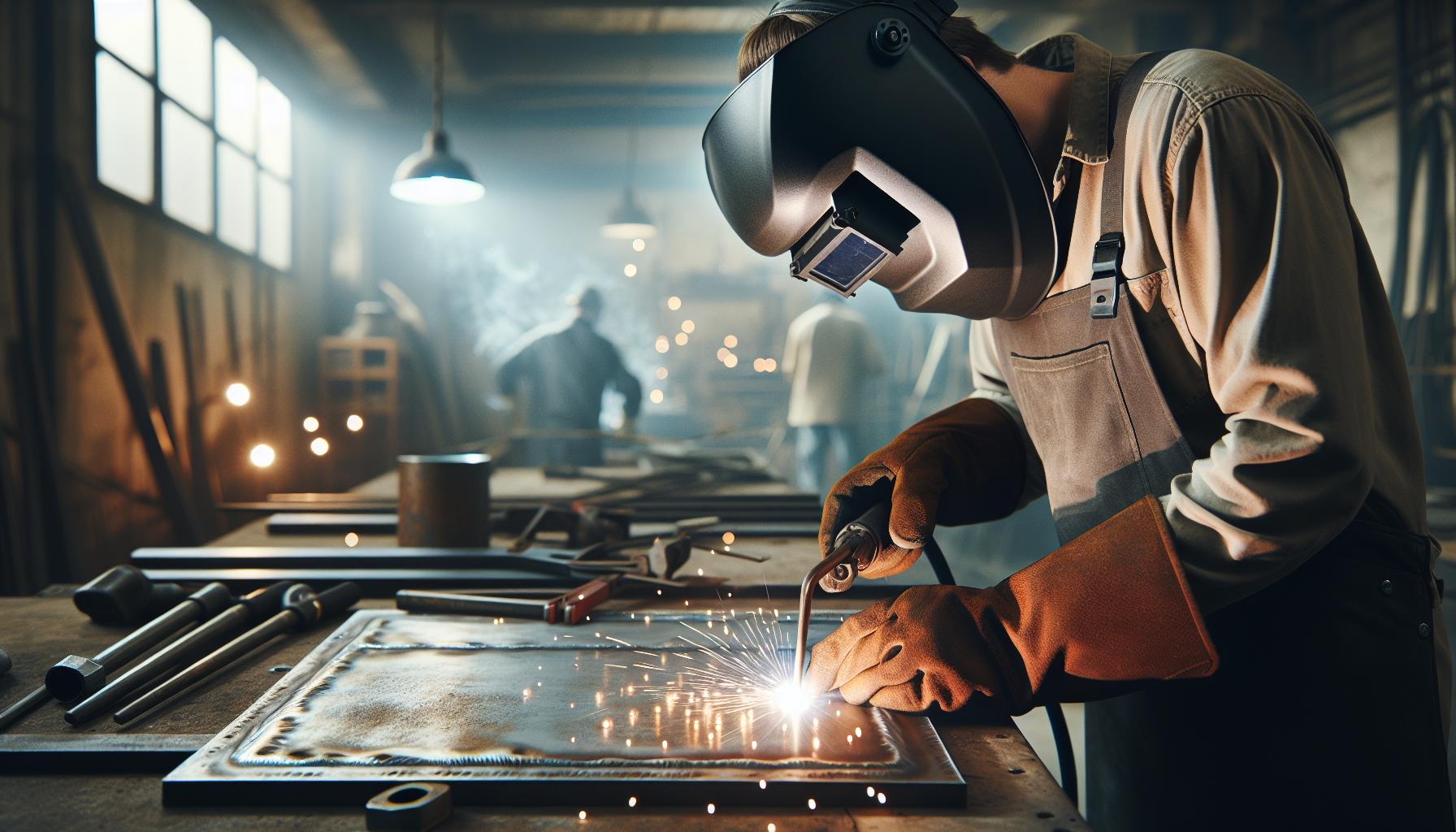
Preparing Galvanized Steel for Welding
To achieve successful welds when working with galvanized steel, meticulous preparation is essential. The presence of a zinc coating on galvanized materials, while crucial for corrosion resistance, poses unique challenges during welding. This coating can vaporize due to the intense heat generated in the welding process, potentially leading to poor weld quality and structural integrity if not addressed properly.
First and foremost, cleaning the surface is vital. The zinc layer must be sufficiently removed from the areas where welding will occur. Contaminants such as dirt, oil, and old paint can also compromise the weld. A wire brush, grinder, or chemical cleaners can be employed to prepare the surface adequately. It’s advisable to clean a region extending slightly beyond the weld area to ensure a clean point of contact that promotes good fusion.
Preheating the galvanized steel is another effective practice. By heating the material to a temperature around 200°F to 300°F (93°C to 149°C), you can minimize thermal shock and reduce the risk of zinc expulsion. This technique aids in stabilizing the weld pool and helps achieve better penetration, leading to a stronger joint. Moreover, controlling the heat input during the welding process itself is crucial. Using a welding method such as MIG or flux-cored welding with proper settings can help manage the heat and minimize zinc vaporization.
Additionally, having the right tools on hand is imperative for effective preparation. High-quality tungsten electrodes, appropriate wire gauging for MIG, and low hydrogen electrodes for stick welding can vastly improve the welding process and outcomes on galvanized surfaces. Prioritize a well-ventilated environment to mitigate the inhalation of zinc fumes, which pose safety risks during welding. By adhering to these preparation guidelines, welders can significantly improve their chances of creating strong, reliable welds on galvanized steel.
Choosing the Right Welding Method for Galvanized Steel
Welding galvanized steel requires careful consideration of the welding method used due to the challenges posed by the zinc coating. Selecting the right technique can significantly influence the quality of the weld and the structural integrity of the finished product. Among the various welding methods, some stand out as particularly effective for galvanized materials.
MIG (Metal Inert Gas) welding is one of the most commonly chosen methods for its versatility and ease of use, especially for thinner galvanized sheets. This technique utilizes a continuous wire feed that produces a shield of inert gas, preventing contamination from the atmosphere. When welding galvanized steel, it’s important to adjust the settings to manage heat input properly. Maintaining a lower amperage can minimize the risks of zinc vaporization, which can lead to poor weld quality and defects. Additionally, employing a spray transfer technique can improve penetration and reduce the likelihood of spatter, which is particularly beneficial when working with galvanized surfaces.
TIG (Tungsten Inert Gas) welding is another method suitable for galvanized steel, especially when precision and cleanliness are paramount. This process allows for better control over the heat input, making it easier to avoid excessive heating that could lead to unwanted zinc fume generation. TIG welding is ideal for intricate or thin materials, offering a cleaner weld with minimal distortion. However, it does require more skill and can be slower than MIG welding, making it less common for large projects.
Stick welding (SMAW) is often chosen for its simplicity and effectiveness in outdoor or less controlled environments. However, when working with galvanized steel, the type of electrode is crucial. Low hydrogen electrodes are preferred as they reduce the risk of hydrogen embrittlement, which can adversely affect the welded joint’s strength. Moreover, preheating the material before stick welding helps mitigate the risk of zinc expulsion and improves overall weld quality.
Flux-cored arc welding (FCAW) also presents a viable option for galvanized steel, particularly when working on thicker materials. The flux in the wire generates a shielding gas, providing protection against oxidation and contamination during the welding process. This method can handle dirtier surfaces better than MIG or TIG, but still requires good preparation to ensure the zinc layer doesn’t interfere with the weld.
For optimal results when welding galvanized steel, it’s essential to evaluate the specific requirements of the project and choose the appropriate method accordingly. Each welding technique has its unique advantages and challenges, so understanding these will help ensure strong and durable welds. Always prioritize safety measures by ensuring proper ventilation and using personal protective equipment to guard against harmful zinc fumes generated during the welding process.
Essential Equipment for Welding Galvanized Material
When it comes to welding galvanized materials, selecting the right equipment is paramount to ensure safety and achieve high-quality welds. The unique properties of galvanized steel, particularly its zinc coating, require specific tools to mitigate risks associated with fumes and ensure strong joint integrity. A well-equipped workspace not only enhances performance but also prioritizes the welder’s health and safety.
To begin with, the welding machine plays a crucial role in the welding process. For those opting for MIG welding, a MIG welder equipped with a spool gun may be ideal, especially for thicker galvanized sheets. This setup minimizes wire feed issues and improves feed consistency. Similarly, for TIG welding, a high-frequency titanium welder allows for precise control, which is particularly beneficial when working with galvanized material that can easily warp under excessive heat. Stick welding requires a robust DC stick welder capable of managing different electrode types, with low hydrogen electrodes being preferable to prevent hydrogen embrittlement.
In addition to the welder itself, protective equipment is essential. A proper helmet with automatic darkening features can provide instant protection against the bright arc produced during welding, while high-quality gloves designed for welding are critical for shielding against heat and potential sparks. Wearing long-sleeved clothing and heavy-duty shoes further protects the welder from hot metal splatters.
Ventilation should also be a key consideration. A well-ventilated work area is crucial when welding galvanized steel, as the process releases harmful zinc fumes. Employing local exhaust ventilation systems assists in fume extraction, reducing exposure to hazardous materials. In less controlled environments, portable fume extractors can be beneficial.
Moreover, keeping basic hand tools such as grinders, wire brushes, and chisels handy ensures surface preparation is effective, allowing for a cleaner weld by removing zinc contamination. Finally, utilizing safety data sheets (SDS) for the materials involved can inform welders of any specific risks and recommended handling procedures.
By leveraging the right equipment and safety measures, welders can confidently tackle the challenges of working with galvanized steel, securing both their health and the quality of their workmanship.
Post-Weld Care: Preventing Corrosion and Damage
Once the welding process is complete, careful attention must be paid to the post-weld care of galvanized steel to ensure long-lasting integrity and resistance to corrosion. The act of welding removes the protective zinc coating from the areas around the joint, which exposes the underlying steel and makes it vulnerable to rust and other forms of deterioration. Implementing effective post-weld treatment is crucial for maintaining the overall durability of the welded assembly.
To begin with, it’s important to inspect the welds thoroughly for any defects or inconsistencies. Look for issues like porosity or undercut, which can compromise the strength and functionality of the joints. If defects are spotted, it may be necessary to rectify them immediately to prevent future problems. Following inspection, it’s advisable to remove any slag, spatter, or debris from the weld area, as these contaminants can trap moisture and lead to corrosion over time.
Once the welds are clean, applying a protective coating is a key step to prevent rust. Options include:
- Cold galvanizing spray: This zinc-rich paint helps to restore the protective layer where the zinc has been burned off during welding.
- Paint or primer: A quality primer appropriate for metal surfaces can provide a moisture barrier, further enhancing protection.
- Rust-inhibiting sealants: These can offer an additional layer of defense against the elements.
For projects exposed to severe environmental conditions, consider using a galvanizing touch-up paint specifically designed for maintaining galvanization. After the coating has dried, it’s beneficial to conduct a final inspection to ensure an even application and check for any areas that may require further attention.
Finally, establishing a routine maintenance schedule can significantly enhance the lifespan of welded structures. Regular cleaning and inspection will help detect any early signs of corrosion and allow for timely repairs, ensuring that the integrity of the welded joints remains intact over time. By taking these proactive measures, welders not only enhance the performance of their work but also contribute to the safety and durability of their projects.
Common Challenges and Solutions in Welding Galvanized Steel
When welding galvanized steel, the challenges can be as complex as they are critical. One of the most significant issues arises from the zinc coating that provides corrosion resistance; this coating generates toxic fumes during the welding process, posing health risks to welders. Therefore, adequate ventilation and appropriate respiratory protection are paramount. Additionally, the melting point of zinc is much lower than that of steel, which can lead to rapid oxidation and poor weld quality if not addressed properly.
One effective solution to mitigate these challenges is to prepare the surface adequately before welding. This can involve completely removing the galvanization in areas where welding will take place. Techniques such as mechanical grinding or using chemical solutions are commonly applied to ensure a clean weld zone. Another strategy is to use a welding method known for its ability to minimize heat input, such as MIG welding with a short-circuit transfer technique. This approach helps retain the integrity of the zinc coating adjacent to the weld while achieving strong joint fusion.
A frequently encountered challenge is controlling the distortion of the welded structure, especially with thicker sections of galvanized steel. This can lead to warping and misalignment. To combat this, employing proper clamping and sequencing of the welds can help maintain dimensional stability throughout the process. Additionally, using heat sinks or cooling provisions can alleviate excessive thermal stress on the material.
Ultimately, the successful welding of galvanized steel relies on a blend of preparation, technique, and post-weld treatment. By understanding the specific challenges presented by this material and implementing targeted solutions, welders can achieve high-quality, durable welds while safeguarding both their health and the longevity of the completed projects. The proactive identification of potential issues, combined with thoughtful planning and execution, will streamline the process and enhance the overall results in working with galvanized steel.
Best Practices for Safety and Compliance
When working with galvanized steel, prioritizing safety and compliance is crucial not only for the welder’s health but also for ensuring the integrity of the finished product. The welding process emits hazardous fumes, particularly from the zinc coating, which can pose significant health risks. To address this, implement stringent safety protocols throughout the welding operation. Proper ventilation is essential; create a well-ventilated workspace or use exhaust systems to disperse harmful fumes. Additionally, wearing appropriate personal protective equipment (PPE)-including a high-quality respirator designed for welding fumes, gloves, and protective clothing-can further mitigate exposure to these toxins.
Understanding the regulatory landscape governing welding operations can also enhance safety compliance. Familiarize yourself with local Occupational Safety and Health Administration (OSHA) guidelines and the American National Standards Institute (ANSI) standards relevant to welding practices. These regulations outline mandatory practices and safety measures that not only protect workers but also ensure that the welding environment meets established safety criteria.
To bolster overall safety, consider implementing a comprehensive training program for all personnel involved in welding. This should cover both theoretical knowledge (e.g., understanding the risks associated with galvanized steel) and practical skills (e.g., executing proper welding techniques that minimize heat input). Regularly scheduled safety drills and continuous education on emerging welding technologies and safety practices can also keep workers informed and prepared.
Finally, conducting a thorough hazard assessment prior to beginning any project involving galvanized steel can uncover specific risks associated with the materials and methods planned. This assessment can lead to tailored strategies that address the unique challenges posed by the welding process. By integrating these best practices-adequate ventilation, PPE, compliance with regulations, and ongoing training-welders can operate safely and effectively while working with galvanized materials, ultimately leading to high-quality and reliable results.
Alternatives to Welding Galvanized Steel
When faced with the challenges of welding galvanized steel, it’s important to recognize that there are viable alternatives that may eliminate the complications associated with welding. One such option is using mechanical fasteners, such as bolts, screws, or rivets, which can provide a strong connection without the hazards of fume exposure inherent in the welding process. Not only can these fasteners save time and reduce the need for extensive surface preparation, but they also maintain the integrity of the galvanized coating, thus enhancing corrosion resistance.
Adhesive Bonding
Another alternative to consider is adhesive bonding. Modern structural adhesives, such as epoxy or polyurethane, offer formidable bonding strength and flexibility while minimizing the risk of distortion that can occur with welding. This method is particularly beneficial when working with thinner sheets of galvanized steel or when aesthetic appearance is a primary concern, as it does not leave any visible welds. Adhesive bonding also enables fabrication in a controlled environment, allowing for better quality control and facilitating quicker assembly.
Pre-Weld Coating Removal
If welding is unavoidable, strategically planning for pre-weld coating removal can serve as a less hazardous alternative. This involves mechanically or chemically removing the galvanized coating in the areas where the welds will occur. By ensuring that the wicking and spattering of toxic zinc fumes is minimized, this method can make the welding process safer while still allowing for the benefits of welding where needed. It is essential to ensure that the steel is properly cleaned and prepared post-weld to restore corrosion protection.
Using Hybrid Welding Techniques
Hybrid welding methods, which combine traditional welding with other non-thermal methods, can also be a practical alternative. Techniques like laser welding or hybrid laser-arc welding can produce high-quality welds with minimal heat input, thus reducing the amount of harmful fumes generated. These methods are particularly advantageous in applications requiring high precision and clean joints.
In summary, while welding galvanized steel is a common practice, various alternatives such as mechanical fastening, adhesive bonding, pre-weld coating removal, and hybrid welding techniques can offer safe and effective solutions. By evaluating the specifics of each project and considering these alternatives, one can enhance both safety and efficiency in fabricating with galvanized materials.
Real-Life Applications of Welding Galvanized Steel
Welding galvanized steel is a common practice across various industries due to its excellent corrosion resistance, making it ideal for outdoor and high-humidity environments. Applications range from construction to automotive manufacturing, where the durability and protective properties of galvanization are paramount. Understanding the practical uses of this welding technique can illuminate the advantages and considerations inherent in working with galvanized materials.
In the construction sector, galvanized steel is often welded into frameworks for buildings, bridges, and other infrastructure. This application is vital in ensuring longevity and reducing maintenance costs. For example, welding galvanized beams can create robust support structures that withstand the elements over time. The welding process is essential, especially in regions where weather conditions can quickly deteriorate unprotected steel.
Another prominent application is in the automotive industry, where galvanized steel components are welded for car frames and body panels. The combination of the weld strength and the protective zinc layer ensures that vehicles resist rust and corrosion, thus extending their service life. When welding automotive components, techniques such as MIG (Metal Inert Gas) or TIG (Tungsten Inert Gas) are commonly employed, as these methods provide the precision needed for structural integrity and finish quality.
Moreover, infrastructure projects, like highway guardrails, frequently utilize welded galvanized steel. This not only enhances safety through stronger barriers but also ensures that they remain intact over years of exposure to harsh weather and road salt. In this context, using flux-cored welding can be beneficial due to its ability to work effectively outdoors and provide good penetration in thicker materials.
In summary, the demonstrate its integral role in various industries. From construction to automotive manufacturing, the strength and durability provided by expert welding techniques ensure that galvanized steel remains a preferred choice for components requiring long-lasting protection against corrosion. As welders continue to innovate and refine their methods, the versatility of galvanized steel will likely expand, offering even more applications in the future.
Expert Tips for Beginners on Welding Techniques
When venturing into the realm of welding, particularly with galvanized steel, it’s crucial to understand how to master the techniques for optimal results. Newcomers often face unique challenges due to the specific properties of galvanized steel, such as its zinc coating, which can emit harmful fumes when heated. To avoid pitfalls, beginners should focus on a few key tips that can enhance their welding skills and ensure safety.
Preparation is Key
Before any welding begins, surface preparation is essential. Removing the zinc coating from the areas to be welded is not just advisable; it’s necessary. This can be done using a grinder or a wire brush to prevent the zinc from vaporizing during welding, which can produce toxic fumes. Additionally, ensure that the surfaces are clean and free from rust and debris for better fusion.
Choosing the Right Welding Process
Selecting the appropriate welding technique significantly affects the outcome. For galvanized steel, MIG welding is often favored due to its ability to deliver a strong, clean weld with less spatter. On the other hand, TIG welding, while more complex, provides excellent control and a high-quality finish, making it suitable for thinner materials. For thicker sections or outdoor use, consider flux-cored arc welding, which is effective in windy conditions and does not require an external shielding gas.
Maintaining Proper Settings
Understanding and adjusting your welding machine settings are crucial for achieving good penetration without burning through the zinc coating. Adjust the voltage and wire feed speed carefully based on the material thickness and type. Always conduct a test weld on scrap material to fine-tune these settings before tackling the actual project.
Safety First
Safety cannot be overstated. Wearing appropriate protective gear such as a welding helmet with the correct shade, gloves, and protective clothing is essential. Implement proper ventilation in your workspace to mitigate the inhalation of harmful fumes released from the galvanized material. Using a fume extractor or working outdoors can significantly reduce exposure risks.
By keeping these expert tips in mind, beginners can navigate the complexities of welding galvanized steel effectively and safely. Practice, patience, and adherence to safety protocols will lead to considerable improvements in skill and confidence over time.
Frequently asked questions
Q: Why is it dangerous to weld galvanized steel?
A: Welding galvanized steel releases zinc fumes, which can be harmful if inhaled. Proper ventilation and personal protective equipment (PPE) are essential to minimize health risks when welding galvanized material. Always ensure you work in a well-ventilated area to safeguard against fume exposure.
Q: What safety gear should I use when welding galvanized steel?
A: When welding galvanized steel, wear a respirator rated for welding, safety goggles, gloves, and protective clothing to shield against burns. Additionally, use a welding helmet with appropriate shading to protect your eyes from sparks and UV radiation during the welding process.
Q: How does galvanization affect weld quality?
A: Galvanization can create challenges in welding due to the presence of zinc, which can lead to gas pockets in the weld. Preheating the material and cleaning the zinc coating from the weld area can improve weld quality significantly. Refer to the “Preparing Galvanized Steel for Welding” section for tips.
Q: Can you use a MIG weld on galvanized steel?
A: Yes, MIG welding can be effective for galvanized steel. However, it is crucial to clean the area to remove zinc coating to avoid welding defects and improve the weld’s integrity. Consult the “Choosing the Right Welding Method for Galvanized Steel” section for specific techniques.
Q: What are common mistakes when welding galvanized steel?
A: Common mistakes include failing to clean the surface adequately, neglecting ventilation for fume control, and not using the right welding settings. These oversights can lead to poor weld quality and safety hazards.
Q: How long should I wait for post-weld cooling of galvanized steel?
A: Allow welded galvanized steel to cool naturally after welding, which generally takes a few minutes, depending on the thickness of the material. Avoid quenching with water, as this can lead to cracking and alter the steel’s properties.
Q: Are there alternatives to welding galvanized steel?
A: Yes, alternatives include using mechanical fasteners like bolts and rivets or employing adhesive bonding for joining galvanized materials. These methods can eliminate the risks associated with welding and are discussed in the “Alternatives to Welding Galvanized Steel” section.
Q: When should I avoid welding galvanized steel altogether?
A: Avoid welding galvanized steel when working in environments with high heat or flame exposure, as it can compromise structural integrity and safety. Consider alternative joining methods if the application involves extreme stress or temperature fluctuations.
Wrapping Up
When it comes to welding galvanized steel, understanding the safety protocols and techniques is paramount. By prioritizing proper methods, you can ensure a strong bond without compromising safety. Don’t hesitate to explore other welding resources, such as our comprehensive guide on MIG and TIG welding techniques or our in-depth look at essential safety gear for welders. As you continue your welding journey, consider subscribing to our newsletter for expert tips and exclusive content that deepens your knowledge and skills.
Feeling inspired to get started? Remember, the right tools and knowledge set the foundation for successful projects. If you have questions or share your experiences, leave a comment below-we’d love to hear from you! For further learning, check out our sections on aluminum welding techniques and repair solutions. Your journey into the world of welding is just beginning; let us support you every step of the way!