

Welding zinc plated steel presents unique challenges and opportunities for both novice and experienced welders alike. While zinc plating offers excellent corrosion resistance, it can complicate the welding process due to its melting properties and potential for creating harmful fumes. Understanding safe and effective methods for welding this material is crucial to ensure strong, durable joints without compromising safety or structural integrity. Whether you’re repairing equipment or constructing new projects, knowing how to properly weld zinc plated steel not only enhances your skills but also helps you achieve superior results. As you explore the techniques and precautions involved, you’ll gain valuable insights that can elevate your welding game and empower your future projects. Let’s delve into the safe methods that make welding zinc plated steel a feasible and rewarding endeavor.
Understanding Zinc Plated Steel and its Challenges for Welding
Welding zinc plated steel presents unique challenges that require a thorough understanding of both the material and the welding process. Zinc plating is often applied to steel to prevent corrosion, but this protective layer poses significant issues during welding. When heated, zinc can vaporize and release harmful fumes, potentially leading to zinc fume fever, a flu-like illness that affects welders who inhale the fumes. Therefore, knowing how to manage these risks is critical for anyone working with zinc coated materials.
One of the primary challenges of welding zinc plated steel is the potential for weld defects. The presence of zinc can lead to porosity and inclusions in the weld, compromising the integrity of the joint. Additionally, the melting point of zinc is much lower than that of steel, which means that welders must take care to control the heat input. Overheating can lead to excessive zinc evaporation, resulting in weak welds and increased likelihood of corrosion at the fusion line.
To effectively work with zinc plated steel, proper preparation and technique are crucial. Before welding, it’s advisable to remove the zinc coating from the area to be welded by grinding or sanding. This not only helps mitigate the risk of harmful fumes but also facilitates better penetration and fusion of the materials. Furthermore, selecting the appropriate welding technique-whether MIG, TIG, or stick welding-can play a significant role in the outcome of the weld. Each method has its own characteristics and may be suited differently based on the specific requirements of the project and the environment.
In summary, understanding the properties of zinc plated steel and the associated welding challenges is essential for producing strong, reliable welds while prioritizing safety. Implementing the right techniques and precautions can lead to successful outcomes, even when working with these complex materials.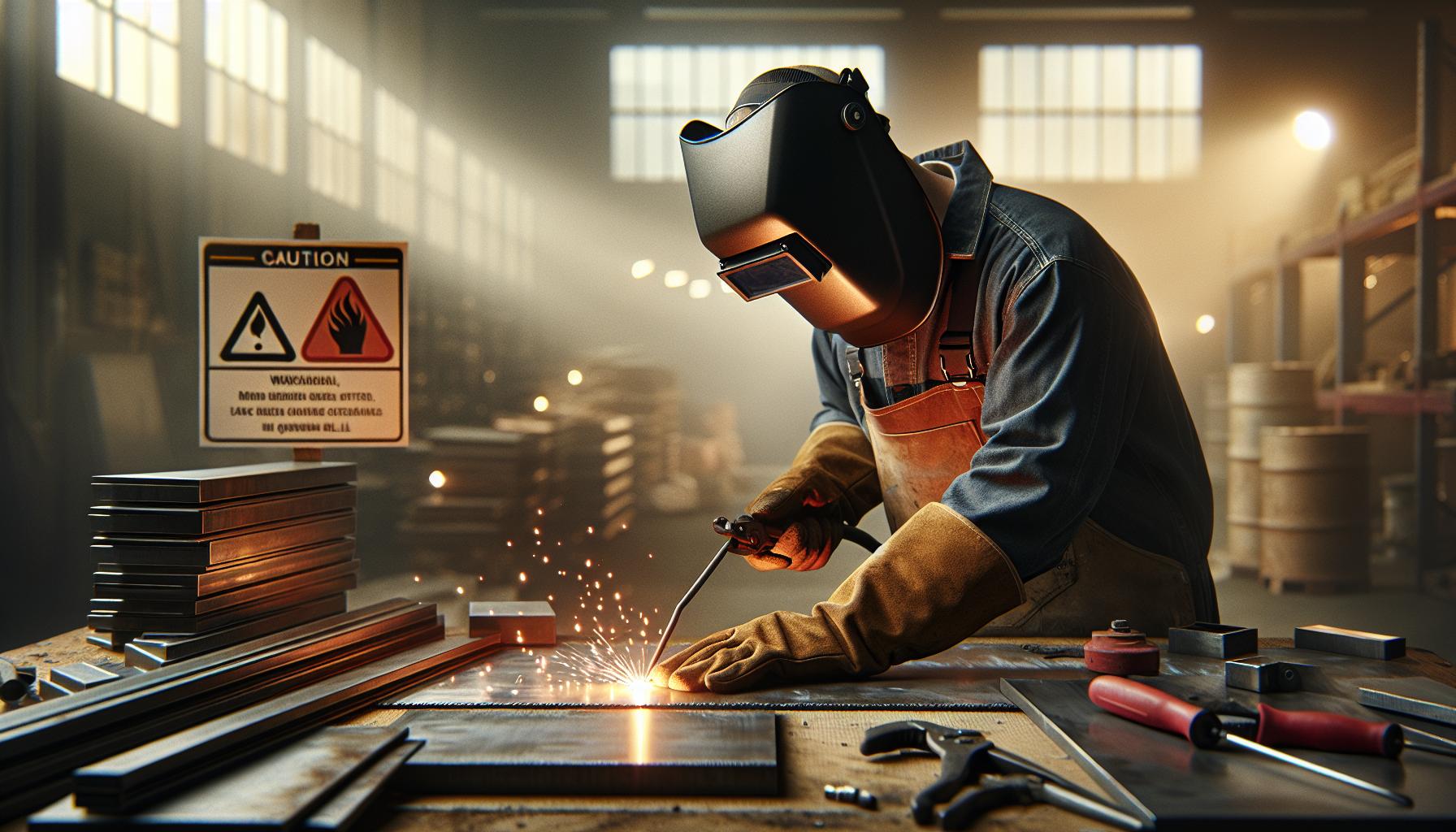
The Risks of Welding Zinc Coated Steel
Welding zinc-coated steel is a task that presents a set of unique challenges and risks, primarily due to the properties of the zinc coating itself. When heated during the welding process, zinc can vaporize and create toxic fumes, which pose serious health risks to welders. Specifically, inhaling these zinc fumes can lead to a condition known as zinc fume fever, characterized by flu-like symptoms such as fever, chills, and muscle aches. This underscores the importance of adequate ventilation and protective measures in any welding environment involving zinc-coated materials.
In addition to health risks, the presence of zinc can significantly compromise weld integrity. As zinc fuses with the molten metal during welding, it can lead to issues such as porosity, inclusions, and poor penetration. These defects not only weaken the weld joint but also expose the weld to increased susceptibility to corrosion over time. Furthermore, since zinc has a much lower melting point than steel, controlling the heat input during the welding process becomes critical. Excessive heat can cause rapid zinc evaporation, resulting in weak welds and a flawed bond between the materials.
To mitigate these risks, key practices should be implemented before and during the welding process. Pre-weld preparation is essential; it is advisable to remove the zinc coating from the areas to be welded. This can be achieved through methods such as grinding or sanding, which not only reduces the risk of harmful fume generation but also facilitates better fusion of the metal. Additionally, choosing the right welding technique-whether MIG, TIG, or stick welding-can influence the results significantly. Each method has its strengths and may be more suited to specific welding environments or objectives.
Ultimately, adopting safety protocols and understanding the risks associated with welding zinc coated steel are vital for any welder. By taking proper precautions, such as wearing appropriate personal protective equipment (PPE) and ensuring adequate ventilation, welders can minimize health risks while achieving strong, reliable welds. Implementing these practices ensures not only the safety of the welder but also the quality and durability of the welded joint.
Essential Safety Gear for Welding Zinc Plated Materials
Welding zinc-coated materials demands not only skilled technique but also an acute awareness of safety protocols. The process generates toxic fumes that necessitate the use of appropriate personal protective equipment (PPE) to shield the welder from hazardous exposures. Given that zinc fume fever can manifest with symptoms as severe as chills and muscle aches, investing in quality safety gear is essential for health and well-being in the welding environment.
Start with a reliable respirator or mask specifically rated for welding fumes. This piece of equipment plays a critical role in filtering out the harmful zinc particles that can be released during the welding process. Fume extraction systems can provide additional protection by capturing fumes at the source, significantly reducing inhalation risks. A ventilated welding booth is also advantageous, as it ensures that fresh air is continually circulated, diluting any hazardous fumes present in the workspace.
Equally important is protective clothing. Flame-resistant coveralls made from materials like cotton treated with flame retardants can safeguard against sparks, spatter, and accidental contact with hot surfaces. Wearing durable leather gloves helps protect the hands from burns and the radiation emitted during welding. By using gloves that allow for dexterity, welders can maintain effective control over their tools while ensuring safety.
Lastly, eye protection is paramount. Welding helmets equipped with auto-darkening lenses protect against UV and IR radiation, while also providing a clear view of the welding arc. It is vital that these helmets meet the highest industry standards to ensure welders are shielded from the harmful conditions that come with welding zinc-coated steel.
By prioritizing comprehensive safety gear, welders can significantly mitigate the risks associated with their craft. From respiratory protection to flame-resistant clothing, ensuring every piece of equipment is of high quality creates a safer welding environment.
Best Welding Techniques for Zinc Plated Steel
Welding zinc-plated steel presents unique challenges due to the presence of zinc, which can lead to issues such as poor weld quality and harmful fumes. One of the most effective techniques for welding this material is using MIG (Metal Inert Gas) welding. This method utilizes a continuous wire feed and a shielding gas to protect the molten weld pool from contamination, making it ideal for thin materials often found in zinc-coated steel. By adjusting the wire feed speed and voltage, welders can achieve a stable arc, which is crucial for maintaining control and minimizing burns through the zinc layer.
In addition to MIG, TIG (Tungsten Inert Gas) welding is another viable method that offers enhanced control and a cleaner weld, particularly in situations where aesthetics and precision are paramount. TIG welding employs a non-consumable tungsten electrode and can be beneficial when welding in tight spaces or maneuvering around delicate components. However, it requires more skill and may be slower than MIG, making it less favorable for high-production environments.
When engaging in any welding on zinc-plated materials, the technique of preheating can significantly improve results. By gently heating the area to be welded, the risk of base metal distortion is reduced, and the zinc coating is less likely to produce spatter. Welders should also consider using a flux core wire if working in outdoor conditions; this self-shielding method can protect against wind and contaminants, though it may produce more fume and should be used cautiously in environments with proper ventilation.
Lastly, an often-overlooked tip is to remove the zinc coating in the immediate area of the weld. Utilizing a grinder or a wire brush can clear the surface and eliminate the risk of zinc contamination during the welding process. This step not only improves the integrity of the weld but also helps in minimizing the amount of toxic fumes generated. Understanding these techniques can elevate the quality of your welds and ensure safety when working with zinc-plated materials.
MIG vs TIG: Which Method Works Best?
Welding zinc-plated steel poses considerable challenges, primarily due to the presence of zinc, which can lead to poor weld quality and the generation of harmful fumes during the process. In this context, both MIG (Metal Inert Gas) and TIG (Tungsten Inert Gas) welder methods serve distinct purposes and are chosen based on specific project requirements and skill levels.
MIG welding is often favored for its speed and efficiency. Utilizing a continuous wire feed and shielding gas, MIG welding minimizes contamination of the molten weld pool, making it particularly advantageous for thinner materials like zinc-coated steel. This method allows for quicker operation, making it highly suitable for high-volume projects. Experienced MIG welders can fine-tune the wire feed speed and voltage to maintain a stable arc, effectively reducing the risk of burn-through, which is critical when working with delicate coatings such as zinc. However, the speed of MIG welding requires careful monitoring, as a hasty approach can lead to superficial welds lacking in strength.
On the other hand, TIG welding provides enhanced precision and control, making it ideal for applications where aesthetics and weld integrity are paramount. This method employs a non-consumable tungsten electrode, which allows for a cleaner, higher-quality weld, particularly in intricate or awkward positions. TIG welding, while slower and more skill-intensive than MIG, excels in producing smooth, gap-free welds. This is particularly beneficial when the appearance of the final product is as important as the structural integrity, such as in decorative metal works or high-visibility structural projects.
When deciding between MIG and TIG for welding zinc-plated steel, consider factors such as the project timeline, the level of expertise available, and the importance of weld aesthetics. Each method has advantages that cater to different welding conditions; hence, having a solid understanding of both techniques enables welders to choose the most effective approach while ensuring safety and quality in their work.
Preparing Zinc Plated Steel for Welding
Welding zinc plated steel requires meticulous preparation to ensure a successful weld and minimize issues associated with the zinc coating. Notably, zinc, while offering excellent corrosion resistance, can release harmful fumes during the welding process and compromise weld integrity if not adequately managed. To set the stage for safe and effective welding, it is crucial to understand the preparation steps involved.
Initially, surface cleaning is paramount. Remove any surface contaminants such as oil, grease, or dirt using a suitable solvent or cleaner. Additionally, using tools like a wire brush or grinder can help eliminate the zinc layer in areas where welding will occur. This not only mitigates the risk of poor weld penetration but also reduces the probability of zinc fume generation. When removing zinc, care should be taken to avoid excessive grinding, which can damage the base metal underneath.
Another important aspect is opening up the joint. Given that zinc coatings can affect how well welds adhere, it’s often recommended to create a joint design that enhances access for the welding arc. A groove or butt joint can allow for direct exposure of the base steel, providing a clean area for stronger welds. Some welders opt to prepare larger gaps to allow for sufficient weld material, especially when using MIG welding, where high-speed processes might not penetrate deep enough through residual zinc.
Finally, attention to environmental factors should not be overlooked. Ensure proper ventilation in the workspace to dissipate harmful fumes generated during the process. Utilizing fume extraction systems or working outdoors when possible can significantly enhance safety. This preparation phase is essential not only for the quality of the weld but also for the health and safety of those involved in the welding process.
By taking these preparatory steps seriously, welders can better navigate the challenges associated with welding zinc plated steel, leading to stronger and more reliable welds while promoting a safer work environment.
Post-Welding Care for Zinc Coated Steel
Welding zinc-coated steel requires not only skill during the welding process, but also diligent attention to post-welding care to ensure the integrity and longevity of the resulting joint. Once the welding is completed, the immediate environment surrounding the weld needs to be managed to preserve the quality of the weld and protect against corrosion.
One crucial step in post-welding care is the removal of any contaminants that may have accumulated during the welding process. This can include flux residues, spatter, or any protective oils from tools. Using a proper cleaning solution tailored for metal surfaces is essential. A mixture of water and mild detergent can be effective, or specialized metal cleaners can be utilized for stringent cleaning requirements. It’s important to avoid any abrasive materials that might scratch the surface.
Another important consideration is preventing corrosion on the exposed areas of the weld. Since the weld zone may have had the protective zinc coating removed, it’s essential to apply a rust-inhibiting primer or paint over the weld and surrounding area to offer some protection against moisture and environmental conditions. This coating should be compatible with the underlying materials and provide adequate coverage.
Finally, ensure that the welded structure is stored or positioned in a way that prevents moisture accumulation or prolonged contact with water. If the project is intended for outdoor use, consider applying a galvanization process or a similar protective layer to maintain the integrity of the zinc coating. By implementing these steps, welders can significantly enhance the durability and performance of zinc-coated steel welds, ensuring their work maintains its integrity over time.
Common Mistakes When Welding Zinc Plated Materials
Welding zinc-plated materials can present unique challenges, and novice welders often find themselves facing common pitfalls that can compromise the quality of their work. One prevalent error is inadequate surface preparation. Before welding, it’s crucial to thoroughly clean the zinc-coated surface to remove any contaminants such as grease, dirt, or moisture. Failing to do so may result in poor weld penetration and increased chances of defects, such as porosity or slag inclusion. A properly prepared surface not only improves the strength of the weld but also enhances its aesthetic appearance.
Another mistake welders frequently make is neglecting to use appropriate techniques for managing the effects of zinc vaporization. Zinc has a low boiling point, which means that during the welding process, it can release toxic fumes. Not using proper ventilation or respiratory protection can expose the welder to harmful zinc oxide fumes that can cause health issues. Understanding the type of welding process being used, whether MIG or TIG, can significantly influence the management of fumes and the overall success of the welding operation. For instance, using a lower heat input can help minimize the vaporization of zinc and reduce fume generation.
Employing the wrong welding settings is another common oversight. For example, using too high of an amperage can cause excessive burning of the zinc coating, leading to a weaker weld and increased corrosion risks. It’s important to adjust settings according to the thickness and type of zinc coating on the steel being welded. Assessing the specific characteristics of the steel and calculating the correct wire feed speed and voltage can prevent overheating and resulting damage.
Finally, many welders underestimate the significance of post-weld treatment. After welding, the exposed areas need suitable protection to prevent corrosion, which is often overlooked. Applying a touch-up of zinc-rich paint or another suitable protective coating can mitigate the risk of rust forming on the newly welded area. This step is crucial for ensuring that the long-term integrity of the weld is maintained, especially in outdoor or humid environments. By being mindful of these common mistakes, welders can enhance the quality of their work and extend the durability of zinc-coated steel welds.
Handling Fumes and Exposure in Zinc Welding
Welding zinc-plated steel presents unique challenges, particularly due to the generation of toxic fumes during the process. As zinc has a low boiling point, welding can vaporize the coating and create hazardous zinc oxide fumes that, when inhaled, pose health risks such as metal fume fever. Understanding how to manage these fumes is crucial for maintaining a safe working environment.
To effectively handle fumes when welding zinc-coated materials, it’s essential to implement proper ventilation techniques. Work in areas with good airflow, using exhaust fans or fume extraction systems to minimize the concentration of inhaled fumes. When possible, position yourself in a way that avoids standing directly in the path of the fumes. Additionally, utilizing appropriate respiratory protection, such as a P100 respirator or a powered air-purifying respirator, can further safeguard your health by filtering out harmful particles.
A practical approach to reducing fume generation involves adjusting your welding parameters. Lower amperage settings not only help in minimizing the burning of the zinc coating but also reduce fume creation. Techniques like MIG (Metal Inert Gas) welding are often preferred for their ability to use shielding gases that can help disperse fumes compared to processes like stick or flux-cored welding, which tend to produce more smoke and contaminants.
Lastly, ensuring that all workers are aware of the hazards associated with zinc welding and are trained in safe practices cannot be overstated. Regularly conducting safety briefings and using visual aids to remind welders about the importance of fume management can foster a culture of safety. By being proactive about these measures, welders can effectively mitigate risks associated with toxic fumes and contribute to a safer and healthier workplace.
Repairing Welds on Zinc Coated Steel
Repairing welds on zinc-coated steel demands a careful approach to ensure the integrity of the weld and minimize the risk of reintroducing toxic fume exposure. The unique properties of zinc create challenges, particularly where existing welds are compromised or require reinforcement. By utilizing the right techniques and precautions, you can effectively repair and safeguard your projects.
A priority in the repair process is to thoroughly remove the zinc coating from the areas surrounding the weldment. This can be achieved through methods such as grinding or using a chemical paint stripper designed for metal. Eliminating the zinc layer reduces the chance of encountering zinc vapor during welding, which can be hazardous. Take care to expose a sufficient area around the original weld to ensure a solid bond can be achieved.
When proceeding to re-weld, consider your welding method. MIG welding is often favored for its efficiency and reduced smoke production, making it a viable option for repairs. Set the welder to a lower amperage to minimize the heat applied to the workpiece, which helps to control the amount of zinc vapor produced. If utilizing TIG, employ a filler rod that matches the composition of the base metal to ensure compatibility.
Post-welding, a thorough cleaning is essential to remove any residual zinc oxide and contaminants that may have formed during the welding process. Applying a rust-inhibiting primer can help protect the repaired area from corrosion, thus enhancing the longevity of the repair. Additionally, conducting a visual inspection to check for inconsistencies or weak points in the weld can help identify areas needing further remediation.
In summary, taking the appropriate precautions when repairing welds on zinc-coated steel enhances the durability of the repairs while maintaining a safe working environment. By understanding the properties of zinc and utilizing best practices, welders can ensure successful outcomes in their repair efforts.
Alternatives to Welding Zinc Plated Steel
Zinc plated steel presents unique welding challenges due to the properties of the zinc coating, which can emit harmful fumes and may cause weld quality issues. As such, it is worth considering alternative methods that bypass the complications of traditional welding altogether. One effective alternative is the use of adhesive bonding, which utilizes high-strength industrial adhesives specifically formulated for metal applications. This method eliminates the heat input associated with welding, thus preventing fume release and maintaining the integrity of the zinc coating. Moreover, modern adhesives can provide strong, durable bonds that are resistant to various environmental conditions, making them a practical choice for many applications.
Another option is mechanical fastening, which includes techniques like riveting, bolting, or using screws. Mechanical fasteners allow for quick assembly and disassembly without compromising the zinc coating, thus preserving the corrosion-resistant properties of the material. When using mechanical fastening methods, ensure that the fasteners used are compatible with the zinc plated finish, typically opting for corrosion-resistant options such as stainless steel to avoid galvanic corrosion.
For applications where welding is necessary, using a zinc repair spray can also be beneficial. These sprays can provide a protective layer post-welding, protecting the exposed metal and restoring some of the zinc’s corrosion resistance. This method can be particularly helpful when repairs are unavoidable, allowing welders to minimize damage to the zinc layer.
When choosing the most appropriate alternative, consider the application’s specific requirements, such as load-bearing considerations, exposure to harsh environments, and the need for future disassembly. By selecting the right alternative method, practitioners can effectively work with zinc plated materials while ensuring safety, efficiency, and structural integrity.
Enhancing Structural Integrity: Coating and Finishing Options
To ensure the longevity and performance of zinc plated steel in various applications, integrating an appropriate coating and finishing strategy is essential. Zinc coatings primarily serve as a barrier to corrosion, but they can be further enhanced by applying additional protective layers. This becomes especially crucial in environments prone to moisture and corrosive agents, where the integrity of the zinc layer can be compromised over time.
One highly effective method for enhancing structural integrity is to apply polymeric coatings. These coatings provide a robust layer that not only protects against moisture but also adds an aesthetic finish. Polyurethane and polyurea coatings, for instance, offer excellent adhesion to zinc surfaces and can withstand extreme weather conditions, thereby extending the lifespan of the steel components. Additionally, these coatings can be tailored to meet specific requirements, including resistance to chemicals and UV exposure, making them versatile for various industrial applications.
Another valuable technique involves the use of passivation treatments. Passivation enhances the corrosion resistance of the zinc layer itself. By treating the surface with a passivating solution, the reactive zinc surface is converted into a more stable form that resists corrosion more effectively. Chrome-based passivation and environmentally friendly alternatives, such as trivalent chromium, can significantly improve the performance of zinc coated steel without compromising its properties.
For applications that require frequent maintenance or have high wear areas, utilizing wear-resistant finishes can also be beneficial. These finishes, often based on ceramic or metallic compounds, can be applied over the zinc coating to provide additional protection against mechanical abrasion. This is particularly useful in industries like mining or heavy manufacturing, where components are subjected to harsh physical conditions.
Ultimately, choosing the right combination of coatings and finishing treatments involves assessing the specific application details, such as exposure conditions and mechanical stress factors. By implementing these enhanced protective strategies, manufacturers and welders can ensure that zinc plated steel maintains its structural integrity and extends its service life effectively, reducing the need for frequent repairs and replacements.
FAQ
Q: Is it safe to weld zinc plated steel?
A: Welding zinc plated steel can be risky due to the potential release of zinc fumes, which are harmful if inhaled. Proper safety measures, such as using respiratory protection and adequate ventilation, are essential to ensure a safe welding environment. For more details, check the section on essential safety gear.
Q: What preparation is needed before welding zinc coated materials?
A: Before welding zinc coated materials, thoroughly clean the surface to remove contaminants and zinc plating. Use a grinder or wire brush to prepare the area, ensuring better weld adhesion and minimizing the risk of toxic fumes during the process.
Q: How do I handle fumes when welding zinc plated steel?
A: To handle fumes effectively while welding zinc plated steel, use a fume extraction system or work in a well-ventilated area. Always wear a respirator designed for metal fume protection to safeguard against inhaling harmful particles.
Q: Can I weld over existing zinc coatings?
A: While it is possible to weld over zinc coatings, it is not recommended without proper preparation. Grinding down the zinc in the weld area significantly reduces fume generation and ensures a stronger weld.
Q: What are the common mistakes to avoid when welding zinc plated steel?
A: Common mistakes include failing to remove the zinc coating from the weld area, neglecting adequate ventilation, and using the wrong welding techniques. Following proper preparation and safety protocols is crucial for successful welding.
Q: What post-welding care is required for zinc plated steel?
A: After welding zinc plated steel, inspect the welds for integrity and consider applying a zinc-rich primer to protect the exposed metal. This prevents corrosion and maintains the protective qualities of the zinc coating.
Q: Are there alternatives to welding zinc plated steel?
A: Yes, alternatives to welding zinc plated steel include mechanical fastening methods, such as bolts or rivets, and using adhesives designed for metal bonding. These methods can often avoid the complications associated with welding zinc coatings.
Q: How does MIG welding compare to TIG for zinc plated steel?
A: MIG welding is often faster and easier for welding zinc plated steel, especially for thicker materials, while TIG welding offers more control and produces cleaner welds. Choose MIG for speed and efficiency, and TIG for precision in delicate applications.
Wrapping Up
As you’ve learned, welding zinc plated steel requires careful techniques and considerations to ensure strong and safe joins. Don’t let uncertainty hold you back from implementing these methods-experiment with MIG or TIG systems where appropriate, and always prioritize safety measures to protect yourself and your work environment. If you have questions or concerns about the best practices, tools, or materials, our guide on welding techniques and safety protocols is an excellent next step.
To further enhance your skills, explore our resources on welding aluminum and steel, or check out our in-depth equipment reviews to find the right tools for your projects. Don’t forget to subscribe to our newsletter for the latest insights and techniques tailored for both beginners and seasoned professionals. Join the discussion in the comments below, share your experiences, and let’s continue improving together. Your welding journey starts now-let’s make it a strong one!


