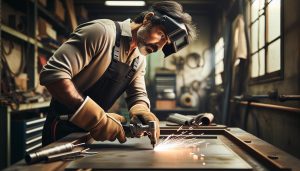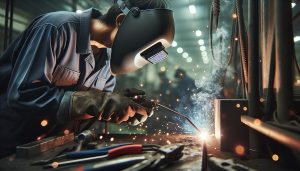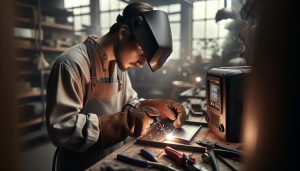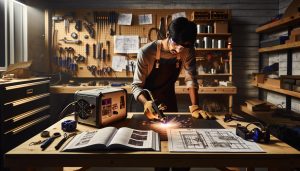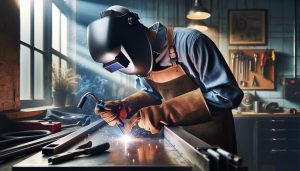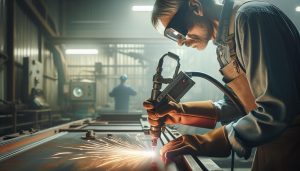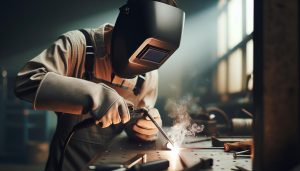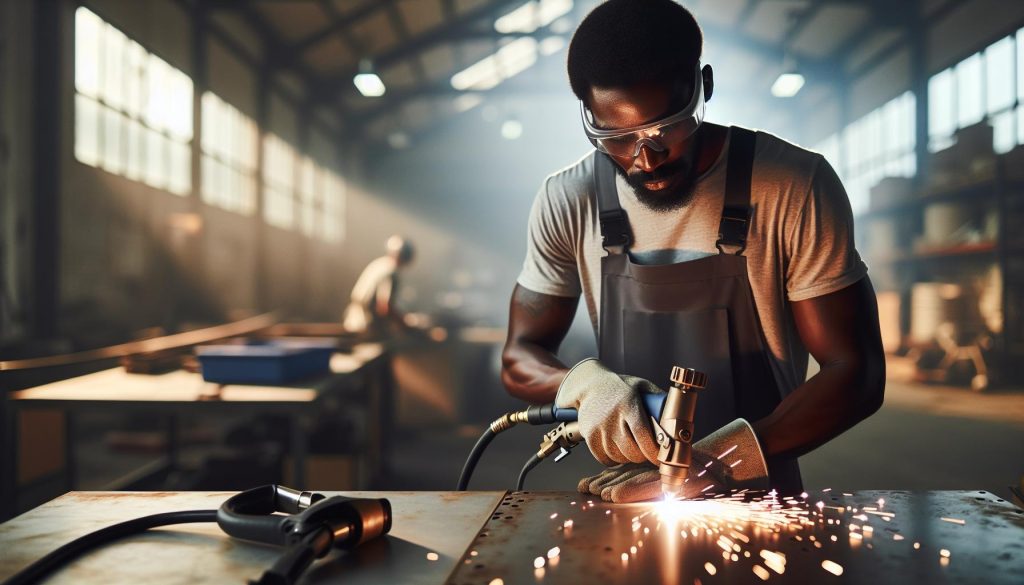
In the world of metalworking, efficiency and precision are paramount. Enter the plasma cutter, a revolutionary tool that every metalworker should have in their arsenal. With the ability to slice through metals like steel and aluminum with unmatched speed and accuracy, plasma cutters reduce labor time and enhance the quality of your projects, making them indispensable for both beginners and seasoned professionals alike. Imagine completing intricate cuts seamlessly, elevating your craftsmanship and expanding the range of projects you can tackle. Whether you’re looking to create custom pieces or develop your skills further, investing in a plasma cutter can significantly impact your workflow and outcomes. Ready to discover the advantages of this game-changing tool? Let’s delve deeper into why a plasma cutter is an essential addition to your metalworking toolkit.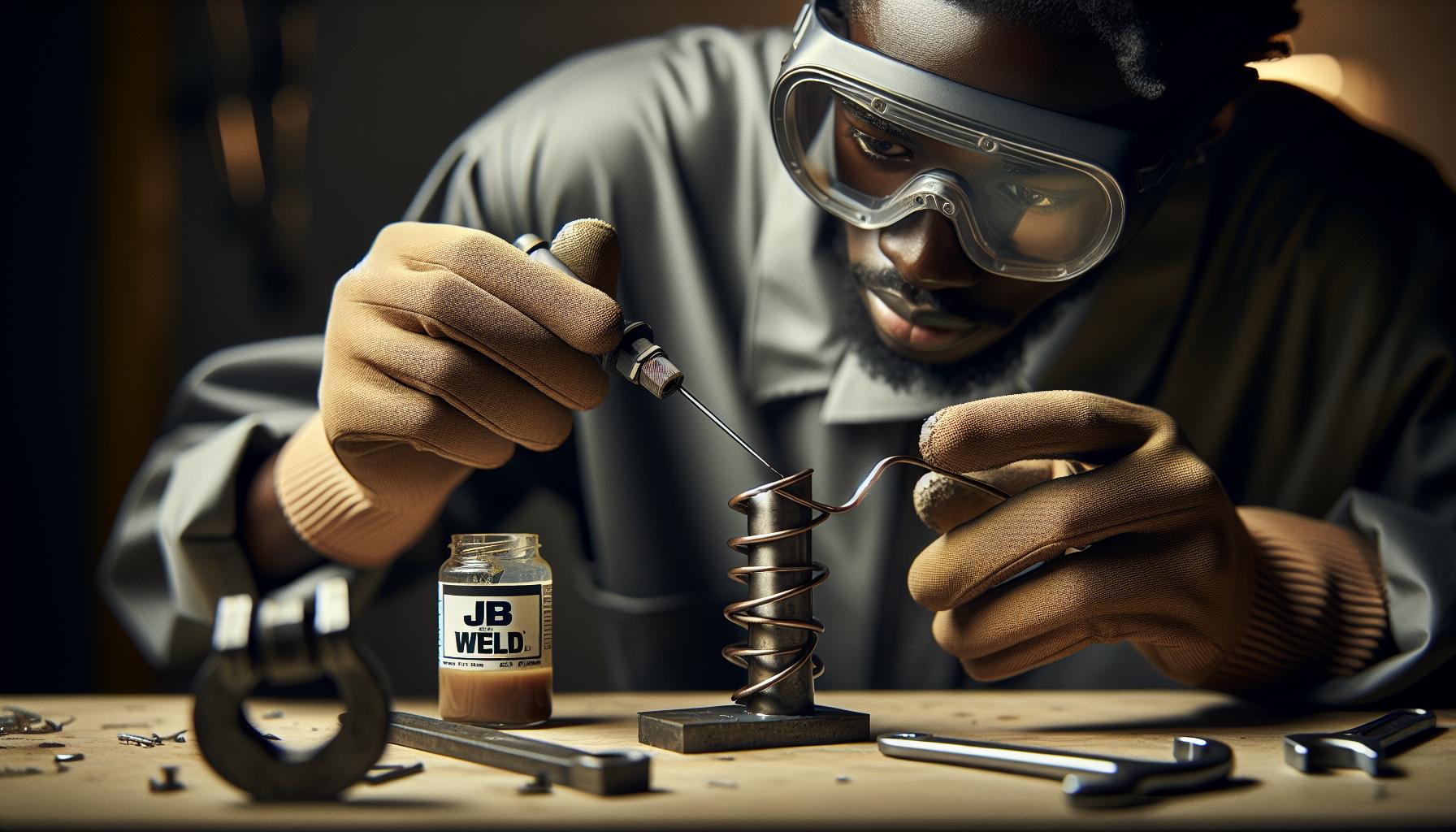
Understanding Plasma Cutters: A Comprehensive Overview
Cutting through metal has evolved dramatically over the past few decades, with plasma cutting technology standing out as a key advancement that revolutionizes metalworking. This technique utilizes compressed air and electricity to transform gas into an ionized plasma state, which generates extreme heat, enabling rapid cutting through thick metals such as steel, aluminum, and copper. The ability to slice through materials with precision and speed makes plasma cutters an essential tool for professionals and hobbyists alike.
One significant aspect of plasma cutters is their versatility. They can handle various thicknesses, from thin sheets to several inches thick, depending on the machine’s capabilities. This adaptability allows metalworkers to tackle a wide range of projects, from intricate designs to heavy fabrication tasks. Additionally, plasma cutters are favorable due to their clean cutting edges, which often require little to no secondary finishing, thus saving time and resources.
In understanding plasma cutters, it’s also crucial to appreciate their user-friendly design. Many models feature features such as pilot arcs, which allow for arc initiation without direct contact with the workpiece, reducing wear and tear on consumables. This advancement, along with dual voltage options for 110V or 220V input, enhances portability and ease of use, catering to both experienced welders and novices entering the field. Overall, the comprehensive value of plasma cutters positions them as a game-changing tool in the ever-evolving landscape of metalworking.
The Science Behind Plasma Cutting Technology
The capability of plasma cutting technology lies in its effective combination of physics and engineering, utilizing the unique properties of ionized gases. At its core, plasma cutting transforms a regular gas-commonly air or inert gases such as nitrogen or argon-into plasma by passing it through an electric arc. This high-voltage arc strips away electrons from the gas, creating an electrically conductive state known as plasma. With temperatures exceeding 20,000 degrees Fahrenheit, this hot plasma jet can easily melt and effectively cut through various conductive materials, including steel, aluminum, and copper, rapidly and cleanly.
One of the standout features of plasma cutting is its adaptability. The cutting process can be finely tuned by adjusting the power settings and feed rates, allowing metalworkers to achieve precise cuts across a range of thicknesses and material types. For example, while a hobbyist may opt for lower-powered, portable plasma cutters designed for thinner sheets, industrial applications often employ high-capacity systems for heavy-duty metal fabrication. The ability to set specific air pressure and current levels means that the same machine can tackle intricate designs or massive components, making it an indispensable tool in diverse metalworking scenarios.
In practical terms, effective plasma cutting relies on three main components: the plasma torch, the power supply, and the air supply. The torch houses the electrode that creates the arc and the nozzle that constricts the gas flow to form the plasma jet. The power supply converts standard electrical power into a suitable voltage and amperage for the cutting operation, while the air supply regulates the flow of gas into the torch. Understanding these components allows users to troubleshoot and optimize machine performance, ensuring that every cut is both efficient and precise.
To emphasize its versatility further, advanced plasma cutting systems can integrate with CNC (computer numerical control) technology, allowing metalworkers to automate cutting processes and achieve exacting tolerances. This integration is particularly beneficial in applications requiring repetitive cuts or complex geometries, ultimately enhancing productivity and reducing the likelihood of human error. Thus, mastering the science and operational nuances of plasma cutting technology can significantly enhance a metalworker’s skill set and productivity in modern fabrication environments.
Essential Features of a Plasma Cutter
The undeniable impact of plasma cutting technology in metalworking is driven by a range of essential features that set it apart from traditional methods. At the heart of every efficient plasma cutter lies the ability to deliver consistent and powerful cutting capabilities, which are critical for achieving high-quality results across varied materials. With the capacity to handle thick steel as well as intricate aluminum shapes, these machines are engineered to meet the diverse demands of both hobbyists and professionals alike.
One of the defining characteristics of plasma cutters is their adjustable settings. With the ability to modify voltage, amp settings, and gas flow rates, metalworkers can optimize their cutting parameters for specific tasks. This versatility allows for precise control over the cutting speed and kerf width, making it easier to work with different material thicknesses and types. For instance, a higher current and pressure might be necessary for thicker materials, while a delicate touch with lower settings enables intricate designs on thin sheets.
Moreover, the design of the plasma torch itself plays a crucial role in performance. The torch allows for a focused arc that can create clean cuts with minimal slag, enhancing overall productivity while reducing post-cut cleanup time. Additionally, many modern plasma systems come equipped with features such as pilot arcs, which enable the operator to initiate cutting on previously painted or rusty surfaces without needing to remove contaminants.
Advanced Technology Integration
Additionally, the integration of digital technology, such as CNC capabilities, enables automated cutting processes that ensure high precision and repeatability. This is particularly useful in manufacturing settings where exact tolerances are critical. Each feature of a plasma cutter-from its power supply to the technology that drives it-coalesces to make this tool an essential asset for anyone serious about metalworking.
Ultimately, the combination of power, versatility, and precision in plasma cutting systems makes them indispensable for achieving professional results in any metalworking operation. Embracing these features not only elevates the quality of work but also enhances the skill set and efficiency of metalworkers.
Benefits of Using Plasma Cutters in Metalworking
The introduction of plasma cutters has revolutionized the metalworking landscape, bringing forth a myriad of advantages that enhance productivity, precision, and efficiency. One of the standout benefits is the remarkable speed at which these machines can execute cuts compared to traditional methods. Plasma cutting can reduce cutting time significantly-often by 30% to 50%-allowing metalworkers to complete tasks faster and take on more projects, which is especially beneficial in high-demand industries.
Additionally, plasma cutters excel in versatility. They can effortlessly handle a broad spectrum of materials, including thick steel, copper, aluminum, and even stainless steel, making them an invaluable asset for diverse applications. Whether working on artistic metal sculptures or industrial fabrications, plasma cutting offers unmatched adaptability. This capability means users can shift between different tasks and materials without the need for significant modifications or additional tools, streamlining both time and cost.
Moreover, the quality of cuts produced by plasma cutters is exceptional. The technology enables clean, precise cuts that often require little to no post-processing, such as grinding or sanding. This is critical in professional settings where maintaining a clean finish can greatly affect the overall quality of the final product. The ability to control the speed and power settings allows for tailored cuts that cater to specific project requirements, enhancing both craftsmanship and finished appearance.
In terms of safety and ergonomics, modern plasma cutters are designed with user comfort and protective measures in mind. The lightweight nature of many plasma systems, combined with features like handheld torches and adjustable stands, allows for prolonged use without causing excessive strain on the operator. Additionally, the advancements in safety protocols, including built-in cooling systems and pilot arcs, minimize the risks associated with high-temperature cutting, ensuring a safe working environment.
In summary, adopting plasma cutting technology not only improves the efficiency of metalworking processes but also elevates the standard of finished projects. Its speed, versatility, and quality make it an essential tool for metalworkers striving for excellence, whether they are seasoned professionals or enthusiastic beginners.
Comparing Plasma Cutters to Traditional Cutting Methods
The advent of plasma cutting technology has marked a significant departure from traditional cutting methods, such as oxy-fuel cutting, saw cutting, and shearing. While these methods have served metalworkers well for decades, their limitations become evident when compared to the speed, precision, and versatility offered by plasma cutters. A notable distinction lies in the cutting speed; plasma cutters can slice through metals at rates significantly faster than their traditional counterparts. For example, plasma cutting can often achieve cutting speeds of up to 100 inches per minute, whereas oxy-fuel cutting may only reach 20 to 30 inches per minute.
Precision and Quality of Cuts
When it comes to the quality of the cut, plasma cutting excels. It produces a much narrower kerf than traditional methods, which translates to less material waste and cleaner edges. The heat-affected zone is also minimized, preventing warping and other issues that can arise from excessive heat. This is particularly important for industries requiring tight tolerances and high-quality finishes, such as aerospace and automotive manufacturing. The ability to adjust speed and amperage settings allows metalworkers to cater the process to different materials and thicknesses, ensuring optimal results for each specific application.
Material Versatility
Plasma cutting is highly versatile, capable of cutting through various conductive materials, including aluminum, copper, stainless steel, and mild steel. In contrast, traditional methods may be limited by material type and thickness. For instance, while oxy-fuel cutting can handle thick materials, it struggles with thin metals, often causing deformation or incomplete cuts. Plasma cutters easily address this challenge, making them suitable for a range of applications-from intricate artistic designs to heavy industrial parts fabrication.
Cost and Efficiency Considerations
From an economic perspective, the efficiency of plasma cutting translates to cost savings in both time and labor. The rapid cutting speeds allow for quick job completion, enabling metalworkers to take on more projects without sacrificing quality. Additionally, with less need for secondary processes like grinding or finishing, the overall cost of production can decrease significantly. In industries where productivity and turnaround times are critical, the choice between plasma cutting and traditional methods often leans heavily toward the former.
Ultimately, upgrading to plasma cutting technology can define the success of a metalworking enterprise. As the industry continues to evolve, embracing such advancements will not only enhance operational efficiency but also elevate the quality of the finished products. For metalworkers seeking to stay competitive, transitioning from traditional cutting methods to plasma cutting is not merely beneficial-it is essential.
How to Choose the Right Plasma Cutter for Your Needs
Choosing the right plasma cutter is crucial for achieving optimal performance and efficiency in metalworking tasks. With various models available on the market, it can be daunting to find one that meets your specific needs and application requirements. Understanding key features, performance specifications, and additional factors will guide you in making an informed decision that enhances your workflow.
When evaluating plasma cutters, consider the cutting capacity required for your projects. Look for cutters that specify the maximum material thickness they can handle effectively. For instance, if your work primarily involves cutting mild steel up to 1 inch thick, a plasma cutter rated for at least 1-inch capability should be sufficient. However, if you anticipate working with thicker materials, including stainless steel or aluminum, investing in a higher-rated model will yield better results and reduce the risk of overheating or damaging the equipment.
Another essential aspect to evaluate is input power requirements. Plasma cutters typically come with different voltage options, such as 110V or 220V, impacting their power and efficiency. For a workshop that requires portability, a 110V plasma cutter is a practical choice, although it might sacrifice some performance. However, for industrial applications or regular use in a fixed location, a 220V model is often more effective and capable of handling heavier workloads with minimal downtime.
Additionally, consider the torch design and its ergonomics. A comfortable torch that you can manage easily is vital for tasks requiring precision and accuracy. Look for features like a flexible head and adequate length to enhance your control during intricate cuts. Moreover, some plasma cutters come with advanced features, such as automatic plasma cutting capabilities or built-in air compressors. These enhancements can significantly add to your productivity and efficiency, particularly in industrial settings where time and accuracy are paramount.
Finally, it’s valuable to assess the accessories and consumables that accompany the plasma cutter. Some models might include essential items, such as cutting tips, shields, and hoses, while others may require the purchase of these separately. Paying attention to the availability and cost of replacement consumables is also essential for maintaining operational efficiency. A well-rounded package that provides necessary accessories will help beginners get started easily while offering seasoned welders the tools needed for advanced projects.
In conclusion, choosing the right plasma cutter hinges on understanding your specific needs, evaluating features such as cutting capacity, input power, torch design, and availability of accessories. Taking the time to analyze these aspects will not only enhance your metalworking capabilities but also ensure a rewarding experience with plasma cutting technology.
Plasma Cutter Safety Protocols and Best Practices
A fundamental aspect of using plasma cutters effectively involves adhering to stringent safety protocols. These powerful tools generate extremely high temperatures and ionized gas, which can lead to serious injuries if not handled properly. Understanding the necessary precautions can significantly reduce the risk of accidents in the workspace, making it safer for everyone involved.
Firstly, ensure you don appropriate personal protective equipment (PPE) before starting any cutting tasks. This includes a welding helmet with an appropriate shade, gloves, long-sleeved shirts, and safety boots. The intense brightness produced during plasma cutting can be harmful to the eyes even with the shield, so diligent use of a helmet is crucial. Remember that plasma cutting produces sparks and molten metal spatter, making protective clothing essential to safeguard against burns.
Proper ventilation is another critical safety measure. Plasma cutting produces harmful fumes and ozone, especially when cutting materials that contain coatings, such as galvanized steel. It is advisable to work in a well-ventilated area or use local exhaust systems to dissipate harmful gases. When indoors, ensure that windows are open and fans are used to circulate air and reduce the concentration of fumes.
When setting up the workspace, keep flammable materials away from the cutting area. Sparks can travel much farther than anticipated, igniting combustibles. Create a clear, organized workspace to minimize distractions and reduce the risk of accidents. Use fire-retardant barriers if working near highly flammable materials, and maintain a fire extinguisher readily available.
Lastly, follow the manufacturer’s guidelines for operating your specific plasma cutter. Each model may have unique features, settings, or precautions that are important to know. Regularly inspect equipment for damage or wear, as a faulty cutter can pose safety risks. By integrating these safety habits into your routines, you not only protect yourself but also contribute to a safer environment for all metalworking activities.
Techniques for Mastering Plasma Cutting
Mastering plasma cutting requires not just familiarity with the equipment but also an understanding of various techniques that can enhance both precision and efficiency. One of the most pivotal techniques is maintaining the correct arc length. Ideally, the distance between the tip of the torch and the workpiece should be about 1/16 to 1/8 inch. Keeping this distance consistent ensures that the plasma jet remains stable, leading to cleaner cuts and reduced dross buildup. Adjusting the arc length based on the type and thickness of the material being cut can noticeably improve results.
Cutting speed is another critical factor that significantly affects the quality of the cut. A common mistake is moving too quickly, which can lead to incomplete cuts and excessive burn-through, especially in thinner materials. Conversely, cutting too slowly can cause excessive heat buildup, resulting in warping and poor edge quality. To achieve optimal speeds, start with a moderate pace and adjust according to the material and thickness. Practicing on scrap pieces allows you to calibrate your technique effectively.
The angle at which you hold the plasma torch also plays a significant role in the overall outcome. For straight cuts, keep the torch perpendicular to the workpiece. For beveled cuts, adjust the torch’s angle accordingly, which will allow for more control and a smoother finish. Implementing a slight tilt can also help when maneuvering around corners or intricate shapes. Developing these cutting angles can take practice but will yield significant payoffs in precision.
Finally, understanding the importance of maintaining your equipment cannot be overstated. Regularly inspecting and replacing consumables such as electrodes and nozzles is essential for optimal performance. Dull or worn parts can lead to inconsistent cuts and increased downtime due to malfunction. Additionally, keeping the plasma cutter clean and properly maintained prolongs its life and efficiency. By integrating these techniques into your workflow, both novice and seasoned metalworkers can elevate their plasma cutting skills to professional standards, ultimately enhancing quality and safety in their projects.
Common Mistakes to Avoid When Using Plasma Cutters
Using plasma cutters can be immensely beneficial for metalworking projects, but even seasoned professionals can miss the mark if they aren’t aware of common pitfalls. One of the most frequently encountered mistakes involves improper arc length. Holding the torch too far from the workpiece may lead to an unstable arc, causing poor cuts and an increase in dross-excess molten material that solidifies on the workpiece. Conversely, if the arc is too short, it can cause excessive heat, leading to burn-through. Maintaining a consistent arc length of 1/16 to 1/8 inch from the material ensures optimal cutting conditions.
Another prevalent error is not adjusting the cutting speed according to the material and thickness being cut. A common misconception is that faster speeds are always better; however, moving too quickly can lead to incomplete cuts and an undesirable edge quality. On the other hand, cutting too slowly will generate excessive heat, warping the metal and distorting the cut. A good practice is to find a balanced pace that suits the specific project needs, testing on scrap material first to calibrate your technique.
Improper torch angle is yet another critical aspect overlooked by many. For straight cuts, the torch should ideally be held perpendicular to the workpiece. For beveled cuts, consider tilting the torch slightly to achieve better control and finish. Not applying the appropriate angle can lead to uneven cuts and decreased precision, particularly when navigating curves or complex designs.
Finally, neglecting maintenance of the plasma cutter is a mistake that can severely affect its performance. Regularly inspecting and replacing consumables like electrodes and nozzles is vital for maintaining consistent cut quality. Worn components can lead to disruptions and unreliable results. Keeping the equipment clean will not only maximize its lifespan but also enhance its overall efficiency and cutting capability. By staying cognizant of these common errors, metalworkers can significantly improve their skill set and the quality of their projects.
Maintenance Tips for Your Plasma Cutter
Maintaining a plasma cutter is crucial for ensuring optimal functionality and longevity of the equipment, particularly as it plays a vital role in precision metalworking. Regular maintenance not only extends the life of the cutter but also significantly enhances the quality of cuts, which is paramount in achieving flawless results. Engaging in a consistent maintenance routine can help identify issues early, avoiding costly repairs or equipment downtime.
One of the most essential aspects of plasma cutter maintenance is the regular inspection and replacement of consumables such as electrodes and nozzles. Worn electrodes can cause variations in the arc, leading to uneven cuts or defects in finished pieces. It is advisable to replace these consumables frequently based on the intensity and volume of work. For most metalworkers, keeping a stock of these parts ensures that projects are not stalled due to unexpected wear.
Cleaning the cutter regularly is another critical factor. Dust, metal shavings, and other debris can accumulate, affecting performance. After each use, take a few moments to wipe down exterior surfaces and check for any buildup inside the torch assembly. Use a soft brush or compressed air to clear out any obstructions that could impact gas flow or cutting efficiency. Maintaining a clean workspace also contributes to better safety outcomes, reducing the risk of fire hazards associated with flammable debris.
Additionally, it is essential to monitor the settings of your plasma cutter. Regularly reviewing the power level, cutting speed, and gas flow ensures that the equipment operates within the optimal range for the materials you are working with. Making adjustments as necessary helps maintain consistent cut quality. Investing in a calibrated pressure gauge can help verify that gas pressure remains at the recommended level, allowing for more precise cutting.
Lastly, consider scheduling professional maintenance or servicing sessions at least once a year. A technician can identify issues that might have gone unnoticed and provide deeper insights into improving operational efficiency and safety. Capitalizing on these maintenance tips will not only secure the functionality of your plasma cutter but also enhance your overall metalworking capability, enabling you to achieve professional-grade results.
Real-Life Applications of Plasma Cutters in Welding
In the dynamic field of metalworking, plasma cutters have emerged as indispensable tools that significantly enhance efficiency and precision. Their ability to slice through various materials with relative ease and speed makes them a game-changer for welders and fabricators. Whether working with stainless steel, aluminum, or mild steel, the applications of plasma cutting technology span across numerous sectors, redefining how metal is processed.
One of the most prominent applications of plasma cutters is in automotive repair and fabrication. Professionals utilize these tools to cut intricate shapes and patterns from sheet metal, enabling them to create custom parts or perform repairs on vehicle frames. This capability is particularly beneficial when dealing with complex geometries that traditional cutting methods may struggle to achieve. Moreover, plasma cutting produces minimal heat-affected zones, which helps maintain the integrity of the metal being cut, ensuring that the material doesn’t warp.
In the construction industry, plasma cutters are vital for tasks such as creating structural steel connections or modifying pre-fabricated components on-site. The portability and ease of use of modern plasma cutters allow construction workers to quickly adjust materials and fit pieces together without the need for extensive equipment setups. Additionally, these tools excel in cutting through thicker metals, which is a requirement for many structural applications.
Plasma cutters are also essential in artistic metalworking, where artisans create intricate designs and sculptures from metal sheets. The precision and detail that can be achieved with plasma cutting allow for significant creativity in artistic expressions, from decorative gates to large-scale installations. The versatility of plasma cutters in handling various thicknesses and types of materials makes them the preferred choice for artists who wish to push the boundaries of traditional metal craft.
Moreover, educational institutions are increasingly incorporating plasma cutting into their welding and fabrication curricula. By teaching budding professionals the nuances of plasma cutting technology, schools ensure that new welders are well-versed in the latest techniques and equipment. This forward-thinking approach not only enhances the skill set of students but also prepares them for the demands of a rapidly evolving industry.
In conclusion, the and metalworking are vast, covering everything from repair and fabrication to art and education. Their ability to offer precision, efficiency, and versatility makes them an essential tool for metalworkers at all experience levels, illustrating why every metalworker should consider integrating plasma cutting technology into their toolkit.
Upgrading Your Metalworking Skills with Plasma Cutting
The evolution of metalworking techniques has led to groundbreaking innovations, with plasma cutting emerging as a pivotal game-changer in modern fabrication. Mastering the art of plasma cutting not only enhances your skill set but also expands your versatility across various metalworking projects. Whether you are a beginner eager to learn or an experienced welder seeking to adapt to newer technologies, plasma cutting offers a wealth of opportunities to elevate your craftsmanship.
- Advanced Precision: Unlike traditional cutting methods that may leave rough edges or require extensive post-cutting cleanup, plasma cutting provides a cleaner cut with minimal finishing needed. This level of precision allows for the production of intricate designs and complex shapes that are essential in artistic metalwork and precision engineering.
- Increased Efficiency: The speed at which plasma cutters operate translates into reduced time on each project. For instance, in a commercial setting, this can lead to higher productivity and lower operational costs, making you invaluable in competitive markets.
- Versatility with Materials: Plasma cutting is effective across a range of materials, including stainless steel, aluminum, and mild steel. By honing your plasma cutting skills, you position yourself to work on diverse projects, from automotive repairs to architectural installations.
To become adept at plasma cutting, consider enrolling in hands-on training programs or workshops that focus on this technology. These sessions often pair instruction with practical experience, enabling you to gain confidence in operating plasma cutting equipment safely and effectively. Additionally, staying updated with the latest trends and technological advancements in the industry can help you adopt best practices and innovative techniques.
Incorporating plasma cutting into your metalworking repertoire not only enhances your technical skills but also opens doors to new career opportunities. Industries such as manufacturing, construction, and custom metal fabrication constantly seek skilled professionals who can leverage advanced cutting techniques. By mastering plasma cutting, you can position yourself as a versatile and knowledgeable asset, ready to tackle both standard metalworking tasks and creative challenges alike.
Frequently asked questions
Q: What is a plasma cutter used for in metalworking?
A: A plasma cutter is used to cut through various materials, especially metals, by sending a high-velocity jet of ionized gas (plasma) to melt and remove the material. This versatility makes it invaluable for tasks such as fabrication, welding preparation, and artistic metalwork.
Q: How does a plasma cutter compare to a MIG welder?
A: While a plasma cutter is primarily used for cutting, a MIG welder is used for joining metals. Plasma cutting offers cleaner, faster cuts, whereas MIG welding provides strong weld joints. Understanding the specific applications of both tools can enhance efficiency in metalworking projects.
Q: What safety gear is needed when using a plasma cutter?
A: Essential safety gear includes a quality welding helmet with a suitable shade, gloves, flame-resistant clothing, and safety shoes. These items protect against sparks, heat, and UV radiation produced during plasma cutting, ensuring a safer working environment.
Q: Can plasma cutters cut aluminum and stainless steel?
A: Yes, plasma cutters can effectively cut both aluminum and stainless steel. Their ability to handle different metals makes them an essential tool for metalworkers dealing with diverse materials, as detailed in the “Essential Features of a Plasma Cutter” section.
Q: What power supply do I need for a plasma cutter?
A: The power supply required depends on the cutter’s specifications. Most plasma cutters require either a single-phase or three-phase AC power. Checking the manufacturer’s guidelines ensures proper power supply for optimum performance and safety.
Q: How do I maintain my plasma cutter?
A: Regular maintenance includes cleaning the torch, checking electrode conditions, and ensuring proper airflow. Following the “Maintenance Tips for Your Plasma Cutter” section will help prolong the tool’s life and maintain cutting efficiency.
Q: What common mistakes should I avoid when using a plasma cutter?
A: Common mistakes include incorrect settings for material type and thickness, inadequate grounding, and not wearing proper safety gear. Avoiding these issues, as mentioned in the “Common Mistakes to Avoid When Using Plasma Cutters” section, leads to better results and safer operations.
Q: Where can I learn advanced techniques for plasma cutting?
A: Advanced techniques can be learned through specialized courses, online tutorials, and hands-on workshops. The article’s “Techniques for Mastering Plasma Cutting” section may also provide further insights, helping improve your skills in practical applications.
To Wrap It Up
Investing in a plasma cutter is a game-changing decision for any metalworker, enabling precision cutting that elevates both craftsmanship and efficiency. By embracing this powerful tool, you’re not just enhancing your project outcomes but also gaining a competitive edge. Don’t wait-take action today! Explore our in-depth guides on MIG welding and TIG techniques to complement your plasma cutting skills, or check out our equipment reviews to ensure you’re equipped with the best tools for your workshop.
Still have questions? Join our community by leaving a comment below or signing up for our newsletter for ongoing tips and expert advice on all things welding. Equip yourself with the knowledge and resources you need to excel in your metalworking journey. Remember, every great project starts with the right tools at hand-make sure a plasma cutter is among them!