

When it comes to cutting metals, many welders turn to plasma cutters for their precision and efficiency. But can a plasma cutter effectively slice through aluminum? Understanding the capabilities and limitations of plasma cutting technology is essential for both novice fabricators and seasoned professionals. This article delves into the specifics of using plasma cutters on aluminum, addressing common concerns about material thickness, cutting speed, and safety protocols. As aluminum becomes increasingly popular in various industries, mastering the art of plasma cutting can enhance your skill set and open new doors in metalworking. Whether you’re looking to create intricate designs or tackle larger projects, knowing how to effectively cut aluminum can elevate your craftsmanship. Join us as we explore everything you need to know about this versatile tool and its application on aluminum.
Understanding Plasma Cutters: A Comprehensive Overview
Understanding the nuances of plasma cutters can significantly enhance your metalworking capabilities, especially when it comes to cutting materials like aluminum. Plasma cutting utilizes a high-velocity jet of ionized gas (plasma) to melt and expel material from the workpiece. This method is particularly effective for aluminum, which presents its own unique challenges compared to other metals.
Plasma cutters come in various configurations and types, such as air plasma and hybrid systems, allowing users to choose based on their specific needs. The choice of gas is critical in optimizing cut quality. For instance, when cutting thinner aluminum (less than 5 mm), using nitrogen as both the plasma and shield gas results in a clean cut, while thicker materials can benefit from a mixture of gases like H-35 or nitrogen for enhanced performance [2[2][3[3].
As you delve into plasma cutting, consider the thickness of the material and your desired finish. Thinner aluminum may warp under intense heat, requiring precise settings and adjustments on the plasma cutter to prevent such issues. Moreover, effective torch handling techniques, such as maintaining a consistent speed and angle, contribute immensely to producing smooth, burr-free edges. With the right knowledge and practice, plasma cutting can open up a world of possibilities in metal fabrication, making it a preferred method for both hobbyists and professionals alike.
Why Choose Plasma Cutters for Aluminum?
Plasma cutting has emerged as a formidable method for processing aluminum, thanks to its speed, efficiency, and versatility. Given aluminum’s unique properties-such as its lightweight, excellent corrosion resistance, and exceptional conductivity-plasma cutters are brilliantly adaptable in achieving precise cuts with minimal thermal distortion. In many industrial applications, the use of plasma-cut machines can drastically reduce production time, allowing fabricators to meet tight deadlines without compromising the quality of their work.
When cutting aluminum, one of the foremost advantages of using plasma cutters is the flexibility they offer regarding material thickness. From thin sheets of aluminum to thicker plates, plasma cutting can accommodate a wide range of thicknesses effectively. For example, cutting aluminum that is less than 5 mm thick typically yields the best results when nitrogen is used as both the plasma and shield gas, as it produces cleaner edges and minimizes the likelihood of warping. Thicker cuts, on the other hand, can utilize a combination of gases for optimal results, which showcases the adaptability of plasma cutting technology in different contexts [1].
Furthermore, the cost-effectiveness of plasma cutters cannot be overstated. With a range of affordable models available that deliver high-quality results, businesses can find solutions that fit their budget without sacrificing performance. Unlike other cutting methods, plasma cutting does not necessarily require extensive post-processing, thus saving both time and resources. Moreover, the efficiency of plasma cutting machines allows operators to maintain high levels of productivity, crucial in environments where time is money.
In practical applications, the speed and precision offered by plasma cutting streamline the workflow for fabricators. The technique helps achieve clean and consistent cuts, which is essential in industries such as automotive and aerospace, where tolerances are critical. Additionally, effective plasma cutting practices, such as maintaining proper torch distance and traveling speed, contribute significantly to the quality of the final output, illustrating the importance of skilled operation in achieving the best results. Ultimately, choosing plasma cutting for aluminum processing can enhance production capabilities, quality, and efficiency in any workshop or production line.
Aluminum vs. Other Metals: Cutting Differences
When considering the cutting characteristics of aluminum compared to other metals, it’s essential to recognize aluminum’s unique physical and thermal properties, which greatly influence the plasma cutting process. One distinguishing feature of aluminum is its remarkably low melting point relative to steel and other ferrous materials. While stainless steel melts at around 2,600°F (1,426°C), aluminum has a melting point of approximately 1,220°F (660°C), allowing it to be cut more quickly and efficiently. However, aluminum’s high thermal conductivity also means that heat dissipates rapidly, which can affect cut quality if not managed properly.
Aluminum’s reaction to heat is another critical factor that sets it apart from other metals. When exposed to excessive heat during cutting, aluminum can warp or develop a rough edge due to its fluidity when molten. This characteristic necessitates a careful approach to plasma cutting, particularly in maintaining optimal settings that minimize heat input. Skilled operators often utilize techniques like adjusting torch height and speed to achieve smoother cuts, especially for thicker materials.
Cutting thicker aluminum materials presents its own challenges compared to cutting iron or steel. Steel, for instance, often retains more heat and can be cut using higher speeds without as much concern for warping. In contrast, plasma cutting aluminum requires attention to gas selection; using nitrogen as a plasma and shielding gas can produce cleaner edges and prevent oxidation. For thicker sections, a mix of gasses might produce better cutting results, showcasing the adaptability of plasma cutting technology.
In summary, while plasma cutting is effective across various metals, recognizing aluminum’s distinct properties is crucial for achieving optimal results. Understanding these differences not only enhances cutting efficiency but also promotes better safety and material management practices in the shop.
Ideal Plasma Cutter Settings for Aluminum
Achieving optimal results when plasma cutting aluminum hinges on precise settings tailored to its unique characteristics. Unlike other metals, aluminum’s low melting point and high thermal conductivity require careful management of the plasma cutter’s parameters to prevent distortion and ensure clean cuts. A well-set plasma cutter can dramatically enhance both efficiency and quality, making it crucial for operators to grasp the ideal configurations.
For cutting aluminum effectively, it’s essential to consider factors such as amperage, travel speed, gas type, and torch height. Typically, a higher amperage is necessary for thicker materials to ensure that the plasma arc has sufficient energy to penetrate. However, for thinner sheets (under 1/8 inch), a range of 30-50 amps is generally optimal. Travel speed is also pivotal; too slow can cause excessive heat build-up and melting, while too fast can lead to poor cut quality. For most applications, speeds of 50 to 100 inches per minute are advisable, but adjustments may be needed based on material thickness and the specific plasma cutter model.
Gas selection plays a significant role in the cutting process, especially with aluminum. Utilizing air as a plasma gas is common, but for improved cut quality, consider using nitrogen. Nitrogen reduces oxidation and provides cleaner edges, which is vital when fabricating parts that will be visible post-processing. Also, maintaining an appropriate torch height-typically around 1/8 inch above the workpiece-can significantly affect the cut quality. Consistency in this height prevents the arc from extinguishing and promotes a stable, effective cutting process.
In summary, understanding the ideal plasma cutter settings specific to aluminum is critical. By adjusting amperage, travel speed, gas type, and maintaining proper torch height, operators can achieve high-quality cuts, improve efficiency, and reduce the risk of thermal distortion. Mastering these settings will not only enhance the final output but also elevate your overall cutting capabilities.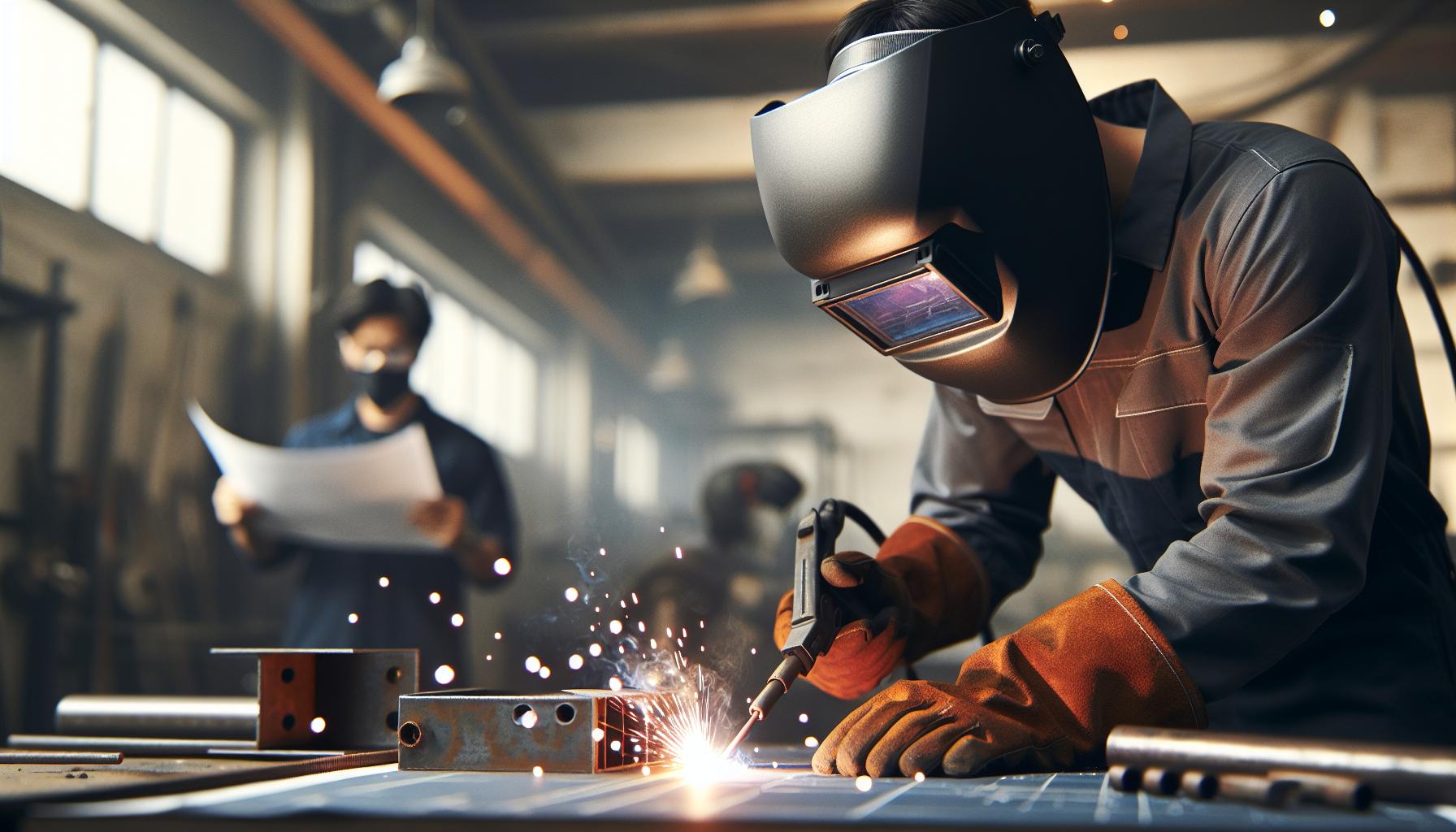
Essential Safety Tips for Cutting Aluminum
Aluminum cutting with a plasma cutter can be a transformative process, but it comes with significant safety considerations that cannot be overlooked. Understanding the risks associated with plasma cutting aluminum is essential to ensure not only personal safety but also the safe operation of equipment. From exposure to intense heat and harmful fumes to creating flammable materials, each aspect demands attention from both novice and experienced operators.
One of the key safety measures is the proper use of personal protective equipment (PPE). Always wear suitable gear, including fire-resistant clothing, safety gloves, and a well-fitting welding helmet with appropriate shade lenses to shield your eyes from the bright arc and harmful ultraviolet (UV) light. Additionally, use respiratory protection if working in a confined space or if there’s a chance of inhaling hazardous fumes, which can be generated when cutting aluminum, particularly if impurities like paint or other coatings are present on the material.
Proper ventilation is another critical component when plasma cutting aluminum. Fumes generated during the cutting process can contain various harmful substances, depending on the type of aluminum alloy and coatings present. Ensure that your work area is well-ventilated to dissipate these fumes and minimize inhalation risks. Where possible, position fume extraction equipment to capture harmful emissions at their source.
Electrical safety shouldn’t be neglected either. Since plasma cutters operate at high voltages, ensure all electrical connections are secure and that grounding is correctly implemented. Inspect cables for wear and damage before use, and keep the work area free of water to prevent electrical hazards. Furthermore, be aware of your surroundings to avoid tripping hazards, especially when maneuvering heavy materials or equipment.
Lastly, an understanding of fire risks associated with plasma cutting aluminum is vital. Aluminum can produce sparks and molten metal, igniting flammable materials nearby. Maintain a clean work area, free of combustible materials, and have fire extinguishing equipment readily accessible. Familiarize yourself and your colleagues with emergency procedures to follow in the event of an incident to ensure quick and effective action.
By implementing these essential safety tips, operators can significantly minimize risks and create a safer working environment while cutting aluminum. Prioritizing safety is not just about compliance; it is also about fostering a culture where skills and equipment are handled responsibly, ensuring everyone goes home safe at the end of the day.
Common Challenges When Cutting Aluminum
Cutting aluminum with a plasma cutter can be a rewarding but challenging endeavor. One of the primary difficulties operators face is managing the unique properties of aluminum compared to other metals. Aluminum has a low melting point, which makes it easy to cut, but it also implies that it can warp easily under heat. The thermal conductivity of aluminum is significantly higher than that of steel, meaning it dissipates heat rapidly. This can lead to issues like excessive edge heat and molten metal buildup, which can ruin a cut or cause warping.
Another common challenge lies in the formation of oxide layers on aluminum. Before cutting, it’s essential to ensure that the surface is clean and free of contaminants. Aluminum oxide is tenacious and can interfere with the cutting process, leading to poor cut quality and excessive slag. Operators often need to grind or clean the surface before cutting or use a specialized nozzle designed for oxidized surfaces to improve cutting performance.
The settings on the plasma cutter must also be adjusted carefully for aluminum. Unlike steel, which may require specific amperage and voltage settings, aluminum often requires a different approach. Too high a setting can result in excessive burn-through and loss of material, while too low may not cut through the metal effectively. Experimentation and practice are vital to finding the optimal settings that enable clean, precise cuts without damaging the material.
Finally, operators must navigate the challenge of alignment and positioning. Given aluminum’s lightweight nature, parts can shift during the cutting process, leading to inaccurate cuts. Utilizing fixtures or clamps to secure the workpiece can mitigate this issue, ensuring steady and accurate cuts. With careful attention to these challenges, welders can achieve excellent results when cutting aluminum with a plasma cutter.
Maintenance Tips for Your Plasma Cutter
Regular maintenance is critical for prolonging the life of your plasma cutter and ensuring high-quality cuts, especially when working with materials like aluminum that have specific challenges. A well-maintained plasma cutter minimizes operational risks, enhances performance, and can improve the quality of cuts significantly.
Start your maintenance routine with daily checks, focusing on key components that directly influence cutting efficiency. Key areas to monitor include:
- Inlet Gas Pressure: Verify the gas pressure before use to ensure optimal performance. An inconsistent pressure can lead to uneven cuts.
- Air Filters: Inspect and clean the air filters regularly. Clogged filters can restrict airflow, increasing the risk of overheating and suboptimal cutting.
- Torch Cleaning: Keep the torch body and leads clean from slag and debris. Regularly remove any buildup that can affect performance and reduce the quality of cuts.
- Coolant Levels: Check the coolant levels, especially in systems utilizing water-cooled torches. Insufficient coolant can lead to overheating and damage to the cutting components.
In addition to daily checks, periodically inspect and replace consumables such as nozzles, electrodes, and retaining caps. Using worn-out parts can significantly affect the cutting quality, leading to rough edges and extended finishing times. It’s also important to review the plasma cutter’s alignment and settings frequently. Since aluminum can warp easily, ensuring that your equipment is correctly calibrated will help you achieve more precise cuts.
Lastly, store your plasma cutter in a clean, dry environment to protect it from dust, moisture, and temperature extremes. This simple step can drastically enhance the equipment’s longevity and performance over time, making it easier to handle aluminum’s unique cutting requirements. By following these maintenance tips, you will not only lengthen the lifespan of your plasma cutter but also maintain high-quality production standards in your metalworking projects.
Alternatives to Plasma Cutting for Aluminum
For those exploring metal fabrication, especially with aluminum, understanding the alternatives to plasma cutting can greatly enhance your toolkit. While plasma cutters are often praised for their speed and precision, several other methods can be just as effective, depending on your specific needs and project requirements.
One popular alternative is MIG welding, or Metal Inert Gas welding. This technique is particularly suitable for aluminum and can achieve clean, strong welds. MIG welding utilizes a continuous feed of wire and an inert gas shield to protect the weld from contamination. When set up properly, MIG can handle a variety of aluminum thicknesses, producing smooth finishes and high-quality joints suitable for structural components.
Another method worth considering is TIG welding (Tungsten Inert Gas welding). This technique is ideal for more precise and thinner materials. TIG welding offers fine control over the heat and the weld pool, allowing for clean, polished welds with less distortion in the base material. This is especially advantageous for artistic projects or delicate assemblies where aesthetics are critical. Additionally, TIG welding is effective at joining dissimilar metals, which can be beneficial in certain projects where aluminum interacts with other materials.
Waterjet cutting is another alternative that should not be overlooked. Utilizing a high-pressure jet of water, often mixed with an abrasive substance, waterjet cutting can slice through aluminum with negligible heat-affected zones, preserving the integrity of the material. This method is particularly beneficial when cutting complex shapes or intricate designs, as it can produce precise cuts without the need for secondary finishing processes.
Lastly, CNC machining offers another high-precision alternative. This method utilizes computer-controlled machines to remove material from a solid block of aluminum, ensuring exact dimensions and tolerances are met. While this method can be slower and more costly than plasma cutting, it is unparalleled in its ability to execute complex shapes and achieve extremely high levels of accuracy.
In summary, while plasma cutting is a valuable method for working with aluminum, options such as MIG, TIG welding, waterjet cutting, and CNC machining provide unique advantages and can often deliver superior results depending on the context and complexity of the task at hand. Each technique has its own strengths, and selecting the right one can lead to successful and efficient fabrication projects.
Enhancing Precision: Techniques for Clean Cuts
Achieving clean cuts in aluminum using a plasma cutter hinges on a combination of technique, equipment settings, and preparation. One of the most effective ways to enhance precision during the cutting process is to ensure the material is properly secured. Use clamps or a dedicated workbench that minimizes movement, which can lead to uneven edges and distorted cuts. Additionally, maintaining a stable ground connection helps establish a consistent arc, crucial for uniform cutting.
Another critical element is selecting the appropriate plasma cutting settings for aluminum. Here are a few aspects to consider:
Optimal Settings for Aluminum Cutting
- Amperage: Aluminum generally requires lower amperage settings compared to other metals. For instance, cutting 1/8″ aluminum may only necessitate around 40 to 60 amps, whereas thicker materials will demand higher settings.
- Cutting Speed: A faster cutting speed can help reduce heat buildup, which is particularly important with aluminum to avoid warping. Finding the right balance is essential, as cutting too quickly can lead to incomplete cuts.
- Air Pressure: Use the manufacturer’s recommendations for air pressure. Generally, a pressure of 60 to 80 psi is effective, ensuring a stable arc and clean cuts.
Proper torch handling is also vital for achieving precise cuts. Maintain a consistent speed and angle as you move the torch along the cutting path. A common technique is to tilt the torch slightly forward, aiding in effective jet direction toward the cut. Adjusting the height of the torch can further influence the quality of the cut; a greater distance may increase kerf width, while staying too close can cause excessive melting.
Lastly, incorporating a quality nozzle, often with a larger diameter specific for aluminum, will enhance the cutting process by improving gas flow and reducing contamination. Regular maintenance of both the plasma cutter and its components, including cleaning the nozzle and replacing worn parts, is fundamental to ensuring longevity and precision in your cuts.
By applying these techniques and considerations, plasma cutting aluminum can be transformed into a highly effective process for achieving clean, professional results, suitable for any fabrication project.
Cost Considerations: Is a Plasma Cutter Worth It?
Investing in a plasma cutter can be a game-changing decision for anyone working with aluminum, whether in a professional workshop or a home garage. The initial financial outlay for a plasma cutter may seem high, but it’s essential to assess the value it can provide in terms of both efficiency and quality of work. Unlike traditional cutting methods, a plasma cutter offers speed and precision, making it an invaluable tool for fabricators and hobbyists alike.
When considering the cost, potential users should take into account not just the purchase price of the plasma cutter, but also associated expenses such as consumables (nozzles, electrodes, and gas), maintenance, and the cost of operation (electricity and air supply). Basic models start around $300, while more advanced, industrial-grade systems can exceed $2,000. However, the efficiency and clean cuts afforded by these machines can lead to time savings and ultimately lower production costs, making a higher initial investment justifiable.
Evaluating Long-Term Value
Another factor to consider is the versatility of plasma cutters. Beyond aluminum, they can cut various materials such as stainless steel, copper, and mild steel, broadening their applicability for different projects. This multi-functionality means that purchasing a plasma cutter can replace multiple tools in your workshop, further justifying the investment. Furthermore, as the technology improves, newer models offer enhanced features such as better energy efficiency and more precise control, which can ultimately save money in the long run.
Additionally, consider the cost savings associated with reduced material waste. A well-set plasma cutter minimizes kerf loss compared to alternative cutting methods. This precision not only preserves materials but also ensures that you produce high-quality parts that require less finishing work. Many professionals in the fabrication industry find that the productivity gains and quality improvements derived from using a plasma cutter quickly pay off, outweighing their initial costs.
Ultimately, whether a plasma cutter is worth it boils down to the specific needs of the user. For those regularly cutting aluminum or involved in fabrication work, the plasma cutter can prove to be an indispensable tool that enhances capability and efficiency while delivering superior results suitable for both small and large-scale projects.
User Experiences: Real-Life Cutting Stories
Engaging with a plasma cutter often brings a sense of empowerment to those working with aluminum, illustrating how a high-precision tool transforms cutting tasks into seamless operations. One user recounted their experience in a small fabricating shop where they tackled a variety of projects, from intricate decorative pieces to large structural components. Initially methodical about settings, this welder quickly learned the significance of adjusting gas types based on the thickness of the aluminum. For cuts less than 5 mm, using nitrogen as both the plasma and shield gas markedly enhanced edge quality, minimizing post-cut finishing requirements.
Another welder shared their transition from traditional saw methods to plasma cutting for aluminum panels, emphasizing the speed of operation. They could complete a job that once took hours in merely minutes, allowing for greater throughput and efficiency. This user highlighted a technique they developed for ensuring cleaner cuts: keeping a steady hand and utilizing guide rails for straight cuts, which helped reduce the chance of uneven edges that necessitate rework.
On the safety front, a welding technician experienced a situation where attention to detail saved them from potential hazards. They had initiated cutting aluminum in water, inadvertently creating hydrogen gas bubbles. Realizing this, they promptly switched to a dry cutting environment, showcasing the critical nature of safety protocols in plasma cutting. Users also reiterated the importance of proper ventilation and protective gear, as these measures not only enhance personal safety but also improve overall cutting performance.
Lastly, firsthand accounts emphasized the versatility of plasma cutters beyond aluminum, as users transitioned their machines to slice through stainless steel and other materials with ease. This adaptability not only broadened the range of capabilities but also reaffirmed the plasma cutter’s position as an indispensable asset in various fabricating scenarios. The stories collectively underline how investing time in learning and adjusting techniques with a plasma cutter can lead to significant improvements in both quality and productivity.
Future Trends in Plasma Cutting Technology
As industries evolve towards greater efficiency and precision, plasma cutting technology is set to undergo transformative changes in the coming years. Innovations will likely focus on improving the quality of cuts, reducing operational costs, and expanding the versatility of plasma cutting systems. One of the most notable trends is the increasing integration of smart technology into plasma cutters. These advancements allow for real-time monitoring and adjustments during the cutting process, which enhances the consistency and quality of the cuts, especially when working with materials like aluminum that require careful settings based on thickness and type.
Enhanced Gas Mixture and Usage
Future advancements may also include refined gas mixtures tailored specifically for cutting various grades of aluminum. Currently, nitrogen is recommended for thinner sheets, while specialized mixtures like H-35 and H-2 gas are used for thicker materials. As research continues, we can expect the development of new gas combinations that will further optimize cut quality and reduce edge roughness. This could streamline the plasma cutting process, reducing the need for post-processing, which is crucial for industries demanding high-quality welds with minimal rework.
Automation and Robotics Integration
Moreover, the integration of automation and robotics with plasma cutting technology will redefine manufacturing workflows. Automated systems are becoming increasingly sophisticated, allowing for higher productivity and precision by minimizing human error. For example, robotic arms equipped with plasma cutters can maintain constant feed rates and angles, ensuring cleaner cuts on complex aluminum components. This not only enhances throughput but also helps meet the growing demands for custom and intricate fabrication without sacrificing quality.
Focus on Sustainability
As the world pivots towards more sustainable practices, future plasma cutting technologies are likely to emphasize eco-friendliness. Manufacturers are exploring ways to reduce energy consumption during the cutting process, along with minimizing waste materials. Innovations such as plasma coolers and energy-efficient power supplies can significantly enhance the sustainability of plasma cutting operations. Ultimately, adopting environmentally friendly practices will be not just a competitive advantage but a necessity as regulatory pressures increase.
In summary, the future of plasma cutting technology promises enhancements across several fronts-smart technology integration, refined gas mixtures, automation, and sustainability-all working together to make the process more efficient, effective, and environmentally responsible. By staying ahead of these trends, fabricators can ensure that they are equipped to meet the future demands of their industries while maintaining high standards of quality and safety in their cutting operations.
Faq
Q: Can all plasma cutters cut aluminum?
A: Not all plasma cutters are designed to cut aluminum effectively. Check the specifications of your plasma cutter to ensure it supports aluminum cutting, particularly the amperage and the thickness of aluminum it can handle. Ensure the right consumables are used for optimal performance.
Q: What thickness of aluminum can a plasma cutter cut?
A: Most plasma cutters can cut aluminum up to 1 inch thick, depending on the machine’s power and capacity. For best results, refer to your machine’s manual for the maximum thickness it can handle, especially for clean and precise cuts.
Q: What settings should I use for cutting aluminum with a plasma cutter?
A: Use a higher amp setting for thicker aluminum and adjust the cutting speed for optimal results. A speed that is too fast can lead to poor cuts while too slow can cause excessive burning. Refer to the ideal plasma settings section of your article for specific recommendations.
Q: How do I prevent warping when cutting aluminum with a plasma cutter?
A: To prevent warping, maintain a steady cutting speed and avoid prolonged contact with the material. Using a water-cooled table can also help dissipate heat and minimize warping during the cutting process.
Q: Can I use a plasma cutter for welding aluminum?
A: Plasma cutters are specifically designed for cutting, not welding. However, some welding applications can utilize plasma technology, such as a plasma arc welder, which is distinct from standard plasma cutting machines.
Q: What are the common problems when cutting aluminum with a plasma cutter?
A: Common problems include dross buildup, uneven cuts, and excessive heat input. Adjusting the cutting speed, using the correct nozzle, and ensuring proper gas flow can help mitigate these issues for smoother results.
Q: Is plasma cutting aluminum better than other methods?
A: Plasma cutting is often preferred for its speed and precision compared to methods like oxy-fuel cutting. However, it produces heat-affected zones that can impact material properties. Evaluate your project needs against other methods for optimal results.
Q: Do I need special consumables for cutting aluminum?
A: Yes, using specialized consumables such as nozzles designed for aluminum is crucial. These ensure better airflow and cutting quality, which is necessary due to aluminum’s thermal conductivity and specific cutting characteristics.
In Conclusion
In conclusion, plasma cutters are indeed capable of cutting aluminum, making them a versatile tool for both hobbyists and professionals alike. Understanding how to adjust the settings and choosing the correct equipment can enhance your cutting experience. If you’re ready to take your metalworking to the next level, explore our in-depth guides on MIG welding techniques and tips for selecting the best plasma cutter for your projects. Don’t wait-upgrade your workshop with the right tools today!
For those looking to deepen their skills, check out our articles on aluminum welding safety protocols and equipment reviews. Have questions or experiences to share? We’d love to hear from you in the comments below! Keep your creativity flowing and visit us for more resources to boost your welding efficiency and expertise.


