

When it comes to metalworking, plasma cutting stands out as a versatile method capable of tackling various materials, including cast iron. Many enthusiasts and professionals may wonder if their plasma cutter can slice through this notoriously durable metal without compromising efficiency or quality. Understanding the nuances of cutting cast iron with a plasma cutter is crucial for achieving clean cuts and maintaining equipment longevity. In this article, we will explore not only the feasibility of using plasma for cast iron but also share pro tips that will enhance your cutting experience. Whether you’re a seasoned welder or just starting your journey, mastering this technique can significantly expand your project capabilities and save time in your workshop. Read on to discover essential insights that will elevate your plasma cutting skills.
Can Plasma Cutters Work on Cast Iron?
While you might think of plasma cutters primarily for their ability to slice through thin metals with ease, they can also be effective on cast iron under the right conditions. Cast iron, known for its brittleness and toughness, presents unique challenges to conventional cutting methods. However, with the right technique and settings, plasma cutting can yield clean cuts and intricate designs on cast iron, making it a viable option for both hobbyists and professionals.
To successfully use a plasma cutter on cast iron, it’s essential to consider its thermal characteristics. Cast iron requires a higher thermal input than softer metals due to its density and heat retention properties. This often necessitates adjusting the cutting speed and arc voltage to accommodate the material’s heat conductivity. A slower cutting speed can help ensure adequate penetration without the risk of cracking, which is a common issue with cast iron when subjected to rapid heating and cooling.
Another key factor is the preparation of the cast iron surface. Clean the area to be cut thoroughly to remove any rust, paint, or contaminants. These impurities can negatively affect the cutting process, leading to poor results or increased wear on the plasma cutter’s consumables. Furthermore, maintaining a steady hand and the correct distance between the torch and the workpiece can facilitate better control and more accurate cuts.
In summary, while plasma cutters can effectively work on cast iron, success hinges on proper settings, surface preparation, and an understanding of the material’s properties. With the right approach and attention to detail, plasma cutting can become a valuable tool in your metalworking arsenal, allowing for innovative designs and repairs in cast iron projects.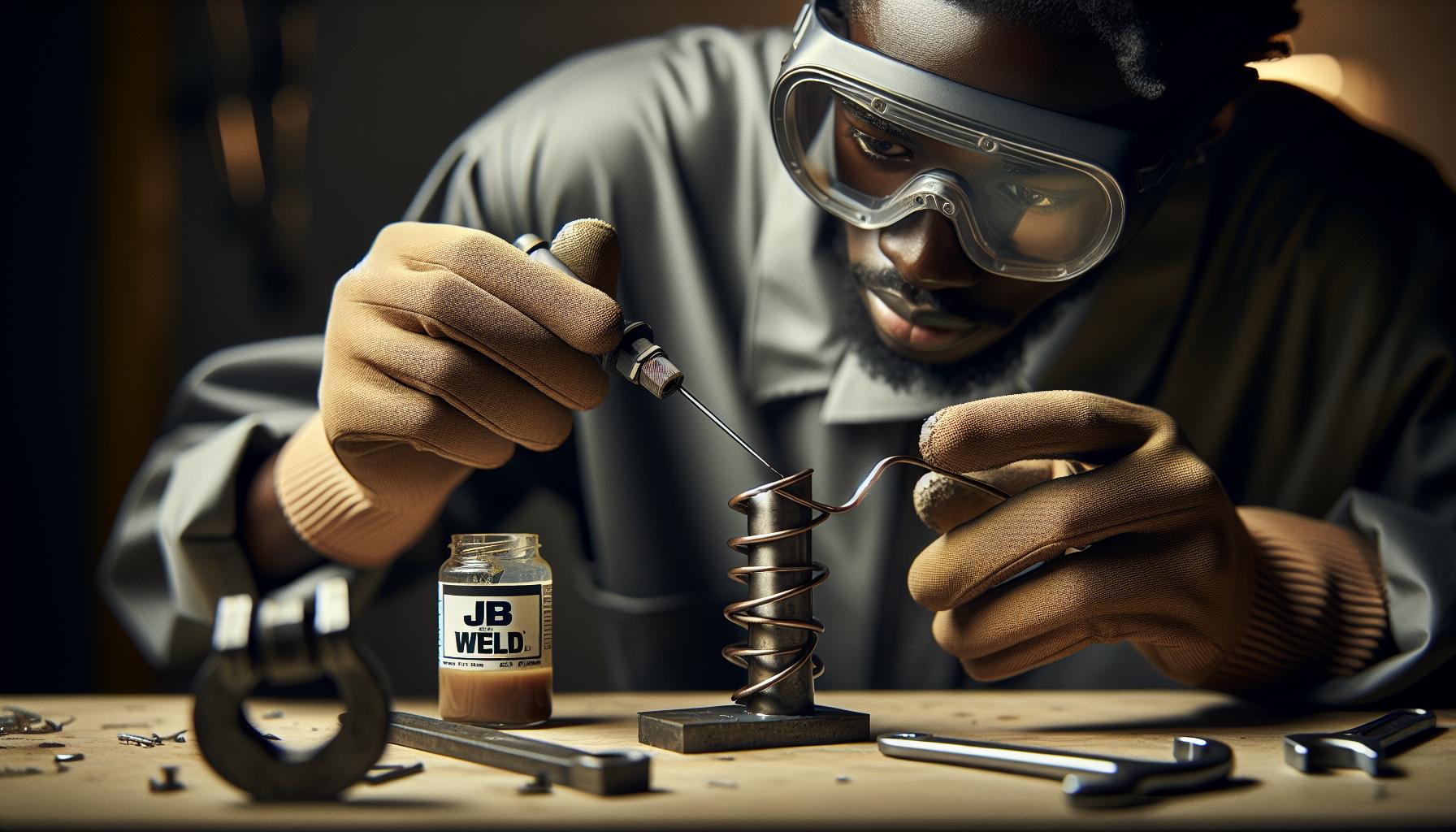
Understanding the Properties of Cast Iron
Cast iron is a fascinating material, renowned for its excellent casting properties, high wear resistance, and durability. Composed primarily of iron, carbon, and silicon, it possesses a unique structure that makes it more brittle than other metals. This brittleness can pose significant challenges during machining and cutting processes. However, understanding the inherent properties of cast iron is crucial for leveraging plasma cutting technologies effectively.
One of the defining features of cast iron is its thermal conductivity, which is significantly lower than that of steel or aluminum. This means that when exposed to high temperatures generated during plasma cutting, cast iron tends to heat unevenly, resulting in the risk of warping or cracking. The material’s molecular structure can lead to a phenomenon known as “chill” – where the outer surface cools rapidly while the interior remains hot, causing internal stresses. Therefore, executing controlled and gradual heating during cutting is essential to minimize these stresses.
Additionally, cast iron’s carbon content contributes to its toughness but can also make it quite challenging to cut. The presence of graphite flakes within the metal matrix can lead to variations in the cut surface, and these variations necessitate fine-tuning of the plasma cutter settings. A well-prepared surface is vital; ensure that the cast iron is free from rust, paint, and other contaminants to promote a cleaner cut. These preliminary steps not only enhance the cut quality but also extend the life of the plasma cutter’s consumables.
In summary, while cast iron presents unique challenges due to its brittle nature and thermal characteristics, plasma cutting can be highly effective when approached with the right knowledge and techniques. Familiarizing oneself with these properties allows for optimized cutting processes that can harness the full potential of plasma technology.
The Advantages of Using a Plasma Cutter
Utilizing plasma cutting technology on cast iron offers several distinct advantages that can enhance both the efficiency and quality of your projects. One of the primary benefits is the precision that plasma cutters offer. Unlike traditional cutting methods, plasma cutting utilizes an ionized gas to create a narrow and focused cutting arc, allowing for intricate designs and shapes to be executed with minimal material loss. This level of detail is invaluable when working with cast iron, especially in applications where fit and finish are critical.
Another significant advantage is the speed of operation. Plasma cutters can slice through cast iron more quickly than other methods, such as oxy-fuel cutting or grinding. This rapid cutting capability not only increases productivity but also reduces the time spent on labor-intensive tasks, freeing up resources for other important projects. Additionally, the heat-affected zone (HAZ) produced by plasma cutting is typically smaller compared to methods that require higher temperatures, which helps minimize warping or cracking-a common issue when working with brittle materials like cast iron.
Moreover, plasma cutting generates clean cuts with smooth edges, which often require little to no further machining or finishing. This reduced need for post-cutting processes can contribute to lower overall project costs and save both time and effort. The flexibility of plasma cutting allows users to work with various thicknesses of cast iron while adapting settings for optimal results, making it suitable for a wide range of applications, from automotive repair to artistic metalwork.
- Precision: Enables intricate cuts with minimal waste.
- Speed: Faster operations reduce labor time and boost productivity.
- Clean Cuts: Generates smooth edges, decreasing the need for additional finishing work.
- Versatility: Effective on various thicknesses, adaptable for different project requirements.
Understanding these advantages allows welders and metalworkers to select plasma cutting as a practical and effective method for working with cast iron, ultimately leading to superior results and improved workflow in their projects.
Essential Tips for Plasma Cutting Cast Iron
Plasma cutting cast iron can be a highly effective method, but achieving optimal results requires a keen understanding of both the material and the technique. To start, it’s crucial to ensure that your plasma cutter is appropriately set for the thickness of the cast iron you are working with. The amperage should be adjusted based on the material’s thickness; for example, thicker pieces will require higher settings to ensure a clean cut. Furthermore, utilizing the right type of plasma cutting nozzle and electrode can significantly enhance efficiency and cut quality.
Before you begin cutting, it’s advisable to clean the cast iron surface thoroughly. Any contaminants, such as rust, oil, or paint, can lead to poor cutting performance and affect the finish. Additionally, keep in mind that cast iron, being a brittle material, may require a steady hand to prevent cracks or breakage during cutting. Positioning the plasma cutter at the correct angle – typically around 15-20 degrees from vertical – can help to maintain control and achieve smoother cuts.
Properly managing the cutting speed is another vital aspect. Moving too quickly can impede the arc’s effectiveness, while moving too slowly may generate excessive heat and cause warping or other forms of distortion. A good rule of thumb is to start with a moderate speed and adjust according to the cut quality you observe. If you’re experiencing excessive spatter or a rough finish, it may be time to slow down.
Finally, don’t overlook the importance of safety precautions. Always wear proper protective gear, including gloves, goggles with appropriate shade, and flame-resistant clothing, as the intense light and heat of plasma cutting can cause burns and eye damage. Furthermore, ensure that your workspace is well-ventilated to dissipate any harmful fumes released during the cutting process. Following these tips can help maximize the effectiveness of your plasma cutting efforts on cast iron, enabling you to achieve precision and efficiency in your projects.
Common Challenges When Cutting Cast Iron
Cutting cast iron with a plasma cutter brings a unique set of challenges that can test even experienced welders. One of the foremost challenges is managing the brittleness of cast iron, which makes it prone to cracking under stress. Unlike softer metals, cast iron’s inherent structure can result in unexpected fractures if not handled with care. This necessitates a steady hand and a keen eye to maintain control throughout the cutting process. Even minor deviations from the cutting line can introduce stress points, leading to undesirable breaks.
Another significant obstacle is the buildup of heat during cutting. Plasma cutting generates intense heat, which can cause warping or distortion in the cast iron. To mitigate these issues, it is crucial to adjust the cutting speed appropriately. Too slow of a movement can lead to excessive heat accumulation, while cutting too quickly can compromise the quality of the cut. Learning how to find that sweet spot is often best achieved through trial and error or consulting with those who have hands-on experience.
Furthermore, the quality of the cut can be adversely affected by contaminants like rust, dirt, or oil on the surface of the cast iron. Before initiating the cutting process, it’s essential to thoroughly clean the workpiece to ensure optimal performance. Applying proper pre-cut preparations not only improves the efficiency of the plasma cutter but also extends the life of the nozzle and electrode, providing a cleaner, more accurate cut.
Lastly, a common frustration is dealing with the slag produced during the cutting process. Effective slag removal requires patience and the right tools; otherwise, it can impede the quality of the finished product and pose safety hazards. Employing techniques such as quickly adjusting the cutting angle or using a post-cut slag removal tool can help streamline this process. By anticipating these challenges and equipping oneself with the right strategies, cutting cast iron with a plasma cutter can be executed with precision and confidence.
Recommended Settings for Plasma Cutting Cast Iron
When it comes to plasma cutting cast iron, selecting the right settings is essential to achieving clean, accurate cuts while minimizing the risk of fracturing due to the material’s brittleness. Different factors, such as the thickness of the cast iron, the type of plasma cutter being used, and the desired quality of the cut, will influence your specific settings.
For optimal results, consider the following recommended settings:
Amperage Settings
The amperage is crucial when cutting cast iron. Typical settings range from 40 to 60 amps for moderate thicknesses (up to 1 inch). Higher amperages may be necessary for thicker sections, but be cautious. Excessive amperage can generate too much heat, leading to warping. Conversely, cutting too low may cause the plasma arc to extinguish prematurely, especially on thicker materials.
Cutting Speed
A balanced cutting speed is vital. Generally, maintain a speed of 12 to 25 inches per minute, depending on material thickness. Slower speeds can enhance cut quality but increase heat input, risking distortion. If you’re cutting particularly thick cast iron, you might need to experiment with your speed to find the optimal balance between heat management and cut quality.
Gas Pressure
The choice of gas, along with its pressure, directly affects the cutting process. For most plasma cutters, an argon or nitrogen mix works best with a pressure setting of approximately 60 to 75 psi. This will help create a stable and effective plasma arc. Ensure that the gas flow is consistent, as fluctuations can lead to poor cuts and increased slag formation.
Nozzle and Electrode Considerations
Using a proper nozzle and electrode suitable for cast iron is paramount. Larger nozzle sizes (around 1/16 to 1/8 inch) can accommodate thicker materials but may need to be adjusted depending on the intricate shapes or details of your project. Always monitor the condition of your nozzle and electrode – worn components can degrade performance and lead to uneven cuts.
Making adjustments based on the specific requirements of your cast iron project will help you achieve the best results while maintaining safety and efficiency. Each project may require some trial and error to find the exact settings that work best for your situation, but starting with these guidelines will set a solid foundation for successful plasma cutting.
Safety Precautions with Plasma Cutters
When engaging in plasma cutting, especially with materials like cast iron, ensuring safety should always be your top priority. Plasma cutters generate extreme heat and bright arcs, which can pose significant risks if proper precautions are not taken. Beginning with the basic protective gear is essential: wear flame-resistant gloves, a long-sleeved shirt, and protective goggles with a proper shade rating to shield your eyes from the intense light and potential flying particles.
Before you initiate the cutting process, ensure that your workspace is organized and free of flammable materials. Avoid working in confined spaces unless proper ventilation is available, as cutting creates harmful fumes that can accumulate and affects air quality. Additionally, it’s advisable to keep a fire extinguisher accessible to quickly manage any unexpected ignitions, especially when working with materials prone to spatter.
You should also maintain a safe distance from your cutting operation. Ensure that you have enough room to maneuver your plasma cutter without coming into contact with any external structures or personnel. A typical safe distance is at least ten feet from bystanders, as sparks and molten metal can travel significant distances. Furthermore, familiarize yourself with the cutter’s manual and operation before initiating work. Knowing your equipment, including any emergency shutdown procedures, can prevent accidents and enhance your safety.
Finally, ensure regular maintenance and inspection of your plasma cutter. Worn or damaged nozzles, electrodes, and hoses can lead to erratic cutting performance and could increase the risk of injury. By adopting a proactive approach to safety, you can significantly minimize hazards and enjoy a productive plasma cutting experience.
Post-Cutting Techniques for Cast Iron
After successfully cutting through cast iron with a plasma cutter, it’s crucial to focus on post-cutting techniques to ensure a smooth finish and prepare the material for any further processing. Cast iron, while robust, can present unique challenges once your cutting task is complete. Properly addressing these factors can enhance the quality of your work and the longevity of your components.
One effective post-cutting technique is cleaning the cut edges. The process generates slag, which can adhere to the cut edges, potentially affecting subsequent welds or finishes. To remove this residue, use a chipping hammer or a wire brush to gently knock off the slag. If the cut is exceptionally rough, consider using an angle grinder with a flap disc to refine the edges further. This step not only improves aesthetics but also prepares the surface for painting or further welding.
Another important consideration is heat management. Plasma cutting generates a significant amount of heat, which can lead to warping if not managed post-process. Allow the cut piece to cool down in a controlled environment, and if multiple pieces are cut simultaneously, separate them to prevent heat retention. Once cooled, check for warping by laying the piece on a flat surface and using a straight edge to confirm a smooth, even contact along its length.
H3: Inspection and Quality Control
After the cutting and initial cleaning, conduct a thorough inspection of the piece. Look for any inconsistencies or defects in the cuts, such as uneven thickness or rough edges. Measuring tools can help you ascertain if the dimensions meet the project’s requirements. If discrepancies are found, further grinding or sanding may be necessary to ensure that all tolerances are met before moving forward with assembly or installation.
H3: Preparing for Future Applications
If the cut piece will be welded or assembled, such as for fabricating machinery parts or artistic metalwork, you must ensure that the surfaces to be joined are clean and free of contaminants. This includes oils, dirt, or oxidation, which can compromise the integrity of the weld. Using a degreaser can help prepare the surfaces adequately, while sanding the edges can provide better adhesion for welds.
By applying these post-cutting techniques, you can enhance the quality and durability of your cast iron projects, ensuring they meet professional standards and perform effectively in their intended applications.
Alternatives to Plasma Cutting for Cast Iron
While plasma cutting is a popular choice for its efficiency and precision, there are several alternative methods for cutting cast iron that may better suit certain projects or preferences. Each technique offers its own set of advantages and challenges, making it essential to consider the specific requirements of your task before deciding on a method.
MIG (Metal Inert Gas) welding, also known as Gas Metal Arc Welding (GMAW), is a versatile method that can effectively cut cast iron if a suitable power setting is applied. MIG welding allows for a controlled feed of filler material and is particularly beneficial for thinner applications where a clean edge is necessary. Adjusting the welder’s voltage and wire feed speed can help manage the heat input, reducing the risk of warping and ensuring a precise cut.
Another option is Oxy-Fuel cutting, which utilizes a combination of oxygen and a fuel gas (typically acetylene) to generate a flame capable of cutting cast iron. This method is effective for thicker materials, as it heats the metal to its ignition point before a stream of oxygen is directed to oxidize and separate the iron. While Oxy-Fuel cutting can produce significant heat, resulting in a rougher edge compared to plasma cutting, it allows for greater adaptability in thick material scenarios.
Benefits of Using Band Saws
For those who seek a more mechanical approach, band saws can be an excellent choice for cutting cast iron. These saws utilize a continuous band of metal with teeth along one edge, making them ideal for straight cuts and intricate shapes. Band saws reduce the risk of heat-related damage, producing minimal deformation of the cutting edge. Additionally, they offer a cleaner cut that often requires less post-processing.
When it comes to cutting cast iron, saws with abrasive blades provide an alternative as well. These blades can slice through cast iron efficiently but may produce considerable dust and create heat, necessitating proper safety protocols and protective equipment. The finish may require further treatment, but these tools are favored for their speed and simplicity.
In conclusion, while plasma cutting is effective for cast iron, methods such as MIG welding, Oxy-Fuel cutting, band saws, and abrasive saws serve as viable alternatives depending on the project’s specifications. Understanding these options allows craftsmen to select the most suitable technique that meets their needs, ensuring both quality and efficiency in their work.
Frequently Asked Questions About Plasma Cutting Cast Iron
Plasma cutting cast iron may raise eyebrows due to the material’s inherent properties, but with the right techniques and knowledge, it is indeed possible. Many enthusiasts and professionals alike question the efficacy of plasma cutting on such a dense and brittle material. The answer lies in understanding cast iron’s unique characteristics and how plasma cutting technology can be optimized to handle it effectively.
One common question relates to the suitability of plasma cutting for different types of cast iron. Cast iron comes in various grades, from gray and ductile to white cast iron, each varying in brittleness and tensile strength. Typically, fuzzy edges and potential cracking can occur if proper settings are not observed. Adjusting the plasma cutter’s amperage, travel speed, and air pressure can facilitate cleaner cuts and enhance the overall finish. Users are encouraged to experiment with these parameters on scrap pieces before moving to the actual work to achieve the desired results.
Many also inquire about the safety measures necessary when plasma cutting cast iron. Given the high temperatures involved, it’s crucial to wear appropriate personal protective equipment (PPE), such as gloves, goggles, and fire-resistant clothing. Additionally, ensuring good ventilation is vital, as the cutting process can produce harmful fumes. Setting up a well-rounded safety plan will not only protect the welder but also anyone within the vicinity of the operation.
Lastly, individuals often seek advice on post-cutting techniques for cast iron. Since plasma cutting can induce stress and cause micro-cracking, it’s advisable to conduct post-cut treatments, such as annealing. This process helps relieve thermal stress and improve the ductility of the material. Overall, understanding the nuances of plasma cutting cast iron significantly enhances the success of projects, transforming potential concerns into opportunities for creativity and precision.
Real-World Applications of Plasma Cutters on Cast Iron
The versatility of plasma cutters has carved out a significant niche in the realm of metalworking, making them especially valuable for tasks involving cast iron. In both industrial settings and DIY projects, plasma cutting has proven to be an effective method for shaping and joining cast iron components, whether in automotive repair or artistic metal fabrications. For instance, automotive professionals often utilize plasma cutters to modify exhaust manifolds or engine blocks, allowing for precise alterations that traditional methods may struggle to achieve due to cast iron’s density and brittleness.
In the realm of art and design, fabricators are employing plasma cutters to create intricate sculptures from cast iron, taking advantage of the material’s unique textures and strength. The ability to conduct detailed cuts enables artists to transform heavy cast iron into lightweight, visually striking installations. Additionally, plasma cutting finds common usage in the fabrication of piping systems, where precision cutting of cast iron pipes is essential for ensuring proper fit and function.
For those in the manufacturing industry, plasma cutting machines also support efficiency in high-volume production settings-such as in the creation of cast iron castings. Here, the technology significantly reduces processing times compared to methods like torch cutting, while also providing superior cut quality. By integrating plasma cutters into their workflows, manufacturers are not only enhancing productivity but also improving the end quality of their cast iron products, establishing competitive advantages in the market.
Additionally, the adaptability of plasma cutting technology allows professionals to adjust settings tailored to specific cast iron types, ensuring optimal results. From creating custom parts for machinery to artistic applications, plasma cutters empower fabricators to explore and realize their creative visions efficiently and effectively.
Maintaining Your Plasma Cutter for Cast Iron Projects
Maintaining a plasma cutter effectively is crucial for achieving optimal performance, especially when working with challenging materials like cast iron. A well-maintained plasma cutter not only extends the lifespan of the equipment but also ensures precise cuts while minimizing issues related to quality and safety. Regular maintenance should include cleaning and inspection procedures that focus on the torch, consumables, and cooling systems.
Begin by routinely checking the cutting torch for any signs of wear or damage. The nozzle and electrode are essential components that directly impact cutting quality. Replace them as needed, keeping a close eye out for excessive wear that can lead to inconsistent cuts. One effective practice is to inspect these parts after each significant project to ensure they remain in peak condition. Additionally, keep the torch clean and free from debris to prevent any potential blockages that might disrupt airflow.
The plasma cutter’s cooling system also requires attention. Ensure that the air supply is clean and dry, as moisture or contaminants can severely affect cutting performance. Utilize an inline filter to catch any impurities that could otherwise harm the system. Regularly check the coolant levels if your plasma cutter has a water cooling system, and replace the coolant periodically to prevent overheating.
Lastly, implement a regular schedule for checking electrical connections and the power supply. Loose or corroded connections can lead to power drops during cutting processes, resulting in poor performance. Moving forward, maintaining an organized workspace and ensuring that your plasma cutter is stored in a clean, dry environment can further protect it from unnecessary wear and damage. By incorporating these practices, welders can enhance the efficiency and effectiveness of their plasma cutting operations on cast iron projects, maximizing both productivity and quality.
Frequently Asked Questions
Q: Can plasma cutters effectively cut thick cast iron?
A: Yes, plasma cutters can cut thick cast iron, but the thickness and condition of the material will determine the effectiveness. Using the right settings and a suitable torch will result in clean cuts, though you may need to adjust amperage for thicker sections.
Q: What precautions should I take when cutting cast iron with a plasma cutter?
A: Always wear appropriate personal protective equipment (PPE), including gloves, goggles, and flame-resistant clothing. Ensure good ventilation to avoid inhaling harmful fumes, as cutting cast iron can produce hazardous particles.
Q: How do I adjust the settings on my plasma cutter for cast iron?
A: Adjust the amperage based on the thickness of the cast iron. A general rule is to use a higher amperage for thicker materials while ensuring the right gas flow and cutting speed for optimal performance. Refer to the recommended settings section in the article for specifics.
Q: Can I plasma cut rusty cast iron?
A: Yes, plasma cutters can cut rusty cast iron, but surface rust may lead to uneven cuts or increased wear on your torch. It’s advisable to clean the area as much as possible before cutting to achieve better results.
Q: What are the benefits of using a plasma cutter over a traditional cutting method for cast iron?
A: Plasma cutters offer faster cutting speeds, reduced heat-affected zones, and cleaner cuts when working with cast iron compared to oxy-fuel cutting. This minimizes post-cutting cleanup and warping of the material.
Q: How does cutting speed affect results when plasma cutting cast iron?
A: The cutting speed directly impacts the quality of the cut. Too fast may result in rough edges, while too slow may lead to excessive heat and distortion. Adjusting the speed based on your material’s thickness helps achieve the best outcome.
Q: What materials should I avoid cutting with a plasma cutter?
A: Avoid cutting materials that contain significant amounts of magnesium, lead, or other toxic metals, as these can produce harmful fumes. Additionally, avoid materials that can warp easily or those that are too thick for your specific plasma cutter.
Q: Are there alternatives to plasma cutting for cast iron?
A: Yes, alternatives include traditional methods like oxy-fuel cutting and mechanical techniques such as band saws or abrasive cutting. Each method has its advantages depending on the project requirements, material thickness, and desired cut quality. For more details, refer to the alternatives section in the article.
Wrapping Up
Now that you know how a plasma cutter can effectively slice through cast iron, it’s time to put these pro tips into action! Remember, preparation and the right equipment can make all the difference in achieving clean, precise cuts. Whether you’re tackling a DIY project or a professional task, take advantage of our guides on advanced cutting techniques and safety protocols to enhance your skills further.
Dive deeper into topics like MIG and TIG welding essentials or explore our comprehensive equipment reviews to find the best tools for your needs. Don’t forget to share your experiences or questions in the comments below-your insights could help fellow welders! Ready to elevate your welding game? Subscribe to our newsletter for the latest tips and updates, and let’s keep the conversation going. Your next great project is just a cut away!


