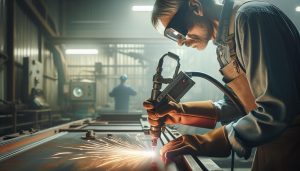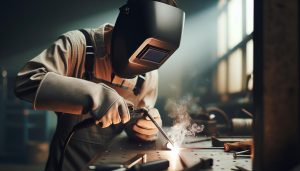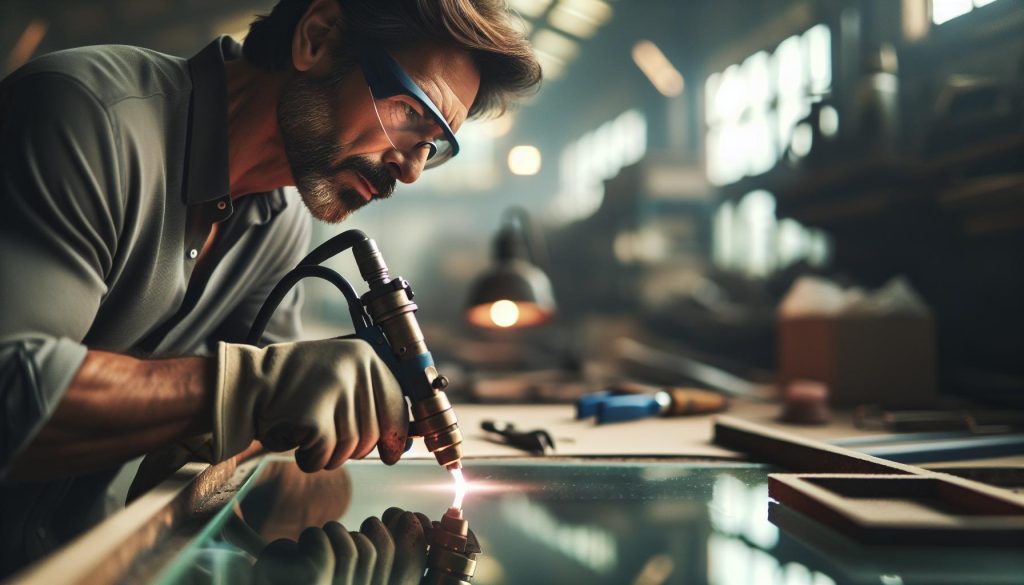
When it comes to cutting various materials, plasma cutters are widely known for their efficiency and precision, primarily with metals. However, the intriguing question arises: can a plasma cutter effectively cut glass? Understanding this capability is essential for both hobbyists and professionals in metallurgy and glassworking. Many may assume that glass, being brittle and fragile, could easily shatter under the intense heat of a plasma cutter. Yet, the reality is more nuanced. This exploration will unpack the mechanics behind plasma cutting, revealing surprising insights that could alter your approach to fabricating glass projects. Whether you’re a seasoned welder or a beginner venturing into new material territories, the answer to this question holds valuable implications for your craft. So, let’s delve deeper into the capabilities of plasma cutting and see how it might open new possibilities for your work.
Can Plasma Cutters Actually Cut Glass?
While plasma cutters are hailed for their ability to slice through metal with precision, their effectiveness on glass is a topic of debate among professionals in welding and fabrication. Cutting glass with a plasma cutter is not typically recommended due to the fundamental differences in how glass and metal behave under intense heat. Glass is a brittle material that can crack or shatter when subjected to the rapid thermal changes that a plasma cutter induces.
Using a plasma cutter on glass can lead to disastrous results, such as uneven cuts, jagged edges, and fracturing of the material. Unlike metals, which can be melted and reformed, glass does not have these properties, making it particularly sensitive to the concentrated heat produced by plasma cutting. The high temperatures can cause stress lines to form, resulting in cracks extending far beyond the intended cut.
For those determined to explore unconventional methods, understanding the science behind glass cutting is essential. Alternative techniques are more suited for glass and include traditional methods like scoring with a diamond cutter or using water jet cutting, which provides a clean, controlled cut without the risk of thermal damage. These methods ensure the integrity of the glass is preserved and yield cleaner edges, which is vital for applications where clarity and aesthetics matter.
In summary, while the concept of using a plasma cutter on glass might pique interest, it’s crucial to recognize the limitations and risks involved. Opting for refined techniques designed specifically for glass will deliver superior results, ensuring both functionality and visual appeal remain intact.
Understanding Plasma Cutting Technology
The development of plasma cutting technology has revolutionized the metalworking industry, offering an efficient method for slicing through various conductive materials with precision and speed. Plasma cutting utilizes a focused stream of ionized gas-plasma-to create high temperatures capable of melting metals. This technology is not just about cutting; it’s also about achieving clean edges and minimizing post-processing requirements, making it a preferred choice for professionals in welding and fabrication.
Understanding the essential mechanics of plasma cutting helps demystify why it excels in certain applications while falling short in others. Plasma notably operates under the principle of delivering an electric arc through a gas, such as air or nitrogen. This arc ionizes the gas and transforms it into plasma, allowing for temperatures that exceed 20,000 degrees Fahrenheit. Such immense heat enables the plasma cutter to not only sever metals like steel and aluminum effortlessly but also to perform intricate detailing required in specialized projects. The versatility of plasma cutting systems-from handheld torch setups for smaller tasks to automated CNC configurations for large-scale operations-provides flexibility across different work environments.
However, the use of plasma cutting is inherently tied to the properties of the materials being processed. Unlike metals, which have higher melting points and can be reformed, materials like glass present challenges due to their brittle nature. Glass requires techniques that avoid rapid temperature changes to maintain its structural integrity, which is contrary to the rapid, high-heat application of plasma cutting. Recognizing these differences is crucial for any fabricator looking to achieve optimal results in material processing. Therefore, while plasma cutting remains a powerful tool in the metalworking arsenal, understanding its limitations and appropriate applications is essential for successful outcomes.
How Plasma Cutters Work: The Basics
Plasma cutting technology is a fascinating and intricate method widely used in metalworking for its efficiency and precision. At its core, plasma cutting involves creating a focused stream of ionized gas, or plasma, which can achieve temperatures exceeding 20,000 degrees Fahrenheit. This extreme heat allows the plasma cutter to easily melt and sever conductive materials such as steel, aluminum, and copper. The process begins by generating an electric arc between an electrode and the workpiece, which ionizes the gas flowing through the nozzle, turning it into plasma. This plasma jet is then directed at the material, effectively cutting through it with remarkable speed and accuracy.
The versatility of plasma cutters is one of their standout features. They can be found in various configurations to meet the needs of different applications, from handheld torches suitable for small, detailed work to sophisticated CNC systems designed for high-volume production. Depending on the power supply and gas used, plasma cutters can handle a range of thicknesses and types of materials, making them an invaluable tool for professionals in metal fabrication, automotive repair, and artistic metalwork.
However, the efficiency of plasma cutting is invariably linked to the properties of the material being processed. Metal, with its higher melting points and ductility, is ideally suited for this technique. Contrastingly, materials like glass present significant challenges. The rapid heating and cooling during plasma cutting can lead to cracking and breaks in glass due to its brittle nature. Understanding the mechanics behind plasma cutting not only equips fabricators with the knowledge to optimize their processes but also highlights the importance of selecting appropriate cutting methods for different materials to ensure successful outcomes.
The Science Behind Cutting Glass with Plasma
The ability of plasma cutting technology to handle a variety of materials poses an intriguing question: can it effectively cut glass? While plasma cutters excel in cutting metals due to their high melting points and ductile properties, glass is a different story entirely. The fundamental characteristics of glass-specifically its brittleness-create significant challenges when attempting to utilize the extreme heat generated by plasma cutting.
When a plasma torch is applied to glass, the heating process occurs at an extremely rapid rate, causing localized thermal expansion. This happens swiftly enough to generate stress far beyond what the glass can tolerate, leading to inevitable cracking or shattering. Unlike metals, which can deform and absorb some heat without structural failure, glass lacks this resilience. The high temperatures of plasma cutting can cause fractures that propagate quickly, rendering the material unusable for any intended application.
If one were to explore attempts at plasma cutting glass, it is important to consider the specific settings and techniques that might improve outcomes. Controlling the speed, distance from the workpiece, and the type of gas used can influence the cutting efficiency. Nonetheless, even with ideal conditions, the risk of damaging the glass remains significant. For workers handling glass who wish to avoid the drawbacks of plasma cutting, alternative methods like laser cutting or traditional scoring techniques may be more appropriate. These methods offer better control over heat application, allowing for the creation of cleaner cuts with minimal risk of fracture.
Ultimately, while the application of plasma cutting to glass can spark curiosity, the inherent limits of the material make it clear that this technique is far from ideal. Understanding the thermal dynamics at play is crucial for fabricators and welders alike, as it underscores the importance of selecting suitable cutting technologies tailored to the material properties for successful outcomes.
Comparing Plasma Cutting to Other Techniques
The use of plasma cutting technology is often lauded for its efficiency in slicing through metals, but its application becomes questionable when one considers cutting glass. Unlike metals, which possess ductility and can withstand the extreme heat generated by plasma, glass presents unique challenges due to its brittle nature. Plasma cutting relies on high temperatures to melt and manipulate materials, and in the case of glass, this heat can cause rapid thermal expansion, leading to shattering or cracking.
When evaluating plasma cutting against more suitable glass processing methods, one must consider techniques such as laser cutting and traditional glass scoring. Laser cutting is particularly advantageous due to its precision and ability to control the heat applied to the material. The focused beam of a laser allows for cleaner cuts without the risk of fracturing, creating smoother edges that require less post-processing. In contrast, traditional scoring, where a sharp tool creates a shallow line on the surface of the glass, allows for breaking along that line with minimal stress, successfully preserving the integrity of the material.
To further illustrate these differences, consider the following key points when :
- Heat Control: Laser cutting offers superior control over thermal application, minimizing risk of damage.
- Cut Quality: Glass scored by traditional methods tends to have cleaner edges, whereas plasma cutting often leads to rougher, more jagged edges.
- Material Suitability: Plasma cutting excels with metals like steel and aluminum, while glass is better suited for scoring or laser methods.
- Production Speed: While plasma cutting is fast for metals, glass requires a more careful approach to yield usable pieces without fractures.
For workers engaged in glass fabrication, understanding these distinctions is crucial for selecting the right cutting method. By prioritizing techniques that account for the unique properties of glass, such as finesse and lower heat application, one can achieve optimal results without the risks associated with plasma cutting.
Glass Types and Their Suitability for Plasma Cutting
While plasma cutting is well-known for its ability to slice through metals like steel and aluminum with remarkable efficiency, its effectiveness on various types of glass is far more limited. Glass, with its inherent brittleness, does not respond well to the intense heat generated by a plasma cutter. When considering the suitability of different glass types for plasma cutting, it is crucial to understand the material’s characteristics and how they interact with high temperatures.
Typically, glass can be categorized into several types, including annealed glass, tempered glass, and laminated glass. Annealed glass, the most common type, is softer and easier to cut. However, when exposed to the heat of plasma, it risks thermal shock, which can lead to cracking. Tempered glass, on the other hand, undergoes a specialized heating process that makes it much stronger and more durable, but this very process also means it is more susceptible to breaking if cut improperly. Lastly, laminated glass, which consists of two or more layers bonded together, has even more challenges due to its composite nature, making traditional cutting methods such as scoring and breaking significantly more effective than any plasma technique.
For those considering the use of plasma cutting on glass, it is essential to evaluate the purpose of the cut and the type of glass being processed. Here are a few key factors to consider:
- Thermal Expansion: Glass expands and contracts with temperature changes. Plasma cutting can cause uneven heating, leading to shattering.
- Cut Precision: Plasma cuts tend to be wider and less precise than those made with traditional methods, resulting in rougher edges that may be unacceptable for many applications.
- Risk of Fracture: Given the brittleness of glass, any uneven distribution of heat can induce stress fractures, rendering the material unusable.
- Type Specifications: Some specialized glass types, like fused silica, might withstand thermal stress better, but these are not common in everyday applications.
Ultimately, while plasma cutters excel in dealing with metals, their application on glass should be approached with caution. For glass fabrication needs, it is strongly advised to utilize traditional cutting methods or laser technology, which provide better control over heat and precision, ensuring higher quality cuts and minimizing waste.
Safety Considerations When Cutting Glass
When working with glass, safety should always be a primary concern due to its brittle nature and the hazards involved in various cutting processes. Although plasma cutting is typically associated with metals, there’s a compelling need to emphasize the safety precautions required if one were to attempt cutting glass with this method. The intense heat generated during plasma cutting can not only shatter the glass but also produce dangerous shards that can cause serious injury.
Proper personal protective equipment (PPE) is essential when attempting any cutting procedure, particularly if using a plasma cutter. Gear such as safety goggles, gloves, and protective clothing can help shield against flying debris and burns from the heat. A face shield can further protect the face from small glass fragments that might become airborne during the cutting process. Additionally, ensuring that the workspace is free of clutter and that you have adequate lighting will prevent accidents and promote a safer environment.
- Use of Precise Settings: If one insists on using a plasma cutter on glass, ensure that the settings are as precise as possible to minimize heat exposure. A lower amperage setting might help in controlling the heat better.
- Cool Down Processes: Incorporate cooling techniques, such as spraying a fine mist of water around the area (if safe to do so), to mitigate the risk of thermal shock to the glass during cutting.
- Regular Training: For those involved regularly in cutting glass, providing ongoing training about the risks and best practices can help reinforce safety protocols.
Moreover, it’s crucial to have an emergency plan in place. This plan should include immediate first aid procedures in case of any accidents, as well as easy access to a first aid kit. In the case of severe cuts or other injuries, knowing how to respond quickly can make a significant difference in the outcome. Remember that while exploring unconventional methods can sometimes yield interesting results, the risks often outweigh the benefits when it comes to cutting glass with a plasma cutter. For optimal safety and results, traditional glass cutting techniques or other methods should be considered.
What the Experts Say: Professional Insights
While the concept of using a plasma cutter on glass may initially sound innovative, experts caution that this approach is fraught with challenges that often outweigh any potential benefits. Plasma cutting employs extreme heat to melt materials, which can be effective for metals but problematic with glass due to its brittle nature. According to professionals in the welding and glass-cutting industries, the intense temperatures generated can shatter glass rather than produce a clean cut. In fact, many experts recommend against attempting to cut glass with plasma, as it typically results in more damage than precision.
Those experienced in both plasma cutting and glass work suggest that there are less risky alternatives for achieving precise glass cuts. Conventional methods, such as using a glass cutter, provide better control and efficiency without the high risk of thermal shock and fragmentation. Moreover, some suggest that advanced tools like laser cutters offer a safer and more effective way to work with glass, as they can maintain a more stable temperature during the cutting process.
For those determined to experiment with plasma cutting on glass, professionals advise adopting strict safety protocols and employing the correct techniques to mitigate risks. Using a lower amperage and incorporating cooling strategies, such as water mists, may help control heat exposure, but even these measures may not eliminate all dangers. Experts emphasize that it is crucial to wear protective gear, including safety goggles and face shields, to guard against flying shards that can occur during the cutting process.
Ultimately, while the curiosity around using plasma cutters on glass may intrigue some, the prevailing advice from professionals is clear: stick to traditional or purpose-built methods for cutting glass to ensure safety and precision. The experience of those who work in the field highlights that sometimes, the most effective solutions are those that rely on tried-and-true techniques rather than pushing the boundaries of technology in ways that invite unnecessary risk.
Ideal Settings and Techniques for Successful Cuts
While plasma cutting may dominate the metalworking landscape, using this technology on glass demands a nuanced approach to achieve positive results. Understanding the ideal settings for plasma cutting is crucial to navigating the inherent risks and challenges associated with this process.
To begin with, a lower amperage setting is advisable for those who may wish to explore cutting glass with a plasma cutter. High amperage can generate excessive heat, leading to thermal shock, which causes the glass to shatter rather than produce a clean cut. A range between 30 to 50 amps often provides a better balance between cutting power and heat control. Additionally, maintaining a speed that is neither too fast nor too slow is essential; moving too quickly can result in an incomplete cut, while too slow can exacerbate heat buildup.
Cooling techniques should also be integrated into the process to help manage thermal exposure. Utilizing water mists or manually applying a cooling agent along the cutting line can significantly decrease the risk of the glass cracking. Implementing a longer arc distance can similarly reduce heat concentration at the cutting point, allowing for more controlled melting. Specific techniques, such as using a drag transfer method, can facilitate a steadier flow of plasma over the glass surface, promoting a smoother operation.
Safety remains paramount when engaging in any cutting process. It is imperative to wear appropriate protective gear, including face shields, safety goggles, and gloves, to safeguard against flying shards and thermal hazards. Establishing a clean and organized workspace can further mitigate risks, ensuring that all necessary tools and safety equipment are within reach.
Ultimately, while there are strategies for those determined to experiment with plasma cutting on glass, the consensus among professionals is clear: the challenges often outweigh any benefits. Emphasizing traditional glass cutting methods remains the most reliable and effective approach, ensuring precision while minimizing risks associated with this powerful cutting technology.
Common Misconceptions About Plasma Cutting Glass
While many might assume that plasma cutters excel universally across all materials, a significant misconception lurks in the realm of glass cutting. Some believe that the versatility of plasma cutting technology translates seamlessly to glass, but this assumption can lead to unexpected setbacks. The reality is that glass is a fragile material that requires a specific approach, highlighting the difference between cutting metals and glass.
One prevalent myth is that plasma cutters can achieve clean cuts on any type of glass without adjustments. In truth, using a plasma cutter on glass can produce poor results, often leading to shattering and jagged edges instead of a smooth cut. This stems from the high temperatures generated in the plasma cutting process, which can create thermal shock in the glass. It’s crucial for operators to understand that the cutting settings, such as amperage and travel speed, must be meticulously adjusted to avoid these common pitfalls. Many underestimate the need to incorporate cooling techniques, like applying water mists, which are essential for managing the heat generated during cutting.
Another misconception is that plasma cutting is quicker and more efficient than traditional glass cutting methods. While plasma cutters can speed up operations for materials like steel or aluminum, this advantage diminishes significantly with glass. In fact, traditional methods such as scoring and snapping glass or using a diamond saw often yield neater and more precise results without the risk of cracks or breakage. Understanding the physics of glass cutting reveals a different set of challenges that require a level of finesse not easily achieved with plasma technology.
Ultimately, embracing accurate information about plasma cutting and glass working can help avoid costly mistakes. Professionals and hobbyists alike should recognize that, while plasma cutting tools are invaluable for many materials, they aren’t the ideal choice for glass unless specific parameters and techniques are diligently applied. This knowledge not only empowers users but also enhances the safety and quality of their projects in the long run.
Alternative Methods for Cutting Glass
One of the most reliable and precise methods for cutting glass involves a traditional approach that has stood the test of time: scoring and snapping. This technique requires a glass cutter, which is equipped with a hardened steel wheel that lightly scratches the surface of the glass, creating an intentional weak point. After scoring, applying gentle pressure on either side of the line causes the glass to break cleanly along the score. This method is not only simple but also allows for great control, making it ideal for straightforward cuts.
Another popular option includes using a diamond saw, which is particularly effective for thicker glass pieces or intricate designs. Diamond saws incorporate a blade embedded with diamond particles, allowing it to cut through glass smoothly and efficiently. When utilizing a diamond saw, it’s crucial to use a water cooling system to minimize heat buildup and prevent thermal stress that could lead to cracking. This ensures a precise cut without damaging the material.
For more specialized projects, laser cutting can provide incredibly detailed and intricate designs on glass. This method utilizes a focused laser beam to melt or vaporize the glass along the desired cutting line, resulting in exceptionally smooth edges. While laser cutting systems can represent a significant investment, they offer unparalleled precision and capabilities for complex shapes and patterns that manual methods would struggle to achieve.
Lastly, utilizing a wet band saw represents an alternative for those seeking a balance between efficiency and control. This tool combines the benefits of a band saw with water lubrication, ensuring a cooler cutting process that reduces the risk of cracking. Wet band saws are especially useful for artists or fabricators dealing with larger sheets of glass, offering both speed and the ability to handle finer cuts.
In summary, while plasma cutting may seem like a versatile option for glass, traditional methods such as scoring, diamond sawing, and laser cutting prove to be far more effective. Each alternative method has its strengths, depending on the requirements of the task at hand, ensuring that glasswork can be executed with precision and safety in mind.
Final Thoughts on Plasma Cutters and Glass Cutting
The idea of using a plasma cutter for glass may seem appealing due to the machine’s versatility and precision in cutting metals. However, when it comes to glass, the realities of material behavior and cutting methods reveal a different story. Unlike metals that can handle the intense heat generated by plasma, glass is a brittle material that is sensitive to temperature changes. When subjected to the extreme heat of plasma cutting, glass can easily crack or shatter instead of being neatly cut.
For those considering unconventional methods for working with glass, it is important to recognize the inherent risks. Plasma cut edges are generally rough and distorted, making them unsuitable for applications where aesthetics and smooth finishes are crucial. Moreover, the expense associated with plasma cutting equipment could be viewed as a poor investment when traditional methods such as scoring, diamond sawing, or laser cutting offer better results in terms of precision and finish. Each of these methods provides a more controlled approach to glass cutting, allowing for cleaner edges and minimized waste.
It’s also essential to emphasize safety when experimenting with cutting techniques. While plasma cutting may theoretically work on some types of glass under very specific conditions, the potential for dangerous glass shards and unexpected injuries implies that professional advice and safe practices should be prioritized. Those deeply involved in glass fabrication will benefit from adhering to established techniques rather than exploring high-risk alternatives. Leveraging traditional methods can lead to successful outcomes, preserving both the integrity of the glass and ensuring safety throughout the process.
Ultimately, while plasma cutting presents a captivating solution for many materials, its application for glass is largely impractical. Embracing established techniques tailored for cutting glass not only upholds craftsmanship quality but also aligns with safety protocols critical in working with this delicate material. Prioritizing the right tools and methods ultimately ensures both the quality of the finished product and the safety of the user.
FAQ
Q: Can plasma cutting technology be used for glass?
A: Plasma cutters are not ideally suited for cutting glass because glass is a brittle material that requires different techniques like scoring and snapping or using specific glass-cutting tools. Plasma cutting is designed for metals, where the heat can effectively melt and separate material.
Q: What is the best method to cut glass?
A: The best method for cutting glass involves scoring the glass surface with a glass cutter and then snapping it along the scored line. For thicker glass, using a diamond-tipped blade on a wet saw is recommended for a cleaner, smoother cut.
Q: Why can’t plasma cutters cut glass effectively?
A: Plasma cutters operate using high-heat plasma to melt materials. Glass, being non-metallic and brittle, can shatter or fragment under extreme heat rather than cut smoothly, making traditional glass-cutting techniques more effective.
Q: What types of materials are plasma cutters best for?
A: Plasma cutters excel at cutting various metals like steel, aluminum, brass, and copper. They provide clean cuts and are favored for their speed and precision in fabrication and welding applications.
Q: Can you use a plasma cutter on ceramic materials?
A: No, plasma cutters are not suitable for ceramic materials, as ceramics are brittle and can crack when exposed to high temperatures. Techniques like diamond cutting or using abrasive wheels are more appropriate for ceramics.
Q: What are alternatives to plasma cutting for glass?
A: Alternatives for cutting glass include manual scoring tools, glass saws, or water jet cutting techniques. These methods provide precision without introducing the heat that can damage the glass.
Q: Is there any glass that can be cut safely with plasma?
A: No glass is designed to be cut safely with a plasma cutter due to the material’s inherent properties. It’s best to stick with traditional glass cutting methods to avoid damage.
Q: What precautions should be taken when cutting glass?
A: Always wear safety glasses and gloves when cutting glass to avoid injuries. Ensure a clean cutting surface, and use appropriate tools designed for glass to reduce the risk of breakage and injury.
Closing Remarks
In summary, while plasma cutters excel in cutting through metals with precision, they are not the right tool for handling glass due to the high temperatures involved and the nature of the material. If you’re exploring alternative methods for glass cutting, consider researching specialized tools that provide cleaner and safer results. For deeper insights into welding and cutting techniques, check out our articles on MIG vs. TIG welding and safety tips for using plasma cutters.
Don’t miss out-subscribe to our newsletter for the latest tips and industry insights straight to your inbox, and feel free to share your thoughts or experiences in the comments below! Remember, the right tools make all the difference in your projects, so explore our product recommendations to find the perfect gear for your needs. Your next successful project could be just a click away!