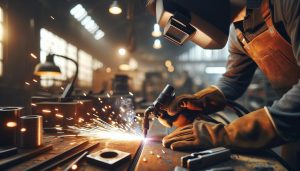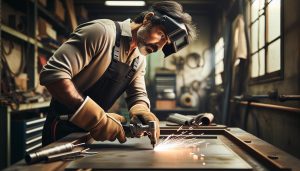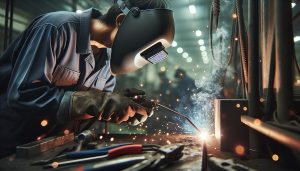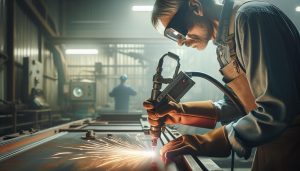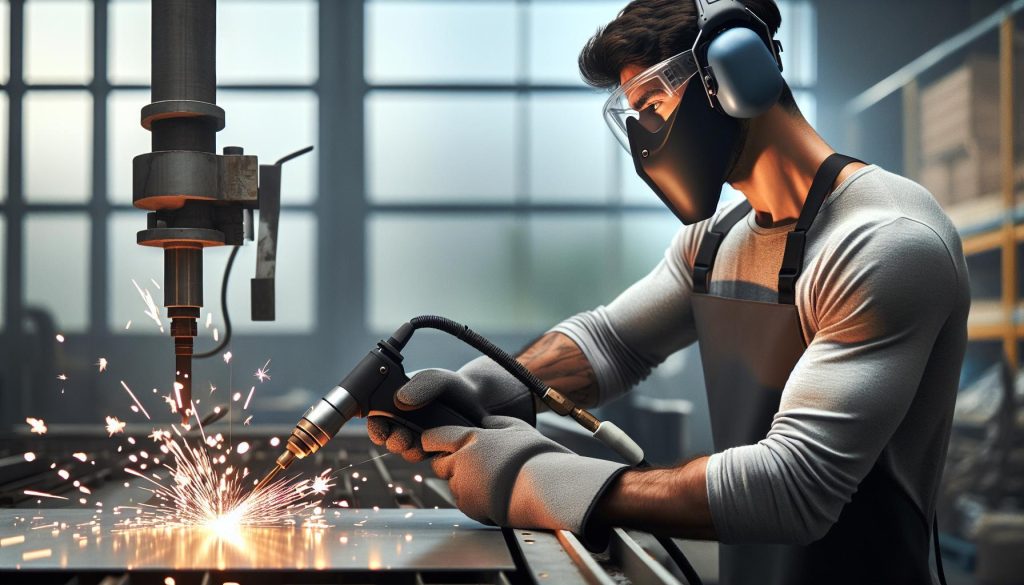
When it comes to metalworking, the ability to cut through materials with precision is essential, especially with stainless steel, known for its durability and corrosion resistance. Many welders and fabricators wonder, “Can a plasma cutter effectively cut stainless steel?” The answer is not just a matter of capability; it directly influences project efficiency and result quality. Utilizing a plasma cutter for stainless steel can provide clean, accurate cuts that save time and reduce material waste. This article delves into the technical aspects of plasma cutting stainless steel, discussing best practices, equipment requirements, and potential challenges to help you achieve perfect results every time. Whether you’re a seasoned professional or just beginning your journey in metal fabrication, understanding the intricacies of plasma cutting could enhance your skills and elevate your projects. Continue reading to unlock the secrets of achieving flawless cuts in stainless steel with a plasma cutter.
Can Plasma Cutters Effectively Cut Stainless Steel?
Plasma cutting is a highly effective method for slicing through stainless steel, a material known for its durability and corrosion resistance. With the right equipment and technique, plasma cutters can produce clean, precise cuts that are comparable to those achieved through other methods like laser cutting or water jet cutting. The ionized gas-plasma-created during this process generates enough heat to melt the steel, allowing it to be blown away, thus leaving a well-defined edge.
A key factor in the efficacy of plasma cutting stainless steel lies in understanding the material’s unique properties. Stainless steel varies in thickness and type, which can influence the settings and techniques used during cutting. A higher current setting often yields better results for thicker materials, while thinner sections may benefit from a lower current to avoid excessive melting or warping. Additionally, correctly adjusting the cutting speed and using the right torch distance are crucial for achieving optimal cuts.
To maximize the effectiveness of plasma cutting on stainless steel, maintaining the equipment is paramount. Regularly checking the nozzle and electrodes for wear can prevent issues such as poor arc stability and inconsistent cuts. Furthermore, using clean compressed air or nitrogen will provide better-quality cuts, reducing oxidation and improving the finish. Applying these techniques can transform plasma cutting from a mere option into a reliable choice for fabricators and welders seeking precision and speed in their work.
Understanding Stainless Steel and Its Properties
Stainless steel is a remarkable material that combines durability, resistance to corrosion, and versatility, making it an ideal choice for a range of applications. It is composed primarily of iron, with a minimum of 10.5% chromium content, which significantly enhances its resistance to rust and oxidation compared to regular steel. This unique property enables stainless steel to maintain its strength and appearance even in harsh environments, such as kitchens, outdoor fixtures, and industrial settings.
When working with stainless steel, it’s crucial to understand its various grades and thicknesses, as these factors directly influence cutting techniques and outcomes. Common grades include austenitic (like 304 and 316), ferritic, and martensitic, each offering different levels of workability and corrosion resistance. For instance, austenitic stainless steels are easier to cut and weld due to their ductility, while martensitic steels can present challenges due to their hardness.
The thickness of the stainless steel sheet also plays a significant role in the effectiveness of plasma cutting. Thicker materials may require higher cutting amperage and slower travel speeds to ensure a clean cut, while thinner sheets can be cut at faster speeds with lower amperage. Additionally, the presence of protective coatings or surface finishes can affect cutting quality; these must be taken into account to achieve optimal results.
Overall, understanding these properties is not just academic-it is essential for ensuring efficiency and precision in plasma cutting processes. Proper preparation for the cutting task, including material selection and knowledge of the specifications, significantly enhances the ability to achieve clean and accurate cuts, thereby making plasma cutting a preferred technique in the fabrication industry.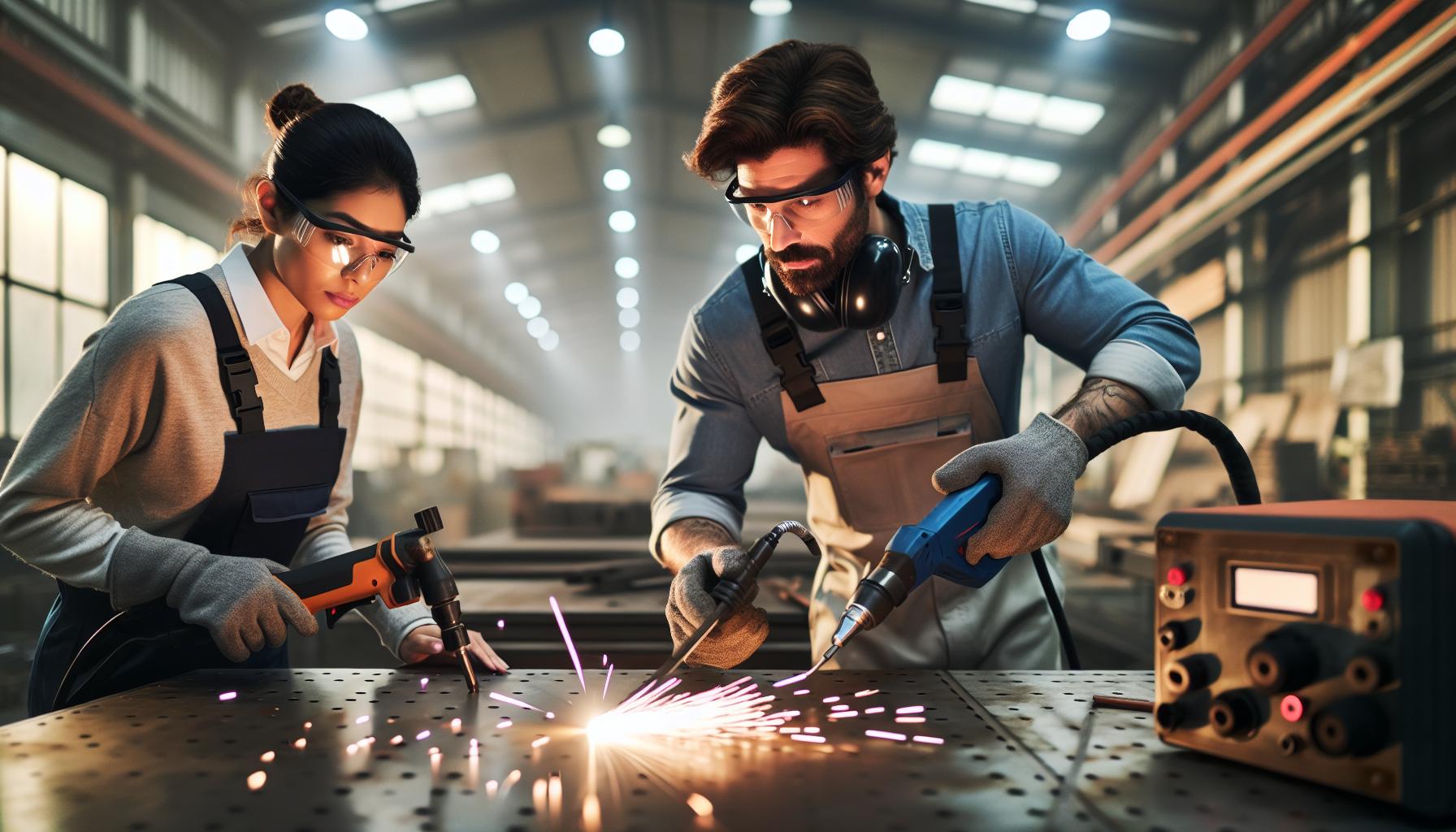
Comparing Plasma Cutting to Other Methods
Plasma cutting has emerged as a highly efficient method for cutting stainless steel, appreciated for its speed and precision. When compared to traditional cutting methods such as oxy-fuel cutting, MIG (Metal Inert Gas), and TIG (Tungsten Inert Gas) welding, plasma cutting showcases several advantages in both professional and industrial settings.
One of the primary benefits of plasma cutting is its ability to cut through thicker stainless steel sheets with ease. It utilizes a focused stream of ionized gas that reaches extremely high temperatures, thereby melting the metal as it moves along. This empowers operators to achieve clean cuts on materials with a thickness of up to several inches, whereas MIG and TIG methods tend to struggle with thicker pieces, requiring multiple passes or special techniques. Additionally, unlike oxy-fuel cutting, which can be limited by the material’s thickness and carbon content, plasma cutting remains effective across different stainless steel grades without the risk of oxidation or distortion, which can compromise the material’s integrity.
In terms of operational speed, plasma cutting significantly reduces the time spent on each project. While MIG and TIG welding processes involve more preparation, including the potential need for filling materials and post weld cleaning, plasma cutting’s efficiency allows for swift transitions between cuts. This speed is particularly advantageous in manufacturing environments where time is precious.
However, while plasma cutting has its strengths, it’s important to consider its limitations as well. For example, the heat affected zone (HAZ) in plasma cutting can be greater than that of MIG or TIG welding, potentially leading to warping in thinner materials. Therefore, it’s critical for operators to select the right parameters based on the material thickness and properties to mitigate such risks. In scenarios involving very thin sheets, MIG welding might offer a more controlled approach, particularly for delicate applications.
Ultimately, the decision on which cutting method to use should be informed by the specific requirements of the project at hand, including material type, thickness, desired cut quality, and production speed. Understanding these nuances will ensure fabricators can harness the strengths of each cutting technique effectively, optimizing workflows and results in the fabrication of stainless steel components.
Perfecting Plasma Cutting Techniques for Stainless Steel
To achieve precision and efficiency in plasma cutting stainless steel, mastering the right techniques is critical. One key aspect is maintaining the correct distance between the plasma torch and the workpiece. This gap, often referred to as the cutting height, should typically fall within the manufacturer’s specified range, usually around 1/8 to 1/4 inch. Maintaining this optimal height helps produce a stable arc and enhances the quality of the cut, ensuring clean edges and minimal dross.
Additionally, adjusting the amperage settings according to the thickness of the material is crucial. Thicker stainless steel requires higher amperage for effective cutting, while finer sheets can be cut using lower amperage to prevent excessive heat input, which can cause warping or distortion. It’s beneficial to conduct a few test cuts on scrap material to fine-tune these settings before tackling the main project.
Another technique that enhances cutting performance involves utilizing a pierce time feature found in many modern plasma cutters. This feature allows the torch to pause briefly when starting the cut, ensuring that the metal is properly melted before advancing. Propertering gantry speed is also essential; operating the torch too slowly can lead to excessive heat buildup, leading to poor cut quality, while too fast can result in incomplete cuts. Understanding and practicing the fine balance of torch speed, angle, and movement will yield more satisfactory results.
Finally, utilizing various cutting patterns can optimize outcomes depending on the project. For instance, continuous straight cuts benefit from a steady motion, while intricate shapes might require adjusting the speed and path to ensure thorough cutting without compromising precision. Training and experience in refining these techniques will help new and seasoned welders alike to achieve high-quality, clean cuts in stainless steel, ultimately leading to successful project outcomes.
Common Challenges When Cutting Stainless Steel
When cutting stainless steel with a plasma cutter, several challenges may arise that could impact the quality and efficiency of the process. One prevalent issue is thermal distortion, caused by the excessive heat generated during cutting. Stainless steel’s thermal properties can lead to warping or bending if the heat isn’t carefully managed. Maintaining proper amperage and cut speed is essential; using higher amperage for thicker materials while ensuring faster cutting speeds can mitigate heat buildup effectively.
Another common challenge includes dross formation, which is the residue left after the cutting process. This can occur when the cutting speed is too slow or when there is insufficient plasma gas flow. To reduce dross, operators should optimize cutting speed and ensure proper gas coverage by adjusting the flow rates and using a clean cutting technique. Conducting test cuts on scrap material can also help fine-tune these parameters before embarking on a critical project.
Feed rate and material thickness also play significant roles in ensuring clean cuts. For instance, operators might find that cuts made through thicker stainless steel require deliberate adjustments in both pierce time and travel speed to ensure a thorough cut that doesn’t leave rough edges. It’s crucial to choose the right balance of settings tailored to the steel’s thickness.
Inexperienced users may struggle with maintaining a steady hand, leading to inconsistent cutting quality. Practicing proper torch angle and movement can help improve precision, and integrating advanced features in modern plasma equipment, such as automated height control, can alleviate some of this burden. Emphasizing the importance of practice and understanding the machine’s intricacies can greatly enhance the outcome when tackling stainless steel projects.
Ultimately, identifying and addressing these challenges can lead to significant improvements in the quality of cuts and overall productivity. By combining technique, equipment understanding, and practical experience, operators can achieve exceptional results with plasma cutting on stainless steel, paving the way for realizing complex designs and structures.
Tips for Achieving Clean Cuts with Plasma Cutters
Achieving clean cuts when using plasma cutters on stainless steel can significantly enhance the quality of your work, making it essential for DIY enthusiasts and professionals alike. One critical aspect is to optimize your settings. Ensure that you adjust the amperage to suit the thickness of the stainless steel; generally, higher amperage is necessary for thicker materials. Alongside this, maintaining an appropriate cutting speed helps reduce the amount of heat generated, minimizing the risk of thermal distortion and warping.
Technique Matters
The accuracy of your cutting technique is also paramount. Begin by ensuring that your torch is held at the correct angle-typically between 60 to 75 degrees to the workpiece. A steady hand helps maintain a consistent movement speed, which is vital for producing a clean edge. Additionally, using a straight edge or guide can provide the stability needed for longer cuts. Lastly, consider performing a pre-purge of your plasma gas to ensure a clean and efficient cut.
Material Preparation
Before cutting, prepare the stainless steel surface by removing any contaminants like oil, grease, or rust, as these can affect the quality of the cut. Using a grinder or a cleaner can ensure that your material is ready for action. If you’re working with smaller parts, clamping them securely is essential for preventing movement during the cutting process, which can lead to jagged edges.
Post-Cutting Solutions
After cutting, inspect the edges for dross. If dross is present, consider quick solutions such as using a wire brush or grinding tool to clean the edges. For projects that require aesthetic qualities, planning your cut paths to minimize sharp edges can save further efforts in finishing. Remember, using the right plasma cutter that fits the project specifications is just as crucial as the cutting technique; more advanced models may offer features such as built-in height control that can significantly streamline your process.
By combining thoughtful preparation, precise technique, and methodical inspection, you can achieve exceptional results with a plasma cutter, transforming your ideas into polished reality.
Selecting the Right Plasma Cutter for Stainless Steel
Choosing the right plasma cutter tailored for stainless steel is pivotal in achieving efficient and clean cuts. Plasma cutting stands out because of its ability to slice through various materials, but not all plasma cutters are created equal. Key specifications to consider include amperage capacity, duty cycle, and cutting thickness. A plasma cutter should ideally have a higher amperage output to handle thicker stainless steel efficiently, typically ranging from 20 to 50 amps for intermittent use, while some industrial models can exceed 100 amps for heavy-duty tasks.
When comparing models, attention to the duty cycle is essential as well. This metric indicates how long the cutter can operate continuously before needing to cool down. For small projects, a lower duty cycle may suffice, but for professional use where time is critical, a cutter with a duty cycle of 60% or higher is recommended. Each user’s needs may differ, especially when considering the frequency of use and the types of projects undertaken.
Moreover, features such as pilot arc technology are beneficial when working with stainless steel. This technology allows for cutting without needing the torch to make contact with the workpiece, significantly improving start-up and reducing wear on consumables. Additionally, user-friendly controls and dual voltage capabilities enhance versatility and ease of use, making it more accessible for both novice and experienced welders.
In evaluating your options, it’s also wise to consider the availability of replacement parts and consumables, as these can impact your long-term operational efficiency. By paying close attention to these factors, you’ll ensure you select a plasma cutter that not only meets your current needs but also adapts to future projects involving stainless steel and other materials.
Essential Safety Practices for Plasma Cutting
When engaging in plasma cutting, especially with materials like stainless steel, prioritizing safety is paramount. The intense heat and light generated can pose significant risks if proper precautions aren’t taken. One of the most critical safety measures is the appropriate use of personal protective equipment (PPE). This includes high-quality welding helmets with suitable shading, fire-resistant gloves, and protective clothing made from materials that resist sparks and heat. Investing in a face shield or goggles can further protect the eyes from harmful glare and debris, ensuring a safer work environment.
Safe Work Environment
Creating a safe workspace is equally essential. Clear the area of any flammable materials and ensure proper ventilation to avoid accumulation of harmful fumes that can be generated during cutting processes. Utilizing a well-maintained workbench that can withstand heat is beneficial, and arranging tools and equipment in an organized manner helps prevent accidents.
Regular inspection of equipment, including the plasma cutter itself, is vital. Look for wear and tear on cables, hose connections, and consumables, replacing them as necessary to maintain functionality and safety. Training in proper operational techniques is also crucial; understanding how to handle a plasma cutter, including how to start and stop the machine safely, is key to preventing injuries.
Emergency Preparedness
Lastly, being prepared for emergencies means having a first aid kit readily available and knowing the basic procedures for dealing with common injuries related to plasma cutting. This includes burns, cuts, or eye injuries. Regular drills can ensure that everyone involved is familiar with emergency exits and procedures, reinforcing a culture of safety that extends far beyond just equipment usage.
In summary, prioritizing safety in plasma cutting operations fosters not just a secure working environment but also enhances overall productivity and efficiency. By adhering to these essential practices, welders can focus on achieving high-quality cuts while minimizing risks.
Maintenance for Optimal Plasma Cutter Performance
To maintain optimal performance of a plasma cutter, especially when used to cut stainless steel, a regular maintenance routine is essential. Plasma cutting generates high temperatures and can produce slag, which can affect the quality of the cut and the longevity of the equipment. By investing time in maintenance, operators not only ensure cleaner cuts but also extend the life of their tools.
One of the critical components to monitor is the cutting tip. Over time, tips can wear down or become damaged, leading to inconsistent cutting performance. After every several hours of use, inspect the cutting tip for signs of wear or deformation. If the tip shows wear, it is crucial to replace it, as a worn tip can lead to a wider kerf and increased heat, which may cause further damage to both the tip and the workpiece.
Additionally, the ground clamp’s condition should not be overlooked. A poor or corroded connection can result in inconsistent performance and even dangerous sparks. Regularly clean the ground clamp and ensure it is securely attached to both the plasma cutter and the workpiece during operation. A solid ground connection is necessary to ensure efficient energy transfer and quality cuts.
Proper cleaning of the plasma cutter itself is another significant aspect of maintenance. Dust and debris can accumulate in air filters and input vents, causing the machine to overheat and potentially fail. Regularly monitor and clean these areas. Many units come with easy-to-remove filters that can be cleaned with compressed air or gently washed, ensuring that airflow remains unobstructed.
Finally, keeping the plasma cutter’s hoses and connections in good condition is vital. Inspect for kinks, cracks, or leaks in the hoses, which can result in pressure loss and inefficient operation. Replace any damaged hoses immediately to maintain optimal performance. Following these maintenance guidelines will not only help in achieving cleaner cuts but also reduce the likelihood of costly repairs, ensuring that the plasma cutter operates at peak efficiency.
Troubleshooting Common Issues in Plasma Cutting
In the world of plasma cutting, troubleshooting common issues is crucial for achieving optimal results, especially when working with stainless steel. Operators often encounter challenges such as inconsistent cuts, excessive slag, or difficulty controlling the cutting speed. Identifying the source of these problems is essential to refining technique and improving outcomes. For instance, a very common issue is an inconsistent arc, which may stem from improper ground connections or wear on the cutting tip. Ensuring a clean and secure ground connection can significantly enhance cutting quality, as effective electrical flow is vital to a stable arc.
One major factor contributing to cutting difficulties is the quality of the gas being used. Plasma cutters require a suitable gas supply, usually compressed air or a specific mixture, to operate effectively. If the gas is contaminated or at incorrect pressure, it can lead to erratic arcs and poor cut quality. Regularly testing and maintaining the gas supply system, including checking for leaks and ensuring that regulator settings are correct, can prevent these issues from arising.
Another area of concern is the cutting speed. Too fast a speed may yield a narrow, incomplete cut while cutting too slowly can lead to excessive heat buildup and poor edge quality. Understanding the optimal speed for different thicknesses of stainless steel is crucial. Operators should familiarize themselves with manufacturer guidelines or carry out a few test cuts to establish the best settings for their specific equipment and materials.
Lastly, troubleshooting requires an understanding of maintenance protocols for plasma cutters. Regularly cleaning the nozzle and checking for wear can prevent performance issues before they become apparent. A simple yet effective practice is to keep spare parts, such as nozzles and electrodes, on hand, which can save time and maintain workflow during critical projects. By actively monitoring equipment and proactively addressing common problems, operators can ensure their plasma-cutting tasks are executed with precision and efficiency.
Real-World Applications of Plasma-Cut Stainless Steel
In a variety of industries, the ability to effectively cut stainless steel with plasma cutters has proven invaluable, leading to numerous practical applications. One standout area is the fabrication of kitchen equipment, where stainless steel’s corrosion resistance and aesthetic appeal are paramount. Restaurants and food processing plants rely on plasma-cut stainless steel components for countertops, sinks, and kitchen fixtures. The precision of plasma cutting enables fabricators to achieve sharp, clean edges, ensuring not only visual appeal but also hygiene standards are met.
Another significant application is in the automotive and aerospace sectors, where lightweight yet durable materials are crucial. Plasma cutters are employed to produce parts such as brackets, frames, and panels from stainless steel. The speed and accuracy of plasma cutting allow for rapid prototyping and manufacturing of complex shapes, facilitating innovation in vehicle design and ensuring that components can withstand harsh operational conditions.
Additionally, the construction industry benefits from plasma-cut stainless steel, particularly in structural applications. Beams, railings, and supports made from stainless steel are commonplace in modern architecture, offering strength without adding excessive weight. The flexibility of plasma cutting technology allows for on-site modifications, enabling contractors to adapt designs quickly and reduce project timelines.
In the realm of artistic expression, metal artists harness the capabilities of plasma cutting to create intricate designs and sculptures from stainless steel. The ability to cut detailed patterns and shapes with precision provides artists the freedom to explore creativity while maintaining material integrity. This application not only showcases the versatility of plasma cutting but also underscores the importance of safety and skill in achieving aesthetic results.
In summary, plasma-cut stainless steel is central to numerous fields, each benefiting from the technique’s precision, efficiency, and adaptability. Whether for functional components in the food service industry, structural elements in construction, innovative automotive designs, or artistic creations, the compelling applications of plasma cutting continue to expand, delivering both practicality and aesthetic value.
User Testimonials: Success Stories With Plasma Cutters
User testimonies reveal that plasma cutters have transformed the capabilities of professionals and hobbyists alike, especially when it comes to cutting stainless steel. One user, a fabricator working in the food industry, shared how switching to a plasma cutter revolutionized their workflow. They were previously reliant on traditional methods, which often resulted in time-consuming and less precise cuts. Since adopting plasma cutting, they’ve reduced their processing time by nearly 50%, allowing them to increase production while maintaining high hygiene standards in kitchen equipment assembly.
Another testimonial comes from an artist who specializes in metal sculptures. They noted that plasma cutting has opened up new avenues for creative expression. The ability to make intricate cuts in stainless steel with precision has allowed them to explore complex designs that were previously impossible with other cutting methods. They highlighted that the aesthetic quality of their finished pieces improved significantly, as the clean cuts enhanced the overall visual impact of their sculptures.
Users in the automotive sector also report similar success stories. A restoration specialist emphasized the importance of using plasma cutters for fabricating parts from stainless steel. They found that the accuracy of plasma cutting allows for tight tolerances, which are crucial when fitting components into vintage vehicles. The ease of making on-the-fly adjustments with a plasma cutter has not only sped up their workflow but has also contributed to higher client satisfaction with the fit and finish of their restorations.
When handling plasma cutters, the safety measures taken by these users remain paramount. Many share their dedication to following best practices, such as wearing protective gear and ensuring proper ventilation, as essential to successful and safe cutting. Their experiences underline not just the effectiveness of plasma cutters in achieving precise results in stainless steel but also the shared commitment to safety and excellence across various fields.
Frequently asked questions
Q: Can a plasma cutter cut through stainless steel?
A: Yes, plasma cutters can effectively cut through stainless steel. They use high-temperature plasma to melt and expel the metal, achieving precise cuts. Selecting the correct amperage and gas mixture is crucial for optimal results on various stainless steel thicknesses.
Q: What thickness of stainless steel can a plasma cutter handle?
A: A plasma cutter can typically cut stainless steel thicknesses up to 1 inch for industrial models. For thicker materials, preheating or using a gouging technique may be necessary. Refer to your plasma cutter’s specifications for optimal cutting capacities.
Q: How can I improve the quality of cuts in stainless steel using a plasma cutter?
A: To improve cut quality, ensure the plasma cutter is calibrated correctly. Use the appropriate nozzle size and set the right air pressure. Maintain a consistent speed and distance from the metal surface, as suggested in the section on “Tips for Achieving Clean Cuts with Plasma Cutters.”
Q: Why are my plasma cuts on stainless steel rough?
A: Rough cuts can result from incorrect amperage settings, improper nozzle alignment, or excessive travel speed. Adjusting these parameters can help achieve cleaner cuts. Refer to “Common Challenges When Cutting Stainless Steel” for more insights.
Q: Is it necessary to use consumables specifically for stainless steel in plasma cutting?
A: Yes, using consumables designed for stainless steel ensures better conductivity and cut quality. These parts minimize contamination and improve performance. Check your manufacturer’s recommendations for the best options.
Q: What pre-cuts preparation is needed for plasma cutting stainless steel?
A: Ensure the stainless steel surface is clean and free of contaminants such as oil or rust. Proper grounding is essential for an effective cut. Refer to the “Essential Safety Practices for Plasma Cutting” section for important preparatory steps.
Q: How does plasma cutting stainless steel compare to other cutting methods?
A: Plasma cutting is faster and generates less thermal distortion compared to methods like oxy-fuel cutting. It yields clean edges and requires minimal finishing work, as discussed in “Comparing Plasma Cutting to Other Methods.”
Q: Are there specific safety measures I should take when plasma cutting stainless steel?
A: Yes, wear appropriate personal protective equipment (PPE), including gloves and face shields, to guard against sparks and UV radiation. Familiarize yourself with “Essential Safety Practices for Plasma Cutting” for comprehensive safety protocols.
Wrapping Up
In summary, plasma cutters are highly effective for slicing through stainless steel, offering precision and speed that can elevate your projects to a professional standard. Remember, the right settings and technique are crucial for achieving flawless results every time. If you’re eager to master plasma cutting or want to explore other welding techniques like MIG, TIG, and stick welding, check out our in-depth guides on these methods to enhance your skills further.
Don’t miss out on the latest tips and tools-subscribe to our newsletter for exclusive updates and resources tailored to both novice and experienced welders. Have questions or insights about your plasma cutting experiences? We welcome your comments below! Explore related articles linked throughout this content to deepen your knowledge and fortify your expertise in metal fabrication. Join us in mastering the craft of welding; your journey to becoming a skilled welder starts here!