

In the world of welding, misconceptions can lead to costly mistakes. One common myth is that a plasma cutter can also serve as a welding tool. This misunderstanding could hinder your project efficiency or even compromise safety. In reality, plasma cutters and welders operate on fundamentally different principles; a plasma cutter is designed to cut metal using high-frequency AC, while welding requires specific settings for DC and duty-cycle AC. Understanding this distinction is essential for both novice and experienced welders alike, as it helps clarify what each tool is best suited for, ensuring optimal results in your projects. Continue reading to explore the details of these tools, debunk this myth fully, and learn how to utilize your equipment effectively for all your welding needs.
Can a Plasma Cutter Weld? Understanding the Technique Differences
While many enthusiasts confuse plasma cutting with welding, understanding the distinct differences between these two techniques is essential for proper application. Plasma cutters operate by utilizing a high-velocity jet of ionized gas to sever materials, usually metals, with precision. In contrast, welding is a process that involves fusing metal pieces together, often using additional filler material to form a strong bond. This necessitates a significantly different approach in both equipment and methodology.
In plasma cutting, the process is focused on creating a cut without any intention of joining materials. The technique is ideal for intricate shapes and can handle a variety of metals, including steel and aluminum. Plasma cutters are designed to quickly and effectively slice through thicknesses that would challenge other cutting methods, making them invaluable in industrial and fabrication settings. Conversely, welding techniques such as MIG (Metal Inert Gas), TIG (Tungsten Inert Gas), stick, and flux core require the operation of different machines and skill sets, emphasizing the need for heat application to fuse instead of separate.
Moreover, while welding creates a robust joint, it typically requires a more extensive setup and expertise to ensure the quality of the weld. Efficient welding also calls for detailed preparation of workpieces and an understanding of metallurgical properties. Thus, while both plasma cutting and welding share the workspace in fabrication shops, they serve uniquely different purposes and demand different technical competencies. The myth that plasma cutters can perform welding is advantageous to dispel; understanding these fundamental differences not only refines one’s skill set but also enhances safety and efficiency in metalworking practices.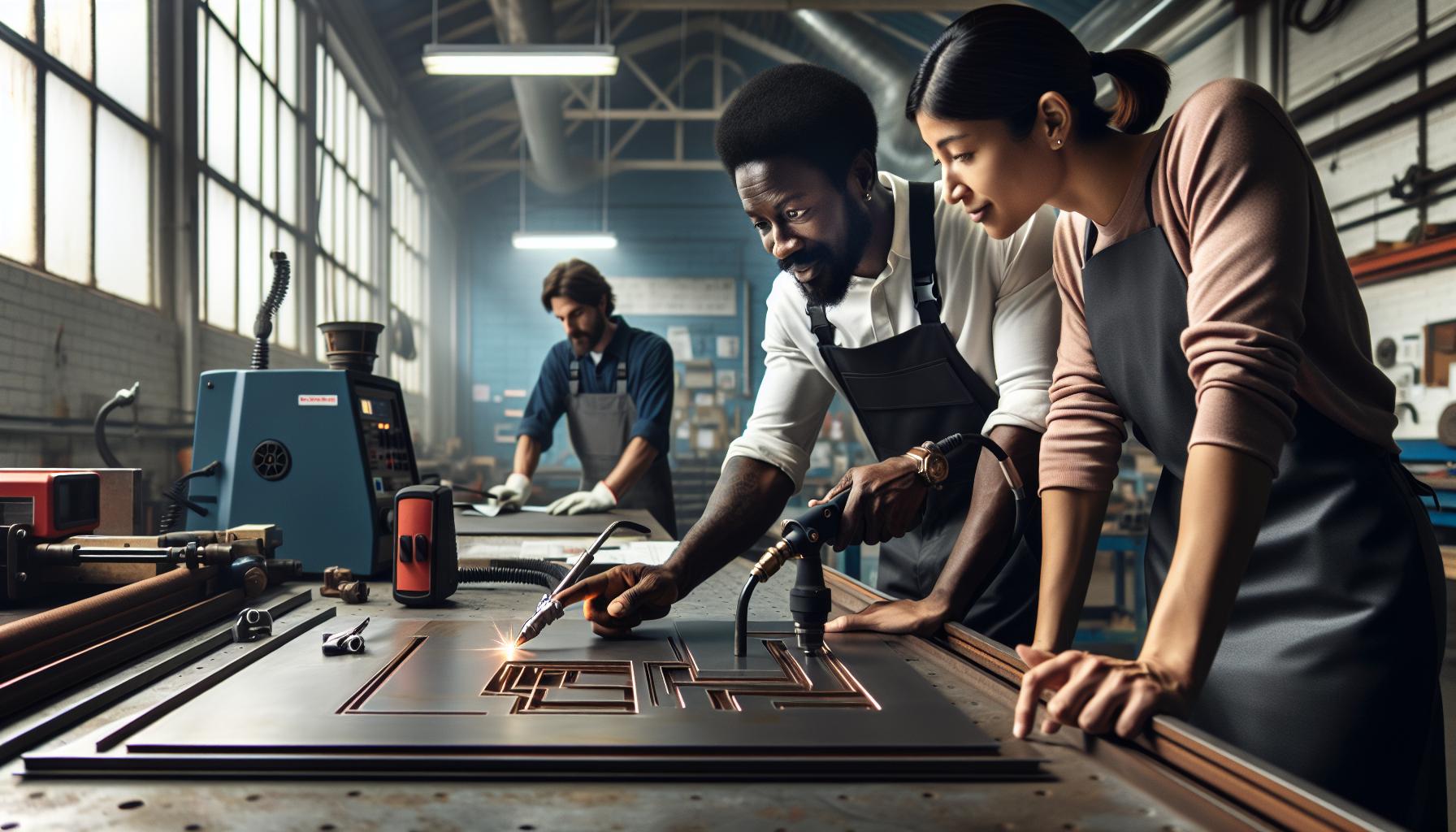
Myth-Busting: Plasma Cutting vs. Welding Essentials
Understanding the differences between plasma cutting and welding is crucial for anyone in the metalworking field. A common misconception is that plasma cutters can perform welding, but this idea overlooks the fundamental roles and techniques associated with each process. Plasma cutting is a thermal cutting method that employs an ionized gas to sever metal, creating precise cuts without fusing materials, whereas welding is fundamentally about joining two or more pieces of metal together using heat and, often, a filler material.
One of the significant distinctions lies in the operational principles of these techniques. Plasma cutters utilize high-velocity jets of ionized gas, which can reach temperatures well above the melting point of most metals. This allows them to cut through various materials like steel and aluminum quickly and cleanly. In contrast, welding processes such as MIG and TIG require the fusion of metal components, achieved through a controlled heat application, which melts the metal at the joint and, in many cases, adds a filler rod to ensure strength and durability. This not only requires different equipment and settings but also specialized skills in preparation and execution.
In practical terms, this means that while plasma cutting is excellent for tasks such as cutting shapes or making clean edges on materials, it cannot replace welding’s capabilities in creating strong joints. For instance, if two metal sheets need to be joined to withstand mechanical stress, only a welding method-MIG, TIG, stick, or flux core-would provide the necessary bond. This myth can lead to inefficiencies and safety issues; misunderstanding the purposes of these tools can result in improper applications that compromise structural integrity or create hazardous situations.
To further clarify, here are some essential points regarding the roles of plasma cutting and welding:
- Cutting vs. Joining: Plasma cutting is solely for cutting materials without intent to join, whereas welding is all about creating strong, lasting connections.
- Equipment Requirements: Each process necessitates different tools; plasma cutters and welding machines are not interchangeable.
- Skill Levels: Mastery in welding techniques generally requires more training and expertise due to the complexities involved in melding metals.
- Heat Application: Welding methods focus on controlled heat to fuse materials, while plasma cutting releases heat primarily for separation.
Dispelling the myth that plasma cutters can weld not only clarifies the functions of these tools but also promotes safer and more effective practices in fabrication and metalworking. Understanding these differences enhances operational efficiency and safety in any metalworking environment.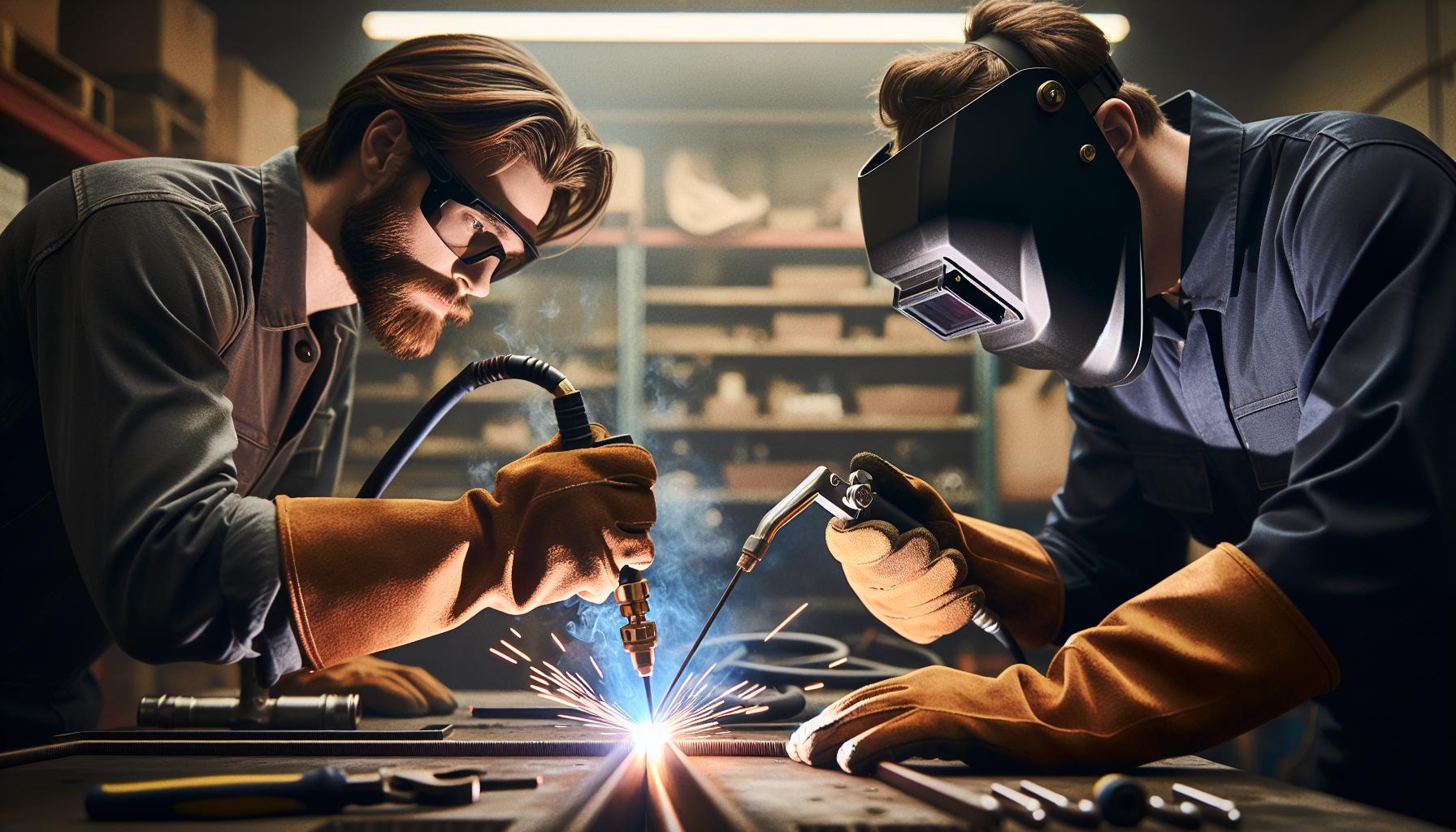
How Plasma Cutters Work: A Technical Overview
Modern plasma cutters are remarkable tools that utilize the physics of ionized gas to achieve efficient cutting results on a variety of metals. By generating a high-velocity jet of plasma-an electrically conductive gas-they can cut through materials like steel and aluminum with precision and speed. Interestingly, the plasma itself can reach temperatures exceeding 20,000 degrees Fahrenheit (approximately 11,000 degrees Celsius), making it incredibly effective for metal cutting applications. This capability is rooted in the process of ionization where gas, usually air or a mix of gases, is heated and accelerated through a nozzle, forming a concentrated plasma arc that melts and expels the molten metal from the cutting line.
The operational efficiency of a plasma cutter lies in its design. A typical setup includes a power supply, a plasma torch, and some form of gas delivery system. The power supply converts electrical energy into a high-frequency signal, ionizing the gas and enabling it to carry a strong current. As the ionized gas is forced through the nozzle, it expands rapidly, creating a smaller, focused plasma beam that can slice through metal with ease. This method is ideal for intricate cuts in sheet metal or thicker sections that require precision without the distortion often associated with traditional cutting methods.
The distinction between cutting and welding processes becomes evident when considering the mechanics behind each operation. While plasma cutting relies on melting and removing material, creating a path, welding requires bringing two or more pieces of metal to their melting point to fuse them together, often incorporating a filler material for strength. Understanding this difference is crucial for anyone involved in metalworking, as it underscores the limitations of plasma cutting. For applications that call for joining metal pieces, techniques such as MIG or TIG welding are indispensable, each offering unique advantages depending on the materials and conditions at hand.
Navigating the complexities of metalworking involves choosing the right tool for the job. Here are some important points to remember when considering plasma cutting and welding:
- Technique Purpose: Plasma cutting is purely for separation, while welding is aimed at joining.
- Tool Compatibility: Ensure that the equipment used matches the intended outcome-cutting or joining.
- Material Consideration: Different methods work better with specific materials; plasma cutters excel with metals but have limitations in thickness.
- Skill Requirement: Proficiency in welding techniques generally demands more extensive training due to the intricacies of melting and fuse operations.
In conclusion, understanding how plasma cutters operate not only elucidates their strengths but also highlights their limitations, reinforcing the critical distinction between cutting and welding processes. As the industry continues to evolve, the importance of choosing the right technique for specific tasks remains paramount for achieving the best possible results in metal fabrication.
The Role of Heat in Welding and Cutting Processes
The influence of heat on metalworking processes is fundamental, shaping not only the methods used but also the quality and precision of the final product. In welding, for instance, achieving the right temperature is crucial for melting the edges of the metals being joined, creating a robust and seamless bond. Techniques like MIG (Metal Inert Gas) and TIG (Tungsten Inert Gas) welding rely heavily on controlling heat input to reach the melting point of the base materials, often exceeding 1,000 degrees Fahrenheit (538 degrees Celsius) for steel, or even higher for aluminum alloys. The heat must be applied consistently to prevent defects like warping or incomplete fusion, which can significantly compromise structural integrity.
For plasma cutting, the situation is distinctly different yet equally reliant on thermal dynamics. Plasma torches can achieve temperatures that soar above 20,000 degrees Fahrenheit (11,000 degrees Celsius), enabling them to slice through metals with remarkable efficiency. The high-velocity jet of ionized gas generated during cutting not only melts the metal at the cutting edge but also blows away the molten material, ensuring a clean cut without the risk of excessive heat affecting adjacent materials. This precision in targeting heat allows for intricate designs and complex shapes that would be challenging to achieve with traditional cutting methods.
Understanding the specific role of heat in each process highlights why plasma cutters cannot be used interchangeably with welding equipment. When welding, it’s not only about generating heat; it involves precise control to maintain the ideal conditions for fusing two or more pieces of metal together. Moreover, the addition of filler material in many welding processes introduces further considerations regarding the heat required for effective bonding. This is particularly evident in techniques like flux core welding, where the flux helps create a shielding gas through combustion, necessitating careful heat management to achieve clean joints.
In summary, heat is the thread that binds welding and cutting processes together, yet the application and control vary significantly. Understanding these differences allows craftsmen and technicians to choose the appropriate method based on the materials and desired outcomes-whether that’s the clean separation of metals through plasma cutting or the enduring bond formed in welding. Proper training and familiarity with the specific equipment and techniques will ultimately lead to better results and safer practices in any metalworking endeavor.
Common Applications: When to Use Plasma Cutting
When considering the versatility of metalworking techniques, plasma cutting stands out for its ability to efficiently slice through various materials, making it a go-to choice for many applications. This technique is especially advantageous in projects requiring precise and intricate cuts, such as in the automotive and aerospace industries, where components often feature complex shapes and tight tolerances. Unlike welding, which fuses metals together, plasma cutting is primarily used for creating separations, allowing for the rapid processing of parts without the risk of warping or distorting the adjacent material.
Common applications for plasma cutting include fabrication of metal structures, artwork, signage, and even repair work on existing equipment. For instance, in structural steel fabrication, plasma cutters enable workers to quickly prepare metal plates to desired dimensions, enhancing workflow efficiency. In artistic ventures, the ability to cut delicate designs out of sheet metal has opened new opportunities for creative expression, turning ordinary metal sheets into stunning visual pieces. Additionally, plasma cutting is frequently employed for maintenance tasks; when machinery parts need to be replaced or aligned, plasma cutting can swiftly remove damaged components without compromising the integrity of surrounding structures.
Another notable area where plasma cutting excels is in the automotive industry. When customizing vehicles, technicians can easily cut through various gauges of steel and aluminum, allowing for modifications to bodywork, exhaust systems, and structural reinforcements. This capability is invaluable when working with both modern high-strength materials and traditional metals, as plasma can handle a range of thicknesses effectively.
Key Situations for Plasma Cutting Use:
- Heavy Fabrication: Ideal for cutting large sheets of metal into manageable sizes.
- Artistic Projects: Supports intricate designs in metal sculptures and custom signage.
- Automotive Repairs: Quickly removes or rebounds vehicle body parts and components.
- Maintenance and Repairs: Cuts out damaged sections of machinery for replacement.
By understanding these specific applications, users can better appreciate the unique advantages of plasma cutting, particularly in contrast to welding. This insight also reinforces the idea that while both methods require skill and precision, they serve distinct purposes in metalworking-a crucial consideration for anyone looking to enhance their craftsmanship or choose the right process for a given task.
The Equipment Showdown: Plasma Cutter vs. Welding Machines
The tools used in metalworking-plasma cutters and welding machines-serve distinct purposes, making a comparison essential for anyone in the industry. Plasma cutters excel at slicing through metals using a high-velocity jet of ionized gas, making them ideal for detailed and precise cuts. They can handle various conductive materials, including aluminum and steel, and are particularly valued in applications requiring speed and accuracy, such as automotive modifications and intricate artistic creations. However, they do not bond materials; instead, they separate them, which is a critical distinction.
In contrast, welding machines are designed to join materials together via several techniques, including MIG (Metal Inert Gas), TIG (Tungsten Inert Gas), stick, and flux core welding. Each welding method has its own advantages: MIG is known for speed and ease of use, making it great for beginners; TIG offers superior control and a clean finish, suitable for thin materials; stick welding is versatile and can be used outdoors; while flux core is effective for thicker metals and less ideal conditions. The choice of welding technique largely depends on the materials used and the project’s specific requirements.
When evaluating which tool to use, consider the project’s nature. For instance, if you need to create complex parts for a manufacturing setup, a plasma cutter provides speed and precision. Conversely, if you’re looking to assemble or repair metal structures, welding is the way to go. Both processes can complement each other in a workshop; for example, a technician may utilize a plasma cutter for initial cutting and then a welding machine to assemble components together.
In terms of safety, both processes require strict adherence to protocols. Personal protective equipment (PPE) such as gloves, masks, and heavy clothing are essential when using either tool. Workshops should also enforce proper ventilation, especially during welding, to mitigate the risks associated with fumes and heat. By understanding the capabilities and limitations of plasma cutters versus welding machines, users can make informed decisions that elevate their craftsmanship and ensure safety in metalworking environments.
Welding Types Explained: MIG, TIG, Stick, and Flux Core
Welding is a fundamental skill in metalworking, encompassing a variety of techniques that cater to different materials, project requirements, and skill levels. Each method has its unique characteristics that influence the outcomes-understanding these nuances can significantly enhance your capabilities in both professional and DIY environments.
MIG (Metal Inert Gas) Welding is widely recognized for its simplicity and versatility, making it a popular choice for beginners. The process involves feeding a continuous solid wire electrode through a welding gun while simultaneously supplying a shielding gas to protect the weld area from contamination. Its adaptability allows it to be used on thin and thick materials alike, including steel and aluminum, providing a clean and rapid weld. The speed of MIG welding makes it particularly effective in production environments where efficiency is crucial.
TIG (Tungsten Inert Gas) Welding offers precision and control, making it ideal for delicate work and thin materials. Unlike MIG, TIG welding uses a non-consumable tungsten electrode, which requires the welder to manually feed filler material into the weld pool. This technique is renowned for its ability to produce high-quality welds with excellent aesthetic appeal, especially in projects involving stainless steel or aluminum. TIG welding is often favored in industries where weld appearance and strength are paramount, such as aerospace and automotive manufacturing.
Stick Welding, or Shielded Metal Arc Welding (SMAW), is often considered the most versatile and durable welding method, capable of being used in various conditions, including outdoor environments. It involves an electrode coated in a flux that, when heated, produces a shielding gas to protect the molten weld pool. Stick welding is particularly effective for thicker materials and is commonly used in construction and repair work. Its simplicity and independence from external power sources allow for use in remote locations, making it a staple for many welders.
Flux Core Welding is similar to MIG welding but uses a hollow wire filled with flux instead of solid wire and shielding gas. This process provides a self-shielding feature that protects the weld from environmental factors, making it suitable for outdoor work. Flux core welding is ideal for thicker materials and is often used in heavy fabrication and construction applications. While it can produce a considerable amount of smoke, proper ventilation and safety measures can mitigate health risks.
By understanding these welding types, you can select the most appropriate method for your project, ensuring efficiency and quality in your metalworking endeavors. Each process has its strengths and applications, so consider factors such as material type, project complexity, and environmental conditions when choosing the right technique. Prioritize safety by using appropriate personal protective equipment (PPE) and ensuring proper ventilation during welding to maintain a healthy workspace.
Choosing the Right Process: Factors to Consider
Choosing the right process for a metalworking project can often determine its success. While plasma cutters are highly efficient for cutting various metals, they are not designed for welding, which is a common misconception. Understanding the distinct capabilities and limitations of plasma cutting versus welding will guide you in selecting the appropriate method based on your project requirements.
When evaluating which technique to use, consider crucial factors such as the material type, thickness, desired joint quality, and environmental conditions. For example, if you’re working with aluminum or stainless steel and require aesthetically pleasing welds, TIG welding is often the ideal choice due to its precision. In contrast, for thicker materials where speed and ease of use are paramount, MIG welding may be more advantageous. The availability of equipment also plays a role; while plasma cutters excel in producing clean cuts, you will need a dedicated welding machine for creating strong, reliable joints.
Another vital aspect to weigh is project complexity. If your work involves intricate designs or requires strong welds for structural integrity, welding processes like stick welding or flux core can provide robust solutions, especially in less-controlled environments. Always contemplate the safety measures needed; each method has unique hazards, from fumes produced by welding processes to the electrical risks presented by plasma cutting.
In summary, careful assessment of these factors ensures you choose the correct approach, balancing efficiency, quality, and safety. This informed decision-making will enhance your skills and improve the outcomes of your projects, regardless of whether you are a beginner or an experienced welder.
Safety Protocols: Best Practices for Plasma Cutting and Welding
To ensure safe and effective plasma cutting and welding, it is crucial to adhere to stringent safety protocols. One of the gravest misconceptions in metalworking is that plasma cutters can be used for welding without understanding the differences in technique and safety requirements. Plasma cutting, which utilizes a high-temperature plasma arc to cut through materials, demands specific safety measures that are distinct from those employed during welding. Neglecting these protocols can lead to serious accidents or health hazards.
The importance of personal protective equipment (PPE) cannot be overstated in both plasma cutting and welding environments. Always wear a suitable welding helmet or face shield with the proper shade lens to protect your eyes from intense light and sparks. In addition to eye protection, use flame-resistant clothing, gloves, and heavy-duty footwear. These items can shield you from burns and cuts, which are common in metalworking. A well-ventilated workspace is essential to prevent the buildup of harmful fumes and gases, particularly in welding applications, where smoke may obscure visibility and pose respiratory risks.
Hazard Awareness and Equipment Checks
Understanding the hazards associated with each technique is pivotal. For plasma cutting, be aware of electrical hazards and ensure that all equipment is well-maintained and properly grounded. Conduct thorough inspections of the cutting torch, cables, and connections before use to minimize the risk of equipment malfunction. For welding, knowledge of potential hazards such as fire from sparks and exposure to harmful gases is vital. Having a fire extinguisher readily available in your workspace is also recommended as a precaution.
Establishing Safe Work Practices
Adopt safe work practices by keeping your work area tidy and free from flammable materials. When setting up your station, ensure that no one else is in the immediate vicinity without proper PPE, as flying sparks can easily travel. During the welding process, maintain a safe distance from combustible materials, and always be aware of the contents of your surroundings. For those engaging in multiple metalworking techniques, understanding the specific safety needs of welding types-such as MIG, TIG, Stick, or Flux Core-can significantly enhance safety. Each method may require different considerations regarding gas shielding, cooling, and post-work cleanup.
By prioritizing safety and integrating best practices into your metalworking routine, you can create a safer environment for yourself and those around you. Engaging in regular safety briefings, familiarizing yourself with equipment operation manuals, and maintaining a culture of safety awareness will not only mitigate risks but also promote efficiency and skill development in plasma cutting and welding.
Troubleshooting: Common Plasma Cutting Issues
When utilizing a plasma cutter, it is essential to recognize that while it is a powerful tool for cutting various metals, it can also present unique challenges that need troubleshooting. Understanding the common issues that arise during plasma cutting can save time, enhance safety, and improve overall efficiency. One prevalent problem is inconsistent cutting quality, which can be a result of several factors including improper torch height, incorrect settings, or worn components.
To combat inconsistent cuts, ensure the torch is held at the manufacturer-recommended distance from the workpiece. A height that’s too close can cause excessive drag, while too far can result in an incomplete cut. Moreover, regularly checking and adjusting your amperage settings based on the material thickness is crucial. For instance, cutting through 1/2 inch steel requires different settings than 1/4 inch aluminum; refer to the equipment’s manual for the specific guidelines. Additionally, if the plasma cutter produces a rough or jagged edge, it might be time to replace the electrode or nozzle, which are subject to wear and can significantly impact cutting performance.
Another common issue includes arc stability, where the plasma arc may flicker or extinguish. This can arise from issues such as inadequate air supply or dirty consumables. Regular maintenance, including ensuring that the air compressor provides a consistent and clean airflow, can mitigate these disruptions. If the air pressure is too low or too high, it can alter the behavior of the plasma arc. Beyond equipment maintenance, it’s essential to maintain a clean work environment. Dust, metal shavings, or other debris can interfere with the operation, leading to faulty performance.
Lastly, safety should never be compromised. If you experience frequent and unexpected issues, it may indicate the need for a thorough inspection of your equipment and workspace. Establishing a consistent routine for equipment checks, as well as using personal protective equipment (PPE) such as safety glasses and gloves, will safeguard against mishaps while troubleshooting. Understanding these troubleshooting aspects not only helps to maintain the performance and longevity of the plasma cutter but also reinforces safety protocols vital in any metalworking operation.
Exploring Materials: Can Plasma Cutters Handle Metals?
Metalworkers and fabricators often grapple with the line between plasma cutting and welding, leading to misconceptions such as whether a plasma cutter can actually weld. Understanding the capabilities of plasma cutters in handling various metals is essential for efficient metalworking. Plasma cutters excel in slicing through a variety of materials, offering advantages that are particularly beneficial in applications where precision and speed are paramount.
A plasma cutter functions by generating a high-temperature plasma arc that effectively melts metal at the cutting tip, allowing it to sever materials with ease. Common metals that plasma cutters handle with great efficiency include:
- Steel: Both mild and stainless steel can be cut with minimal effort, making them ideal candidates for plasma cutting.
- Aluminum: Plasma cutters provide clean cuts in aluminum, crucial for industries requiring high-performance materials.
- Copper: Although slightly more challenging, with the right settings, copper can also be effectively cut.
- Brass: Like copper, brass can be cut efficiently when the plasma cutter is properly configured.
However, one must remember that plasma cutting is not a welding process. Plasma cutters are designed for cutting rather than fusing materials together. While welding techniques such as MIG, TIG, and stick welding involve melting and merging the edges of metals, plasma cutting merely separates them. This distinction is vital as a misunderstanding can lead to improper application and potential safety hazards.
Additionally, plasma cutters offer varied capabilities based on material thickness and type. For instance, when cutting mild steel, parameters such as amperage settings and cutting speed need to be tailored to achieve optimal results. Keeping the workpiece steady and maintaining the correct torch height not only enhances cutting precision but also extends the life of consumable parts.
In summary, while plasma cutters are an invaluable tool for cutting a range of metals efficiently, they are not suited for welding tasks. Understanding these distinctions can help metalworkers avoid common pitfalls and make informed decisions regarding the appropriate equipment for their projects.
Future Trends: Innovations in Plasma Cutting and Welding
The realm of plasma cutting and welding is on the cusp of a technological revolution, ushering in innovations that redefine efficiency and precision in metalworking. As industries evolve, new developments in plasma technology enhance not only cutting capabilities but also provide broader applications that were once the realm of traditional welding techniques. For example, advancements in plasma sources are now enabling machines to achieve finer control of the plasma arc, resulting in cleaner cuts with minimized material distortion.
One significant trend is the integration of automation and robotics with plasma cutting systems. Automated plasma cutting machines equipped with high-definition plasma arcs are becoming more common in manufacturing environments, which allows for higher throughput while reducing labor costs. Such systems can also maintain consistent speed and torch height, enhancing the overall quality of cuts. Furthermore, with the rise of Industry 4.0, manufacturers are utilizing smart technology, which integrates data analysis and machine learning, to optimize plasma cutting parameters based on real-time feedback, reducing waste and improving operational efficiency.
In addition to automation, advancements in plasma cutter design have focused on improving energy efficiency and portability. Modern plasma cutters are now smaller and lighter, while still offering the power needed for heavy-duty applications. Innovations such as inverter technology have made it possible for plasma cutters to operate on varying power sources, making them more adaptable to on-site conditions. This flexibility not only supports a wider range of applications but also meets the growing demand for environmentally friendly practices by reducing energy consumption.
Safety measures are also evolving alongside these technological advances. New plasma cutting systems incorporate advanced safety protocols, such as enhanced shielding and automated shut-off mechanisms, to protect operators from the risks associated with high temperatures and sparks. Additionally, the industry is increasingly focusing on ergonomic designs to reduce physical strain during prolonged use, contributing to a safer and more productive work environment.
In conclusion, the future of plasma cutting and welding is bright, marked by technological innovations that not only challenge the misconceptions surrounding plasma cutters but also pave the way for new possibilities in metal fabrication. By staying informed about these trends, metalworkers can leverage advanced tools and techniques to remain competitive in their fields, ensuring a seamless integration of cutting and welding processes tailored to modern manufacturing needs.
Frequently asked questions
Q: Can a plasma cutter be used for welding?
A: No, a plasma cutter cannot be used for welding. Plasma cutting is designed for cutting metal by using a high-temperature plasma arc, while welding involves melting metal to create a strong joint. Understanding this difference is key for task selection in metal fabrication.
Q: What is the main difference between plasma cutting and welding?
A: The main difference lies in their processes: plasma cutting uses a focused plasma arc to sever materials, while welding joins pieces of metal by melting and fusing them together. Each technique requires different equipment and skill sets.
Q: Why do people think plasma cutters can weld?
A: Many confuse the two processes due to the high temperatures involved in both. Additionally, plasma cutters can produce a molten pool of metal during cutting, which may resemble welding, but it does not create a fused joint necessary for welding.
Q: What materials can plasma cutters effectively cut?
A: Plasma cutters are versatile and can effectively cut various metals, including steel, aluminum, copper, and brass. Their effectiveness varies based on the plasma cutting settings, such as amperage and gas type.
Q: When should you choose plasma cutting over welding?
A: Choose plasma cutting when you need to sever metal sheets or shapes quickly and accurately without needing to join them. It is ideal for fabrication tasks requiring precise cuts and minimal material distortion.
Q: Are there safety precautions for using a plasma cutter?
A: Yes, essential precautions include wearing protective gear like gloves and goggles, ensuring proper ventilation, and maintaining a clean workspace to avoid fire hazards. Familiarity with the equipment and adhering to safety protocols is vital for safe operation.
Q: Can plasma cutting be used on thicker materials compared to welding?
A: Plasma cutting can effectively handle thicker materials, often capable of cutting several inches of metal, depending on the equipment. However, welding is typically more suited for joining thick pieces together, offering a stronger bond.
Q: What are the common applications for plasma cutting?
A: Common applications include industrial fabrication, automotive repair, metal art, and construction. Plasma cutting provides speed and precision, making it ideal for projects requiring clean and intricate cuts.
Wrapping Up
Understanding that plasma cutters cannot weld is crucial for effective metalworking. By debunking this common myth, you’ve gained insight into the proper functions and limitations of your tools. If you’re eager to enhance your welding skills further, explore our comprehensive guides on MIG and TIG welding techniques, or check out our latest equipment reviews for the best plasma cutters on the market.
Don’t let misconceptions hold you back; delve deeper into the fascinating world of welding! Comment below with your thoughts or questions, and share this article with fellow metal enthusiasts. Also, consider subscribing to our newsletter for expert tips and exclusive resources tailored to both beginners and seasoned welders alike. Your journey to mastering metalwork starts here-let’s keep the momentum going!


