

When it comes to welding, the ability to cut aluminum efficiently can elevate your projects and expand your capabilities. Many enthusiasts and professionals may wonder: can a plasma cutter be used on aluminum? The answer is yes, but there’s a key technique that makes all the difference. Understanding how to manipulate the settings and techniques when using a plasma cutter on aluminum can lead to cleaner cuts and improved outcomes. Whether you’re a beginner eager to learn or an experienced welder looking to refine your skills, mastering this process can enhance your welding repertoire. As you delve into this guide, you’ll discover essential tips that streamline the cutting process, optimize your equipment, and ensure safety. Get ready to unlock the potential of your plasma cutter and take your aluminum projects to the next level!
Can Plasma Cutters Handle Aluminum? Understanding the Basics
Plasma cutting is a versatile and efficient method suitable for cutting not only steel but also aluminum. The process utilizes a high-velocity jet of ionized gas-plasma-to melt and expel material from the cut. This capability makes plasma cutters an invaluable tool for fabricators and welders working with various metals, including aluminum, which is known for its lightweight and excellent corrosion resistance. Understanding how to effectively cut aluminum with plasma technology is essential for achieving clean, precise edges in your projects.
Aluminum behaves differently than steel during the cutting process, primarily due to its thermal conductivity and reflectivity. Unlike steel, which requires significant energy to create a cut, aluminum dissipates heat rapidly, which can lead to issues like warping or uneven cuts if not managed correctly. It’s crucial to adjust your plasma cutter settings-such as amperage, cutting speed, and gas flow-to accommodate these differences. For example, using a lower cutting speed while increasing the amperage can create more stability in the cut, reducing the risk of dross accumulation that can mar the finish.
When setting out to cut aluminum, using the correct consumables is equally important. Copper electrodes are preferred for cutting aluminum due to their better performance compared to standard tungsten electrodes. Additionally, ensuring that your work area is free from contaminants and that the aluminum is clean will help improve cutting quality and prevent defects. By taking these considerations into account, welders can harness the full potential of plasma cutting for aluminum applications, maximizing efficiency and quality in their work.
Key Differences: Aluminum vs. Steel Cutting
Aluminum and steel are two of the most commonly fabricated metals, yet they exhibit distinct characteristics that influence how they are cut using plasma cutters. While both materials can be processed with plasma cutting technology, the differences in their physical properties necessitate different approaches to achieve optimal results.
One of the most significant differences lies in thermal conductivity. Aluminum has a much higher thermal conductivity compared to steel, which means it quickly disperses heat. This quality makes aluminum more prone to warping and distortion if the cutting process is not carefully controlled. In contrast, steel can absorb and retain heat more effectively, allowing for a more stable cutting process without as significant a risk of deformation. Therefore, when cutting aluminum, it’s crucial to minimize the heat generation during the cut by adjusting the plasma cutter’s settings, such as reducing amperage and increasing cutting speed to prevent excessive heat accumulation.
Another key factor is the material’s reflectivity. Aluminum’s reflective surface can cause challenges during the cutting process, as the plasma arc can bounce off the surface rather than penetrate it. This phenomenon can result in inconsistent cuts and increased dross formation. Steel, being less reflective, does not exhibit this problem. To counteract aluminum’s reflectivity, specialized consumables such as copper electrodes are often utilized, providing better stability and resulting in cleaner cuts. Additionally, ensuring that aluminum surfaces are clean and free of contaminants can significantly enhance cutting efficiency and quality.
In conclusion, while both aluminum and steel are effectively cut with plasma technology, understanding the inherent differences between the two materials allows welders to tailor their techniques accordingly. Properly adjusting plasma cutter settings, selecting the right consumables, and maintaining a clean work environment are critical steps in overcoming the unique challenges posed by aluminum and ensuring smooth, high-quality cuts.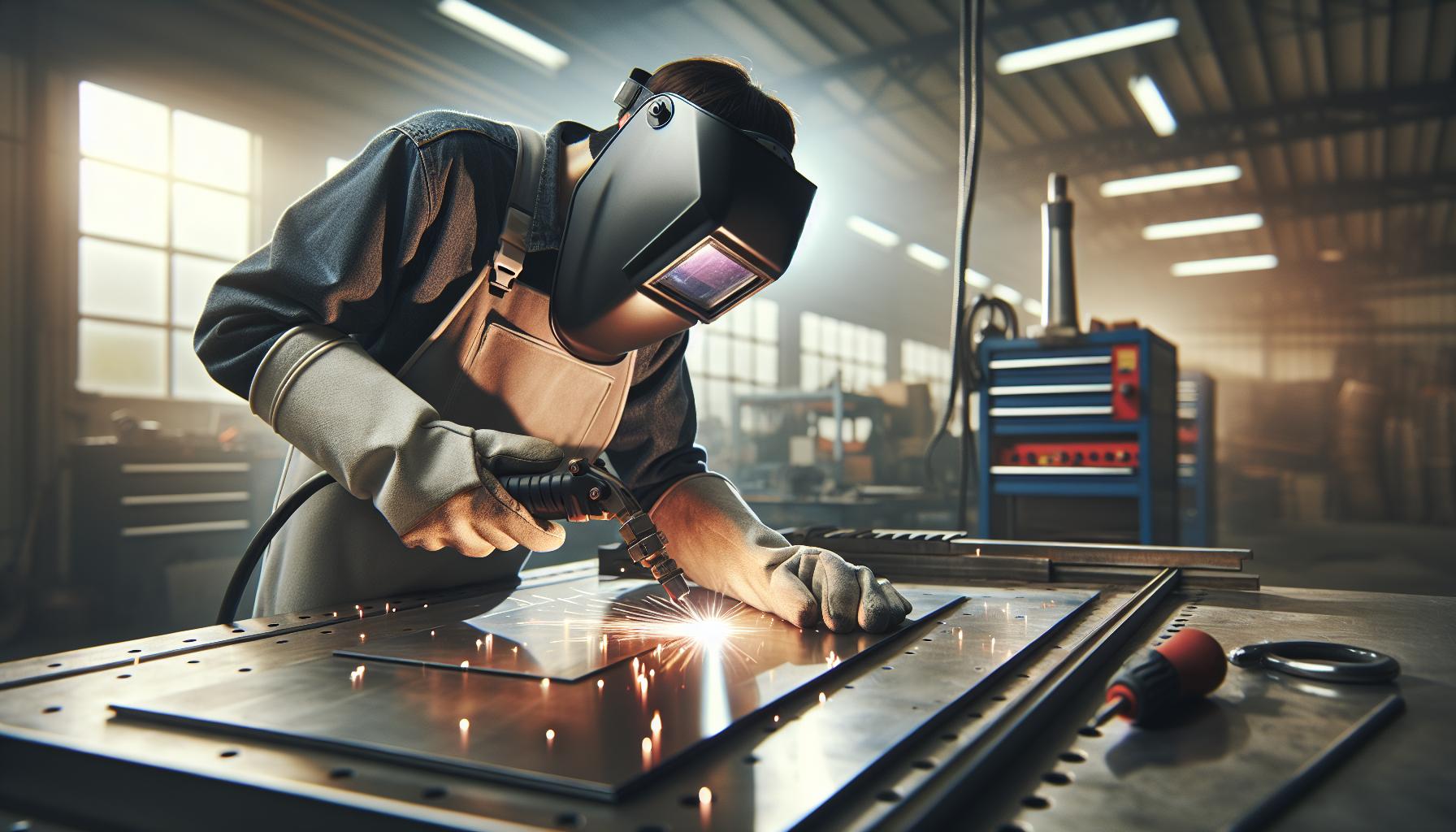
Essential Safety Measures for Plasma Cutting Aluminum
Plasma cutting aluminum presents unique risks that every welder should be aware of to ensure a safe and efficient working environment. The high temperatures and intense arc generated during the plasma cutting process can cause serious injuries if proper safety measures are not implemented. Wearing appropriate personal protective equipment (PPE) is paramount; this should include flame-resistant clothing, safety goggles with appropriate shade, gloves designed for heat and cut resistance, and a face shield to protect against potential sparks and molten metal splatter.
In addition to individual protective gear, a well-ventilated workspace is essential. Cutting aluminum can release harmful fumes and metal oxides, which may pose respiratory hazards. Using local exhaust ventilation can help capture these fumes at the source. When working indoors, ensure that the area is equipped with a ventilation system that allows for adequate air changes to keep the atmosphere safe for prolonged exposure.
Moreover, the electrical hazards associated with plasma cutting should not be underestimated. All equipment must be properly grounded, and operators should avoid working in wet conditions to reduce the risk of electric shock. Routine inspections of cables and connections to identify any wear or damage can help mitigate these risks. Setting up a clear workspace, free from tripping hazards and flammable materials, also contributes significantly to overall safety.
Finally, it’s beneficial to have a fire extinguisher accessible, rated for metal fires, due to the potential for ignition from sparks. Training in emergency procedures and proper equipment handling further enhances safety. By implementing these essential safety measures, welders can greatly reduce the risk of accidents and injuries while cutting aluminum with plasma technology.
Tools and Equipment Required for Plasma Cutting
The right tools and equipment are essential for successful plasma cutting of aluminum, transforming what can be a challenging process into a streamlined task. To begin, a high-quality plasma cutter specifically designed to handle non-ferrous metals is paramount. Unlike traditional plasma cutters, those capable of cutting aluminum must have the proper amperage settings to manage the lower melting point of aluminum effectively. Aim for a unit offering at least 40 amps of cutting power for thicker materials; this ensures efficiency and precision in your cuts.
In addition to the plasma cutter, a few other crucial tools and accessories should not be overlooked. A reliable air compressor is necessary to provide the required airflow, allowing the cutter to perform optimally. Make sure to choose an oil-free model, as oil contamination can negatively affect the cutting process and lead to poor-quality cuts. Furthermore, a good quality torch with interchangeable tips designed for aluminum should be used, as this allows greater control over the cutting gap and improves the overall quality of cuts.
To further enhance your plasma cutting setup, consider investing in additional accessories such as:
- Ground clamp: This ensures proper grounding of the workpiece, which is critical for safe operation.
- Work surface: An adjustable metal table or workbench offers a stable surface and facilitates easy maneuvering of materials.
- Protective gear: Always use appropriate PPE, including gloves, safety goggles, and fire-resistant clothing, to safeguard against sparks and infrared radiation.
- Ventilation equipment: Sources such as fume extractors or fans help manage harmful fumes released during the cutting process.
Lastly, preparation is key; clean the aluminum surface thoroughly to remove any oxidation or contaminants before cutting. This ensures a clean cut and enhances the performance of your plasma cutter. By assembling the right tools and equipment and preparing your workspace, you can achieve optimal results in your aluminum plasma cutting projects.
The Trick: How to Adjust Your Plasma Cutter Settings
To achieve successful cuts in aluminum using a plasma cutter, precise adjustment of the machine’s settings is crucial. Unlike steel, aluminum has a lower melting point and heat conductivity, which necessitates specific tuning of the cutter for optimal performance. Failure to adjust the amperage, for example, can lead to burn-through or excessive dross formation that compromises the quality of the cut.
Begin by setting the amperage correctly; typically, a range of 30-40 amps is ideal for most aluminum thicknesses. When working with thinner materials, lowering the amperage can help prevent heat buildup, which softens the metal and can create a warped edge. Conversely, for thicker pieces, increasing the amperage enhances cutting speed while maintaining a clean edge. It’s important to refer to the plasma cutter’s manual for manufacturer recommendations based on the thickness and type of aluminum.
Additionally, the speed at which you move the torch plays a vital role in achieving clean cuts. Moving the torch too slowly can add heat to the material, resulting in a poor finish, whereas moving too quickly may lead to incomplete cuts. A good rule of thumb is to start with a moderate speed and adjust based on the cut quality observed. If a rough edge appears, slow down the movement; if the cut appears narrow, increase your speed slightly.
Air pressure settings also influence the quality of cuts when plasma cutting aluminum. Generally, you should aim for an air pressure of 60-70 psi for optimal cutting performance. Lower pressure can result in an unstable arc, while higher pressure may create excessive turbulence, affecting the cut quality.
Make sure to perform test cuts when adjusting settings, allowing you to gauge performance and make necessary refinements. This hands-on approach will build your proficiency over time and ensure successful outcomes in your aluminum cutting projects.
Common Issues When Cutting Aluminum with Plasma
When cutting aluminum with a plasma cutter, several common issues can arise that may affect the quality of your cuts and the integrity of the material. Understanding these challenges allows welders-from beginners to experienced professionals-to adapt their techniques for optimal results.
One significant problem is dross formation, which occurs when molten metal solidifies and adheres to the underside of the cut. This issue is often exacerbated by incorrect amperage settings or cutting speed. To minimize dross, ensure that the amperage is appropriate for the material’s thickness and type. For cutting thinner aluminum, using lower amperage can prevent excess heat buildup, while a faster cutting speed can also help maintain a clean edge. A practical tip is to perform a few test cuts before finalizing your settings, allowing you to adjust based on the results observed.
Another common issue is burn-through, which often stems from excessively high amperage or slow torch movement. Aluminum’s lower melting point compared to steel means that using settings designed for thicker materials can lead to damage. To prevent this, it’s crucial to carefully gauge your torch speed. A steady, moderate pace can help avoid overheating, ensuring a tighter, cleaner cut. Pay attention to the visual cues; if the cut begins to appear wider or the surface looks compromised, adjust accordingly.
Inconsistent arc stability is yet another challenge, often caused by improper air pressure settings. For optimal cutting quality, maintain an air pressure between 60-70 psi. If the air pressure is too low, the arc may become unstable, resulting in erratic cutting and poor quality. Conversely, excessively high pressures can create turbulence that disrupts the cutting process. Experiment with air pressure adjustments while observing the effect on cut quality, and make it a regular practice for each new project.
Lastly, ensure you keep your plasma cutter’s consumables in good condition. Worn torch tips or nozzles can lead to unclean cuts and inconsistent performance. Regularly inspecting and replacing these components helps maintain effective and clean cutting operations.
By being aware of these potential issues and implementing strategic adjustments, you can significantly improve your plasma cutting experience, leading to cleaner, more precise cuts in aluminum and enhancing your overall welding effectiveness.
Post-Cutting Finishing Techniques for Aluminum
After plasma cutting aluminum, achieving a high-quality finish is crucial for both aesthetics and functionality. Unlike steel, aluminum’s unique properties require specific finishing techniques to address challenges such as sharp edges, dross, and oxidation. The post-cutting phase is an essential step that can significantly enhance the performance and appearance of your aluminum workpieces.
One effective method to eliminate dross is through mechanical grinding or sanding. A flap disc or a bench grinder can smoothly remove any excess material along the edges, ensuring a clean finish. Use finer abrasives (like a 120-220 grit) to avoid gouging the aluminum, especially on thinner sections. After grinding, a thorough cleaning with a solvent can remove residues and prepare the surface for further treatments.
Deburring is another critical process, particularly for projects requiring a smooth edge or fit against other components. Hand tools like deburring knives or specialized handheld deburring tools can work well for reaching tight areas. For larger surfaces, a rotary deburring tool attached to a power drill can speed up the process without sacrificing quality. Always wear appropriate safety gloves and goggles during these processes to protect yourself from flying debris.
Once the physical finishing is complete, consider applying a protective coating. Aluminum is prone to oxidation, which can cause unsightly discoloration. A clear lacquer or a specific aluminum-grade paint provides both protection and an appealing finish. If you prefer a polished appearance, using an aluminum polish or a sealant can enhance shine while protecting against corrosion.
In industries where aesthetics matter, consider anodizing as a finishing technique. Anodizing not only provides a durable exterior that resists scratching and fading but can also enhance the color and finish of the aluminum. It’s particularly popular in applications like architecture, automotive, and consumer products where a polished look is essential.
By implementing these finishing techniques, you will not only improve the appearance of your aluminum cuts but also enhance their durability and functionality, ensuring your projects meet both aesthetic and performance standards.
Comparing Plasma Cutting to Other Methods for Aluminum
Cutting aluminum is a frequent requirement across various industries, and while plasma cutting is a popular method, it’s essential to understand how it stacks up against other techniques. Each cutting method has its strengths and weaknesses, making the choice highly dependent on the specific application, the type of aluminum involved, and the desired quality of the cut.
Using plasma cutting, the process is fast and efficient, particularly for thicker materials. The high-temperature arc generated by the plasma cutter allows for clean cuts with minimal distortion. However, the heat can lead to issues such as dross formation, which requires further finishing efforts. In contrast, methods like TIG (Tungsten Inert Gas) welding provide superior control and produce finer cuts. This is vital when dealing with thinner aluminum sheets or when precision is paramount. TIG cutting is slower, but it allows for a cleaner finish, reducing the need for extensive post-cutting processes.
MIG (Metal Inert Gas) welding is another alternative, especially when dealing with thicker aluminum sections. MIG welding machines can double as cutters with an appropriate setup. This method is generally more user-friendly, making it ideal for beginners. However, it may struggle to achieve the finesse of a plasma cutter, particularly on intricate designs. Oxy-fuel cutting is another traditional method but is less suitable for aluminum due to its lower melting point, leading to warping.
Key Differences in Techniques
- Speed: Plasma cutting is faster than TIG or oxy-fuel methods, making it preferable for high-volume needs.
- Precision: TIG provides the most precise cuts, making it ideal for intricate patterns.
- Heat Affected Zone: Plasma cutting has a larger heat-affected zone compared to TIG, which can lead to more distortion, particularly in thinner materials.
Selecting the appropriate cutting method ultimately hinges on the project’s requirements. For rapid production environments where time is of the essence, plasma cutting excels. Conversely, for projects requiring meticulous detail and finesse, particularly in artistic applications, TIG might be the best choice. Understanding these differences ensures that welders can make informed decisions, leading to better outcomes in their fabrication tasks.
Expert Tips for Achieving Clean Cuts on Aluminum
Achieving clean cuts on aluminum with a plasma cutter requires a strategic approach, as the unique properties of aluminum can present specific challenges. The key lies in understanding the relationship between cutter settings, material characteristics, and cutting speed. Start by ensuring that the plasma cutter is appropriately calibrated for aluminum; this includes using the correct amperage and ensuring that the nozzle is clean and undamaged. A worn nozzle can negatively impact the cut quality, leading to excessive dross and rough edges.
Selecting the right cutting speed is crucial. Aim for a speed that allows the plasma arc to penetrate the aluminum without moving too quickly, which can result in an incomplete cut or excessive dross. A common mistake is to cut too fast, thinking it will enhance efficiency; however, slower speeds can yield cleaner results. As a general guideline, adjust the speed based on the thickness of the material: thicker aluminum necessitates a slower cutting speed to maintain arc stability and cut quality.
Additionally, consider the use of proper shielding for your work environment. Wind and drafts can disrupt the arc, impacting cut quality. If possible, employ a cutting table or work enclosure that minimizes airflow. Utilizing a sharp, suitable cutting technique-such as maintaining a consistent angle of attack-can also improve your cutting precision. A standard angle of around 45 degrees is often ideal for most situations, allowing for optimal gas flow around the cut.
In conjunction with these practices, post-cutting finishing techniques should not be overlooked. After plasma cutting, aluminum may still have some dross that needs to be removed. Techniques such as sanding or grinding can help achieve the clean, finished look that is often desired. Moreover, using a clear visualization of the outline and path before cutting can also boost confidence and accuracy, leading to better overall results.
Troubleshooting Common Plasma Cutting Problems
Experiencing issues during plasma cutting can be frustrating, especially when working with materials like aluminum that have specific characteristics. A common problem is inconsistent cutting, which can manifest as uneven edges or excessive dross. This is often due to incorrect settings or environmental factors. For instance, if the gas flow is too low or the cutting speed is too high, it can lead to a poor-quality cut. To mitigate this, always ensure you’re using the appropriate settings for the thickness and type of aluminum, and check that your gas is clean and flowing correctly.
Another frequent challenge is the presence of contamination on the workpiece. Oil, grease, or oxide layers can affect the quality of the cut significantly. Before starting the cut, make a habit of cleaning the aluminum surface thoroughly. Using a degreaser or solvent can help remove contaminants. In cases where you experience poor arc stability or frequent stalling, consider the condition of your torch and consumables. Worn or damaged nozzles and electrodes can disrupt the arc and lead to unsatisfactory results. Regular maintenance checks can prevent these issues from arising.
Additionally, torch angle and height relative to the material can dramatically impact your results. If the torch is too high, it can cause the arc to widen, leading to rough cuts. On the other hand, if it’s too close, you risk causing excessive wear on the nozzle and creating a poorly defined cut. For cutting aluminum, aim for an angle of approximately 45 degrees and keep a consistent distance that aligns well with the manufacturer’s recommendations. This thoughtfulness in technique can significantly contribute to achieving cleaner cuts.
Finally, never underestimate the importance of work area conditions. Wind or drafts can easily disrupt the plasma arc, so working in a controlled environment is crucial. Employing a windbreak or conducting plasma cutting indoors can vastly improve your results. Being mindful of these potential pitfalls will not only enhance your cutting efficiency but also elevate the quality of your finished aluminum items.
Real-World Applications of Plasma Cutting Aluminum
The versatility of plasma cutting in the fabrication and manufacturing sectors allows for a wide scope of real-world applications, particularly when it comes to aluminum. One of the most notable uses of plasma cutting is in the aviation industry, where aluminum is a primary material due to its lightweight and strength properties. Components such as wing skins, fuselage structures, and other intricate parts are often fabricated using plasma cutters, which provide precise cuts that minimize waste and improve assembly speed.
In automotive manufacturing, plasma cutting is frequently employed for producing aluminum body panels and frames. The ability to cut complex shapes with high accuracy means automotive designers can innovate with lighter and more fuel-efficient models. Similarly, in the marine industry, plasma cutting is integral to constructing boats and ships, where aluminum’s resistance to corrosion makes it the preferred choice for hulls and other key structural parts.
Another significant area where plasma cutting excels is in the creation of artistic metalwork. Artists and sculptures use plasma cutters to shape aluminum into intricate designs, allowing for both large installations and detailed smaller works. This artistic application showcases the tool’s ability not just to function in industrial capacities but also to support creative endeavors.
Additionally, the construction and HVAC industries leverage plasma cutting for ductwork and structural components that require precision and durability. The efficiency of plasma cutting enables quicker project turnaround times while maintaining necessary quality standards.
Through such varied applications, plasma cutting has proven itself as an invaluable tool across multiple fields, demonstrating its unique ability to address specific cutting needs efficiently and effectively. As industries continue to evolve, the role of plasma cutting in handling aluminum will undoubtedly expand, offering new possibilities and innovations.
Frequently Asked Questions About Cutting Aluminum with Plasma
Plasma cutting aluminum is a viable option for various applications, but it’s common for users, especially beginners, to have questions about the process. Understanding how to cut aluminum correctly with a plasma cutter can help enhance both quality and precision. For instance, many newcomers to plasma cutting often wonder, “What makes cutting aluminum different from steel?” The primary difference lies in aluminum’s thermal conductivity and lower melting point. While steel may hold heat longer during cutting, aluminum dissipates heat quickly, requiring adjustments to cutting speed and amperage to maintain the quality of the cut.
Another frequent question is about settings and equipment. Properly adjusting your plasma cutter settings is crucial for successful aluminum cutting. Aim for a faster cutting speed to mitigate the heat issue, and consider using a nozzle designed specifically for aluminum for optimal results. Additionally, many users ask about the essential tools required. Aside from the plasma cutter itself, high-quality consumables such as electrodes and nozzles, as well as a reliable air compressor, are integral to achieving clean, efficient cuts.
Safety remains a top priority in plasma cutting. Always ensure you utilize appropriate PPE, including eye protection and gloves, as plasma arcs can produce intense light and sparks. Inquire about proper ventilation to avoid inhaling fumes generated during cutting. Furthermore, it’s essential to secure the aluminum workpiece adequately and choose a stable work surface to maintain control during the cutting process.
Lastly, many individuals are curious about the practical applications of plasma-cut aluminum. Beyond industrial uses like fabrication and construction, aluminum plasma cutting has found popularity in artistic metalwork. Sculptors and artists leverage plasma’s precision to create intricate designs and sculptures, showcasing the versatility of this cutting method. By addressing these common questions, users can better navigate the world of plasma cutting, ensuring both safety and efficiency as they work with aluminum.
Frequently asked questions
Q: Can aluminum be cut using a plasma cutter?
A: Yes, aluminum can be effectively cut with a plasma cutter. However, it’s essential to adjust settings appropriately to accommodate aluminum’s unique properties. For optimal results, utilize a high-frequency start for cleaner cuts and ensure the torch is at the correct height and angle.
Q: What plasma cutter settings are best for aluminum?
A: For cutting aluminum, set your plasma cutter to a higher amperage than you might use for steel. A cutting speed of around 60 inches per minute is ideal. Adjust the air pressure to approximately 70 PSI to achieve clean, precise cuts and minimize dross formation.
Q: Why is cutting aluminum different from cutting steel with a plasma cutter?
A: Cutting aluminum requires different settings due to its lower melting point and higher thermal conductivity compared to steel. This means that plasma cutting settings must be optimized to prevent warping and ensure an efficient cut, reducing the risk of excessive heat buildup.
Q: What precautions should I take when plasma cutting aluminum?
A: Always wear appropriate safety gear, including gloves, goggles, and a welding apron. Ensure good ventilation in the workspace to avoid inhaling harmful fumes. It’s also critical to clean the aluminum surface thoroughly to prevent contamination during cutting.
Q: What common problems occur when cutting aluminum with a plasma cutter?
A: Common issues include excessive dross, poor cut quality, and warping. These problems can often be mitigated by adjusting the cutting speed, amperage, and maintaining the correct torch height. Regular calibration and maintenance of your plasma cutter are also crucial.
Q: Can a regular plasma cutter cut aluminum, or do I need a specific one?
A: Most standard plasma cutters can cut aluminum, but ensure they have the necessary power and settings to optimize performance for aluminum. Check your cutter’s specifications and consider investing in a machine that can handle thicker aluminum sections if needed.
Q: How do I improve the quality of aluminum cuts with a plasma cutter?
A: To enhance cut quality, ensure your plasma torch is in good condition and properly set up. Use the right consumables designed for aluminum and adjust your cutting parameters, such as speed and distance from the workpiece, to achieve a smoother finish.
Q: What are the advantages of using plasma cutting over other methods for aluminum?
A: Plasma cutting offers several advantages for aluminum, including faster cutting speeds and the ability to cut intricate shapes with precision. Unlike mechanical cutting methods, plasma cutting also reduces the risk of material distortion and does not require extensive finishing work post-cutting. For further information on comparing methods, see the section “Comparing Plasma Cutting to Other Methods for Aluminum.”
To Conclude
Now that you understand how to effectively cut aluminum with a plasma cutter, don’t miss out on our related guides on selecting the right equipment for your project or mastering MIG and TIG welding techniques. Ensure you’re equipped with the best practices by checking out our article on essential safety protocols in welding.
For those eager to enhance their skills further, subscribe to our newsletter for expert tips and insights delivered right to your inbox. Join the conversation-share your cutting experiences or ask questions in the comments below, and explore our comprehensive resources to take your welding expertise to the next level. Cutting aluminum has never been easier, so don’t hesitate to dive in and start your next project today!


