
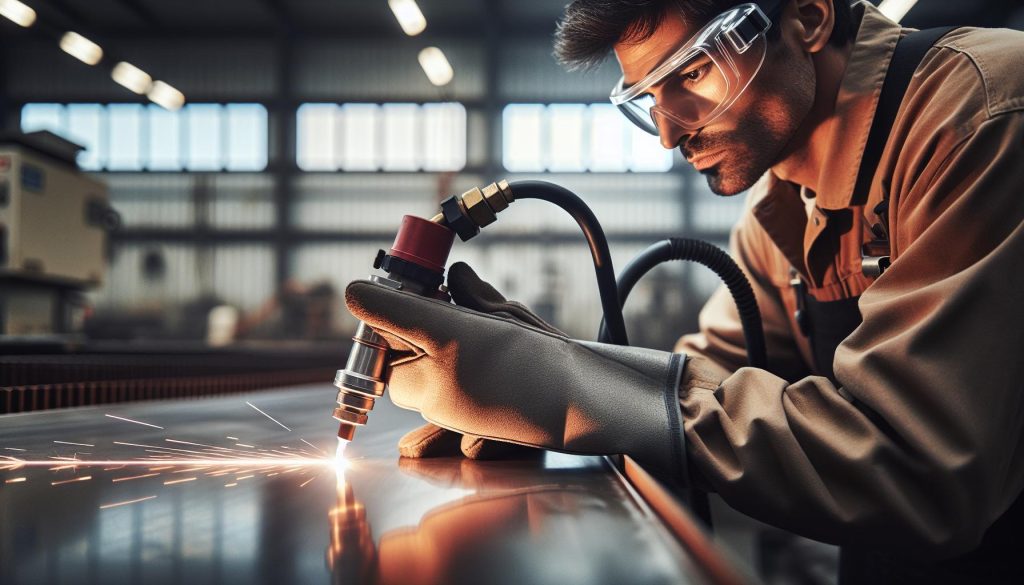
Cutting aluminum can pose unique challenges due to its reflective properties and varying thicknesses. However, plasma cutting has emerged as an efficient solution for both professional welders and DIY enthusiasts alike. With its ability to produce clean, precise cuts, plasma cutting is a go-to method for working with aluminum-an essential material in many industries, from automotive to aerospace. This quick answer guide will explore the practicality of using a plasma cutter on aluminum, addressing common concerns and providing insights into technique, safety, and equipment. Whether you’re a seasoned welder or just starting your journey, understanding how to effectively utilize a plasma cutter for aluminum will enhance your skill set and expand your project capabilities. Dive in to discover how this powerful tool can elevate your metalworking projects and streamline your workflow!
Can You Cut Aluminum With a Plasma Cutter?
Aluminum is a popular material in various industries due to its lightweight nature and resistance to corrosion. When considering cutting techniques, many often wonder if a plasma cutter is suitable for the job. The answer is a resounding yes-plasma cutting is an effective method for cutting aluminum. This technique utilizes an electrically conductive gas that reaches extremely high temperatures, allowing the plasma to melt and blow away material. This means that with the right settings, plasma cutting can achieve clean and precise cuts on aluminum sheets and components.
When using a plasma cutter on aluminum, it is essential to understand the properties of the material. Aluminum, unlike steel, has excellent thermal conductivity, which plays a significant role in how it reacts during the cutting process. The fast cooling rate of aluminum can sometimes lead to dross formation-a residue that can stick to the cut edges. However, with careful adjustments to the plasma cutter settings, such as amperage and travel speed, you can minimize or even eliminate this issue. Furthermore, the use of a high-quality plasma cutting torch can enhance performance and precision, reducing the need for additional finishing work.
In terms of versatility, plasma cutting aluminum is advantageous in various applications ranging from automotive modifications to HVAC ductwork and architectural designs. The portability of plasma cutters makes them particularly useful for on-site projects, as they can easily handle different thicknesses of aluminum with just minor adjustments. As long as the right equipment is used and proper techniques are followed, plasma cutting can deliver professional-grade results in a wide array of aluminum fabrication tasks.
Understanding Plasma Cutting Technology
Plasma cutting technology represents a revolutionary advance in metalworking, allowing for precise and efficient cutting of various materials, including aluminum. At its core, this process relies on the principle of converting gas into plasma, a state of matter where gas is heated to such an extent that it becomes ionized. This creates an electrically conductive pathway capable of generating temperatures typically exceeding 20,000 degrees Fahrenheit, effectively melting aluminum and other metals with ease.
Understanding the dynamics of plasma cutting is crucial for achieving optimal results. The plasma cutter works by creating an arc between an electrode and the metal to be cut. As the gas, commonly air or inert gas, is blown through a nozzle, the heat transforms the gas into plasma, which can then cut through the metal. The speed and quality of cuts can vary significantly based on several factors, including the type of gas used, the design of the nozzle, and the thickness of the aluminum being worked on.
For example, nitrogen as a plasma gas can provide a cleaner cut compared to air, reducing dross formation and improving the overall finish. In contrast, adjusting the travel speed and amperage can further refine the cut quality and minimize defects such as warping. This level of control is particularly beneficial when working with aluminum, as its thermal properties allow for quick heat dissipation, which requires the operator to find the right balance to avoid overheating and warping the material.
The technology’s adaptability makes plasma cutting suitable for a wide variety of tasks. From intricate designs in the automotive industry to practical applications in manufacturing and art, the ability to cut aluminum efficiently opens doors to innovative projects. By leveraging the strengths of plasma cutting technology, fabricators can not only enhance productivity but also expand their creative capabilities, enjoying the benefits of both speed and precision in their work.
Advantages of Plasma Cutting for Aluminum
The ability to cut aluminum with a plasma cutter offers numerous advantages that can significantly enhance the efficiency and quality of metalworking projects. Plasma cutting is particularly effective for aluminum due to its light weight and relatively low melting point, making it an ideal candidate for this fast and versatile cutting technique. Here are the primary benefits that make plasma cutting a preferred choice among fabricators and welders alike.
One of the standout features of plasma cutting is its high speed. This method allows for rapid cutting of aluminum, significantly reducing the time needed for fabrication compared to traditional methods such as oxy-fuel cutting or routing. For professionals in industries like automotive and manufacturing, where time is a crucial factor, this speed translates into increased productivity and reduced project turnaround times. Moreover, the precision of plasma cutting minimizes the amount of post-cutting finishing work required, leading to cleaner edges and a more professional finish.
Another advantage is the flexibility that plasma cutting provides. Whether dealing with thin sheets or more substantial aluminum parts, plasma cutters can be easily adjusted to accommodate various thicknesses and profiles. This adaptability ensures that the operator can achieve optimal results across different applications, from intricate artwork to heavy industrial components. Additionally, the capability to cut complex shapes and patterns without the need for extensive tooling makes plasma cutting an invaluable method for custom fabrications.
Additionally, plasma cutters typically generate a smaller heat-affected zone (HAZ) compared to other cutting methods. This is especially important when working with aluminum, as it is prone to warping due to heat. The reduced HAZ minimizes distortion and maintains the integrity of the material, allowing for more precise cuts without compromising the dimensions of the final piece. Furthermore, the use of inert gases like nitrogen can improve cut quality by reducing oxide formation on the edges, resulting in a cleaner surface finish that can often eliminate or reduce the need for secondary processes.
To summarize, plasma cutting brings speed, flexibility, and precision to the process of cutting aluminum. By leveraging these benefits, fabricators can enhance their workflow, reduce material waste, and achieve superior results in their projects. Embracing plasma cutting technology not only modernizes the cutting process but also empowers fabricators to take on a wider variety of tasks with confidence and efficiency.
Material Considerations: Aluminum vs. Other Metals
The unique properties of aluminum make it a favored choice in various industries, but they also present specific considerations when opting for plasma cutting compared to other metals like steel or stainless steel. Notably, aluminum is significantly softer and less dense, which influences cut speed and quality. This attribute allows for quicker cuts but requires careful attention to settings and technique to avoid issues such as dross formation-impurities that can arise on the cut edge due to melt splashing.
Aluminum’s thermal conductivity is another critical factor. It dissipates heat much faster than steel, which can help maintain precision cuts by minimizing heat-affected zones (HAZ). However, this can also translate into a need for increased amperage on some plasma systems because the faster cooling might result in a lower melting rate. When cutting thicker aluminum sections, specialized consumables or adjusted gas flow rates become essential to achieve optimal results.
- Thickness Considerations: For thin aluminum sheets, plasma cutting is incredibly effective, providing clean edges without significant HAZ. In contrast, cutting thicker aluminum may require more powerful equipment or slower cutting speeds.
- Oxide Layer: Aluminum exhibits an oxide layer that can affect the cutting process. Operators should ensure proper settings to mitigate this and enhance edge quality.
- Comparison with Steel: While steel generally provides a more stable cut due to its rigidity, aluminum’s lightweight nature and low melting point allow for quicker operation, making it more efficient for projects requiring frequent adjustments.
Thus, while plasma cutting offers significant advantages for aluminum, understanding how it interacts with this material compared to stronger metals is crucial. Employing the right settings, using appropriate consumables, and being mindful of the material characteristics can lead to seamless results, making aluminum a versatile option for various applications, from automotive parts to intricate art pieces.
Required Equipment for Plasma Cutting Aluminum
To achieve clean and precise cuts in aluminum, having the right equipment for plasma cutting is crucial. Unlike other metals, aluminum’s unique properties, such as its high thermal conductivity and lighter weight, necessitate specific tools and settings to optimize performance. At the core of the operation is a quality plasma cutter, which must be equipped with suitable consumables and configured properly to accommodate the characteristics of aluminum.
A suitable plasma cutter should provide sufficient amperage, typically ranging from 30 to 50 amps for cutting standard thickness aluminum sheets. This ensures that the machine can handle the rapid heat dissipation that aluminum exhibits. Additionally, using a plasma cutter with a high duty cycle is advisable, especially for heavier workloads. The most common torch types include air plasma torches; they utilize compressed air as the primary gas, which is adequate for many aluminum cutting tasks. However, for thicker materials, consider using dual gas systems (argon/hydrogen or nitrogen) to enhance the cut quality and reduce dross accumulation.
In addition to the plasma cutter itself, investing in proper consumables is essential. The nozzle and electrode must be made from materials compatible with aluminum, such as hafnium or copper alloy, to resist wear. As aluminum generates an oxide layer when heated, it’s vital to regularly clean the material’s surface before cutting to ensure that the torch performs optimally. Furthermore, utilizing a high-performance grounding clamp will provide a stable circuit, crucial for ensuring smooth, consistent cuts.
Finally, do not overlook essential safety gear, which includes gloves, a face shield, and appropriate clothing to protect from sparks and UV radiation emitted during the cutting process. By combining these equipment choices with skillful operation, welders can maximize their efficiency and achieve excellent results when cutting aluminum with a plasma cutter.
Plasma Cutter Settings for Optimizing Aluminum Cuts
To achieve optimal results when cutting aluminum with a plasma cutter, it’s crucial to adjust the settings appropriately for this unique material. Aluminum is known for its high thermal conductivity, meaning it can absorb heat rapidly, which prompts specific considerations regarding machine settings and operational techniques. Using the right amperage, gas pressure, and travel speed can significantly enhance the quality of your cuts and reduce common issues such as dross formation and warping.
For most aluminum cutting applications, setting the amperage between 30 to 50 amps is recommended. Higher amperage allows for cleaner cuts and better penetration, especially for thicker materials. However, be mindful that excessive heat can lead to distortion, so understanding the thickness of the aluminum sheet is key. For instance, when cutting thin sheets (under 1/8 inch), lower amperage settings can often yield better results since they limit heat input and reduce the risk of warping.
The gas pressure is equally important. A typical gas flow rate for air plasma cutters should be around 60 to 75 psi. This ensures a stable arc and helps prevent the molten aluminum from forming dross, which occurs when the cut material re-solidifies uncontrollably. Additionally, maintaining the correct distance between the nozzle and the workpiece, generally about 1/16 to 1/8 inch, can further improve the cutting performance by providing a more focused arc.
Speed and Technique
Travel speed significantly affects the quality of aluminum cuts as well. A faster travel speed can reduce the amount of heat input, which is beneficial for preventing warping, particularly when working with thin materials. However, going too fast may lead to incomplete cuts and increased dross. A balanced approach is required – typically, moving at a speed of about 40 to 50 inches per minute is effective for standard applications. Always perform test cuts to fine-tune settings according to the specific aluminum grade and thickness.
In conclusion, optimizing your plasma cutter settings involves a delicate balance of amperage, gas pressure, and travel speed, tailored to aluminum’s unique properties. Regular adjustments and practice will help improve both the quality of cuts and the longevity of your equipment while ensuring safety and efficiency throughout your projects.
Safety Precautions When Cutting Aluminum
Engaging in plasma cutting of aluminum offers impressive efficiency and precision; however, it comes with certain risks that must not be overlooked. The high temperatures generated during the cutting process can lead to hazardous situations, making it imperative to follow stringent safety precautions to protect yourself and your workspace.
First and foremost, personal protective equipment (PPE) is essential. Equip yourself with safety goggles that have a suitable shade to protect your eyes from the intense light of the plasma arc. Gloves made of heat-resistant material will protect your hands from burns and cuts, and durable, flame-retardant clothing is a must to reduce fire risks. A welding helmet, equipped with a proper filter, should be worn to shield your face and neck. Additionally, consider ear protection if you are working in a noisy environment where the sound from the plasma cutter can exceed safe levels.
It’s equally important to ensure that your workspace is free from flammable materials. The plasma cutter generates molten metal, which can easily ignite any nearby combustibles. Keep your work area organized and clear, and have a fire extinguisher readily accessible. Make sure that there is adequate ventilation to disperse harmful fumes released during the cutting process. Using a fume extractor can be advantageous in enclosed spaces to maintain air quality and protect your lungs from inhaling toxic particles.
Moreover, proper equipment handling cannot be understated. Before beginning any cutting task, familiarize yourself with the plasma cutter’s operation manual. Regularly inspect the cutter for any wear, damage, or loose connections, as faulty equipment can lead to accidents. Always maintain a safe distance from the cutting arc and remain focused on the task at hand to avoid distractions that could result in injury. When the job is complete, wait for the equipment to cool down completely before storing it away, as this prevents any risk of burns or fire from hot components. By adhering to these safety measures, you can enjoy the efficiency of plasma cutting aluminum while ensuring a safer working environment.
Common Challenges When Cutting Aluminum
When it comes to plasma cutting aluminum, several challenges can arise that may hinder the efficiency and quality of cuts. One of the primary issues welders face is the material’s high thermal conductivity. Aluminum dissipates heat rapidly, which can lead to uneven melting and poor cut quality if the plasma cutter settings are not optimized. This can cause issues such as excessive dross buildup-molten oxide that solidifies on the cut edges-resulting in rough finishes and the need for further cleanup.
Another challenge is aluminum’s tendency to warp under high heat. The plasma cutting process generates intense heat, which, if not controlled, can lead to distortion of the workpiece. This is especially pertinent for thinner sheets, where even slight temperature variations can result in significant warping. Utilizing proper cutting speeds and maintaining a stable distance between the plasma torch and the material can help reduce this effect, but care must be taken to adjust settings according to the thickness and condition of the aluminum being cut.
Additionally, surface contamination can seriously affect cutting performance. Oils, dirt, and other residues on aluminum can interfere with the plasma arc, leading to inconsistent cuts and increased wear on consumables. It’s advisable to thoroughly clean the material prior to cutting, employing methods such as degreasing and using appropriate cleaning agents to ensure a pristine surface. This step can enhance both cut quality and the longevity of the plasma cutter’s components.
Ultimately, understanding these common challenges and proactively addressing them will lead to a more efficient plasma cutting operation. Regular equipment maintenance and calibration, along with familiarity with the material properties, can dramatically improve outcomes, making aluminum cutting not only feasible but also highly successful.
Troubleshooting Plasma Cutter Issues
Troubleshooting issues with a plasma cutter can be a daunting task, especially when working with reactive materials like aluminum. It’s essential to approach the troubleshooting process methodically to identify and resolve common problems effectively. Whether you’re experiencing poor cut quality, excessive dross, or erratic arc behavior, understanding the root causes can lead to more efficient and successful cutting experiences.
One of the first steps in troubleshooting is to assess the plasma cutter settings. If the cut quality is lacking and you’re experiencing irregular or rough edges, it may indicate that the amperage is either too low or too high for the thickness of aluminum being cut. Often, thicker materials require higher amperages, while thinner sheets benefit from lower settings. Additionally, the cutting speed plays a critical role; if you’re moving too slowly, it can lead to excessive heat buildup and increased dross, whereas cutting too quickly can yield incomplete cuts.
Another common challenge arises from the condition of the consumables, such as the nozzle and electrode. Worn or damaged parts can significantly affect the plasma arc, leading to inconsistent cuts. Regular inspection and timely replacement of these components are crucial for maintaining optimal performance. Furthermore, checking the gas flow settings is vital; inadequate gas flow can result in improper shielding, which can compromise the integrity of the cut and increase the risk of oxidation on aluminum surfaces.
Surface preparation is also a factor that should not be overlooked during troubleshooting. Contaminants such as oil, dirt, or oxidation can disrupt the plasma arc and lead to poor performance. Ensuring that the aluminum material is clean and free of residues before cutting will help enhance cut quality and prolong the lifespan of the consumables. Using appropriate degreasing agents and cleaning methods can make a significant difference in achieving a successful cutting operation.
By systematically addressing these issues and focusing on equipment settings, consumables, and material preparation, users can effectively troubleshoot common plasma cutter issues. This proactive approach not only improves cutting efficiency but also enhances the overall quality of the finished product. Engaging in regular maintenance and staying informed about the specific requirements for cutting aluminum ensures that plasma cutting remains a reliable and effective method for fabricating this versatile material.
Maintenance Tips for Plasma Cutters
Proper maintenance of plasma cutters can significantly enhance performance and prolong the life of the equipment, especially when cutting sensitive materials like aluminum. The high temperatures involved in plasma cutting can lead to wear and tear on the machine, making regular maintenance essential. By adopting a diligent maintenance routine, operators can ensure smoother cuts and increased safety during operations.
One of the most critical aspects of maintenance involves regularly inspecting and replacing consumables such as nozzles and electrodes. These components endure intense heat and wear during use, so monitoring their condition is vital. A worn nozzle can result in an inconsistent plasma arc, leading to poor cut quality. Check for signs of erosion or damage after every few uses, and replace them as necessary to maintain optimal performance. It’s also beneficial to keep a supply of various nozzle sizes on hand, as different metal thicknesses may require specific types.
Additionally, maintaining the cleanliness of the plasma cutter itself is essential. Dust, debris, and metal shavings can accumulate inside and around the machine, negatively affecting its operation. Regularly cleaning the machine with a soft cloth and ensuring that the air filter is free of obstructions will prevent airflow issues and overheating. Furthermore, ensuring that the gas lines are clear and free from leaks is crucial to maintaining a strong plasma arc.
Finally, performing routine checks on electrical connections and power supply can mitigate unexpected failures. Ensure that all cables are intact without frays or breaks, and listen for any unusual sounds from the machine during operation that may indicate electrical issues. Keeping a log of maintenance tasks performed can also be useful for tracking the performance and lifespan of various components, enabling proactive replacements and adjustments. By maintaining both the cutter and its consumables, welders can improve their cutting efficiency while ensuring safety throughout the plasma cutting process.
Maximizing Efficiency in Aluminum Projects
With the right techniques and mindful preparation, plasma cutting can be an incredibly efficient process for aluminum projects. This lightweight yet durable metal presents unique challenges but also opportunities for innovation when cut using a plasma cutter. Effectively leveraging this tool can save time and cost, allowing for precise cuts in various shapes and sizes, ideal for both professional and DIY endeavors.
One key to maximizing efficiency is understanding and adjusting your plasma cutter’s settings to the specific requirements of aluminum. Aluminum has a lower melting point compared to heavier metals, which means settings must be finely tuned to prevent excessive melting or warping. Cutting speed, amperage, and gas flow rates are crucial parameters that should be adjusted based on the thickness of the aluminum. For instance, cutting thicker sheets may necessitate slower speeds and higher amperage to ensure clean cuts without excessive dross formation.
Another effective strategy is to maintain a consistent cutting path. Utilizing a straightedge guide can help achieve uniform cuts, reducing the need for rework. When cutting intricate shapes or contours, consider using templates or patterns to enhance accuracy and minimize material waste. Additionally, pre-heating the material can sometimes assist in achieving more consistent cuts, particularly with thicker aluminum sections.
Finally, having an organized workspace is essential for efficiency. Tools, materials, and equipment should be readily accessible to minimize downtime. Regularly inspecting and maintaining your plasma cutter can prevent unexpected breakdowns, ensuring smoother operation. By implementing these strategies, you can significantly improve cutting efficiency and execute aluminum projects with superior precision and speed.
Real-World Applications of Aluminum Plasma Cutting
In various industries, plasma cutting of aluminum has become a preferred method due to its speed and accuracy, making it ideal for projects ranging from automotive fabrication to intricate artistic designs. The versatility of plasma cutting allows for the efficient production of components that meet precise engineering specifications, making it invaluable in sectors like aerospace, construction, and manufacturing.
Automotive Applications
In the automotive industry, plasma cutting is widely utilized for creating lightweight components that contribute to improved fuel efficiency and performance. Custom parts, brackets, and body panels can be rapidly cut from aluminum sheets, reducing weight while maintaining strength. This method is particularly beneficial in the fabrication of racing cars and performance vehicles, where every ounce of weight matters. The ability to cut complex shapes also allows manufacturers to innovate designs and enhance aerodynamics.
Aerospace Industry
The aerospace sector heavily relies on plasma cutting for producing components that meet stringent specifications for weight reduction and structural integrity. Plasma cutting enables manufacturers to achieve clean edges and tight tolerances critical for safety and performance in aircraft structures. Components such as fuselage panels and wing structures benefit greatly from the precision and speed offered by this technology, ensuring that production timelines are met while adhering to industry regulations.
Artistic Uses
Beyond industrial applications, plasma cutting has found a niche in artistic endeavors. Sculptors and artists use plasma cut aluminum to create intricate designs, sculptures, and installations. The ability to cut detailed patterns into aluminum sheets allows for unique artistic expressions that would be challenging to achieve with other cutting methods. This capability opens up new possibilities for creativity, enabling artists to experiment with light and shadow in their work, resulting in visually striking pieces.
Fabrication Workshops
In fabrication shops, plasma cutting is often integrated into the workflow for producing signage, decorative elements, and custom metalwork. The speed of plasma cutting reduces lead times, enabling workshops to take on more projects and satisfy customer demands efficiently. By utilizing plasma cutting technology, fabricators can handle diverse requests, from simple cuts to complex designs, offering a comprehensive service that caters to various client needs.
In conclusion, plasma cutting of aluminum is not only a practical solution for various industries but also a tool that fosters innovation and creativity. Whether through producing essential automotive components, meeting the rigorous standards of aerospace production, or crafting artistic masterpieces, the applications of aluminum plasma cutting are extensive and impactful.
Frequently asked questions
Q: What thickness of aluminum can be cut with a plasma cutter?
A: Plasma cutters can typically cut aluminum up to 1 inch thick, depending on the specific model and settings used. For optimal results, ensure proper plasma cutter specifications as outlined in the “Plasma Cutter Settings for Optimizing Aluminum Cuts” section of your guide.
Q: Is it necessary to use a specific plasma cutter for aluminum?
A: Yes, while most plasma cutters can cut aluminum, specialized plasma cutters equipped with suitable consumables and settings improve efficiency and cut quality. Refer to the “Required Equipment for Plasma Cutting Aluminum” section for more details.
Q: How does plasma cutting compare to other methods for cutting aluminum?
A: Plasma cutting offers advantages such as faster cutting speeds and the ability to cut thicker materials compared to methods like laser or waterjet cutting. For more on this topic, see the “Advantages of Plasma Cutting for Aluminum” section.
Q: What are the safety precautions for plasma cutting aluminum?
A: Essential safety precautions include wearing proper PPE, ensuring adequate ventilation, and avoiding electrical hazards. Refer to the “Safety Precautions When Cutting Aluminum” segment for comprehensive safety guidelines.
Q: Can plasma cutters be used for welding aluminum as well?
A: Plasma cutters are designed primarily for cutting, not welding. To weld aluminum, it’s advisable to use TIG welding techniques. For more on welding techniques, check the sections on MIG and TIG welding.
Q: What issues commonly arise when cutting aluminum with a plasma cutter?
A: Common issues include poor cut quality, excessive dross, and aluminum melting. You can find troubleshooting tips in the “Common Challenges When Cutting Aluminum” section for better results.
Q: How do I maintain my plasma cutter for aluminum cutting?
A: Regular maintenance involves checking and replacing consumables, cleaning the air filter, and inspecting hoses and connections. Refer to the “Maintenance Tips for Plasma Cutters” section for detailed instructions.
Q: What real-world applications require cutting aluminum with a plasma cutter?
A: Plasma cutting aluminum is widely used in automotive repairs, fabrication of aerospace components, and artistic metalworks. The “Real-World Applications of Aluminum Plasma Cutting” section contains insightful examples.
In Summary
Now that you know you can indeed cut aluminum with a plasma cutter, it’s time to harness this technique for your projects! Whether you’re a hobbyist or a seasoned professional, tapping into the precision of plasma cutting can enhance your welding capabilities significantly. If you have questions about settings, compatibility with other materials, or safety best practices, explore our related articles on MIG versus TIG welding and essential safety protocols for plasma cutting.
Don’t miss out on maximizing your skills-subscribe to our newsletter for the latest tips and trends in welding technology, and check out our equipment reviews to make informed purchasing decisions. Have your own experiences or questions? Share your thoughts in the comments below to connect with fellow enthusiasts. Dive deeper into the world of welding, and empower yourself with the knowledge to take on any challenge confidently!


