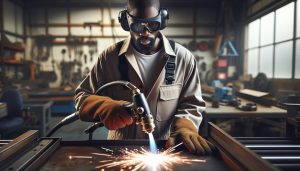
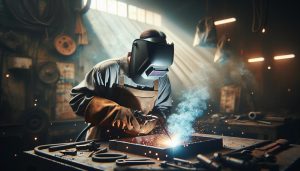
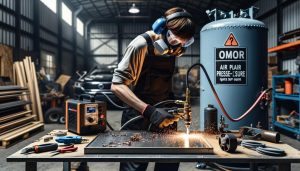
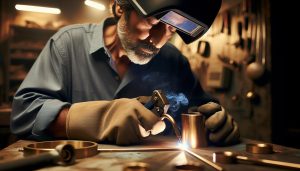
Welding enthusiasts often explore various tools to expand their skills, and plasma cutters are no exception. While traditionally used for cutting metal, many wonder: can you actually weld with a plasma cutter? Understanding this crossover between cutting and welding is crucial, as it could revolutionize how you approach your projects. Not only does it spark curiosity about innovative techniques, but it also addresses potential challenges you might face in the workshop. As you delve into this topic, you will discover the intricacies of using a plasma cutter for welding applications, the benefits it offers, and the limitations to consider. Whether you’re a beginner eager to learn or an experienced welder looking to refine your methods, the insights ahead will provide valuable clarity and guidance to enhance your metalworking journey.
Can Plasma Cutters Weld? An Overview of Capabilities
Welding with plasma cutters is often a topic of intrigue among metalworkers and hobbyists alike. While plasma cutters are primarily designed for cutting, they do possess capabilities that can allow for limited welding applications, particularly in specific scenarios. Plasma cutting works by creating a high-temperature plasma arc that efficiently and cleanly cuts through various metals, but when it comes to welding, the dynamics change considerably. In essence, a plasma cutter can be utilized to join metal pieces under certain conditions, specifically in techniques like plasma arc welding (PAW).
In plasma arc welding, the focus is on utilizing a constricted arc, which enhances the energy density of the arc, providing a more stable and precise welding process than traditional methods. Unlike conventional welding techniques such as MIG, TIG, or Stick, plasma welding requires specialized equipment and settings to generate the necessary heat and control for effective fusion. This high-energy beam is particularly useful for welding thin materials and can be employed to achieve high-quality finishes on “hard-to-weld” alloys that would typically pose challenges with other methods.
The unique capabilities of plasma cutters include their versatility in metal thickness handling. They can process a wide range of materials, such as aluminum and steel, making them suitable for a variety of applications. However, while they can produce welds, the resulting joint may not have the same strength or integrity compared to that achieved via traditional welding techniques. Furthermore, plasma welding is generally considered more appropriate for specific tasks rather than as a direct replacement for conventional welding processes.
In summary, while plasma cutters can indeed be used for certain welding applications, understanding the limitations and required expertise is vital. For skilled operators, leveraging plasma cutting for welding can add another dimension to their fabrication capabilities, enabling work on intricate designs or critical repairs where precision is paramount. Whether considering plasma welding for industrial purposes or small-scale projects, it’s essential to evaluate the specific requirements and conditions to harness this technology effectively.
Understanding Plasma Cutters: How They Work
Creating a precise and efficient method for cutting and welding metals, plasma cutters utilize the unique properties of plasma-an ionized gas formed at extremely high temperatures. The operation of a plasma cutter begins when a gas, typically air or inert gas like argon, is sent through a constricted nozzle. An electrical arc is then established between the nozzle and the metal workpiece, heating the gas until it reaches a temperature hot enough to ionize it. This ionized gas becomes plasma, capable of reaching temperatures around 20,000 degrees Celsius (36,000 degrees Fahrenheit), enabling it to slice through various materials with impressive precision.
The mechanism behind plasma cutting allows for remarkable control over the cutting process, making it suitable for a variety of metals, including aluminum and steel. Unlike traditional cutting methods that use blades, plasma cutting employs a focused jet of plasma that can handle thicker materials more efficiently. Its ability to pierce through materials quickly with clean edges differentiates it from other welding techniques. The process is also significantly faster than other cutting methods, allowing for quick fabrication and repairs in both industrial and artistic applications.
In addition to cutting, this technology extends into limited welding applications, particularly through plasma arc welding (PAW). This closely related method takes advantage of the high-energy plasma arc created by the plasma cutter. By constricting the arc and utilizing advanced equipment, the plasma cutter can join metals with a precision often suitable for thin or complex materials that are otherwise challenging to weld using conventional methods. Plasma arc welding is particularly highly regarded for achieving high-quality welds on hard-to-weld alloys, making it a powerful tool for specialized tasks in professional settings.
Safety is paramount when using plasma cutters. Protective gear such as welding helmets, gloves, and appropriate clothing is essential to protect against the intense light and heat produced. Additionally, due to the high temperatures and flying molten metal, ensuring a clear workspace and proper ventilation is critical for both operator safety and equipment longevity. Understanding the principles of how plasma cutters work lays the foundation for effectively utilizing them in cutting and welding processes, opening new avenues for precision fabrication and repair work in various industries.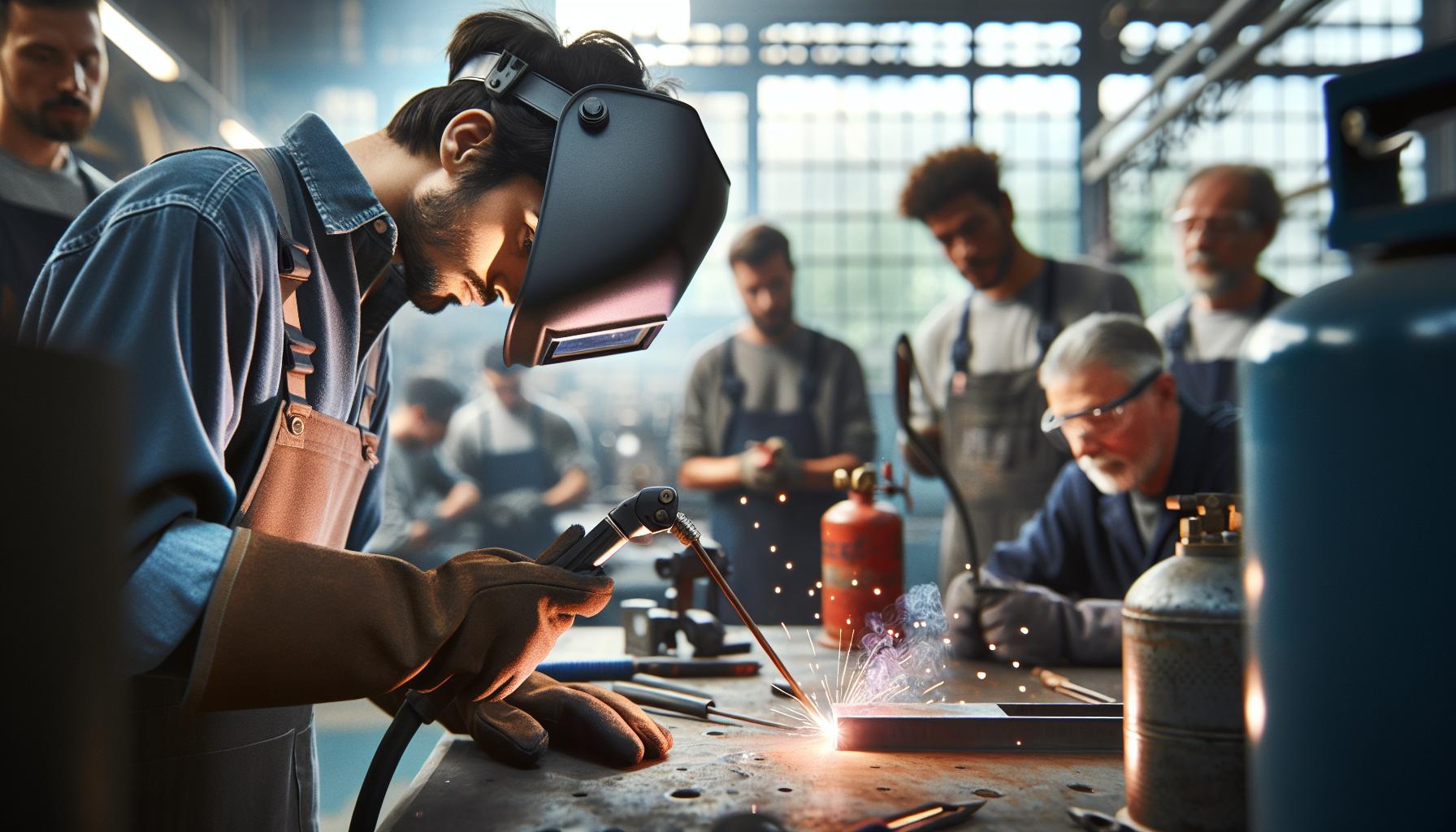
Welding Techniques: MIG, TIG, Stick, and Flux Core
Welding is a critical skill across various industries, employing distinct techniques tailored to meet specific project requirements. Each welding method-MIG, TIG, Stick, and Flux Core-has its own advantages and applications, making understanding their differences essential not only for experienced welders but also for beginners venturing into this field.
MIG (Metal Inert Gas) welding, often favored for its speed and ease of use, utilizes a continuous wire feed as the electrode. This method is highly effective for welding thin materials like sheet metal and is ideal for aluminum and stainless steel applications. The setup allows for minimal cleanup and achieves clean beads, making it suitable for projects requiring aesthetic finishes. Conversely, TIG (Tungsten Inert Gas) welding provides superior control and precision, especially with intricate welds on thinner metals. This method employs a non-consumable tungsten electrode and requires a separate filler material, allowing for high-quality welds on various metals, including aluminum, magnesium, and copper alloys.
Stick welding, or Shielded Metal Arc Welding (SMAW), is an older yet versatile technique that can be used in outdoor conditions and on rusty or dirty metals. It utilizes a consumable electrode coated in flux to create an arc. This method excels in situations where portability is important, although it typically results in a heavier, less aesthetically pleasing weld compared to MIG and TIG. On the other hand, Flux Core Arc Welding (FCAW) is similar to MIG but uses a hollow electrode filled with flux. This type of welding is particularly advantageous for thicker materials and can be performed in windy conditions since the flux creates its own shielding gas.
Understanding these techniques is not just about choosing the right method; it’s also about knowing how they interact with different materials. For instance, MIG welding is particularly effective on aluminum due to its quick process and clean results, while Stick welding is more adaptable to steel in less-than-ideal conditions. Additionally, having the correct equipment and a solid grasp of safety protocols-such as using appropriate personal protective equipment (PPE) and ensuring good ventilation-are vital for achieving successful and safe welding outcomes. By mastering these techniques and recognizing their applications, welders can choose the most effective approach for their specific materials and project needs.
Material Compatibility: Aluminum vs. Steel
When it comes to welding, understanding the differences in material compatibility between aluminum and steel is crucial for achieving optimal results. Each metal exhibits unique characteristics that can affect the welding process, including the choice of technique and equipment. While plasma cutting is often cited for its efficiency in severing metals, it can also be integrated into the welding process, particularly when considering how these metals can be effectively joined.
Aluminum is well-known for its lightweight nature and excellent corrosion resistance, making it a favorite in industries such as aerospace and automotive. However, it requires specific approaches during welding due to its thermal conductivity and lower melting point. Techniques like MIG welding are preferred because they provide a continuous feed of filler material, allowing for faster and more efficient welds. In contrast, when working with aluminum, it’s essential to ensure a clean surface, as any contaminants can lead to weak welds. Another effective method is TIG welding, which offers precise control, particularly beneficial for intricate and thin aluminum parts, but requires a more complex setup and operator skill.
Steel, being more robust and versatile, is generally easier to weld compared to aluminum. Its higher melting point allows for stronger and thicker welds without the risk of burn-through, making it compatible with various welding methods, including Stick and Flux Core welding. These techniques are particularly advantageous when welding in less-than-ideal conditions, such as outdoor environments. The choice of filler material becomes less critical with steel, as various rods can be used interchangeably based on the requirement, though selecting the right one enhances the quality of the final product.
For welders considering the use of plasma cutters in conjunction with traditional welding methods, understanding how to effectively cut and subsequently weld both aluminum and steel is essential. Plasma cutting offers precision that can be particularly useful in preparing materials before welding. However, it’s vital to adjust the settings appropriately, as cutting speeds and amperages differ based on the material type. When you finish cutting, ensure any slag or dross is properly removed from the edge before proceeding to weld. Mastery of these techniques not only enhances welding skills but also broadens the scope of projects that can be tackled, offering a competitive edge in an evolving industry.
The Pros and Cons of Welding with Plasma Cutters
The versatility of plasma cutters has led many welders to explore the possibility of using them not only for cutting but as an integral part of the welding process. This practice can yield impressive results but also comes with its shares of advantages and disadvantages that every welder should carefully consider.
For starters, one of the most significant benefits of using plasma cutters in welding is their precision. Plasma cutting can produce clean, intricate cuts that require minimal finishing work, ensuring that the edges being joined in a subsequent welding process are smooth and uniform. This precision is particularly advantageous when working with thin metals, such as those commonly found in automotive and aerospace applications. Additionally, plasma cutters can handle diverse materials, including aluminum and stainless steel, broadening the horizons for various welding projects.
However, this technique is not without its challenges. One major drawback is the requirement for a skilled operator. Successful integration of plasma cutting into welding processes demands a deep understanding of equipment settings, such as amperage and cutting speed, along with the particularities of the materials being worked on. Furthermore, welders must take extra steps to ensure that any generated dross or slag is thoroughly cleaned from the cut edges before welding; otherwise, defects in the weld can occur.
Another consideration is cost. While plasma cutters can simplify cutting operations and improve efficiency, the initial investment in high-quality equipment can be significant. Additionally, maintenance and operational costs, including gas and electricity consumption, should factor into a shop’s budget.
In conclusion, while using plasma cutters in the welding process can enhance productivity and precision, it requires a careful balance of skill, preparation, and cost awareness. Welders must weigh these aspects against their project’s specific needs to determine the best approach for success.
Safety First: Precautions When Welding
Welding, whether with plasma cutters or other methods, presents a range of safety hazards that must be addressed to protect both the welder and the environment. It’s essential to implement a comprehensive safety protocol to mitigate risks associated with heat, sparks, fumes, and electrical hazards, as well as to ensure proper protective gear is worn.
Key Safety Precautions to Consider:
- Protective Gear: Always wear appropriate personal protective equipment (PPE), including flame-resistant clothing, a welding helmet with the correct shade, gloves, and safety boots. The helmet must shield against ultraviolet (UV) and infrared (IR) radiation emitted by the arc.
- Ventilation: Adequate ventilation is crucial when welding or cutting to avoid the buildup of harmful fumes and gases. Utilize exhaust fans, portable fume extractors, or conduct the work outdoors when possible to minimize exposure to toxic substances.
- Fire Safety: Have a fire extinguisher readily available, and remove any flammable materials from the workspace. Using fire-resistant curtains or screens can also help prevent sparks from igniting nearby materials.
- Electrical Safety: Ensure that the plasma cutter and all electrical equipment are grounded correctly. Inspect cables for damage before use and avoid working in wet conditions, which can increase the risk of electrical shock.
- Work Environment: Maintain a clean and organized workspace free from hazards. This includes ensuring that the welding area is clear of clutter, and that tools and equipment are stored safely when not in use. Establish a designated ‘hot work’ zone to minimize risks to others.
As welders, being conscientious about safety not only protects individual health but also enhances operational efficiency. Regular safety training and drills can help instill these practices in both novice and seasoned welders. Real-world scenarios show that accidents often stem from overlooking basic safety messages, making vigilance even more critical. It is beneficial to promote a culture where safety is prioritized, encouraging welders to speak up about unsafe conditions or practices without fear of retaliation.
By adhering to these precautions, welders can significantly reduce the risks associated with plasma cutting and welding, fostering a safer and more efficient working environment.
Practical Applications: When to Use Plasma Cutting for Welding
When considering plasma cutting for welding, it’s essential to understand the specific scenarios and materials where this technique excels. Plasma cutters, renowned for their precision and efficiency, are particularly advantageous in cutting and preparing materials before welding. Many professionals leverage these tools in fabrication shops, manufacturing, and repair environments where speed and accuracy are paramount.
The versatility of plasma cutting makes it an ideal choice for various metals, including stainless steel, aluminum, and mild steel. For instance, industries engaged in the automotive sector often choose plasma cutting for its ability to create clean, intricate cuts in body panels or frame components. The high temperature generated in plasma cutting facilitates swift cutting of thicker materials that traditional methods may struggle to handle, thus significantly reducing preparation time for welding.
When to Choose Plasma Cutting over Traditional Methods
- Thin to Medium Gauge Materials: Plasma cutting is highly efficient for metals up to ½ inch thick, making it suitable for a wide range of applications, from sheet metal work to more substantial fabrications.
- Intricate Shapes and Designs: For projects requiring complex cuts, such as artistic metalwork or custom components, plasma cutting provides the flexibility to achieve detailed profiles with minimal distortion.
- Speed and Efficiency: In production settings, where time is of the essence, the fast cutting speed of plasma cutters can streamline workflow and enhance productivity, particularly when preparing parts for MIG or TIG welding.
In scenarios requiring rapid setup and execution, pairing plasma cutting with welding processes can yield remarkable efficiency gains. For example, using plasma cutting to prepare edges for a TIG weld improves joint fit-up, resulting in cleaner, stronger welds. Additionally, plasma cutting is an excellent option when working with thin materials such as aluminum, where traditional methods might cause warping or require extensive finish work post-welding.
Ultimately, the choice to employ plasma cutting in welding applications hinges on the specific requirements of the project. Understanding the advantages of this method can help welders optimize their workflow, achieve superior results, and meet the evolving demands of their industries.
Comparing Plasma Cutting and Traditional Welding Methods
The choice between plasma cutting and traditional welding methods often hinges on the unique requirements of a project, and understanding their distinctions can significantly influence results. Plasma cutting, while primarily a cutting process, is sometimes adapted for certain types of welding, but it lacks some capabilities found in traditional methods. Each approach has its own strengths and weaknesses that can affect everything from material compatibility to operational efficiency.
Traditional welding methods such as MIG, TIG, Stick, and Flux Core are well-established for joining metals. MIG welding, for instance, excels in speed and is perfect for thin to medium gauge materials, making it a favorite in automotive and manufacturing industries. In contrast, TIG welding is renowned for producing high-quality, aesthetically pleasing welds, especially on thinner materials like aluminum. Stick welding is excellent for thick materials and outdoor work due to its portability, while Flux Core welding offers flexibility in windy conditions without the need for external shielding gas.
When comparing these methods to plasma cutting, here are vital considerations:
- Material Preparation: Plasma cutting provides a clean, precise edge which can be beneficial in preparing metals for subsequent welding. It is particularly effective for intricate cuts and does not generate as much heat as traditional welding, minimizing warping-crucial for tender materials like aluminum.
- Thickness Capability: Plasma cutting is particularly advantageous for cutting metals up to ½ inch thick, offering efficiency and speed, whereas traditional welding methods may struggle with the same thickness without pre-heating or additional preparation.
- Speed and Efficiency: In high-production environments, the speed of plasma cutting can optimize workflow, especially when aligning parts for MIG or TIG welding afterward.
However, there are limitations. Plasma cutting cannot effectively join materials as traditional welding does; it generates molten material but does not results in a strong bond. For tasks demanding robust joints, traditional welding remains indispensable. The applications of each method should be clearly understood to maximize their benefits. By leveraging plasma cutting for preparation alongside traditional welding for final joining, welders can optimize their processes, achieving both accuracy and strength in their work.
Expert Tips for Successful Plasma Cutting Welding
Achieving successful results when welding with a plasma cutter requires a blend of technique and understanding of the equipment’s capabilities. While plasma cutting is primarily designed for cutting through metal, it can be adapted in some scenarios to facilitate welding, particularly for preparing materials for welding processes. Here are some expert tips that can help you effectively utilize a plasma cutter in welding applications.
To start, ensure that you maintain a consistent cutting speed and appropriate torch angle. The ideal approach is to keep the torch at a 90-degree angle, which allows for a precise and clean edge. This clean cut is essential for a successful weld, as it promotes a better fit-up and minimizes gaps that can lead to weak welds. Additionally, adjusting your cutting speed according to the material thickness will prevent overheating, which can warp the metal and complicate the welding process. For materials such as thicker steel, consider pre-heating using TIG or MIG methods prior to using a plasma cutter for enhanced outcomes.
Another key tip involves selecting the right nozzle size. A smaller nozzle focuses the arc and creates a narrower cut, which can assist in intricate shapes and fine edges, while a larger nozzle is more suited for thicker materials. This choice directly impacts the quality of the eventual weld, so make sure to match the nozzle with the material type and thickness. Furthermore, utilize the correct plasma cutting consumables for your specific needs-this includes electrodes, nozzles, and swirl rings, as these components significantly affect the arc stability and cutting quality.
Lastly, safety should always remain a top priority. Ensure that you wear an appropriate helmet capable of shielding against UV and infrared radiation. Protect your hands and body with suitable gloves and clothing to guard against sparks and molten metal. Use a proper ventilation system to avoid harmful fumes, especially when cutting materials that may contain coatings or contaminants. By adhering to these safety measures and operational guidelines, you can optimize your plasma cutting and welding processes, ensuring both efficacy and safety.
Cost Analysis: Is Plasma Cutting Worth It?
Investing in plasma cutting technology can raise questions about its value compared to traditional welding methods. The initial costs of plasma cutting equipment can be significant, often ranging from a few hundred to several thousand dollars, depending on the machine’s capability and features. However, the versatility and efficiency of plasma cutters can lead to substantial long-term savings and benefits, making them worth the investment for many users.
One of the major advantages of plasma cutting is its speed. It can cut through various metals, including aluminum and steel, in a fraction of the time that traditional methods, such as oxy-fuel cutting, would require. This increase in speed leads to faster turnaround times on projects, enabling businesses to take on more jobs or complete them sooner. Moreover, plasma cutters produce high-quality cuts that often require less finishing work, saving both time and materials. These factors can significantly impact project profitability, particularly in high-volume environments.
Additionally, plasma cutting can reduce labor costs. The ease of use associated with modern plasma cutting machines means that operators can execute cuts and prepare materials with less training compared to more complex welding techniques like MIG or TIG. This allows businesses to allocate resources more efficiently, utilizing less skilled labor for the cutting tasks while still achieving high-quality results. Furthermore, the ability of plasma cutters to handle multiple materials adds to their flexibility, allowing operators to switch between different projects without needing to invest in multiple cutting systems.
While the upfront cost can be a barrier for some, considering the operational efficiencies, reduced labor demands, and time savings can lead to a favorable cost-benefit analysis. Ultimately, the question of whether plasma cutting is worth it depends on specific operational needs, the volume of work, and the materials involved. For many, this cutting method can streamline processes and enhance productivity, making it an invaluable tool in the modern fabrication shop.
Common Myths About Plasma Cutting and Welding
Despite the versatility of plasma cutters, several misconceptions persist about their capabilities, particularly when it comes to welding. For instance, a common myth is that plasma cutters can be directly used not only for cutting but also for welding. In reality, while plasma cutting is a distinct process optimized for slicing through metal, it does not fuse materials together like traditional welding methods such as MIG, TIG, or stick welding. Plasma cutters function by utilizing a high-speed jet of ionized gas to sever metal, whereas welding techniques involve melting the base metals and employing filler material to create a strong bond.
Myth Versus Reality
Another prevalent myth is that plasma cutting is a dangerous and complicated process suited only for experienced professionals. In truth, modern plasma cutting equipment has been designed for ease of use, making it accessible for beginners as well. Many plasma cutters come equipped with features such as automatic ignition and adjustable cutting speeds, allowing novice users to achieve clean cuts without extensive training. Nevertheless, like any welding or cutting operation, safety precautions are paramount. Operators should still wear appropriate personal protective equipment, such as gloves, helmets, and flame-resistant clothing, to mitigate risks associated with heat and flying debris.
Furthermore, some believe that plasma cutting is limited to certain types of materials. While it excels at cutting conductive metals like steel and stainless steel, advancements in technology have made it effective for non-ferrous metals too, including aluminum. Contrary to the myth that plasma cutting cannot be used for thin materials without damaging them, many modern plasma cutters possess precise capabilities that allow for delicate cuts, making them a practical choice for crafting intricate designs.
In summary, debunking these myths provides a clearer perspective on the unique strengths and limitations of plasma cutting. Understanding that plasma cutters primarily serve the function of cutting, rather than welding, alongside their ease of use and material versatility, empowers both beginners and seasoned professionals to make informed decisions about their fabrication needs.
Future Trends: Innovations in Plasma Cutting Technology
Emerging innovations in plasma cutting technology are reshaping the landscape of metal fabrication, making it faster, more precise, and increasingly versatile. Recent advancements harness cutting-edge automation and artificial intelligence to enhance user experience and output quality, signaling a shift towards more sophisticated applications across various industries. As manufacturers integrate these technologies, they are not only streamlining the cutting process but also expanding its capabilities, challenging traditional methods of fabrication.
One significant trend is the development of plasma cutting machines that incorporate advanced software solutions. These systems utilize motion control technology to predict and adapt to variations in material thickness and type, allowing for optimal path planning. This results in smoother cuts and reduces the need for post-processing. Additionally, many new plasma cutters now feature digital interfaces, offering users easy access to customizable settings, historical data on performance, and real-time monitoring of cutting conditions, thereby increasing operational efficiency and reducing material waste.
Moreover, the versatility of plasma cutting has been further enhanced by innovations that allow for multi-process function. Some modern plasma cutters come with the ability to operate not just as cutting machines, but also to integrate functionalities for gouging, grinding, or even basic welding techniques. This adaptability makes them valuable assets for shops where space and budget constraints require multifunctional equipment. As industries continue to seek streamlined processes, the demand for such integrated systems is projected to rise.
In addition to better functionality, safety improvements are at the forefront of innovation. Manufacturers are increasingly prioritizing user safety by introducing features like automatic shut-off systems and enhanced cooling mechanisms to prevent overheating. These advancements are especially crucial as fabricators strive to combine efficiency with safe operating practices.
As the industry progresses, staying informed about these technological advancements will enable both novices and experienced welders to leverage the full potential of plasma cutting tools. This knowledge not only promotes better craftsmanship and productivity but also ensures that users are prepared to adapt to evolving techniques and methods within the fabrication landscape.
Faq
Q: Can plasma cutters be used for welding?
A: Plasma cutters are primarily designed for cutting metal rather than welding, as they use high-temperature plasma to melt through material. However, they can be used to create weld-like joints with certain techniques, but this is less conventional than methods like MIG or TIG welding.
Q: What are the limitations of welding with a plasma cutter?
A: Welding with a plasma cutter has limitations, including potential for weaker joints, limited material thickness capability, and the quality of the weld may not meet industrial standards. It’s essential to consider traditional welding methods for critical applications.
Q: How does weld quality compare between plasma cutting and traditional methods?
A: The weld quality of plasma cutting is generally lower compared to traditional methods like MIG or TIG welding. Plasma welding may produce a rougher bead, which can affect strength and appearance, making traditional methods preferable for quality-critical applications.
Q: What types of materials can you weld with a plasma cutter?
A: You can weld non-ferrous materials, such as aluminum and stainless steel, with a plasma cutter. However, the effectiveness may vary, and for thicker sections, traditional welding methods are often recommended for better results.
Q: What safety precautions should be taken when welding with a plasma cutter?
A: Safety precautions include wearing appropriate protective gear, ensuring proper ventilation, and maintaining a safe distance from flammable materials. Additionally, following manufacturer guidelines can help prevent accidents while using the equipment.
Q: Are there any expert tips for successful plasma cutting welding?
A: Yes, to achieve successful plasma cutting welding, ensure proper settings for amperage and speed, maintain a consistent distance from the workpiece, and use the right gas. Practicing on scrap material can also help refine your technique before proceeding to actual projects.
Q: When is it better to use traditional welding methods over plasma cutting?
A: Traditional welding methods are better for applications requiring strong, durable joints, especially on thick materials or those under stress. If precision and aesthetics are critical, methods like TIG or MIG would be more suitable than plasma cutting.
Q: What are common misconceptions about using plasma cutters for welding?
A: Many believe plasma cutters can perform welding as effectively as traditional methods, but this is misleading. Plasma welding is less reliable for heavy-duty applications and lacks the finesse of dedicated welding techniques, which can lead to misunderstandings about suitability and performance.
Closing Remarks
While a plasma cutter is primarily designed for cutting through materials like steel and aluminum, understanding its capabilities and limitations can greatly impact your welding projects. If you’re intrigued by the nuances of welding processes, consider diving deeper into related techniques such as MIG and TIG welding, which offer distinct advantages in different applications. Don’t miss our comprehensive guides on welding equipment reviews and safety protocols to elevate your skills and ensure safe practices in your workshop.
Ready to take your welding expertise to the next level? Join our community by signing up for our newsletter, where you’ll receive exclusive tips, techniques, and insights directly to your inbox. Whether you’re a beginner looking for practical guidance or a seasoned pro seeking advanced strategies, there’s always more to explore. Share your thoughts in the comments or connect with fellow welders on social media-your next big idea might be just a conversation away!