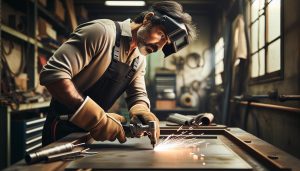
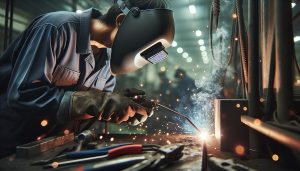
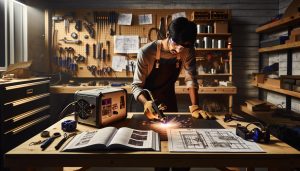
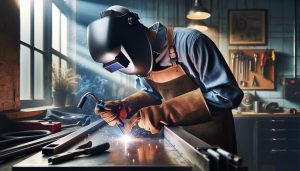
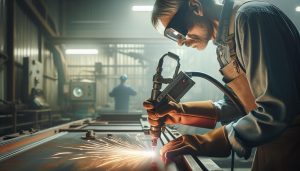
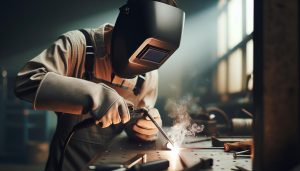
Welding is a precise skill that requires the right tools and techniques to achieve strong, lasting bonds. While plasma cutters are powerful devices, their primary function is cutting, not welding. This distinction is crucial for anyone looking to master these metalworking techniques. Understanding why welding with a plasma cutter is impractical helps avoid potential safety hazards and costly errors.
As a welder, whether you’re a beginner or experienced, knowing your equipment ensures you select the best method for your project. This exploration highlights the limitations of plasma cutters in welding applications, as well as alternative processes like MIG, TIG, and stick welding that better serve this purpose. Join us as we delve into the reasons behind this common misconception, guiding you to make informed choices in your welding journey.
Can Plasma Cutters Be Used for Welding?
Utilizing a plasma cutter for welding might seem like a clever cost-saving measure at first glance, but it’s essential to understand the fundamental distinctions between these two processes to avoid frustrating outcomes. Plasma cutting is designed primarily for cutting through metals rather than forging them together. The technique involves superheating gas to create a plasma that can melt through metal, producing a clean cut. This process is efficient for tasks such as metal fabrication, but it lacks the necessary properties to perform a welding function.
When it comes to welding-whether it’s MIG (Metal Inert Gas), TIG (Tungsten Inert Gas), or stick welding-the primary goal is to join two metals by melting them together. This requires a filler material and a precise control over the heat, ensuring that the joiner and base materials fuse coherently without excessive warping or burn-through. In contrast, plasma cutting produces intense heat across an area, not just focused where needed, making it unsuitable for controlled fusion required in welding applications.
Misconceptions often arise regarding the adaptability of plasma cutters for welding tasks. While both processes utilize heat to manipulate metals, the operational techniques and desired outcomes vary significantly. In addition, attempting to use a plasma cutter for welding could lead to subpar joints and potential structural failure, especially in critical applications such as automotive or aerospace industries. Understanding these limitations helps in selecting the appropriate tools for the job, thus enhancing both safety and quality of the work.
In conclusion, while plasma cutters are invaluable for cutting metal efficiently, they are not designed for welding purposes. Relying on the right equipment tailored to the welding process you are undertaking not only ensures stronger bonds between metals but also maintains the integrity and safety of your overall project. Investing time in learning the differences between these tools will elevate your welding skills and project outcomes.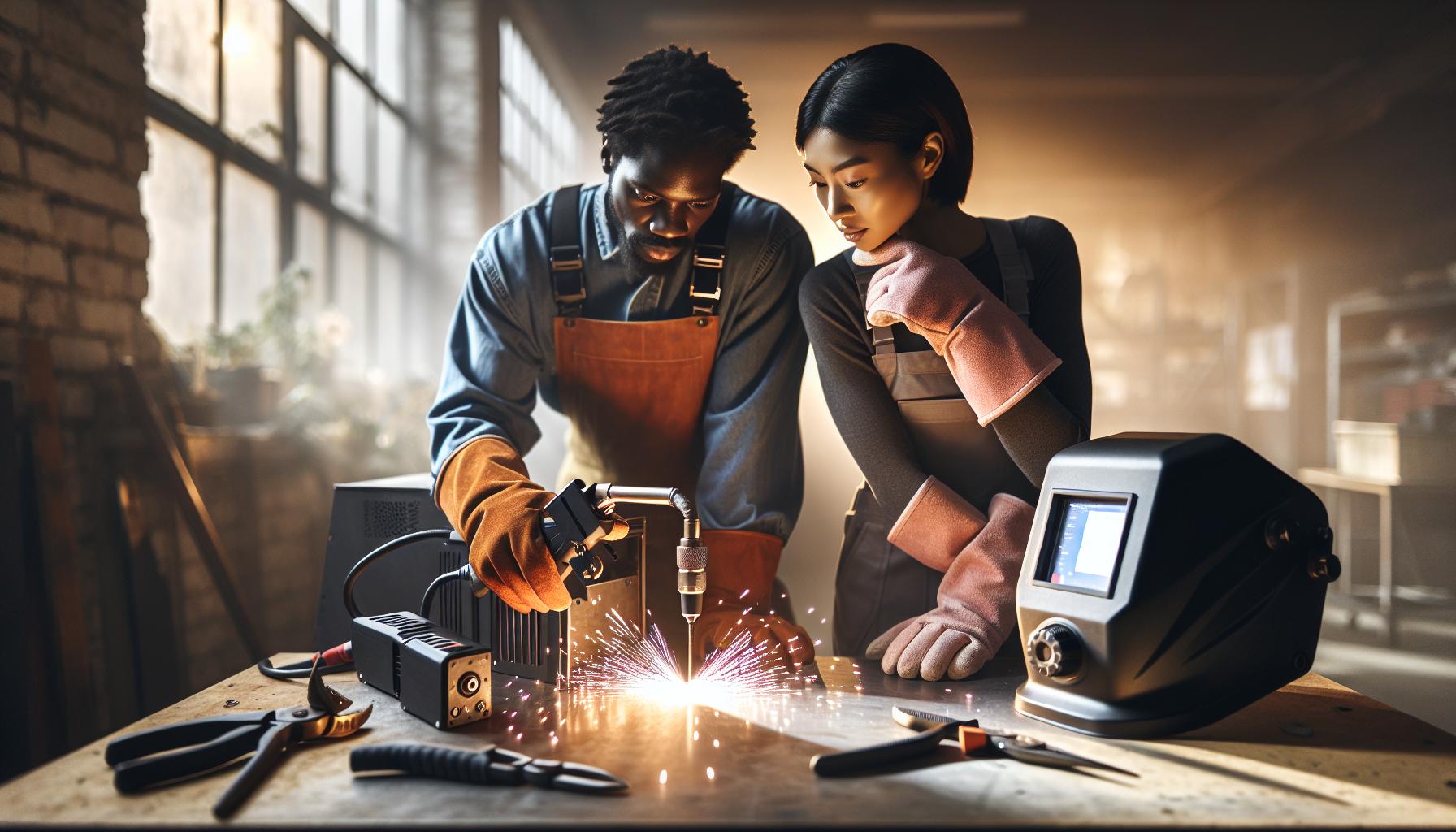
Understanding the Basics of Plasma Cutting
Plasma cutting is a revolutionary method in the metalworking industry, likened to wielding a lightsaber due to its precision and efficiency. This technology uses an electrically conductive gas, or plasma, to slice through various types of metal with remarkable speed. Formed by ionizing gas, plasma can reach temperatures exceeding 20,000 degrees Celsius, allowing it to easily melt materials such as steel, aluminum, and brass. This capability makes plasma cutting an invaluable tool in applications ranging from industrial manufacturing to artistic metalwork.
Understanding plasma cutting begins with recognizing its operation. A plasma cutter generates an arc between an electrode and the workpiece, which ionizes the gas and converts it into plasma. When this plasma is directed toward the metal, it melts and ejects the molten material, creating a clean cut. The versatility of plasma cutters extends to their ability to cut various thicknesses of metal, typically from thin sheets to thicker plates, depending on the power of the equipment used. However, the type of gas used can also impact the quality and precision of the cut. Common gases include oxygen, nitrogen, and air, each offering distinct advantages for different materials.
Safety is paramount when using a plasma cutter. Operators must wear appropriate personal protective equipment (PPE), including goggles or a face shield, gloves, and flame-resistant clothing. Additionally, it’s critical to ensure proper ventilation, as the cutting process can produce harmful fumes and gases. Understanding the operation and recognizing safety protocols are essential for both beginners and proficient welders who utilize this powerful tool. Being mindful of these basics will ensure optimal results and a safe working environment.
In conclusion, while plasma cutting is a formidable method for metal cutting, it distinctly differs from welding processes. The focus is primarily on clean and efficient cuts rather than binding materials together. A firm grasp of these fundamentals will help differentiate between when to use a plasma cutter and when to employ traditional welding techniques, ensuring that each task is executed with the right approach and equipment.
The Differences Between Welding and Plasma Cutting
Plasma cutting and welding serve distinct purposes in metalworking, both pivotal in different contexts. One of the most significant differences lies in their fundamental operations: plasma cutting uses a high-temperature jet of ionized gas to sever materials, while welding fuses metals together to create a strong bond. Understanding these differences is crucial for professionals and hobbyists alike, especially when evaluating whether a plasma cutter can be utilized for welding tasks.
In plasma cutting, the process involves generating a plasma arc between an electrode and the metal surface. This arc ionizes the air, converting it into plasma that can reach temperatures upwards of 20,000 degrees Celsius, effectively melting the material as it moves along the cut line. The effect is a rapid, clean separation of metals like steel and aluminum. On the other hand, welding techniques-such as MIG (Metal Inert Gas), TIG (Tungsten Inert Gas), stick, and flux-core welding-employ heat to join two metal pieces by melting the edges and introducing additional filler material. Welding requires careful control of heat to ensure effective fusion without compromising the integrity of the base metals.
Furthermore, while plasma cutting is primarily an efficient method for slicing through materials, it does not create the necessary intermetallic bonds that welding does. Welding requires specific techniques to ensure that the bond can withstand stress and strain, enabling the joined materials to perform as a single unit. Therefore, trying to use a plasma cutter for welding will not only yield unsatisfactory results-often leaving the joint weak and susceptible to failure-but can also be hazardous if proper safety measures are not observed.
For those in metal fabrication, choosing the right process can make a significant difference in project outcomes. When faced with joint creation, welding techniques should always be prioritized, while plasma cutters should be reserved for tasks that include intricate cuts or sheet metal work. Each equipment has its space in the shop, and knowing when to deploy each tool can lead to better results, higher efficiency, and a safer working environment.
Common Misconceptions About Plasma Cutting
While many might envision plasma cutters as versatile tools capable of handling various metalworking tasks, one of the most pervasive myths is that they’re suitable for welding. This misconception often stems from a misunderstanding of both processes and their underlying principles. In reality, plasma cutting and welding serve distinctly different functions: the former excels at slicing through materials, while the latter is focused on fusing them together.
Plasma cutters utilize a high-temperature jet of ionized gas (plasma) to melt through metals. The ionized arc can reach temperatures exceeding 20,000 degrees Celsius, allowing for precise cuts in materials like steel and aluminum. However, this intense heat does not result in a bond between metal pieces. Instead, it generates a molten pool that cools unevenly, often resulting in weakened edges. This property fundamentally differentiates the operational goals of cutting and welding, highlighting that while a plasma cutter can slice, it cannot forge the structural integrity required for welding.
Another common misconception is that anyone can achieve satisfactory welds by merely altering the settings on a plasma cutter. Unlike welding techniques that involve meticulous control over parameters such as heat input, travel speed, and filler material, plasma cutting lacks the necessary setup for creating a durable joint. It’s critical to understand that welding techniques-whether MIG, TIG, stick, or flux-core-are designed to create strong bonds by melting base metals and adding filler. Each technique relies on specific settings and practices to ensure the joint can withstand significant stress and strain.
To further illustrate, consider a scenario where someone attempts to weld aluminum using a plasma cutter. The result is typically a brittle joint that fails under minimal stress, quite unlike the robust bonds achieved through proper welding techniques. It’s vital for professionals and hobbyists alike to recognize that while plasma cutters can make precise cuts, they should not be misused for welding jobs, as this can lead to both performance issues and potential safety hazards. Understanding these distinctions can enhance work safety and efficiency, ensuring that each project is approached with the appropriate tools tailored to the needs of the task at hand.
Why Plasma Cutting Is Not a Welding Process
Welding and plasma cutting are often confused, but understanding why they are fundamentally different processes is crucial for achieving quality results in metalworking. While a plasma cutter uses a high-temperature jet of ionized gas to cut through metals, it does not facilitate a bonding process like welding. Welding is a method that involves melting base metals together with or without a filler material, thus creating a strong joint capable of withstanding significant stress. In contrast, plasma cutting generates a molten pool that simply removes material, resulting in edges that can be uneven and weak.
The temperature produced in plasma cutting can exceed 20,000 degrees Celsius; this intensity melts through metals like steel and aluminum with precision. However, this heat does not contribute to fusion; instead, it creates a cut that cools quickly, forming a hardened edge that is prone to cracking or breaking under load. Proper welding techniques, such as MIG, TIG, stick, or flux-core, require careful control of various parameters-such as heat input, travel speed, and the use of filler material-to ensure that the metals intermingle, solidify, and form a robust joint.
Using a plasma cutter to weld may seem tempting due to its speed and ease of operation, but the results can be disastrous. For instance, attempting to weld aluminum with a plasma cutter often yields a brittle joint incapable of handling even minor loads. Such inadequate results not only waste materials but also increase safety risks, especially in structural applications where joint integrity is paramount.
To avoid potential pitfalls, it is essential for both beginners and experienced welders to operate within the specific capabilities of each tool. By recognizing that plasma cutting is designed for slicing rather than binding, metalworkers can make more informed decisions, ensuring that they select the appropriate process for their project needs. This understanding not only enhances the quality of work but also promotes a safer working environment by reducing the likelihood of accidents stemming from improper equipment usage.
Best Practices for Using Plasma Cutters Safely
Using a plasma cutter can seem like a straightforward way to execute precision cutting, yet the high-energy nature of these devices necessitates a comprehensive understanding of safety protocols to prevent accidents. The electric arc generated in plasma cutting has the potential to cause serious injuries or damage if not handled properly. Therefore, implementing stringent safety measures is paramount.
Begin by ensuring that the workspace is free from flammable materials. Plasma cutting generates sparks and molten metal, so it is crucial to maintain a clutter-free environment. Additionally, always wear appropriate personal protective equipment (PPE), such as a properly rated welding helmet with a dark shade lens, flame-resistant clothing, gloves, and safety goggles. The intense light produced during cutting can cause severe eye damage, making eye protection critical.
Proper Equipment Setup
Before starting, thoroughly inspect the plasma cutter and its components, including hoses, cables, and connectors, for any signs of wear or damage. Ensure that the compressed air supply is adequate and that all connections are secure to prevent leaks. Familiarize yourself with the manufacturer’s instructions and safety guidelines to get the best performance from your equipment.
Operating Procedures
Follow established cutting techniques, starting with the right amperage and cutting speed for the material being worked on. Incorrect settings can lead to excessive slag generation, inadequate cuts, or overheating. When cutting, maintain a steady hand and a consistent speed to achieve optimal results while avoiding excessive splatter. Always keep the cutting nozzle at the appropriate distance from the workpiece, as this minimizes the risk of causing a short circuit or damaging the cutting tip.
Moreover, always be conscious of your surroundings. Ensure that bystanders maintain a safe distance from the cutting area. Electrical arcs can be hazardous, as they can ignite nearby materials. If working in a confined space, ensure adequate ventilation to prevent the build-up of harmful fumes from both the cutting process and any materials being cut, particularly those containing coatings or contaminants.
By adhering to these best practices, metalworkers can maximize the effectiveness of plasma cutting while minimizing risks, establishing a safer and more efficient working environment.
When to Use Plasma Cutting vs. Welding
When it comes to working with metal fabrication, understanding when to utilize plasma cutting versus welding techniques is crucial. These methods serve distinct purposes and have specific advantages based on the project requirements. Plasma cutting excels in precision and speed for cutting through thick and thin materials alike, making it suitable for creating intricate shapes and profiles. This technique utilizes a high-temperature plasma arc to sever metal sheets, which can be particularly beneficial when immediate cuts are needed.
On the other hand, welding is a joining process that permanently fuses metal parts together, creating a solid bond. Different welding techniques like MIG, TIG, stick, and flux-cored welding are designed to accommodate various materials and thicknesses – from thin aluminum to thick steel. For instance, if you need to join two metal pieces together for structural integrity, welding is the appropriate choice. Using a plasma cutter for welding may result in incomplete penetration and weak joints, as the plasma cutting process is not designed to melt and fuse metal like a welding process.
Choosing the Right Method
When deciding which method to use, consider the following factors:
- Material Thickness: Plasma cutting is more effective for cutting through thicker metals rapidly, while welding is essential for joining parts regardless of material thickness.
- Project Objectives: If the goal is to create shapes or cutouts in the metal, plasma cutting is ideal. For projects requiring strong, lasting joints, use welding.
- Speed and Efficiency: Plasma cutters often work faster than traditional methods, allowing for quick fabrication and design changes.
- Final Product Integrity: For structural applications where durability is a concern, welding is necessary to ensure the pieces hold together under stress.
Understanding these distinctions not only enhances the quality of work but also ensures safety and efficiency on the job. By selecting the right process for the right application, metalworkers can achieve superior results in their projects, whether it’s slicing through metal or creating robust connections.
Materials and Applications: Plasma Cutter Limitations
While plasma cutting is celebrated for its ability to rapidly sever metal with incredible precision, it is essential to recognize the inherent limitations that prevent it from functioning as a viable welding method. Plasma cutters operate by creating a high-temperature plasma arc that can easily slice through various materials, making them ideal for detailed cuts and shape creation. However, they are not designed to bring materials together in a fused manner, which is the core objective of welding processes.
One significant limitation lies in the thermal dynamics at play during plasma cutting, which focuses on heating the metal to the point of separation rather than melting it sufficiently to create a strong bond. Using plasma for welding can lead to weak joints, inadequate penetration, and inconsistent results. This scenario can present serious structural issues, particularly in applications where integrity is crucial, such as in automotive or building frameworks. Without the right heat application and material fusion, welds made through a cutting process lack the reinforcement characteristic of techniques such as MIG, TIG, or stick welding, which are specifically tailored to join metals effectively.
Moreover, the versatility of plasma cutters has its drawbacks. They work excellently on conductive materials like carbon steel and stainless steel but can struggle with non-ferrous metals like aluminum unless fitted with appropriate consumables and adjusted settings. Each metal type requires different handling and techniques, complicating the idea of using a plasma cutter for welding applications. In many cases, welding equipment is specifically designed to handle these materials safely and effectively, further emphasizing the need for distinct tools tailored to specific jobs.
In summary, while plasma cutting offers powerful advantages for separating materials, it cannot substitute for the focused melting and fusing brought about by traditional welding techniques. When assessing project requirements, it becomes crucial to select the appropriate method-whether that be plasma cutting for making cuts or welding techniques for joining metals-ensuring that the final product meets both safety and structural integrity standards.
Innovative Techniques for Plasma Cutting Projects
In the evolving landscape of metal fabrication, plasma cutting has emerged as a highly versatile technique that goes beyond mere cutting. It allows for innovative approaches that can enhance project outcomes while improving efficiency. By leveraging plasma technology creatively, professionals can achieve intricate designs and precise cuts that traditional methods simply cannot match. This section explores innovative techniques that elevate the plasma cutting process, making it invaluable in various applications.
One cutting-edge application of plasma cutting technology is water injection. This method combines water with the plasma arc to provide better control over the heat affected zone (HAZ). By cooling the metal more rapidly, this technique minimizes warping and preserves the integrity of intricate edges, making it ideal for thin materials that are prone to distortion. Additionally, using water helps reduce the amount of slag produced, leading to cleaner cuts and less post-processing.
Another innovative technique is the use of CNC (Computer Numerical Control) systems in conjunction with plasma cutters. With CNC technology, operators can create complex geometries and repeat intricate designs with high precision. This automation not only speeds up production but also reduces labor costs and errors associated with manual operation. For industries requiring rapid prototyping or custom components, this combination proves indispensable, ensuring projects meet demanding specifications in short time frames.
Moreover, using pilot arcs is gaining traction in the plasma cutting sphere. This technique involves preheating the metal surface with a small arc to eliminate issues like arc instability or difficulty in initiating the cut, particularly on thicker materials. The pilot arc’s consistent presence can lead to smoother cuts and better penetration, improving overall quality and reducing the need for secondary finishing processes.
Finally, incorporating advanced plasma cutter consumables-like ceramic nozzles-can significantly enhance performance. These materials withstand higher temperatures and provide better longevity, resulting in fewer replacements and lower operational costs. Operators can also opt for nozzles designed for specific metals, such as those tailored for aluminum, to optimize cutting efficiency and quality.
By embracing these innovative techniques, professionals in the welding and metal fabrication industries can harness the full potential of plasma cutting technologies, ensuring they remain on the cutting edge of efficiency and quality in their projects.
Expert Opinions: Insights from Professional Welders
Welders in the industry often express a clear consensus: while plasma cutters are extraordinary tools for cutting through thick and tough materials, they are not designed to function as welding devices. The plasma arc technique, which enables precise and clean cuts using high-temperature ionized gas, lacks the necessary control and joining capabilities that welding processes like MIG, TIG, or stick welding offer. For instance, a seasoned welder might mention that plasma cutting focuses on rapidly removing material, whereas welding requires building up material and achieving a strong molecular bond between the pieces being joined.
One critical distinction is the nature of the heat generated. In welding, the heat must be carefully controlled to melt the base materials adequately without causing excessive distortion or burn-through. Professional welders often rely on the finesse of TIG (Tungsten Inert Gas) welding for thin metals or MIG (Metal Inert Gas) welding for speed and efficiency. A plasma cutter, by contrast, uses much higher temperatures that are more suited to cutting than to creating the controlled molten pool necessary for effective welding. Here, the welder’s skill in manipulating the arc length and travel speed plays an essential role in ensuring a clean weld bead without compromising the integrity of the base metals.
Furthermore, safety experts point to the inherent risks involved in using plasma cutters. The high-velocity airflow and extreme temperatures can generate harmful fumes and debris, posing a threat to operators and nearby workers. In a workshop where both cutting and welding occur, many professionals advocate for designated zones for each activity. This organization not only ensures a safer environment but also improves efficiency, as equipment is better utilized according to its purpose.
In summary, while innovative plasma cutting techniques continue to advance, they should not be mistaken for a welding solution. Proper understanding from industry professionals reinforces the idea that each method serves its unique role in metal fabrication. Aspiring welders and seasoned experts alike must recognize the importance of selecting the right tool for the job to ensure superior results and maintain safety standards.
Essential Equipment for Effective Plasma Cutting
To achieve efficient and effective plasma cutting, selecting the right equipment is crucial. While plasma cutters are designed specifically for cutting through various metals with precision, the performance greatly depends on the quality and suitability of the equipment used. A standard setup includes several key components, each serving a specific function that enhances the plasma cutting experience.
The heart of the operation is the plasma cutter itself, which should be chosen based on material thickness and type. For instance, air plasma cutters are typically more versatile and economical for general metal cutting, whereas high-definition plasma systems can handle thicker materials with exceptional precision, making them ideal for heavy industrial applications. Additionally, invest in a machine with adjustable settings to control the arc’s amperage, which is critical for varying metal thicknesses.
Complementing the plasma cutter, the torches and consumables play a pivotal role. The choice of torch depends on the required cutting precision and the type of materials. Features such as interchangeable nozzles and electrodes allow for smooth transitions between different cutting tasks. Ensure to keep a stock of consumables, as regular replacement is essential for maintaining cut quality and prolonging the lifespan of the equipment.
Safety gear is another paramount aspect of effective plasma cutting. Operators must wear appropriate personal protective equipment (PPE), including welding helmets with auto-darkening lenses, flame-resistant clothing, gloves, and steel-toed boots. A good-quality fume extractor is also advisable to minimize exposure to harmful gases produced during cutting, particularly when working with coated or painted metals.
Furthermore, efficient compressors are essential for providing the necessary airflow to operate the plasma cutter. The compressor’s rating should match the plasma cutter’s required air pressures to ensure optimal performance. It’s worth investing in a filter-regulator-lubricator (FRL) unit to maintain the cleanliness of the air supply, preventing moisture and particulates from affecting cut quality.
By carefully selecting high-quality equipment and adhering to safety protocols, operators can maximize the effectiveness of plasma cutting operations, ensuring precision cuts while maintaining a safe working environment. The synergy between the cutter, consumables, protective gear, and air supply not only enhances productivity but also significantly improves the overall cutting experience.
Troubleshooting Common Plasma Cutting Issues
Common issues can arise during plasma cutting, and addressing them with informed troubleshooting techniques can save time and enhance safety. One prevalent challenge is improper arc initiation, which may result from insufficient air pressure or a worn electrode. Ensuring that your air pressure settings align with the manufacturer’s recommendations is essential; typically, this involves having a stable source that matches the required specifications. A quick check of your consumables can also make a significant difference. Regularly inspect and replace the electrode and nozzle to maintain optimal cutting performance.
Another frequent dilemma involves inconsistent cutting quality, often manifested as jagged edges or excessive slag. This issue can stem from a variety of factors, including the cutting speed and angle. Operators should practice maintaining a steady pace, as both too slow and too fast can negatively affect the cut. Opting for a correct torch angle-approximately 70 degrees to the workpiece-can improve results. Additionally, adjusting the current according to the thickness of the material being cut is critical. For instance, thicker metals typically require higher amperage to ensure a clean cut.
If you notice excessive dross accumulation, repositioning the cutting path may be necessary. This buildup can obstruct the cutting capabilities and lead to weld contamination if the cut edges are later joined. Regularly cleaning the workpiece and controlling the cutting parameters can significantly reduce this issue. If contamination persists, employing a different gas mixture or switching to a high-frequency pilot arc plasma cutter may yield better results.
Lastly, operators should be aware of potential electrical issues that could jeopardize both safety and functionality. Ensure that your plasma cutter is properly grounded to prevent dangerous electrical feedback. Regular inspection of power cords and connections can help identify any wear or damage that might cause interruptions or hazards during cutting. Prioritizing these troubleshooting techniques can lead to a more efficient plasma cutting operation, minimizing disruptions and enhancing overall output quality.
Frequently asked questions
Q: Can a plasma cutter be used for metal joining?
A: No, a plasma cutter is not designed for metal joining. It focuses on cutting metal using high-velocity plasma, which leaves the edges too rough for effective welding. For joining metals, welding techniques such as MIG or TIG are recommended.
Q: What are the limitations of using a plasma cutter for welding?
A: Plasma cutters produce high temperatures and forceful arcs, making them unsuitable for welding. They cannot create the necessary penetration and fusion required for a strong joint. Consider using appropriate welding methods for better results.
Q: Why can’t you weld directly with a plasma cutter?
A: Welding requires a controlled heat source to fuse materials together, while a plasma cutter is designed to sever metal. It lacks the ability to create the necessary weld pool, leading to weak connections.
Q: What materials can you cut with a plasma cutter?
A: Plasma cutters can effectively cut through various conductive materials, including carbon steel, stainless steel, aluminum, and copper. However, for welding, ensure to select materials compatible with the welding process being used.
Q: How does plasma cutting differ from welding?
A: Plasma cutting is a method for slicing through metal using plasma, while welding joins materials by melting their edges together with filler material. Each process serves distinct purposes and requires different skill sets and equipment.
Q: Is it possible to weld after using a plasma cutter?
A: Yes, you can weld after cutting with a plasma cutter. However, ensure the cut edges are clean and suitably prepared for welding. Remove slag and burrs for a proper weld connection.
Q: Can plasma cutters create a weld-like joint?
A: No, plasma cutters cannot create true weld joints due to their cutting mechanism. If you need a strong bond, stick to traditional welding methods, which achieve proper fusion and mechanical strength in materials.
Q: What type of welding is best for materials cut with a plasma cutter?
A: MIG welding is often the best choice for materials cut with a plasma cutter, especially on thin metals. It allows for fast welding and good penetration, making it complement cutting processes effectively.
Concluding Remarks
While a plasma cutter is an exceptional tool for cutting metals, it’s not designed for welding – a critical distinction for effective metal fabrication. Understanding the limitations of a plasma cutter helps ensure successful welding practices, whether you’re working with MIG, TIG, stick, or flux core techniques. If you’re looking to expand your skills, check out our resources on welding safety protocols and different welding techniques for beginners and experts alike.
Don’t let confusion hold you back! Dive deeper into the world of welding and discover the right tools for your projects. Sign up for our newsletter for the latest insights and tips, and explore our in-depth guides on aluminum and steel welding, equipment reviews, and repair solutions. Your next steps could lead to mastering welding techniques that elevate your projects, so keep learning and experimenting! Share your thoughts or questions in the comments below-we’d love to hear from you!