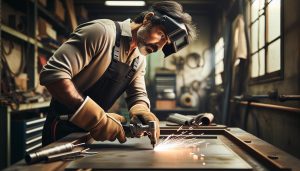
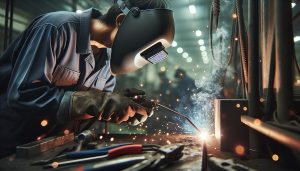
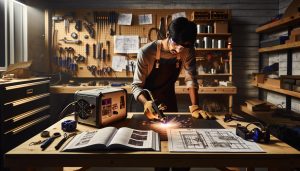
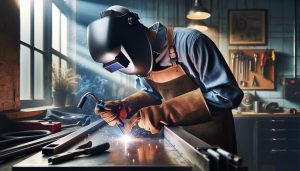
When it comes to metalworking, the right tool can make all the difference. Plasma cutters stand out as powerful and versatile equipment capable of slicing through various materials with precision and ease. But is investing in a plasma cutter right for you? Understanding when a plasma cutter can elevate your welding projects is crucial. Whether you’re a hobbyist tackling DIY projects or a professional in need of efficient cutting solutions for aluminum, steel, and more, this guide will help unravel the advantages and considerations of plasma cutters. As you explore the potential benefits, you’ll find insights that address your needs and guide you toward making an informed decision. So, let’s dive into the world of plasma cutting and discover when this investment can truly pay off.
Do I Really Need a Plasma Cutter?
For those who engage in metalwork, fabrication, or repair, the decision of whether to incorporate a plasma cutter into your toolkit can be crucial. A plasma cutter offers unparalleled speed and precision in cutting, making it a favorite among professionals and hobbyists alike. Unlike traditional cutting methods, plasma cutting uses an electrically conductive gas to create a high-temperature arc, allowing you to cut through thick materials quickly, including steel and aluminum. If your projects require clean, smooth cuts or involve intricate designs, a plasma cutter can be an excellent investment that enhances your efficiency and output quality.
Think about the types of materials you frequently work with. For example, if your projects involve thicker metals or require more intricate cutting than oxy-fuel or mechanical saws can provide, a plasma cutter is invaluable. This tool can traverse various thicknesses and metals, giving you flexibility whether you’re crafting artistic pieces or structural components. Moreover, if you often find yourself working under time constraints, the rapid cutting speeds of plasma technologies can be a game-changer, enabling you to meet deadlines without sacrificing accuracy.
However, it’s essential to assess your specific needs and usage frequency to determine if a plasma cutter is a worthy addition. For occasional projects, renting equipment may be more economical than purchasing. Conversely, if you’re regularly involved in tasks that demand quick and precise cuts, owning a plasma cutter will streamline your workflow and ultimately save you time and costs in the long run. Conclusively, the choice to invest in a plasma cutter hinges on understanding your requirements and the nature of your work as a welder or fabricator.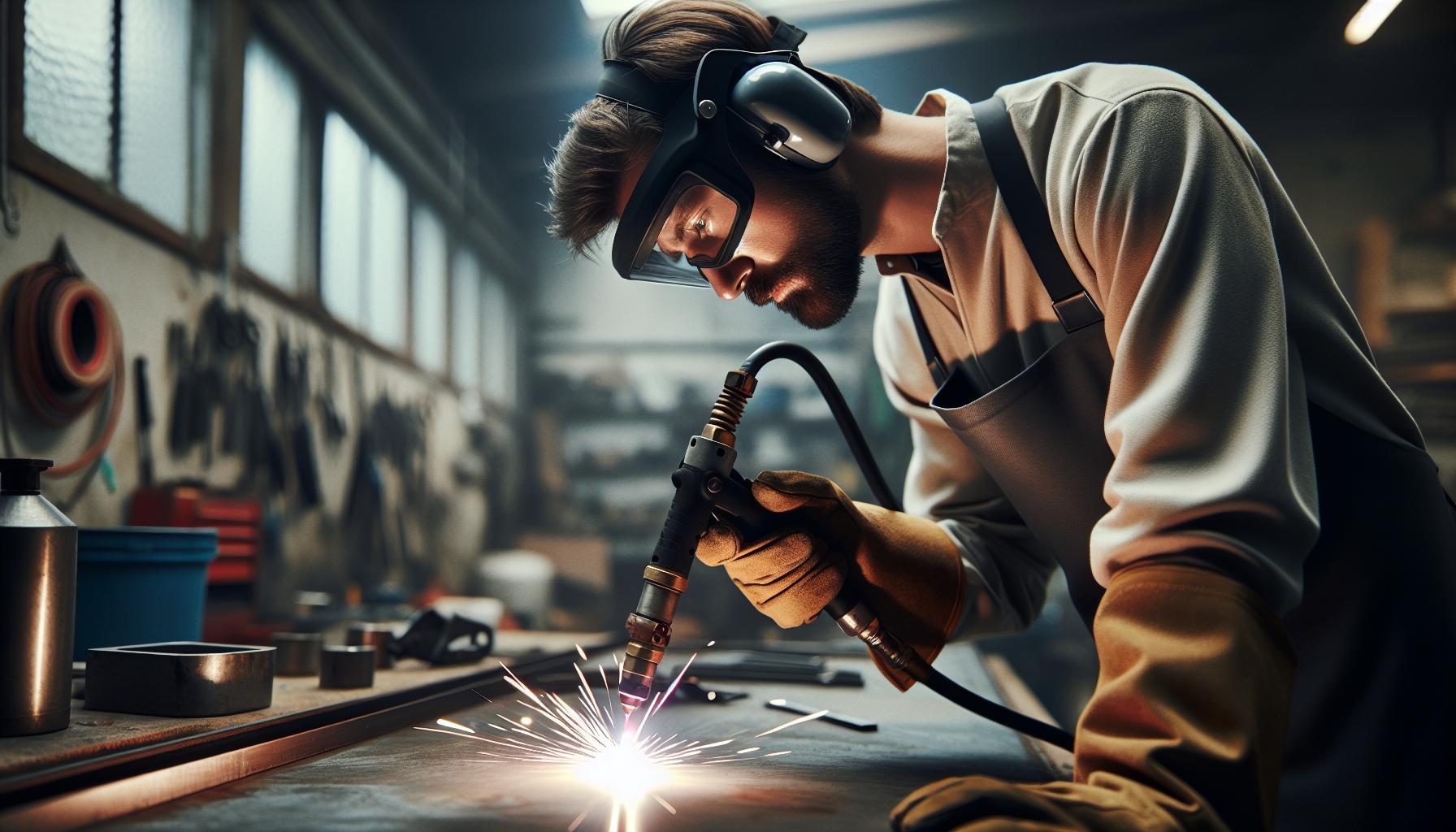
Understanding the Basics of Plasma Cutting
Plasma cutting is a sophisticated method that has revolutionized how metalworkers approach fabrication and repair. At its core, this cutting technique utilizes an electric arc to convert gas into plasma-an ionized gas that conducts electricity. When directed through a nozzle at high speed, this plasma stream reaches temperatures exceeding 20,000 degrees Fahrenheit, capable of melting through metal with remarkable efficiency. This process makes plasma cutting a preferred option for those who require clean, precision cuts in various materials, particularly metals like steel and aluminum.
One of the standout features of plasma cutting is its versatility. This method can effectively slice through different thicknesses of materials, ranging from a few millimeters to several inches, depending on the specific plasma cutter model and settings used. For example, some advanced plasma cutters can handle up to 7/8-inch steel and 5/8-inch aluminum, making it an essential tool for both industrial applications and smaller projects. In addition to speed and precision, plasma cutting also minimizes the need for additional finishing processes, as the cut edges are typically cleaner compared to those produced by traditional methods like oxy-fuel cutting or abrasive saws.
The operation of a plasma cutter requires careful attention to safety and technique. Given the intense heat generated during cutting, proper protective gear-such as gloves, goggles, and flame-resistant clothing-is crucial. Furthermore, understanding the operational parameters like amperage settings, gas flow rates, and the type of nozzle used can significantly influence the quality of the cut and the effectiveness of the tool. It’s essential for both novice and experienced welders to undergo proper training and familiarize themselves with the specific machine they are using, ensuring they can harness its full potential while maintaining safety standards.
From artistic creations to structural components, the applications for plasma cutting are vast, making it not only a powerful tool in metalworking but also a wise investment for those committed to enhancing their capabilities in fabrication and repair.
Benefits of Using a Plasma Cutter for Your Projects
Utilizing a plasma cutter can significantly enhance the quality and efficiency of your metalworking projects. This tool stands out for its ability to produce clean, precise cuts with minimal effort. One of the primary advantages of plasma cutting is the speed at which it operates; this method can slice through metal at rates up to five times faster than traditional cutting techniques such as oxy-fuel cutting. As a result, you can save valuable time on your projects, allowing for quicker turnaround and improved productivity, especially in industrial settings.
Moreover, the versatility of plasma cutters makes them suitable for a broad spectrum of applications. They are adept at cutting various materials including steel, aluminum, and stainless steel, accommodating thicknesses from thin sheets to several inches thick. This feature allows both hobbyists and professionals to tackle a wide variety of tasks-from intricate artistic designs to heavy-duty industrial work-with the same equipment. Plasma cutting is also renowned for minimizing post-cut finishing work, as the thermal process produces cleaner edges that often require little to no additional grinding or finishing.
### Key Benefits of Plasma Cutting
- Precision Cuts: Plasma cutting offers exceptional accuracy, allowing users to follow intricate designs and patterns.
- Minimal Heat Affected Zone (HAZ): The concentrated heat minimizes distortion and warping, which is crucial for maintaining the integrity of precision parts.
- Portability: Many plasma cutters are lightweight and easy to transport, enabling on-site operations, ideal for contractors and fabrication shops.
- Ease of Use: With a relatively straightforward operation, beginners can quickly learn the essentials, while more advanced users can exploit its full capabilities.
Investing in a plasma cutter can be a game-changer for metalworkers looking to elevate their craft. Whether you are making repairs, crafting intricate designs, or engaging in large-scale fabrication, the benefits of using a plasma cutter extend far beyond mere convenience. From the speed of operation to the quality of cuts, this tool is engineered to meet the diverse needs of modern metalworking, making it a worthwhile investment for anyone serious about their projects. With proper training and safety practices, you can harness the full potential of this technology, transforming the way you approach your fabrication and repair tasks.
Comparing Plasma Cutters with Other Cutting Tools
Plasma cutting stands out in a crowded field of metal cutting techniques, but it is essential to understand how it compares to other tools such as oxy-fuel torches, laser cutters, and traditional methods like saws and shears. Each of these options comes with its own set of advantages and limitations, influencing their suitability depending on the project’s requirements.
Oxy-fuel cutting is a method that utilizes heat generated from a flame to melt metal. While it is effective for thick materials, it involves a slower cutting speed than plasma cutting, which can seriously impact productivity on large-scale projects. Additionally, oxy-fuel creates a larger heat-affected zone (HAZ), resulting in more potential warping and distortion, especially in thinner materials. Plasma cutting, in contrast, delivers clean cuts at a much faster rate with minimal HAZ, making it more versatile for intricate designs as well as thicker metals.
Laser cutting represents a more modern approach, especially prized for its precision and ability to cut complex shapes. It is the preferred choice for thin materials and situations requiring detailed patterns. However, laser cutting systems tend to be significantly more expensive and may require additional ventilation and safety measures that are not as critical with plasma cutting. While plasma cutters excel in speed and productivity, particularly in variable thickness applications, laser cutters reign supreme when precision at small scales is the priority.
MIG (Metal Inert Gas) and TIG (Tungsten Inert Gas) welding are also important to consider in this context. These techniques generally serve more for joining metals rather than cutting. They both produce heat via an electric arc, which offers a level of precision beneficial for fabrication but lacks the efficiency and speed of plasma cutting when it comes to severing materials. Flux-cored wire welding can cut and weld in a pinch, but plasma cutting’s overall clean edge and efficiency often make it the preferred choice for dedicated cutting tasks.
In summary, the choice between plasma cutting and other methods hinges on specific project demands, including material type, thickness, required precision, and budget constraints. Plasma cutters offer a unique combination of speed, versatility, and quality that often makes them the best choice for both amateur hobbyists and seasoned professionals looking to enhance their metalworking capabilities.
What Materials Can You Cut with a Plasma Cutter?
Plasma cutting technology is renowned for its versatility, allowing users to tackle a broad array of materials with ease and precision. From structural steel to intricate aluminum components, plasma cutters can handle a variety of substrates, making them an invaluable tool for both professionals and hobbyists alike. This capability not only saves time but also enhances the quality of the cuts, thanks to the focused, high-temperature plasma jet that effectively severs the material.
Common Materials Suitable for Plasma Cutting:
- Steel: Both mild and stainless steel are excellent candidates for plasma cutting. The speed and clean edge produced by plasma cutting make it ideal for fabricating structural components or artistic metalwork.
- Aluminum: While aluminum can be more challenging to cut due to its thermal conductivity, plasma cutters excel at producing clean cuts even in thinner aluminum sheets.
- Copper: Plasma cutting can be effectively utilized on copper, which is otherwise difficult to cut. This is particularly useful in electrical and plumbing applications.
- Brass: Ideal for decorative work, plasma cutters can handle brass sheets with ease, enabling detailed designs and shapes.
- Other Exotic Alloys: High-performance alloys used in aerospace and automotive industries can also be cut efficiently with a plasma cutter, making them versatile for specialized applications.
Different plasma cutting systems are designed for various thicknesses of materials, typically handling ranges from 20 gauge to several inches thick depending on the power of the machine. The unique technology enables users to achieve smooth, dross-free cuts that require minimal finishing, which is a significant advantage over alternative cutting methods such as oxy-fuel cutting.
While observing these capabilities, it’s crucial to consider the specific setup and settings of a plasma cutter, including gas type, amperage, and torch speed. Adjusting these parameters appropriately for the material type ensures optimal results while also extending the lifespan of the cutting consumables. In practice, many professionals keep a material compatibility chart handy, outlining the best practices for different materials, thicknesses, and settings.
In conclusion, if your projects involve cutting through various metals with minimal effort and maximum quality, investing in a plasma cutter can be a game-changer. It opens up the possibility to not only meet diverse project needs but also to tackle more complex designs that may have seemed unattainable with traditional cutting methods.
Plasma Cutter Types: Which One Should You Choose?
Choosing the right plasma cutter can significantly impact the success of your projects, whether you’re a seasoned professional or a hobbyist looking for efficient cutting solutions. Understanding the various types of plasma cutters available is essential for making a choice that meets your specific needs and budget. The market offers a range of plasma cutting systems, typically categorized into two primary types: conventional plasma cutters and High Definition (HD) plasma cutters.
Conventional Plasma Cutters
Conventional plasma cutters are suitable for a wide range of applications and are typically used for cutting thinner materials. They operate using compressed air to create the plasma arc, making them cost-effective for general use. These models are available in various amperage ratings, allowing users to select the best power for their needs. They offer simplicity and reliability, making them ideal for DIY enthusiasts and small-scale projects. However, if high precision and very clean cuts are necessary, conventional plasma cutters may fall short in comparison to their HD counterparts.
High Definition Plasma Cutters
For professionals seeking unmatched precision, High Definition plasma cutters present an excellent investment. They utilize advanced technology to produce a tighter, more focused plasma arc, which reduces the kerf width and produces smoother edges. HD plasma cutters are particularly beneficial for applications requiring intricate detailing or thicker materials, as they maintain accuracy across a range of thicknesses without significant distortion. While they come at a higher initial cost, the efficiency and performance gains can justify the investment, especially in industrial settings where productivity and quality are paramount.
Portable Plasma Cutters
Portable plasma cutters are another popular option, designed for flexibility and ease of transport. These units are generally lighter and can operate on 110V or 220V power sources, making them accessible for on-site jobs or small workshops. Despite their compact design, many portable models incorporate advanced features found in larger machines, allowing users to achieve high-quality cuts with convenience.
Considerations for Choosing the Right Plasma Cutter
When selecting a plasma cutter, consider the following factors:
- Material Thickness: Assess the maximum thickness of materials you plan to cut. Different models are rated for different thicknesses.
- Power Supply: Determine the available power sources in your workspace and select a model compatible with your setup.
- Cutting Speed and Quality: Evaluate your needs for cut speed and edge quality-this often leads to a decision between conventional and HD machines.
- Budget: Establish a budget that encompasses not just the initial purchase but also consumables and maintenance costs.
Ultimately, selecting the right plasma cutter involves understanding your unique requirements and aligning them with the capabilities of available machines. With the proper knowledge, you can make an informed choice that enhances your cutting efficiency and quality, leading to successful project outcomes.
Evaluating Cost vs. Value: Is It Worth the Investment?
Investing in a plasma cutter can feel like a significant commitment, especially for those just starting in welding or fabrication. However, the value derived from this versatile tool often outweighs the initial cost. Plasma cutters excel in speed and precision, allowing you to achieve clean cuts on a variety of materials such as steel, aluminum, and even certain plastics. For individuals engaged in heavy-duty metalwork or artistic projects, the efficiency gained can lead to improved productivity, shorter project timelines, and ultimately, a better return on investment.
When evaluating the cost versus the potential value of a plasma cutter, consider not only the purchase price but also the long-term savings. Unlike other cutting methods, such as oxy-fuel cutting, plasma cutters require less operator skill and produce less heat-affected zone, reducing the risk of warping materials. This precision can minimize waste and the costs associated with rework, allowing you to create more with less. Additionally, many modern plasma cutters are designed to be user-friendly and require minimal setup and cleanup, further streamlining your workflow.
Factors Influencing Cost and Value
To maximize the value of your investment, several factors should be considered:
- Material Versatility: Plasma cutters can handle various thicknesses and types of metal, which makes them applicable for multiple projects. This versatility means you won’t need to purchase multiple cutting tools.
- Upfront Equipment Costs: While high-end models can be pricey, entry-level plasma cutters are more accessible. Assess your project needs to determine if a less expensive option will suffice or if investment in a higher-quality unit is necessary.
- Maintenance and Consumable Costs: Factor in the costs of consumables like electrodes and nozzles. Regular maintenance is crucial to ensure longevity and consistent performance, which can affect overall value.
In a world where efficiency and accuracy are paramount, a plasma cutter can transform your cutting capabilities. Whether you are a hobbyist seeking to expand your toolkit or a professional looking to enhance your shop’s efficiency, weighing the long-term benefits against upfront costs can help determine if this investment is right for you. Ultimately, the decision should align with your specific requirements and future project potential, ensuring that you derive maximum benefit from this powerful tool.
Key Safety Considerations for Plasma Cutting
Using a plasma cutter can open up a world of possibilities in metal fabrication, but with great power comes great responsibility. Safety must always be a top priority when working with this powerful tool, as it can pose risks if proper precautions are not taken. Understanding these considerations is crucial for maintaining a secure work environment and preventing accidents.
Proper personal protective equipment (PPE) is essential when plasma cutting. Always wear a welding helmet with appropriate shade to protect your eyes from the intense arc light and potential ultraviolet damage. Additionally, flame-resistant clothing, gloves, and steel-toed boots should be part of your attire to guard against sparks and molten metal. Ensure your workspace is well-ventilated to minimize exposure to fumes generated during cutting, especially when working with coated or painted metals, which can release hazardous substances.
Another key safety concern is maintaining a clean and organized work area. Remove flammable materials or debris that could ignite from sparks or heat produced by the plasma arc. Be vigilant about your positioning when cutting; maintain a safe distance from the workpiece to avoid accidental contact, and ensure no one stands directly behind or beside you while you are operating the cutter. It’s also advisable to have a fire extinguisher and first aid kit readily accessible to handle any emergencies promptly.
Lastly, understanding the equipment itself is fundamental to safety. Familiarize yourself with your plasma cutter’s operating manual, including its specific features and types of materials it can handle. Regular maintenance checks on your equipment, such as inspecting cables for wear, can help prevent malfunctions and accidents. By adhering to these safety protocols, you can confidently harness the full potential of your plasma cutter while minimizing risks and ensuring a safe working environment.
Tips for Maximizing Your Plasma Cutter’s Efficiency
To achieve optimal results with your plasma cutter, mastering both technique and equipment setup is essential. The efficiency of plasma cutting significantly hinges on maintaining a steady pace and the correct amperage setting. An ideal cutting speed not only enhances the quality of the cut but also prolongs the life of the consumables. Too fast can lead to incomplete cuts, while too slow can cause excessive burn and damage to the material. Familiarize yourself with the materials you’re working with, as different thicknesses require different settings. Refer to the manufacturer’s guidelines for recommended speed and amperage for various materials to achieve the best outcomes.
Another critical factor to consider is the quality of the plasma cutter’s torch and consumables. Use high-quality plasma cutting tips and electrodes, ensuring they are clean and properly aligned. Worn or damaged consumables will lead to poor cuts and reduce overall efficiency. Regular maintenance of the torch, including replacing worn parts, will ensure consistent performance. Additionally, maintaining a clean work environment can have a significant impact on your plasma cutting efficiency. Dust and debris can cause interference and lead to inconsistent cuts, so ensure your workspace is tidy before starting.
Practice Proper Technique
Using the right technique can make a notable difference in cutting efficiency. Always maintain the proper distance-too far can lead to a loss of cut quality, while too close can result in overheating and dragging. An optimal distance helps maintain the arc length, enhancing cutting speed and precision. For complex cuts, consider using templates or guides to ensure paths are consistent.
Finally, investing time in honing your skills with the plasma cutter will yield the best results. Practice on scrap material to get a feel for your settings and technique before progressing to critical projects. Each session is an opportunity to learn and improve, ultimately leading to a more efficient and effective plasma cutting experience.
Common Mistakes to Avoid with Plasma Cutters
Using a plasma cutter can be a game-changer in metal fabrication, but missteps can lead to costly mistakes and inefficient results. One of the most common errors is setting the wrong amperage for the material being cut. Too low an amperage may result in incomplete cuts or a rough edge, while too high can cause excessive slag and burn through the material. Always refer to the manufacturer’s guidelines to determine the correct amperage settings for the thickness and type of metal you’re working with.
Another frequent issue is improper torch angle and distance from the workpiece. Maintaining a consistent cutting speed and ideal torch height is crucial for achieving clean, precise cuts. A torch that’s too far from the workpiece can lead to poor arc stability and a lack of penetration, while being too close often results in overheating or damage to the electrode. A general rule of thumb is to keep the torch at a distance where the cutting sound is steady and the arc feels stable.
Additionally, neglecting to regularly check and replace worn consumables can drastically affect performance. Plasma cutting tips and electrodes wear out over time, which can lead to inconsistent arcs and reduced cut quality. Implement a routine inspection schedule to catch wear before it impacts your work. Maintaining a clean work environment is equally important; debris can cause interference that affects not only the quality of the cuts but also your safety.
Lastly, be cautious about cutting materials when they have coatings such as paint or galvanized finishes. These coatings can release harmful fumes when subjected to the high temperatures of plasma cutting. Always ensure proper ventilation or remove such coatings prior to cutting to protect your health. By avoiding these common pitfalls, you can ensure that your plasma cutting experiences are not only efficient but also safe and productive.
Real-World Applications: When a Plasma Cutter Shines
Using a plasma cutter can transform your metalworking endeavors, particularly in demanding environments where precision and speed are paramount. Plasma cutting technology excels in various real-world applications, making it an invaluable tool across multiple industries. From automotive manufacturing to artistic metal fabrication, the versatility of plasma cutters allows them to perform intricate cuts on various materials with ease.
One of the standout features of plasma cutting is its ability to handle thick metal with incredible speed and efficiency. For example, in the construction industry, plasma cutters are frequently employed to create structural components from steel and aluminum. The rapid cutting capability not only reduces labor time but also enhances productivity, allowing projects to stay on schedule. Additionally, the clean cuts produced by plasma cutting minimize the need for extensive post-processing, further speeding up production cycles.
In the realm of custom metal artwork, plasma cutters allow artists to explore complex designs that were once painstaking to execute. The precision of plasma cutting tools enables intricate patterns and detailed artwork to come to life in metal sculptures and decorative pieces. This artistic application showcases the aesthetic potential of plasma cutting beyond its industrial uses.
Moreover, plasma cutters boast portability and flexibility, which are key advantages in on-site repairs and fabrication jobs. For example, technicians often rely on plasma cutting equipment to make quick repairs on heavy machinery directly at job sites. This capability not only saves time and resources but also streamlines maintenance operations in industries such as manufacturing, shipping, and construction.
In summary, plasma cutters shine in multiple real-world scenarios, with applications ranging from high-precision industrial work to creative artistic projects. Their ability to cut through various materials quickly and efficiently makes them an asset for professionals and hobbyists alike, demonstrating that investing in a plasma cutter can lead to significant time savings, greater creative freedom, and overall enhanced productivity in metalworking tasks.
Q&A
Q: What are the advantages of using a plasma cutter compared to other cutting tools?
A: Plasma cutters offer several advantages, including faster cutting speeds, the ability to cut through thicker materials, and greater precision on intricate designs compared to tools like torches or saws. They can cut metals that are difficult to manage with traditional methods, making them ideal for fabrication and repair work.
Q: Can a plasma cutter be used for welding processes?
A: While plasma cutters are primarily designed for cutting, the plasma arc can be adapted for certain welding tasks, especially with non-ferrous metals. However, for dedicated welding applications, MIG or TIG processes are recommended for better control and finish.
Q: What types of materials can I cut with a plasma cutter?
A: Plasma cutters can effectively cut a variety of materials, including steel, aluminum, brass, and stainless steel. They work best on conductive materials and are versatile enough for both thin sheets and heavy plates.
Q: How do I choose the right plasma cutter for my needs?
A: Selecting a plasma cutter depends on the thickness of materials you plan to cut, your power supply, and portability needs. Look for features like cutting capacity, duty cycle, and ease of use to find a suitable model for your projects.
Q: Is a plasma cutter worth the investment for occasional use?
A: If your cutting tasks involve materials that require speed and precision, a plasma cutter can be worth the investment, even for occasional use. Consider rental options if infrequent projects don’t justify the purchase cost and maintenance.
Q: How do I maintain my plasma cutter to ensure optimal performance?
A: Regular maintenance of your plasma cutter includes checking and replacing consumables like electrodes and nozzles, keeping the unit clean, and ensuring proper ventilation. Following the manufacturer’s guidelines can enhance longevity and performance.
Q: What safety precautions should I take when using a plasma cutter?
A: Important safety precautions include wearing protective gear such as gloves and goggles, ensuring proper ventilation to avoid fume buildup, and maintaining a safe distance from flammable materials. Regularly inspect equipment for any wear or damage.
Q: When should I consider switching from a traditional cutting method to a plasma cutter?
A: Consider switching to a plasma cutter if you frequently work with thicker materials, need faster cutting speeds, or require precise cuts on complex shapes. It’s an excellent choice for fabricators and metalworkers looking to enhance efficiency and quality.
In Retrospect
Deciding whether a plasma cutter is the right investment for you is crucial in your welding journey. Remember, plasma cutting excels in precision and efficiency, especially for tough materials like steel and aluminum. If you’re ready to elevate your project capabilities, now is the perfect time to explore the options available. Don’t hesitate to check our detailed reviews on welding equipment and techniques, including MIG, TIG, and stick welding, to further enhance your skills.
For those still weighing the pros and cons, our guide on essential welding safety protocols can provide valuable insights to ensure you’re fully prepared. Stay informed and confident in your choices-consider subscribing to our newsletter for the latest tips and resources in the welding community. Join the conversation below; share your experiences or ask questions. Your next big project is just a plasma cutter away!