

When diving into the world of plasma cutting, one common question emerges: Do I need gas for a plasma cutter? Understanding the requirements for effective plasma cutting is essential, as it directly impacts the quality and safety of your work. Plasma cutters utilize high-temperature plasma to slice through materials like steel and aluminum, but the necessity of gas varies based on the type of cutter you choose. For beginners and seasoned welders alike, knowing whether to equip your cutter with gas can save you time and frustration in achieving precise cuts. This guide will unravel the essentials of plasma cutting, exploring the types of gas required, their roles, and how they contribute to the overall efficiency of your cutting projects. Discover the best practices to enhance your skills and ensure your setups are optimal for any job at hand.
Do Plasma Cutters Require Gas? Understanding the Basics
Plasma cutting is a highly efficient method for slicing through metal, often reaching temperatures sufficient to melt various materials. One of the fundamental questions regarding this technology is whether gas is necessary for plasma cutters. The short answer is that while some plasma cutters are designed to use gas, such as oxygen or nitrogen, there are also air plasma cutters that rely on compressed air. The choice between gas and air influences not only the quality and speed of cutting but also the operational costs and safety considerations.
When operating a gas-powered plasma cutter, a specific gas is typically combined with electricity to create the plasma arc that does the cutting. This setup allows for adjustable cutting speeds and can deliver cleaner cuts on certain materials, enhancing the overall quality of the workpiece. Gas plasma cutters excel in cutting ferrous and non-ferrous metals, providing versatility across a range of applications. Conversely, air plasma cutting, which utilizes compressed air, is generally more accessible and requires less setup, making it a popular choice for many welders and fabricators, especially in environments where gas supply might be problematic.
The decision to use gas versus air not only depends on the desired cutting efficiency but also on operational elements such as the type of metal being cut, the thickness of the material, and the specific applications being conducted. For instance, thicker sections of steel may benefit from oxygen for a faster cut, while lighter materials could be adequately processed with air. Understanding these nuances is crucial for optimal results and ensuring that welders and fabricators select the appropriate cutter for their specific needs. As always, ensuring compliance with safety standards and proper equipment use is paramount to avoid accidents and promote a safe working environment.
Types of Plasma Cutters: Gas vs. Air
When choosing a plasma cutter, understanding the distinctions between gas and air-operated systems is crucial for achieving optimal cutting results. Gas plasma cutters are specifically designed to utilize various gases-such as nitrogen, oxygen, or argon-to create a plasma arc that melts and separates the material. This configuration allows for finer adjustments in cutting speed and temperature, which can be particularly advantageous when dealing with diverse materials or thicker metal sections. In contrast, air plasma cutters rely solely on compressed air, making them a popular choice for many applications due to their simplicity and lower operational costs.
Differences in Performance
The performance of gas-powered plasma cutters often surpasses that of air cutters, especially in industrial settings. For instance, using oxygen can increase the cutting speed and efficiency when working with ferrous metals. The reaction between the metal and the oxygen creates a higher-temperature arc, resulting in cleaner cuts with less slag and fewer burrs. Air plasma cutting, while efficient for thinner materials, may struggle to maintain the same quality and speed on thicker sections. It is advisable to assess the material thickness and desired precision level when deciding between gas and air options.
Operational Considerations
The choice between gas and air plasma cutters also influences setup time and cost considerations. Gas-powered systems typically require a more involved setup, including gas tanks, regulators, and hoses, which can represent a significant initial investment. On the other hand, air plasma cutters are generally easier to integrate into welding setups, given that compressed air is readily available in most environments. When maintenance is a consideration, air plasma cutters may prove advantageous due to the decreased complexity of their systems.
In summary, the decision between a gas-powered plasma cutter and an air plasma cutter hinges on the specific cutting requirements, material types, and operational environments. The choice should be driven by the need for speed, cost-efficiency, and the quality of cuts desired, ensuring that welders and fabricators make informed decisions that align with their project needs.
Essential Components of a Gas-Powered Plasma Cutter
Gas-powered plasma cutters are intricate machines that deliver precise cuts in various materials by utilizing an ionized gas, or plasma, to melt and sever metal. Understanding the essential components that make up these cutters is crucial for operators to achieve optimal performance and maintain safety standards. A gas-powered plasma cutter typically comprises several key parts, each playing a vital role in the cutting process.
At the heart of a gas plasma cutter is the plasma torch, which houses the electrode and the nozzle. The electrode generates the electric arc that ionizes the gas, while the nozzle constricts the flow of the gas, helping to create a high-velocity plasma jet. This jet is critical for effective cutting, as it focuses energy onto a small area, allowing for precise work. Above the torch, the gas supply system is a fundamental component that delivers the specific type of gas used for cutting. Common gases include oxygen, nitrogen, or argon, each chosen based on the application and material being cut. The gas must be supplied under pressure, requiring a reliable regulator and appropriate hoses to ensure safety and efficiency.
Another vital element is the power supply unit, which converts electrical voltage into the required form to create the arc. Many modern gas-powered plasma cutters come with adjustable settings, allowing operators to optimize the voltage according to different materials and thicknesses. These machines often incorporate cooling systems – either air-cooled or water-cooled – to prevent overheating during prolonged use. Overheating can lead to decreased performance and damage, making effective cooling a critical feature.
Finally, the control system in a gas plasma cutter helps operators manage various cutting parameters, including speed and cutting angle. Advanced models feature digital displays and programmable settings for enhanced precision. For any plasma cutter, regardless of being gas or air-based, adhering to strict safety protocols is paramount. Proper training on the use of each component, regular maintenance checks, and understanding the intricacies of the machine will empower operators to maximize cutting efficiency while ensuring a safe working environment.
Advantages of Using Gas with Plasma Cutters
Using gas with plasma cutters presents a multitude of advantages that enhance both performance and versatility in metal cutting applications. Gas-powered plasma cutters are specifically engineered to deliver precision cuts across a wide range of materials, and by harnessing ionized gas or plasma, they excel at penetrating thicker metals more effectively than air-driven counterparts. The capability to operate at higher temperatures and energy levels allows for a cleaner and more efficient cut, reducing slag and waste, which is especially beneficial for industrial applications where precision is paramount.
One of the standout benefits of using gas in these systems is the ability to customize the cutting process based on the material being worked on. Different gases, such as oxygen, nitrogen, or argon, can be utilized to optimize the cut for specific metals, making it easier to achieve desired results. For instance, using oxygen can produce higher cutting speeds on ferrous metals, while argon may be preferable for stainless steel applications, as it minimizes oxidation and helps maintain the integrity of the metal surface. This flexibility enables operators to tailor their processes, thereby increasing efficiency and the quality of the finished work.
Moreover, gas-powered plasma cutters often feature advanced technology that enhances their operational capabilities. Many modern models come equipped with adjustable settings that allow users to fine-tune gas pressure, voltage, and current based on their specific cutting requirements. This adaptability is essential for achieving the best results across a variety of projects, from small repairs to large-scale manufacturing tasks. Furthermore, these machines generally include integrated cooling systems, which help maintain optimal operating conditions and prolong the lifespan of components, thereby minimizing downtime and maintenance costs.
Key Considerations
- Material Compatibility: Different gases provide distinct advantages depending on the material being cut.
- Efficiency: Higher cutting speeds and reduced slag accumulation are achievable with gas-assisted methods.
- Advanced Settings: Customizable settings ensure precision for various applications and materials.
- Longevity: Built-in cooling systems extend machine lifespan and efficiency.
In summary, the use of gas in plasma cutting not only enhances cutting quality and efficiency but also provides the flexibility needed to tackle a diverse range of materials and applications. This makes gas-powered plasma cutters an essential tool for professionals aiming to achieve the highest standards in their work.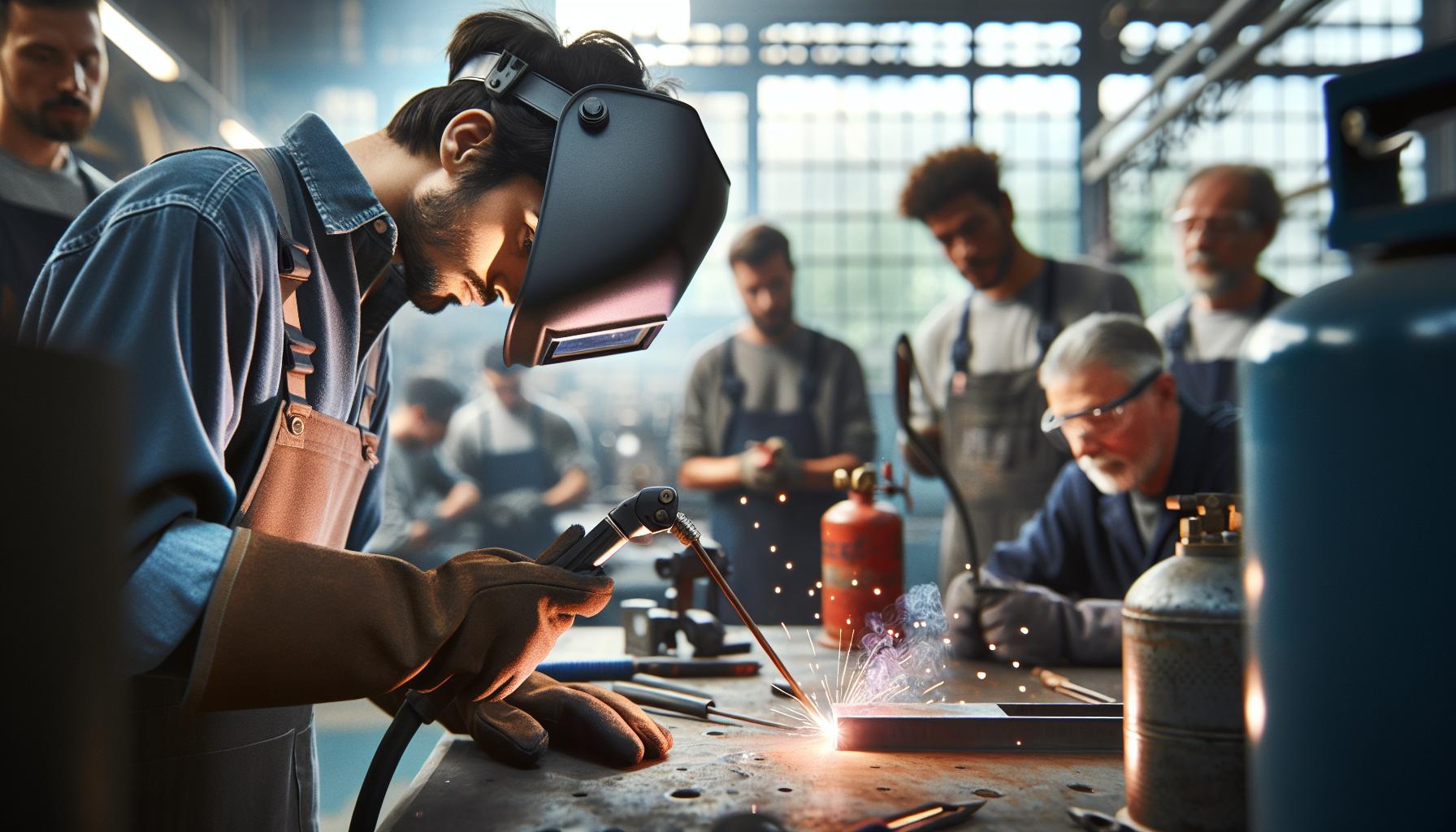
Common Gas Types for Plasma Cutting: Pros and Cons
The choice of gas in plasma cutting can significantly influence the quality and efficiency of cuts. Different gases interact variedly with metal surfaces, affecting parameters such as cutting speed, edge finish, and overall performance. Understanding the pros and cons of common gas types can help operators optimize their cutting processes effectively.
Oxygen is a frequently used gas in plasma cutting, especially for ferrous materials like steel. It enhances the cutting speed by providing a combustion reaction that results in higher temperatures at the cutting arc. The main advantage is the ability to achieve clean, fast cuts. However, a drawback is that oxygen can cause oxidation on the cut metal surface, potentially compromising the integrity of sensitive materials or requiring additional cleanup processes.
Nitrogen is another common choice, particularly notable for stainless steel cutting. It helps minimize oxidation, resulting in a cleaner edge and reducing the need for secondary processing. Additionally, nitrogen can provide good cutting speeds while being more cost-effective than oxygen. The downside, though, is that it may not achieve the same cutting speeds as oxygen does for ferrous metals, which might require operators to balance speed with edge quality based on their specific needs.
Argon is often used for specialized applications, especially in situations that require precise control over the cut. It mitigates oxidation effectively and is suitable for non-ferrous metals. However, argon’s use isn’t as widespread in bulk cutting due to its higher cost and slower cutting speeds compared to oxygen and nitrogen. The decision to employ argon typically depends on specific project requirements, such as the need for aesthetic finishes or when working with heat-sensitive materials.
In summary, the selection of gas is crucial and should be guided by the material type and specific cutting objectives. Understanding the properties and behaviors of each gas type enables operators to tailor their plasma cutting operations, ensuring both efficiency and quality across various applications.
Summary of Gas Types in Plasma Cutting
| Gas Type | Pros | Cons |
|---|---|---|
| Oxygen | High cutting speed, effective for ferrous metals | Can cause oxidation, necessitating post-processing |
| Nitrogen | Minimizes oxidation, good for stainless steel | Slower cutting speed for ferrous metals compared to oxygen |
| Argon | Excellent for non-ferrous metals, reduces oxidation | Higher cost, slower cutting speeds |
Selecting the right gas type can enhance not only cutting efficacy but also the finish and longevity of the workpiece, making it a fundamental aspect of plasma cutting operations.
When to Choose a Gas-Operated Plasma Cutter
In the world of plasma cutting, the decision to use a gas-operated cutter can dramatically affect the quality and efficiency of the cutting process. Tasks demanding precision, such as intricate cuts on stainless steel or non-ferrous metals, are particularly suited for gas-powered systems. These machines not only produce cleaner cuts but also mitigate oxidation, which is crucial when finishing surfaces that need to be aesthetically appealing or require further processing.
The material type plays a vital role in this decision-making process. For instance, oxygen is widely favored for cutting ferrous materials due to its ability to enhance the cutting arc’s temperature, leading to faster and cleaner cuts. However, the oxidation it causes can be detrimental for materials requiring a pristine finish. On the other hand, nitrogen excels with stainless steel, promoting a cleaner edge and significantly reducing the need for post-processing. Operators must consider the specific applications and materials when selecting a gas.
Furthermore, operational safety should never be overlooked. Gas-operated plasma cutters require a solid knowledge of handling and storage of gases like oxygen and nitrogen. Proper ventilation and awareness of gas properties are essential to mitigate risks associated with flammable gases. Additionally, technicians should be trained in using these systems to ensure correct setup, operation, and maintenance.
In scenarios where aesthetic quality is paramount-such as artistic metalwork or high-end fabrication-investing in a gas-powered plasma cutter may prove advantageous. Not only does it provide the desired cutting speed and quality, but it also enhances the longevity of the workpiece by ensuring superior cuts. Overall, understanding your specific cutting needs will guide you in determining whether a gas-operated plasma cutter is the right choice for your projects.
Safety Protocols for Gas Plasma Cutting
When it comes to gas plasma cutting, safety cannot be overlooked. Mishandling gases like oxygen and nitrogen can lead to hazardous situations, including explosions and fires. Ensuring a safe working environment is essential, as accidents can result in severe injury or damage to equipment. Understanding the properties of gases used in plasma cutting is vital; for instance, while oxygen is effective for cutting ferrous metals due to its ability to facilitate higher temperatures, it also poses an increased risk if not properly managed.
To enhance safety in gas plasma cutting, consider implementing the following protocols:
- Proper Ventilation: Ensure that the work area is well-ventilated to prevent the build-up of any potentially harmful gases. This is especially crucial when using flammable gases.
- Cylinder Storage: Store gas cylinders upright and secured in place to prevent tipping. Always keep them in a designated, well-ventilated area away from flammable materials.
- Transport Safety: Use special cylinder carts for movement and ensure valves are closed and caps are in place during transport.
- PPE Usage: Personal protective equipment such as gloves, goggles, and flame-resistant clothing should be worn at all times to protect against sparks and heat generated during cutting.
- Training and Awareness: Operators should receive thorough training on handling gas cylinders, operating plasma cutters, and recognizing hazardous situations. Regular safety drills can reinforce this knowledge.
Emergency Response Procedures
In addition to understanding safety protocols, having emergency response procedures in place is crucial. Keep fire extinguishers readily accessible and ensure that staff know how to use them effectively. Create clear exit plans and designate assembly points for evacuations. Familiarize all personnel with emergency shut-off procedures for the plasma cutting equipment, as quick action can minimize the potential for harm.
Taking these safety measures into account not only protects the operator and surrounding personnel but also enhances the overall effectiveness of the plasma cutting process. An environment where safety is prioritized fosters efficiency and productivity, translating into high-quality craftsmanship and minimized downtime due to accidents.
FAQs About Gas Requirements for Plasma Cutters
Understanding the gas requirements for plasma cutters is essential for both novice and seasoned welders. These tools wield a high-temperature plasma stream, capable of slicing through a variety of metal materials. While some plasma cutters operate solely on compressed air, others utilize specific gases to enhance performance. This leads to the common question: Do I need gas for a plasma cutter? The answer often depends on the materials used, the cutting conditions required, and the desired cut quality.
A plasma cutter that uses gas can provide advantages over air-powered models, particularly in applications requiring precision and speed. Gases like oxygen, nitrogen, and argon offer different benefits. For instance, oxygen can achieve faster cutting speeds and optimal kerf on ferrous metals, while nitrogen minimizes oxidation, ensuring a clean cut on stainless and non-ferrous materials. However, each gas type comes with its own risks and benefits. Oxygen is more flammable and can create hazardous fumes if not used correctly, while nitrogen is inert but may require longer cutting times.
It’s vital to double-check the manufacturer’s specifications for your particular plasma cutter model. Most units come with guidelines for gas types and pressures that are optimal for various applications. Additionally, understanding the nozzle and electrode specifications compatible with the chosen gas can significantly affect cutting efficiency and quality.
When evaluating your gas requirements, practical considerations like availability, cost, and safety should also play a role. While gas plasma cutters may initially cost more due to gas purchase and handling complexities, they can offer superior cutting performance and lower operational costs in the long run, especially when precision and material type are taken into account.
Troubleshooting Gas-Related Issues in Plasma Cutting
When working with plasma cutters, gas-related issues can frequently arise, impacting the quality of cuts and the safety of operations. It’s vital to address these problems promptly to maintain an efficient workflow and avoid costly errors. One common issue is inconsistent cutting performance, often caused by incorrect gas flow rates. If the gas flow is too low, it may not effectively shield the plasma arc, leading to poor cut quality and increased slag. On the other hand, excessive gas flow can disrupt the arc and create a wider kerf than necessary. Regularly checking and adjusting the flow rate according to the manufacturer’s specifications ensures optimal performance.
Another prevalent challenge involves gas purity. Contaminated gas can introduce impurities into the plasma arc, resulting in inconsistent cuts and premature wear of consumables. This is particularly critical when using gases such as oxygen or nitrogen, which should be maintained at high purity levels. Utilizing high-quality gas cylinders and regularly inspecting for leaks can help mitigate these issues. Additionally, it’s essential to monitor for moisture in the gas supply, as moisture can negatively affect the arc stability and cut quality, especially when cutting aluminum.
Understanding the relationship between gas type and cutting performance is also crucial. For instance, using oxygen can enhance cutting speed on ferrous metals, but should be approached carefully due to the increased risk of oxidation and ignition. In contrast, when cutting stainless steel or non-ferrous metals, employing nitrogen or argon can minimize oxidation but may require adjusting settings to account for a slower cutting speed. Knowing when to switch gas types based on your material choice is a key aspect of troubleshooting gas-related issues.
Lastly, safety protocols are paramount when troubleshooting gas issues. Always ensure proper ventilation in your workspace to avoid the accumulation of harmful fumes. When replacing gas cylinders, adhere to safety measures such as using appropriate personal protective equipment (PPE) and checking for leaks. Regular training on the safe handling of gases and equipment will help foster a culture of safety and responsiveness among all operators, minimizing the risk of accidents and ensuring a safe working environment. By proactively addressing these gas-related challenges, operators can enhance their plasma cutting processes and achieve superior results.
Cost Considerations: Gas vs. Non-Gas Plasma Cutters
Selecting the right plasma cutter can significantly affect both performance and operational costs, especially when considering the gas requirements. While gas-powered plasma cutters typically offer superior cutting speed and quality, non-gas alternatives can also provide efficient solutions for specific applications. Understanding the cost implications of each option is critical for beginners and seasoned welders alike.
When comparing gas and non-gas plasma cutters, the initial investment may vary considerably. Gas-powered models often come with a higher upfront cost due to their advanced technology and capabilities in cutting thicker materials. Additionally, you must consider ongoing expenses including the price of gas cylinders, regular maintenance, and the handling of consumables, which can add up over time. In contrast, non-gas systems, like air plasma cutters, typically have a lower purchase price and reduced operating costs since they require no additional gas supply. However, you might sacrifice some performance, especially when working with thicker materials or demanding cuts.
Operating Efficiency and Long-Term Value
To make an informed decision, evaluate the operational efficiency of both options. Gas plasma cutters can achieve a faster cutting rate and often produce cleaner edges due to the enhanced ionization from the gas, making them ideal for industrial environments where time is money. If you frequently work on diverse materials or require intricate cutting designs, a higher investment in a gas model may yield greater long-term value.
Consider Your Material and Frequency of Use
It’s also essential to consider the kinds of materials you regularly work with and the frequency of use. If you primarily cut thin sheets of metal occasionally, a non-gas plasma cutter may suffice and be cost-effective. However, if your operations include robust, heavy-duty projects requiring reliability and precision, investing in a gas-operated cutter will likely provide better performance and reduce the frequency of equipment replacements or repairs.
Ultimately, the right choice hinges on careful consideration of your workflow, budget, and specific cutting needs. Balancing the initial costs with long-term operational efficiencies will help determine which type of plasma cutter aligns best with your welding objectives.
Innovations in Gas Plasma Cutting Technology
Advancements in gas plasma cutting technology are rapidly transforming the landscape for fabricators and welders alike. Recent innovations have introduced enhanced efficiency and precision, as well as greater versatility in gas selection, enabling users to tackle a broader range of materials and applications. The integration of advanced technologies such as high-frequency start capabilities and automated gas flow control systems not only improves cutting accuracy but also reduces the wear on consumables, extending their lifespan.
One significant leap forward is the development of dual-gas plasma cutting systems. These systems allow users to alternate between different gases-often oxygen and nitrogen-tailoring the plasma’s properties for specific applications. For instance, utilizing nitrogen can create cleaner edges and minimize oxidation on aluminum and stainless steel, making this approach especially beneficial in automotive and aerospace industries. This adaptability can lead to better surface finishes and improved weldability of the cut materials, reducing the need for secondary processing.
In addition to gas innovations, the push towards more environmentally friendly alternatives is becoming increasingly prominent. Newer plasma cutting systems are being designed to operate efficiently with less harmful gas mixtures or even air plasma systems that eliminate the need for external gases altogether. This not only cuts costs for users but also helps reduce the overall environmental impact of the cutting process.
The advent of smart technology further amplifies the potential of gas plasma cutters. Many modern units now feature cloud connectivity and integrated diagnostics, allowing for real-time performance monitoring and data analytics. Users can track their cutting efficiency, gas consumption, and even analyze potential maintenance issues before they lead to significant downtime. This capability not only streamlines operations but also empowers welders to optimize workflows, enhancing productivity across various cutting projects.
As these innovations continue to emerge, the gas plasma cutting technology landscape will likely see even more enhancements aimed at improving efficiency, reducing operational costs, and attaining higher-quality cuts across diverse materials. Staying abreast of these advancements will enable welders to make informed decisions, ensuring they choose the right tools for their specific needs.
Frequently Asked Questions
Q: Do I need gas for a plasma cutter?
A: Yes, a plasma cutter often requires gas or compressed air to operate efficiently. Gas helps to create the plasma arc necessary for cutting through metals. Check your specific cutter’s requirements for optimal performance.
Q: What types of gas are used in plasma cutting?
A: Common types of gas used for plasma cutting include oxygen, nitrogen, and Argon. Each gas has different properties affecting cutting speed, quality, and the types of materials suitable for cutting. For specific applications, refer to the “Common Gas Types for Plasma Cutting” section.
Q: How does gas affect plasma cutting quality?
A: Gas affects the cutting quality by influencing the stability of the plasma arc. Proper gas flow and type can enhance cut precision and minimize slag formation. For more on this topic, see the “Advantages of Using Gas with Plasma Cutters” section.
Q: Can I use air instead of gas for plasma cutting?
A: Yes, many plasma cutters can use compressed air instead of specific gases. This is a cost-effective option that works well for most standard cutting applications. Check your equipment’s specifications for compatibility.
Q: What are the safety precautions for using gas in plasma cutting?
A: Essential safety precautions include using gas regulators, maintaining proper ventilation, and wearing appropriate protective gear. Always refer to the “Safety Protocols for Gas Plasma Cutting” section for detailed guidelines.
Q: When should I choose a gas-operated plasma cutter over an air-operated one?
A: Opt for a gas-operated plasma cutter when working with thick metals or requiring higher cutting quality for precision tasks. For details on selecting the right type, refer to the “When to Choose a Gas-Operated Plasma Cutter” section.
Q: What troubleshooting steps should I take for gas-related issues in plasma cutting?
A: First, ensure the gas pressure is set correctly. Next, check for leaks in hoses and connections. If issues persist, consult the “Troubleshooting Gas-Related Issues in Plasma Cutting” section for more solutions.
Q: Are gas plasma cutters more expensive than non-gas models?
A: Generally, gas plasma cutters can be more expensive due to the additional components and maintenance needs. Consider cost factors in the “Cost Considerations: Gas vs. Non-Gas Plasma Cutters” section for a detailed analysis.
In Retrospect
As you’ve learned, gas is crucial for optimal plasma cutting performance, influencing cut quality and finishing. If you’re ready to elevate your skills, explore our comprehensive guides on MIG and TIG welding techniques, as well as essential safety protocols to enhance your craft. For hands-on advice on equipment options, check out our reviews to help you select the right tools for your projects.
Don’t hesitate to dive deeper-join our newsletter for exclusive tips and stay updated on the latest industry trends. Your feedback matters! Share your thoughts or questions in the comments below, and let’s keep the conversation going. Remember, understanding the essentials today can lead to remarkable results tomorrow!


