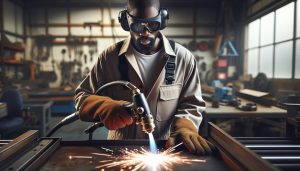
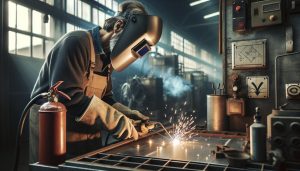
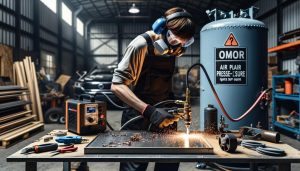
Plasma cutting is a powerful technique that can revolutionize your metal fabrication projects. Unlike traditional cutting methods, plasma cutting utilizes ionized gas to achieve precise and clean cuts, making it a favorite among welders and fabricators. But one of the most common questions beginners encounter is whether gas is needed for a plasma cutter. Understanding the requirements for gas and the specifics of your equipment is crucial for both efficiency and safety in your work. This guide will help demystify the necessity of gas, explore the types of plasma cutters available, and provide a complete requirements list to ensure you have all the tools for success. Dive in to discover how these insights can elevate your skills and enhance your cutting capabilities!
Understanding Plasma Cutters: A Quick Overview
Plasma cutters are an essential tool in metalworking, renowned for their ability to cut through electrically conductive materials with precision and speed. Utilizing a high-velocity jet of ionized gas-known as plasma-these devices effectively melt the material and blow it away, allowing for clean and efficient cuts. While plasma cutting might seem more straightforward than other welding techniques, understanding its components, particularly the role of gas, can significantly impact the effectiveness and quality of the cutting process.
At the heart of every plasma cutter is an ionized gas that forms the plasma arc. This process is achieved when a gas, typically compressed air, nitrogen, or argon, is heated to the point where it becomes conductive. As the gas flows through the torch and is ionized, it creates a high-temperature arc that can slice through metals up to several inches thick. The choice of gas not only influences the cutting speed but also the cut’s quality, shape, and surface finish. For example, nitrogen allows for a drier cut that reduces oxidation, whereas compressed air may leave a slightly oxidized edge on metal. Therefore, selecting the appropriate gas is crucial for achieving the desired results in different applications.
In addition to enhancing the quality of the cut, the type of gas used can have implications for safety and equipment longevity. For instance, using the incorrect gas may lead to increased wear on consumable parts or even result in hazardous fumes during cutting. Therefore, it’s vital to adhere to the manufacturer’s guidelines when operating a plasma cutter, ensuring that the right gas supply and pressure settings are in place. Moreover, routine maintenance checks can help prevent gas supply issues that could disrupt operations and compromise safety.
Understanding how plasma cutters work and the significance of gas selection empowers users to harness their capabilities fully, paving the way for enhanced performance and safety in the metalworking industry. With the right knowledge and precautions, both novice and seasoned professionals can make informed decisions that elevate their plasma cutting projects.
Gas Options for Plasma Cutting: Necessity or Preference?
Plasma cutting relies on ionized gas to create a high-velocity arc capable of slicing through various conductive metals with stunning precision. A common question among users is whether gas is a necessity or merely a preference in the plasma cutting process. The simple answer is that while some plasma systems can operate with or without gas, the choice of gas often influences the overall effectiveness and quality of cuts produced.
In traditional gas plasma cutting systems, the gas serves multiple purposes. Most importantly, it acts as the medium that transitions to plasma when electrically stimulated. The most commonly used gases include compressed air, nitrogen, and argon, each offering distinct advantages. For instance, nitrogen creates a drier cut, reducing oxidation on the metal’s edge, which is especially beneficial for stainless steel operations. In contrast, compressed air is readily available and cost-effective, making it the go-to option for many fabricators working with mild steel despite its potential to cause slight oxidation.
It’s important to weigh both necessity and preference when selecting a gas for plasma cutting. For most applications, the type of gas can dramatically affect cut speed, quality, and even the longevity of the equipment. Operating a plasma cutter without the appropriate gas can lead to increased wear on consumable parts and mishaps like poor-quality cuts or even fire hazards. Therefore, while you might technically be able to cut without gas in certain situations, it is rarely advisable.
Ultimately, understanding specific project requirements will guide the decision on gas usage in plasma cutting. Evaluating factors such as material type, desired cut quality, and operational cost can clarify whether the gas choice aligns with overall project goals. By making an informed selection, users can enhance cutting performance while maintaining safety and equipment longevity.
Essential Requirements for Operating a Plasma Cutter
Operating a plasma cutter with efficiency and safety requires a solid understanding of the fundamental components and requirements that govern its use. A plasma cutter relies on a high-voltage arc and ionized gas to produce precision cuts in various conductive materials. However, ensuring optimal performance involves more than just the cutter itself; it includes understanding the type of gas to use, maintaining proper equipment, and adhering to safety protocols.
To start, selecting the appropriate gas is crucial as it affects the cutting characteristics and overall results. Common options like compressed air, nitrogen, and argon vary in their properties and the quality of cuts they produce. For instance, nitrogen often yields cleaner cuts with less oxidation, making it a preferred choice for stainless steel, while compressed air is more economical for mild steel applications. Understanding the unique characteristics of these gases allows welders to select based on the material being cut and the desired quality.
In addition to gas selection, proper equipment maintenance is integral to successful plasma cutting. Regular checks on the plasma torch, including inspecting the electrode and nozzle for wear, can enhance cut quality and prolong the life of the consumables. Implementing a routine maintenance schedule, which includes cleaning and replacing worn parts, not only improves performance but also minimizes downtime during projects.
Safety Considerations
Safety is paramount when operating any machinery, and plasma cutters are no exception. Operators should always wear personal protective equipment (PPE), including gloves and appropriate eyewear, to guard against the intense light and heat generated during cutting. Additionally, ensuring a well-ventilated workspace helps mitigate risks associated with fumes or gases released during the cutting process.
In summary, effectively operating a plasma cutter goes beyond basic knowledge; it encompasses a comprehensive understanding of gas types, maintenance needs, and stringent safety protocols. By mastering these elements, users can achieve optimal performance and ensure high-quality, precise cuts while prioritizing their safety and that of those around them.
Comparing Gas and Non-Gas Plasma Cutters
When , it’s essential to understand the fundamental differences in operation and cutting quality. Gas plasma cutters utilize ionized gases to create a high-heat plasma arc, allowing for precise cutting of conductive materials. In contrast, non-gas plasma cutters, often referred to as air plasma cutters, use ambient air as the ionizing medium, simplifying the setup and potentially reducing costs.
Gas Plasma Cutters typically produce cleaner, more precise cuts, especially when cutting stainless steel or aluminum. Gases like nitrogen or argon, when employed, can significantly enhance the quality of the cut due to reduced oxidation and better thermal conductivity. This method also allows the operator to adjust gas flows to optimize the cutting process based on the thickness and type of material being worked on.
On the other hand, Air Plasma Cutters are favored for their ease of use and lower operational cost. They draw on compressed air, which is more readily available and doesn’t require the additional handling and storage considerations of specialty gases. However, the downside is that these cutters can produce cuts that require more finishing work, as the oxidation and surface quality may not be as fine as that achieved with gas plasma cutters.
It’s also worth mentioning the versatility of non-gas systems in DIY applications and light industrial work, where budget constraints and convenience often take precedence. However, in professional environments where quality is paramount, many users opt for gas plasma cutters despite the higher initial costs and complexity involved.
In summary, the choice between gas and non-gas plasma cutters hinges on the specific needs of the project, including material type, desired quality, and operational budget. Each system has its unique advantages that cater to different welding environments, making it crucial for welders to evaluate their options based on their specific requirements and cutting goals.
Choosing the Right Gas for Your Plasma Cutter
can significantly influence both the quality of your cuts and the overall efficiency of your operation. Different gases can affect the characteristics of the plasma arc, impacting factors such as conductivity, cut speed, and heat penetration. Understanding these effects not only helps in achieving desirable cutting results but also maximizes the lifespan of your equipment.
When it comes to gas options, two of the most common choices are nitrogen and argon. Nitrogen is often favored for cutting stainless steel and aluminum due to its ability to produce a drier, less oxidizing cut. This gas can result in minimal oxidation, thereby enhancing the cut quality and reducing the need for post-cut finishing. Nitrogen’s cost-effectiveness also makes it an attractive option for high-volume cutting jobs.
On the other hand, argon offers excellent thermal conductivity and helps in achieving deeper cuts. Though more expensive than nitrogen, argon can be beneficial for applications requiring better heat control and reduced thermal expansion, especially when working with thicker materials. Additionally, combining gases-like using a mix of argon and hydrogen-can fine-tune the properties of the plasma arc for specific cutting requirements, allowing for further customization of the cutting process.
In summary, selecting the appropriate gas depends on the material being cut, the desired outcome, and budgetary constraints. By carefully considering these factors, you can optimize your plasma cutting operation to achieve precise, high-quality results while maintaining efficiency. Always ensure that the gas being used aligns with the specifications of your plasma cutter for optimum performance and safety.
Impact of Gas Type on Cut Quality and Precision
The choice of gas for plasma cutting can make a profound difference in the quality and precision of your cuts, potentially transforming subpar results into flawless finishes. Different gases interact with the plasma arc in unique ways, leading to variations in the characteristics of the cut-such as speed, heat distribution, and edge quality. Understanding these impacts can guide operators in selecting the right gas for specific materials and applications, ultimately enhancing production efficiency.
When using nitrogen, you can expect a drier cutting process that produces minimal oxidation on stainless steel and aluminum. This characteristic not only improves cut quality but also reduces the need for extensive post-processing, making nitrogen an appealing choice for high-volume operations. Furthermore, the costs associated with nitrogen are typically lower than those of other gases, enabling businesses to maintain efficiency without sacrificing quality.
Conversely, argon excels in applications that demand better thermal control and deeper cuts. Its excellent thermal conductivity allows it to manage heat more effectively, which is crucial when working with thicker materials. Although argon can be more costly, its capacity to create cleaner cuts with less thermal distortion can justify the investment for fabrication projects where precision is paramount. Additionally, blending argon with hydrogen can enhance plasma velocity, further refining the cutting process for intricate designs.
Ultimately, the impact of gas selection extends beyond mere skill in operation; it intertwines with materials, costs, and the desired outcome, necessitating careful consideration. By aligning specific gas characteristics with project requirements, operators can achieve higher cut quality and maintain precision, leading to cleaner edges and reduced rework. Understanding these factors not only boosts the immediate effectiveness of the plasma cutting operation but also contributes to longer-term equipment reliability and operational costs.
Safety Protocols When Using Gases in Plasma Cutting
When working with plasma cutters that rely on gas, understanding and implementing safety protocols is crucial for protecting both the operator and the surrounding environment. Plasma cutting presents unique hazards due to the intense heat generated and the nature of gases used, such as oxygen, nitrogen, and argon. These gases can impact combustion and produce harmful fume byproducts. Hence, it becomes pivotal to recognize and mitigate these risks effectively.
One of the primary safety measures is ensuring proper ventilation in the workspace. Adequate airflow helps dissipate potentially harmful fumes and gases generated during the cutting process. Additionally, using local exhaust ventilation systems can significantly reduce inhalation risks. Operators should also wear the appropriate personal protective equipment (PPE), including heavy-duty gloves, face shields, and flame-resistant clothing, to safeguard against sparks and UV radiation emitted during cutting.
Moreover, it’s essential to conduct thorough checks on gas connections and hoses before beginning any cutting job. Leaks can result in dangerous gas accumulation, which poses explosion and asphyxiation hazards. Using gas detectors can provide an additional layer of safety by alerting operators to any leaks or harmful concentrations in the air. Furthermore, operators should familiarize themselves with emergency shut-off procedures for gas supplies to ensure a prompt response if a hazardous situation arises.
Training and awareness are vital components of safety. Workers should be educated not only on the operation of plasma cutters but also on the characteristics of the gases they are using. Understanding how these gases interact, especially when ignited, can help in the development of effective emergency response plans. Encouraging regular safety audits and drills can prepare operators for real-life scenarios, further enhancing their safety and the overall safety culture within the workplace.
Common Misconceptions About Gas in Plasma Cutting
Understanding the nuances surrounding gas use in plasma cutting can help demystify this essential process for both newcomers and seasoned professionals. A common misconception is that gas is required for plasma cutting to be effective. While gas-enhanced plasma cutters utilize gases like oxygen, nitrogen, or air to aid in creating a more stable arc and improving cut quality, not all plasma cutting systems depend on gas. For instance, some modern plasma cutters operate efficiently using compressed air alone, which can be much more cost-effective and simpler to manage, especially in smaller workshops.
Another prevalent myth is that the type of gas used is unimportant. On the contrary, different gases can significantly influence the speed, quality, and nature of the cut. For example, using oxygen can increase the cutting speed but might also introduce more oxidation in the cut material, while nitrogen may result in a cleaner cut with less slag but at a slower rate. Understanding these differences is crucial for operators seeking to achieve the best results for specific materials or applications.
Safety concerns often deter users from exploring gas options, leading to the misconception that any gas use is inherently dangerous. While it is true that gases can present risks, with proper safety protocols, the hazards can be effectively managed. Utilizing gas detectors, maintaining adequate ventilation, and adhering to strict operational guidelines are crucial components that ensure a safe working environment when gas is involved. Operators should be trained to recognize potential issues and respond appropriately to maintain safety while utilizing these cutting technologies.
Lastly, some welders believe that high costs are associated with gas plasma cutters compared to their non-gas counterparts. While it is true that there can be additional costs related to gas supply and handling, the overall operational efficiency and quality of cuts often outweigh these initial expenditures. In many cases, the investment in a gas plasma cutter proves worthwhile due to the superior results achieved, especially in high-precision applications. Understanding these misconceptions empowers operators to make informed choices, optimizing their plasma cutting processes for both safety and efficacy.
Cost Considerations: Gas vs. Electric Plasma Cutters
The decision between gas plasma cutters and electric models can significantly impact operational costs and effectiveness. Each type of cutter comes with its own set of expenses and considerations that can influence your choice, especially if you’re managing a budget in a workshop or job site.
Gas plasma cutters typically require investment in gas supply infrastructure, whether it’s bottled gas like oxygen or nitrogen, or a dedicated gas line for compressed air. These initial costs include not just the gas itself, but also the necessary regulators, hoses, and safety equipment. However, the benefits can be substantial. Gas plasma cutters often provide superior cut quality for thick materials and allow for versatility with various metals including stainless steel and aluminum. Moreover, the ability to adjust gas flow can enhance precision in cutting, potentially leading to less wasted material and reduced finishing work required post-cutting.
On the other hand, electric plasma cutters may appear to have lower ongoing costs, as they rely primarily on electricity for operation. This can be particularly advantageous in settings where there is easy access to power and a need for portability, as many electric models are compact and user-friendly. They are often simpler to maintain and can provide consistent performance without the variability associated with gas supply. However, operators should be mindful of the limitations in cutting thickness and speed compared to gas-supported systems.
When evaluating which type to choose, consider the following aspects:
- Material Type: What materials are you cutting? Gas may be better for thicker steel, while electric might suffice for lighter metals.
- Frequency of Use: Higher usage rates might justify the higher initial investment in gas systems.
- Operational Environment: Consider the logistics of gas supply versus reliable electrical access.
- Budget: Analyze not just the purchase price, but the long-term costs associated with gas vs. electric operations.
Ultimately, understanding the cost implications of both gas and electric plasma cutting systems allows operators to make informed decisions that align with their cutting needs, operational capacities, and financial constraints.
Troubleshooting Gas Supply Issues in Plasma Cutting
Gas supply issues can be a major setback in plasma cutting operations, affecting both efficiency and cut quality. Even a minor disruption in gas flow can lead to inconsistencies in cutting performance, increased wear on consumables, and ultimately compromised safety. Therefore, understanding how to troubleshoot these issues is crucial for both beginners and experienced operators alike.
First and foremost, always check the integrity of the gas supply line. Leaks can significantly reduce pressure and flow rate, rendering your plasma cutter inefficient. Use soapy water or a leak detection solution to identify any potential leaks along the hoses and connections. If you find a leak, replace the damaged section of the hose or tighten any loose fittings before proceeding.
Another common issue is related to the gas pressure settings. Plasma cutters require specific gas pressures to operate optimally. If the pressure is too low, the arc may become unstable, resulting in poor cut quality. Consult the manufacturer’s specifications for the recommended pressure settings and adjust the regulator as needed. Additionally, ensure that the gas flow rates are compatible with the type of cutting being performed.
Contamination in the gas supply can also affect performance. For instance, the presence of moisture or impurities can create inconsistent cutting arcs. Regularly check and maintain the gas supply by using filters or dryers to remove unwanted contaminants. A clogged filter can impede gas flow, so it’s crucial to replace or clean filters per manufacturing guidelines.
Finally, consider the compatibility of the gas with the material being cut. Some metals may require specific gases to achieve optimal results, such as nitrogen for stainless steel or oxygen for mild steel. Ensuring the correct gas type not only enhances cut quality but also prolongs consumable lifespan. If a persistent issue arises, do not hesitate to consult the user manual or seek assistance from technical support to ensure you’re using the right setups.
By addressing these common gas supply issues proactively, you can maintain a productive cutting operation that yields high-quality results while ensuring safety.
Maintenance Tips for Gas-Operated Plasma Cutters
Proper maintenance of gas-operated plasma cutters is essential for achieving optimal performance and longevity. These tools leverage high-temperature plasma arcs to cut through various metals, and their efficiency heavily relies on the integrity of the gas supply and the cutter’s components. Ignoring maintenance can lead to operational inefficiencies, increased costs, and safety hazards.
To keep your plasma cutter in peak condition, start with regular inspections of the gas lines and connections. Ensure there are no leaks, as even minor leaks can cause significant pressure drops and affect cutting quality. Use soapy water or a leak detection solution to thoroughly check your gas supply lines. If you identify any leaks, replace the damaged sections or tighten loose fittings promptly.
Additionally, maintaining the cutting torch and consumables is crucial. Inspect the torch for wear and tear, particularly the nozzle and electrode, as these parts directly influence the quality of the cut. Replace them based on the manufacturer’s recommendations or when you notice any degradation in performance. Regularly cleaning these components helps to remove any buildup of slag or debris that can affect the plasma arc.
Another important aspect is to monitor the gas purity. Contaminants such as moisture or oils can dramatically affect the cutting process. Use gas filters or dryers to ensure the gas supplied to the cutter is clean and dry. Keeping your filtration systems well-maintained can prevent moisture-related issues that lead to inconsistent arcs and poor cut quality.
Lastly, always follow the manufacturer’s guidelines for maintenance schedules and checklists. Adjust gas pressure settings according to the materials being cut and ensure the equipment is well-calibrated for the specific type of work. By establishing a routine maintenance plan and addressing potential issues proactively, you can not only enhance productivity but also prolong the lifespan of your gas-operated plasma cutter.
The Future of Plasma Cutting: Trends and Innovations
The landscape of plasma cutting technology is rapidly evolving, driven by advancements in materials, automation, and an increasing demand for precision and efficiency in metalworking. As industries seek to optimize operations, the future trends in plasma cutting are centered around enhancing performance while ensuring ease of use for operators.
One of the most significant innovations is the integration of smart technology into plasma cutters. Modern plasma cutting machines are increasingly equipped with features such as real-time monitoring, automated adjustments based on the material being cut, and diagnostic systems that can alert users to maintenance needs before problems arise. This level of automation not only reduces downtime but also improves the overall accuracy of cuts, making it easier for operators to achieve high-quality results consistently.
Moreover, advancements in gas technologies are reshaping how plasma cutting is approached. Proprietary gas mixtures are being developed to increase cut speed and quality, reducing dross and heat-affected zones. These specialized gases improve the cutting process for a variety of materials, including sensitive metals like aluminum, thereby expanding the capabilities of plasma cutting in competitive environments. Operators are encouraged to explore these gas options to enhance their cutting techniques and improve the final outcome.
In addition to technological advancements, the trend towards environmental sustainability is influencing the future of plasma cutting. As regulations tighten around emissions, manufacturers are focusing on developing plasma cutting solutions that minimize environmental impact. This includes reducing gas consumption, optimizing power usage, and incorporating recycling systems for spent materials.
Lastly, the rise of hybrid systems that combine plasma cutting with other cutting technologies, such as laser or waterjet cutting, is becoming increasingly popular. These systems allow for greater versatility, enabling fabricators to switch between cutting methods based on specific job requirements. The ability to seamlessly transition between technologies positions businesses to meet diverse customer needs while enhancing operational efficiency.
In summary, the future of plasma cutting is bright, characterized by ongoing innovations that prioritize performance, sustainability, and versatility. As these trends unfold, operators will benefit from enhanced tools that not only streamline their processes but also enable them to produce higher-quality work with reduced environmental impact.
Q&A
Q: What is the main purpose of gas in plasma cutting?
A: Gas plays a crucial role in plasma cutting by stabilizing the arc and enhancing cutting performance. It assists in removing molten material from the cut, improving edge quality and reducing slag. Different gases can affect the speed and precision of the cut, making it essential to choose the right type.
Q: Can you use a plasma cutter without gas?
A: Yes, some plasma cutters can operate without gas by using compressed air as the plasma gas. However, using specific gases like nitrogen or oxygen can improve the quality and speed of cutting. It’s essential to consult your cutter’s specifications for optimal operation.
Q: What types of gases are commonly used in plasma cutting?
A: Common gases used in plasma cutting include oxygen, nitrogen, and argon. Each gas influences the cutting process differently, such as improving cut speed or providing cleaner cuts. Understanding these effects helps in selecting the best gas for your material type.
Q: How does gas type influence the cost of plasma cutting?
A: The choice of gas can impact the overall cutting costs. Oxygen is typically less expensive than nitrogen or argon, which can increase operational expenses. Furthermore, the gas quality can affect consumable wear and maintenance costs, influencing long-term budgeting.
Q: Are there safety considerations when using gas with plasma cutters?
A: Yes, safety is vital when using gases in plasma cutting. Proper ventilation is necessary to prevent harmful gas accumulation. Users should also wear appropriate personal protective equipment (PPE) and follow guidelines for gas handling and storage to reduce risks.
Q: How often should gas supply systems be checked in plasma cutting?
A: Gas supply systems should be inspected regularly to ensure there are no leaks or malfunctions. A weekly check is advisable, but more frequent inspections may be necessary in high-use environments. Keeping up with maintenance will enhance safety and efficiency.
Q: What maintenance is required for gas-operated plasma cutters?
A: Maintenance for gas-operated plasma cutters includes checking gas lines for leaks, cleaning or replacing filters regularly, and inspecting the torch and consumables for wear. Proper maintenance ensures reliable performance and extends the lifespan of the equipment.
Q: What are the most common misconceptions about gas in plasma cutting?
A: A common misconception is that all plasma cutters require gas to operate. While many do, some can function with air. Also, some users believe that any gas will work equally well, but the type of gas significantly affects the cutting quality and speed.
To Conclude
Now that you have a comprehensive understanding of the gas requirements for plasma cutting, don’t let uncertainty hold you back from achieving exceptional results in your projects. Remember, using the right gas not only enhances your cut quality but also ensures safety and efficiency. If you’re curious about different welding techniques, check out our articles on MIG and TIG welding basics, as well as our guide on safety protocols essential for all welders.
Ready to elevate your welding skills? Sign up for our newsletter to receive expert tips, product reviews, and the latest industry insights directly in your inbox. If you have further questions or want to share your experiences, leave a comment below! Explore related resources to deepen your knowledge in welding and gas selection, and join our community of passionate welders. Your journey towards mastery continues here!