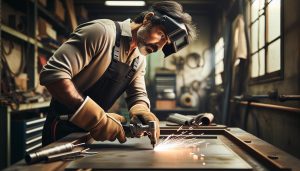
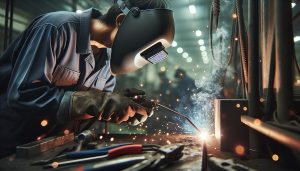
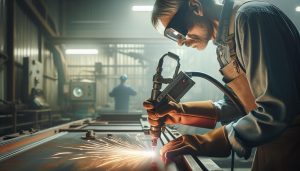
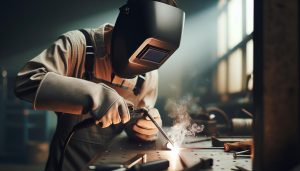
In the world of metalworking, the plasma cutter stands out as a game-changing tool, effortlessly slicing through materials with precision. Utilizing the fourth state of matter, plasma, this technology transforms electrical energy into intense heat, allowing even beginners to tackle complex projects with ease. As industries increasingly shift toward more efficient and versatile methods, understanding how plasma cutters work can enhance your skills and expand your capabilities. Whether you’re a hobbyist or a seasoned professional, mastering these tools can elevate your craftsmanship, streamline your workflow, and reduce material waste. Join us as we delve into the intricate mechanics of plasma cutting and explore the pivotal role it plays in modern fabrication.
How Plasma Cutters Work: A Technical Overview of the 4th State of Matter

The intriguing process of how plasma cutters function begins with an understanding of plasma itself, recognized as the fourth state of matter. Plasma arises when energy is added to a gas, enabling its atoms to become ionized-meaning they lose some of their electrons. As a result, plasma is composed of a collection of charged particles, ions, and free electrons that can conduct electricity. This unique property makes plasma essential in the realm of cutting metals, as it allows for efficient heat production when sustained by an electrical arc.
In a plasma cutter, compressed gas-commonly air, nitrogen, or argon-is funneled through an electrode contained within a nozzle. When the machine is activated, an electrical arc is struck between the electrode and the workpiece, effectively creating a highly concentrated area of heat. This extreme temperature can reach up to 30,000 degrees Fahrenheit, rapidly melting the metal around the cut line. As the molten metal is expelled by the force of the ionized gas, a precise and clean cut is achieved. Importantly, this combination of heat and velocity enables plasma cutters to slice through a wide variety of metals-including aluminum, steel, and stainless steel-with remarkable ease and accuracy.
For optimal plasma cutting, the nozzle’s design plays a critical role by guiding and stabilizing the plasma stream. The quality and composition of the gas being used can also influence cutting performance and efficiency. Various types of plasmas-such as pilot arc and high-frequency arc-have been developed, each with distinct advantages tailored to specific materials and thicknesses. Understanding these nuances helps welders select the appropriate equipment for their unique tasks, thereby enhancing both efficiency and safety in metal fabrication projects.
Incorporating plasma cutting technology into your workflow not only increases productivity but also expands your capabilities to work with diverse materials and complex designs. As plasma cutting processes continue to innovate, advancements such as automated plasma cutting and improved nozzle technologies are setting new standards in efficiency and precision, making it an indispensable tool for welders and metalworkers alike.
The Science Behind Plasma: Understanding the 4th State of Matter
Plasma, the fourth state of matter, plays a pivotal role in the cutting processes used in welding and metal fabrication. Arising from the ionization of gas, it consists of a mix of charged particles-ions and electrons-capable of conducting electricity. This unique characteristic enables plasma to generate extreme temperatures, which is why it is indispensable for metalworking applications, particularly in plasma cutting. With the ability to reach temperatures as high as 30,000 degrees Fahrenheit, plasma provides a focused heat source for melting and cutting a wide range of metals.
The formation of plasma begins when energy is introduced to a gas, causing its molecules to collide with sufficient force to strip electrons away. As a result, the gas transforms into a state where it can effectively conduct electricity. In the context of a plasma cutter, this process is harnessed through the controlled flow of compressed gas-commonly air, nitrogen, or argon-through an electrode situated in a nozzle. When this setup is activated, an electrical arc is formed, turning the gas into plasma. The combination of thermal energy and kinetic energy from the high-speed flow of the ionized gas results in an efficient cutting action that can swiftly slice through materials like aluminum and stainless steel.
A critical aspect of utilizing plasma effectively involves understanding the different types of plasma produced in cutting operations. For instance, types such as pilot arc systems are designed for thinner materials, while high-frequency arcs can offer enhanced cutting capabilities for thicker sections. This variability in cutting mechanisms allows welders to choose the appropriate plasma cutting method based on specific applications, thus enhancing precision and reducing waste. Understanding these fundamentals equips operators with the knowledge to optimize their cutting processes, improving both safety and output quality.
Incorporating this technology not only elevates a welder’s skill set but also expands the scope of projects one can undertake. With continuous innovations in plasma cutter design and functionalities-such as automated cutting systems and advanced nozzle options-plasma cutting is continually reshaping the landscape of metal fabrication. Embracing these advancements fosters a more efficient workflow, allowing professionals to tackle complex projects with speed and accuracy designed for an array of materials and thicknesses, reinforcing plasma’s vital role in modern metalworking.
Essential Components of a Plasma Cutter Explained
The components of a plasma cutter work in concert to create a precise, powerful tool essential for metal fabrication. Understanding these components equips users to operate the equipment effectively and maintain safety standards throughout the cutting process.
At the heart of a plasma cutter lies the plasma torch, which is responsible for converting gas into plasma through ionization. The torch consists of several critical parts: the nozzle, which shapes the plasma stream; the electrode, where the electrical arc is created; and the gas supply, typically comprising compressed air, nitrogen, or argon, that facilitates the plasma formation. The nozzle determines the width and shape of the cut, while the electrode serves as the source of the arc that initiates the conversion of gas into the fourth state of matter.
Another important element is the power supply, which delivers the necessary voltage and current to the torch for generating the electrical arc. Modern plasma cutters often have adjustable power settings, allowing operators to match the output to the thickness and type of metal being cut. Understanding the power supply’s capabilities is essential for optimizing cutting performance, as it enables the user to make informed choices for various applications.
Additionally, a quality ground clamp is vital for plasma cutting, providing a return path for the electrical current. Proper grounding not only ensures efficient cutting but also enhances safety by preventing electrical hazards. This component, often overlooked, plays a significant role in the overall effectiveness and safety of the cutting process.
Lastly, safety features such as cutting goggles and protective clothing are imperative when operating plasma cutters. The intense light emitted during cutting can cause serious eye damage, while sparks and molten metal can result in burns or other injuries. Utilizing the right safety gear protects operators, ensuring a secure and productive work environment.
By familiarizing oneself with these essential components, users can better understand how to leverage the powerful capabilities of plasma cutting technology while prioritizing safety in their metalworking endeavors.
Plasma Cutter Operation: Step-by-Step Breakdown

To successfully operate a plasma cutter, one must follow a series of methodical steps that ensure efficiency, precision, and safety. First and foremost, setup is critical. Begin by ensuring the workspace is clear and well-ventilated to prevent the accumulation of harmful fumes and debris. Assemble the plasma cutter according to the manufacturer’s guidelines, connecting the gas supply and securing the ground clamp to the workpiece to ensure a solid return path for the electrical current. It’s essential to double-check the connections to avoid unnecessary hazards during operation.
Once the equipment is set up, adjust the power settings based on the metal type and thickness. For example, thicker materials require higher amperage to ensure the plasma penetrates effectively. With the torch held at a proper angle-typically between 60 and 90 degrees-activate the power to initiate the arc. The arc will superheat the gas into a plasma state, allowing you to start cutting. A steady hand is crucial; move the torch smoothly along the cutting line, maintaining a consistent speed to achieve a clean edge.
After completing the cut, turn off the plasma cutter and allow it to cool before performing any maintenance. Proper shutdown procedures not only prolong the life of the equipment but also ensure safety by minimizing the risk of burns or equipment failure. As you become more proficient, practice on scrap materials to refine your technique and develop a feel for speed and angle adjustments. Regularly assess the consumables, like nozzles and electrodes, for wear, as these components can significantly impact cutting quality.
Lastly, don’t overlook the importance of cleaning the workspace after each session. Removing metal debris and ensuring that the area is tidy not only promotes safety but also prepares you for your next project, keeping you and your equipment in the best possible condition for future cutting endeavors.
Types of Plasma Cutters: Which One is Right for You?
When selecting a plasma cutter, understanding the different types available can significantly impact your cutting efficiency and project success. Plasma cutters can generally be categorized into two main types: air plasma cutters and high-definition plasma cutters. Each type serves distinct needs depending on the thickness of the material, the level of precision required, and the type of work you intend to perform.
Air plasma cutters are the most commonly used types for general applications and beginners. They are relatively affordable and versatile, making them a popular choice for hobbyists and small fabrication shops. These cutters utilize compressed air to create the plasma arc, which makes them ideal for cutting mild steel, aluminum, stainless steel, and other conductive materials up to moderate thicknesses, typically up to 1 inch. Their advantages include lower operational costs and ease of maintenance. Additionally, air plasma systems offer different amperage options to suit various cutting requirements, from intricate designs to heavier cutting tasks.
On the other hand, high-definition plasma cutters are designed for applications that demand exceptionally clean and precise cuts, often required in industrial settings. Equipped with advanced technology, these systems use a high-speed arc with a smaller nozzle that minimizes the heat-affected zone and produces superior edge quality. High-definition plasma cutters can easily handle thicker materials-sometimes exceeding 2 inches-and are often paired with CNC (Computer Numerical Control) systems for automated cutting solutions, thus enhancing productivity and consistency. While they come at a higher price point, the investment is justified by the significant reduction in post-processing requirements and improved cut accuracy.
Ultimately, the choice between air and high-definition plasma cutters should reflect your specific project needs, budget constraints, and desired outcomes. Consider the types of materials you typically work with and the thicknesses you’ll encounter most frequently. Beginners might start with air plasma cutters to build their skills and proficiency, while more experienced technicians or businesses focusing on high-precision applications may find that the advanced capabilities of high-definition systems pay off in the long run.
Safety Precautions When Using Plasma Cutters

Plasma cutting, a technique that utilizes the fourth state of matter, presents unique challenges and risks that require stringent safety measures. With superheated gas (plasma) capable of melting through metal in milliseconds, ensuring a secure working environment is paramount to prevent injuries and accidents. Awareness of safety precautions not only safeguards the user but also promotes efficient cutting practices.
First and foremost, appropriate personal protective equipment (PPE) is essential. Welders should wear flame-resistant clothing to shield against sparks, as well as leather gloves and a properly fitting welding helmet equipped with a suitable lens shade. This mitigates the risk of burns, eye damage, and potential long-term vision issues resulting from exposure to intense ultraviolet and infrared radiation. Moreover, using a respirator or fume extractor is advisable to filter out harmful fumes generated during the cutting process.
In addition to protective gear, maintaining a well-ventilated workspace is critical. Plasma cutting produces potentially toxic fumes that can be harmful if inhaled in large quantities. Ensuring adequate airflow, whether through open windows or mechanical ventilation systems, helps keep the air quality safe. Furthermore, it is vital to keep flammable materials away from the cutting area. Combustible substances can ignite unexpectedly due to sparks or the heat produced during cutting.
A thorough understanding of the plasma cutter’s operational features can also enhance safety. Regular inspections of equipment, including checking hoses for leaks and ensuring connections are secure, can prevent failures that might lead to accidents. Users should also familiarize themselves with the machine’s settings, especially those related to amperage and cutting speed, to avoid overheating materials and creating dangerous fumes.
When operating a plasma cutter, ensuring a stable and secure setup is important. The workpiece should be clean, free from contaminants such as rust or paint, to ensure efficient cutting. A sturdy work surface not only enhances cutting precision but also minimizes the risk of the workpiece shifting, which can lead to accidents. Always be mindful of positioning-maintain a safe distance from the cutting arc and keep hands and other body parts away from the cutting path.
Finally, training and familiarity with the equipment cannot be overstated. Regular practice and knowledge of safe cutting techniques foster confidence and proficiency, minimizing the likelihood of accidents. Before starting a project, review safety protocols and emergency procedures with all team members participating in the cutting process.
By incorporating these safety measures, welders can effectively reduce hazards associated with plasma cutting while enhancing their overall productivity and project success.
Common Plasma Cutting Techniques and Tips
When embarking on plasma cutting, it’s essential to understand and master various techniques that not only enhance efficiency but also ensure precision in your cuts. One important method to grasp is the drag cutting technique, where the plasma torch is dragged along the material’s surface. This technique is often recommended for thin materials, such as sheet metal, to minimize edge contamination and maximize cut quality. It allows for smoother movement, enabling careful handling and control, especially on intricate designs.
Another critical approach is the lift cut, which involves lifting the torch off the workpiece and then re-engaging it after a brief pause. This technique is useful for thicker materials and helps create a more uniform cut while reducing the chances of torch damage. Additionally, understanding the piercing technique is fundamental; it requires first establishing a hole before moving the torch across the material, facilitating cleaner exits and reducing the risk of slag buildup.
In terms of tips, maintaining the right cutting speed is crucial. A speed that’s too fast can result in a jagged edge, while cutting too slow may generate excessive heat, leading to distortion. It’s beneficial to adjust the plasma cutter’s settings according to the thickness and type of material being cut. For instance:
- Aluminum: Can require higher speeds due to its thermal conductivity.
- Stainless Steel: Often demands slower cuts to ensure clean edges and mitigate burn-through.
- Carbon Steel: Versatile for both quick and slow cuts depending on the thickness.
Further, maintaining a steady hand and proper posture is essential. Practicing on scrap materials can significantly improve dexterity and confidence with handling the plasma torch. Additionally, making sure your work area is clean and free of debris will aid in safety and the overall quality of the cuts.
Finally, always review the settings on your plasma cutter before starting a job. Double-check the amperage settings and ensure that the right nozzle is installed for the type of cut you intend to make. Regular maintenance of your equipment-cleaning nozzles and checking connections-can prevent unexpected issues and prolong the lifespan of your plasma cutter. These foundational techniques and tips will enhance both the outcome and safety of your plasma cutting projects.
Materials Suitable for Plasma Cutting: A Comprehensive Guide
When it comes to plasma cutting, understanding which materials are compatible is crucial for achieving optimal results. Plasma cutters work effectively on a variety of conductive materials, leveraging high-precision arcs to cut through even thick sections with ease. This versatility makes plasma cutting a preferred choice in industries ranging from automotive to construction, where different materials are routinely worked on.
Common Materials for Plasma Cutting
Plasma cutting excels with materials that are conductive, which typically include:
- Steel: Carbon steel is the most commonly used material, favored for its wide range of applications. It can be cut quickly and efficiently, though care must be taken to adjust cutting speeds based on thickness.
- Stainless Steel: This material requires specific attention due to its susceptibility to warping if excessive heat is generated. Slower cutting speeds are often necessary to achieve clean edges.
- Aluminum: Known for its thermal conductivity, aluminum may need higher speeds for effective cutting. Due to its lightweight properties, adjustments in technique can yield smoother, cleaner cuts.
- Copper: Plasma cutting can also be utilized for copper, which presents its unique challenges. Given its excellent thermal conductivity, it’s essential to optimize your settings to avoid warping the material.
- Brass: Similar to copper, brass can be plasma cut, making it suitable for applications such as decorative features and architectural elements.
Factors to Consider
When selecting materials for plasma cutting, it is essential to consider factors such as thickness, type of cut, and desired finish. For example:
- Thickness: Thicker materials require different amperage settings and speeds compared to thinner ones. Adjustments are essential for minimizing slag and achieving precise cuts.
- Material Condition: Materials may have surface coatings or impurities that can affect cut quality. Always clean the workpiece to prevent contaminants from interfering with the cutting process.
- Desired Finish: Some materials may necessitate subsequent finishing processes, such as grinding or polishing, especially if aesthetics are a priority.
By understanding the compatibility of these materials and factoring in the specific requirements for cutting, operators can enhance both efficiency and quality in their plasma cutting operations. Additionally, regular practice and experience will contribute to developing an intuitive understanding of how different materials respond, making the process smoother and more productive.
Identifying Faults: Troubleshooting Common Plasma Cutter Issues
When facing issues with plasma cutting, prompt identification and resolution are key to maintaining productivity and achieving high-quality cuts. Several common issues can arise, which often relate to the equipment settings, consumable components, or the condition of the workpiece. Understanding these faults can significantly enhance your troubleshooting efficiency, ensuring a smoother and more effective cutting process.
One prevalent issue is inconsistent cutting quality, which may manifest as rough edges or excessive slag. This can often be attributed to improper settings for the material being cut. Ensure that the amperage is appropriate for the thickness of the material-too low can cause incomplete cuts, while too high may lead to overheating and burn-through. Always check that the cutting speed matches the material’s specifications. For instance, cutting stainless steel typically requires slower speeds to maintain edge quality, while aluminum might necessitate faster cuts due to its thermal characteristics.
Another common problem is poor arc stability, which may result in erratic operation or failure to maintain a continuous cut. This instability can stem from worn-out consumables, such as the nozzle or electrode. Regularly inspect these components and replace them as necessary; worn electrodes can cause the arc to wander, affecting the precision of the cut. Furthermore, ensure that the gas flow rate is correctly set. Insufficient gas flow can lead to turbulence and disrupted cutting, while excessive flow may dilute the plasma arc, complicating cuts.
It’s also crucial to assess the condition of the workpiece itself. Materials that are dirty or covered with contaminants can severely impact the cutting process. Always clean the area to be cut and remove any coatings or rust. If the cutting is still problematic, check the grounding of the workpiece-the connection must be secure to allow for effective current flow through the circuit. Poor grounding leads to weak arcs and inconsistent performance.
By methodically diagnosing these common issues, you can quickly return to effective plasma cutting operations. Regular maintenance of both the machine and the materials is essential to prevent many of these faults, keeping your plasma cutting projects on track and achieving the desired outcomes.
Maintenance Tips for Longevity of Your Plasma Cutter
A well-maintained plasma cutter is essential for achieving optimal performance and maximizing the lifespan of this powerful tool. Regular maintenance not only ensures consistent cutting quality but also helps prevent costly repairs and downtimes. Just as a high-performance vehicle requires routine checks to keep it running smoothly, your plasma cutter needs attention to thrive in demanding environments.
To start, regularly inspect and replace consumables such as nozzles and electrodes, which are critical for maintaining arc stability and cut precision. Over time, these components wear down and can lead to erratic cutting if not addressed. Depending on usage, it’s advisable to check these parts after every few hours of cutting. Additionally, cleaning the torch head and ensuring that all electrical connections are secure can significantly enhance performance. Dust, debris, and oxidation can create resistance leading to inconsistent arcs.
Gas Supply and Quality Maintenance
It’s crucial to monitor the gas supply as well. The type of gas used, generally either air or a specific inert gas mixture, can affect cutting quality. Always verify that the gas pressure is adjusted correctly according to manufacturer specifications. Poor gas flow can cause turbulence that disrupts the plasma arc, while too high a flow rate can dilute the arc itself, diminishing cutting efficiency. Maintain clean gas lines and filters to prevent contamination that could impair functions.
Routine Visual and Functional Checks
Additionally, conducting routine visual inspections of the unit can catch potential issues before they escalate. Look for signs of wear on cables and tubing, as well as any discoloration or damage to the power source. Keeping the workspace clean and organized will prevent unnecessary accidents and allow for a more efficient setup. Regularly performing these checks fosters a proactive maintenance routine that contributes to both safety and productivity during plasma cutting projects.
By implementing these simple yet effective maintenance practices, you can ensure that your plasma cutter remains a reliable tool in your arsenal, ready to tackle any metalworking challenge. Making maintenance a priority not only enhances performance but also sets the stage for high-quality results in each cutting job.
Plasma Cutting vs. Other Cutting Methods: Pros and Cons
Plasma cutting stands out in the metalworking arena not just for its precision, but also for its unique ability to handle a wide range of materials and thicknesses. Unlike traditional methods such as oxy-fuel cutting or mechanical cutting, plasma cutting employs a high-velocity jet of ionized gas, enabling it to cut through electrically conductive materials like stainless steel, aluminum, and copper with remarkable speed and accuracy. The versatility of plasma cutters gives them an edge in applications that require intricate designs or thin-walled sections, which could be problematic for other cutting methods.
When comparing plasma cutting with other techniques, several pros and cons emerge. One of the significant advantages of plasma cutting is its cutting speed. The process can efficiently cut through materials up to several inches thick in a fraction of the time it would take other methods such as laser or waterjet cutting. However, it may not be suitable for non-conductive materials-something that other techniques like waterjet cutting can handle with ease. Additionally, the initial setup cost for plasma equipment can be lower than that of a laser cutter, which usually requires more extensive equipment investment and maintenance.
Nevertheless, there are drawbacks to consider. Plasma cutting generally produces rougher edges compared to laser cutting, which can require additional finishing work, especially for applications involving precise tolerances. Furthermore, the heat-affected zone (HAZ) can be larger when using plasma, possibly leading to warping in thinner materials due to the high-temperature input. Understanding these trade-offs is crucial when selecting a cutting method for specific projects.
In practical terms, each cutting method has unique applications where it excels. For instance, oxy-fuel cutting remains preferable for thick steel, particularly in heavy industrial settings, but is limited to ferrous metals. Conversely, TIG and MIG welding, often used in conjunction with cutting methods, work best for joining materials rather than cutting them. Ultimately, the choice between plasma cutting and its counterparts hinges on project requirements, material types, and desired finish quality, making a thorough evaluation of each method’s strengths and weaknesses essential for optimal results.
Innovations in Plasma Cutting Technology: What’s New?
Advancements in plasma cutting technology continue to revolutionize the metalworking industry, enhancing both performance and efficiency for a variety of applications. Recent innovations have focused on enhanced control systems and improved cutting precision. For instance, newer plasma cutters now come equipped with advanced CNC (Computer Numerical Control) interfaces that allow for automated cutting paths, which can optimize material usage and reduce wasted time. These systems can also be programmed for intricate cuts, achieving results that were once only possible with laser cutting-a clear testament to the evolving capabilities of plasma technology.
Another significant innovation is the development of hybrid plasma cutting systems that combine traditional plasma cutting with other techniques, such as laser assist. This hybrid approach leverages the strengths of both methods, providing smoother edges and reducing the heat-affected zone during cutting. Such innovations allow for improved material handling and minimize post-cut finishing processes, which can be crucial in industries where precision is paramount.
In addition to performance features, safety has always been a critical consideration in plasma cutting advancements. Newer models are designed with enhanced safety controls, including integrated shielding and automatic shut-off features that activate if the cutter overheats or operates outside safe parameters. These improvements not only protect the operator but also extend the lifespan of the equipment.
Moreover, the push for sustainability has influenced recent designs, with manufacturers focusing on energy-efficient models that consume less power while maintaining cutting performance. This shift not only lowers operational costs but also aligns with global efforts to reduce energy usage in industrial processes. As the technology behind plasma cutters continues to evolve, those in the metalworking field can expect more efficient, versatile, and safer solutions to meet their cutting needs in the years to come.
FAQ
Q: What is plasma and how is it created in plasma cutting?
A: Plasma is the fourth state of matter, consisting of ionized gas that conducts electricity. In plasma cutting, an electrical arc is established between an electrode and the workpiece, heating and ionizing the gas to create plasma, which allows for precise cuts in conductive materials.
Q: Why is plasma cutting preferred over other methods like oxy-fuel cutting?
A: Plasma cutting is preferred because it delivers faster cutting speeds, cleaner edges, and greater precision on a wide variety of materials, including thin and thick metals. Unlike oxy-fuel, plasma cutting does not require additional gases and can cut through reflective surfaces without distortion.
Q: What materials can be effectively cut using a plasma cutter?
A: Plasma cutters can efficiently cut a wide range of metals, including steel, aluminum, brass, and stainless steel. The ability to cut various thicknesses makes them versatile for applications in automotive, manufacturing, and artistic metalwork.
Q: How do I choose the right plasma cutter for my needs?
A: To select the right plasma cutter, consider the thickness of materials you’ll cut, required cutting speed, power supply availability, and necessary portability. It’s essential to match the cutter’s capabilities to your specific projects, as outlined in the “Types of Plasma Cutters” section of the article.
Q: What safety precautions should be taken while using a plasma cutter?
A: Always wear appropriate safety gear such as gloves, goggles, and protective clothing. Ensure proper ventilation, keep flammable materials away, and be aware of electrical hazards. Refer to the “Safety Precautions When Using Plasma Cutters” section for detailed guidelines.
Q: How can I troubleshoot common issues with my plasma cutter?
A: Common issues include poor cut quality, excessive spatter, and inconsistent arc. To troubleshoot, check the power supply, ensure proper settings for the material thickness, and inspect the nozzle and electrode for wear, as detailed in the “Identifying Faults” section of the article.
Q: What innovations are currently shaping plasma cutting technology?
A: Innovations in plasma cutting include advancements in inverter technology, integrating CNC automation for precision cutting, and improved plasma gas mixtures for cleaner cuts. The “Innovations in Plasma Cutting Technology” section discusses these enhancements and their impact on efficiency.
Q: Can plasma cutting be used for artistic metalwork?
A: Yes, plasma cutting is ideal for artistic projects due to its ability to create intricate designs with clean edges. Artists often use plasma cutters for decorative metal pieces, sculptures, and custom designs, leveraging its precision and adaptability.
In Summary
Understanding how a plasma cutter leverages the unique properties of the fourth state of matter opens doors to precision cutting and creative fabrication. If you found this exploration enlightening, you’re just scratching the surface! Dive deeper into related techniques with our guides on MIG welding and TIG welding, where you’ll uncover more about the crucial equipment and safety protocols that every welder should know.
Now is the perfect time to elevate your welding skills or explore new projects! Whether you’re considering professional development or tackling DIY adventures, we’ve got you covered. Don’t forget to sign up for our newsletter to stay updated with the latest tips, tools, and resources tailored for both beginners and seasoned experts alike.
Still have questions or want to share your experiences? We welcome your comments and insights! Your journey in mastering plasma cutting and welding doesn’t end here-explore our resources, enhance your craft, and join a community of passionate welders who make a difference daily.