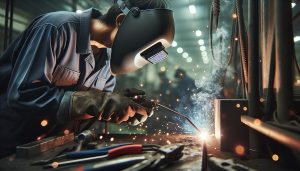
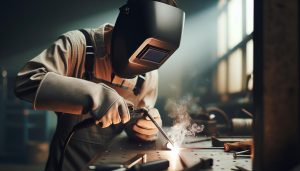
Understanding how deep a plasma cutter can cut is crucial for both hobbyists and professionals in metal fabrication. Plasma cutting is a versatile and efficient method for slicing through conductive materials, but its effectiveness hinges on factors such as machine specifications, material type, and thickness. As you navigate various projects, knowing the maximum thickness limits not only enhances your productivity but also ensures safety and precision. Whether you’re shaping intricate designs in steel or tackling heavy-duty industrial jobs, this guide will illuminate the capabilities of plasma cutting technology. Dive deeper to learn how to select the right tool and optimize your cutting technique for exceptional results.
Understanding Plasma Cutting and Its Capabilities
In the world of metal fabrication, plasma cutting stands out as a highly efficient and versatile method for penetrating various conductive materials. This process operates at remarkable speeds, making it a go-to for industries demanding both accuracy and adaptability. Essentially, plasma cutting utilizes an electrically charged gas, or plasma, to melt through metal. The results can be breathtaking, allowing for clean edges and intricate designs that leave traditional cutting methods in the dust. However, a common query among professionals and hobbyists alike revolves around the maximum cutting thickness these machines can handle effectively.
Understanding the capabilities of plasma cutters is crucial for determining their suitability for specific projects. Standard plasma cutters can usually manage thicknesses up to 1 inch (25.4 mm) in mild steel; however, high-definition plasma cutting systems can slice through materials over 2 inches thick with exceptional precision. Several factors play a role in these limits, such as the type of cutter being used, the quality and type of plasma nozzle, cutting speed, and the nature of the material itself. For instance, while stainless steel might require a different approach than aluminum, the right equipment and settings can ensure optimal results.
For those considering plasma cutting for their projects, it’s essential to explore factors that impact cutting depth. These include power supply capabilities, the specific design features of the cutter, such as its amperage and cooling mechanism, and environmental conditions that may affect performance. By grasping these elements, users can make informed decisions about equipment choices, enhancing their overall cutting experience.
Factors Affecting Maximum Cutting Thickness
The depth a plasma cutter can achieve is influenced by several critical variables, each playing a pivotal role in determining the effectiveness of the cutting process. Understanding these factors helps operators make necessary adjustments, ensuring optimal performance and reducing the risk of faulty cuts.
One of the primary determinants is the amperage of the plasma cutter. Higher amperage settings allow for increased energy output, enabling the plasma to penetrate thicker materials. For example, a machine rated at 60 amps can typically handle thicker cuts more effectively than one rated at 30 amps. Additionally, the quality of the plasma nozzle and its design impact cutting depth. Nozzles designed for high-definition cutting often provide better arc stability and focus, which not only enhances cut quality but also expands the maximum thickness limits.
Another crucial factor is the type of material being cut. Different metals react differently to plasma cutting; for instance, aluminum, which has a lower melting point, requires different settings compared to stainless steel. The presence of coatings or oxides on the surfaces can also affect cutting efficiency and the maximum thickness achievable. Cutting speed plays an equally vital role; slow speeds can generate more heat, allowing the plasma to penetrate deeper, whereas cutting too quickly can compromise both the cut quality and thickness.
Environmental conditions such as temperature and moisture levels also influence the cutter’s performance. High humidity can affect the plasma arc, leading to instability and unpredictable cutting depths. Proper maintenance of equipment, including regular cleaning and checking of consumables, further ensures that the cutter operates at its peak capabilities.
By recognizing and adjusting for these factors, operators can significantly enhance their plasma cutting capabilities, allowing them to achieve deeper cuts effectively and efficiently.
Types of Plasma Cutters: Which Can Cut Deeper?
To effectively achieve deeper cuts with a plasma cutter, understanding the different types of plasma cutters available in the market becomes essential. Each type is designed with specific capabilities, and while all plasma cutters utilize the same fundamental principle of using plasma to cut through metal, the depth of their cutting ability can vary significantly based on their construction and intended use.
There are primarily two categories of plasma cutters: manual and CNC plasma cutters. Manual plasma cutters, often used by hobbyists and small shops, typically have limited cutting capabilities in terms of thickness. These units usually operate at lower amperage, making them well-suited for thinner materials such as sheet metal or aluminum that are less than 1/2 inch thick. For instance, a hobbyist-grade manual plasma cutter may only effectively cut through materials up to 3/8 inch, making it less ideal for jobs requiring deep cuts.
On the other hand, CNC plasma cutters are designed for more demanding applications and can handle significantly thicker materials. With the integration of computer numerical control technology, these machines allow for precise cutting with greater control over speed and efficiency. High-end CNC plasma cutters can cut through steel plates up to 1 inch or more, depending on their amperage and design. The versatility of these systems means operators can switch between different thicknesses and types of materials, including stainless steel and thick carbon steel, without losing quality.
Moreover, it’s crucial to consider high-definition plasma (HDP) systems, which often represent the cutting edge in plasma cutting technology. These advanced machines utilize finely engineered nozzles and sophisticated arc control technologies that improve arc stability and increase the depth of cut while maintaining superior cut quality. HDP systems can consistently handle thicker materials and yield cleaner edges, making them ideal for industrial applications where precise, deep cuts are paramount.
In conclusion, selecting the right type of plasma cutter for deep cutting tasks hinges on understanding the machine’s specifications, including amperage limits and material compatibility. Whether navigating the challenges of hobby-level manual units or investing in advanced CNC and HDP systems, recognizing the differences will enable welders and metalworkers to select the best tool for their specific cutting needs, thus enhancing efficiency and output quality.
Comparing Plasma Cutters to Other Cutting Methods
When considering cutting methods, plasma cutting stands out due to its unique advantages in terms of speed, precision, and versatility, particularly for metals. While other techniques like oxy-fuel cutting, laser cutting, and waterjet cutting each have their merits, plasma cutting often provides a compelling balance of performance and cost-effectiveness, especially for thicker materials.
Plasma cutters utilize an ionized gas, or plasma, to swiftly and effectively cut through metals. This technology excels in delivering high-quality cuts on a wide range of materials and thicknesses, typically exceeding 1 inch for some industrial-grade systems. In contrast, oxy-fuel cutting, while capable of cutting thicker sections of steel, operates best on materials with a certain thickness threshold and is unsuitable for non-ferrous metals like aluminum. Moreover, oxy-fuel systems can produce a slower cutting speed and may not achieve the clean, dross-free edges that plasma systems are known for.
Laser cutting provides exceptional precision and is ideal for intricate designs, but it often comes with higher operational costs and limitations in material thickness-especially when cutting reflective metals such as aluminum and copper. Waterjet cutting, another excellent option, uses a high-pressure stream of water mixed with abrasives and can cut through a range of materials without thermal distortion. However, waterjet systems are generally more expensive and slower than plasma cutters, making them less suitable for applications requiring rapid production rates.
### Comparison Overview
- Cutting Speed: Plasma cutting is typically faster than both oxy-fuel and waterjet cutting, with laser cutting offering precision at a slower speed.
- Material Versatility: Plasma can cut various metals, including stainless steel and aluminum, which are challenging for oxy-fuel systems.
- Cost Efficiency: Overall operational costs of plasma cutting tend to be lower, especially when cutting thicker materials.
- Edge Quality: Plasma cutters provide clean edges, while oxy-fuel may require additional finishing processes.
In summary, while plasma cutting may not be the best choice for every application, its speed, cost-effectiveness, and ability to handle a variety of materials in thicker dimensions make it a strong contender in the landscape of cutting methods. The choice between cutting technologies should be informed by specific project requirements, material types, and desired outcomes, enabling fabricators and welders to optimize their operations based on efficiency and precision.
Real-World Applications: Where Thick Cuts Matter
In industries where heavy-duty materials are the norm, the ability to make deep cuts efficiently can significantly impact production timelines and quality. Plasma cutting’s strengths are particularly pronounced in real-world applications where thickness is a crucial factor. For instance, in the construction sector, plasma cutters are routinely used to slice through thick steel plates used in structural frameworks. The ability to achieve high-quality, dross-free cuts without preheating makes plasma cutting particularly advantageous compared to traditional methods, allowing for faster assembly and reduced waste.
In manufacturing environments, especially in heavy machinery and automotive sectors, thick cuts are often required for parts and components that endure extreme conditions. Plasma cutting excels in applications such as creating frames, brackets, and mounts, providing a balance of speed and precision that traditional oxy-fuel cutting cannot consistently match. This capacity allows manufacturers to adhere to tight deadlines while meeting strict quality standards. For instance, industries that fabricate components for the aerospace sector benefit from the clean edges produced by plasma cutting, which reduces the need for extensive post-processing.
Moreover, the versatility of plasma cutters is invaluable when dealing with various materials. For example, while steel is a common subject for deep cuts, aluminum is increasingly present in many designs due to its lightweight properties. Plasma cutting not only accommodates these materials but also performs well without the risk of warpage that can occur with other cutting methods, making it an essential tool for fabricators involved in creating prototypes or specialized parts.
The ability to switch between different materials and cutting depths with relative ease also makes plasma cutting an attractive choice for artists and designers looking to shape their vision into reality. Custom sculptures or industrial art pieces often necessitate custom sizes and depths, where the adaptability of plasma cutters shines. The juxtaposition of speed and precision ensures that artists can achieve their intended aesthetics without compromising structural integrity.
In summary, the applications for thick cuts using plasma cutting technology are vast and varied across many sectors. The efficiency, precision, and versatility of plasma cutters not only enhance productivity but also enable innovative approaches to design and fabrication in a wide array of industries.
Material Considerations: Aluminum vs. Steel
In the world of metal fabrication, the choice between aluminum and steel can significantly influence the efficiency and quality of plasma cutting projects. Aluminum, known for its lightweight and high strength-to-weight ratio, is increasingly favored in industries such as aerospace and automotive. Steel, on the other hand, is prized for its durability and strength, making it the go-to material for applications like structural components and heavy machinery. Understanding the characteristics of each material is crucial for maximizing the capabilities of a plasma cutter.
When it comes to cutting thickness, both materials present unique challenges and opportunities. Generally, plasma cutters can slice through aluminum with greater ease than steel due to aluminum’s lower melting point. This allows for faster cutting speeds and intricate designs without warping or excessive heat distortion. For instance, a plasma cutter can efficiently handle ½ inch thick aluminum with a clean edge, often achieving dross-free results. Conversely, cutting through thick steel-such as ¾ inch or more-requires appropriate power settings and flow rates, as steel’s higher melting point demands a more robust cutting configuration.
In practical applications, the flexibility of plasma cutting is particularly evident when transitioning between materials. Fabricators who frequently work with both aluminum and steel can benefit from plasma cutters designed with adjustable settings that cater to the specific properties of each metal. With the right technique and settings, plasma cutting can produce convincing, clean cuts in both materials while maintaining precise tolerances.
Moreover, safety considerations are paramount when working with both types of metals. Since aluminum can create fine shavings that are highly flammable, ensuring proper ventilation and using protective gear is essential. Steel, particularly during cutting, can produce sparks and slag, necessitating adequate personal protective equipment (PPE) and workspace precautions to prevent accidents.
Ultimately, the decision between aluminum and steel, and the associated cutting methods, hinges on the project’s specific requirements. Understanding these materials’ unique properties, along with the plasma cutting system’s capabilities, equips professionals with the knowledge to deliver high-quality results in their fabrication projects.
Common Mistakes When Using Plasma Cutters
Operating a plasma cutter can transform metal fabrication projects, but common pitfalls can lead to subpar results and increased risks. One critical mistake is incorrect amperage settings. Many users fail to adjust the amperage according to the thickness and type of material being cut. Using too low of an amperage can result in incomplete cuts while excessive amperage can cause excessive heat, leading to warping or burn-through. Always refer to the manufacturer’s specifications for the recommended settings based on the material type and thickness to ensure optimal performance.
Another frequent error revolves around the distance between the torch and the workpiece. Users often misjudge this gap, leading to inconsistent cutting. A too-high distance can result in poor quality cuts, characterized by dross and increased tapering, whereas a too-low distance risks damaging the torch and the nozzle. Maintaining a consistent standoff distance-typically about 1/8 inch for most applications-is essential for achieving clean edges and preventing unnecessary wear on the equipment.
Moreover, inadequate preparation of the workpiece is a vital aspect that is often overlooked. Surface contaminants such as paint, rust, and oil can adversely affect the cutting process. These contaminants interfere with the plasma arc, leading to dirty cuts and increased wear on consumables. Prior to cutting, ensure the workpiece is clean, dry, and free from rust or coatings. A simple wipe down with a degreaser or abrasive pad can significantly enhance cut quality.
Lastly, neglecting safety protocols can have dire consequences. Many operators underestimate the importance of proper personal protective equipment (PPE), such as gloves and face shields, as well as ventilation in workspaces. Floating sparks and fumes from cutting can pose hazards that are easily mitigated with appropriate safety measures. Additionally, ensure that the work area is clear of flammable materials to prevent accidents. By focusing on these common errors and implementing corrective measures, users can not only attain superior cuts but also enhance their safety while operating plasma cutters.
Maintaining Your Plasma Cutter for Optimal Performance
The efficiency and performance of a plasma cutter are significantly influenced by how well it is maintained. Proper maintenance not only extends the life of your equipment but also ensures optimal cutting depth and quality. A well-maintained plasma cutter can easily handle thicker materials and provide clean, precise cuts, which is essential for any serious fabrication project.
To keep your plasma cutter functioning at its best, regularly check and replace consumables such as electrodes and nozzles. These parts are subject to wear and tear during operation, and they play a crucial role in maintaining the plasma arc. Monitoring these components and replacing them based on usage can prevent issues such as poor cut quality and inefficient performance. A good rule of thumb is to inspect consumables after every significant job or every few hours of operation during heavy usage.
Cleaning and Calibration
Regular cleaning is another essential aspect of maintenance. Ensure that the torch and the surrounding areas are free from debris, which can obstruct airflow and affect performance. Use a soft brush or cloth to remove any buildup. Additionally, keeping the air supply clean and free of moisture is crucial. Contaminants in the air supply can introduce impurities into the plasma arc, resulting in uneven cuts and increased wear on consumables. Employing an inline filter can help maintain a clean air supply and prolong the life of your plasma cutter.
Calibrating your plasma cutter at regular intervals is also important. Incorrect settings can lead to issues such as subpar cut depths and excessive dross. Always refer to the manufacturer’s specifications for adjusting voltage and amp settings based on the material being cut. This ensures that your machine operates within the optimal range for the thickness of materials you are working with.
Storage and Environmental Considerations
Proper storage of your plasma cutter is vital for its longevity. When not in use, store it in a dry, temperature-controlled environment to prevent corrosion and moisture buildup. Avoid placing heavy items on top of the cutter or its leads, which can cause physical damage over time. Also, consider environmental factors such as dust and humidity levels, which can affect the machine’s components.
By prioritizing regular maintenance and adopting good operational practices, you can significantly enhance the performance of your plasma cutter, allowing for deeper cuts and superior results in your fabrication tasks.
Safety Protocols for Deep Plasma Cuts
The potential of plasma cutters to achieve deep and intricate cuts makes them valuable in various industrial applications, but it also underscores the importance of strict safety protocols. As you strive to optimize cutting performance, particularly when working with thicker materials, understanding and implementing effective safety measures becomes paramount to ensure both personal safety and equipment integrity.
First and foremost, wearing appropriate personal protective equipment (PPE) is crucial. This includes using a suitable welding helmet with the correct shade for plasma cutting, gloves made from heat-resistant materials, and protective clothing that covers exposed skin. Additionally, it is important to ensure proper ventilation in the workspace to mitigate exposure to harmful fumes generated during the cutting process. Setting up a well-organized work environment can minimize distractions and hazards, promoting a safer cutting experience.
Proper setup and operation of the plasma cutter should also be prioritized. A thorough inspection of the equipment before use-checking for damaged leads, ensuring no leaks in the air supply, and confirming that the torch and consumables are in good condition-can prevent malfunctions that may lead to accidents. Following the manufacturer’s guidelines for setup, including maintaining the correct distance from the material being cut, is essential for achieving precision cuts while reducing the risk of injury from sparks or hot metal debris.
Moreover, adhering to safe operational practices cannot be overstated. This includes maintaining a clear and organized workspace free from flammable materials, as sparks can easily ignite combustible substances. Operators should also be trained to recognize the signs of equipment stress, such as excessive dross or inconsistent cutting quality, which may indicate the need for adjustments or maintenance before proceeding with deeper cuts. Regular training sessions can reinforce safety protocols and keep all workers informed on the best practices for safe plasma cutting.
By focusing on these safety measures, operators can significantly reduce risks associated with deep plasma cutting, ensuring a safer environment that fosters productivity and protects the welder from potential injuries or equipment failure.
Upgrading Your Equipment for Increased Cutting Depth
When it comes to cutting depth, the capabilities of your plasma cutter are significantly influenced by the equipment you choose. Understanding how to upgrade and select the right tools can enable operators to tackle thicker materials with greater efficiency. A high-quality plasma cutter designed for deep cuts not only enhances precision but also impacts the overall workflow, reducing cutting time and improving project outcomes.
To achieve increased cutting depth, consider investing in a plasma cutter with a higher amperage rating. Most standard plasma cutters operate effectively at around 30-50 amps, primarily suited for thinner materials. However, if your goal is to cut through thicker plates, look for machines that offer 70 amps or more. These units typically feature advanced technologies such as high-frequency start, which allows for better penetration and a cleaner cut through metals like steel and aluminum. Moreover, be mindful of the torch design; selecting one equipped with appropriate consumables can significantly enhance cutting performance and longevity of the cutter.
Another factor is gas consumption and pressure. Upgrading to a unit that accommodates higher pressure capabilities can facilitate better gas flow, thereby producing a more concentrated and stable plasma arc. This is particularly crucial when cutting thick material, as the increased pressure helps maintain the arc stability required for clean cuts. Furthermore, consider investing in plasma cutting tables designed for automation; these can optimize the cutting paths and ensure more consistent results when dealing with high volume or intricate designs.
Whether upgrading your existing setup or investing in a new system, don’t overlook the importance of regular maintenance. Consistently cleaning and inspecting the cutting torch and air supply lines will prevent performance degradation and maintain optimal cutting depth over time. By focusing on these elements, operators not only expand their cutting capabilities but also enhance overall workplace efficiency and safety standards.
Future Trends in Plasma Cutting Technology
As industries strive for greater efficiency and precision in fabrication, the future of plasma cutting technology is rapidly evolving. One of the most promising trends is the integration of smart technology and automation into plasma cutting systems. By utilizing sensors and data analytics, advanced plasma cutters can now adjust parameters such as amperage, speed, and gas flow in real-time based on the material type and thickness being processed. This adaptability not only enhances cutting quality but also reduces operator error and material waste, allowing for deeper cuts with improved consistency.
Another significant advancement lies in the use of more efficient and sophisticated plasma gases. Traditional air or nitrogen gases are now complemented by alternative mixtures that optimize the plasma arc’s stability and heat input. For instance, using a mixture of oxygen and argon can produce cleaner cuts and higher arc temperatures, making it easier to cut through significantly thicker materials with minimal distortion. Such innovations are especially beneficial in sectors requiring heavy-duty applications, such as shipbuilding and heavy machinery manufacturing.
Additionally, manufacturers are developing plasma cutters with enhanced portability and user-friendly features. Lightweight, compact designs equipped with battery-powered options enable operators to achieve high-quality cuts on-site rather than being tethered to a fixed location. This trend supports the growing demand for mobile fabrication units and makes the technology more accessible to smaller shops and individual craftsmen.
The rise of additive manufacturing technologies also complements advancements in plasma cutting. Techniques such as 3D printing are increasingly being integrated with traditional cutting processes, allowing for more intricate designs to be fabricated with enhanced capabilities. For example, plasma cutters can be used to produce complex geometries that are printed in layers, expanding the range of applications and complexity that can be economically achieved.
In summary, the future of plasma cutting technology promises deeper, more versatile, and highly efficient cutting operations driven by automation, improved gases, and innovative integration with other manufacturing processes. As these advancements unfold, operators will have access to tools that not only enhance their cutting capabilities but also streamline their workflows, ultimately elevating production standards across industries.
Expert Tips for Achieving Precision Cuts
To achieve precise cuts when using a plasma cutter, attention to detail and an understanding of equipment settings are crucial. Achieving a flawless edge isn’t simply about cutting depth but also involves how well you control the plasma arc and the cutting speed. One effective practice is to maintain a consistent torch height. Keeping the torch at an optimal distance from the workpiece ensures the arc remains stable, resulting in cleaner cuts and reducing the risk of kerf widening. A height too high or too low can adversely affect the quality of the cut.
Another essential factor is the choice of consumables. Selecting the right nozzle and electrode can dramatically influence cutting precision. For finer cuts, using a smaller diameter nozzle allows for better control and reduces heat input, which minimizes warping of the material. Always ensure that these components are in good condition, as worn out or improperly sized consumables can lead to increased slag and rough edges, diminishing the overall cut quality.
It’s also beneficial to adjust the cutting speed relative to the thickness and type of material. Slower cutting speeds enable the plasma arc to penetrate deeper, while faster speeds may reduce heat input, which can be essential when working with thinner materials to avert burn-through. Experimenting with different speeds for various materials is key to mastering precision, as each material behaves differently under heat.
Additionally, environmental factors like air flow can affect the cut quality. Ensuring a calm workspace reduces the chances of interference that might divert the plasma arc, thereby preserving the cleanliness of the cut. Lastly, consider utilizing advanced technology and automation where possible, such as CNC plasma cutting systems, which can offer enhanced precision through controlled motions and settings.
In summary, precision cutting with a plasma cutter comes down to maintaining torch height, selecting appropriate consumables, adjusting cutting speeds, controlling environmental factors, and utilizing technology where feasible. This holistic approach will not only enhance the quality of your cuts but also improve efficiency and repeatability in your work.
Frequently Asked Questions
Q: How deep can a plasma cutter cut in steel?
A: A plasma cutter can typically cut steel up to 1 inch thick, depending on the machine’s power. Higher-end plasma cutters may achieve cuts of up to 2 inches in some scenarios. For optimal performance, ensure proper settings and material preparation.
Q: What factors affect the maximum cutting thickness of plasma cutters?
A: The maximum cutting thickness of plasma cutters is affected by power output, nozzle size, gas type, and cutting speed. Understanding these factors can help you choose the right equipment for your cutting needs. Refer to the section on “Factors Affecting Maximum Cutting Thickness” for more details.
Q: Can plasma cutters cut through aluminum? If so, how thick?
A: Yes, plasma cutters can effectively cut aluminum, generally up to 1 inch thick. Thicker cuts are possible with higher power machines. Consider the differences between aluminum and steel cutting to achieve the best results.
Q: How does a plasma cutter’s thickness limit compare to other cutting methods?
A: Plasma cutters usually outperform oxy-fuel torches for cutting metals thicker than 1/4 inch due to faster speeds and cleaner cuts. While laser cutters excel in precision for thinner materials, plasma cutters offer flexibility for various thicknesses.
Q: What are the best practices for maximizing cutting depth with a plasma cutter?
A: To maximize cutting depth, use suitable electrode and nozzle combinations, ensure proper gas flow, and maintain a steady cutting speed. Regular maintenance of equipment is also crucial for achieving optimal results.
Q: How does material type influence plasma cutting depth capabilities?
A: Material types significantly influence cutting capabilities; for instance, thicker and denser materials like stainless steel may limit the depth compared to softer metals such as aluminum. Check the “Material Considerations” section for a thorough comparison.
Q: What common mistakes to avoid when cutting thick materials with a plasma cutter?
A: Common mistakes include using the wrong settings, inadequate gas pressure, and not maintaining the equipment. Always follow manufacturer guidelines and performance tips outlined in the article for better results.
Q: When should I consider upgrading my plasma cutter for deeper cuts?
A: Consider upgrading your plasma cutter when you frequently require cuts deeper than your current model allows. Explore options with increased power output and advanced features to enhance cutting capabilities. For insights on equipment upgrades, refer to the “Upgrading Your Equipment” section.
Final Thoughts
As you dive deeper into understanding the capabilities of plasma cutting, remember that knowing the maximum thickness limits is just the beginning. With the right equipment and techniques, such as MIG and TIG welding, you can tackle a variety of projects that involve materials like aluminum and steel. Don’t let uncertainty hold you back-explore our guides on welding techniques and safety protocols to enhance your skills today.
If you have more questions or need personalized advice, consider signing up for our newsletter to stay updated on the latest tips and tools in the welding world. Your next step could lead to mastering advanced plasma cutting applications or discovering the perfect gear for your needs. Engage with us by leaving your thoughts or questions in the comments below-your feedback helps us provide the best resources for welders at every level. Keep exploring, because your journey into precision cutting doesn’t end here!