
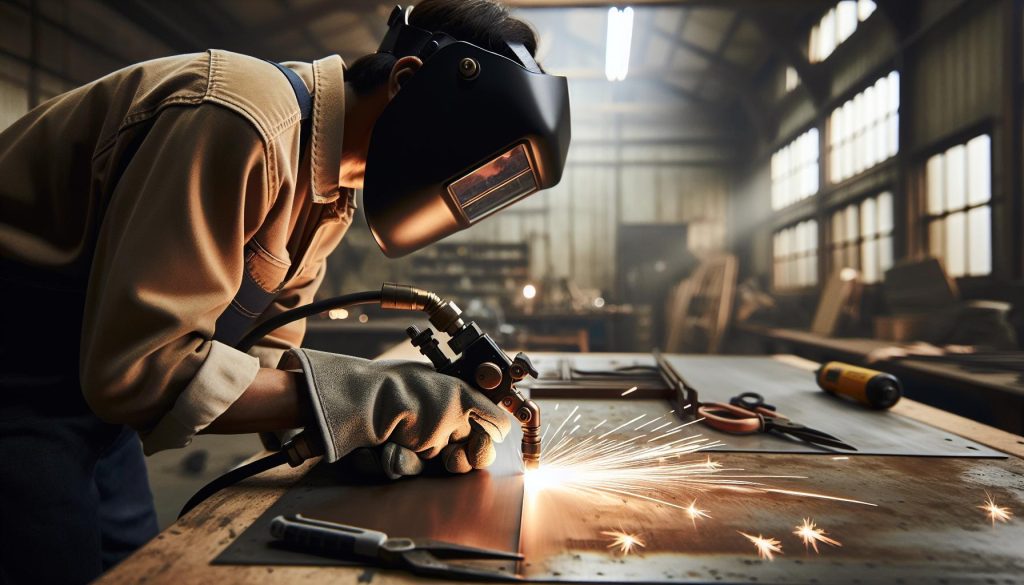
Did you know that plasma cutting is one of the fastest methods for slicing through metals like steel and aluminum? This powerful technique can elevate your welding projects from basic to professional-quality in no time. Whether you’re a hobbyist looking to create intricate designs or a seasoned welder seeking to enhance your skills, mastering a plasma cutter opens a world of possibilities in metal fabrication and repair. In this step-by-step guide, we’ll demystify the plasma cutting process, ensuring you not only understand how to use this equipment safely and effectively but also gain confidence in your metalworking abilities. Get ready to transform your welding projects and impress your peers with your newfound expertise!
Understanding Plasma Cutting: The Basics You Need to Know
Plasma cutting is a transformative technique used in various metalworking applications, relying on ionized gas to slice through metal with precision and speed. At its core, this process involves creating a high-temperature plasma arc that melts the metal in its path, allowing for clean cuts in materials such as steel, aluminum, and other conductive metals. Understanding the fundamentals of plasma cutting equips you with the knowledge to operate this powerful tool effectively and safely.
To begin with, plasma cutting works by blowing pressurized air-or sometimes an inert gas-through a narrow nozzle while simultaneously passing an electrical current through the gas, creating plasma. This state of matter generates temperatures that can reach up to 30,000°F (16,600°C), which is more than sufficient to cut through thick metals. Plasma cutters can handle a wide range of thicknesses, from thin sheets to more substantial stock, making them indispensable in welding shops, fabrication facilities, and even for DIY enthusiasts.
When considering plasma cutting, key factors include the type of plasma cutter being utilized, the materials involved, and the specific cutting parameters such as speed and amperage. Different plasma cutters are designed for varying levels of thickness and capabilities. For instance, a handheld plasma cutter is ideal for small-scale projects or portable use, whereas CNC plasma systems offer high precision for intricate designs in larger metal pieces. Regardless of the equipment choice, it is crucial to have an understanding of setting adjustments tailored to the specific material, ensuring optimal performance and quality cuts.
In essence, mastering the basics of plasma cutting is about grasping the relationship between the equipment, materials, and methods. It creates a pathway to enhancing your skills, whether you’re an aspiring professional or a hobbyist, ultimately leading to greater efficiency and creativity in your metalworking projects.
Essential Equipment for Plasma Cutting: What You’ll Need
To successfully navigate the world of plasma cutting, understanding the equipment required is essential. Without the right tools and setup, the precision and efficiency of your cuts can be severely compromised. At the heart of plasma cutting is the plasma cutter itself, an advanced piece of equipment that generates the high-temperature plasma arc needed to melt metal. However, other ancillary tools and accessories are critical for optimal performance and safety in your cutting endeavors.
A comprehensive setup for plasma cutting typically includes:
- Plasma Cutter: Choose a machine that matches your cutting requirements. For instance, a portable handheld plasma cutter is excellent for small jobs, whereas a CNC plasma cutter is suited for larger, more intricate designs.
- Air Compressor: A reliable air compressor is vital, as most plasma cutters require a constant supply of compressed air to facilitate the cutting process. Ensure it delivers sufficient pressure and volume.
- Protective Gear: Safety should always come first. Equip yourself with an appropriate welding helmet with a dark shade, gloves, and protective clothing to shield yourself from sparks and heat.
- Work Surface: A stable and appropriate workbench that can hold your material securely is important. Ensure it is made of a non-flammable material to avoid accidents.
- Work Cables and Torch Cable: Quality cables ensure that the power and gases reach the torch safely and consistently. Length and gauge are important to avoid voltage drops, which can affect the cutting quality.
In addition to these primary items, consider investing in consumables like nozzles, electrodes, and cutting tips. These parts wear out with use and need to be replaced regularly to maintain cutting efficacy. Regular maintenance of your plasma cutter, including cleaning and inspection of air filters and hoses, will enhance its performance and longevity.
Moreover, aligning the equipment choices with your specific project requirements-such as material types (steel, aluminum) and thickness-will maximize the efficiency of your operation. For beginners, start with the basics but don’t hesitate to explore advanced options as you develop your skills and confidence in plasma cutting. With the correct tools at your disposal, you’ll be well-equipped to create precise, clean cuts that meet your project goals.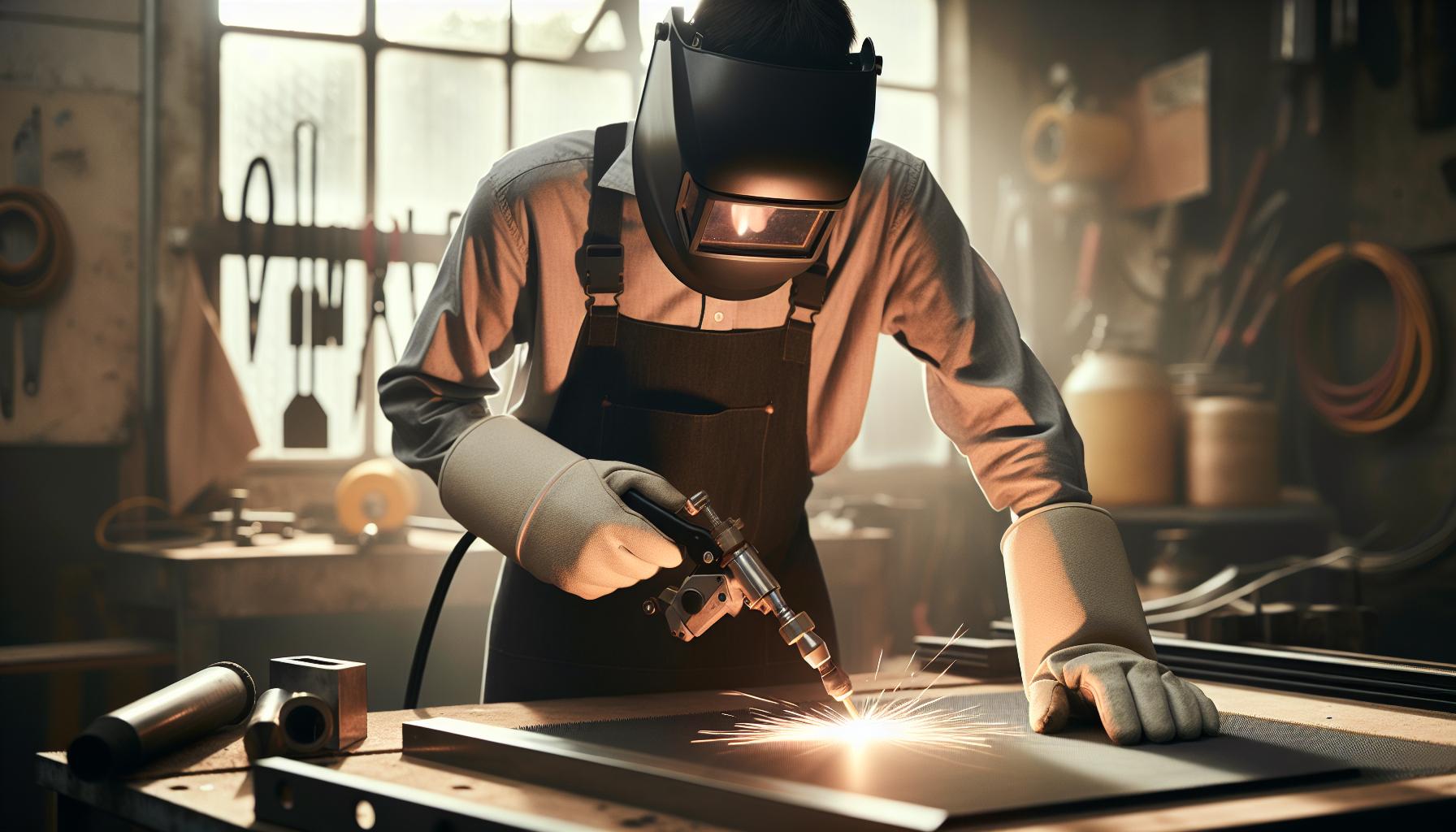
Step-by-Step Guide to Using a Plasma Cutter
To master the art of plasma cutting, a well-structured approach is essential. This technique allows for precise metal cutting and can be an exhilarating experience when executed correctly. Engaging in this process requires understanding your equipment and the steps involved to ensure clean and accurate cuts.
Begin by preparing your workspace. Clear the area of any flammable materials and secure your workpiece on a stable surface. This ensures that the metal won’t shift while cutting, which can lead to uneven results. Next, ensure that your plasma cutter is set up correctly by connecting your air compressor, checking that the power supply is stable, and verifying the correct flow of gas.
Once the equipment is ready, don your protective gear, which includes a welding helmet, gloves, and flame-resistant clothing. Safety should never be compromised. After dressing appropriately, make the necessary adjustments on your plasma cutter. Set the amperage according to the thickness of the material; a rule of thumb is that thicker materials require higher settings.
After adjustments, position the torch at a distance of about 1/8 inch from the workpiece. Activate the plasma cutter to initiate the arc; you may need to pilot the arc before cutting begins. As you move the torch along your desired path, maintain a steady speed to ensure a clean cut. Remember to control the movement-too fast can lead to incomplete cuts, while too slow may cause excessive burning and a rough edge.
Lastly, always cut in well-ventilated areas, as sweltering gases can escape during the process. After you finish cutting, allow the materials to cool before handling them, as high-temperature surfaces can pose burn risks. With practice and adherence to these steps, plasma cutting can become a valuable skill in your fabrication toolkit.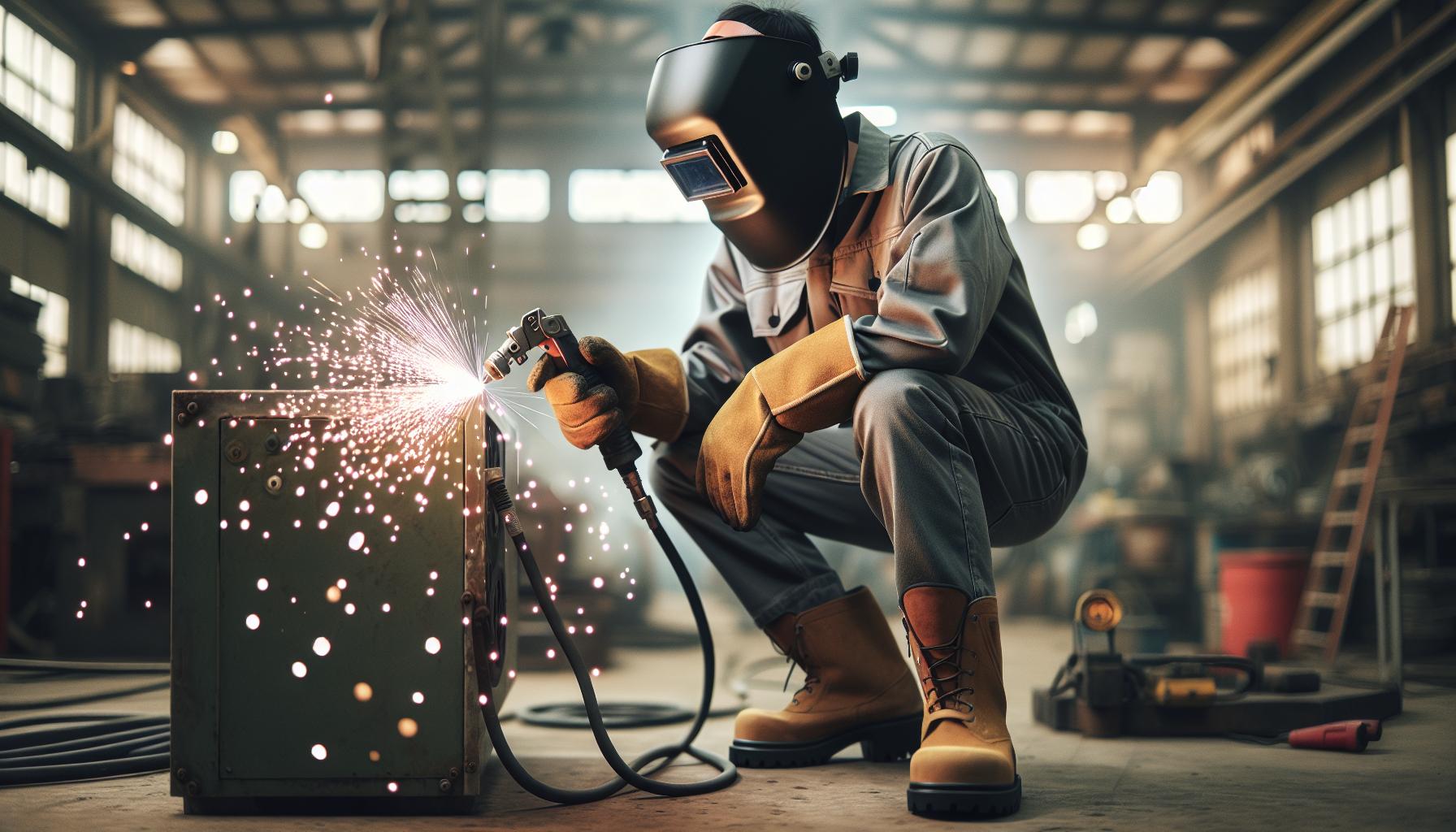
Safety First: Essential Precautions for Plasma Cutting
Plasma cutting is an efficient and versatile method for slicing through metal, but it brings inherent risks that necessitate stringent safety precautions. The plasma cutter generates extreme heat and emits a bright arc that can cause severe burns, eye injuries, and even respiratory issues if proper measures are not in place. Understanding and implementing safety protocols is paramount to ensure that your cutting experience is both productive and secure.
Protective gear is non-negotiable. Always equip yourself with a high-quality welding helmet that offers adequate shade from the intense light produced during cutting. Additionally, investing in flame-resistant clothing, gloves, and steel-toed boots is essential to safeguard against sparks and molten metal. Make sure your workspace is well-ventilated; the cutting process can produce harmful fumes and gases. Use exhaust fans or work outdoors whenever possible to mitigate these risks.
Before you start cutting, thoroughly inspect your equipment for any damage or loose connections. Be mindful of your surroundings-ensure that the area is clear of flammable materials and that you have a fire extinguisher readily available. Establish a safe zone behind the cutting path to keep yourself away from potential hazards as the arc can ricochet debris or sparks toward the worker. Moreover, always keep the plasma cutter’s cord free from tripping hazards which could lead to accidental falls, particularly in high-traffic workspaces.
In case of an emergency, having a first-aid kit on hand is vital. Familiarize yourself with basic first-aid procedures for burns and electrical injuries, as well as knowing how to respond if someone is injured. Being responsive and prepared reinforces a culture of safety in metalworking environments. With these precautions in place, your plasma cutting tasks can transform into a safe and rewarding aspect of your metalworking proficiency.
Common Mistakes to Avoid When Using a Plasma Cutter
When attempting to harness the power of a plasma cutter, avoiding common pitfalls can significantly enhance both safety and efficiency. A prevalent mistake among beginners is failing to properly configure the plasma cutter for the material being cut. Inadequate settings can lead to excessive dross formation, uneven cuts, or even damage to the material. It’s crucial to match the amperage and air pressure settings to the thickness and type of metal being worked on, ensuring a clean and precise cut.
Another frequent oversight is poor torch handling technique. Many new users may hold the torch either too far from the workpiece or at an incorrect angle, which not only affects the quality of the cut but can also lead to increased wear on the consumables. Maintaining a suitable distance-a consistent 1/8 inch for most cuts-can help achieve optimal results. Furthermore, the torch should be held perpendicular to the surface to minimize straying and maximize energy transfer.
Safety precautions are often neglected, particularly in terms of workspace organization. Cluttered areas can lead to accidents, especially when dealing with sparks and molten metal. Ensuring that the cutting environment is free of flammable materials and that tools and equipment are stored safely can prevent serious incidents. It’s also critical to remember that protective gear isn’t optional; even experienced welders can be caught off guard by unpredictable sparks or accidental arcs.
Lastly, many beginners underestimate the importance of maintenance and calibration of the plasma cutter. Regularly checking for wear on consumables like nozzles and electrodes helps maintain efficiency. Ignoring this can lead to poor cutting quality and equipment failure. Establishing a routine maintenance schedule not only extends the life of the plasma cutter but also ensures a consistently high performance, ultimately contributing to a more successful cutting project.
By addressing these common mistakes-configuration, torch handling, safety measures, and maintenance-new users can significantly improve their cutting experience, making it both rewarding and efficient.
Troubleshooting Your Plasma Cutter: Solutions to Common Issues
When using a plasma cutter, encountering issues is common, especially for those new to the process. Understanding how to troubleshoot problems not only enhances your cutting quality but also helps ensure safety. For instance, one frequently faced problem is inconsistent arc stability, which can cause uneven cuts and increased dross. This issue often stems from improper air pressure or insufficient amperage settings. To resolve this, check the manufacturer’s specifications for the correct settings based on the metal thickness and type, adjusting the pressure and current as needed until you achieve a stable arc.
Another typical challenge is the formation of excessive dross, which can result in messy, unprofessional cuts. Dross occurs when the plasma stream fails to transfer sufficient energy to the workpiece. To minimize this, maintain the right distance between the torch and the material, ideally around 1/8 inch for most metals. Also, ensure that your nozzle and electrode are in good condition, as worn components can compromise cutting efficiency and lead to dross buildup. Regular maintenance and replacement of consumables can significantly alleviate this issue.
Moreover, if the plasma cutter is producing a poor-quality cut with uneven edges, it may indicate that the cutting speed is either too fast or too slow. Speed impacts the thermal energy delivered to the metal. If you find the cutter is too fast, slow down to allow the plasma to adequately penetrate the material; conversely, if the cutter is moving too slowly, increase your speed to prevent overheating the workpiece. Recognizing the appropriate cutting speed for various materials is crucial for achieving optimal results.
Lastly, some users may notice their plasma cutter regularly shuts down or fails to start, which can be alarming. This may be attributed to electrical issues, such as problems with the power supply or internal wiring. Inspect the power source and extension cords for any damage or loose connections. If the issue persists, it may require professional evaluation, as internal circuitry problems can lead to further complications if not addressed promptly. By taking these proactive troubleshooting measures, you can maintain a high-performance plasma cutter, ensuring safety and precision in all your projects.
Advanced Techniques for Professional Plasma Cutting
Advanced approaches to plasma cutting can significantly enhance efficiency, precision, and creativity in your projects. Mastery of your equipment is essential, but so is understanding advanced techniques that can set you apart as a professional in the field. For instance, learning to manipulate cutting speed and height to optimize the plasma arc can lead to cleaner cuts and reduce dross. Altering your technique based on the material-be it steel, aluminum, or stainless steel-allows you to achieve superior results. Understanding the nuances of your plasma cutter, such as adjusting the amperage according to the thickness of the material, enables you to tap into its full potential.
One critical technique is the art of bevel cuts. By tilting the torch at a consistent angle while cutting, you can create bevels that are not only aesthetically pleasing but also functional, enhancing the joint when two pieces will later be welded together. This method demands practice to perfect, as maintaining a steady hand and keeping the correct distance is crucial for consistent bevel depth. Additionally, using pulse cutting is an advanced technique that can minimize heat input, reducing warping and distortion, especially significant in thinner materials.
Another valuable skill to develop is the ability to create intricate designs through plasma cutting. With the aid of templates or CAD software, you can accurately design cuts for more complex shapes, ensuring precise patterns that can enhance your craftsmanship. This approach allows you to combine plasma cutting with other methods-like welding or grinding-to add dimension to your projects and achieve professional-level results.
Incorporating advanced safety measures is just as vital as the techniques themselves. Always wear appropriate personal protective equipment (PPE), such as gloves, a helmet with a proper shade, and a flame-resistant apron, to mitigate risks associated with high temperatures and flying debris. Furthermore, familiarize yourself with the specific safety protocols governing your plasma cutting equipment and workspace.
By mastering these advanced techniques and prioritizing safety, you position yourself as a knowledgeable and skilled operator capable of tackling a wide array of projects with confidence and creativity.
Maintaining Your Plasma Cutter for Longevity and Performance
To ensure your plasma cutter operates at peak efficiency and enjoys a long lifespan, implementing a diligent maintenance routine is essential. Regular maintenance not only enhances performance but also minimizes potential safety hazards. Given that a plasma cutter relies on high temperatures and electrical systems, a proactive approach can help avoid costly repairs and downtime.
One fundamental aspect of maintenance is the inspection of consumables, such as electrodes and nozzles. Over time, these components can wear out, leading to poor cutting quality and increased operational costs. Replace worn or damaged parts promptly to maintain optimal performance. Ensure that the cutting tip is perpendicular to the workpiece, as an angled or damaged tip can lead to excessively rough cuts and premature wear.
Another crucial maintenance task involves keeping the air supply clean. Moisture or debris in the air supply can compromise the plasma cutting process. Install an inline filter to remove contaminants, and regularly check and replace the filter as necessary. Additionally, ensure that the air supply pressure remains within the manufacturer’s specified range for consistent cutting results.
It’s also important to maintain the cleanliness of the machine itself. Dust, debris, and spatter can accumulate on and around the cutter, affecting its operation. Regularly clean the unit with a damp cloth and avoid using abrasive materials that can scratch or damage the surfaces. Keeping the machine and its components free of debris promotes better airflow and cooling, extending the life of the equipment.
Finally, familiarize yourself with the manufacturer’s maintenance schedule for your specific model. This schedule usually includes routine checks and replacement of various components over time. Keeping a maintenance log can help you track your tasks, ensuring that nothing is overlooked. By dedicating time to these practices, you not only secure the longevity of your plasma cutter but also enhance your overall cutting experience.
Plasma Cutting vs. Other Cutting Methods: Pros and Cons
Plasma cutting stands out as a versatile and efficient method for cutting various materials, particularly metal. However, when comparing it to other cutting techniques, such as oxy-fuel cutting, laser cutting, or water jet cutting, it’s essential to consider the advantages and disadvantages of each.
One of the primary benefits of plasma cutting is its speed. Plasma cutters can easily slice through thick metals with impressive speed, making them favored in industries requiring quick fabrication, such as automotive and manufacturing. Moreover, plasma cutting generates a narrower kerf, which means less material is wasted during the cutting process. This method is particularly effective for cutting stainless steel, aluminum, and other conductive materials. In environments where mobility is crucial, portable plasma cutters are a game-changer, allowing users to work with ease on job sites.
However, plasma cutting does have drawbacks. It requires a high level of electrical input and air pressure, which may pose logistical challenges in settings lacking those resources. Additionally, the operational cost can add up, especially when frequently replacing consumables like nozzles and electrodes. Unlike laser or water jet cutting, which can handle thicker materials more efficiently and with a finer finish, plasma cutting may yield a rougher edge that often requires secondary finishing processes, particularly for aesthetic applications.
Ultimately, the choice of cutting method hinges on specific project requirements, materials, and available resources. For example, while plasma cutting excels in speed and cost-effectiveness for metal fabrication, laser cutting might be preferable for intricate designs in thin materials, offering higher precision and smoother finishes. Understanding these nuances can help you select the most appropriate technique for your cutting needs, enhancing both productivity and quality in your projects.
Creative Applications of Plasma Cutting in Projects
Plasma cutting is a dynamic and innovative technique that opens a world of creative possibilities for hobbyists and professionals alike. Its ability to slice through various conductive materials with precision not only enhances technical work but also fosters artistic endeavors. From custom metal art to intricate signage, the versatility of plasma cutting allows for an array of applications that can transform raw materials into stunning visual statements.
One of the most popular creative uses of plasma cutting is in metal sculpture. Artists can leverage the speed and accuracy of plasma cutters to create detailed designs and complex shapes, turning sheets of metal into three-dimensional masterpieces. The process allows for the incorporation of various design elements, blending negative and positive spaces seamlessly. Projects like decorative garden pieces, wall art, and even furniture can all benefit from the unique aesthetic that plasma cutting provides. For those venturing into artistic metalwork, adding textures or combining different metals can maximize visual impact.
In addition to artistic projects, plasma cutting is an excellent tool for creating custom signage. Businesses often opt for unique, laser-cut metal signs to promote their brand identity. The process enables the production of intricate logos and lettering, which can be further enhanced with finishes like powder coating or patinas for a professional look. Likewise, hobbyists can personalize home decor items using plasma cutting techniques, making bespoke gifts or highlighting decor elements in their environments.
Whether forming practical tools and components for machinery or indulging in creative projects that showcase individual styles, plasma cutting is an effective method worth mastering. Beginners can start with straightforward designs, gradually exploring more advanced techniques as they gain confidence. Investing time in understanding the intricacies and capabilities of a plasma cutter will unlock endless possibilities that inspire both functionality and artistry in metalworking projects.
Getting Started with Plasma Cutting: Tips for Beginners
Plasma cutting has revolutionized metal fabrication, providing a streamlined method for slicing through thick and thin materials with ease. For beginners looking to dive into this exciting field, understanding the fundamentals is crucial to mastering the technique. Familiarizing yourself with the equipment, safety protocols, and best practices will set you on a path to successful projects and avoid common pitfalls.
First and foremost, invest in high-quality gear. A trustworthy plasma cutter includes a reliable power source and a compatible air compressor to provide the necessary airflow for cutting. Additionally, suitable consumables-such as electrodes and nozzles-are vital for achieving clean cuts and prolonging the life of your machine. Before your first project, take time to read the instruction manual specific to your model; this ensures you understand the settings and capabilities of your equipment.
As you prepare to cut, begin with simple shapes to build confidence. Drawing your designs on paper can help visualize your cuts and allow you to practice the cutting motion without the frustration of managing complex patterns. Select materials like mild steel, which are more forgiving for beginners. Consider using scrap metal to practice as it’s frequently available and cost-effective.
Safety is paramount in any welding endeavor. Proper personal protective equipment (PPE) such as gloves, goggles, and flame-resistant clothing must be worn at all times. Establish a safe work environment-ensure adequate ventilation to mitigate harmful fumes and utilize non-flammable surfaces to minimize fire risks. Additionally, be aware of the arc flash created during plasma cutting; it is essential to safeguard your eyes and skin from this intense light.
Finally, embrace the learning process. Joining forums and communities dedicated to plasma cutting can provide invaluable insights and tips from fellow enthusiasts. Patience and practice will enhance your skills, paving the way for more advanced projects. Cultivating a strong foundation now will not only lead to mastery of plasma cutting but also open doors to creativity in metalworking that can result in stunning art pieces and functional custom designs.
Resources and Communities for Plasma Cutting Enthusiasts
The world of plasma cutting is not only about mastering the techniques but also about connecting with a vibrant community of enthusiasts and experts who share knowledge and resources. Engaging with these communities can dramatically enhance your skills and inspire creativity. These platforms offer diverse resources ranging from forums, blogs, and social media groups where both beginners and seasoned welders can learn from each other’s experiences and troubleshoot common issues.
One of the most valuable resources is online forums such as the WeldingWeb and PlasmaSpider, where members post threads on various topics related to plasma cutting. These forums often contain extensive archives filled with troubleshooting tips, project showcases, and reviews of different plasma cutters and their consumables. Additionally, sites like YouTube host numerous channels dedicated to welding and metalworking, providing tutorials on everything from basic cutting techniques to advanced projects. Channels hosted by experienced welders can be particularly beneficial for visual learners who want to see the equipment in action before trying it themselves.
Joining Local and Online Communities
Participating in local welding clubs or workshops can enhance your practical experience and expand your network. Many technical schools and maker spaces offer hands-on courses where you can learn from instructors and collaborate with fellow hobbyists. Online, platforms like Facebook and Reddit have groups specifically focused on plasma cutting where you can post questions, share your projects, and receive feedback from experienced welders. Engaging actively in these communities not only cultivates relationships but also provides you with a support system that can be immensely helpful as you navigate the complexities of plasma cutting.
Recommended Resources
- WeldingWeb: A forum dedicated to all things welding, including plasma cutting.
- PlasmaSpider: Community and resource center for plasma cutting enthusiasts.
- YouTube: Channels dedicated to welding offer visual tutorials and project ideas.
- Facebook Groups: Search for plasma cutting groups for discussions and tips.
- Local Workshops: Community colleges and maker spaces often offer courses and meetups.
By leveraging these resources and communities, you can significantly shorten your learning curve, gain new insights, and ultimately unleash your creative potential in plasma cutting. Whether you’re cutting for projects or artistic expression, these networks provide not only the technical support but also the encouragement to innovate and refine your craft.
Q&A
Q: What safety equipment do I need when using a plasma cutter?
A: Essential safety equipment includes a welding helmet with a suitable lens, fire-resistant clothing, gloves, and steel-toed boots. Ensure you also have proper ventilation in your workspace to avoid exposure to harmful fumes. Refer to the “Safety First: Essential Precautions for Plasma Cutting” section in the main article for more detailed guidance.
Q: How do I prepare metal for plasma cutting?
A: Prepare metal by cleaning the surface of contaminants like rust, oil, or paint. Use a wire brush or grinder for best results. Ensure your workpiece is securely clamped to prevent movement during cutting. This is crucial for precision and safety.
Q: Can I use a plasma cutter on stainless steel?
A: Yes, plasma cutters can effectively cut stainless steel. They can provide clean and precise cuts, especially at lower thicknesses. For optimal results, ensure the cutter is set to the appropriate amperage and speed based on the material’s thickness.
Q: What type of gas is required for plasma cutting?
A: The primary gases used for plasma cutting are compressed air and pure nitrogen. Each gas offers different cutting quality and speed; air is usually sufficient for most applications. For more details, refer to the “Essential Equipment for Plasma Cutting” section in the main article.
Q: How can I troubleshoot common issues with a plasma cutter?
A: Common issues include poor cutting quality and torch overheating. Check your settings, ensure the correct tip size, and inspect the coolant levels (if applicable). Refer to the “Troubleshooting Your Plasma Cutter: Solutions to Common Issues” section in the main article for comprehensive troubleshooting tips.
Q: What is the difference between plasma cutting and cutting with a torch?
A: Plasma cutting uses a high-velocity jet of ionized gas to cut through metal, providing cleaner cuts at high speeds. In contrast, a torch uses a flame, which is generally slower and may produce more slag. Explore the “Plasma Cutting vs. Other Cutting Methods: Pros and Cons” section for a detailed comparison.
Q: Is plasma cutting suitable for beginners?
A: Yes, plasma cutting is user-friendly and ideal for beginners. It allows for precise cuts with minimal training. Properly follow safety measures and guidance to enhance your confidence. For a beginner-friendly perspective, refer to the “Getting Started with Plasma Cutting: Tips for Beginners” section in the main article.
Q: How do I maintain my plasma cutter for optimal performance?
A: Regular maintenance involves cleaning the torch and replacing worn parts, such as electrodes and nozzles. Periodically check gas lines and ensure connections are secure. Detailed maintenance procedures can be found in the “Maintaining Your Plasma Cutter for Longevity and Performance” section of the main article.
Final Thoughts
Now that you’ve learned the essentials of using a plasma cutter, it’s time to put your knowledge into action. Remember, mastering this skill not only enhances your welding capabilities but also opens up new creative possibilities in your projects. Whether you’re cutting aluminum or steel, don’t hesitate to revisit our guides on MIG, TIG, and stick welding to further refine your techniques.
Feeling unsure about your first project? Check out our resources on safety protocols and essential tools to ensure a successful start. Engaging in metalsmithing can be rewarding, and we’re here to support your journey-subscribe to our newsletter for expert tips and the latest updates! Share your experiences or ask questions in the comments below; your feedback helps the community grow. Dive deeper into the world of welding and plasma cutting today, and transform your ideas into reality!


