

Plasma cutters are transformative tools in metalworking, utilizing an ionized gas to slice through materials with precision and speed. Did you know that plasma makes up about 99% of the visible universe, primarily in stars? This incredible state of matter plays a critical role in welding applications, allowing welders to achieve clean cuts on metals like steel and aluminum effortlessly. Understanding how a plasma cutter operates not only enhances your welding skills but also ensures safe and effective use of this powerful equipment. Whether you’re a hobbyist or a seasoned professional, mastering the principles behind plasma cutting can significantly elevate your projects. Dive into the complete operating principles of plasma cutters and unlock the potential of this essential tool in your welding repertoire.
Understanding Plasma Cutting Technology

Plasma cutting technology is a game-changer in the metalworking industry, offering speed and precision that traditional cutting methods struggle to match. By transforming compressed air or an inert gas into a plasma state, plasma cutters can slice through thick metals with ease, making them an invaluable tool for fabricators, welders, and DIY enthusiasts alike. The process begins with an electric arc, which ionizes the gas, allowing it to reach temperatures exceeding 20,000 degrees Fahrenheit. This intense heat melts the metal, while the fast-moving plasma jet blasts away the molten material, resulting in clean and precise cuts.
The versatility of plasma cutting extends across a wide range of materials such as steel, aluminum, and brass. Notably, unlike other cutting methods that may struggle with thicker materials, plasma cutting can effectively handle metals up to several inches thick. This capability, combined with its relatively low operational costs compared to laser cutting and water jet cutting, has significantly contributed to the technology’s popularity in various industries, including automotive and construction.
For those just starting out, understanding the core principles behind plasma cutters is crucial. Safety remains paramount; operators must wear appropriate protective gear to guard against harmful ultraviolet rays and hot metal splatter. Beginners should also familiarize themselves with plasma cutter settings suited for different materials to optimize performance and minimize waste. Overall, mastering plasma cutting technology not only enhances cutting efficiency but also opens the door to creative possibilities in metal fabrication.
Core Principles of Plasma Cutter Operation
Plasma cutting operates on the fascinating principle of using a superheated gas, ionized into plasma, to melt conductive materials rapidly. At its core, the process begins when an electric arc is established between an electrode and the workpiece. This arc ionizes the gas-commonly air, nitrogen, or argon-creating a concentrated stream of plasma that can reach temperatures exceeding 20,000°C (36,000°F). Once the plasma jet is formed, it effectively melts the metal in its path, while the forced flow of gas ejects the molten material, resulting in a clean cut that is notably precise.
Understanding this fundamental operation enables users to maximize performance and efficiency. The composition of the plasma gas can impact cutting quality; for example, mixing argon with hydrogen offers better penetration and smoothing of kerfs in thicker materials. The thickness of the material being cut significantly influences the required amperage, with thicker materials necessitating higher settings to ensure a successful cut. Furthermore, maintaining a steady hand and consistent speed while guiding the plasma torch is crucial for achieving optimal results and minimizing dross formation.
Another key aspect is the adaptability of plasma cutting to various materials, which allows welding professionals to employ this technology across a wide range of applications, from automotive repairs to artistic metalwork. The ability to modify cutting parameters, such as gas flow and torch height, provides flexibility to suit different metal types and thicknesses effectively, making plasma cutting both a versatile and indispensable technique in any metal fabrication toolbox.
Essential Components of a Plasma Cutter
To achieve precise and effective cuts with a plasma cutter, it’s essential to understand its core components, each playing a crucial role in the plasma cutting process. A plasma cutter typically consists of the following key elements:
Power Supply
The heart of the plasma cutter is its power supply, responsible for generating the high voltage necessary to create the electric arc. This component converts standard electrical power into a high-frequency electrical current, which is essential for initiating and maintaining the plasma arc. A reliable power supply ensures stable operation, contributing to the overall performance and efficiency of the cutting process.
Gas Supply System
The gas supply system, which can utilize air, nitrogen, or argon, delivers the gas that is ionized to form plasma. This component is vital as the chosen gas affects the cutting quality and the ability to handle different materials. For instance, using pure argon or a mix of argon and hydrogen can improve cut quality on thicker metals by providing better heat penetration and a cleaner cut. Modifying the gas flow rate can also help optimize the cut based on material thickness.
Electrode and Nozzle
The electrode and nozzle work in tandem to create and direct the plasma jet. The electrode, typically made from tungsten, serves as the positive terminal in the cutting circuit, while the nozzle helps focus the plasma stream onto the workpiece. The design of the nozzle influences the jet characteristics-narrower nozzles produce a more concentrated plasma arc suitable for detailed cuts, while wider nozzles allow for faster cutting on larger pieces. Regular maintenance and replacement of these components are crucial, as wear can compromise cutting efficiency and accuracy.
Control Circuit
The control circuit regulates the overall operation of the plasma cutter, including settings for amperage, gas flow, and cutting speed. Many modern plasma cutters come equipped with advanced digital controls that enable precise adjustments, enhancing user experience and improving cut quality. These controls often include features such as automatic gas pre-flow and post-flow, ensuring optimal cooling of the torch and extending its lifespan.
By understanding the , users can make more informed decisions about equipment choices and maintenance, leading to enhanced performance and greater cutting precision across various applications.
Types of Plasma Cutters: Pros and Cons
When selecting a plasma cutter, understanding the different types available is crucial for achieving optimal results in your welding projects. Plasma cutters can be broadly categorized into two types: pilot arc and high-frequency arc cutters. Each type offers distinct advantages and disadvantages that can influence your cutting process and finished product.
Pilot Arc Plasma Cutters
These machines utilize a low-voltage arc to initiate the plasma arc. One of the main benefits of pilot arc plasma cutters is their ability to cut through rusted or dirty metal without the need for extensive surface preparation. This feature is particularly beneficial for on-site job applications where cleaning surfaces may not be practical. Additionally, pilot arc systems can maintain a stable arc when cutting at varying distances from the workpiece, enhancing operational flexibility.
However, pilot arc plasma cutters can be less efficient when cutting thicker materials, relying more on the user’s skill to maintain a steady speed and distance from the surface. While they are often more affordable, their operational limitations may affect cut quality on high-precision jobs.
High-Frequency Arc Plasma Cutters
On the other hand, high-frequency arc plasma cutters generate a more concentrated and higher-temperature arc, allowing for faster cutting speeds and superior precision. Their ability to cut through thicker materials with a cleaner edge makes them ideal for industrial applications and professional welders. This type of cutter is especially effective when working with robust metals like steel and aluminum, providing a smoother finish that often requires less post-processing work.
Despite their advantages, high-frequency arc plasma cutters have certain drawbacks. They can be more costly, both in initial investment and maintenance. Moreover, they may produce electromagnetic interference, which can disrupt nearby electronic equipment. Proper shielding and grounding are essential to mitigate these issues, adding to the complexity of setup and operation.
Comparison Summary
Below is a summary table comparing the two types of plasma cutters:
| Feature | Pilot Arc Plasma Cutters | High-Frequency Arc Plasma Cutters |
|---|---|---|
| Cutting Efficiency | Moderate | High |
| Material Thickness | Good for thin materials | Excellent for thick materials |
| Surface Preparation | Less required | More precision needed |
| Cost | Generally lower | Higher |
| Technological Complexity | Lower | Higher, with possible interference |
Both types of plasma cutters have unique benefits and limitations that should align with your specific cutting needs. By evaluating the intended use, budget, and required precision of your cuts, you can select the plasma cutter that will optimize your workflow and final product quality. As you gain experience, selecting the right tool will enhance your efficiency and encourage innovative applications in your projects.
Key Safety Protocols for Plasma Cutting
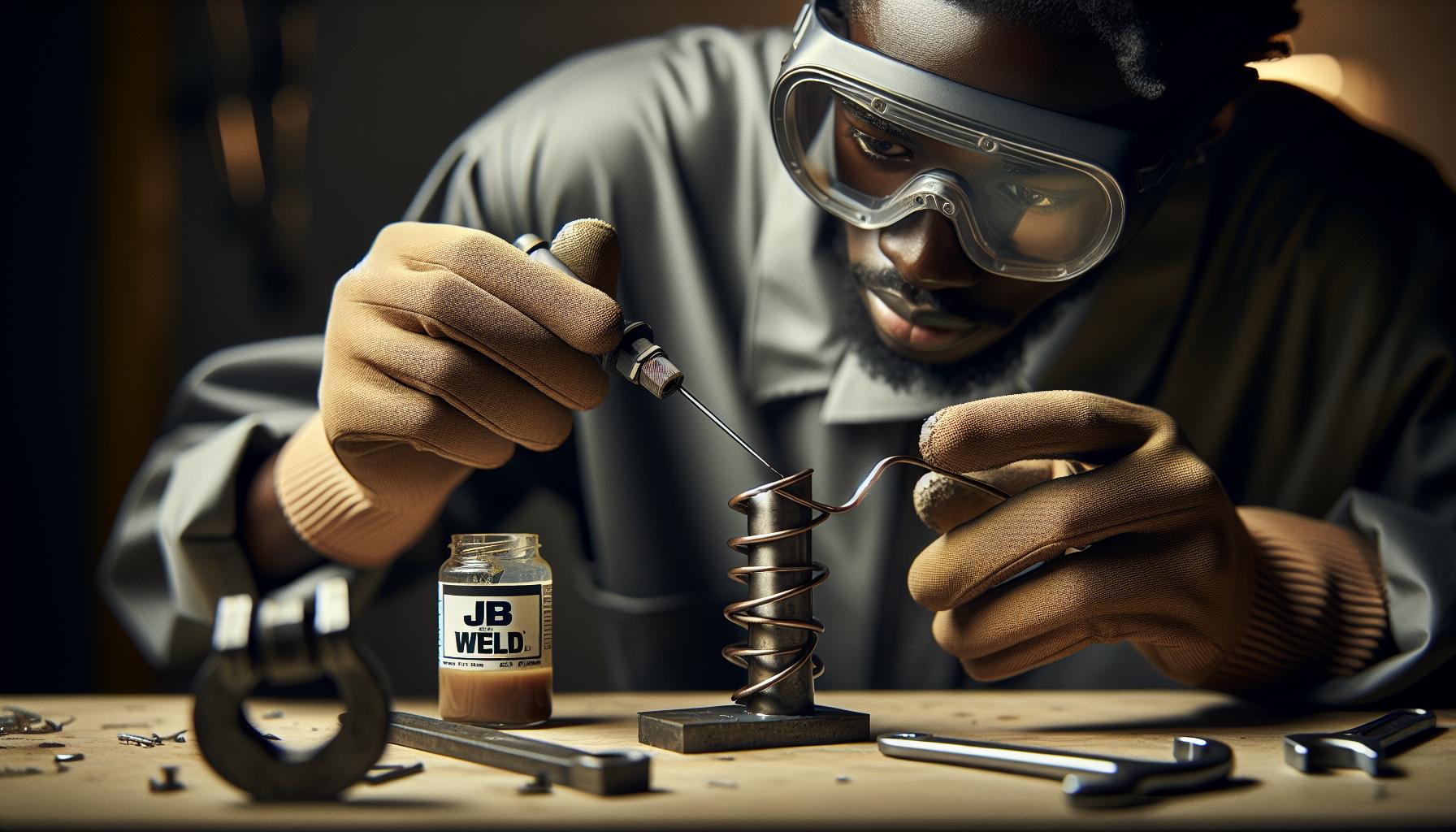
In the world of plasma cutting, safety is not just a precaution-it’s a necessity. Every year, numerous incidents occur due to a lack of proper safety protocols, leading to injuries and damages. Understanding and adhering to safety measures can substantially mitigate these risks, allowing you to focus on achieving precise cuts without compromising personal safety or the integrity of your workspace.
First and foremost, personal protective equipment (PPE) is crucial. Operators should always wear the appropriate gear, including gloves, protective eyewear, and fire-resistant clothing. A welding helmet with proper shade is essential to protect your eyes from the intense light and UV radiation emitted during the cutting process. Additionally, a sturdy pair of work boots can provide protection from falling objects and electrical hazards.
Equally important is the workspace environment. Ensure that your cutting area is well-ventilated to prevent the accumulation of harmful fumes and gases released during cutting operations. Clear the workspace of flammable materials such as solvents, papers, or other debris that could ignite from sparks or excessive heat. It’s advisable to have a fire extinguisher readily accessible in case of an emergency and to establish a clear plan for emergencies, including evacuation routes and procedures.
Before beginning any cutting operation, familiarizing yourself with the plasma cutter’s manual is vital. Understanding its components, functions, and troubleshooting tips enables safe and effective handling. Always check the equipment for any signs of wear or malfunction before use. Proper grounding of the plasma cutter is also essential to minimize electrical hazards, safeguarding both the operator and the equipment.
Lastly, maintain a clear mind and focus when operating the plasma cutter. Avoid distractions and never attempt to cut while fatigued or under the influence of substances. By instilling these safety protocols into your routine, you not only ensure your own safety but foster a productive and secure work environment for everyone involved.
Setting Up Your Plasma Cutter for Success

Setting up your plasma cutter effectively can significantly impact the quality of your cuts and the longevity of your equipment. A well-prepared workspace not only enhances efficiency but also ensures safety, ultimately leading to better results in your plasma cutting projects. Before you begin, it’s important to familiarize yourself with the machine and the materials you will be cutting. Always refer to the manufacturer’s manual for specific instructions regarding setup and operational guidelines.
First, ensure your plasma cutter is located in a clean, dry area free from obstructions. The position of your machine plays a crucial role in ensuring optimal performance; place it on a stable, flat surface to keep it secure during operation. Next, make sure you have a proper electrical source. Most plasma cutters require a dedicated circuit; verify the voltage and amperage to prevent electrical overloads that can damage both the machine and the electrical system.
Connecting and Preparing Your Plasma Cutter
The connection is a vital step. Start by attaching the ground clamp securely to your workpiece; this prevents electrical noise and ensures a clean arc by reducing resistance. Proper grounding is essential to avoid arcing problems that could affect the quality of your cut. Then, connect the plasma torch, ensuring it is tightened snugly to prevent leaks of compressed air. You should also check that all hoses are intact and free from kinks or blockages that could disrupt airflow.
Next, configure the cutting parameters based on the material you will be working with. Each material-be it aluminum, steel, or stainless steel-has specific settings for voltage and amperage. Refer to the chart usually included in the plasma cutter’s manual for recommended settings. These adjustments directly influence the speed of the cut and the quality of the finished edge.
Finally, conduct a test cut on a scrap piece of material. This step will help you confirm that the settings are correct and that your torch is functioning properly. Observing the kerf and the heat-affected zone will provide insights into whether further adjustments are needed before tackling your main project. By following these preparatory steps, you not only enhance the effectiveness of your plasma cutting but also build a solid foundation for mastering the technique, making your cutting tasks more straightforward and efficient.
Plasma Cutting Materials: What You Can Cut

When it comes to plasma cutting, understanding the variety of materials that can be efficiently cut is essential for maximizing the versatility and application of this powerful tool. Plasma cutting is particularly effective for electrically conductive metals, and it excels in projects that require precision and speed. Not only does this method produce clean edges, but it also minimizes the thermal distortion often associated with other cutting processes.
Common Materials for Plasma Cutting
Here are the primary materials that plasma cutters can effectively handle:
- Steel: Both carbon and stainless steel respond well to plasma cutting. The medium to thick gauges can be easily handled, making it the go-to material in fabrication and construction.
- Aluminum: With its lighter weight and high conductivity, aluminum is also a great candidate. However, attention should be paid to settings to avoid excessive burning or warping.
- Brass and Copper: Although more challenging due to their thermal conductivity, these materials can still be cut effectively but require specific settings for optimal results.
- Nickel Alloys: Ideal for aerospace components, plasma cutting can handle these at varying thicknesses, though they might require specialized electrodes.
- Plates and Sheets: Thin sheets of various conductive metals can be quickly cut into intricate shapes without much hassle.
Material Thickness Considerations
The thickness of the material directly influences the plasma cutter’s effectiveness. Most plasma cutters can handle materials ranging from 18 gauge to 1 inch thick, depending on the specific system’s power capabilities. Heavier gauge materials may require higher amperage settings, significantly enhancing the cutter’s performance through thicker and tougher materials.
Factors to Consider
When selecting materials for plasma cutting, consider the following:
- Material Type: Ensure the material is conductive; otherwise, alternative cutting methods may be necessary.
- Surface Condition: Rusty or dirty surfaces can affect cutting quality. A clean surface results in better arc stability and cut quality.
- Post-Cut Finishing: While plasma cutting provides excellent edge quality, some materials may still require additional finishing processes depending on the application.
Incorporating these insights into your project planning will not only optimize the selection process but also enhance the overall quality of your plasma cutting endeavors. Understanding both the capabilities and limitations of each material type ensures effective outcomes and lowers the risk of complications during cutting.
Common Plasma Cutting Techniques Explained
When it comes to mastering plasma cutting, understanding the various techniques can significantly enhance your precision and efficiency. Plasma cutting employs high-velocity ionized gas to slice through metals, and the approach you take can affect both the quality of the cut and the operational speed. Here are some of the most common techniques used in the industry.
A fundamental method is the Straight Cut, the most straightforward technique, ideal for making precise, linear cuts on flat surfaces. This technique is optimal for cutting sheet metal or structural items like channels or angles. To achieve a clean edge, ensure your nozzle is at the appropriate distance from the workpiece and maintain a steady hand to avoid wavering.
In contrast, the Circle Cutting Technique comes into play for sections requiring circular cuts or curves. Using a circle cutting guide attached to the plasma cutter allows for more controlled, rounded cuts. To improve accuracy, it’s advisable to practice on scrap metal, ensuring the settings are dialed in for the thickness and type of material being worked on.
When dealing with intricate designs, the Contour Cutting technique is valuable. This method involves moving the plasma cutter along a pre-drawn pattern, enabling the operator to follow complex shapes and designs. It’s crucial to use high-speed travel and maintain the correct angle to avoid warping or excessive heat buildup, which can affect the cut quality.
Another advanced method is the Piercing Technique. This is particularly useful for starting cuts in thicker materials where traditional starting points might not be feasible. The process involves creating a pierce hole before moving into a cutting motion. This technique is best executed with a relatively higher amperage to ensure the plasma can penetrate the material effectively.
Additional Techniques
Here are some supplementary techniques that plasma cutting professionals might find beneficial:
- Bevel Cutting: Involves angling the cutting torch to create beveled edges on weld prep, vital for joint integrity.
- Rapid Traverse: Jumping quickly across non-cut areas to improve efficiency during high-volume production.
- Plunge Cutting: Dropping the torch into the material, typically used for making embedded cuts or holes.
In conclusion, understanding and mastering these plasma cutting techniques significantly enhances the craftsman’s capability to work with various materials. Whether you are crafting intricate designs or working on large-scale projects, applying the right method for the job will lead to superior results and increased productivity. Experimentation and practice will help refine these techniques further, enabling welders to achieve exceptional outcomes in their plasma cutting endeavors.
Troubleshooting Plasma Cutter Issues
Troubleshooting a plasma cutter can often be the difference between a frustrating workday and a seamless operation. Understanding the common issues that arise during plasma cutting-and knowing how to resolve them-can save time and improve the quality of your work. Here are several potential problems and their solutions that can help maintain efficiency and effectiveness in your plasma cutting endeavors.
One of the most common issues is inconsistent cutting, which may be caused by several factors, including improper settings, worn consumables, or inadequate air supply. If you notice that the plasma is not cutting smoothly, first check the amperage settings, ensuring they match the thickness of the material being cut. Low amperage can lead to sluggish cuts, while excessive amperage may cause excessive heat and warping. Additionally, inspect the torch consumables-nozzles, electrodes, and shields-for wear, as damaged components can negatively impact the plasma arc and result in uneven cuts.
Another issue welders may encounter is the arc extinguishing unexpectedly. This can often occur due to a poor ground connection or insufficient air flow. Ensure that the ground clamp is securely connected to a clean, unpainted area of the workpiece, allowing for optimal conductivity. For air flow, double-check the compressor setup and hoses to ensure there are no leaks and that the compressor is functioning correctly; inadequate airflow can lead to arc instability, leading to cuts that are less clean and precise.
Plasma operators may also experience difficulties with dross, which is the buildup of molten material that solidifies on the underside of cuts. To minimize dross formation, it’s important to maintain the correct travel speed and torch height. Too slow of a travel speed can lead to overheating, resulting in excessive dross. Ensuring your torch is held at the appropriate distance (usually around 1/8 inch above the material) can also help maintain an optimal cutting arc and reduce dross production.
General Troubleshooting Tips
In addition to the specific issues mentioned, here are some general tips to consider:
- Regular Maintenance: Schedule routine inspections of your plasma cutter and replace consumables as needed to ensure peak performance.
- Test Cuts: Always perform test cuts on scrap material to fine-tune settings before working on important projects.
- Consult the Manual: Don’t hesitate to refer to the user manual for troubleshooting assistance specific to your plasma cutter model.
By routinely assessing your plasma cutter’s performance and familiarizing yourself with common troubleshooting practices, you can ensure a smoother and more efficient cutting experience. This proactive approach not only saves time and resources but also enhances the quality of your work, making every cut a success.
Comparing Plasma Cutters to Other Cutting Methods
When considering the range of cutting methods available today, plasma cutting stands out for its versatility and precision, making it an essential tool for many fabrication tasks. Unlike traditional cutting techniques such as MIG or TIG welding, which utilize a filler material or an electric arc to join metals, plasma cutting employs a superheated, ionized gas known as plasma to slice through various materials, including thick metals. This unique approach results in a finer cut and less heat-affected zone, enabling more intricate work.
Each cutting method has distinct advantages and limitations. For instance, plasma cutting can efficiently process metals with thicknesses up to several inches, and it is particularly effective on conductive materials like aluminum and stainless steel. In contrast, oxy-fuel cutting shines in cutting thicker materials but can struggle with cleaner edges and faster cuts seen in plasma procedures. Furthermore, while MIG welding is primarily designed for joining metals, plasma cutting excels in severing and shaping materials, making it superior for fabrication and repair tasks where precision is crucial.
Advantages of Plasma Cutting vs. Other Methods
- Speed: Plasma cutters can cut through metal faster than conventional methods, making them particularly advantageous for high-volume tasks.
- Quality of Cut: The narrow kerf of plasma cutting minimizes material waste and delivers a cleaner finish.
- Thickness Range: Plasma cutting is effective across a broader range of material thicknesses compared to techniques like laser cutting, which may require more expensive equipment for thick metal.
- Flexibility: Plasma cutting can be used on various metals, making it adaptable to diverse applications.
While plasma cutting offers numerous benefits, it is essential to evaluate the specific requirements of the project to determine the most suitable method. For example, if extensive welding or joined fabrication is needed, MIG or TIG would be preferable. Each method requires its own set of skills and equipment, further diversifying the fabricator’s toolkit. Understanding these differences equips welders and fabricators with the knowledge to select the right method for their tasks, enhancing both efficiency and effectiveness in their work.
Tips for Maintaining Your Plasma Cutter
Proper maintenance of a plasma cutter is paramount to ensuring longevity, efficiency, and the quality of cuts produced. Regular checks and preventative care can mitigate many common issues, saving you both time and repair costs. Here are some essential tips to keep your plasma cutter in excellent working condition.
One crucial aspect of maintenance is regularly checking the consumables, such as the nozzle, electrode, and swirl ring. These components wear out over time due to the extreme temperatures experienced during cutting operations. Signs of wear, such as an uneven cut or reduced performance, indicate that these parts may need replacement. Keeping spare parts on hand allows for quick swaps, minimizing downtime.
Cleanliness is another vital factor. The work area around your plasma cutter should be kept free of dust and debris, as contaminants can affect performance. Periodically clean the cutting torch and any air filters as prescribed in the manufacturer’s manual. Residue from previous cuts can accumulate, affecting the airflow and leading to inconsistent cuts or overheating.
Additionally, ensure proper coolant checks if your plasma cutter uses a cooling system. Overheating can damage internal components and lead to failure. Regularly inspecting water levels and checking for leaks will help maintain optimal operating temperatures.
Finally, keep cables and connections secure and free of damage. Inspect the electrical connections for any signs of wear, corrosion, or fraying. Loose or damaged wiring can create electrical issues or lead to hazardous situations. Always power down and unplug the machine before performing any inspections or maintenance to ensure safety.
By adhering to these maintenance tips, you enhance the reliability of your plasma cutter, ensuring it continues to perform at its best. Regular upkeep not only extends the lifespan of your equipment but also helps in achieving consistent and high-quality outputs in your projects.
Advanced Techniques for Experienced Welders
Mastering advanced plasma cutting techniques can significantly enhance a welder’s effectiveness, as these methods unlock the full potential of plasma equipment. With its capability to cut through various materials with precision and speed, experienced welders can take their craft to the next level by integrating techniques that improve both accuracy and operational efficiency. From understanding advanced cutting parameters to managing complex geometries, these strategies are designed for professionals who seek to optimize their plasma cutting results.
One such technique is parameter optimization. Experienced welders know that adjusting the cutting speed, amperage, and gas flow rate can produce dramatically different outcomes. For example, a slower cutting speed often results in a cleaner edge, while a higher amperage can penetrate thicker materials more effectively. It’s crucial to consider the material type; steel and aluminum may require distinct settings. Keeping a record of successful settings for different materials can serve as a valuable reference for future projects, ensuring consistent results.
Incorporating a multi-pass cutting strategy may also benefit complex shapes or thicker materials. This involves making successive passes at slightly different angles or heights, which allows for more controlled cutting while preventing excessive heat buildup. Such control helps reduce warping or distortion, maintaining the integrity of the workpiece. When applying this technique, careful calculation of the appropriate overlap is critical to ensure a continuous cut without creating tabbing points.
For those working with intricate designs, utilizing CAD software can streamline workflow and enhance cutting accuracy. By designing the layout digitally, users can preview and optimize the cutting path, minimizing material waste and the risk of errors. Moreover, implementing digital height control can maintain an optimal standoff distance between the plasma torch and the workpiece, reducing the likelihood of issues like arc flicker and ensuring uniform cut quality throughout the operation.
Lastly, thorough post-cutting evaluations are essential. Inspecting the cut edges for signs of slag or burn-through can provide insights into potential adjustments for future cuts. Creating a systematic approach to evaluate each cut’s quality not only enhances skill but contributes to the overall reliability and reputation of the welder.
By employing these advanced techniques, skilled welders can significantly enhance the precision and quality of their plasma cutting operations, ultimately leading to superior finished products and greater client satisfaction.
Frequently asked questions
Q: How does a plasma cutter work?
A: A plasma cutter works by sending an electrical arc through a gas, which ionizes the gas and turns it into plasma. This high-temperature plasma jet can melt metal, allowing precise cutting through various materials. For detailed operational principles, refer to “Core Principles of Plasma Cutter Operation.”
Q: What materials can I cut with a plasma cutter?
A: Plasma cutters can cut various materials, including steel, stainless steel, aluminum, and even some plastics. The effectiveness depends on the thickness and type of the material. For a deeper understanding, check “Plasma Cutting Materials: What You Can Cut.”
Q: What safety precautions should I take when using a plasma cutter?
A: Essential safety precautions include wearing appropriate personal protective equipment (PPE), ensuring proper ventilation, and keeping flammable materials away from the workspace. Always refer to “Key Safety Protocols for Plasma Cutting” for comprehensive safety measures.
Q: How do I maintain my plasma cutter effectively?
A: To maintain your plasma cutter, regularly clean the nozzle and electrode, check gas connections, and inspect for wear. Routine maintenance can extend the life of your equipment. For more tips, see “Tips for Maintaining Your Plasma Cutter.”
Q: What are the advantages of using a plasma cutter compared to other methods?
A: Plasma cutters offer faster cutting speeds, cleaner edges, and better precision than many other cutting methods, like oxy-fuel cutting. They are particularly effective for thin materials. For a comparative analysis, refer to “Comparing Plasma Cutters to Other Cutting Methods.”
Q: Can plasma cutters be used indoors?
A: Yes, plasma cutters can be used indoors, but proper ventilation is crucial to avoid harmful fumes. It’s important to work in a well-ventilated area or use exhaust systems. More insights are available in “Key Safety Protocols for Plasma Cutting.”
Q: What settings should I adjust for different cutting thicknesses?
A: For different cutting thicknesses, adjust the amperage and cutting speed on your plasma cutter. Higher amperage is needed for thicker materials. Refer to “Setting Up Your Plasma Cutter for Success” for detailed guidance on adjusting your equipment.
Q: How do I troubleshoot common plasma cutter issues?
A: Common plasma cutter issues such as inconsistent cuts or a weak arc can often be resolved by checking the gas flow, replacing worn consumables, or adjusting the voltage settings. For specific troubleshooting steps, see “Troubleshooting Plasma Cutter Issues.”
Insights and Conclusions
In mastering the principles of plasma cutting, you’ve unlocked a powerful tool for precise metal fabrication. Remember, whether you’re working with aluminum, steel, or other materials, safety is paramount-ensure you’re familiar with proper protocols. Interested in expanding your skills further? Dive into our comprehensive guides on MIG and TIG welding techniques to broaden your expertise.
Don’t miss your chance to elevate your projects-implement what you’ve learned today and see the difference in your workflow. For interactive discussions, share your thoughts or questions in the comments below and connect with a community of passionate welders just like you. Explore our tools and resources to enhance your toolkit and take your welding skills to the next level. Your journey in welding doesn’t end here; let’s keep the momentum going!


