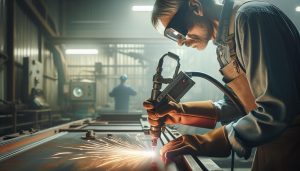
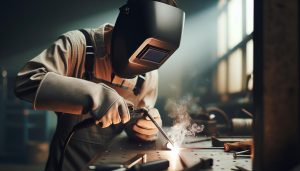
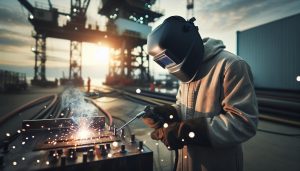
In the world of metal fabrication and welding, plasma cutters stand out as one of the most efficient tools for cutting through various materials, including steel and aluminum. This innovative method utilizes ionized gas to create extremely high temperatures, allowing for precise and clean cuts. Whether you are a professional welder or a DIY enthusiast, understanding the science behind how a plasma cutter works can significantly enhance your skill set and improve your project outcomes. As you dive into this topic, you’ll discover not only the technical aspects of plasma cutting but also practical tips and safety protocols that will elevate your craftsmanship. From maximizing efficiency to ensuring optimal safety in your workspace, grasping the fundamentals of plasma cutting empowers you to tackle a wide range of projects with confidence. Continue reading to unveil the fascinating principles that make this cutting technology a vital tool in modern metalworking.
How Plasma Cutters Work: Key Principles Explained
The intricacies of plasma cutting reveal a sophisticated amalgamation of science and engineering that transforms how metals are processed. At the core of this technology is the principle of ionization, where a gas is heated to the point that its atoms become charged, creating plasma. This highly energized state of matter-composed of free electrons and ions-enables the plasma cutter to cut through various materials with impressive precision. When gases like air or inert gases are forced through a narrow nozzle at high pressure, they interact with an electric arc, forming a concentrated stream of plasma that can easily melt through thick sheets of metal.
Understanding the mechanics behind plasma cutting is crucial for optimizing its use across different applications. As the plasma exits the nozzle, it reaches temperatures of nearly 30,000°F (16,600°C), allowing for efficient penetration of materials such as steel and aluminum. This intense heat is capable of melting the metal while the velocity of the plasma stream blows away the molten material, creating a clean cut. The process not only minimizes heat-affected zones-reducing warping and distortion-but also allows for intricate designs and shapes to be achieved with relative ease.
For those venturing into plasma cutting, it’s essential to grasp the importance of proper settings. Factors such as gas flow rates, cutting speed, and amperage levels significantly influence the quality and efficiency of the cuts. Tailoring these parameters based on the material type and thickness will ensure optimal performance, reducing the occurrence of common cutting issues such as excessive dross formation or uneven edges. Whether you are a novice or an experienced welder, understanding how plasma cutters work is the first step in mastering this versatile tool.
In summary, plasma cutting combines the fundamental principles of physics and innovative technology to offer unmatched capabilities in metal fabrication. By harnessing the unique properties of plasma, professionals can achieve high precision while maintaining efficiency, illustrating why this method remains a leading choice in various industries.
The Science of Plasma: What Makes It Unique?
The versatility of plasma makes it an intriguing subject, especially when considering its unique applications in plasma cutting. Plasma, often referred to as the fourth state of matter, is distinct from solids, liquids, and gases due to its ionized nature. In this state, the gas comprises ions and free electrons, enabling it to conduct electricity and generate extreme temperatures. For plasma cutting applications, understanding this unique state is crucial for harnessing its capabilities effectively.
One of the most compelling features of plasma is its ability to reach temperatures exceeding 30,000°F (16,600°C). This intense heat is not merely theoretical; it translates to practical applications in the metalworking industry. When a plasma arc is created-typically by introducing a gas through a nozzle and generating an electrical arc-this gas is ionized, creating a focused stream capable of melting various metals including steel, aluminum, and copper. The rapid movement of the plasma stream blows away the molten material, resulting in a clean cut with minimal heat-affected zones. This precision allows fabricators to create intricate designs and maintain the structural integrity of the surrounding metal, which is a significant advantage over other cutting methods.
Another aspect that makes plasma exceptional is its adaptability to different cutting scenarios. The type of gas used-whether air, nitrogen, or argon-can be chosen based on the specific requirements of the task at hand. Each gas affects the cutting speed, quality, and overall finish of the cut. Moreover, the adjustable parameters such as amperage and cutting speed provide operators the flexibility to tailor the cutting process for different metal thicknesses and compositions. This level of control means that both beginners and seasoned professionals can achieve desired outcomes, reinforcing why plasma cutting remains a prevalent choice in workshops and industrial environments.
In summary, the science behind plasma and its applications in cutting not only showcases its uniqueness but also highlights its efficiency and effectiveness. Whether one is just starting to explore welding and cutting techniques or is an experienced metalworker, grasping the fundamental properties of plasma is invaluable. Understanding how to manipulate these characteristics ensures that operators can achieve optimal results across a wide range of materials and applications, making plasma cutting a cornerstone of modern fabrication.
Understanding the Plasma Arc: Formation and Control
Creating a plasma arc involves a precise interaction between gas, electricity, and the conductivity of targeted materials, leading to advanced cutting capabilities that have transformed metal fabrication. When a plasma cutter is initiated, a gas, commonly air or argon, is released through a nozzle. Simultaneously, an electric arc is generated, ionizing the gas and turning it into plasma-a state that is crucial for melting the metal surfaces. This ionized state is characterized by a focused and highly energetic stream that can reach temperatures well over 30,000°F (16,600°C), allowing it to effectively penetrate and sever conductive materials.
The control of the plasma arc is vital for achieving clean cuts and precise edges. By adjusting parameters such as gas flow rates and amperage, operators can manipulate the characteristics of the plasma stream to suit different cutting tasks. For instance, increasing the amperage raises the arc temperature, improving cutting speed and efficiency on thicker materials. Notably, the choice of gas affects not only the cutting speed but also the quality and finish of the cut, with options like nitrogen or oxygen providing specific benefits for different metals.
It’s important to maintain the correct distance between the torch and the workpiece, which influences arc stability. Too close can cause excess heat and material burning, while too far can enlarge the kerf and lead to inaccurate cuts. A steady hand and practice allow welders to find the optimal height, typically noted in equipment manuals or through manufacturer recommendations. Additionally, understanding the role of the consumables, including the nozzle, electrode, and diffuser, contributes greatly to control over the arc. Regular inspection of these components ensures consistent arc formation and prolongs the tool’s lifespan.
In applications across various industries-including automotive, construction, and fabrication-mastery of the plasma arc enables fabricators to achieve efficiency and precision. As welders enhance their skills in managing the plasma arc, they unlock the full potential of this cutting technology, adapting processes to meet the challenges of different materials and project requirements.
Essential Components of a Plasma Cutter
Plasma cutters are sophisticated tools that rely on a few critical components to achieve their remarkable cutting capabilities. Understanding these elements is essential for both novice and experienced welders, enabling them to optimize performance and enhance cutting precision. Each component plays a vital role in efficiently transforming electrical energy into a high-temperature arc capable of piercing through metals.
The most integral component is the torch, which serves as the interface between the operator and the plasma. It houses several essential parts, including the nozzle, electrode, and diffuser. The nozzle focuses the plasma gas into a narrow stream, while the electrode creates the electric arc needed to ionize the gas. Materials like tungsten are often selected for the electrode due to their excellent conductivity and resistance to high temperatures. The diffuser regulates gas flow and helps stabilize the gas before it exits the nozzle, ensuring a consistent and controlled plasma stream.
Another key component is the power supply, which converts standard electrical energy into the required form for plasma cutting. Modern plasma cutters use advanced inverter technology to increase efficiency and provide better control over the cutting process. This technology allows for a more stable arc, improved cutting speed, and the ability to work with a wider range of materials and thicknesses. When selecting a plasma cutter, understanding the power supply’s amperage rating is crucial, as it dictates the maximum thickness of materials that can be effectively cut.
In addition to the torch and power supply, proper consumables are vital for maintaining the efficiency of plasma cutting operations. These include tips, electrodes, and various gas types that the cutter requires to function optimally. The tips, or nozzles, come in different sizes and styles, catering to specific cutting requirements and materials. Replacing these consumables regularly can prevent common issues such as poor cut quality and increased wear on the torch.
Lastly, the cooling system is an important yet often overlooked component, especially in heavy-duty applications. It helps to manage the heat generated during cutting, ensuring that both the machine and the operator remain safe. While some plasma cutters utilize air cooling, others may employ liquid cooling systems to enhance performance during prolonged use. Understanding the configuration and requirements of the cooling system can help prevent overheating and extend the lifespan of the tool.
Incorporating these essential components into your understanding of plasma cutting can significantly enhance your cutting efficiency and effectiveness. Knowing how each component functions not only aids in selecting the right equipment but also in ensuring optimal performance and safety during operations.
Types of Plasma Cutters: Which One to Choose?
Choosing the right plasma cutter can significantly impact your welding projects, whether you’re a DIY enthusiast or a professional fabricator. With various models and technologies available, understanding the different types-each with unique advantages-can help streamline your decision-making process. From entry-level systems to advanced industrial machines, plasma cutters serve a myriad of applications, and selecting the right one requires careful consideration of your cutting needs and material compatibility.
One of the primary distinctions among plasma cutters is their design and power source. Portability is often a key factor; lighter, inverter-based models are ideal for jobs on the go, typically offering a power range from 20 to 40 amps. These compact units can easily cut materials up to 3/8 inch thick and are excellent for lighter metals like aluminum or thin steel sheets. For heavier tasks, a industrial-grade plasma cutter with a higher amperage capability (up to 100 amps or more) allows for cutting thicker metals and provides greater control and precision.
Another important consideration is the air versus nitrogen plasma cutter. Air cutters are generally more versatile and economical, as they utilize regular compressed air. They are suitable for a wide range of materials, including stainless steel, aluminum, and mild steel, making them a popular choice for general fabrication. Conversely, nitrogen plasma cutters specialize in cutting stainless steel and can produce smoother edges with minimal oxidation and slag. This feature can be critical in industries requiring clean cuts without post-processing.
Regardless of the type, safety and maintenance are paramount. Operators should always utilize personal protective equipment (PPE) and ensure proper ventilation in the workspace. Additionally, regular maintenance of consumables such as electrodes and nozzles is essential to extend the lifespan of the plasma cutter and maintain cutting performance. Choosing a model with readily available replacement parts and technical support can also enhance overall user satisfaction and ease of troubleshooting.
Understanding the specific requirements of your projects, including relevant materials and desired outcomes, can guide you to select the right plasma cutter. With the right knowledge and equipment, you can elevate your plasma cutting skills, ensuring high-quality results that meet your welding needs.
Applications of Plasma Cutting in Various Industries
The versatility and efficiency of plasma cutting technology have made it an invaluable tool across various industries. This method of cutting is not only about precision; it’s about speed and adaptability in dealing with a wide array of materials. From construction and automotive to manufacturing and artistic endeavors, plasma cutting finds its application in numerous fields.
In the construction industry, plasma cutters are used to shape steel structures, allowing for complex designs and quick fabrication. They efficiently handle thick plate metals, which are essential in building frameworks and supports. In automotive manufacturing, plasma cutting is vital for producing body parts and components accurately and rapidly. This helps streamline the assembly process and reduce turnaround times, ensuring that production schedules are met efficiently.
Key Industries Utilizing Plasma Cutting:
- Manufacturing: Creating intricate parts for machinery and equipment.
- Aerospace: Precision cutting of materials for aircraft components, where weight and strength are critical.
- Art and Sculpture: Artists utilize plasma cutting for metal sculptures, enabling creative designs with clean edges.
- Shipbuilding: Essential for cutting thick hull plates and structural components.
Moreover, the rise of custom fabrication shops has highlighted plasma cutting’s capabilities for one-off projects and prototypes. By employing this technology, fabricators can deliver custom jobs on demand, whether it’s signage or bespoke architectural features. Additionally, the technology’s ability to cut through various materials like stainless steel, aluminum, and even copper makes it particularly appealing to diverse sectors.
In essence, the applications of plasma cutting are as varied as the materials it can cut, providing solutions that enhance productivity and quality in an increasingly fast-paced industrial landscape. Understanding how to leverage this technology effectively can ensure that projects are not only completed on time but also meet high standards of precision and aesthetic appeal.
Safety Considerations When Using Plasma Cutters
Using a plasma cutter can be a thrilling and efficient method for cutting through metals, but it comes with its own set of safety considerations that must be taken seriously. With the intense heat generated and the high-speed arc involved, neglecting safety protocols can lead to serious injuries, equipment damage, and even fire hazards.
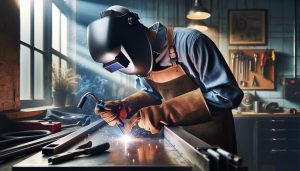
When preparing to operate a plasma cutter, it is imperative to don appropriate personal protective equipment (PPE). This includes a welding helmet with a suitable lens shade to protect your eyes from the bright arc and UV radiation, gloves made of heavy-duty material to shield your hands from heat and sparks, and flame-resistant clothing to minimize the risk of burns. Additionally, wearing closed-toed shoes and ensuring that long hair is tied back can further enhance safety.
The workspace should also be meticulously organized and free of flammable materials. Plasma cutting produces sparks and molten metal, which can ignite surrounding materials, leading to fires. It’s wise to maintain a clear area around the cutting site and have a fire extinguisher readily available. Furthermore, ensuring proper ventilation is crucial, as working with certain metals can produce toxic fumes; utilizing fume extraction systems or working outdoors when possible can mitigate this risk.
Lastly, understanding the machine’s operation and adhering to manufacturer guidelines cannot be overstressed. Familiarize yourself with the plasma cutter’s components, such as the torch, air supply, and electrical connections, to prevent malfunctions. Regular maintenance and inspections of the equipment add an additional layer of safety, ensuring that wear and tear do not compromise the cutter’s performance. By following these precautions, operators can work confidently and efficiently with plasma cutting technology while minimizing the inherent dangers associated with it.
Optimizing Cuts: Techniques for Efficiency
To achieve precise cuts and maximize efficiency with plasma cutters, understanding and implementing specific techniques is crucial. One foundational principle is maintaining the correct cutting speed. If the cutter moves too quickly, the cut may be imprecise with excessive dross or melt-through. Conversely, moving too slowly can result in burn-through or wasted resources. A general guideline is to adjust the speed based on material thickness; thicker materials require slower speeds for effective cutting.
Moreover, proper torch angle plays a vital role in the quality of the cut. A vertical or slightly leaned angle (around 5 degrees) can help to improve the stability of the arc and achieve a cleaner edge. Incorrect angles may lead to poor edge quality and increased wear on the cutting tip. Additionally, when cutting metals like aluminum, utilizing a higher plasma cutting gas flow can be beneficial. The increased gas flow helps maintain the necessary arc stability, while also minimizing the risk of contamination and oxidation on the surface of the metal.
Another technique for optimization is the use of proper consumables tailored to the material being cut. Different materials may require different types of electrodes and nozzles. For instance, fine-cut nozzles provide enhanced precision for thinner materials, while larger nozzles are better suited for thicker applications. Regularly inspecting and replacing worn consumables can drastically improve cut quality and efficiency. Additionally, employing a straight edge or guide can help maintain straight and accurate cuts, reducing the need for rework.
Finally, consider incorporating variables such as preheating or using a cutting table. Preheating can help in cutting thick materials, ensuring the metal is at an optimal temperature for cutting. Setting up a cutting table can also enhance stability and accuracy, allowing operators to secure their materials adequately and focus solely on maintaining a proper speed and angle during the cut. By refining these techniques, welders can optimize their plasma cutting process, leading to improved productivity and reduced material waste.
Common Issues in Plasma Cutting and Their Solutions
Plasma cutting, while efficient and precise, can present several challenges that affect the quality of cuts, operational efficiency, and safety. Understanding these common issues and their resolutions can enhance your plasma cutting experience significantly. One prevalent problem is inconsistent cutting speed, which can lead to poor edge quality and excessive dross accumulation. To mitigate this, it’s essential to adjust your movement speed based on material thickness and type. Practicing a consistent cutting rhythm and using a guide can help maintain an optimal speed and ensure uniformity across the entire cut.
Another frequent issue is arc stability. If the plasma arc flickers or extinguishes, it can create uneven cuts and increase wear on consumables. To enhance arc stability, ensure that the torch is at the correct distance from the workpiece; generally, this is about 1/8 to 1/4 inch for most applications. Additionally, using the appropriate gas flow settings is crucial; insufficient gas flow can disrupt the arc, while excessive flow can lead to turbulence that affects cut quality. Regularly checking gas supply lines for leaks and ensuring proper configuration can greatly improve performance.
Operators often encounter electrode wear which directly impacts cut quality. Worn electrodes can lead to wider kerf cuts and increased dross. To extend the life of the electrodes, it’s vital to regularly inspect them and replace them according to the manufacturer’s guidelines. When changing electrodes, it’s also a good practice to make certain that the equipment is clean and free of debris that could cause additional wear or interference during operation.
Finally, safety remains a critical consideration throughout the plasma cutting process. Improper handling of equipment, neglecting to wear appropriate protective gear, or overlooking ventilation requirements can lead to serious hazards. Operators should always use gloves, masks, and eye protection to safeguard against burns and flashbacks. Establishing a well-ventilated workspace also minimizes the risks associated with hazardous fumes produced during cutting.
By being aware of these issues and their solutions, plasma cutting operators-whether novices or seasoned professionals-can enhance their skills, improve cut quality, and maintain a safe working environment. Always prioritize proper technique and maintenance to achieve the best results from your plasma cutting efforts.
Maintenance Tips for Longevity of Plasma Cutters
To ensure the longevity and optimal performance of a plasma cutter, regular maintenance is essential. These precise tools rely on a delicate balance of components that can wear down over time or become less effective if not properly cared for. Regular maintenance not only enhances cutting quality but also prolongs the life of your equipment, reducing the overall cost of ownership.
One of the key aspects of maintaining a plasma cutter is to frequently check and replace consumables, particularly electrodes and nozzles. These parts directly influence the cutting arc and performance. Depending on usage, inspect them regularly for signs of wear or damage. A worn electrode can lead to inconsistent cuts and increased dross; therefore, adhering to the manufacturer’s replacement schedule is vital. Additionally, ensuring that the torch is clean and free from debris will help maintain optimal arc stability and cutting precision.
Another important maintenance step includes keeping the filtration system tidy. Plasma cutters require a clean air supply to function effectively. Contaminants in the air supply can clog nozzles and reduce cutting efficiency, so it is beneficial to maintain and replace air filters according to usage rates. Regularly draining moisture from the air compressor can also prevent moisture from interfering with the cutting process, which could lead to arc instability.
Lastly, ensuring that all connections, including gas and electrical lines, are secure and leak-free contributes to both safety and performance. Loose connections can result in erratic pressure and inconsistent cutting, leading to unsatisfactory weld quality. Checking hoses for any signs of wear or cracks and replacing them immediately can help mitigate potential issues.
With proper maintenance routines, including checking consumables, ensuring air quality, and inspecting connections, you can maximize the efficiency and lifespan of your plasma cutter, leading to better project outcomes and lower repair costs over its lifetime.
Future Innovations in Plasma Cutting Technology
The evolution of plasma cutting technology is at an exhilarating crossroads, where advancements are consistently pushing the boundaries of what’s possible. As industries increasingly demand precision, efficiency, and versatility, the future of plasma cutting is set to embrace innovations that will revolutionize how metal fabrication is approached. Notably, developments in automation, integration with advanced software, and improvements in plasma cutter efficiency promise to enhance the user experience significantly.
One of the most groundbreaking trends is the integration of Artificial Intelligence (AI) and machine learning into plasma cutting systems. These smart technologies can optimize cutting paths, reduce waste, and suggest adjustments based on real-time feedback from the cutting process. For instance, AI algorithms could analyze cutting conditions, adapting parameters such as speed and power settings to achieve the best possible results for each material thickness and type. This not only streamlines production processes but also enhances accuracy, allowing welders to focus on more complex tasks.
Additionally, advancements in power supply technology, including the use of high-frequency inverter systems, are set to increase the energy efficiency of plasma cutters. These systems produce a stable arc while consuming less power, making plasma cutting operations more cost-effective. They also have the potential to handle a broader range of materials, from thin gauge metals to thicker stock, without loss of arc stability or precision. Coupled with improved nozzle designs that optimize gas flow and cooling, these innovations can significantly improve cut quality and speed.
Moreover, the rise of modular and portable plasma cutting systems is changing the landscape of metalwork and fabrication on job sites. These innovative designs allow for greater flexibility and ease of use in diverse environments, supporting the needs of both amateur and professional welders. Future models are likely to feature enhanced connectivity options, enabling seamless integration with other tools and systems on site, whether in construction, automotive repair, or artistic metalworking.
As plasma cutting technology continues to advance, professionals in the field should stay attuned to these developments. Adopting new technologies early can provide a competitive edge, streamline workflow, and ensure the highest quality results in their projects. Emphasizing safety, along with embracing innovation, will empower welders to meet the demands of modern fabrication with confidence and skill.
FAQ
Q: What is the principle behind plasma cutting?
A: Plasma cutting operates on the principle of using an electrically conductive gas ionized at high temperatures to create an arc that melts metal. The gas is blown through a focused nozzle at high speed, effectively cutting through various metals by removing molten material.
Q: How does the plasma arc stabilize during cutting?
A: The plasma arc stabilizes through a combination of gas flow, electrical energy, and contact with the workpiece. The conductive nature of the metal helps to maintain the arc, allowing for consistent cutting depth and speed, which are crucial for effective results.
Q: What are the key safety precautions when using a plasma cutter?
A: Safety precautions include wearing proper protective gear such as gloves, goggles, and flame-resistant clothing, ensuring good ventilation, and keeping flammable materials away from the work area. Understanding electrical safety and proper machine handling is also essential to prevent accidents.
Q: What types of metals can be cut with a plasma cutter?
A: Plasma cutters can effectively cut a variety of metals, including steel, stainless steel, aluminum, brass, and copper. The thickness and type of metal will influence cutting speed and quality, making it important to choose the right settings for the specific metal being cut.
Q: Why is plasma cutting preferred over traditional cutting methods?
A: Plasma cutting is preferred due to its speed, precision, and ability to cut through thick materials without warping them. Unlike traditional methods, plasma cutting minimizes heat-affected zones and can be easily automated for repetitive tasks, increasing efficiency in industrial applications.
Q: How can one optimize the cutting process with a plasma cutter?
A: To optimize the cutting process, maintain the correct standoff distance from the workpiece, adjust cutting speeds based on material thickness, and ensure the cutting tip is clean and properly maintained. Regularly checking gas pressure and settings also helps maintain quality cuts.
Q: What maintenance is required for a plasma cutter?
A: Regular maintenance for a plasma cutter includes checking and replacing worn consumables, cleaning filters, and ensuring the gas supply is free of impurities. Keeping the unit clean and properly stored also extends its lifespan and performance, as discussed in the article’s maintenance tips section.
Q: How does plasma cutting technology compare to laser cutting?
A: Plasma cutting is generally more effective for thicker metals and offers faster cutting speeds on certain materials, while laser cutting provides greater precision and cleaner edges on thinner materials. The choice depends on project requirements, such as material type, thickness, and desired edge quality.
Concluding Remarks
Understanding the science behind plasma cutting not only highlights its efficiency but also empowers you to master this vital technique in your welding projects. If you’re ready to elevate your skills, dive into our related articles on MIG and TIG welding for comprehensive insights on various techniques and materials like aluminum and steel. Don’t miss out on tips for selecting the right plasma cutter and essential safety protocols to keep you protected while you work.
Act now! Subscribe to our newsletter for the latest industry updates, expert advice, and special offers that can enhance your craft. Your journey isn’t over-explore our welding resources section for more in-depth guides and equipment reviews that can help you tackle your next project with confidence. Join the discussion below and share your experiences with plasma cutting; your insights could inspire others in the welding community!