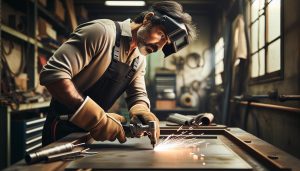
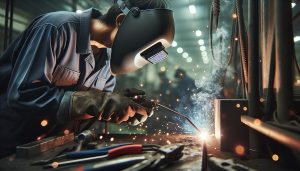
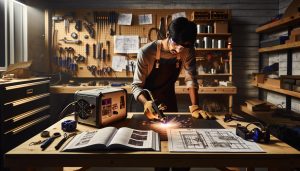
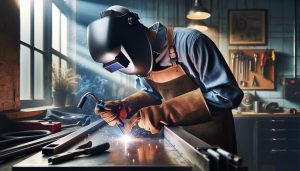
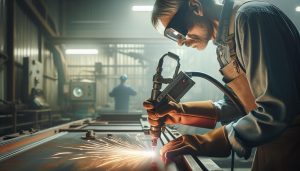
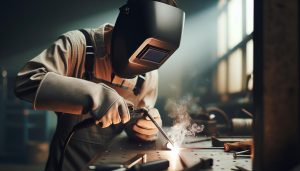
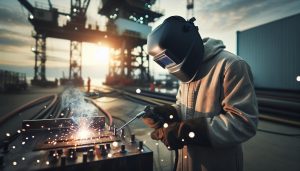
In the world of metalworking, precision and efficiency are paramount. Plasma cutters stand out for their ability to slice through various materials with remarkable speed and accuracy. This visual learning guide on “How Does a Plasma Cutter Work” will unravel the fascinating mechanics behind this powerful tool, illustrating its importance for both DIY enthusiasts and seasoned professionals. Understanding the operation of plasma cutters not only enhances your skill set but also opens the door to a range of creative projects, from intricate designs to heavy-duty repairs. Whether you’re looking to refine your technique or just starting in welding, this video will provide essential insights and safety tips to elevate your craftsmanship. Dive in and discover how mastering plasma cutting can significantly broaden your capabilities and improve your results in metal fabrication.
How Plasma Cutters Work: Understanding the Basics
Plasma cutting is a fascinating technology that allows for the precise and efficient cutting of conductive materials-often performing tasks that traditional cutting methods struggle to achieve. This process utilizes the energy of plasma, the fourth state of matter, which is generated when gas is ionized and heated to extreme temperatures. In essence, plasma cutting transforms electricity into a precisely focused stream of ionized gas that effortlessly vaporizes metal, enabling clean cuts in materials such as steel, aluminum, and copper.
At the heart of plasma cutting technology is the plasma cutter itself, a tool that requires a compressed gas-often air or inert gases like argon or nitrogen. When the gas is blown through a nozzle and subjected to an electric arc, it becomes ionized and forms plasma. This superheated plasma can reach temperatures exceeding 20,000 degrees Fahrenheit, effectively melting metal to create rapid cuts. The versatility of plasma cutters makes them particularly valuable in fabricating complex shapes or intricate designs, distinguishing them from more traditional methods such as oxy-fuel cutting.
To fully appreciate how plasma cutters work, it’s essential to recognize their components, including the power supply, cutting torch, and nozzle. The power supply is responsible for generating the electrical arc, while the cutting torch serves as the mechanism through which both the plasma and the compressed gas exit. The nozzle, often made from wear-resistant material, shapes the plasma stream for optimal cutting speed and effectiveness. Routine maintenance of these components is crucial for achieving consistent cutting quality and extending the tool’s lifespan. Properly configured and maintained, a plasma cutter can deliver clean, precise cuts across various thicknesses, making it an indispensable tool for both hobbyists and professionals in the metalworking industry.
Additionally, plasma cutting offers unique advantages over other cutting methods, such as its ability to cut at high speeds and with minimal distortion of the material-qualities especially important in applications where precision is paramount. Whether fabricating metal artwork or performing industrial fabrication, understanding the functional principles behind plasma cutting empowers users to make informed decisions about utilizing this cutting-edge technology effectively.
Key Components of a Plasma Cutter Explained
A plasma cutter consists of several integral components that work together to deliver precise cuts in conductive materials, allowing users to tackle a variety of metalworking tasks efficiently. Understanding these key components not only enhances operational skills but also enables users to perform maintenance and troubleshoot any potential issues effectively.
The first major component is the power supply, which generates the electrical arc necessary for creating plasma. It converts standard electricity into a form suitable for ionizing gas, providing the required voltage and current to initiate and maintain the cutting process. Different plasma cutters may utilize varying power supplies depending on the intended application and the thickness of the material being cut.
Another essential element is the cutting torch, a handheld or machine-mounted device where the plasma is created. The torch houses the electrode and nozzle, crucial for directing the plasma stream. The electrode itself, typically made of a hafnium or tungsten alloy, produces the necessary heat to ionize the gas flowing through the torch. The nozzle then shapes the plasma stream, optimizing the cutting speed and enhancing the precision of the cut. The geometry of the nozzle can significantly impact the characteristics of the plasma, including the speed and quality of the cut.
Finally, compressed gas is fed into the system, commonly air or specific inert gases like argon or nitrogen, which contribute to the ionization process that forms plasma. The choice of gas can affect both the cutting capabilities and the finished quality of the material. A dedicated cooling mechanism, although not always explicitly accounted for, is also vital as it helps maintain optimal temperatures within the cutter, preventing overheating and prolonging the lifespan of the components.
In summary, effectively utilizing a plasma cutter requires a thorough understanding of its core components: the power supply, cutting torch, and the gas being used. Each plays a crucial role in operational success, influencing both the efficiency of cuts and the precision achieved across various applications. By familiarizing oneself with these parts, users can ensure optimal performance and address any issues that may arise during use.
The Science Behind Plasma Cutting Technology
The process of plasma cutting leverages a unique interplay of physics and technology, transforming ordinary gas into a superheated state that enables precision metalworking. At the heart of plasma cutting lies the concept of plasma, which is often referred to as the fourth state of matter. When gas is ionized through intense heat, it generates a conductive path of charged particles, allowing electrical currents to flow through. This process not only empowers the creation of extremely high temperatures within the plasma arc but also facilitates the effective melting and piercing of metal materials.
The science begins with the formation of the plasma arc itself. A high-voltage electric arc is created between the electrode within the cutting torch and the workpiece. This ionizes the gas, transforming it into plasma. The ionization process strips electrons from the gas atoms, causing them to become charged particles. The result is a stream of plasma that reaches temperatures of up to 30,000°F (16,600°C). This immense heat allows the plasma cutter to melt the metal, which is then blown away by the speed and pressure of the plasma stream, leading to a clean cut.
Understanding the different types of gases used in plasma cutting can also enhance cutting performance. For instance, while air is a common choice, argon or nitrogen can also be utilized depending on the intended application. Argon-rich gas mixtures often lead to a smoother cut and reduced oxidation, which is particularly beneficial for stainless steel fabrication. In contrast, using air may create a wider heat-affected zone, which could distort thin materials. The right choice in gas not only influences the quality of the cut but can also impact the overall material characteristics and finish.
Lastly, mastering the manipulation of a plasma cutter requires knowledge of its parameters, including amperage, travel speed, and torch height. Each of these factors interacts with the cutting dynamics to impact the quality of the cut and the overall integrity of the workpiece. By adjusting these settings according to the specific materials and thicknesses being cut, users can significantly enhance their cutting efficiency and produce cleaner, more precise edges. Embracing this scientific understanding of plasma cutting will empower operators, whether novice or expert, to achieve their desired results with confidence and precision.
Step-by-Step Guide to Plasma Cutting Process
To execute a successful plasma cutting process, it’s vital to follow a systematic approach that ensures precision and safety. Understanding each stage allows both novices and experienced welders to achieve optimal results while minimizing risks. Here’s how to navigate this intricate yet rewarding process.
Start by gathering the essential equipment, which includes a plasma cutter, appropriate personal protective equipment (PPE), and the workpiece material. The PPE should consist of safety glasses, gloves, and flame-resistant clothing to protect against sparks and heat. Ensure the workspace is clean, organized, and free of flammable materials. This not only enhances safety but also improves cutting efficiency.
The initial step involves setting up your plasma cutter. Connect the machine to a suitable power source and select the appropriate settings based on the material type and thickness. Parameters such as amperage and gas flow must be adjusted to ensure optimal cutting quality. For instance, higher amperage may be necessary for thicker metals, while consistent gas flow is crucial to maintain a stable plasma arc.
Once the setup is complete, it’s time to position the workpiece securely. Use clamps or a vise to prevent movement which can cause inaccurate cuts. Then, draw your cutting path on the metal, if needed, using a marker or chalk for a visual guide. With the torch in hand, ignite the plasma arc by triggering the machine. Bring the torch to the workpiece at the correct height-generally around 1/8 inch above the surface-to achieve a clean cut. Begin moving the torch along the predetermined line, maintaining a steady speed to ensure uniformity in cutting depth and finish.
After completing the cut, keep the torch in motion until the arc extinguishes completely before lifting the plasma cutter. This prevents damage to the workpiece and ensures safety. Finally, allow the material to cool before handling, as the metal will retain heat. Regular inspection and maintenance of the plasma cutter following use help ensure long-term reliability and performance, including cleaning the torch and checking for wear on consumables.
By adhering to these steps, operators can maximize the efficiency and quality of their plasma cutting projects, transforming their ideas into tangible results with professional precision.
Choosing the Right Plasma Cutter for Your Projects
Choosing the right plasma cutter can make all the difference in achieving efficient, high-quality cuts that meet your specific project needs. With a plethora of options available, understanding the key factors that influence your choice will empower you to select a model that not only performs well but also suits your skill level and material requirements.
When considering a plasma cutter, first assess the thickness of the material you typically work with. For hobbyists and those tackling lighter projects, a hand-held unit with a lower amperage range (20-40 amps) may suffice. However, for professionals or those frequently cutting thicker metals, a more powerful unit (40-80 amps) would be necessary to ensure clean cuts without excessive slag or burn-through. Additionally, look for units that provide continuous output adjustment, allowing for adaptability across various metal thicknesses and types, including aluminum and stainless steel.
Another critical aspect is the air supply requirements. Most plasma cutters require an external air compressor to provide the compressed air needed for the cutting process. It’s essential to ensure that your compressor can deliver sufficient airflow and pressure (measured in cubic feet per minute, or CFMs) for the specific plasma cutter model you choose. For convenience, consider opting for an all-in-one unit that includes a built-in compressor if mobility and ease of use are priorities for your projects.
In addition to performance features, don’t overlook portability and ease of use. If you plan to transport your plasma cutter frequently, a lightweight model with ergonomic handles and a compact design will be beneficial. User-friendly features, such as intuitive controls and quick setup options, make a significant difference, especially for those who are new to plasma cutting or are working in busy environments.
Lastly, investigate the availability of replacement parts and customer support. A plasma cutter is an investment, and ensuring that consumables, such as electrodes and nozzles, are readily available will save you time and money in the long run. Check for warranties and customer service reviews to ensure that help is accessible when needed.
By considering these factors, you will be well on your way to selecting a plasma cutter that effectively matches your projects, providing you with both ease of use and professional results.
Safety Protocols When Using a Plasma Cutter
When operating a plasma cutter, safety should always be the top priority. Understanding and adhering to safety protocols not only protects the operator but also ensures a more efficient and effective cutting process. Plasma cutting generates extreme temperatures and bright arcs that can cause serious injuries if proper precautions are not taken. As you prepare to cut, it’s essential to familiarize yourself with the potential hazards and best practices to create a safe working environment.
A few fundamental safety measures should be implemented before starting any plasma cutting project. First, ensure that you are wearing the appropriate personal protective equipment (PPE), which includes:
- Protective eyewear: Use a welding helmet with a proper shade to protect your eyes from harmful UV rays and bright flashes.
- Gloves: Heavy leather gloves will provide protection from heat and sparks.
- Fire-resistant clothing: Wear long sleeves and pants made of materials that resist ignition to minimize burn injuries.
- Respiratory protection: If cutting materials that produce harmful fumes, ensure you have adequate ventilation or use a respirator.
Additionally, the work area should be meticulously organized. Clear any flammable materials away from the cutting site, as sparks and molten metal can easily ignite them. It’s also advisable to have a fire extinguisher readily accessible and ensure that all workers in the vicinity are aware of its location and use.
Another crucial aspect of using a plasma cutter safely is to perform routine equipment checks. Before initiating the cutting process, inspect the plasma cutter to ensure there are no damaged cables, leaks, or worn components. Make sure the compressor is functioning properly and that air pressure is within the recommended range for your device. Familiarize yourself with the model’s manual, paying special attention to the manufacturer’s safety guidelines and operational instructions.
In the event of an emergency, having an action plan in place can make a significant difference. Train all personnel involved in the plasma cutting process on first aid procedures and emergency shutdown protocols. This proactive approach to safety not only reduces risks but also promotes a culture of safety awareness among all operators.
By prioritizing these safety protocols, operators can significantly lower the risks associated with plasma cutting. Taking the time to implement these measures will help ensure a safer and more productive cutting experience, allowing you to focus on achieving the best possible results with your plasma cutter.
Common Applications of Plasma Cutting in Industry
Plasma cutting has revolutionized the industrial landscape by offering a quick and efficient method for slicing through various materials. One of the most impressive applications of plasma cutting is in the manufacturing sector, where precision is paramount. Industries leverage plasma cutting for fabricating metal components ranging from intricate parts for machinery to large structural elements in construction. This technology excels in cutting through conductive materials like steel, aluminum, and copper, allowing for both thick and thin sections to be processed with impressive speed and accuracy.
Another significant application of plasma cutting can be found in the automotive industry. Here, manufacturers use plasma cutters to create complex shapes required for vehicles, such as chassis components and body panels. The ability to produce high-quality cuts without extensive material distortion makes plasma cutting ideal for producing parts that require tight tolerances. Additionally, with the growing trend towards bespoke and lightweight designs, plasma cutting has become invaluable for fabricating custom parts tailored to specific client needs.
In the realm of artistic expression and design, plasma cutting also finds a home. Artists and craftsmen utilize this technique to create stunning sculptures and intricate designs, demonstrating not only the versatility of the plasma cutter but also its capacity to turn raw metal into works of art. The precision and control offered by plasma cutting allow for detailed patterns and features that would be challenging to achieve with traditional cutting methods.
Finally, maintenance and repair operations across industries frequently rely on plasma cutting to remove damaged sections from equipment or structures. The adaptability of plasma cutters allows workers to perform swift repairs, minimizing downtime and extending the lifespan of essential machinery. In environments like shipbuilding or heavy equipment repair, the ability to quickly cut and reshape metal components is crucial for operational efficiency.
Overall, the diverse applications of plasma cutting highlight its integral role in modern industry, blending functionality with artistry. Whether for manufacturing, automotive production, artistic endeavors, or maintenance, plasma cutting stands out for its speed, precision, and adaptability.
Comparing Plasma Cutting to Other Welding Techniques
Plasma cutting stands out in the world of fabrication for its unique advantages and versatility, particularly when compared to traditional welding techniques. Understanding these differences is vital for anyone working in metal fabrication or repair, as each method can significantly affect both the outcome and efficiency of the work. While methods like MIG (Metal Inert Gas), TIG (Tungsten Inert Gas), stick welding, and flux-cored welding all have their merits, plasma cutting provides distinct benefits that make it particularly valuable in certain applications.
One of the most compelling advantages of plasma cutting is its speed. Plasma cutters can slice through metal at a much faster rate than conventional welding methods. For instance, while MIG and TIG welding involve a more meticulous, slow process that focuses on joining materials, plasma cutting efficiently removes material, resulting in cleaner cuts with minimal thermal distortion. This speed is particularly beneficial in environments where time is critical, such as construction or automotive industries where components must be fabricated quickly.
Precision and Cleanliness: Plasma cutting is lauded for producing clean edges and tight tolerances, making it ideal for intricate work. Unlike traditional methods where heat can warp or distort the material, plasma cutting maintains the integrity of the metal while providing a high degree of control over the finished product. For complex shapes and detailed designs in metalwork-common in artistic applications or bespoke manufacturing-plasma cutters can achieve results that are often difficult to replicate with other techniques.
When it comes to material versatility, plasma cutting excels, particularly with metals like aluminum, stainless steel, and copper. In contrast, certain welding methods-especially stick welding-may struggle with these materials without specialized electrodes. This broad applicability makes plasma cutting a go-to option for shops that process various metals, ensuring that fabricators can tackle numerous projects without being restricted by equipment capabilities.
Comparative Limitations: However, it’s important to also consider the limitations of plasma cutting. Unlike welding techniques that create strong, permanent bonds between materials, plasma cutting is primarily a cutting process. For joining metals together, options like TIG and MIG welding are preferred due to their ability to provide robust and lasting welds. The choice between plasma cutting and other methods ultimately depends on the specific needs of the project, including factors like material type, desired finish, strength requirements, and the complexity of shapes involved.
In conclusion, while plasma cutting offers remarkable speed and precision for cutting various conductive materials, it should be employed in accordance with the project’s goals. Each welding technique has its specialized applications, so understanding when to utilize plasma cutting versus traditional welding methods will enable fabricators to make informed decisions, maximize efficiency, and achieve the highest quality in their work.
Troubleshooting Common Plasma Cutter Issues
Troubleshooting plasma cutter issues can often mean the difference between a successful project and a frustrating experience. Whether you’re a beginner or an experienced fabricator, understanding common problems and how to resolve them can enhance your efficiency and precision during cutting tasks. Some prevalent issues include poor cut quality, excessive spatter, and inconsistent arc stability. Each of these problems can stem from various sources, making it essential to diagnose the root cause correctly.
Often, poor cutting performance can be attributed to consumable wear. The electrodes and nozzles are vital components that wear down over time, leading to issues like inconsistent arc length and poor plasma flow. Regularly inspect and replace these parts according to the manufacturer’s recommendations. Additionally, ensuring proper airflow is crucial; insufficient or excessive air pressure can lead to poor cut quality. Refer to your cutter’s manual for the optimal settings and adjust your equipment accordingly.
When addressing excessive spatter or dross on your workpiece, checking your cutting speed and torch angle is recommended. Using too slow a speed can cause excessive heat input, resulting in more molten material sticking to the cut edge. A consistent feeding speed coupled with an appropriate torch angle typically helps minimize spatter. Moreover, maintaining a clean work environment free of contaminants like rust and paint will also enhance cutting performance.
Lastly, if you experience arc stability issues, consider examining your power supply and ground connections. Weak or inconsistent power can cause the arc to fluctuate, disrupting the cutting process. Ensure that your ground clamp is securely attached to your workpiece, and check connections for any corrosion or loose fittings. By being vigilant about these common issues and performing routine maintenance, you can keep your plasma cutter in top condition and achieve the best results in your projects.
Tips for Maintaining Your Plasma Cutter
To ensure optimal performance and longevity of your plasma cutter, routine maintenance is paramount. Just as you wouldn’t drive a car without regular tune-ups, your plasma cutter also requires proactive care. Frequent inspection and maintenance can prevent costly repairs and the frustration associated with malfunctioning equipment.
One key component to monitor is the consumables, specifically the electrodes and nozzles, which wear down with use. Regularly check these parts for signs of damage or wear. It’s advisable to replace them based on the manufacturer’s recommendations or whenever you notice a decline in cutting quality. Keeping a consistent inventory of these consumables can save you time during critical projects.
Moreover, maintaining proper airflow and temperature settings is crucial to the cutter’s performance. Adjusting the air pressure to match the specifications outlined in the user manual can significantly improve cut quality. Insufficient airflow can cause overheating, resulting in more dross and a rougher cut edge. A clean, dry air supply will also help prevent moisture from damaging the internal components.
It is essential to keep the work area clean and free of debris that could interfere with the plasma cutting process. Contaminants like rust, paint, or metal shavings may affect the cut quality and can damage the cutter. Additionally, regularly check the ground connection; a poor ground can lead to arc instability and inconsistent cuts. Ensure that all connections are tight and free from corrosion to maintain an uninterrupted flow of electricity.
By integrating these maintenance practices into your routine, you not only enhance the efficiency and effectiveness of your plasma cutter but also extend its lifespan. Professional welders understand that a well-maintained tool is critical to achieving precision cuts and ensuring safety in every project.
Visual Learning: Recommended Plasma Cutting Videos
Understanding plasma cutting through visual learning can significantly enhance your proficiency and confidence in the workshop. Videos on how plasma cutters work not only demonstrate the operational aspects but also provide insights into best practices, safety protocols, and troubleshooting techniques that are crucial for both beginners and seasoned professionals.
To start, look for educational videos that explain the physics behind plasma cutting. These often illustrate how an electrical arc creates high-temperature plasma, enabling effective metal cutting. In addition to theory, practical demonstrations showing cuts on various materials, like steel and aluminum, offer valuable visual context that solidifies the learning process. Channels focused on welding and metalworking frequently include walk-throughs that detail setup, execution, and cleanup-each vital for mastering the skill.
Another vital component in visual learning is safety. Videos emphasizing personal protective equipment (PPE), proper ventilation, and surrounding workspace safety can significantly mitigate risks associated with plasma cutting. Engaging demonstrations on maintaining distance from the arc and managing equipment can also reinforce safe practices that must be second nature in any welding environment.
Consider exploring tutorials that cover common troubleshooting scenarios. Many online resources provide step-by-step solutions for issues like incomplete cuts or excessive dross. These real-world examples help demystify problems you may encounter and equip you with the problem-solving skills necessary to operate effectively under various conditions.
Investing time in quality visual resources will not only improve your plasma cutting techniques but also empower you to troubleshoot and maintain equipment confidently, ensuring precise and safe operations on your projects.
Exploring Advanced Plasma Cutting Techniques
Advanced plasma cutting techniques can drastically enhance your efficiency and precision in metalworking tasks. One notable method is “plasma gouging,” which utilizes the plasma cutter to remove metal without cutting all the way through. This technique is particularly useful for cleaning up welds, preparing surfaces for additional welding, or creating intricate designs in metal. Utilizing a specific gouging nozzle can optimize performance, allowing for better control over the speed and angle of the cut, which is crucial for achieving a clean finish.
Additionally, multi-pass cutting is an advanced technique that takes advantage of the plasma cutter’s capabilities to perform several overlapping cuts. This method is particularly effective for thicker materials where a single pass may not achieve the necessary depth. By carefully planning each pass and adjusting parameters such as amperage and speed, welders can create smooth edges and accurate geometries in materials like steel and aluminum. Many professionals find that visual learning resources, including instructional videos, are invaluable for mastering these techniques, as they provide real-world examples that can directly translate to hands-on skills in the workshop.
Moreover, fine-cutting technology has emerged as a sophisticated approach to plasma cutting. This involves the adjustment of gas flow and electrode design to create a narrower, more precise arc that minimizes the kerf width. Fine-cutting is particularly effective for thin materials or intricate designs, allowing for less material wastage and more complex shapes. When combined with CNC (computer numerical control) systems, this technique can facilitate highly detailed and repeatable cuts with stunning accuracy.
As you delve deeper into plasma cutting, consider experimenting with different materials and thicknesses to understand how each technique responds to varying conditions. Engaging with advanced tutorials and community forums can further enhance your learning, providing tips and experienced insights that help refine your skills and approach.
Q&A
Q: How does a plasma cutter create a cut?
A: A plasma cutter creates a cut by generating a high-temperature plasma arc that ionizes the air and melts the metal. The compressed air blows away the molten material, allowing for precise cutting. This process can quickly and effectively cut through various metals, making it ideal for industrial applications.
Q: What materials can be cut with a plasma cutter?
A: Plasma cutters can effectively cut ferrous and non-ferrous metals, including steel, stainless steel, aluminum, and brass. Their versatility makes them suitable for various applications, from fabrication to artistic metalworking. Refer to the article’s sections on common applications for detailed insights.
Q: How thick of metal can a plasma cutter cut?
A: The thickness of metal a plasma cutter can handle depends on its specifications; most handheld plasma cutters can cut up to ¼ inch. Industrial models can cut over 1 inch thick. Consider your project needs when choosing a plasma cutter, as detailed in the article’s section on selecting the right equipment.
Q: What safety precautions should I take when using a plasma cutter?
A: Always wear protective gear, including gloves, goggles, and a welding helmet, to safeguard against sparks and UV light. Ensure proper ventilation in your workspace to avoid inhaling fumes. The article discusses comprehensive safety protocols that are essential for safe plasma cutting practices.
Q: What is the difference between plasma cutting and oxy-fuel cutting?
A: Plasma cutting uses a high-temperature plasma arc and is best suited for thinner metals, delivering faster and cleaner cuts. In contrast, oxy-fuel cutting relies on a chemical reaction between oxygen and the metal, making it ideal for thicker metals, albeit slower and messier. For a detailed comparison, refer to the relevant section in the article.
Q: Can plasma cutting be used for intricate designs?
A: Yes, plasma cutting is excellent for intricate designs due to its precision and adaptability. It allows for detailed workflows and is commonly used in artistic metalwork. If you’re interested in advanced techniques, the article provides insights into exploring more sophisticated plasma cutting methods.
Q: How can I maintain my plasma cutter for optimal performance?
A: Regular maintenance, such as checking and replacing consumables like electrodes and nozzles, ensures optimal performance. Keeping the cutter clean and inspecting for gas leaks are also crucial. You can find comprehensive maintenance tips in the section dedicated to plasma cutter upkeep in the article.
Q: What are the common issues with plasma cutters and how can I troubleshoot them?
A: Common issues include inconsistent cutting quality, tip wear, and electrical problems. Troubleshooting can often be resolved by ensuring proper settings and replacing worn components. For further troubleshooting techniques, refer to the article’s dedicated section on common plasma cutter issues.
In Retrospect
Thank you for joining us on this visual learning journey into how a plasma cutter works! By grasping its fundamentals, you’re now better equipped to enhance your projects efficiently and precisely. Don’t just stop here-take action now! Explore our articles on MIG welding techniques or discover the nuances of TIG welding for an even deeper understanding of metalworking.
If you have questions or want to share your experience with plasma cutting, please leave a comment below! Your insights could help fellow enthusiasts. For ongoing updates, consider signing up for our newsletter, where we deliver expert tips and the latest trends in welding straight to your inbox. Keep deepening your skills in metal fabrication, and remember, all great welders started with curiosity-yours may lead to your next big project!