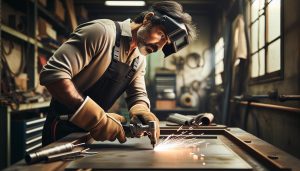
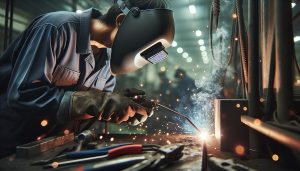
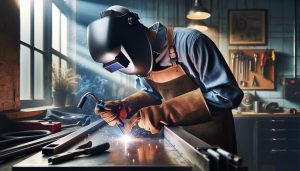
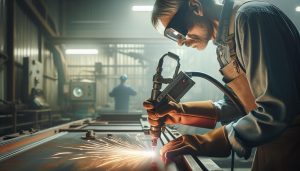
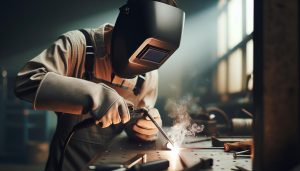
Plasma cutting is a transformative process that harnesses the power of ionized gas to slice through metals with precision and speed. Whether you’re a seasoned professional or a curious beginner, understanding how plasma cutters operate can elevate your welding skills and enhance your projects. This technology not only increases efficiency but also offers remarkable versatility, allowing you to work with various materials, including aluminum and steel.
As you explore our captivating video, you’ll witness the fascinating process in action, demystifying the science behind it. You’ll learn practical applications, safety protocols, and helpful tips to ensure flawless results in your metalworking endeavors. Join us on this journey to discover the magic of plasma cutting, and unlock new possibilities in your crafting, fabrication, or repair projects. Dive into the video and let your curiosity lead the way!
Understanding the Basics of Plasma Cutting Technology
Plasma cutting technology is an impressive fusion of physics and engineering, capable of transforming raw metal materials into precise shapes and forms. It operates on the principle of ionization, where a gas is heated to such extreme temperatures-often exceeding 20,000°C-that it turns into plasma. This high-velocity jet of ionized gas allows the cutter to melt and expel material from the metal, providing clean, precise cuts. Understanding the fundamentals of this process not only demystifies the technology but also equips users with the knowledge to optimize their cutting techniques, whether they are beginners or seasoned professionals.
Plasma cutters utilize various gases, with argon, nitrogen, and argon/hydrogen being the most common. These gases are compressed and directed through a nozzle, where they undergo ionization and are transformed into a plasma state. The heat generated at the nozzle tip enables the cutting process, efficiently melting the metal; the force of the plasma jet then blows the molten metal away from the cutting path. This method is particularly advantageous for its speed and versatility, allowing for the cutting of a range of electrically conductive materials, including steel, aluminum, and copper.
To achieve high-quality cuts, several factors must be considered. These include the selection of appropriate settings for amperage and gas flow rates, the distance of the torch from the workpiece, and maintaining a steady hand during the cutting process. Adjusting these variables can greatly influence the kerf width and the overall quality of the cut. For optimal results, users should consider the thickness of the material, as thicker materials may require higher amperage to penetrate effectively and produce smoother edges.
In practical terms, plasma cutting has found its place across numerous industries, including automotive repair, metal fabrication, and artistic applications. By grasping the essential principles of plasma cutting technology, users not only enhance their operational skills but also ensure the creation of accurate and aesthetically pleasing workpieces, showcasing the fascinating capabilities of modern cutting methods.
The Components That Make Plasma Cutters Work
The heart of a plasma cutter lies in its carefully engineered components, each playing a critical role in the cutting process. Understanding these components not only demystifies the operation of plasma cutters but also equips users with the insights needed to optimize their cutting techniques. At the core, the system includes a power supply, plasma torch, and a gas delivery system, each designed to work harmoniously.
The power supply generates the electricity required to transform the gas into a high-velocity plasma arc. This is usually a high-frequency unit that can range from 110 to 600 amps, depending on the thickness and type of metal being cut. The plasma torch, featuring a nozzle, is where the electricity meets the gas. As the ionized gas exits the nozzle, it reaches temperatures sufficient to melt metal, which is subsequently blown away by the force of the gas. Selecting the right nozzle size is crucial, as it can directly impact the precision and width of the cut.
Meanwhile, the gas delivery system controls the type and flow of gas used, which can greatly affect performance. Common gases include air, nitrogen, and argon, each suited for different applications and materials. Proper gas flow settings ensure that the plasma remains stable, contributing to a cleaner, more efficient cut. Users should constantly monitor and adjust these settings in relation to the material being cut and its thickness, as these factors influence arc stability and overall cut quality.
In summary, the synergy of the power supply, plasma torch, and gas delivery system defines the effectiveness of plasma cutters. A well-maintained and properly calibrated plasma cutter not only enhances user efficiency but also significantly extends the lifespan of the equipment. Understanding these components and their roles can significantly improve cutting outcomes, whether you are a novice welder or an experienced metal fabricator looking to refine your skills.
How Plasma Cutters Create High-Quality Cuts

Creating high-quality cuts with a plasma cutter hinges on understanding how the technology effectively transforms electrical energy into focused thermal energy capable of melting and removing metal. The process begins when the plasma cutter generates an electric arc that ionizes a gas – typically air, argon, or nitrogen – creating a plasma jet. This jet reaches extreme temperatures ranging from 20,000°F to 30,000°F, which is necessary for effectively cutting through various conductive metals.
To achieve precision, operators must consider several key factors that influence cut quality. First, the correct selection of nozzle size is crucial. A smaller nozzle can produce a narrower cut, enhancing detail but potentially risking slower speeds if the material is thick. Conversely, larger nozzles enable faster cuts but can sacrifice precision. Moreover, maintaining an optimal standoff distance – the space between the nozzle and the metal – is vital for arc stability and ensuring a cleaner cut. Generally, a distance of 1/16 to 1/8 inch is recommended for most applications.
The gas flow rate is another critical parameter that directly affects the plasma jet’s characteristics. Insufficient gas flow can lead to an unstable arc, resulting in dross and undesirable cut edges. Conversely, excessive gas flow may create turbulence, disrupting the plasma path. Users should fine-tune this during operation to suit specific materials and thicknesses, with air being a popular choice for general cutting due to its availability and cost-effectiveness.
The cutting speed should also be adjusted based on material thickness and type; too fast can lead to incomplete cuts, while too slow can produce excessive heat, resulting in burn-through or warping. Effective techniques include moving the cutter at a steady pace to maintain consistent cut quality. For intricate designs, it may be worthwhile to practice on scrap materials to perfect these settings and enhance proficiency. By aligning these elements – nozzle selection, standoff distance, gas flow, and cutting speed – users can consistently achieve smooth, high-quality cuts perfect for both detailed artwork and industrial applications.
Common Applications of Plasma Cutting in Metalwork

In the realm of metal fabrication, plasma cutting stands out as a transformative technology that has opened new avenues for fabrication techniques, allowing for clean and efficient cuts across a variety of materials. This method is particularly beneficial when working with conductive metals, making it indispensable for industries such as construction, automotive, and manufacturing. Its rapid cutting capabilities, coupled with the ability to handle intricate designs, have solidified plasma cutting’s place as a key contributor to modern metalwork.
One of the most common applications of plasma cutting is in the production of metal artwork and sculptures. Artists and fabricators can achieve intricate designs with remarkable precision, pushing the boundaries of creativity. The versatility of plasma cutters allows for detailed patterns that would be challenging to accomplish with traditional methods. Additionally, plasma cutting is frequently used in the automotive industry for cutting chassis components and other intricate parts due to its speed and accuracy.
Another prevalent use of plasma cutting is in the construction of metal structures, such as buildings and bridges. Plasma cutters excel at cutting large sheets of steel, aluminum, and other metals, making them ideal for fabricators creating beams, columns, and other structural components. The ability to quickly cut through thick materials allows construction projects to maintain tight timelines without sacrificing quality.
In repair and maintenance applications, plasma cutting proves invaluable when working with old machinery or vehicles that require custom parts. The precision of plasma cutting enables technicians to create components that fit seamlessly into existing structures, minimizing the need for modifications. Furthermore, the portability of plasma cutting equipment allows it to be employed in diverse environments, from automotive shops to remote job sites, enhancing its practicality for fabricators.
Utilizing plasma cutting across these various applications highlights its unmatched capabilities in modern metalwork. As industries continue to evolve, embracing this technology will undoubtedly lead to continual innovation, making it a fundamental aspect of metal fabrication. By understanding its applications, fabricators can better leverage plasma cutting to enhance their processes, ensuring they remain competitive in an ever-changing market.
Safety Protocols When Using a Plasma Cutter
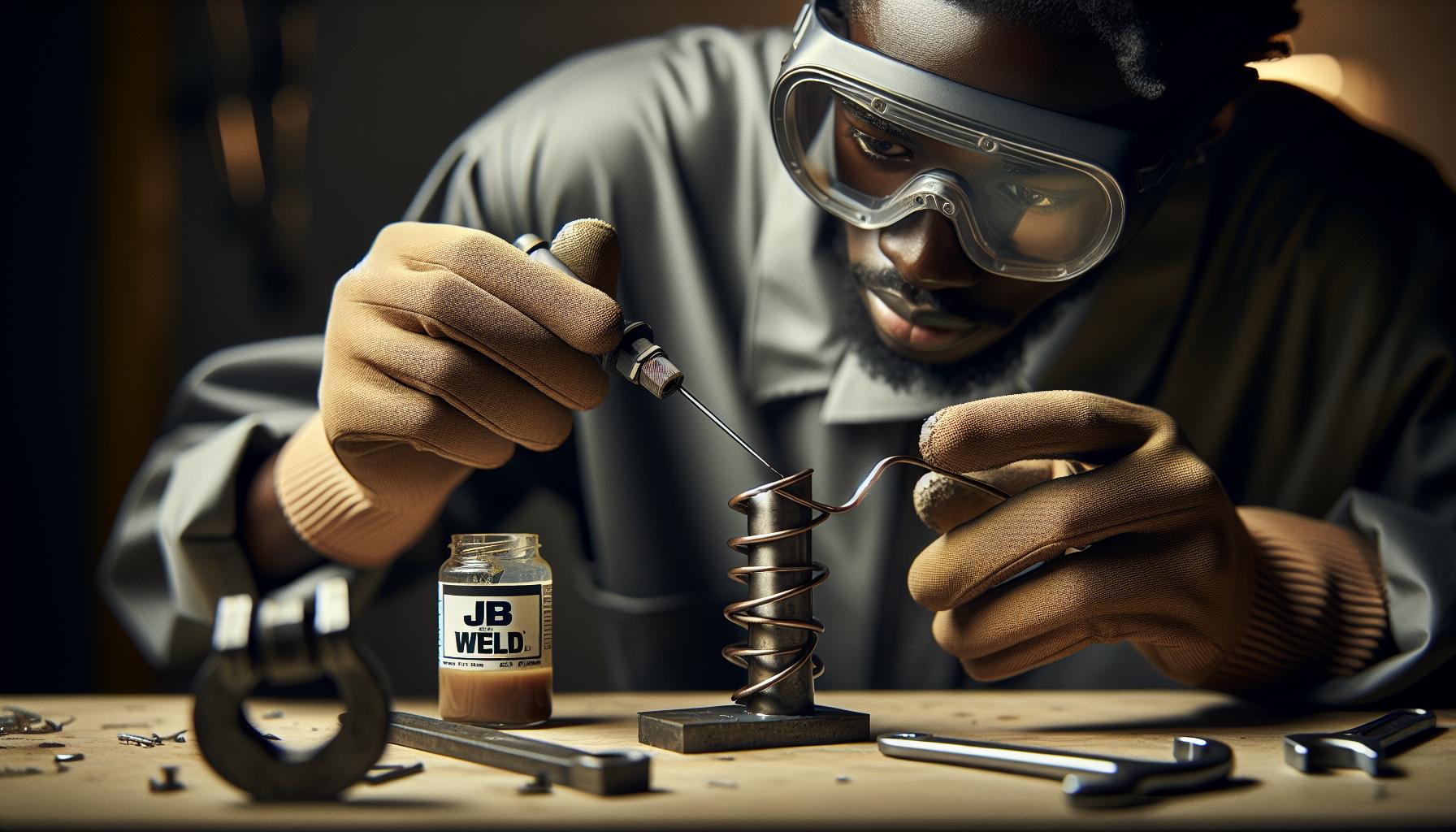
When working with plasma cutting tools, safety should always be the top priority. The intense heat and bright light generated during the cutting process can pose serious hazards, making it crucial to adhere to established safety protocols. One of the most vital aspects of safety involves personal protective equipment (PPE). Always wear a heavy-duty helmet with appropriate shading for eye protection, along with flame-resistant clothing to prevent burns from sparks and molten metal. Gloves specifically designed for welding tasks are essential, along with sturdy, steel-toed boots to protect against falling debris.
Proper ventilation is another key safety consideration. Plasma cutting can produce harmful fumes and gases, particularly when cutting certain metals like galvanized steel or stainless steel. Ensure that your workspace is well-ventilated or use local exhaust ventilation systems to help remove harmful contaminants. In confined spaces, implement an appropriate respiratory protection strategy to safeguard against inhalation of toxic fumes.
Ultrasonic inspections and regular maintenance of plasma cutting equipment will not only enhance performance but also ensure safety. Regular checks for worn or damaged parts can prevent malfunctions that might lead to dangerous situations. Always familiarize yourself with the specific operation manual of your plasma cutter, as different models may have unique safety features and operational guidelines. Having fire extinguishers readily available in the work area can also mitigate risks associated with sparks igniting flammable materials nearby.
Lastly, ensure that bystanders are kept at a safe distance during cutting operations, as the bright arc can cause eye damage and flying debris can be hazardous. Keeping the work area organized and free of clutter further reduces the risk of accidents. Prioritizing these safety protocols effectively safeguards not only the welder but also those in the vicinity, ensuring a safe and productive working environment.
Comparing Plasma Cutters to Other Cutting Methods
The versatility of plasma cutting technology places it at a significant advantage when compared to conventional cutting methods like oxy-fuel cutting, mechanical sawing, and water jet cutting. Each of these methods has its specific strengths and limitations; however, plasma cutting often emerges as the preferred choice for many applications due to its unique attributes, including speed, precision, and adaptability to various materials.
One of the primary distinctions lies in the cutting speed. Plasma cutters can slice through metal at a much faster rate compared to oxy-fuel cutting, which relies on a chemical reaction between oxygen and fuel gases. While oxy-fuel is effective for thicker sections of mild steel, it struggles with non-ferrous materials like aluminum and stainless steel. On the other hand, plasma cutting can effortlessly navigate these materials, providing clean edges and intricate cuts without requiring pre-heating. This is particularly beneficial in industries where time and accuracy are critical, such as automotive manufacturing and metal fabrication.
Additionally, plasma cutting stands out in terms of cut quality and minimal heat-affected zones. Unlike mechanical cutting methods that can severely compromise the structural integrity of the material due to excessive force and heat, plasma cutting maintains the material’s properties by minimizing thermal distortion. This characteristic is especially important when working with thin sheets or delicate components, as it prevents warping and maintains the overall quality of the finished product.
When comparing costs, it’s crucial to consider not only the initial investment in equipment but also operational efficiency. Plasma cutters, while initially more expensive than some other methods, often result in lower long-term costs due to reduced material waste, faster cutting speeds, and less need for secondary finishing processes. For example, the cleanliness of a plasma cut can significantly reduce the time spent on post-cut processing, making it an economically viable choice for many operations.
In conclusion, while traditional cutting methods still have their place in the industry, plasma cutting’s speed, efficiency, and versatility make it an indispensable tool in modern metalworking. Whether you’re cutting through stainless steel, aluminum, or mild steel, understanding these comparative advantages can help guide operators in selecting the most appropriate cutting technique for their specific needs.
Tips for Choosing the Right Plasma Cutter for Your Needs
Choosing the right plasma cutter can greatly enhance your metalworking projects, whether you’re a hobbyist or a professional. The vast array of options available can be overwhelming, but understanding a few key factors can help you make an informed decision that aligns with your specific needs.
Assess Your Cutting Needs
Start by determining the primary materials you’ll be working with and their thicknesses. Plasma cutters come with different capabilities; for instance, some are better suited for thin materials like aluminum, while others excel at thicker steels. Most plasma cutters will specify their maximum cutting thickness for various materials, which is crucial to know for your application. For example, if you often cut moderately thick steel, a plasma cutter with a 50-amp output may be ideal, whereas if you’re focused on detailed artwork in thinner material, a lower-amp model could suffice.
Consider Portability and Power Supply
Evaluating the location of your work is essential. If you need a cutter that can be easily transported, look for models that are lightweight and come with a built-in air compressor. Additionally, ensure that the cutter is compatible with the power supply available to you-some models require 220V, while others can operate on standard 110V residential outlets. Battery-powered options are also available for ultimate portability, making them ideal for outdoor jobs or remote locations.
Evaluate Features and Technology
Modern plasma cutters often come equipped with advanced features like automatic cut height control, pilot arc technology, and built-in air filters. These enhancements can improve the quality of your cuts and reduce the operator’s workload. For example, automatic cut height control maintains optimal distance from the material, resulting in cleaner edges and reducing the chances of gouging. If precision is crucial in your projects, consider investing in a model that offers these technologies, as they can significantly improve efficiency.
Budget and Brand Reputation
Finally, it’s essential to establish a budget that considers both the initial purchase price and the long-term operating costs-this includes consumable parts like electrodes and nozzles, which will require replacement over time. Well-known brands like Hypertherm and Miller offer solid reputations for durability and performance, often providing customer support and warranty options that can provide peace of mind. Compare user reviews and ratings across different models to ensure you’re investing in a machine that meets both your performance expectations and budget constraints.
By carefully considering these factors, you can select a plasma cutter that not only meets your immediate cutting needs but will also serve as a reliable tool in your metalworking arsenal for years to come.
Maintaining Your Plasma Cutter for Optimal Performance
To ensure your plasma cutter operates at peak efficiency and longevity, regular maintenance is essential. Plasma cutting generates significant heat and wear on components, making it vital to incorporate a consistent care routine. By dedicating time to maintain your equipment, you not only enhance its performance but also protect your investment and reduce operational costs over time.
Start with the basics of maintenance by inspecting the consumables, which include electrodes, nozzles, and collets. These parts wear out during use and require regular replacements to maintain cutting quality. Inspect these components before every use for signs of wear or damage, and replace them as necessary. Contaminated or damaged consumables can lead to poor cutting performance, inaccurate cuts, and increased spatter, which may require additional cleanup efforts after cutting.
Next, always keep the air supply clean and dry. The quality of the air affects the cutting performance and the longevity of your plasma cutter. Using a filter regulator and moisture separator can prevent contaminants from entering the cutting system. Periodically check and replace air filters as required to ensure a steady, clean air supply. Furthermore, regularly clean the torch and its components, ensuring that no debris or molten metal is obstructing the gas flow or affecting the cut quality.
Finally, a thorough inspection of all electrical connections and the power supply will help prevent potential issues. Look for frayed wires, loose connections, or signs of corrosion, as these can lead to performance problems or even failure of the unit. Ensuring that all parts are securely fitted and free of corrosion can extend the life of your plasma cutter significantly. By following these maintenance practices, you can maximize the efficiency and lifespan of your equipment, allowing you to tackle a range of metalworking projects with confidence.
Troubleshooting Common Plasma Cutter Issues
Troubleshooting a plasma cutter can significantly enhance your cutting efficiency and prolong the tool’s life. With plasma cutting being heavily reliant on precision and proper function, common issues can disrupt your workflow. Addressing these problems often requires a systematic approach to identify and rectify potential faults. By understanding typical plasma cutter issues, you can minimize downtime and ensure that your projects proceed smoothly.
A frequent issue encountered is inconsistent cutting quality, which can manifest as rough edges or inability to cut through material. This often stems from worn consumables, including the electrode and nozzle. To remedy this, inspect these parts regularly, and replace them as needed to maintain optimal cutting performance. Additionally, ensure that the air pressure settings are appropriate for the material and thickness being cut. Low pressure can cause erratic arcs and weak cuts, while excessive pressure may lead to burn-through and excessive noise.
Another common problem is erratic arc stability, which can result from poor electrical connections, a malfunctioning torch, or contaminated air supply. Start by checking all electrical connections in the unit for signs of wear or loss of contact; secure and clean these connections to improve conductivity. Air quality is equally critical; using a moisture separator and appropriate filters can prevent contaminants from disrupting the plasma stream. If the issue persists, consider examining the plasma torch itself for damage or wear.
Lastly, overheating can cut short the working life of your plasma cutter and impact performance. If your unit shuts down due to overheating, it’s vital to allow it to cool down sufficiently before restarting. Regularly cleaning the cooling vents and ensuring your work area is well-ventilated can mitigate this issue. Additionally, monitor duty cycles and avoid continuous cutting beyond recommended time frames to prevent overheating scenarios. Keeping these troubleshooting tips in mind will help you manage your plasma cutter effectively, allowing for smoother and more reliable cuts in your metalworking endeavors.
Advanced Techniques for Skilled Plasma Cutting
The art of plasma cutting can be elevated to extraordinary heights through the mastery of advanced techniques. Skilled operators often utilize these methods not just to improve efficiency but also to enhance the versatility of their cutting outcomes. One such technique is the intricate use of control over cutting speed and distance from the workpiece. By carefully adjusting the travel speed and height of the torch, operators can influence the kerf width and the precision of their cuts, allowing for finer detail in complex projects or creating larger, smoother cuts for heavy-duty applications.
Another powerful method involves the use of specialized cutting gases. While air is commonly used as a plasma gas, certain applications benefit significantly from using pure nitrogen or argon. These alternatives can provide a cleaner cut, particularly when working with metals like stainless steel or aluminum, which are prone to oxidation. When using these gases, it’s crucial to adjust your plasma cutter settings appropriately to ensure optimal cutting conditions and to prevent issues such as poor cut quality or excessive dross formation.
Utilizing Templates and Guides
Employing templates can drastically enhance the accuracy of complex shapes and designs. With laser-cut templates, for instance, operators can achieve repeatable results without the need for constant measurements. This technique not only streamlines the workflow but also ensures that intricate designs are executed flawlessly. Additionally, the use of guides can assist in maintaining consistent cutting angles, which is particularly beneficial when working on angled cuts or bevels.
Experimenting with Power Settings
Advanced users should also explore the effects of varying power settings and duty cycles during cutting. Lower power settings can be advantageous for thinner materials, which reduces the risk of burn-through and minimizes the need for post-cut clean-up. Conversely, increasing the power may be necessary for thicker materials or when cutting dense metals. Understanding how to leverage these power adjustments effectively can lead to cleaner cuts and enhanced material integrity.
By integrating these advanced techniques into routine practice, plasma cutting professionals can refine their skills, reduce waste, and achieve levels of precision that set their work apart. The continual pursuit of improvement, alongside a keen focus on safety protocols and equipment maintenance, will contribute to lasting success in the field of plasma cutting.
Plasma Cutting vs. Traditional Welding Methods
Plasma cutting and traditional welding methods each serve distinct purposes in the metalworking industry, catering to various tasks involving metal fabrication and repair. While welding joins materials by melting them together using heat, plasma cutting is a separation technique that efficiently slices through metal sheets. This fundamental difference shapes not only the operational processes involved but also the desired outcomes in projects.
One significant advantage of plasma cutting over traditional welding is its speed and efficiency in cutting various metals. For example, plasma cutters can effectively slice through thick materials like steel and aluminum in a fraction of the time required for oxy-fuel or even some welding methods. The process utilizes a high-temperature jet of ionized gas, which creates a focused heat source capable of penetrating metal quickly and with precision. This is particularly advantageous in industrial environments where time-saving translates directly into cost-efficiency.
Moreover, plasma cutting produces clean and precise cuts with minimal dross-excess metal formed during the cutting process-making it ideal for applications where finish quality is critical. In contrast, traditional welding may require additional clean-up or machining processes due to its tendency to create joint imperfections. The type of cut generated by plasma systems enables subsequent procedures, such as welding, to proceed more smoothly since the edges are already prepped adequately.
Key Considerations
When deciding between plasma cutting and traditional welding techniques, it is essential to consider several factors:
- Material Thickness: Plasma cutting excels with thick metals, while welding is more versatile for repairs and joining thinner gauges.
- Type of Work: For projects demanding high precision and a clean finish, plasma cutting is often the better choice.
- Setup and Equipment: Plasma cutters require different setup and safety gear than traditional welding machines, influencing the overall costs and training needed.
- Skill Level: Many find plasma cutting easier to master initially due to its straightforward operation compared to more complex welding processes.
While both processes are invaluable to the fabricator’s toolkit, understanding the practical applications and limitations of each can optimize outcomes in various metalworking projects. As technology advances, the integration of plasma cutting with automated systems further enhances its appeal, providing efficient and accurate solutions for modern fabrication challenges.
Exciting Innovations in Plasma Cutting Technology
The realm of plasma cutting technology is witnessing remarkable advancements that are reshaping how fabricators approach metalworking. With innovations designed to enhance efficiency, precision, and versatility, today’s plasma cutters are equipped with features that cater to both novice and experienced welders. These cutting-edge tools incorporate state-of-the-art technologies such as computer numerical control (CNC) and advanced software integrations that allow for intricate designs and automated cutting patterns, significantly reducing labor time and increasing output quality.
One exciting development is the emergence of pilot arc technology, which allows plasma cutters to strike an arc without the need for contact with the workpiece. This capability not only improves the efficiency of cutting thicker materials but also maintains the integrity of the workpiece by preventing damage that can occur with traditional cutting methods. Additionally, newer models are now equipped with multi-process capabilities, enabling users to switch seamlessly between plasma cutting, TIG, and MIG welding-all within a single machine. This flexibility is especially beneficial in dynamic work environments where various metalworking techniques are required.
Customer feedback and smart technology integration are also driving innovations in plasma cutting equipment. Many modern systems come with digital displays and intuitive control interfaces, allowing operators to easily adjust parameters such as cutting speed and amperage based on material type and thickness. Some advanced models even feature built-in diagnostic tools, providing real-time feedback and monitoring to ensure optimal performance and reduce downtime. For those focusing on safety, new features like automatic shut-off and improved ventilation systems enhance the operator’s safety, aligning with best practices in the industry.
As these advancements unfold, the future of plasma cutting technology holds much promise. Continuous improvements in energy efficiency and cutting capability are likely to attract a wider audience, from small workshops to large industrial operations. For those interested in investing in plasma cutting equipment, keeping an eye on these innovations can provide a competitive edge in both quality and efficiency in metalworking projects.
FAQ
Q: What is the principle behind how a plasma cutter works?
A: A plasma cutter works by generating an arc between an electrode and the workpiece, heating and ionizing a gas to create plasma. This high-temperature plasma efficiently cuts through metals by melting and blowing away the molten material, which is captured in the cutting process.
Q: What types of materials can be cut with a plasma cutter?
A: Plasma cutters are versatile and can cut various materials, including steel, aluminum, copper, brass, and stainless steel. Depending on the cutter’s capacity, it can handle thin to moderately thick metals effectively, making it a popular choice for fabricators and metal artists.
Q: How does the thickness of metal affect plasma cutting?
A: The thickness of the metal significantly influences the plasma cutting process. Thicker metals require higher amperage, slower cutting speeds, and specific cutting techniques to achieve optimal quality. For best results, refer to the manufacturer’s guidelines regarding material thickness and settings.
Q: Why is safety important when using a plasma cutter?
A: Safety is crucial when using a plasma cutter due to the high temperatures and intense arc produced during cutting. Protecting your eyes with appropriate goggles, wearing flame-resistant clothing, and ensuring proper ventilation are essential to prevent injuries and health risks.
Q: What are common issues encountered when using a plasma cutter?
A: Common plasma cutter issues include inconsistent cutting speeds, poor arc stability, and difficulty maintaining a straight line. Regular maintenance, ensuring proper settings, and using compatible materials can help minimize these problems and enhance cutting efficiency.
Q: Can plasma cutters be used for detailed cutting?
A: Yes, plasma cutters can offer detailed cutting capabilities when used with appropriate techniques and settings. Artists and precision fabricators often utilize plasma cutting to create intricate designs, though practice and skill are necessary to achieve the desired accuracy.
Q: How does a plasma cutter compare to other cutting methods?
A: Compared to methods like oxy-fuel cutting and laser cutting, plasma cutters provide a fast and efficient way to cut through metals. While plasma cutting is typically more versatile with thicker materials, laser cutting offers higher precision for detailed work on thinner materials.
Q: What advancements are currently influencing plasma cutting technology?
A: Recent advancements in plasma cutting technology include improved torches, better power supply systems, and automation features. Innovations such as CNC plasma cutting machines have enhanced precision and efficiency, allowing for more complex projects with less manual effort.
Closing Remarks
Now that you’ve discovered how a plasma cutter works and witnessed the magic of precision cutting, it’s time to take your welding skills to the next level. Whether you’re a seasoned pro or just starting out, understanding the nuances of MIG, TIG, and other welding techniques is essential. Don’t miss out on our detailed guides on welding safety protocols and equipment reviews to enhance your expertise further.
Ready to dive deeper? Explore our articles on the best materials for your projects, including aluminum and steel, or join our community in the comments below to share your cutting experiences. If you found this video insightful, consider subscribing to our newsletter for expert tips and updates. Keep engaging with us to sharpen your skills and stay ahead in the welding field. Remember, every cut counts, and we’re here to help you make the most of it!