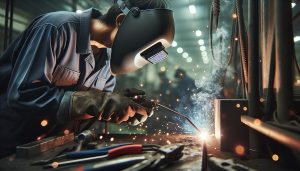
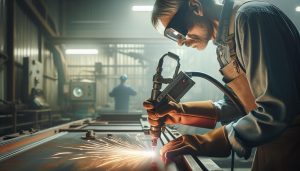
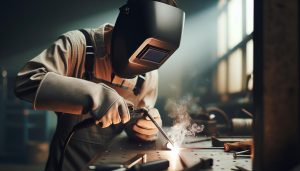
Plasma cutters are remarkable tools capable of generating temperatures that can surpass 30,000 degrees Fahrenheit, making them incredibly effective for cutting through metal materials like steel and aluminum. Understanding how hot a plasma cutter gets is crucial for anyone involved in metalworking, from hobbyists to seasoned professionals, as it directly impacts safety protocols and the quality of cuts made. Are you a welder looking to elevate your craft? Or perhaps you’re a DIY enthusiast eager to grasp the basics of these fiery machines? Knowing the cutting temperatures can help you choose the right settings and techniques, ensuring precision and safety in your projects. Dive into the science behind plasma cutting and discover how harnessing this extreme heat can lead to stunning results in your metalworking endeavors.
How Plasma Cutters Work: The Science Behind the Heat
The sophisticated functionality of plasma cutters is rooted in their ability to transform compressed air or inert gas into a superheated plasma arc capable of melting through conductive materials. When the gas is ionized, it turns into plasma-an electrically conductive state of matter. This process occurs when the electrical energy from the plasma cutter’s power supply creates a high-voltage arc between the electrode and the workpiece. This arc generates a significant amount of heat, which rapidly raises the temperature of the gas-allowing it to reach an astonishing range, typically between 20,000°F (11,000°C) and 30,000°F (16,600°C).
This extreme heat allows plasma cutters to slice through various metal types, such as steel, aluminum, and brass, with incredible precision and minimal distortion. The plasma stream created is focused and narrow, making it highly effective for cutting intricate shapes. Additionally, plasma cutters are designed for versatility, enabling users to adjust parameters like cutting speed and amperage based on material thickness and type. The ability to fine-tune these settings is crucial to achieving optimal cuts, prolonging tooling life, and maintaining safety during operation.
Whether you’re engaged in automotive repairs or artistic metal design, understanding the underlying science of plasma cutting can enhance your skill and efficiency in various applications. The key to mastering this tool lies in recognizing that while plasma cutting is an incredibly powerful method, the right knowledge and safety practices can ensure both successful outcomes and personal safety in any cutting environment.
Temperature Ranges: What to Expect from Plasma Cutters
Plasma cutters generate some of the highest temperatures among cutting tools, with the ability to reach temperatures soaring between 20,000°F (11,000°C) and 30,000°F (16,600°C). This remarkable heat output is essential for efficiently melting and cutting through various metals, making plasma cutting an invaluable technique in many industries, from automotive repair to intricate artistic designs. Operating at such extreme temperatures requires a keen understanding of what to expect when using a plasma cutter and how to manage these temperatures safely and effectively.
- Standard Operating Temperatures: Most plasma cutting systems operate optimally around 15,000°F (8,300°C) to 25,000°F (13,800°C). Within this range, users can achieve clean cuts with minimal dross and distortion.
- Material Thickness Considerations: The thickness of the metal being cut significantly impacts the required temperature. Thicker materials such as stainless steel might necessitate a more powerful plasma cutter that can sustain higher heat levels, often nearing the upper limits of the cutter’s capability.
- Cooling Mechanisms: Advanced plasma cutting systems incorporate cooling technologies to prevent overheating. Users should be aware of these systems to maintain optimal performance and protect the equipment from damage.
Understanding these temperature ranges not only enhances cutting efficiency but also informs the appropriate settings based on material type and thickness. For instance, when working with thinner metals, users can lower the amperage and speed, thereby reducing the heat and preventing burn-through, which is crucial for maintaining the integrity of the material. Conversely, when cutting thicker substrates, it’s vital to adjust the cutter to a higher capacity to ensure the plasma arc penetrates effectively.
Moreover, the ability to control and adapt temperature makes plasma cutting versatile. Skilled operators can manipulate factors such as arc length and travel speed to refine the cut quality and minimize heat-affected zones. This adaptability not only aids in achieving precise cuts but also helps in prolonging the lifespan of both the consumables and the cutter itself. Knowing what to expect helps users balance the demands of their projects while safely managing the potent heat output that plasma cutters deliver.
Factors Influencing Plasma Cutter Temperature
The effectiveness of a plasma cutter relies significantly on various factors that influence its operating temperature. Understanding these elements is crucial for optimizing performance and ensuring safety during cutting tasks. One primary factor is the amperage setting, which directly correlates with the heat output. Higher amperage initially increases temperature, allowing for deeper penetration into thicker materials. Conversely, reducing the amperage can help mitigate burn-through on thinner metals, facilitating more precision in delicate applications.
The type of metal being cut also plays a significant role. Different materials-such as aluminum, stainless steel, or mild steel-require distinct settings due to their unique thermal properties. For instance, aluminum has a lower melting point than steel, so operators might adjust the amperage down to prevent damage. Additionally, the material thickness is a key factor; thicker pieces demand higher temperatures to achieve clean, effective cuts. A general rule of thumb is that as the thickness increases, so should the amperage, pushing up the plasma cutter’s temperature to maintain cutting efficiency.
Environmental conditions cannot be overlooked either. Factors such as ambient temperature and humidity can affect a plasma cutter’s performance. If the workspace is too humid, it might contribute to the formation of unwanted discharge arcs, which can alter the effectiveness of the cut. Similarly, an overly cold environment could impact the electrical conductivity of the plasma, resulting in reduced heat output. Therefore, maintaining an ideal working environment enhances not only cutter precision but also longevity.
Finally, the quality of consumables, including electrodes and nozzles, significantly influences the temperature control of a plasma cutter. High-quality materials can handle higher temperatures, maintain better arc stability, and promote efficient cutting. Everyday maintenance of these parts not only results in optimal temperatures but also extends the lifecycle of the equipment. By being cognizant of these factors, welders can achieve superior results and maintain safety standards while harnessing the immense power of their plasma cutting tools.
Safety Precautions When Using Plasma Cutters
Using a plasma cutter can be an exhilarating experience, but the extreme heat generated during the cutting process necessitates strict adherence to safety protocols. Plasma cutters operate at temperatures that can exceed 20,000 degrees Fahrenheit, making personal safety a paramount concern. The potential for burns, electrical shocks, and exposure to hazardous fumes requires that operators be thoroughly equipped not only with protective gear but also with a keen understanding of potential risks.
When preparing to use a plasma cutter, wearing the right personal protective equipment (PPE) is essential. Operators should don appropriate flame-resistant clothing, gloves, and an auto-darkening welding helmet to shield against harmful ultraviolet (UV) and infrared (IR) radiation. It’s also advisable to use safety glasses under the helmet for additional eye protection. Ensuring the workspace is adequately ventilated can help mitigate the inhalation of harmful fumes and gases that result from cutting certain materials, such as stainless steel or coated metals.
Electrical Safety
Proper electrical safety measures cannot be overstated. Always inspect the plasma cutter’s power cords and connections for signs of wear or damage before use. It’s crucial to operate the machine with a grounded circuit to prevent electrical shock. Using the cutter in dry conditions and avoiding contact with wet surfaces significantly decreases the risk. When handling the machine, ensure that it is powered off and disconnected from the power source during maintenance or when changing consumable parts.
Workspace Considerations
Creating a safe workspace is fundamental. Clear any flammable materials from the cutting area to prevent fires, as sparks can travel considerable distances. It’s recommended to have a fire extinguisher on hand and be knowledgeable about its use. Additionally, maintain a clean workspace to avoid tripping hazards and ensure tools are properly stored after use. Keeping all aides and equipment in organized locations helps enhance focus and minimizes distractions during cutting tasks.
By following these vital safety precautions, operators can significantly lessen the risk of injuries and ensure effective use of plasma cutting equipment. Understanding the inherent dangers and implementing preventive measures will contribute not only to personal safety but also to the quality of work produced. Always prioritize safety above all else when engaging in plasma cutting activities.
Applications of Plasma Cutters Across Industries
Plasma cutters have revolutionized the way various industries approach metal fabrication, thanks to their ability to deliver precision cuts at extreme temperatures exceeding 20,000 degrees Fahrenheit. This exceptional capability makes them invaluable in a range of sectors, from automotive to aerospace, where accuracy and efficiency are paramount.
In the automotive industry, plasma cutters are frequently employed for vehicle repairs and modifications. Their ability to cut through thick metals with speed and minimal kerf loss allows for intricate designs and custom builds, which are crucial in tuning high-performance cars or restoring classic vehicles. Moreover, companies benefit from faster project turnaround times, enabling them to meet tight deadlines without compromising quality.
The construction and fabrication sectors also heavily rely on plasma cutting technology. Steel and metal frameworks, ductwork, and exhaust systems are all fabricated using plasma cutting, where the need for precision is critical. The portability of many plasma cutter models has increased their utility on construction sites, allowing onsite adjustments and quick fixes that can save significant time and resources. Additionally, plasma cutting is effective on various materials, including aluminum and stainless steel, giving fabricators a versatile tool for their operations.
In aerospace, the ability to cut lightweight yet sturdy materials such as titanium and various alloys is essential. Plasma cutters allow engineers to create parts that meet strict performance and safety standards while minimizing waste, thereby optimizing material use. The accuracy of cuts also minimizes the need for secondary operations like grinding, streamlining the fabrication process.
As industries continue to evolve, the use of plasma cutters will likely expand even further. Innovations in technology could lead to enhanced performance metrics, such as better energy efficiency and finer control over cutting speed and temperature. This evolution not only promises improved capabilities but also emphasizes the importance of ongoing training and safety protocols to ensure that operators maximize the effectiveness of these powerful tools while mitigating risks associated with their use.
Comparing Plasma Cutters: Heat Output and Performance
When evaluating plasma cutters, understanding their heat output and performance is fundamental to achieving optimal results in metal fabrication. Plasma cutters operate by generating a high-temperature plasma stream that can exceed 20,000 degrees Fahrenheit, allowing them to slice through various metals with remarkable precision. Not all plasma cutters are created equal, and their performance can vary significantly based on several critical factors, including the design of the torch, the amperage settings, and the specific technology employed in the machine.
One key aspect to consider is the amperage range of the plasma cutter. Higher amperage models typically provide increased cutting power, producing a hotter arc that can penetrate thicker materials. For instance, a 40-amp plasma cutter is generally suitable for cutting materials up to ½ inch thick, while a 100-amp model may handle plates exceeding 1 inch, ideal for heavy industrial applications. Additionally, the type of nozzle used can also influence heat output; smaller nozzles create a concentrated arc, resulting in cleaner cuts but potentially limiting material thickness. Conversely, larger nozzles might spread the heat over a wider area, perfect for thicker metals but at the cost of detail.
Performance Comparison
When comparing different plasma cutters, it helps to analyze their thermal performance in relation to specific applications. Below is a table summarizing various plasma cutter types along with their typical heat output and optimal cutting thicknesses:
| Model | Amperage | Heat Output | Max Cutting Thickness |
|---|---|---|---|
| Entry-Level Cutter | 20-40A | up to 1,500°F | ½ inch |
| Mid-Range Cutter | 40-60A | up to 20,000°F | ¾ inch – 1 inch |
| Professional Cutter | 100A+ | up to 30,000°F | 1 inch and above |
Choosing the right plasma cutter not only relies on technical specifications but also on the intended use. Automotive workshops may prefer mid-range machines for their versatility across different metal types, while heavy manufacturing sectors require professional-grade cutters capable of handling thick materials quickly. Performance is also affected by the quality and type of air supply used; clean, dry air optimizes the plasma arc and enhances cutting efficiency.
Ultimately, understanding the nuances of heat output and performance among different plasma cutter models allows users to make informed decisions tailored to their specific needs. By balancing power, precision, and material requirements, welders can significantly improve their fabrication outcomes while maximizing the longevity and reliability of their plasma cutting equipment.
Tips for Selecting the Right Plasma Cutter for Your Needs
Choosing a plasma cutter that suits your specific needs can be a pivotal decision, affecting both the quality of your work and your overall efficiency. One of the most important recommendations is to always align the plasma cutter’s capabilities with the types of projects you plan to undertake. For instance, if your work primarily involves thinner materials, such as sheet metal, a lower amperage machine (20-40A) may suffice, providing adequate heat output without excessive power consumption. However, for industrial applications requiring cutting through thicker materials-such as steel plates exceeding one inch-investing in a higher amperage cutter (100A+) is essential to achieve optimal results.
When assessing features, consider the cutter’s duty cycle, which indicates how long the machine can operate continuously before needing a cooldown period. A high-duty-cycle plasma cutter is crucial in a commercial environment where time is money, whereas a hobbyist may not require as much endurance. Also, pay attention to the technology used in the machine, as inverter technology can offer more stable arcs and higher efficiency, translating into cleaner cuts and reduced operational costs.
Another vital aspect to evaluate is the accessories included with the cutter, such as nozzles and torches. Different applications may necessitate different nozzle sizes and types, directly affecting cutting precision and speed. The right nozzle can result in improved detail for intricate cuts or better heat distribution for thicker material. Furthermore, look for models that allow easy access to replacement parts and consumables, as regular maintenance is key to sustaining performance and prolonging lifespan.
Lastly, consider the portability and ease of use of the machine. For projects that require on-site cutting, a lightweight and compact design is beneficial. Evaluate the user interface; intuitive controls will help beginners learn faster and allow experienced users to work efficiently. Prioritizing these factors will ensure you select a plasma cutter that not only meets your immediate needs but also adapts as your skills and projects evolve.
Common Mistakes: Overheating and How to Avoid It
Using a plasma cutter can be an exhilarating experience, especially considering the intense heat generated during the cutting process. However, one of the most common mistakes users make is allowing their equipment to overheat, which can lead to extensive damage, reduced performance, and safety hazards. Plasma cutters can reach temperatures exceeding 20,000°F at the arc, which is why understanding how to manage this heat is crucial for both safety and equipment longevity.
A key factor in preventing overheating is to closely monitor the duty cycle of your plasma cutter. The duty cycle defines the machine’s operational time versus its cooldown period. For example, a plasma cutter with a 60% duty cycle can run for six minutes before needing to cool down for four minutes. Ignoring this guideline can not only compromise the longevity of your machine but also lead to erratic cuts or ineffective performance. It’s advisable to incorporate regular breaks into your cutting routine, especially when working on larger projects that require prolonged use.
Another common issue arises from the selection of improper cutting speeds. Cutting too slowly can generate excessive heat, causing warping or burn-through in the material. Conversely, cutting too quickly may lead to incomplete cuts and poor finish quality. A balanced approach is essential: test different speeds on scrap material to find the optimal performance settings for your specific cutter and the materials being worked on. Most manufacturers provide guidelines in the user manual, but practical experience will give you the best insight into effective operation.
To further mitigate the risks associated with overheating, ensure that you are using the correct torch settings and consumables for the job at hand. Mismatched nozzle sizes, incorrect electrode types, or improper gas flow can create an insufficient plasma arc, leading to overheating situations. Regular maintenance and timely replacement of worn parts are key to maintaining optimal cutting performance. Keeping a clean workspace and regularly checking for clogs in the air supply or cutting gas will help maintain the efficiency of your plasma cutter, particularly during intensive jobs.
In summary, preventing overheating during plasma cutting involves a combination of proper usage, adherence to manufacturer guidelines, and routine maintenance. By paying close attention to duty cycles, adjusting cutting speeds, and ensuring appropriate settings and consumables, you can maximize your machine’s lifespan and achieve superior results in all your cutting projects.
Advanced Techniques: Getting the Most from Your Plasma Cutter
Using advanced techniques with a plasma cutter can significantly enhance cutting efficiency and quality, setting experienced welders apart from novices. One effective method is manipulating the plasma arc through proper torch angle and distance from the workpiece. For instance, maintaining a consistent distance of about 1/8 inch can ensure a stable and powerful cut, minimizing dross and enhancing the overall finish. Switching the torch angle can also create different cut styles; for example, tilting slightly can help guide the arc smoother through corners and curves.
Another essential technique is adjusting the air pressure, which can substantially influence the plasma cutter’s performance. Higher air pressure can enhance the cutting speed and quality, especially on thicker materials, by creating a narrower and more focused arc. On the contrary, lower air pressure is useful for intricate or detailed work where control is paramount. It is advisable to consult the manufacturer’s guidelines for optimal pressure settings tailored to specific materials and thicknesses.
Utilizing different electrode types can also enhance the versatility of a plasma cutter. For example, using a hybrid electrode designed for both cutting and gouging can make transitions between tasks efficient without switching consumables constantly. Moreover, for specialized applications, selecting nozzles that match the thickness and type of material can ensure the best heat input and cutting efficiency, leading to cleaner cuts with less rework.
Lastly, mastering the speed of the cut is crucial. Taking the time to experiment with various speeds on scrap materials will help determine the ideal settings for different metals and thicknesses. Typically, too fast will result in poor penetration and incomplete cuts; too slow can cause excessive heat and warping. An understanding of these adjustments not only promotes safer practices but also leads to higher quality work and increased productivity in various applications, from automotive to artistic metalwork.
Maintenance Tips to Ensure Optimal Temperature Control
A well-maintained plasma cutter is essential for achieving optimal performance and enhancing the lifespan of the equipment. The precision and quality of cuts depend significantly on how well the cutter is cared for, especially regarding temperature control. One key factor is the regular inspection and replacement of consumables, including electrodes and nozzles. Over time, these components can degrade, causing inconsistent arcs and excessive heat generation. For instance, if the electrode is worn out, it may not strike the arc correctly, leading to inefficient cuts and overheating.
It’s crucial to keep the air supply system clean and free of moisture. Contaminants and moisture can alter the plasma quality, ultimately affecting the temperature of the plasma arc. Using a high-efficiency particulate air (HEPA) filter in the air supply line can significantly mitigate these issues. Additionally, regularly draining moisture traps and checking for leaks can ensure that the air pressure remains stable, which is vital for maintaining consistent cutting temperatures.
Routine maintenance schedules that include checking all electrical connections for tightness and integrity are also beneficial. Loose connections can introduce resistance, leading to heat buildup in the electrical system. Being proactive in performing these checks will prevent overheating, and in turn, protect against premature equipment failure.
Lastly, store the plasma cutter in a temperature-controlled environment when not in use. Extreme temperatures or humidity can impact the internal components over time, leading to decreased performance. By adhering to these maintenance tips, operators can ensure their plasma cutter remains efficient, thus achieving cleaner cuts, reduced downtime, and improved overall performance.
Real-World Examples: Plasma Cutter Projects Explained
Plasma cutters have revolutionized metalworking through their ability to produce clean, precise cuts, often with temperatures soaring between 20,000°F to 30,000°F at the plasma arc. This remarkable heat level makes plasma cutting ideal for a variety of applications, from intricate artwork to heavy industrial projects. For instance, artists engaging in metal sculpture often leverage plasma cutters to carve detailed designs from steel or aluminum, turning raw materials into stunning visual displays. The heat generated during cutting is vital, as it allows the machine to sever even thick materials with remarkable speed and efficiency.
In the automotive industry, plasma cutters are frequently employed in repair and customization. For example, a custom car fabricator might use a plasma cutter to slice through old metal panels with precision, facilitating easier installation of new components. Knowing how to adjust the amperage based on the thickness of the material is crucial; typically, more power is needed for thicker materials, while thinner sheets can be tackled with lower settings to avoid warping.
Moreover, the construction sector benefits significantly from plasma cutting technology. Structural steel beams are often cut to exact dimensions using plasma cutters, ensuring accuracy in fitting during assembly. As workers understand the concept of cutting speed and are mindful of their techniques, they can produce high-quality, finished edges that require minimal post-cutting processing.
Finally, common mistakes such as overheating can be mitigated through proper technique and awareness of the machine’s capabilities. Keeping an eye on the travel speed and ensuring the air supply is optimal will enhance performance and extend the lifespan of the equipment. By adhering to safety protocols and maintaining a well-organized workspace, operators can harness the full power of plasma cutting, unlocking new creative potential and efficiency in their projects.
Frequently Asked Questions About Plasma Cutter Heat
When considering the intense heat generated by plasma cutters, it’s essential to address the common questions that arise regarding this powerful tool. Understanding how heat influences cutting quality and methods can significantly enhance the effectiveness of your plasma cutting projects. Here are some key FAQs about plasma cutter heat to provide clarity and practical insights.
The operational temperature of plasma cutters can be intimidating but is crucial for successful cutting. Plasma arcs typically achieve temperatures between 20,000°F to 30,000°F. This extreme heat allows operators to cut through various metals, including steel and aluminum, effortlessly and efficiently. The high temperatures are essential for penetrating thicker materials and ensuring clean cuts. However, the heat can also lead to potential issues such as warping or thermal stress in certain materials, emphasizing the need for careful control during operation.
Another important question pertains to how heat output varies based on several factors, including material thickness and type, cutting speed, and the power settings of the machine. For example, increasing the amperage used for thicker materials can help maintain cutting efficiency, but it also raises the heat generated. Conversely, using too much power on thinner materials could result in burn-through or excessive warping, highlighting the importance of adjusting parameters according to the specific material being cut.
Additionally, operators frequently wonder about the heat’s impact on the lifespan of the plasma cutter. Prolonged exposure to elevated temperatures can wear components more rapidly, particularly the nozzle and electrode. Regular maintenance is vital, including cleaning and replacing consumables, to ensure the machine operates optimally and extends its life.
In conclusion, understanding the nuances of plasma cutter heat not only enhances the quality of your cuts but also contributes to your safety and the longevity of your equipment. By recognizing the factors that influence heat, such as material properties and machine settings, users can make informed decisions that lead to successful cutting experiences. Keep these considerations in mind to maximize your plasma cutting efficiency.
Faq
Q: How hot can a plasma cutter get?
A: A plasma cutter can reach temperatures of up to 30,000°F (16,600°C) at the plasma arc. This intense heat is essential for effectively cutting through metals by melting and blowing away the molten material, making it an invaluable tool in metal fabrication.
Q: What materials can a plasma cutter cut efficiently?
A: Plasma cutters are ideal for cutting conductive materials such as steel, aluminum, copper, and brass. They can handle various thicknesses depending on the machine’s power, making them versatile for different applications in welding and metalworking.
Q: Why does my plasma cutter overheat during use?
A: Overheating can occur due to inadequate cooling, prolonged use without breaks, or incorrect settings. To prevent overheating, ensure proper airflow, adhere to duty cycle limits, and adjust the amperage according to material thickness. Regular maintenance is also crucial for optimal performance.
Q: How does the thickness of material affect plasma cutter temperature?
A: Thicker materials require higher temperatures to cut through effectively. A plasma cutter’s amperage can be adjusted for different thicknesses, increasing the temperature as needed to ensure efficient cutting while minimizing heat distortion in the surrounding metal.
Q: Can plasma cutters be used for welding as well as cutting?
A: While plasma cutters are primarily designed for cutting, some advanced models offer capabilities for welding through processes like plasma arc welding. This technique utilizes a focused plasma arc to join materials, but it’s best for experienced users due to its complexity.
Q: How can I maintain my plasma cutter to control temperature?
A: Regular maintenance, such as cleaning the torch and changing consumables, is vital. Ensure the cooling system is functioning properly, and check for any blockages in airflow. Keeping your equipment well-maintained helps prevent overheating and maintains optimal cutting conditions.
Q: What is the ideal working environment for using a plasma cutter?
A: A dry, well-ventilated area free of flammable materials is ideal for plasma cutting. Proper environment controls help ensure safety and equipment longevity. Additionally, maintaining a stable temperature can enhance cutting performance and reduce equipment stress.
Q: How do plasma cutter settings affect the cutting quality?
A: Settings such as amperage, cutting speed, and gas flow directly impact cutting quality. Adjusting these settings based on material type and thickness helps achieve clean cuts and minimizes slag buildup. Refer to manufacturer guidelines for optimal settings for specific materials.
Concluding Remarks
Now that you understand just how scorching a plasma cutter can get, it’s time to consider how to integrate this powerful tool into your next welding or metalworking project. Whether you’re exploring MIG, TIG, or stick welding techniques, knowing the capabilities of a plasma cutter can enhance your skills and efficiency. For further insights, check out our detailed guides on welding safety protocols and equipment reviews to ensure you’re fully prepared for your next fabrication task.
Don’t miss out on mastering your craft! Subscribe to our newsletter for exclusive tips, tools, and techniques that can take your welding game to the next level. If you have questions or want to share your experiences, drop a comment below-we’d love to hear from you! Explore more about metals like aluminum and steel and discover the best practices to produce high-quality results in your welding projects. Your journey as a welder is just beginning, and we’re here to support you every step of the way!