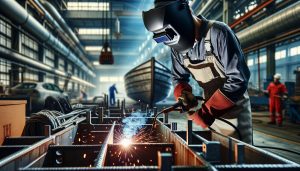
When considering a CNC plasma cutter, understanding its cost is crucial for both hobbyists and professionals alike. These versatile tools, known for their precision and efficiency in cutting various materials, can be an investment that significantly influences your project’s quality and productivity. In 2025, the prices of CNC plasma cutters can vary widely depending on capabilities, brand, and additional features.
For those entering the world of CNC machining or upgrading their equipment, knowledge of these costs can help you make informed decisions that align with your budgetary constraints and operational needs. As you navigate through this price breakdown, you’ll uncover not just the base costs, but also the factors that influence pricing, enabling you to manage your expenses more effectively. Whether you’re aiming to enhance your workshop or simply curious about the latest in cutting technology, understanding these elements is essential for optimizing your investment. Read on to explore the nuances of pricing in the CNC plasma cutter market and find the perfect solution for your needs.
Factors Influencing CNC Plasma Cutter Prices
When considering the pricing of CNC plasma cutters, several factors come into play that significantly influence the overall cost. Understanding these elements can help potential buyers make informed decisions that align with their budget and project requirements.
One major factor is the cutting capacity of the machine, which typically pertains to the thickness of the materials it can cut and the maximum dimensions of the sheets. For instance, machines designed to handle thicker steel plates usually come at a higher price point due to more robust components and enhanced cutting technology. Similarly, the brand reputation plays a crucial role; established manufacturers with a history of reliability and performance often command higher prices compared to lesser-known brands, reflecting the perceived value of their products.
The technology and features integrated into the plasma cutter are also influential. High-end models may include advanced features such as automated height control, user-friendly interfaces, and faster cutting speeds, which can add to the initial investment but enhance productivity and precision. Furthermore, the power source for the plasma cutter-whether it’s a single-phase or three-phase system-can also impact costs, with three-phase systems generally being more expensive but capable of handling larger workloads efficiently.
Lastly, market conditions can sway prices; fluctuations in demand for metalworking tools, along with changes in raw material costs, can lead to variations in pricing across different regions. Being aware of these factors is essential for anyone looking to purchase a CNC plasma cutter, as they can significantly affect both the upfront cost and long-term operational expenses.
Types of CNC Plasma Cutters and Their Costs
When venturing into the world of CNC plasma cutting, understanding the various types available is crucial for making an informed decision. Generally, CNC plasma cutters can be categorized into three main types: portable, hybrid, and industrial models. Each of these types is designed to meet specific needs and comes with varying price ranges.
Portable CNC plasma cutters are favored for their mobility and ease of use, making them ideal for small shops or on-site projects. These models typically cost between $2,000 and $5,000, depending on their capabilities and features. They are often suitable for cutting materials up to 1-inch thick, which is sufficient for many home renovation tasks and light fabrications.
Hybrid plasma cutters, which combine both plasma and oxy-fuel cutting technologies, offer versatility for users needing to cut a wider range of materials and thicknesses. Their prices range from $5,000 to $12,000, reflecting the additional technology and versatility they bring. These machines are designed to handle thicker materials-up to 2 inches-making them popular in both industrial and commercial settings.
On the higher end, industrial CNC plasma cutters are sophisticated machines built for high-volume production environments. These units are equipped with advanced features such as automated nesting, advanced height control, and high-definition plasma technology. The price for industrial models can range from $15,000 to over $100,000. They are capable of cutting through heavy sections of steel and other materials with exceptional precision, making them a significant investment for businesses focused on heavy manufacturing or fabrication.
Factors Impacting Costs
The price of each type of CNC plasma cutter is influenced by several key factors, including cutting capacity, brand reputation, and integrated technology. Buyers should prioritize their specific cutting needs as well as their budget when selecting a machine. Furthermore, potential users should be aware of additional costs associated with operating these machines, including maintenance and consumables like plasma cutting tips and electrodes.
Investing in the right CNC plasma cutter not only enhances productivity but can also lead to significant time and cost savings in the long run, underscoring the importance of making a well-informed choice tailored to one’s operational requirements.
Comparing Budget vs. Professional CNC Plasma Cutters
When considering the purchase of a CNC plasma cutter, the choice between a budget and a professional model can significantly affect your operation’s efficiency and output quality. Budget models, often priced between $2,000 and $5,000, are designed primarily for smaller shops or hobbyists looking to tackle light fabrication tasks. They are typically portable, user-friendly, and suitable for cutting materials up to 1 inch thick. While these machines succeed in basic projects, users may encounter limitations in speed, precision, and the range of materials they can effectively cut.
In contrast, professional CNC plasma cutters, starting around $15,000 and potentially exceeding $100,000, are engineered for heavy-duty production environments. These machines feature advanced capabilities such as high-definition cutting, automated nesting, and sophisticated height control systems. The investment in a professional model often translates to higher reliability, speed, and precision, allowing businesses to operate efficiently on complex projects with thicker materials.
Key Considerations
When comparing these two categories, several factors come into play:
- Material Thickness: Budget models may struggle with thicker materials, while professionals can handle heavier plates consistently.
- Precision: Professionals offer higher cut quality with smoother edges, which is vital for applications requiring stringent tolerances.
- Throughput: Higher-end models enable faster cutting speeds, essential for high-volume manufacturing.
- Durability: Professional models are built to withstand the rigors of constant use, reducing downtime and maintenance costs.
Ultimately, the decision between budget and professional CNC plasma cutters hinges on your specific needs, volume of work, and desired output quality. For a hobbyist or small shop, a budget model may be sufficient, while industrial production demands often warrant a more substantial investment in advanced machinery with enhanced capabilities.
Essential Features That Affect Pricing
A key factor in determining the cost of a CNC plasma cutter lies in the essential features that enhance its performance and usability. Understanding these features not only helps in selecting the right machine but also in justifying the price tags associated with various models.
One of the most critical features is the cutting power, usually measured in amperage. Higher amperage allows for cutting through thicker materials and achieving faster speeds, which is crucial for commercial operations. While budget models may offer lower amp ratings, advanced professional cutters can have adjustable settings to optimize for different materials, enhancing versatility and efficiency.
Another significant aspect is the cutting technology employed, specifically the type of plasma system (e.g., air plasma or high-definition plasma). High-definition systems generally provide superior edge quality and reduced kerf width, making them indispensable for intricate designs and detailed work. Additional features such as height control systems and automated nesting software also contribute to precision and material savings, though they naturally elevate the overall cost.
Moreover, features like portability and user interface can influence pricing. Budget models may be designed for ease of use, with simpler controls and lighter frames, making them suitable for hobbyists or small workshops. Conversely, professional-grade cutters usually come with robust, durable designs meant for heavy-duty use in industrial settings, often accompanied by sophisticated software integration for enhanced functionality.
Ultimately, while budget options can perform adequately for less demanding tasks, investing in a machine with these essential features often pays off in productivity, quality, and long-term durability. For many businesses, the initial investment in well-equipped plasma cutters leads to significantly lower operating costs over time, making an informed choice crucial.
Cost Breakdown: Initial Investment and Operating Costs
When considering the investment in a CNC plasma cutter, understanding both the initial costs and the ongoing operating expenses is crucial for budgeting effectively. The initial investment for a CNC plasma cutter can vary widely depending on the machine’s specifications, size, and advanced features. Typically, these machines can range in price from as low as $3,000 for basic models to upwards of $100,000 for high-end, industrial-grade units tailored for extensive fabrication needs. The selection often boils down to the intended use-hobbyists may find satisfactory options in the lower range, while businesses needing robust performance will likely require machines with higher specs.
Operating costs, on the other hand, encapsulate several elements that will impact the total cost of ownership over time. Key factors include:
- Consumables: Plasma cutters rely on various consumables like electrodes and nozzles that will wear out and need replacement. Depending on usage, these can add significant costs over time, with estimates suggesting several hundred dollars per year just for these parts.
- Gas and Electricity: The cost of electricity to run the plasma cutter, along with the gas necessary for the plasma process, must be factored in. High-definition plasma systems may absorb more electricity, impacting operational expenses.
- Maintenance: Regular maintenance is essential for optimal performance and longevity. This might involve professional servicing or routine preventative measures that require both time and financial resources.
- Training: If new users require training to operate the machine efficiently, this should also be included in the operating cost analysis. Skilled operation can enhance both safety and productivity.
To summarize, while the upfront cost is a significant factor, prospective buyers must also prepare for ongoing expenses that can accumulate quickly. It’s essential to conduct a thorough analysis tailored to your specific operational needs, equipping yourself with a clear picture of both the initial investment and the lifetime operational costs of owning a CNC plasma cutter. By carefully evaluating these facets, you can make an informed decision that aligns with your budgeting and manufacturing goals.
Understanding CNC Plasma Cutter Maintenance Costs
Regular maintenance of CNC plasma cutters is not just a suggestion; it’s an essential practice that can significantly prolong the life of your equipment and ensure optimal performance. By neglecting maintenance, you may expose yourself to higher costs down the line in terms of repairs and replacement. It can be surprising how a little proactive care can save you thousands compared to the expenses incurred from breakdowns and inefficiencies.
One of the cornerstone aspects of maintaining a CNC plasma cutter involves the replacement of consumables such as electrodes and nozzles. These components endure wear and tear due to the intense heat and pressure they operate under. Depending on your usage levels, keeping these items stocked is crucial; costs can add up quickly, often ranging from $300 to $1,000 annually based on frequency of use and the brand of cutters. Additionally, maintaining a clean and efficient air supply is paramount, as contaminants can damage the system. Routine checks and replacement of filters and hoses can help avoid costly repairs due to system contamination or inefficiencies.
Scheduled Maintenance and Inspections
Creating a maintenance schedule is a strategic approach to managing the operational health of your CNC plasma cutter. This should include:
- Daily Checks: Inspect power cables, grounding wires, and fittings for wear.
- Weekly Maintenance: Clean the nozzle and the torch to prevent build-up and maintain precision cutting.
- Monthly Inspections: Check the gas supply and pressure, as well as all connections and seals.
- Annual Overhaul: Engage a professional for a thorough inspection and service, ensuring all systems are functioning correctly.
Consider budgeting for maintenance expenses through dedicated maintenance contracts with service professionals to mitigate unexpected costs effectively. While this may represent an immediate additional expenditure, it’s a prudent investment in safeguarding your machine’s long-term costs and functions.
In conclusion, understanding and managing maintenance costs for CNC plasma cutters is a multifaceted endeavor that not only includes immediate consumable replacements but also encompasses long-term strategic planning. A well-maintained machine operates more efficiently, utilizes resources better, and ultimately delivers a higher quality of work, all while reducing downtime and unexpected repair costs. By prioritizing maintenance, you can ensure that your investment pays off through consistent and reliable performance.
Cost of Accessories and Supplementary Equipment
The overall cost of operating a CNC plasma cutter extends beyond the initial purchase price and maintenance requirements; it includes various accessories and supplementary equipment crucial for achieving optimal performance and versatility. From consumables like nozzles and electrodes to safety gear and advanced software, each component plays a significant role in the efficiency and speed of your cutting projects.
One of the most essential accessories is the cutting torch, and its price can vary based on its capabilities and brand. For example, basic torches may start around $100, while advanced models offering enhanced features can range from $300 to over $1,000. Additionally, consumables like cutting tips and electrodes are necessary for operation. Depending on the frequency of use, these can total between $300 and $1,000 annually, requiring regular replacement due to wear and tear.
Safety equipment is another investment that cannot be overlooked. Quality personal protective equipment (PPE), including gloves, goggles, and respiratory protection, is vital for ensuring the safety of operators during cutting tasks. Budgeting for these items may add another $150 to $500 to your overall costs, depending on the level of protection required and the number of operators. Furthermore, investing in a dedicated ventilation system or fume extraction unit is crucial for maintaining a safe working environment, with costs often starting at $1,000.
For those looking to enhance their cutting capabilities, software options for CAD/CAM (Computer-Aided Design/Computer-Aided Manufacturing) can significantly increase efficiency and precision in design work. Basic software packages can cost between $500 and $2,500, while more advanced options with extensive features may reach upwards of $5,000.
In summary, when budgeting for a CNC plasma cutter, it’s essential to factor in the costs of accessories and supplementary equipment. Aligning these investments with your usage needs not only prepares you for immediate operational demands but also sets the stage for future enhancements and efficiency gains in your cutting processes.
Regional Price Variations: What to Expect
The investment in a CNC plasma cutter can vary substantially depending on regional factors, making it essential for buyers to understand the landscape of prices across different areas. Variability in local economies, supply chains, and industry demands can dramatically affect the cost of both the machines themselves and the associated operational expenses. For instance, urban areas with robust manufacturing sectors may see higher upfront costs due to greater demand and local competition, whereas rural regions could offer more competitive pricing due to lower demand but also limited selection.
Additionally, state and local regulations can influence equipment costs. Some regions may impose higher taxes or fees on machinery, impacting the final price for consumers. Moreover, delivery and logistics costs also play a critical role; for example, areas farther from manufacturing hubs might incur higher shipping fees, effectively increasing the overall cost of ownership. Understanding these regional price variations can guide potential buyers in budgeting effectively and choosing the right machine for their specific location.
When considering operational costs like maintenance and consumables, regional factors come into play as well. Access to replacement parts and consumables can vary widely; in regions with a significant number of welding and fabrication shops, suppliers are often more readily available, potentially lowering costs. Conversely, in less industrialized areas, operators might need to factor in higher shipping costs or extended lead times for parts, which can impact their overall operational efficiency and expenses.
Ultimately, potential buyers should conduct thorough research into local conditions, pricing structures, and supplier networks. Engaging with local welding and fabrication communities through forums or trade shows can provide insights into prevailing market conditions and available resources. This approach not only helps in making informed purchasing decisions but also enhances long-term operational planning in the competitive field of CNC plasma cutting.
Financing Options for CNC Plasma Cutters
Acquiring a CNC plasma cutter can be a significant financial commitment, often exceeding several thousand dollars for high-quality machines. However, various financing options can facilitate this purchase without straining your budget. Many buyers find that understanding these options not only streamlines the acquisition process but also allows for a more strategic investment aligned with their business goals.
One common route is traditional financing through banks or credit unions. These institutions typically offer personal loans or equipment financing that can cover the cost of a CNC plasma cutter. It’s important to compare interest rates and repayment terms to find the most favorable deal. Additionally, some banks may even have specific programs designed to support small businesses in acquiring necessary equipment, often at lower rates or terms adjusted to suit cash flow needs.
Another appealing alternative is financing directly from the manufacturer or supplier of the CNC plasma cutter. Many companies understand the financial burden of starting or upgrading equipment. They may offer flexible payment plans or leasing options, whereby a buyer can use the machine while making smaller, manageable payments over time. Leasing can also come with maintenance options, providing peace of mind about the upkeep costs of the equipment.
Investing in a CNC plasma cutter may also qualify for various government grants or incentives aimed at promoting manufacturing and technology improvements. These programs can significantly reduce your effective investment, allowing for enhanced capabilities without the proportional financial outlay. Researching local economic development initiatives or small business grants can yield beneficial funding opportunities.
To conclude, it is crucial to assess your financing options critically. This includes evaluating your business’s cash flow, understanding the total cost of ownership-including operational and maintenance expenses-and comparing different financing methods. Engaging with financial advisors or industry peers can provide additional insights, helping you choose the strategy that best aligns with your operational objectives and financial health.
Determining Your Budget Based on Usage Needs
Determining the right budget for a CNC plasma cutter entails more than just considering the machine’s sticker price. Given that these devices can range anywhere from a few thousand dollars to upwards of $100,000, aligning your budget with your specific needs and intended usage is crucial for making a sound investment.
When assessing your budget, reflect on the scale and frequency of your projects. For those planning to use their CNC plasma cutter for light, occasional tasks, a less expensive, less sophisticated model may suffice. Conversely, businesses engaged in high-volume production or intricate design work should consider investing in advanced models equipped with higher capabilities, such as more powerful plasma sources or automatic height control features. These investments not only enhance performance but can also result in improved efficiency and lower operational costs in the long run.
Another key consideration is the cost of consumables and maintenance. While the initial outlay for a machine is significant, the ongoing costs for plasma cutting consumables such as electrodes, nozzles, and gases can add up quickly. Estimating these expenses based on projected usage will provide a more comprehensive view of the total cost of ownership. It is also advisable to factor in the potential costs for training personnel, software licenses for design and operation, and maintenance contracts if applicable.
Moreover, regional pricing variations can significantly influence budgets. Prices may vary based on shipping costs, local demand, and even seller affiliations. Researching local suppliers and comparing their offerings can ensure that you obtain the best value within your specific geographic area. Utilizing online platforms for price comparisons can also help in identifying favorable deals while considering warranties or service agreements that might also be available.
In summary, setting a budget for a CNC plasma cutter involves a thorough analysis of your project requirements, expected operational costs, and the implications of local market conditions. By approaching this decision with detailed scrutiny, you can ensure that your investment aligns neatly with your specific needs, ultimately promoting greater productivity and success in your cutting applications.
Future Trends Impacting CNC Plasma Cutter Prices
As technological advancements continue to reshape the manufacturing landscape, the prices of CNC plasma cutters are increasingly influenced by various emerging trends. One significant factor is the rapid development of automation and AI technology. These advancements enable machines to operate with greater precision and efficiency, which can lead to lower operational costs over time. Companies that adopt automated CNC plasma cutting systems might initially face higher investment costs, but the long-term savings on labor and potential increase in production capabilities can justify this expense.
Another crucial trend is the shift towards enhanced safety features and user-friendly interfaces. Modern CNC plasma cutters are being designed with advanced safety protocols, such as motion sensors and emergency shut-off systems, to protect operators. While these features can raise the initial cost of a machine, they are becoming increasingly necessary in industries where safety regulations are tightening. Investing in safer equipment can lead to lower insurance premiums and reduced likelihood of costly workplace accidents, thereby impacting overall budget considerations.
The sustainability movement is also a growing influence on the cost of CNC plasma cutters. As manufacturers strive to reduce their carbon footprint, plasma cutters are being designed for greater energy efficiency and lower waste production. While eco-friendly models may carry a premium, they also appeal to a broader consumer base concerned with sustainability, thus potentially driving demand and competitive pricing in the long term.
Lastly, the global supply chain dynamics significantly affect prices. Factors such as material shortages, shipping costs, and regional demand for CNC plasma cutters can lead to fluctuations in pricing. For instance, disruptions caused by geopolitical tensions or pandemics can increase costs for manufacturers, leading to higher retail prices. Therefore, staying informed about global market conditions will be essential for budget planning and making informed purchasing decisions.
In summary, potential buyers of CNC plasma cutters should consider these evolving trends when evaluating costs. Understanding how automation, safety, sustainability, and global supply dynamics affect pricing will help in making well-informed choices that align with industry standards and future-proofing their investments.
Frequently asked questions
Q: What factors affect the price of a CNC plasma cutter?
A: The price of a CNC plasma cutter is influenced by factors such as cutting speed, thickness capability, brand reputation, and included features like automation or advanced control systems. Models with higher precision and integrated software solutions typically carry a premium price.
Q: How much should I expect to spend on accessories for a CNC plasma cutter?
A: Accessories such as consumables (plasma tips and nozzles), water tables, and fume extraction systems can add significant costs. Budgeting an additional $500 to $2,000 for quality accessories is common, depending on your cutting requirements.
Q: Are there financing options available for purchasing a CNC plasma cutter?
A: Yes, many suppliers offer financing options, including installment plans and leasing agreements. Exploring vendor financing or third-party lenders can help spread the cost and make high-end models more accessible.
Q: What is the typical maintenance cost for a CNC plasma cutter?
A: Maintenance costs can range from $200 to $600 annually, depending on usage. Regular maintenance includes replacing consumables and ensuring proper calibration, which can help avoid costly repairs.
Q: Can I find affordable CNC plasma cutters under $2,000?
A: Yes, there are budget CNC plasma cutters available for under $2,000, suitable for hobbyists or light commercial use. However, these may have limitations in terms of cutting thickness and precision compared to higher-end models.
Q: What makes a professional CNC plasma cutter worth the investment?
A: Professional CNC plasma cutters offer enhanced durability, greater cutting precision, and advanced features like automatic height control and software integration. These benefits result in higher productivity and better quality cuts, justifying the investment for commercial operations.
Q: How do regional price variations affect CNC plasma cutter costs?
A: Regional price variations can occur due to shipping costs, local demand, and the availability of models. It’s advisable to compare prices from multiple suppliers within your region to find the best deal and consider any additional shipping fees for remote areas.
Q: What new features should I look for in 2025 CNC plasma cutters?
A: In 2025, look for CNC plasma cutters with improved automation, enhanced user interfaces, and smart connectivity features. Additionally, models that incorporate machine learning for optimized cutting processes are becoming increasingly valuable.
To Wrap It Up
Now that you have a comprehensive understanding of CNC plasma cutter costs for 2025, why not take the next step? Investing in a CNC plasma cutter can significantly enhance your metalworking projects and streamline your workflow. Explore our detailed guides on MIG welding and TIG welding techniques to complement your cutting capabilities. If you’re considering a purchase, check out our equipment reviews to find the best fit for your needs. Don’t miss out-subscribe to our newsletter for the latest updates and expert insights!
As you continue your journey in metal fabrication, remember that mastering the art of plasma cutting will open doors to endless possibilities in your projects. We’re here to support you every step of the way, so feel free to leave comments or questions, and join our community of passionate welders. Your feedback is invaluable, and we look forward to seeing you back for more insightful content that keeps your skills sharp and your projects thriving!