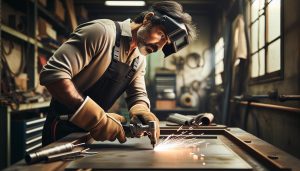
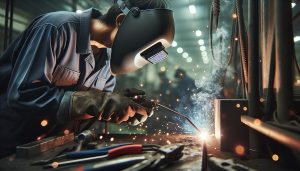
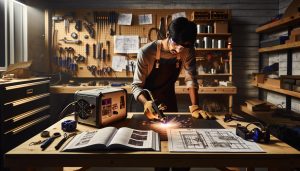
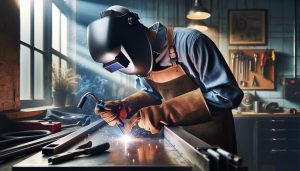
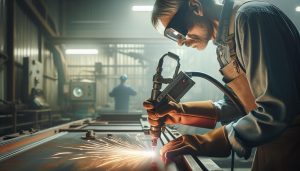
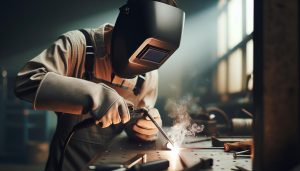
In the world of metalworking, plasma cutting stands out as a revolutionary technique, enabling precise cuts in various materials, including steel and aluminum. Understanding how a plasma cutter operates is essential for both beginners and seasoned welders seeking to enhance their skills. This animated visual guide demystifies the plasma cutting process, illustrating everything from the basic mechanics to safety protocols. As you explore the inner workings of this dynamic tool, you’ll discover not only its advantages in efficiency and accuracy but also essential tips to maximize performance and maintain safety in your projects. Dive into this engaging visual journey and empower yourself with the knowledge to elevate your metalworking endeavors.
How Plasma Cutting Technology Works
Plasma cutting technology operates on the principle of using an accelerated jet of hot plasma to slice through electrically conductive materials. This method has revolutionized metal fabrication by offering a faster, cleaner, and more precise alternative to traditional cutting techniques. In a plasma cutter, a gas-such as air, oxygen, or nitrogen-is ionized through an electrical arc, converting it into plasma. This high-temperature arc reaches temperatures exceeding 20,000 degrees Celsius, allowing it to melt through materials like steel, aluminum, and copper with remarkable efficiency.
The core of plasma cutting lies in its ability to create a continuous electrical circuit between the cutting torch and the workpiece. As the plasma jet exits the nozzle, it forms a narrow, intense stream of ionized gas that selectively heats and melts material when aimed at the surface. The molten metal is then blown away by the pressure of the gas, producing a cut that is both clean and precise. Because of its unique methodology, plasma cutting allows for intricate designs and complex shapes that would be difficult or impossible to achieve with conventional cutting methods such as oxy-fuel cutting or mechanical saws.
This technology supports a wide range of applications, from industrial metal fabrication to DIY projects, and is favored for its speed and versatility. Practitioners appreciate that plasma can cut thick materials as easily as thin sheets, making it suitable for various thicknesses and types of conductive metals. As industries continue to evolve, the demand for precision and efficiency in metal cutting has placed plasma cutting at the forefront, paving the way for future innovations in design and application.
For newcomers and experienced users alike, understanding the mechanics behind plasma cutting enhances not only the operational knowledge but also the safety practices involved. Proper training and adherence to safety protocols are crucial, given the extreme temperatures and potential hazards associated with handling plasma cutting equipment. Engaging with high-quality instructional resources and visual guides can significantly enrich a welder’s skills and ensure safer usage of plasma cutting technology.
Key Components of a Plasma Cutter
A plasma cutter is a sophisticated piece of equipment composed of several key components that work in unison to create high-precision cuts in metal. Understanding these components is essential for anyone looking to operate a plasma cutting system effectively and safely.
The heart of the plasma cutter is the torch, which houses the electrodes and the nozzle. The torch is responsible for generating the plasma arc that cuts through the material. The electrical conductivity of the torch’s components allows for the creation of a continuous electrical circuit essential for plasma generation. Next, the power supply converts standard electrical input to a high-frequency output, ensuring that the plasma arc is consistently maintained. This component is crucial as it dictates the performance of the plasma cutter, affecting its cutting speed and quality.
Another vital component is the gas supply system, which regulates the flow of gases-such as air, oxygen, or nitrogen-into the system before they are ionized. The choice of gas influences the cut quality and speed, with different gases suitable for different materials and thicknesses. Coupled with this is the air compressor (if not using bottled gas), which ensures an adequate flow of air necessary for creating the plasma jet.
Additionally, the control unit is the brain of the system, allowing operators to adjust settings like voltage and amperage according to the material being cut. Many modern plasma cutters come equipped with user-friendly interfaces that provide real-time feedback on performance and allow for precise adjustments on-the-fly.
When selecting or maintaining a plasma cutter, it’s essential to regularly inspect these components for wear and tear. Proper maintenance not only enhances the cutter’s lifespan but also ensures safety and efficiency during operation. A thorough understanding of each component empowers operators to troubleshoot common issues effectively and maximize the capabilities of their plasma cutting systems.
The Plasma Cutting Process Explained
The plasma cutting process is a sophisticated sequence of events that transforms electrical energy into a highly concentrated, focused stream of plasma, capable of slicing through metal with remarkable precision. At its core, the process begins when gas, typically air, oxygen, or nitrogen, is channeled through the plasma torch. As the gas flows through the nozzle, an electrical arc is established between the electrode and the nozzle, generating high temperatures that ionize the gas, turning it into plasma. This plasma jet reaches temperatures of up to 30,000°F (16,649°C), enabling it to effortlessly sever even thick materials.
Once the plasma arc is established, the operator directs the torch toward the metal surface. The intense heat from the plasma beam melts the metal, while the force of the gas stream blows away the molten material, creating a clean cutting action. A key advantage of plasma cutting over traditional methods, such as oxy-fuel cutting, lies in its ability to cut through electrically conductive materials with minimal distortion and thermal warping, resulting in precise cuts and finer edges.
During the entire cutting process, maintaining an optimal distance between the torch and the workpiece is crucial. A steady hand and consistent motion are necessary to achieve uniform cuts. While beginners may find this challenging initially, practice, combined with using a properly calibrated machine, ensures improved accuracy over time. Furthermore, many modern plasma cutters utilize advanced technology to include features such as automatic torch height control and smart sensing capabilities, which enhance the cutting quality and reduce the operator’s workload.
Ultimately, understanding the plasma cutting process not only facilitates effective operation but also emphasizes the importance of safety measures. Operators must wear appropriate personal protective equipment (PPE), including gloves, helmets, and respiratory protection, to safeguard against harmful fumes, sparks, and ultraviolet light emitted during cutting. Recognizing the synergy between technology and safety is vital for both novice and experienced welders alike, ensuring a productive and secure work environment.
Understanding Plasma Cutting Vs. Traditional Methods
The evolution of cutting technology has fundamentally changed how metalwork is approached, particularly in industries that demand precision and efficiency. Among the various methods available, plasma cutting stands out for its ability to quickly and cleanly cut through electrically conductive materials. Whereas traditional techniques like oxy-fuel cutting depend on a simple combustion process to melt metal, plasma cutting leverages an electrically charged gas that can achieve much higher temperatures and faster cutting speeds. This distinction alone makes plasma cutting a preferred choice in modern fabrication environments.
One of the most significant advantages of plasma cutting over traditional methods is its speed and versatility. Plasma torches can effortlessly slice through thick metals-including steel, aluminum, and stainless steel-thanks to the concentrated heat generated by the plasma jet. In contrast, oxy-fuel cutting often struggles with thicker materials and requires pre-heat time, making it less efficient for larger projects. Moreover, the ability of plasma cutting to minimize thermal distortion translates to tighter tolerances and lower post-cutting processing, thereby reducing the need for secondary operations such as grinding.
Safety also plays a crucial role in favoring plasma cutting over traditional methods. The intense heat and high-speed gas from a plasma cutter can significantly reduce the risk of fire hazards associated with combustible gases used in oxy-fuel cutting. However, operators must still remain vigilant and adhere to essential safety measures, including using proper personal protective equipment (PPE). The production of harmful fumes and UV radiation reinforces the need for respiratory protection and eye safety gear during plasma operations, making a thorough understanding of safety protocols paramount.
While traditional methods like MIG (Metal Inert Gas) and TIG (Tungsten Inert Gas) welding have their places in the metalworking world-especially for thin materials and specific weld joints-the practical benefits of plasma cutting position it as a modern solution for a wide array of metal fabrication tasks. Its ability to rapidly and efficiently cut through varying thicknesses with cleaner edges and minimal waste empowers manufacturers to meet high-demand production deadlines without sacrificing quality. Consequently, embracing plasma cutting technology is not merely an option-it’s a necessity for those aiming to remain competitive in today’s fast-paced industrial landscape.
Interactive Animation: Visualizing Plasma Cutting
Visualizing the plasma cutting process through interactive animation provides a compelling way to understand the intricate mechanics behind this powerful technology. By illustrating the key elements such as the plasma torch, electric arc, and the high-velocity gas that forms the cutting jet, animations can depict how these components work together to achieve clean cuts in various conductive materials, including metals like steel and aluminum. As the animation progresses, users can witness how the plasma arc ionizes the gas, creating a superheated plasma that reaches temperatures exceeding 20,000 degrees Celsius. This visual representation not only highlights the speed and precision of the cutting process but also enhances comprehension of how versatile plasma cutting is compared to traditional methods.
Animations can also showcase the variations in the cutting settings and their impact on the quality of the cut. For instance, users might observe how modifying parameters such as cutting speed, amperage, and gas flow affects the kerf width and edge finish. By interacting with these elements digitally, viewers can experiment with different configurations, gaining insights into optimal practices for various applications. Such immersive experiences enable welders, both novices and seasoned professionals, to understand the science behind plasma cutting deeply, making it easier to apply this knowledge in real-world scenarios.
Moreover, incorporating safety features within the animation can serve as a continuous reminder of the protocols necessary when operating plasma cutting equipment. Elements like protective gear and safe distancing from hazardous areas can be animated to reinforce proper practices. This focus on safety coupled with technical demonstrations ensures that users not only learn how plasma cutting works but also appreciate the responsibilities that come with using this powerful tool.
The interactive aspect allows for immediate feedback or consequences based on the user’s input, simulating real-life situations welders may face. For instance, if a user selects incorrect settings, the animation could show the potential pitfalls, such as excessive slag formation or poor cut quality. This engaging method of learning transcends traditional instruction, empowering users to make informed decisions based on visual evidence and simulation, ultimately leading to better performance and safety in their plasma cutting endeavors.
Common Applications of Plasma Cutting
Plasma cutting technology has revolutionized the fabrication industry by offering versatile and efficient solutions for a wide range of applications. One of its notable strengths is its ability to cut through various types of conductive materials swiftly and accurately. Common applications include not just industrial manufacturing but also specialized sectors like automotive, construction, and shipbuilding. The cutting process is notable for its precision, allowing welders and fabricators to produce intricate designs and high-quality edges, which are critical in ensuring structural integrity in final products.
In the automotive industry, plasma cutting is frequently employed for custom fabrication and repair tasks. From cutting panels and frames to ensuring precision in modifications for performance vehicles, the technology facilitates rapid prototyping and adjustments. In the construction sector, plasma cutters are invaluable for processing steel beams and metal sheets, thereby expediting the assembly of frameworks for buildings and infrastructure. Additionally, they are used extensively in the shipbuilding industry, where they help in cutting hulls and structural components efficiently, catering to the stringent specifications required in marine applications.
Moreover, the adaptability of plasma cutting makes it suitable for a variety of materials beyond traditional steel, including aluminum and stainless steel. The ability to adjust parameters such as amperage and gas flow enables welders to optimize the cutting process for different thicknesses and material types. This adaptability not only enhances performance but also minimizes material waste, making plasma cutting a cost-effective choice for fabricators.
When considering the safety aspects of plasma cutting, it is imperative to consider training and equipment use. Proper protective gear, such as gloves, helmets, and flame-resistant clothing, must be used to prevent injuries associated with sparks or cuts. Additionally, an understanding of safe operational distances can help prevent accidents in the workspace. As plasma cutting continues to evolve with innovations in technology, its applicability across various fields is set to expand, promising even greater efficiency and effectiveness in metalwork.
Essential Safety Protocols for Plasma Cutting
Plasma cutting is a precise and powerful method of cutting various metals, yet it poses significant safety risks that require careful management. Notably, the high temperatures involved in the process-reaching over 20,000 degrees Fahrenheit-make it crucial for operators to adhere to stringent safety protocols. These measures protect users not only from burns and cuts but also from potentially hazardous fumes and unexpected equipment failures.
To enhance safety during plasma cutting, it’s essential to don appropriate personal protective equipment (PPE). This includes:
- Full Face Shield: Protects the eyes and face from intense light and sparks.
- Flame-Resistant Clothing: Minimizes the risk of burns from molten metal or sparks.
- Gloves: Heavy-duty gloves help protect hands from cuts and extreme temperatures.
- Hearing Protection: Shields against noise produced by the cutting process.
Workspace and Equipment Safety
Beyond PPE, maintaining a safe work environment is essential. Ensure your workspace is clear of flammable materials, and keep a fire extinguisher readily accessible. It’s advisable to conduct regular inspections of equipment to ensure all components are functioning correctly and safely. Regular maintenance routines can mitigate risks associated with equipment malfunction, such as faulty gas regulators or worn-out torch tips.
Understanding Risks
Clear awareness of the risks associated with plasma cutting is vital for prevention. Operators must understand the effects of gas inhalation from cutting metal, which can introduce toxic elements like lead and cadmium, especially when working with treated materials. Adequate ventilation or the use of appropriate fume extraction systems can significantly reduce health risks associated with inhalation.
Establishing Safe Practices
Implementing strict operational guidelines further enhances safety. Operators should maintain a safe distance from the plasma cutter while it is in use and ensure that all personnel in the vicinity are accounted for before starting the machine. Additionally, never attempt to redirect or obstruct the cutting arc, as this can lead to malfunctions or accidents.
By adhering to these safety protocols, operators can significantly mitigate risks and create a safer working environment when utilizing plasma cutting technology.
Tips for Choosing the Right Plasma Cutter
When it comes to selecting the ideal plasma cutter for your needs, a plethora of factors must be considered to ensure that your investment is both practical and effective. Choosing the right equipment can elevate your cutting projects, whether you’re a hobbyist, contractor, or industrial fabricator. One crucial aspect to consider is the cutter’s power output, typically measured in amperes. For instance, a cutter with a higher amp rating can handle thicker materials more efficiently, making it suitable for industrial applications. Conversely, a lower amp cutter may suffice for lighter tasks or thin sheet metal.
Understanding the differences in plasma cutter types is also essential. There are two primary categories: hobbyist and industrial plasma cutters. Hobbyist models are usually lighter, portable, and easier to use, making them perfect for smaller projects and DIY tasks. On the other hand, industrial models are built for heavy-duty use, capable of cutting through thick metal plates and offering advanced features such as CNC compatibility. When evaluating your options, consider the specific materials you plan to cut, whether it’s stainless steel, aluminum, or mild steel, as some cutters perform better with specific metals.
Another significant consideration is the duty cycle, which indicates how long a cutter can operate before requiring a cooling period. A higher duty cycle is essential for prolonged or continuous cutting tasks. For example, a unit with a 60% duty cycle can operate for six minutes and will need four minutes of rest. This feature is crucial for professional environments where efficiency and uptime are critical.
Lastly, ease of use and maintenance cannot be overlooked. Features like an easy-to-read digital display, user-friendly controls, and simplified torch design can greatly enhance the user experience. Regular maintenance such as nozzle cleaning and scheduling replacements for consumable parts can extend the life of your plasma cutter. Creating a routine maintenance checklist can help keep your equipment running smoothly and maintain cutting precision through its lifespan. Investing time in selecting the right plasma cutter can significantly improve cutting quality and operational efficiency.
Maintenance Best Practices for Plasma Cutters
To ensure optimal performance and longevity of plasma cutters, regular maintenance practices are essential. Neglecting maintenance can lead to reduced cutting quality, increased downtime, and potential accidents. A well-maintained plasma cutter not only cuts more efficiently but also contributes to a safer working environment. Here are key maintenance practices to keep in mind.
Routine Inspections
Conducting regular inspections of your plasma cutter is foundational to its upkeep. Look for signs of wear and tear, especially on consumable components such as nozzles, electrodes, and cables. Check for any build-up of dross or contaminants around the cutting area, as these can affect the quality of your cuts.
Cleaning the Torch
Cleaning the plasma torch is critical for maintaining cutting precision. After each use, it’s advisable to blow out any residual slag or debris. Periodically disassemble the torch to clean the inner components thoroughly, ensuring that there are no obstructions to the gas flow. This practice helps maintain a strong and stable plasma arc, essential for effective cutting.
Replace Consumables Regularly
Consumable parts, including nozzles and electrodes, wear down over time and directly influence cutting performance. Establish a replacement schedule based on usage; for example, in high-volume settings, replacing these parts every few weeks may be necessary. Utilizing the right consumables for your specific materials and cutting conditions enhances both productivity and safety.
Check Connections and Hose Integrity
Inspect all connections and hoses for signs of wear, leaks, or damage. Ensure that fittings are tight and that hoses are free from kinks and abrasions. Damaged hoses can lead to gas leaks, which not only compromise cutting efficiency but also pose safety hazards.
By implementing these maintenance strategies, you can extend the life of your plasma cutter, maximize cutting quality, and minimize unexpected repairs or safety issues. Integrating these practices into your regular workflow will fundamentally enhance your operational efficiency and the overall safety of your cutting environment.
Troubleshooting Common Plasma Cutting Issues
Mastering the art of plasma cutting comes with its set of challenges, but troubleshooting common issues can significantly enhance the efficiency and quality of your work. When a plasma cutter is not performing to expectations, understanding the root causes often leads to quick fixes and avoids costly downtime. Let’s explore some prevalent problems and their solutions.
One of the most frequent issues is inconsistent cutting quality, which can stem from several factors. Often, the culprit is a dirty or worn consumable component, such as the nozzle or electrode. Inspect these parts regularly and replace them as needed. If the cuts are too shallow or uneven, it may also be worth checking the cutting speed and ensuring it aligns with the material type and thickness. Too fast of a speed can lead to an incomplete cut, while too slow can cause excessive melting and poor edges.
A plasma cutter can also exhibit arc stability problems. An unstable arc may result from improper gas flow or pressure settings. Ensure that the compressed gas source is clean and operating at the recommended pressure levels. If the plasma arc flickers or goes out, check for air leaks in the hoses or torch connecters. Even small leaks can disrupt gas flow, affecting cutting precision.
Lastly, overheating is a common issue, especially during prolonged use. If the plasma cutter heats up excessively, it can lead to various problems, including premature failure of the consumables and internal components. To mitigate this risk, allow for adequate cooling time between cutting sessions, and if the machine continues to overheat, inspect for blockages in the cooling system.
By understanding these common plasma cutting issues and implementing the suggested solutions, operators can maintain optimal performance, enhance safety, and extend the lifespan of their equipment. Prioritizing these troubleshooting tips will contribute to a smoother cutting process and higher quality results.
Innovations in Plasma Cutting Technology
As the demand for precision in metal fabrication grows, are rapidly enhancing its effectiveness and efficiency. Recently, advancements such as automated plasma cutting systems and CNC integration have transformed traditional cutting operations. These technologies allow for highly precise cuts and the ability to create complex shapes with minimal human intervention, ultimately reducing material waste and increasing productivity.
Another noteworthy development is the transition to high-definition plasma cutting. This technology improves the cutting quality by implementing sophisticated control systems and advanced gas mixes. The result is a significantly smoother finish and more accurate kerf width, which is particularly beneficial when cutting intricate designs or thin metals. Such enhancements directly contribute to better assembly and welding processes.
The incorporation of computer modeling and simulation is also revolutionizing plasma cutting operations. By utilizing software that predicts cutting outcomes based on material type and thickness, operators can optimize parameters before commencing actual cuts. This level of preparation not only saves time but also minimizes errors during the cutting process.
Lastly, safety innovations, such as automated shutdown systems and improved ventilation technologies, have become pivotal. These systems are designed to monitor machine performance and environmental conditions in real-time, ensuring that operators can work in safer environments. These measures effectively mitigate the risks associated with plasma cutting, promoting a culture of safety in workshops and industrial settings.
Overall, these advancements in plasma cutting technology not only elevate the standard of work but also support a more sustainable and safety-oriented industry. Understanding these innovations can empower welders, from beginners to experts, to leverage modern tools effectively and adapt to the evolving landscape of metalworking.
Future Trends in Plasma Cutting Solutions
Rapid advancements in plasma cutting technology are setting the stage for a transformative future in metal fabrication. As the industry places increasing emphasis on efficiency and precision, several key trends are emerging that promise to reshape how professionals operate and innovate. One significant trend is the integration of artificial intelligence (AI) and machine learning into plasma cutting systems. These technologies can analyze cutting patterns and material behaviors, allowing for real-time adjustments that greatly enhance cutting quality and operational efficiency. By continuously learning from previous cuts, AI-driven systems can minimize waste and improve the final product’s finish, making them invaluable for high-stakes projects.
Another exciting development is the rise of portable plasma cutting units, which are designed to bring exceptional cutting capabilities directly to job sites. These lightweight, battery-operated machines are becoming increasingly popular among contractors and artisans who require flexibility without sacrificing performance. The advancement in battery technology has allowed these portable units to maintain high cutting speeds and quality comparable to stationary setups, thereby expanding their applicability in various environments, from remote locations to urban workshops.
Collaboration with Augmented Reality (AR) is a trend that is gaining traction as well. AR can provide operators with real-time guidance, overlaying instructions and templates directly onto the workspace. This leads to enhanced precision during setup and execution, reducing the chance of errors and improving safety measures. The use of AR not only helps novice welders familiarize themselves with complex processes but also aids experienced operators in executing intricate tasks with greater ease.
Focus on Sustainability is becoming an essential aspect of plasma cutting innovations. As environmental concerns rise, many manufacturers are developing plasma cutting technologies that utilize less energy and produce fewer emissions. Additionally, advancements that enable the recycling of materials cut through plasma processes are gaining importance, further supporting the industry’s shift toward sustainable practices. These eco-friendly approaches not only respond to regulatory pressures but also appeal to a conscientious market increasingly prioritizing green manufacturing.
The future of plasma cutting is bright, with technological advancements paving the way for more precise, efficient, and environmentally friendly practices. By embracing these innovations, welders and fabricators can enhance their skills, improve productivity, and contribute to a more sustainable industry, ultimately leading to better outcomes and reduced operational costs in their projects.
Frequently Asked Questions
Q: How does a plasma cutter create a cut?
A: A plasma cutter uses superheated gas, or plasma, to melt and blow away material from the workpiece. The electrical arc ionizes the gas, transforming it into plasma which reaches high temperatures and effectively slices through metals.
Q: What materials can a plasma cutter cut?
A: Plasma cutters can efficiently cut through various metals including steel, aluminum, copper, and brass. The thickness that can be cut depends on the plasma cutter’s power output, making it versatile for different applications.
Q: Why is plasma cutting preferred over traditional methods?
A: Plasma cutting is faster, provides cleaner cuts, and can handle thicker materials compared to traditional methods like oxy-fuel cutting. Additionally, plasma systems are generally more portable and require less setup time, making them ideal for various job sites.
Q: What is the role of the plasma arc in cutting?
A: The plasma arc is crucial as it generates the heat needed to melt the metal. By maintaining a steady arc and high-velocity gas, the plasma cutter effectively penetrates the material while removing molten metal, ensuring precision cuts.
Q: How does the thickness of the material affect the cutting process?
A: The thickness of the material determines the amperage needed for effective cutting. Thicker materials require higher amperage, while thinner materials can be cut with lower settings. Always adjust the settings based on material size for optimal results.
Q: Can plasma cutters be used for welding?
A: While plasma cutters are primarily designed for cutting, some can be adapted for welding by employing specific techniques and settings. However, traditional welding methods like MIG or TIG are typically more suitable for joining materials.
Q: What safety equipment is necessary when using a plasma cutter?
A: Essential safety gear includes safety goggles or a face shield, flame-resistant gloves, and protective clothing. Proper ventilation is also critical to avoid inhaling harmful fumes generated during cutting.
Q: How should plasma cutters be maintained for optimal performance?
A: Regular maintenance includes checking and replacing consumables, cleaning the torch, and ensuring the power supply and gas connections are secure. Adhering to the manufacturer’s guidelines enhances performance and extends the life of the equipment.
For users looking for further insights and detailed processes, refer to sections like “Key Components of a Plasma Cutter” and “Maintenance Best Practices for Plasma Cutters” in our full guide.
In Retrospect
Now that you’ve gained insights into how plasma cutters operate, it’s time to harness this knowledge in your own projects. Understanding the intricacies of this powerful tool opens the door to precise and efficient cutting across various materials like aluminum and steel. If you’re looking to dive deeper into welding techniques, check out our guides on MIG, TIG, and stick welding, which can complement your skills and enhance your artistic creations.
Don’t miss out on our hands-on tips for safety protocols tailored for every welder, or explore equipment reviews to find the best gear for your needs. Subscribe to our newsletter for the latest updates and expert advice, and join our community of welding enthusiasts by sharing your thoughts and experiences in the comments below. Your journey into the world of welding starts here-let’s keep the momentum going and elevate your craft!