
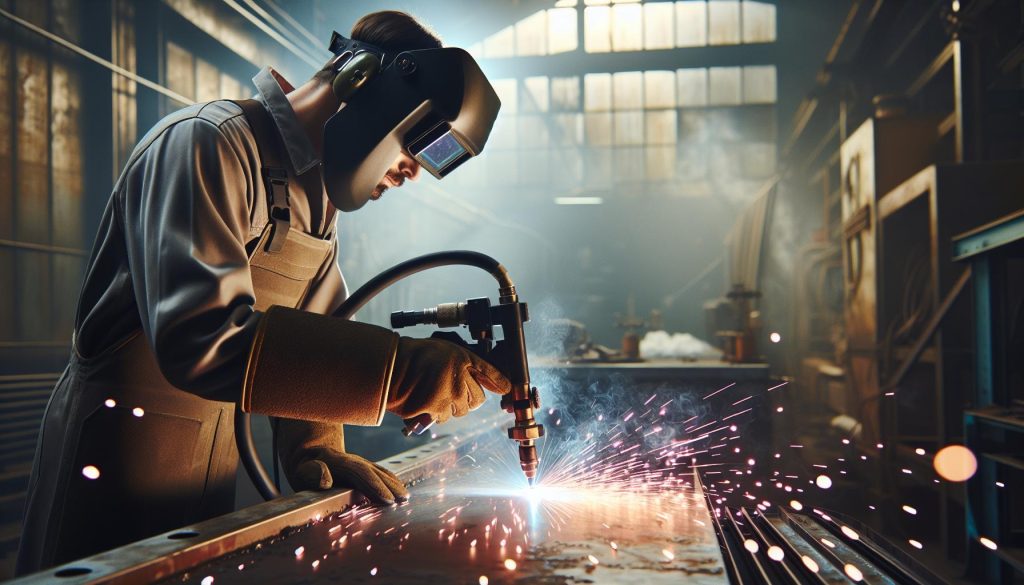
Plasma cutting is a revolutionary technique that has transformed metal fabrication, providing an efficient and precise method for cutting through various materials. Whether you’re an experienced welder or a DIY enthusiast, understanding the process requires grasping the four essential steps involved. Did you know that plasma cutters can slice through metal up to several inches thick in mere seconds? This capability not only saves time but also enhances accuracy compared to other methods, making it a go-to solution for many fabrication projects. As you dive into this guide, you’ll unlock the secrets behind how plasma cutting works, empowering you to elevate your skills, ensure safety, and achieve professional-quality results in your welding endeavors. Prepare to discover the amazing process that can take your metalworking projects to the next level!
Understanding Plasma Cutting Technology: Key Concepts
Plasma cutting is a captivating and efficient technology used across various industries, enabling the precise cutting of metals through the use of a high-velocity jet of ionized gas, or plasma. The key concepts surrounding this technology not only highlight its mechanics but also showcase its versatility and effectiveness in metals processing. Whether you are a seasoned welder or a novice, understanding these concepts is crucial for maximizing the benefits of plasma cutting in your projects.
At its core, plasma cutting leverages the principles of physics, specifically the behavior of gases under high temperatures. When compressed air or inert gas (such as nitrogen or argon) is heated to an extreme degree, it becomes ionized and transforms into plasma. This state of matter possesses sufficient thermal energy to melt through electrically conductive materials. Plasma cutting stands out as a preferred method for cutting various metals, including steel, aluminum, and copper, due to its speed and the clean edges it produces.
The effectiveness of plasma cutting depends significantly on several factors, such as the type of gas used, the levels of current, and the quality of the cutting torch. Understanding these factors can help users optimize their settings for different materials and thicknesses. For example, the use of nitrogen can produce smoother cuts in stainless steel, while air may be more cost-effective for carbon steel. Tailoring the process adequately can enhance productivity and minimize the need for additional finishing work.
In summary, grasping the fundamental concepts of plasma cutting, including its operational mechanics and the variables that influence its performance, equips welders and fabricators with the knowledge to harness its full potential. With practice and an emphasis on safety protocols throughout the process, users can achieve remarkable results that elevate their welding projects to professional standards.
The Science Behind Plasma: How It Works
Plasma cutting operates on fundamental principles of physics, utilizing the fourth state of matter to achieve effective metal cutting. When a gas, such as compressed air or an inert gas like argon, is subjected to extreme temperatures, it becomes ionized, transforming into plasma. This highly energetic state not only conducts electricity but also generates sufficient heat to melt through conductive materials like steel, aluminum, and copper. The efficiency of this process makes plasma cutting an invaluable tool across various industries.
To understand how plasma cutting works in practice, it’s essential to grasp the role of the plasma arc. The arc is initiated when an electrical current is passed through the ionized gas. This process occurs within the cutting torch, where the gas is accelerated through a nozzle, concentrating the energy into a high-velocity jet. Upon contact with the workpiece, the intense heat of the plasma arc rapidly melts the material, and the moving jet forces the molten metal away, resulting in a clean cut. This method not only ensures precision but allows for versatility in cutting various thicknesses and types of metal.
Several factors influence the quality and effectiveness of plasma cutting. The choice of gas is paramount; for example, using nitrogen can yield smoother finishes on stainless steel, while an air supply is often more economical for cutting carbon steel. Current settings must also be tailored to match the thickness and composition of the material. Understanding this interplay is crucial for fabricators aiming to achieve optimal performance from their plasma cutting equipment.
Moreover, safety is a significant aspect of plasma cutting operations. The high temperatures and flying debris require appropriate protective gear and safety protocols. Welders must ensure proper ventilation to avoid inhaling harmful fumes and comply with all safety guidelines to prevent accidents. By focusing on both the technical and safety elements, operators can leverage the full potential of plasma cutting while minimizing risks associated with this powerful technique.
Step 1: Preparing Materials for Plasma Cutting
Before you dive into the plasma cutting process, it’s crucial to adequately prepare the materials you’re working with. This preparation ensures optimal cutting performance, enhances safety, and minimizes waste. When approaching the material preparation stage, consider the type of metal, its thickness, and its surface condition, as these factors significantly influence the results of your plasma cutting operations.
Before starting, inspect the workpiece. Remove any rust, dirt, oil, and paint, as contaminants can hinder the plasma arc’s efficiency and lead to poor cutting quality. A clean surface promotes better adhesion and helps achieve a smoother finish. For materials that are particularly grimy, consider using a degreaser or a wire brush to ensure they are properly cleaned.
The thickness of the material also plays a vital role in the plasma cutting process. Align your equipment settings according to the specific material characteristics. For instance, while plasma cutters can handle a wide range of thicknesses, you should adjust your torch speed and amperage based on the thickness of your workpiece. Thicker materials require slower cutting speeds and higher amperage to penetrate effectively, while thinner materials can be cut faster with lower amperage settings. Noting these details prepares you for a successful cut, minimizing potential issues like overheating or incomplete cuts.
Another essential aspect of preparation is securing the material. Depending on the size and weight of the workpiece, ensure it is properly clamped or held in place. This prevents movement during the cutting process, which can lead to inaccuracies and jagged edges. Additionally, consider the cutting table you use; a solid, stable surface is paramount for safety and effectiveness. Utilizing a dedicated plasma cutting table with proper ventilation also helps in safely managing exhaust fumes and ensuring accurate cuts.
By focusing on material preparation, you set the stage for successful plasma cutting. Attention to detail during this initial step translates into improved efficiency and safety throughout the entire cutting process.
Step 2: Crafting the Plasma Arc
To achieve the cutting efficiency plasma technology is known for, mastering the crafting of the plasma arc is crucial. The plasma arc is essentially a high-temperature ionized gas that enables the cutter to melt and blow away metal materials. This process is initiated when a gas, typically compressed air, nitrogen, or argon, is combined with an electrical arc to create a conductive plasma state. The precision of this arc is determined by several key factors, including gas flow rate, voltage settings, and the condition of the consumables.
Creating the plasma arc begins with adjusting the machine’s settings based on the material type and thickness. The voltage must align with the specific requirements for the metal being cut; for example, cutting steel typically requires higher voltage compared to aluminum. The gas flow is equally important; this not only cools the torch but also shapes the plasma stream. A steady and balanced gas flow ensures that the plasma maintains its integrity and velocity, producing a narrow kerf and reducing the amount of molten material that splatters, which can affect the quality of the cut.
Once the machine is calibrated, initiating the arc involves an initial contact of the torch to the material, which ignites the arc. When the torch is pulled back, the arc stabilizes, taking on a powerful and concentrated form that can reach temperatures exceeding 30,000°F (16,600°C). This intense heat allows for rapid melting of the metal while the high-speed flow of the plasma jet removes the molten material, creating a clean cut as the torch moves along the workpiece.
To ensure the plasma arc functions effectively, regular maintenance of the plasma cutter is essential. Worn nozzle tips and electrodes can drastically impact cutting performance and require periodic replacement. Keeping a close eye on these consumables, along with ensuring the gas supply remains clean and filtered, is vital for consistent results. Additionally, practicing on scrap materials can help in achieving the desired speed and technique, enabling both novice and experienced operators to optimize their performance when cutting more valuable pieces.
Step 3: The Cutting Process Explained
The cutting process in plasma technology is where the magic truly happens, transforming solid metal sheets into precisely shaped components. At the core of this process is the plasma arc, which generates temperatures that can exceed 30,000°F (16,600°C). When the torch is activated, this intense heat melts the material at the tip while the high-speed jet of plasma effectively ejects the molten metal, resulting in a clean cut. Understanding how to navigate this process ensures optimal performance and minimizes waste.
First, the operator must position the plasma torch correctly above the workpiece before initiating the cut. The positioning not only affects the quality of the cut but also influences the overall efficiency. Slight adjustments can make a significant difference, especially with different materials such as mild steel, stainless steel, or aluminum. When cutting thicker metals, maintaining a consistent speed is crucial. A slow movement will lead to excessive melting and a wider kerf, while cutting too quickly may result in an uneven finish.
Maintaining proper torch height during cutting is also vital. A gap that’s too large can cause unstable plasma, leading to poor cuts and increased dross (solidified molten material). Conversely, too close can result in damaging the nozzle, risking performance and safety. Operators should aim for a distance that aligns with the manufacturer’s specifications, frequently checking the torch’s alignment to ensure it remains optimal throughout the cutting process.
Finally, post-cutting visual inspections are crucial. Carefully examining the cut edges for signs of excessive dross or inconsistent kerfs can help identify issues with gas flow, voltage, or speed that may need rectification before the next use. Taking the time to inspect and adjust reduces rework and maximizes productivity, ensuring each cut is as precise and clean as intended. By mastering these aspects of the cutting process, welders can significantly enhance their plasma cutting capabilities, producing high-quality results on each project.
Step 4: Post-Cutting Techniques and Finishing
The precision of a plasma cut is just the beginning; the real artistry lies in the techniques employed post-cutting. After successfully executing a cut, the next challenge is ensuring that the finished product meets required standards for quality and functionality. This includes dealing with residual dross, the solidified molten material that can accumulate along cut edges, and ensuring that the metal surfaces are prepared for subsequent processes, whether they be welding, painting, or assembly.
Effective post-cutting techniques begin with proper inspection. After the cutting has been completed, it’s essential to examine the edges of the cut for any dross accumulation, which can affect both aesthetics and functionality. A simple method to remove this excess material is to use a grinding tool or a wire brush; this not only cleans the edges but also prepares them for any additional processes that may follow. Note that care must be taken to avoid overheating the edges during this process, as excessive heat can warp the metal or alter the properties of the base material.
In addition to dross management, finishing often involves deburring, which smooths out sharp edges and enhances the safety of the component. Utilizing a bench grinder, rotary tool, or hand file can accomplish this, but operators should always ensure they’re wearing appropriate personal protective equipment (PPE), such as gloves and eye protection, to avoid injury.
Final Touches for Enhanced Quality
Once the edges are cleaned and smoothed, consider applying a surface treatment. For instance, applying a rust inhibitor or a primer can significantly extend the life of the metal, especially if it will be exposed to moisture or other corrosive environments. This proactive step is crucial in environments where corrosion can quickly deteriorate metal surfaces. If the final application will be painted, ensure that the surface is free from any contaminants that could impede adhesion.
By following these post-cutting techniques, welders can not only achieve a higher quality end product but also position themselves for greater success in subsequent steps of fabrication. Consistency in these techniques can lead to more efficient workflows and improved client satisfaction, reinforcing the value of attention to detail at all stages of the plasma cutting process.
Essential Tools for Effective Plasma Cutting
The right tools can mean the difference between a frustrating plasma cutting experience and a seamless, precise operation. Successful plasma cutting requires not just a plasma cutter itself but a portfolio of essential tools that ensure high-quality results, safety, and efficiency.
To achieve optimal performance, a plasma cutter should be paired with a good-quality air compressor, as providing a high flow of clean, dry air is crucial for generating the plasma arc. An adequate air supply not only enhances cutting precision but also prolongs the life of the plasma torch and consumables. Additionally, using a reliable cutting table can help stabilize materials and minimize vibration during operation, resulting in smoother cuts.
Safety equipment is non-negotiable and includes protective gear such as welding helmets with appropriate filters, gloves, and flame-resistant clothing. To prevent accidents and ensure a productive workspace, keep tools like clamps and strapping materials handy for securing pieces together while cutting. Moreover, having proper cleaning tools, such as brushes and air guns, is essential for maintaining your equipment and ensuring a clean working environment.
With the right selection of tools, welders can significantly enhance their plasma cutting capabilities, making the process not only safer but also more efficient. Investing in quality tools doesn’t just support a one-time project; it’s a long-term investment in improved workflow and better outcomes in the shop.
Safety Protocols in Plasma Cutting Operations
Plasma cutting is an impressive and powerful technology that, when used correctly, can produce clean, precise cuts in a wide variety of materials. However, the potency of plasma cutters comes with inherent risks. Ensuring safety during plasma cutting operations is paramount, not just for the welder but for anyone present in the vicinity of the operation. Understanding and implementing safety protocols can significantly reduce accidents and injuries.
One of the most critical aspects of safety in plasma cutting is personal protective equipment (PPE). Welders should wear flame-resistant clothing, gloves, and welding helmets with appropriate filter lenses to protect against the intense light and heat generated during the cutting process. Eye protection is essential to guard against sparks and harmful UV radiation, while gloves designed for metalworking can prevent burns and cuts. Additionally, wearing long sleeves and protective footwear helps shield against falling metal and electrical hazards.
Another vital safety protocol involves setting up a safe working environment. This includes ensuring adequate ventilation to avoid the accumulation of harmful fumes generated during the cutting process. It’s important to keep the workspace free from flammable materials, as plasma cutting can generate sparks that may ignite combustible substances. Implementing a designated area for plasma cutting, away from other workers and hazards, can also reduce the risk of accidents. Worktables should be stable and properly anchored to prevent movement during operations, contributing to greater control and precision.
Emergency Preparedness
In any operation involving high temperatures and electrical equipment, being prepared for emergencies is crucial. Having fire extinguishers rated for electrical and combustible materials readily accessible can be a lifesaver should an incident occur. Additionally, training workers on emergency shut-off procedures and first aid practices can significantly lessen the impact of accidents. Establishing clear communication protocols among team members enhances safety awareness, ensuring that everyone knows their roles and responsibilities during operations.
By adhering to these safety protocols and emphasizing a culture of safety, plasma cutting operations can be conducted with greater confidence and reduced risk. A commitment to safety not only protects individuals but also fosters a more efficient and focused work environment, ultimately leading to better quality outcomes in all plasma cutting projects.
Common Plasma Cutting Mistakes and Fixes
In the realm of plasma cutting, common mistakes can significantly influence the quality of the cut and the safety of the operation. One frequent error is incorrect settings on the plasma cutter, which can lead to excessive burning, dross formation, or poor cut quality. For optimal results, always confirm that the amperage is suitable for the material thickness you are working with. A quick reference for settings can be helpful: for example, thinner materials (such as 16-gauge steel) often require lower amperage, around 20-30 amps, while thicker steel may demand 40-60 amps.
Another prevalent mistake is improper distance between the plasma torch and the workpiece. A gap that is too wide can cause erratic cutting and inconsistent performance, whereas positioning the torch too close may overheat the nozzle, leading to premature wear or damage. Maintaining the correct standoff distance, typically about 1/8 to 1/4 inch, ensures a stable arc and clean cuts. Regularly check your torch positioning throughout the cutting process to maintain optimal performance.
One often overlooked area is the quality of the consumables used in plasma cutting. Worn or defective electrodes and nozzles can severely hinder performance, causing issues like poor arc stability and irregular cuts. To mitigate this, it is wise to inspect and replace consumables frequently, particularly if cutting higher quantities of materials. Keeping a stock of high-quality replacement parts ensures that your cutting operations remain smooth and efficient.
Finally, not accounting for the material properties, such as type and thickness, can lead to failures in achieving the desired results. Each material reacts differently to plasma cutting; for instance, aluminum requires a specific approach due to its unique thermal conductivity and melting point. Adjusting your technique based on material properties, including proper speed and feed rates, is essential. Educating yourself on the specific characteristics of the materials you work with will greatly enhance the quality of your cuts and prolong the life of your equipment.
By being aware of these common pitfalls and adopting strategic fixes, you can improve your plasma cutting operations, ensuring not only high-quality results but also a safer working environment.
Comparing Plasma Cutting with Other Welding Techniques
In the dynamic world of metal fabrication, plasma cutting stands out for its precision and efficiency, especially when compared to traditional welding techniques. This method, utilizing ionized gas at extremely high temperatures, allows for rapid cutting of various materials, including stainless steel, aluminum, and copper. Unlike other processes such as MIG (Metal Inert Gas) or TIG (Tungsten Inert Gas) welding, which primarily join materials, plasma cutting focuses solely on separating them, which opens a different set of applications in manufacturing and repair.
When examining plasma cutting against MIG welding, one notable advantage is the speed of operation. Plasma cutters can effectively slice through metals at rates much faster than MIG welders can fuse materials, making them ideal for projects requiring high throughput. Additionally, plasma cutting generates less heat input, reducing the risk of distortion in thinner materials. However, MIG welding offers superior joint strength and is often preferred when structural integrity is paramount, particularly in the fabrication of frameworks and other load-bearing applications.
TIG welding is another contender that merits comparison. This method excels in applications demanding high-quality finishes and precise control over the weld puddle. It is often used for materials like titanium and stainless steel, where the aesthetics of the weld bead are critical. While plasma cutting can achieve clean edges with minimal dross, it may not match the fine control and versatility found in TIG processes for delicate components. Hence, the choice between these techniques often hinges on project requirements: plasma cutting for high-speed material separation versus TIG welding for quality and precision in joining.
While flux-core and stick welding techniques provide solid alternative options, they typically fall short in terms of cleanliness and efficiency relative to plasma cutting. Flux-core welding, ideal for outdoor applications due to its portability, leaves behind slag that can necessitate additional clean-up. Conversely, stick welding is favored for its simplicity and effectiveness on thicker materials, but it lacks the versatility and finesse of plasma cutting when it comes to intricate designs and thinner gauges.
In sum, the choice between plasma cutting and other welding techniques will ultimately depend on the specific needs of the project-from material type and thickness to desired speed and finish. Understanding the strengths and limitations of each method empowers welders to select the most appropriate process, ensuring optimal results and superior workmanship in every job.
Tips for Maintaining Your Plasma Cutter
Regular maintenance of your plasma cutter is essential to ensure optimal performance, prolong its lifespan, and maintain the quality of your cuts. A well-maintained plasma cutter not only offers precision in cutting but also ensures safety during operations. Here are some important tips for keeping your equipment in top shape.
Start by regularly inspecting the consumables, including electrodes, nozzles, and retainers. Over time, these components wear down and can significantly affect the quality of your cuts. For instance, a worn-out electrode can lead to poor arc stability and increased dross. It’s advisable to replace these parts as needed or according to the manufacturer’s recommendations. Keeping a spare set of consumables handy can minimize downtimes during critical projects.
Another critical aspect of maintenance involves cleaning the torch and the machine itself. Contaminants such as metal shavings, dust, and slag can accumulate over time, leading to malfunctions. Use a suitable cleaning agent and a soft cloth to wipe down the exterior of the plasma cutter. For the torch, ensure that you remove any slag build-up from the nozzle. A clean torch not only enhances performance but also reduces the risk of electrical issues.
Ensure that the air supply is clean and dry, as moisture and impurities can affect cutting quality. If your plasma cutter uses a compressor, regularly check and change the filters as necessary to prevent contaminants from entering the system. Additionally, inspect the hoses and connectors for any signs of wear or leaks. A fluid and efficient air supply guarantees stable pressure and enhances cutting precision.
Finally, perform regular functionality checks on your plasma cutter. This includes testing the arc and ensuring that the voltage and amperage settings match your cutting tasks. If you notice any irregularities, consult the user manual or reach out to a professional for assistance. Logging your maintenance activities and any adjustments made can help track performance trends and inform your future maintenance strategies.
By following these best practices, you can maximize the efficiency and longevity of your plasma cutter, leading to high-quality workmanship in your metal fabrication projects.
Applications of Plasma Cutting in Various Industries
The versatility of plasma cutting technology has led to its widespread adoption across multiple industries, revolutionizing metal fabrication processes. Unlike traditional cutting methods, plasma cutting allows for fast, precise, and clean cuts through a variety of conductive materials. The technique is especially effective when dealing with thick plates of steel, aluminum, and other metals, making it invaluable in industries ranging from automotive to shipbuilding.
In the automotive industry, plasma cutting is utilized for creating intricate parts and components vital to manufacturing processes. For instance, fabricators often rely on plasma cutters for cutting structural components and custom-designed panels, ensuring that the edges are smooth and require minimal finishing. Additionally, its speed and efficiency in cutting reduces idle time and enhances overall productivity.
The construction sector also benefits significantly from plasma cutting technology. Contractors increasingly use plasma cutters for demolishing and cutting large steel beams, reinforcing structures, or when performing renovations. These capabilities enable construction teams to adapt swiftly to design changes or repairs without extensive delays, streamlining project timelines.
Moreover, plasma cutting is essential in the aerospace industry, where precision is paramount. Technicians utilize plasma cutters to fabricate lightweight, high-strength components critical for aircraft performance. The fine control over cutting parameters also allows for the production of complex geometries that meet stringent aerospace standards.
In summary, the applications of plasma cutting technology extend far and wide. Its ability to deliver high-speed cutting with exceptional accuracy makes it a cornerstone of modern manufacturing and fabrication across various industries. By adopting plasma cutting, businesses not only improve their operational efficiency but also enhance the quality of their products, paving the way for innovations in designs and applications.
Future Trends in Plasma Cutting Technology
As technology evolves, the landscape of plasma cutting continues to transform, bringing forth advancements that enhance productivity, precision, and versatility. One notable trend is the integration of automation and robotics into plasma cutting operations. Automated plasma cutting systems are capable of performing complex cuts with minimal human intervention, which not only increases efficiency but also reduces the chances of errors associated with manual operation. This is particularly advantageous in high-volume production environments, where consistency and speed are paramount.
Equally significant is the development of more sophisticated plasma cutting equipment that allows for increased arc stability and improved cutting quality. New advancements in inverter technology are enabling plasma cutters to maintain a more consistent current, which results in smoother cuts and less dross on the workpiece. Low-hydrogen plasma technology is also gaining traction, offering cleaner cuts by minimizing the presence of contaminants. This is especially critical in industries where the integrity of joints and edges must adhere to strict quality standards, such as aerospace and oil and gas.
The materials that plasma cutting can handle are also expanding. Research and innovation in high-definition plasma cutting are introducing systems that can effectively cut through even thicker metals and challenging materials such as copper and brass, which were previously difficult to process. Such developments allow fabricators to diversify their offerings and tackle more complex projects, reinforcing the role of plasma cutting in advanced manufacturing processes.
Moreover, the future of plasma cutting is being shaped by software advancements that enhance operational capabilities. Industry 4.0 principles are bringing features such as predictive maintenance, where data analytics predict equipment failures before they occur, significantly reducing downtime. Additionally, improved design software tailored for plasma cutting enables users to create intricate designs more efficiently, combining the design and cutting processes into a seamless workflow.
With these trends in mind, staying updated with the latest plasma cutting technologies and techniques is essential for anyone in the industry, whether a novice or an experienced professional. By embracing these advancements, welders can enhance their skillsets, improve safety, and ultimately contribute to delivering higher-quality products.
Faq
Q: What is the principle behind plasma cutting technology?
A: Plasma cutting technology works by utilizing an electrically conductive gas (plasma) to melt and cut through materials. It superheats the gas to create a high-temperature arc, allowing for precise cutting of metals like steel and aluminum.
Q: How do I choose the right plasma cutter for my projects?
A: To choose the right plasma cutter, consider the thickness of the materials you’ll be cutting, the cutter’s amperage, and portability. Additionally, look for features like adjustable cutting speeds and voltage compatibility to match your needs.
Q: What safety gear is necessary for plasma cutting?
A: Essential safety gear for plasma cutting includes a welding helmet with appropriate shade, gloves, protective clothing, and steel-toed boots. Ensure proper ventilation and use hearing protection when working in noisy environments.
Q: Can I use a plasma cutter for materials other than metal?
A: While plasma cutters are primarily designed for metals, they can cut through certain conductive materials like graphite or carbon composites. However, avoid non-conductive materials as they will not initiate the plasma arc.
Q: How does plasma cutting compare to laser cutting?
A: Plasma cutting is generally faster and more cost-effective for thicker materials, while laser cutting provides greater precision and is better suited for thinner materials. Choose based on your specific cutting requirements and budget.
Q: What are common errors when using a plasma cutter and how can I fix them?
A: Common plasma cutting mistakes include cutting too fast, improper torch angles, and inadequate gas flow. To fix these issues, adjust your cutting speed, maintain proper torch positioning, and ensure your equipment is set for optimal gas flow.
Q: What maintenance is required for a plasma cutter?
A: Regular maintenance for a plasma cutter includes checking and replacing worn electrodes and nozzles, cleaning filters, and ensuring connections are secure. Following your manufacturer’s maintenance guidelines will help prolong the life of your cutter.
Q: What industries commonly use plasma cutting technology?
A: Plasma cutting technology is widely used in automotive, aerospace, manufacturing, and construction industries. Its ability to cut through thick materials efficiently makes it ideal for structural fabrication and repairs.
Wrapping Up
Understanding how a plasma cutter works equips you with essential knowledge for various welding projects, whether you’re working with steel, aluminum, or other materials. As you dive into this transformative technique, remember that mastering this process can significantly enhance your cutting efficiency and accuracy. Don’t miss out on related techniques like MIG and TIG welding; check out our in-depth guides to elevate your skills even further.
Now is the time to take action! If you’re eager to learn more about choosing the right equipment or brushing up on safety protocols, subscribe to our newsletter for the latest insights. We encourage you to leave your thoughts or questions in the comments below-your engagement is valuable to our community. Explore our resources on welding tips, tools, and techniques to ensure your next project is a success. Let’s keep the conversation going and unlock the full potential of your welding journey!


