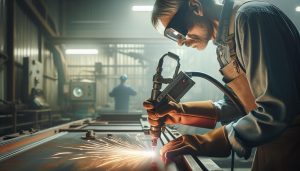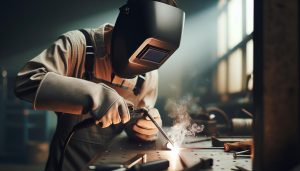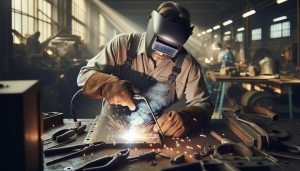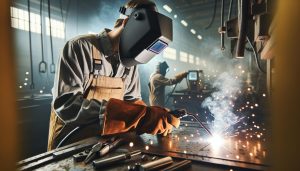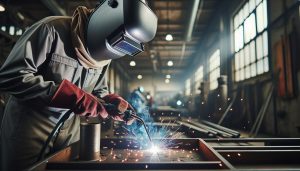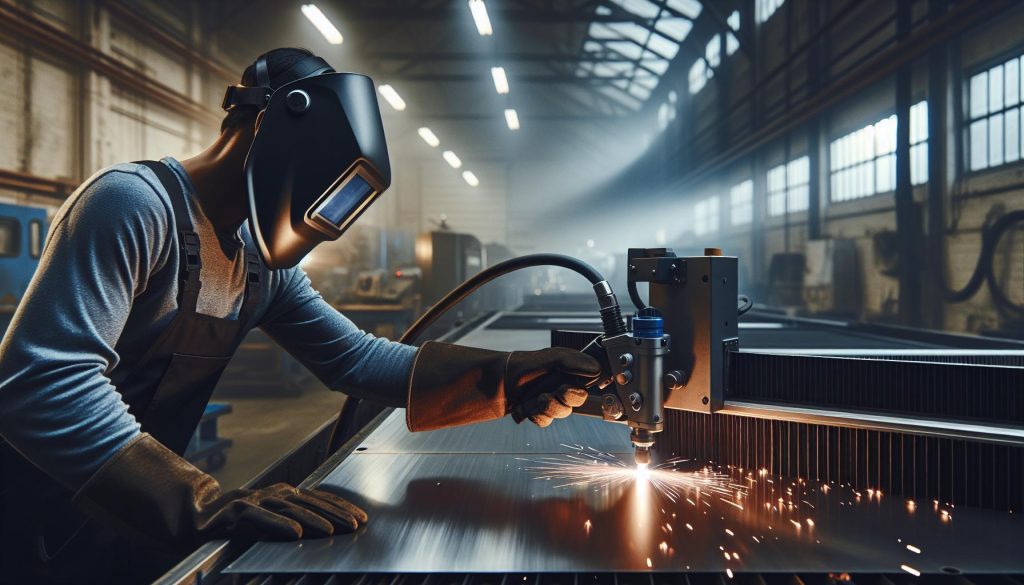
When it comes to precision cutting in metalworking, one of the most common questions is: how thick can a plasma cutter actually cut? Understanding the material limits of plasma cutting is essential for both hobbyists and professionals seeking to optimize their projects. A plasma cutter is known for its ability to swiftly and cleanly sever materials, ranging from thin metals to thicker stock-making it a favored tool in various industries.
Yet, knowing the capabilities of your plasma cutter can affect cost efficiency and safety in your work. For instance, attempting to cut metal that exceeds your equipment’s limits can lead to poor cuts, increased wear, and potential hazards. Whether you’re a DIY enthusiast or a seasoned welder looking to expand your skillset, grasping these limits not only enhances your craftsmanship but also ensures you make informed choices about your materials and techniques. Dive into this comprehensive guide to discover how thick of metal your plasma cutter can handle and how to maximize its effectiveness in your cutting endeavors.
How Plasma Cutters Work: Basics You Should Know
Plasma cutting is a fascinating and efficient technique that utilizes high-temperature ionized gas, or plasma, to slice through metal materials with remarkable precision. At the heart of this process is the plasma cutter, a tool that delivers an accelerated stream of hot plasma, effectively melting and blowing away the material along the cut line. Understanding the mechanics of plasma cutting is crucial for beginners and seasoned professionals alike, as it allows welders to make informed decisions regarding the thickness and types of materials they can work with.
Typically, plasma cutters can handle a variety of materials, including carbon steel, stainless steel, aluminum, and more. The effectiveness of cutting through these materials hinges on several factors such as the power of the plasma cutter, the type of gas used, and the torch design. Higher amperage machines can cut thicker materials, while smaller units are better suited for thinner sheets. A common misunderstanding is that plasma cutting is only for mid-range thicknesses; however, advanced plasma cutting systems can manage materials several inches thick, provided they are correctly set up and calibrated.
When using a plasma cutter, achieving optimal results does require some technical know-how. Properly adjusting settings such as cutting speed, gas flow, and amperage can significantly impact the quality of the cut. Additionally, maintaining a consistent distance between the torch and the material is key; this is often referred to as “torch height.” Maintaining the right height ensures a clean cut and prevents excessive dross formation on the underside of the cut material.
Incorporating the right techniques leads to not only faster jobs but also reduces wear on the equipment itself. As the welder becomes familiar with these nuances, they can effectively expand their capabilities, whether they are working on artistic projects, industrial fabrications, or repair jobs. Understanding these fundamental principles of plasma cutting sets the stage for mastering more advanced techniques and applications in the future.
Maximum Thickness: Factors That Influence Cutting Limits
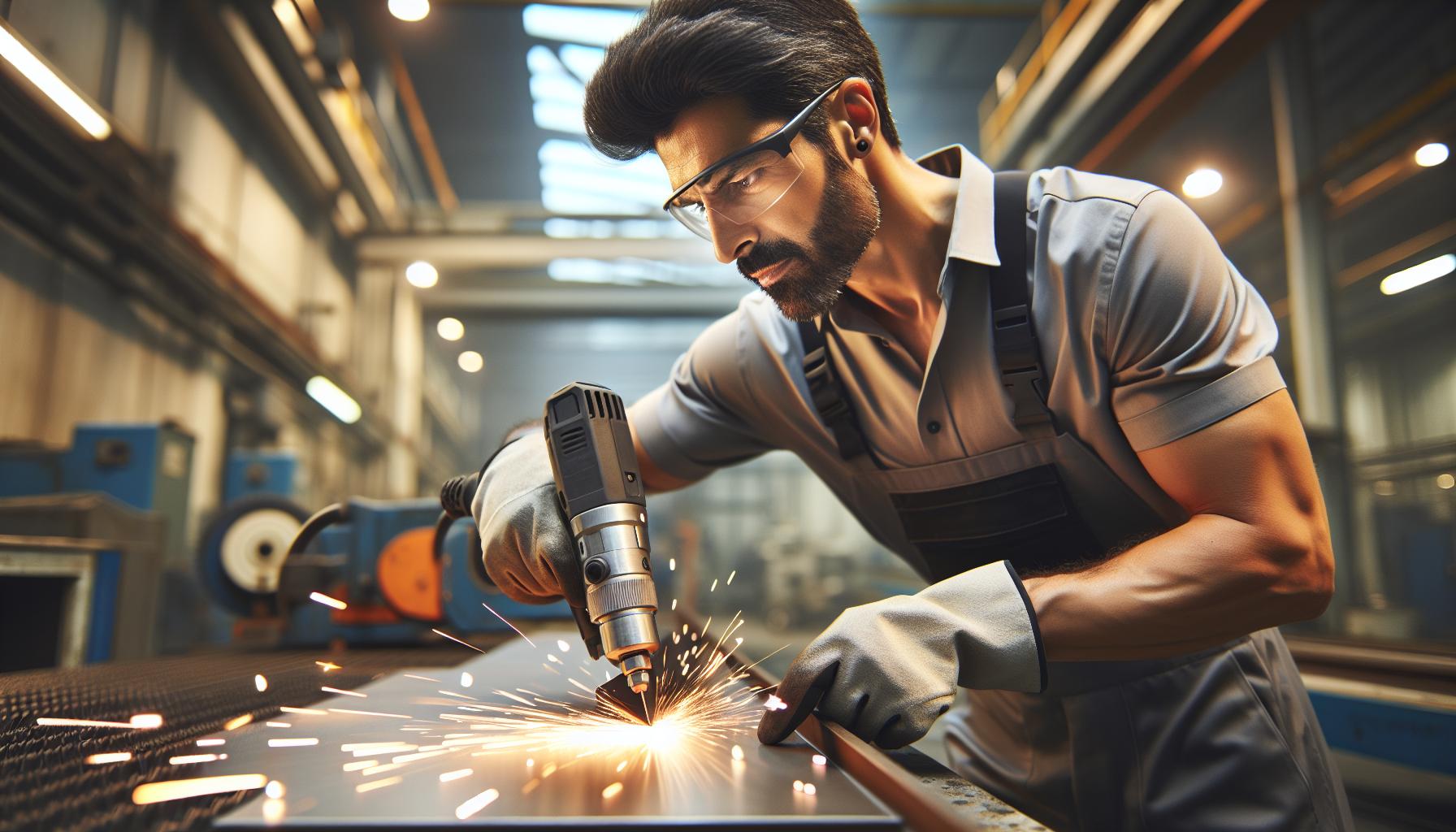
Achieving optimal cutting thickness with plasma cutters depends on a variety of factors that can significantly influence their performance. Advanced plasma cutting technology has transformed the capabilities of this method, allowing for the cutting of materials that are several inches thick. However, it’s essential to understand that not all plasma cutters are created equal, and their effectiveness will vary based on several conditions.
The power output of the plasma cutter, measured in amperage, is a primary determinant of how thick a material can be cut. High-amperage machines are designed for heavy-duty applications and can often handle material thicknesses beyond one inch, while lower-amperage units are better suited for thinner materials, typically up to half an inch. Additionally, the design of the torch and the type of gas used also come into play; for instance, air plasma systems can cut mild steel up to about 1 inch thick, while more specialized gases can achieve thicker cuts with greater efficiency.
Moreover, cutting speed and torch height must be optimized during operation. Slower cutting speeds can allow for deeper penetration in thicker materials, but excessive speed can lead to incomplete cuts or excessive dross formation. Keeping the correct distance between the torch and the material is vital, as it affects the stability of the plasma arc and ultimately the quality of the cut. Through practical understanding and adjustments of these parameters, users can significantly expand their cutting capabilities, making powerful plasma systems versatile tools for both industrial applications and artistic endeavors.
When selecting or operating a plasma cutter, consider these factors carefully, along with the specific requirements of the project at hand, to maximize efficiency and achieve the desired results.
Material Types: What Can Plasma Cutters Cut?
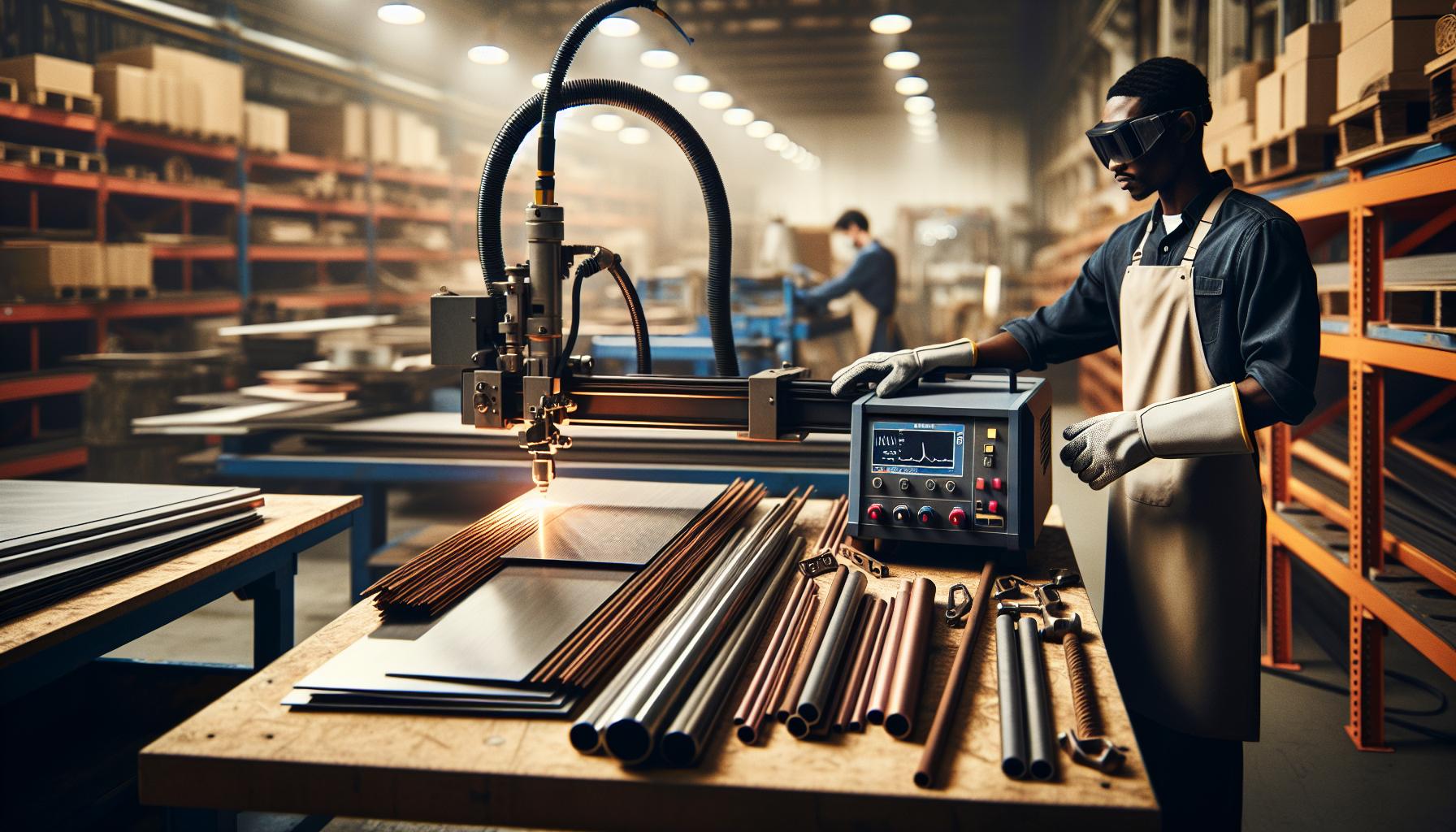
Plasma cutters are remarkable tools renowned for their ability to slice through a wide array of materials with precision and speed. One of the most significant advantages of plasma cutting technology is its versatility, making it suitable for various industries ranging from automotive to aerospace. This capability stems from the plasma cutter’s unique process, which ionizes gas to create a high-temperature arc strong enough to melt and blow away metal, allowing for clean cuts even in tougher materials.
When considering the types of materials a plasma cutter can handle, metals dominate the list. These include:
- Mild Steel: One of the most common materials processed with plasma cutters, it can be cut easily in thicknesses up to 1 inch with standard air plasma systems, while higher-powered models can cut even thicker.
- Stainless Steel: Known for its resistance to corrosion, stainless steel can also be effectively cut. Its thickness capability is similar to that of mild steel, and specific settings may be needed to minimize discoloration during the cutting process.
- Aluminum: Lightweight and malleable, aluminum is ideal for plasma cutting, but its melting point is lower than that of steel, requiring careful handling to avoid warping. Plasma cutters excel at slicing through aluminum, up to several inches thick depending on the machine.
- Copper and Brass: These non-ferrous metals can also be effectively cut, although they may require special consumables or adjustments to the plasma cutter settings to mitigate issues like excessive dross or poor cut quality.
Beyond metals, plasma cutters can sometimes cut through materials like plastics and composites, although this is less common and typically less effective than with metals. Understanding specific thickness limits and the ideal settings for each material ensures optimal cutting quality and performance.
As with any cutting method, the effectiveness of a plasma cutter depends significantly on the operational parameters such as gas type, cutting speed, and amperage settings. By choosing the right plasma cutting system and adjusting parameters according to the material being cut, users can achieve high-quality results in a wide range of applications, making plasma cutting a cornerstone technology across various sectors.
Comparative Analysis: Plasma Cutting vs Other Cutting Methods
The choice of cutting method can greatly impact the quality of work and efficiency of the project at hand. Plasma cutting is often favored for its ability to make clean cuts through thick metals, but how does it stack up against other popular methods such as oxy-fuel cutting, laser cutting, and mechanical cutting?
One of the primary advantages of plasma cutting is its speed and versatility. While oxy-fuel cutting can handle thick materials like steel and works well on heavier metals, its cutting speed is slower compared to plasma cutting, especially for materials thicker than 1 inch. Additionally, oxy-fuel is less effective with non-ferrous metals. In contrast, plasma cutting excels with a variety of metals, cutting through materials like aluminum and stainless steel with ease. This versatility can make a significant difference for industries dealing with multiple types of metals, allowing for quick adjustments without needing to switch equipment.
Laser cutting stands out for its precision and smooth finishes, making it suitable for intricate designs. However, it may struggle with thicker materials and is generally more expensive to operate due to the higher energy requirements. Plasma cutting offers a balance of speed and quality, effectively handling material thicknesses of up to 2 inches or more, depending on the machine’s capabilities and settings. This makes plasma a viable choice for fabricators who need to handle both thick and thin materials regularly.
When examining mechanical cutting, such as saws and shears, the differences become even more pronounced. Mechanical methods are often slower and may struggle to maintain cut quality on thick or hard materials. Plasma cutting not only outpaces these methods but also reduces the risk of material warping, which is a common challenge with mechanical cutting techniques that apply more direct pressure.
To summarize, each cutting method has its strengths and weaknesses. Plasma cutting presents unique benefits for those tasked with cutting various metals, delivering fast, efficient results even in thicker materials while maintaining a quality that rivals other methods. Understanding these differences can aid professionals and hobbyists alike in selecting the most suitable cutting technique for their specific projects.
For instance, in the context of cutting mild steel or stainless steel, utilizing plasma cutting can result in less post-processing cleanup thanks to its inherent ability to produce cleaner edges compared to mechanical methods. This efficiency is invaluable in high-output settings where time and quality are critical to success. Balancing the needs of the project with the capabilities of each cutting method will ensure the selection of the most effective cutting solution for any given job.
Settings and Techniques for Optimal Thickness

To maximize the capabilities of a plasma cutter, understanding the optimal settings and techniques for varying thicknesses of metal is essential. Plasma cutting excels particularly with materials up to 2 inches thick, but the correct approach can extend these limits and enhance cut quality. Adjusting parameters such as amperage, travel speed, and gas flow significantly affects the cutting performance.
The ideal settings for a plasma cutter typically start with the amperage, which directly correlates with the thickness of the material being cut. For example, a higher setting (often between 30 to 50 amps) is suitable for cutting thicker metal, while 20 to 30 amps may suffice for thinner materials. A common rule of thumb is to use approximately 1 amp of power for each 1/16 inch of material thickness. This enables the plasma arc to penetrate and effectively sever the material without excessive melting or dross buildup.
Travel speed is another critical factor. If the cutter moves too quickly, the arc may not have enough time to melt the metal completely, resulting in an incomplete or ragged cut. Conversely, moving too slowly can lead to excessive heat input and warpage. A balanced travel speed, adjusted according to the material’s thickness and the selected amperage, is key for achieving smooth edges. Generally, a linear movement at a speed of 10 to 20 inches per minute works well for moderate thicknesses, though experimentation can aid in finding the most effective pace.
In addition to these parameters, the type and quality of plasma gas can further influence cutting performance. Compressed air is commonly used due to its availability and cost-effectiveness, but nitrogen or argon mixes can yield cleaner cuts on certain metals, particularly stainless steel. The pressure of the gas should also be set according to the cutter’s specifications, as this affects the density and focus of the plasma arc. Proper maintenance of the torch, including keeping the nozzle and electrode in good condition, is vital to ensure consistent performance.
By employing these settings effectively, operators can extend the capability of their plasma cutter across a range of material thicknesses while maintaining high-quality cuts. Regular practice and adjustment based on specific job requirements will further enhance proficiency in this essential cutting technique.
Safety Precautions When Using a Plasma Cutter
Using a plasma cutter can be an exhilarating experience, enabling the operator to achieve precise cuts in a variety of materials. However, with the power of plasma cutting comes the responsibility of ensuring safety at all times. The intense heat and electrical components involved can pose serious risks, making it essential to adhere to safety precautions. Understanding the hazards associated with plasma cutting and implementing strict safety protocols are crucial steps to protect oneself and others in the workplace.
A fundamental safety measure includes wearing appropriate personal protective equipment (PPE). This should consist of fire-resistant clothing, gloves, and face shields or auto-darkening helmets designed specifically for welding operations. The intense arc produced during cutting emits bright light and harmful UV radiation, which can damage eyesight. In addition to eye protection, respiratory safety is paramount. Cutting metals can release harmful fumes; utilizing adequate ventilation systems or wearing a respirator can reduce exposure to potentially toxic gases.
Another critical aspect of safety is the work environment itself. Ensure the workspace is free from flammable materials and that fire extinguishers are readily accessible. Keeping a clean and organized area can prevent accidents and enhance operational efficiency. Moreover, it’s important to maintain the plasma cutter in good working condition-regularly inspecting cables, connectors, and the torch for wear and damage can prevent unexpected failures that may lead to accidents.
Additionally, thorough training in operational procedures is vital for both experienced welders and beginners. Proper understanding of the plasma cutter’s controls, from adjusting the amperage for different thicknesses of materials to knowing how to safely start and stop the cutter, can greatly minimize risk. Always follow manufacturer guidelines and best practices, and do not hesitate to seek assistance or clarification when unsure about any aspect of the cutting process.
By committing to a culture of safety and vigilance, operators can enjoy the benefits of plasma cutting while safeguarding themselves and their surroundings from potential hazards.
Tips for Achieving Clean Cuts on Thick Metal
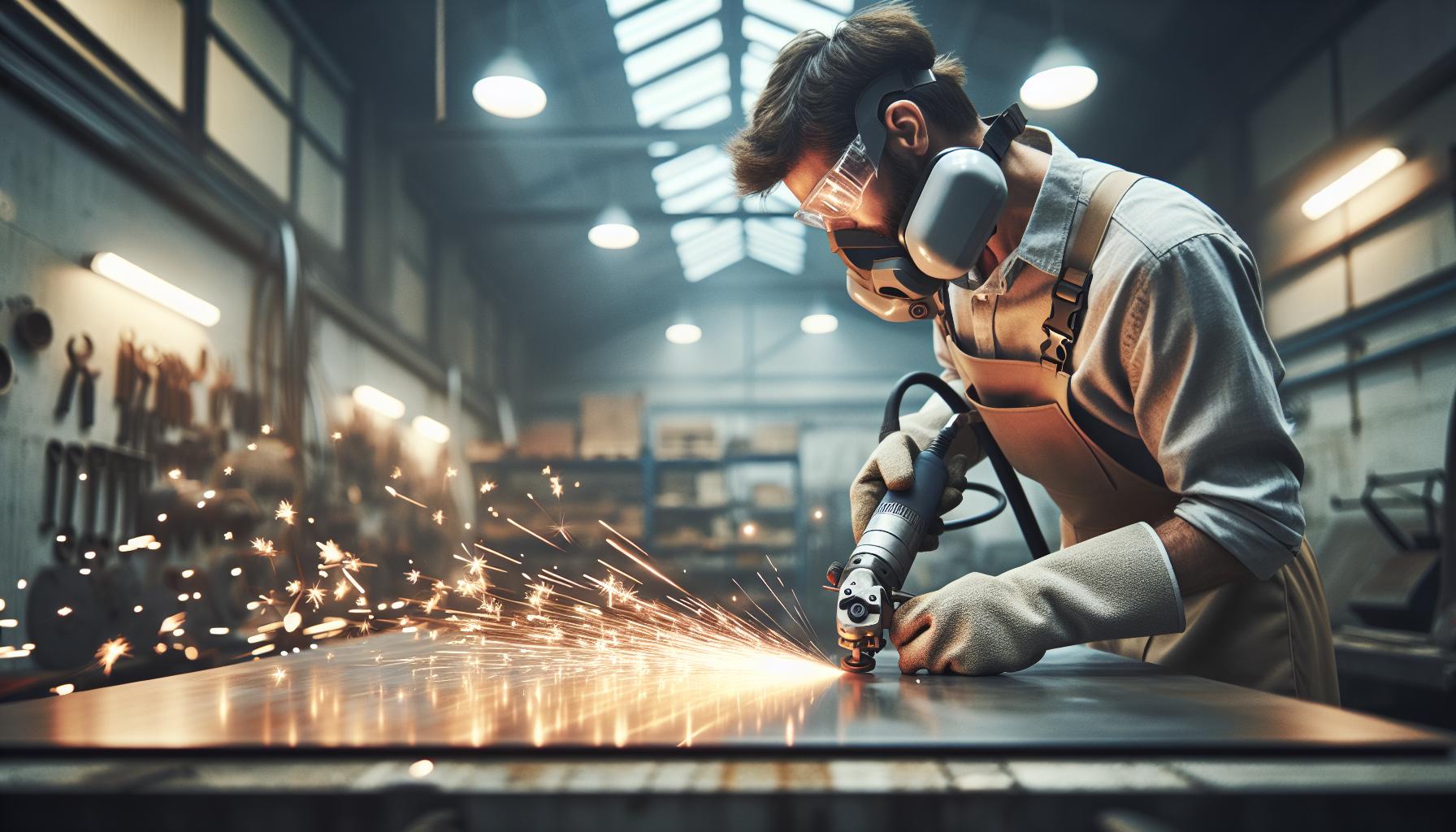
When cutting thick metal, achieving clean and precise cuts is crucial for both functional and aesthetic reasons. Plasma cutting can handle significant thickness, but the quality of the cut heavily depends on multiple factors, from settings to technique. Understanding how to refine your approach ensures not only optimal cuts but also extends the life of your equipment and improves overall safety.
Start by selecting the correct plasma cutter for the thickness of the material you intend to work with. The amperage rating of your machine plays a vital role; higher amperage typically allows for thicker materials. For clean cuts on thick metal, aim for the manufacturer-recommended settings specifically tailored for the thickness involved. Interesting enough, adjusting the cutting speed can significantly influence the outcome. Cutting too fast may create dross and rough edges, while moving too slowly can cause excessive heat buildup, leading to burn-through and warping. A constant, moderate pace is often ideal.
Technique Matters
Technique is equally essential. Keeping the torch perpendicular to the workpiece allows for even cuts and minimizes the potential for warping or distortion. Furthermore, utilizing a drag-cutting technique can enhance the quality of cuts on thicker materials. This method means maintaining contact between the torch tip and the metal’s surface rather than lifting the torch too high, which can create inconsistent arcs.
Don’t overlook the importance of a clean workspace; contaminants such as rust, paint, or oil can dramatically affect cut quality. Prior to cutting, thoroughly clean the surface of the metal to ensure optimal contact and energy transfer. Employing a nozzle extension can also assist in achieving cleaner cuts by providing better orientation and stability – crucial when working with thicker materials.
Post-Cutting Considerations
After cutting, always inspect the finished edges. A smooth finish may indicate a clean cut, but visual checks should be complemented by measuring the kerf – the width of the cut – and ensuring it aligns with your project specifications. If required, post-cutting methods like grinding or sanding can further refine the edges for specific applications.
Incorporating these tips while remaining adaptable to the needs of specific projects will undoubtedly enhance your proficiency in cutting thick metal and ensure more reliable results.
Common Plasma Cutter Mistakes to Avoid
Inefficient use of plasma cutters can lead to costly mistakes and subpar results, particularly when dealing with thick metal. One of the most common errors is selecting the wrong nozzle and electrode size for the material being cut. Using a nozzle that is too large can lead to excessive kerf, while a nozzle that’s too small may not produce enough heat for thicker materials, resulting in incomplete cuts. Always refer to the manufacturer’s specifications to ensure that you’re using the correct accessories for the thickness of metal you are working with.
Another frequent mistake involves incorrect amperage settings. Beginners often underestimate the required amperage for thicker materials, which can lead to problems like backhand arcs or melted edges. It’s essential to adjust the settings based on the thickness and type of metal to prevent burning through the material or creating rough edges. Moreover, cutting with inconsistent speed can also detrimentally affect the outcome. A steady, controlled pace is vital; erratic movements can introduce unwanted distortions and inconsistencies in the cut quality.
Failing to maintain a clean work area can dramatically impact the efficiency of a plasma cutter. Contaminants such as rust, paint, or mill scale can cause poor arc stability, uneven cuts, and increased wear on consumables. It’s advisable to clean the metal surface thoroughly before beginning any work. In addition, neglecting to monitor the distance between the torch and the workpiece can lead to inefficiencies. Maintaining a consistent height is crucial for achieving optimal arc length and preventing issues like tip overheating or excessive dross formation.
Lastly, many operators overlook safety precautions, which is a critical error in the cutting process. Plasma cutting produces harmful sparks and fumes, making it essential to wear appropriate protective gear, including gloves, a face shield, and long sleeves. Failing to adhere to safety protocols can lead to injuries and health hazards in the long run. Always prioritize safety by ensuring proper ventilation and being aware of your surroundings, especially when working in confined spaces.
Maintenance Tips for Longevity of Your Plasma Cutter
Maintaining a plasma cutter is essential for ensuring its longevity and peak performance, especially when tackling various thicknesses of metal. Regular upkeep not only preserves the efficiency of your equipment but also enhances the quality of your cuts. One fundamental practice is to routinely check and replace consumables, such as nozzles, electrodes, and swirl rings, as these parts are subject to wear and can greatly affect performance. Keeping a supply of these replacements on hand can save time and avoid interruptions during projects.
Additionally, it’s crucial to perform periodic cleaning of the cutter, including the torch and the air filter. Built-up debris, metal shavings, or residue can impair function and lead to inconsistent cuts. Simply using compressed air to blow out the torch or a soft brush to gently clean surfaces can prevent these issues. Ensure that the compressor supplying air to the plasma cutter is working effectively and free of moisture, which can create instability in the arc and degrade performance.
Another critical maintenance step is to inspect the electrical connections and cables for signs of damage or wear. Cables should be free from frays and corrosion, as compromised wiring can lead to unsafe conditions and operational inefficiencies. Regularly test the machine’s settings against the manufacturer’s specifications to ensure everything is functioning optimally; this includes verifying amperage settings appropriate for the material thickness you are working with.
Lastly, don’t overlook the importance of proper storage. When not in use, the plasma cutter should be stored in a dry, clean environment. This protects it from environmental factors that could lead to rust or degradation. By following these maintenance tips, operators can ensure their plasma cutter remains a reliable tool for cutting through thick metal efficiently for years to come.
Real-World Applications of Plasma Cutting in Various Industries
Plasma cutting technology has revolutionized various industries by providing fast, precise, and clean cuts across a wide range of materials and thicknesses. In sectors such as manufacturing, construction, and automotive repair, the ability to efficiently cut through metals like steel, aluminum, and copper allows for greater flexibility in design and production processes. Typically, plasma cutters can handle materials up to several inches thick, although the exact limits depend on the machine’s specifications, the type of plasma gas used, and the available power supply.
In the construction industry, plasma cutters are invaluable for fabricating structural components and for demolition work. Their ability to slice through thick beams and plates with minimal thermal distortion makes them the preferred choice for many construction projects. For example, during steel framing, plasma cutting can quickly create precise angles and joints that fit together seamlessly, facilitating faster assembly on-site.
The automotive industry also benefits significantly from plasma cutting’s versatility. In the production of vehicles, plasma cutters are used to fabricate parts with intricate designs that require high precision. They play a critical role in both manufacturing and repair processes. For instance, when restoring classic cars, technicians often rely on plasma cutters to create custom metal patches for bodywork, allowing for a better fit and finish compared to traditional cutting methods.
Additionally, fabrication shops and metalworking industries extensively use plasma cutters for various applications, ranging from creating artistic sculptures to producing detailed signage. The capability to adjust cutting speeds and settings allows artisans to achieve fine details in thinner materials while still being able to tackle thicker stocks when necessary.
As industries continue to evolve, the demand for more advanced plasma cutting systems increases, driving innovation in cutting technologies. Future developments may focus on improving cutting speeds, enhancing material compatibility, and integrating automated systems to streamline processes even further. This ongoing progress ensures that plasma cutting remains a crucial tool across multiple sectors, ready to meet the evolving needs of fabrication and manufacturing.
Best Plasma Cutters for Heavy-Duty Materials
When it comes to cutting through heavy-duty materials, the choice of plasma cutter can significantly influence both efficiency and performance. Plasma cutters designed for heavy applications bring advanced capabilities to the table, allowing for the seamless slicing through steel, stainless steel, aluminum, and other robust metals, often exceeding cutting limits seen in standard models. These machines are essential for industries such as construction, welding, and metal fabrication, where precision and speed are paramount.
The best plasma cutters for heavy-duty tasks are equipped with higher amperage ratings, enabling them to cut thicker materials more effectively. For example, models like the Hypertherm Powermax 85 or the Miller Spectrum 375 are celebrated in the industry for their ability to handle materials up to 1-inch thick. These units deliver not only impressive cutting capabilities but also maintain the quality of the cut, which minimizes the need for extensive post-processing. Advanced features such as auto-restart and built-in air filtration can enhance their everyday usability in demanding environments.
When selecting a plasma cutter for heavy-duty materials, consider features crucial for heavy applications, such as:
- Amperage Rating: Higher amperage allows for thicker material cutting without sacrificing speed.
- Cooling Systems: Efficient cooling prolongs equipment life during extended use.
- Portability: While heavy-duty cutters tend to be larger and less portable, options with weight management features can ease transportation.
- Consumables Availability: Ensure that consumables like nozzles and electrodes are readily available and affordable.
A notable example is the Lincoln Electric Tomahawk 375, which not only accommodates thicker materials but also features an intuitive user interface, making it accessible for both beginners and professionals. Each of these machines will vary in specs and performance based on the material type and thickness, underscoring the importance of understanding personal or business needs before making a purchase.
Ultimately, the right plasma cutter can provide significant long-term value by enhancing productivity and the quality of cuts. As you evaluate your options, factoring in current and future project demands can lead you to the perfect tool tailored for heavy-duty material cutting.
Future Trends in Plasma Cutting Technology
The landscape of plasma cutting technology is rapidly evolving, driven by advancements in engineering, materials science, and automation. As industries seek faster, more efficient, and precise cutting solutions, the future promises innovations that will enhance the capabilities of plasma cutters significantly. Notably, ongoing improvements in the amperage and efficiency of plasma systems are expanding cutting limits, enabling users to tackle thicker materials with greater ease. Current models are consistently pushing the boundaries of thickness limits, with some advanced options capable of cutting metals over one-inch thick without sacrificing cut quality.
Integration with computer numerical control (CNC) systems is another transformative trend reshaping plasma cutting operations. By enhancing precision and allowing for complex geometries, CNC systems enable plasma cutters to deliver repeatable and intricate cuts, which is crucial for industries such as automotive and aerospace fabrication. Automation technologies are streamlining workflows, reducing the need for manual intervention, and minimizing the potential for human error. Future iterations are expected to go even further, with smart technologies that offer real-time adjustments based on material characteristics and environmental conditions, optimizing the cutting process on the fly.
Moreover, the adoption of advanced materials in plasma torch construction is likely to enhance performance life and cut quality. Innovations such as ceramic or high-performance alloys are showing promise in reducing wear and maximizing thermal management. Additionally, better design of consumables will lead to longer-lasting nozzles and electrodes that can sustain higher temperatures and resist corrosion, thus optimizing operational efficiency and up-time.
Finally, as we move toward more sustainable industry practices, there is a growing emphasis on energy-efficient plasma cutting technologies. Manufacturers are developing systems that not only consume less electricity but also produce fewer emissions during operation. Coupled with improvements in air filtration systems that reduce hazardous by-products from the cutting process, these advancements align with a broader shift towards environmentally responsible fabrication practices.
In conclusion, staying abreast of these trends in plasma cutting technology will be vital for professionals in the field. By investing in the latest equipment and techniques bolstered by these advancements, users can enhance their productivity, achieve cleaner cuts on thicker metals, and maintain a competitive edge in an increasingly demanding market.
Frequently asked questions
Q: How thick can a plasma cutter typically cut?
A: Plasma cutters can generally cut through materials up to 1 inch thick for mild steel. However, the ability to cut thicker metal depends on the cutter’s power and the type of material being used. Always check your specific machine’s capabilities for optimal results.
Q: What factors affect the cutting thickness of a plasma cutter?
A: Several factors influence cutting thickness, including the cutter’s amperage, the gas type used, material type and thickness, and cutting speed. Higher amperage allows for cutting thicker materials. Refer to the “Maximum Thickness: Factors That Influence Cutting Limits” section for detailed insights.
Q: Can a plasma cutter cut stainless steel and aluminum?
A: Yes, plasma cutters can effectively cut stainless steel and aluminum, but the optimal thickness varies. Stainless steel is typically limited to about ½ inch, while aluminum can be cut up to 1 inch, depending on the plasma cutter specifications.
Q: What is the best plasma cutter for cutting thick metal?
A: The best plasma cutter for thick metal typically has a higher amperage rating. For instance, a machine rated at 50 to 80 amps is suitable for cutting metals over ½ inch thick. Refer to the “Best Plasma Cutters for Heavy-Duty Materials” section for tailored product recommendations.
Q: How does plasma cutting compare to oxy-fuel cutting for thick metals?
A: Plasma cutting is generally faster and can produce cleaner cuts than oxy-fuel cutting. Plasma cutters can handle a wider range of materials and thicknesses without the heat-affected zones common with oxy-fuel methods. Explore the “Comparative Analysis” section for more insights.
Q: Are there specific techniques to improve cuts on thick metal with a plasma cutter?
A: Yes, adjusting cutting speed, maintaining a steady hand, and using the appropriate amperage can enhance the quality of cuts on thick metal. Check the “Settings and Techniques for Optimal Thickness” section for more tips on achieving clean cuts.
Q: What safety precautions should I take when using a plasma cutter?
A: Always wear appropriate safety gear, including gloves and goggles, as plasma cutters produce intense light and heat. Ensure proper ventilation and be aware of your surroundings to avoid accidents. For comprehensive guidance, refer to the “Safety Precautions When Using a Plasma Cutter” section.
Q: Can plasma cutters be used for welding tasks as well?
A: While plasma cutters are primarily designed for cutting, the same technology can be adapted for welding tasks like plasma arc welding, albeit with different settings and equipment. For more details, see the “Real-World Applications of Plasma Cutting in Various Industries” section.
Wrapping Up
Understanding the thickness limits of metal your plasma cutter can handle is crucial for optimizing your projects. By now, you should have a clearer idea of how these limits affect your cutting capabilities and the materials you can work with. If you’re eager to expand your skills, consider exploring our articles on MIG and TIG welding techniques, which can complement your plasma cutting skills for even more versatile projects.
Don’t let uncertainty hold you back-start experimenting with different metals today and view our detailed equipment reviews to find the right plasma cutter for your needs. For those looking to deepen their knowledge, check out our safety protocols to ensure your workspace remains secure while you perfect your craft.
We encourage you to leave a comment sharing your experiences or questions about plasma cutters, and be sure to subscribe to our newsletter for updates on the latest welding techniques and tools. Your potential is limitless-keep exploring!