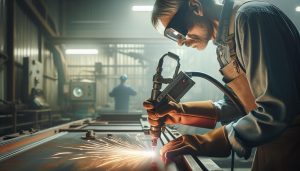
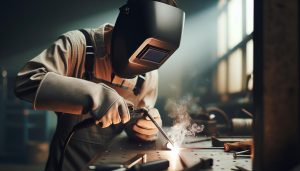
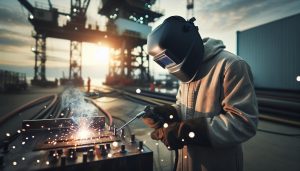
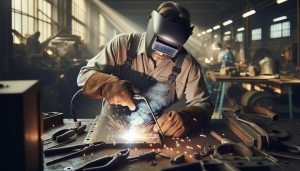
MIG welding, short for Metal Inert Gas welding, represents a vital process in the world of metal fabrication and repair. This technique simplifies welding by utilizing a continuous feed of filler metal, making it accessible for both novice and experienced welders. Understanding the intricacies of MIG welding is essential, as it combines efficiency with versatility, allowing for the seamless joining of materials such as aluminum and steel. Whether you’re looking to enhance your skills for personal projects or professionals seeking reliable methods for high-quality results, grasping what MIG stands for and how it functions can greatly influence your welding success. Dive deeper into its benefits and applications, and discover why this welding method has become a go-to choice in various industries.
What Does MIG Stand for in Welding? Understanding the Acronym
MIG welding, an acronym for Metal Inert Gas welding, is a popular and versatile welding process widely utilized in various sectors, such as automotive, construction, and manufacturing. This process thrives on a simple yet effective principle: it employs a continuous solid wire electrode fed through a welding gun, creating an electric arc between the wire and the workpiece. The term “inert gas” refers to the shielding gas, usually argon or a blend of argon and carbon dioxide, which protects the weld from atmospheric contamination and oxidation during the welding process.
The effectiveness of MIG welding lies not only in its speed and ease of use but also in its adaptability to different materials. Steel, stainless steel, and aluminum can all be welded effectively using this method, allowing welders to handle a diverse range of projects. For beginners, MIG welding is particularly appealing due to its relatively straightforward setup and operation compared to other welding techniques, making it an excellent entry point for those looking to develop their welding skills.
Understanding the components that contribute to the MIG process is essential for anyone looking to dive deeper into the world of welding. The MIG system typically involves a power source, a wire feeder, a welding gun, and a shielding gas supply. Having a solid grasp of these components and their functions not only enhances welding proficiency but also underscores the importance of safety measures-such as proper ventilation and personal protective equipment-critical to successful and secure operations in any welding environment.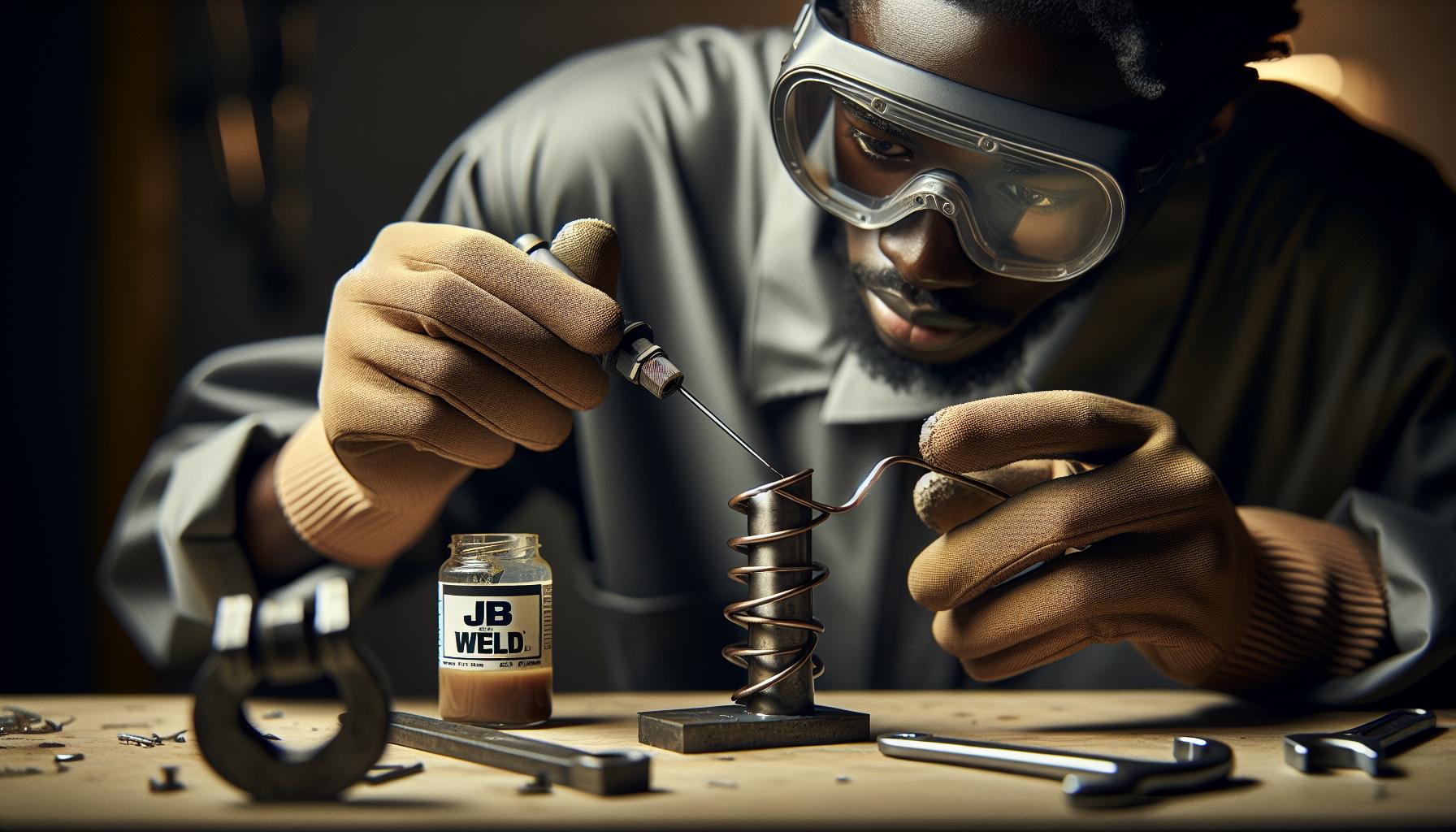
The History of MIG Welding: How It Evolved
In the realm of welding, the rise of the MIG process has transformed fabrication and repair work, largely due to its ability to provide strong, clean welds in a variety of materials. This versatile technique traces its origins back to the late 1940s when the need for more efficient and effective welding methods became evident in post-war industrial applications. The Metal Inert Gas (MIG) process evolved from earlier fusion welding techniques, particularly those that utilized inert gases to protect welds from atmospheric contamination. Initially developed for use in the aviation and automotive industries, MIG welding allowed for faster production rates and enhanced precision.
The crucial turning point for MIG welding came in the 1950s when significant improvements in equipment technology made the process more accessible. Companies began to develop dedicated MIG welding machines that integrated wire feed mechanisms and advanced gas systems. As these machines progressed, the process saw broad adoption within the manufacturing sector due to its superior versatility, enabling welders to work with not only steel but a range of materials including aluminum and stainless steel. The advent of solid wire electrodes contributed significantly to the process, enhancing arc stability and weld quality.
Over the decades, safety protocols and operational standards in MIG welding have been continually refined. Advanced shielding gases, including various mixes of argon and carbon dioxide, further mitigated oxidation and contamination risks, improving the quality and aesthetic of welds. This evolution has also led to an increase in training resources, allowing both beginners and seasoned welders to improve their skills and understand the finer elements of the technique. As industry demands continue to shift, modern innovations such as automated welding systems and advanced monitoring technologies promise to further optimize MIG welding processes.
Today, as MIG welding stands as one of the most widely used welding processes around the globe, it embodies a significant chapter in the evolution of fabrication technology. Continued advancements in equipment, safety measures, and welder training are key to meeting the ever-growing challenges faced by professionals in various industries, from construction to aerospace. The journey of MIG welding reflects not only a technological evolution but also an ongoing commitment to improving manufacturing efficiency and quality assurance in welding practices.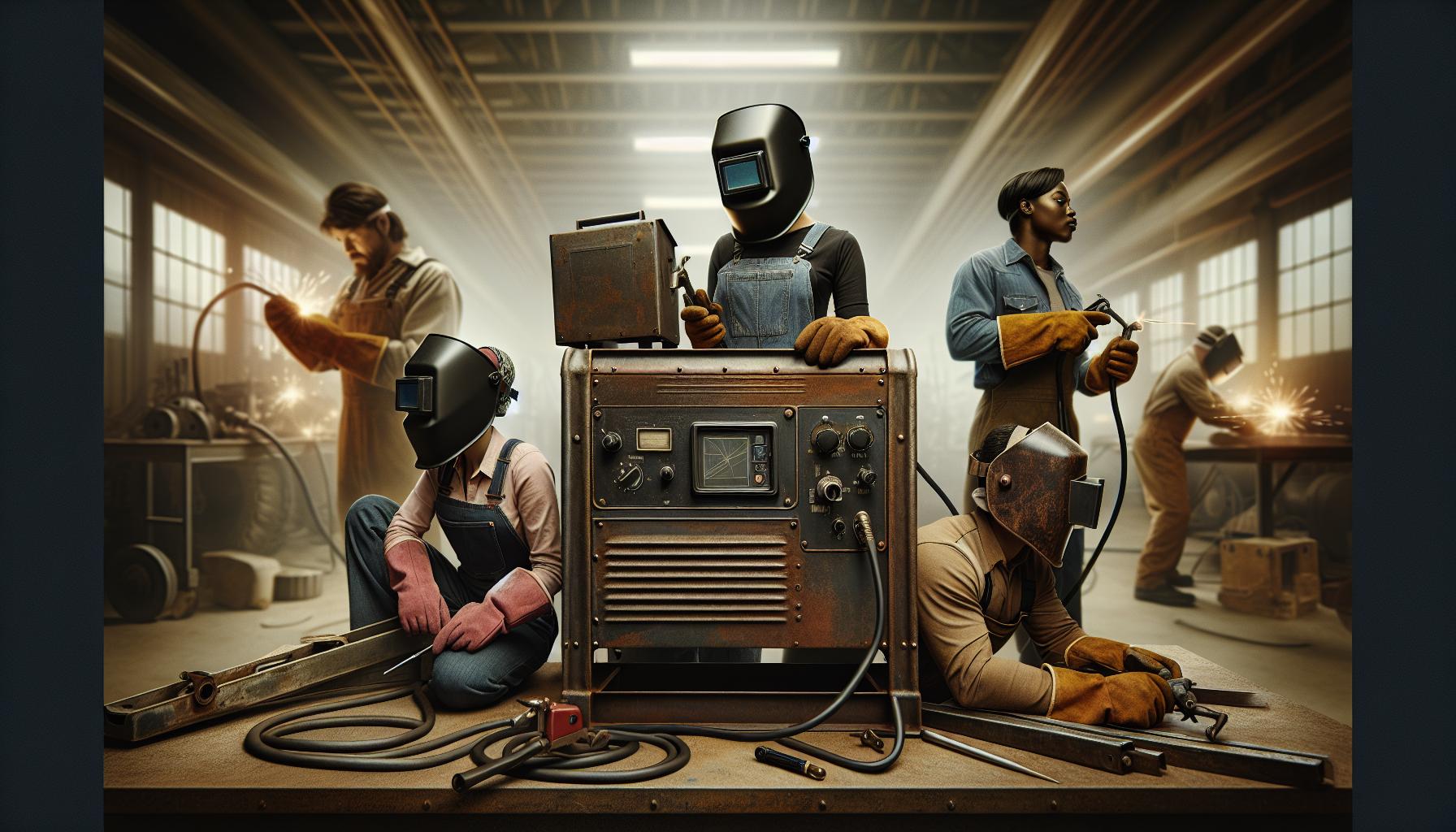
The Fundamentals of MIG Welding Equipment
MIG welding, short for Metal Inert Gas welding, utilizes several key pieces of equipment that are essential to achieving high-quality welds. Understanding these components is fundamental for both beginners and experienced welders. At the heart of a MIG setup is the MIG welding machine, which regulates the voltage and current to create a stable arc between the welding wire and the workpiece. These machines come in various models, each tailored for different applications and skill levels.
A critical component of MIG welding equipment is the wire feed system, which continuously supplies the filler metal (the welding wire) to the weld. This system allows for smooth, uninterrupted welding and is typically adjustable to accommodate different materials and joint configurations. Additionally, the type of welding wire used can significantly affect the outcome. Solid wires are most commonly utilized for their ease of use and high-quality welds, while flux-cored wires are favorable for outdoor applications where wind may disrupt shielding gas flow.
The shielding gas plays a pivotal role in MIG welding, protecting the molten weld pool from atmospheric contamination. Commonly used shielding gases include argon, carbon dioxide, and various mixtures of the two. These gases are delivered through a nozzle at the tip of the welding gun, ensuring an adequate flow that envelopes the weld area as heat is applied. Selecting the right shielding gas is crucial for achieving optimal weld quality, particularly when working with different metals such as aluminum or stainless steel, which may require specific gas compositions.
Finally, personal Protective Equipment (PPE) is an indispensable part of the MIG welding setup. Proper gear includes welding helmets equipped with auto-darkening lenses, gloves, leather jackets, and safety boots to protect against sparks, heat, and UV radiation emitted during the welding process. Adhering to safety protocols and ensuring the right equipment is in place can significantly reduce the risk of accidents and enhance overall welding performance. Through a comprehensive understanding of these components, welders can improve their techniques and ensure successful welding outcomes across various projects.
Key Differences: MIG vs. TIG and Stick Welding
MIG welding, known for its efficiency and versatility, often raises comparisons with other welding techniques such as TIG (Tungsten Inert Gas) and Stick welding. Each method has its own set of characteristics, benefits, and ideal applications, making understanding their differences crucial for both novice and seasoned welders.
In MIG welding, a continuous wire electrode is fed through a welding gun, where a shielding gas-typically a mix of argon and carbon dioxide-protects the weld from atmospheric contamination. This process is notably fast and efficient, making it ideal for production work and providing a cleaner finish. In contrast, TIG welding utilizes a non-consumable tungsten electrode to produce the weld. This method requires both a filler rod and a more complex setup, which allows for higher precision and control, especially when welding thin materials or intricate designs. TIG welding is favored for applications involving stainless steel, aluminum, and other non-ferrous materials due to its ability to produce high-quality, aesthetically pleasing welds.
Stick welding, or SMAW (Shielded Metal Arc Welding), employs a consumable electrode covered in flux. As the electrode melts, the flux creates a shielding gas that protects the molten weld pool. This technique excels in outdoor and windy conditions, making it suitable for construction and repair jobs. However, it typically results in a less clean weld compared to MIG and TIG, which can require more cleanup and finishing work. While stick welding is versatile and portable, it may not match the cleanliness and speed of MIG or the precision of TIG.
When choosing the right welding technique, consider factors such as the type of materials being welded, the desired weld quality, and the specific project requirements. For example, if speed and ease of use are paramount, MIG may be the best choice for general fabrication. TIG should be chosen for detailed work requiring finesse, while Stick welding may be necessary for rugged jobs where portability and outdoor capability are critical. Understanding these distinctions not only helps in making informed decisions but also enhances overall welding skills, leading to better outcomes in various applications.
In summary, while MIG, TIG, and Stick welding devices each serve specific functions and excel in various scenarios, the choice largely depends on the materials, project scope, and personal preference of the welder. Selecting the right method can drastically improve efficiency and quality in welding tasks.
Choosing the Right MIG Welding Wire and Filler Metal
Selecting the right MIG welding wire and filler metal is pivotal to achieving the ideal weld quality and ensuring the longevity of the welded joint. With a myriad of options available, understanding the properties of various wires and fillers can significantly influence the success of your welding projects. The primary types of MIG welding wire are solid wire and flux-cored wire, each suited for different applications and conditions.
Solid Wire vs. Flux-Cored Wire
Most commonly, solid MIG wire is easy to use and produces clean welds, making it ideal for welding mild steel and stainless steel. It requires a shielding gas, typically a mix of argon and carbon dioxide, which protects the molten weld pool from contamination. This option excels in indoor environments where wind and drafts are not a concern.
On the other hand, flux-cored wire contains a flux core that generates its own shielding gas as it melts, making it more versatile for outdoor welding. This type is particularly effective in windy conditions or when working with thicker materials, and it often comes in two variations: gas-shielded and self-shielded. Gas-shielded flux-cored wire provides superior penetration and reduced spatter compared to its self-shielded counterpart, though the latter is easier to handle and does not require external gas.
Choosing the Right Diameter
When selecting wire diameter, the thickness of the base materials plays a crucial role. Typically, the following guidelines apply:
- 0.023 inch: Ideal for thin materials (up to 24 gauge).
- 0.030 inch: Suitable for general-purpose welding on mild steel.
- 0.035 inch: Works well for welding thicker metals.
- 0.045 inch: Best for heavy structural work and thicker pieces.
Understanding Filler Metal Composition
The filler metal you choose should also align with the base metals you are working with. For instance, when welding aluminum, select a filler metal that is compatible with the specific aluminum alloy being welded. Common aluminum filler alloys include 4047 and 4045. For carbon steels, ER70S-6 is often the go-to choice because of its excellent deoxidizing properties, enhancing weld quality.
In summary, making informed choices about the type and diameter of MIG welding wire, as well as understanding filler metal compositions, not only helps in creating sound welds but also contributes to overall efficiency and quality in the welding process. Each decision can influence the characteristics of the finished weld, from strength and appearance to resistance against corrosion. Therefore, weighing project requirements against the available material options will ensure optimal results in MIG welding applications.
Essential Safety Protocols for MIG Welding
Maintaining a safe working environment while engaging in MIG welding is vital for both health and productivity. The intense heat and bright light produced during the welding process can pose serious risks, not just to the welder but also to those nearby. Ensuring the right safety protocols are in place can significantly reduce the chances of accidents and injuries.
First and foremost, personal protective equipment (PPE) is crucial. Welders should always wear a long-sleeved shirt, welding pants, and gloves to protect against sparks and spatter. A proper welding helmet equipped with a shade appropriate for MIG welding not only shields the face from harmful UV and infrared rays but also prevents severe eye injuries. Additionally, wearing appropriate respiratory protection is important, especially when working in areas where fumes and gases may be concentrated. For outdoor welding, a face shield can be an excellent complement to the welding helmet, providing extra protection against wind-blown debris.
Work Area Preparation
Before commencing any welding operations, the work area must be thoroughly inspected and prepared. This means removing any flammable materials that could ignite from sparks or spatter, which are often produced during the welding process. Implementing a clean workspace can reduce the risk of fires significantly. It’s also advisable to ensure adequate ventilation in the welding area to prevent the accumulation of hazardous fumes. If working indoors, using exhaust fans or fume extractors can help maintain air quality, promoting a healthier environment.
Emergency Preparedness
An effective safety protocol includes being prepared for emergencies. Having a clear understanding of the location and use of fire extinguishers, first aid kits, and emergency exits can save lives in the event of an accident. Conducting regular safety drills can help welders develop a quick response to unforeseen circumstances. Furthermore, communication is key; keeping an open line of communication with coworkers can facilitate immediate assistance if an issue arises.
By adhering to these safety protocols, welders can protect themselves and their colleagues from the inherent risks of MIG welding. A proactive approach towards safety not only creates a more efficient working environment but also fosters a culture of responsibility and care within the welding community.
Common MIG Welding Techniques for Beginners
Many newcomers to welding often find themselves mesmerized by the glowing arc and the skillful technique of joining metals together. Mastering common techniques can make all the difference in the reliability and aesthetics of your welds. MIG welding, short for Metal Inert Gas welding, is particularly favored by beginners due to its ease of use and versatility for various materials, including aluminum and steel. Understanding and practicing essential techniques is crucial for beginners to develop a strong foundation in welding.
One fundamental technique is maintaining the right travel speed. A speed that’s too fast can lead to a weak weld bead, while moving too slowly can result in burn-through. It’s important to find a balanced, consistent motion that allows for adequate penetration into the parent material. Beginners can practice with scrap pieces to determine the proper speed while paying attention to the weld bead’s appearance. You should aim for a smooth, consistent bead that is neither too convex nor concave.
Another critical technique involves mastering the angle of the welding gun. The angle influences the weld pool and bead formation significantly. Generally, maintaining a 10 to 15-degree angle away from the direction of travel helps achieve better penetration and reduces the likelihood of defects. Ensuring the correct distance between the workpiece and the nozzle-typically around 1/4 inch-will further enhance the quality of the weld. New welders should practice adjusting these angles and distances to see how they affect their welding performance.
Lastly, understanding the zigzag or weave technique adds valuable versatility for more complex joints and thicker materials. This technique involves moving the welding gun in a zigzag motion rather than a straight line. This method allows for deeper penetration and helps fill wider joints. Practicing this technique on various joint configurations will prepare beginners for complex welding tasks as they grow in skill and confidence.
Incorporating these techniques not only boosts a beginner welder’s ability to create solid and visually appealing welds but also builds a strong foundation for future, more advanced welding endeavors. With careful practice and attention to detail, anyone can develop their skills and become proficient in MIG welding.
Advanced MIG Welding Techniques for Professionals
Advanced MIG welding techniques are crucial for professionals aiming to enhance their skills and precision in diverse welding applications. One of the most effective methods is pulse MIG welding, which involves alternating between high and low current to create a stable arc and improve penetration, especially in thin materials. This technique enables better control over heat input, significantly reducing the risk of warping and burn-through while also allowing for greater deposition rates.
Utilizing multi-pass welding strategies is another advanced approach. This technique is essential when working with thicker materials or wide joints. By layering multiple weld passes, welders can achieve deeper penetration and stronger weld integrity. Professionals often use weaving patterns, such as a stringer bead method or a weave pattern, to create optimal fusion across the joint. Adjusting the angle and speed while weaving can help manage the heat distribution, thus avoiding defects like undercutting or excessive spatter.
Optimizing Equipment Settings
To master advanced MIG techniques, proper equipment setup is paramount. Professionals should routinely analyze and adjust their settings based on material type and thickness. Key parameters include:
- Voltage: Higher voltages increase penetration depth but may introduce risks of burn-through on thinner materials.
- Wire feed speed: A balanced wire feed speed is crucial for maintaining a steady arc length; too fast can lead to poor arc stability.
- Shielding gas: Different welding environments and materials may require specific gas mixtures (e.g., Argon-CO2 blends for aluminum) to optimize weld quality.
Utilizing advanced techniques such as robotic MIG welding systems can further enhance efficiency, precision, and repeatability. These systems minimize human error and ensure consistent weld quality in high-volume production environments.
In conclusion, diving into advanced MIG techniques not only equips professionals to tackle complex welding projects but also promotes continuous improvement and skill enhancement in the field. By mastering these methods and maintaining awareness of equipment optimization and settings, welders can significantly elevate their craftsmanship and deliver high-quality results across diverse applications.
Troubleshooting Common MIG Welding Problems
MIG welding, while a favored method for its ease and versatility, often presents its own set of challenges that can hinder a welder’s success. Whether you’re a beginner or a seasoned professional, understanding common MIG welding problems is essential for producing high-quality welds. One prevalent issue is *poor arc stability*, which can result from incorrect wire feed speed or inadequate gas coverage. When the wire feed speed is too fast, you may experience erratic arc behavior, leading to inconsistent weld quality and increased spatter. Adjusting the wire feed speed to achieve a steady arc is crucial.
Another frequent complication arises from *incomplete fusion*, where the weld does not fully penetrate the base material. This can often be attributed to insufficient heat settings or improper travel speed. If a welder moves too quickly, the arc may not have enough time to melt the base material adequately, leading to a weak joint. To remedy this, experiment with a slower travel speed and ensure your voltage settings are appropriate for the material thickness being welded.
Maintaining proper *gas flow* is essential in preventing *porosity*-small holes that form in the weld due to contamination or inadequate shielding gas coverage. Always check that your shielding gas is sufficient and that your gas flow rate is adjusted to the specific environment and conditions of the welding operation, usually around 20-25 cubic feet per hour (CFH) for MIG welding.
Common MIG Welding Problems and Solutions
To address these common issues effectively, consider the following troubleshooting tips:
- Poor Arc Stability: Adjust wire feed speed and ensure proper grounding.
- Incomplete Fusion: Re-evaluate heat and travel speed settings; consider using a larger diameter filler wire for thicker materials.
- Porosity: Ensure adequate shielding gas flow and cleanliness of the working surfaces.
- Excessive Spatter: Lower the voltage or adjust the travel speed; clean the welding area before starting.
Regular maintenance of your MIG welding equipment can also minimize downtime due to issues that arise from equipment failure. This includes regularly cleaning the contact tip, ensuring the wire is of high quality, and that all hoses are free of leaks. By understanding these potential challenges and proactively addressing them, welders can not only improve the quality of their work but also enhance their overall efficiency and satisfaction on the job.
Real-World Applications of MIG Welding in Industries
MIG welding, or Metal Inert Gas welding, is widely recognized for its versatility and efficiency across various industries. This process is especially advantageous for production environments where speed and quality are paramount. One of its most prominent applications can be found in the automotive sector, where MIG welding is essential for manufacturing vehicle body frames and components. The rapid feeding of wire and the continuous process of MIG make it particularly suited for high-volume production lines, enabling manufacturers to achieve strong, consistent welds without extensive post-weld cleanup.
In addition to automotive applications, MIG welding plays a crucial role in construction and fabrication. Structural steelwork often utilizes MIG processes due to their ability to join thicker materials with strong, reliable welds. Buildings, bridges, and infrastructures benefit from the durability and speed of MIG welding, particularly when time-sensitive projects are underway. Furthermore, its suitability for welding both ferrous and non-ferrous metals, such as aluminum and stainless steel, makes it a go-to method in many fabrication shops, expanding its utility across various materials.
Manufacturing and Fabrication
- Automotive Industry: Used for joining chassis, components, and body panels.
- Construction: Essential for welding beams and structural components.
- Shipbuilding: Employed in assembling hulls and superstructures where strength and durability are crucial.
MIG welding also finds significant use in the appliance industry, where it is employed to assemble consumer goods like refrigerators, washing machines, and microwave oven casings. The ability to work quickly on thin metal sheets allows manufacturers to maintain production efficiency without sacrificing the quality of the weld.
In summary, the application of MIG welding extends well beyond just one sector. Its effectiveness in automotive, construction, shipbuilding, and appliance manufacturing demonstrates the method’s adaptability and reliability, making it an integral part of modern industrial processes. With ongoing developments in MIG technology, including advancements in equipment and techniques, its role in these industries is only expected to expand, further establishing its relevance in tomorrow’s manufacturing landscape.
Career Opportunities in MIG Welding: Pathways and Growth
With the growing demand for welded components across various sectors, career opportunities in MIG welding have expanded significantly, offering a pathway for aspiring welders into a lucrative and dynamic field. Novices can begin their journey by obtaining relevant certifications, such as those offered by the American Welding Society (AWS), which validate foundational skills and knowledge. As welders gain experience, they can specialize further, focusing on specific industries like automotive, aerospace, or construction, where MIG welding techniques are extensively used.
Welders who demonstrate proficiency in MIG welding often find themselves sought after in various roles, such as fabricators, construction welders, or even quality control inspectors. Many companies value the ability to work with a variety of materials, including aluminum and stainless steel, as well as familiarity with different welding techniques. This versatility increases career prospects and can lead to roles like welding supervisor, welding engineer, or instructor for training programs.
Networking within industry groups, attending trade shows, or participating in forums can also provide valuable insights and opportunities. Job growth in this sector is supported by trends such as automation and advanced manufacturing technologies, which often require skilled professionals who can operate sophisticated MIG welding equipment. As industries seek to innovate and enhance productivity, welder training programs and apprenticeship models are thriving, providing valuable pathways for newcomers to enter skilled trades.
Ultimately, those dedicated to continual learning and adapting to new technologies will not only secure stable employment but also position themselves for advancement in this critical field. The industry’s steady evolution opens doors for welders to expand their skills and embrace new challenges, ensuring MIG welding remains a rewarding career choice.
Future Trends in MIG Welding Technology and Innovation
With the increasing integration of technology in manufacturing, the future of MIG welding is set to embrace innovation that enhances efficiency, precision, and safety. One prominent trend is the rise of automated MIG welding systems. These systems employ robotic arms equipped with advanced sensors and artificial intelligence algorithms to execute welding processes with minimal human intervention. This not only allows for greater consistency and high-quality welds but also optimizes production timelines, which is critical in fast-paced industrial environments.
Advancements in Equipment and Materials
New developments in MIG welding equipment are also paving the way for significant enhancements. For instance, manufacturers are focusing on producing lightweight, portable welding machines that can deliver powerful performance without compromising on ease of use. These machines often feature inverter technology, allowing for better energy efficiency and portability. Moreover, there is growing interest in hybrid welding methods that combine MIG with other techniques such as TIG or resistance welding, thereby expanding the capabilities of welders to work with a broader range of materials, including alloys and composites.
Welding Wire Technology
Innovation isn’t limited to equipment; advancements in welding wire technology are equally crucial. New formulations of MIG wire are emerging, designed to improve weld integrity and reduce the need for post-weld treatments. This includes wires that perform better under various conditions, enhancing the ability to join dissimilar metals or those that are challenging to weld, like high-strength steels.
Focus on Sustainability
A notable trend is a heightened focus on sustainability and environmentally friendly practices. Manufacturers are exploring eco-friendly filler materials and shielding gases that minimize harmful emissions and waste. This shift is driven both by regulatory pressures and a growing recognition within the industry of the importance of sustainable practices.
Together, these trends represent the dynamic evolution of MIG welding technology that not only improves productivity but also prioritizes safety and environmental responsibility. As technology continues to advance, welders who adapt and embrace these innovations will find themselves at a significant advantage in the competitive job market.
Faq
Q: What does MIG stand for in welding?
A: MIG stands for Metal Inert Gas. It refers to a welding process that uses a continuous solid wire electrode fed through a welding gun, combined with an inert shielding gas to protect the weld pool from atmospheric contamination.
Q: How does MIG welding work?
A: MIG welding works by creating an electric arc between a metal workpiece and a continuously fed wire electrode. The heat generated melts the wire and the base metal, allowing them to fuse together while the shielding gas protects the area from oxidation and other contaminants.
Q: What are the advantages of MIG welding?
A: The main advantages of MIG welding include its speed, versatility, and ease of use. It is suitable for various materials and positions, making it ideal for both novice and experienced welders. It also produces clean and strong welds with minimal cleanup required.
Q: What types of materials can be welded using MIG?
A: MIG welding can be used on a wide variety of materials including mild steel, stainless steel, aluminum, and copper alloys. Its versatility makes it a popular choice for different applications, from automotive to construction.
Q: Is MIG welding the same as GMAW?
A: Yes, MIG welding is often referred to as Gas Metal Arc Welding (GMAW). Both terms denote the same welding process, with GMAW specifically highlighting the gas used to shield the welding area from contamination.
Q: What is the difference between MIG and TIG welding?
A: The key difference between MIG and TIG welding is the way the filler metal is supplied. MIG welding uses a continuously fed wire, while TIG welding employs a non-consumable tungsten electrode with a separate filler material. This results in TIG welding being more precise but also slower.
Q: Can beginners easily learn MIG welding?
A: Yes, MIG welding is considered beginner-friendly due to its straightforward process and less complex setup compared to other welding methods. With practice, novices can quickly become proficient in making strong, quality welds.
Q: What safety equipment is needed for MIG welding?
A: Essential safety equipment for MIG welding includes a welding helmet with appropriate filter shades, gloves, flame-resistant clothing, and safety footwear. A proper ventilation system is also important to minimize exposure to welding fumes. For detailed safety protocols, refer to the section on essential safety protocols in MIG welding.
Insights and Conclusions
Understanding what MIG stands for in welding is your gateway to mastering this versatile and efficient welding technique. As you venture into welding, remember that whether you’re joining aluminum or steel, the skills you acquire can greatly enhance your projects. Don’t miss out on further enhancing your knowledge-explore our guides on TIG welding and stick welding to broaden your expertise.
Ready to take your welding skills to the next level? Check out our detailed equipment reviews and safety protocols to ensure you’re well-prepared for any job. Join our community by signing up for our newsletter for exclusive tips and updates! Engage with us by sharing your experiences in the comments below, and keep exploring to uncover everything you need to succeed in your welding journey. Your next project begins now-dive in and become the welder you aspire to be!