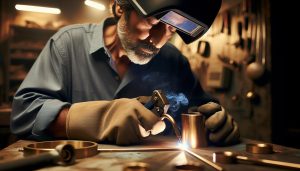
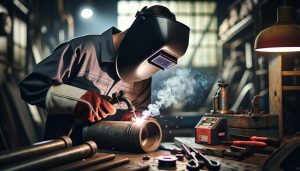
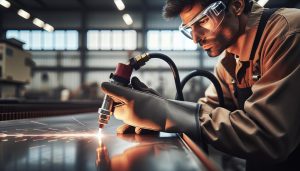
Welding is an invaluable skill that opens doors to a variety of careers and DIY projects. Among the different types of welding, stick welding stands out for its simplicity and versatility, making it an excellent starting point for both beginners and seasoned professionals. Learning to stick weld can seem daunting, but with the right guidance, you can master the fundamentals in just one weekend. This technique not only allows you to work on common materials like steel and aluminum but also equips you with the confidence to tackle diverse projects-from automotive repairs to art installations. As you dive into this guide, you’ll uncover essential tips, important safety protocols, and practical insights that will enhance your welding proficiency. Whether you aim to start a career in welding or simply wish to create and repair on your own terms, mastering stick welding is a pivotal step. Let’s ignite your journey into the world of stick welding, where the sparks of creativity meet practical skills.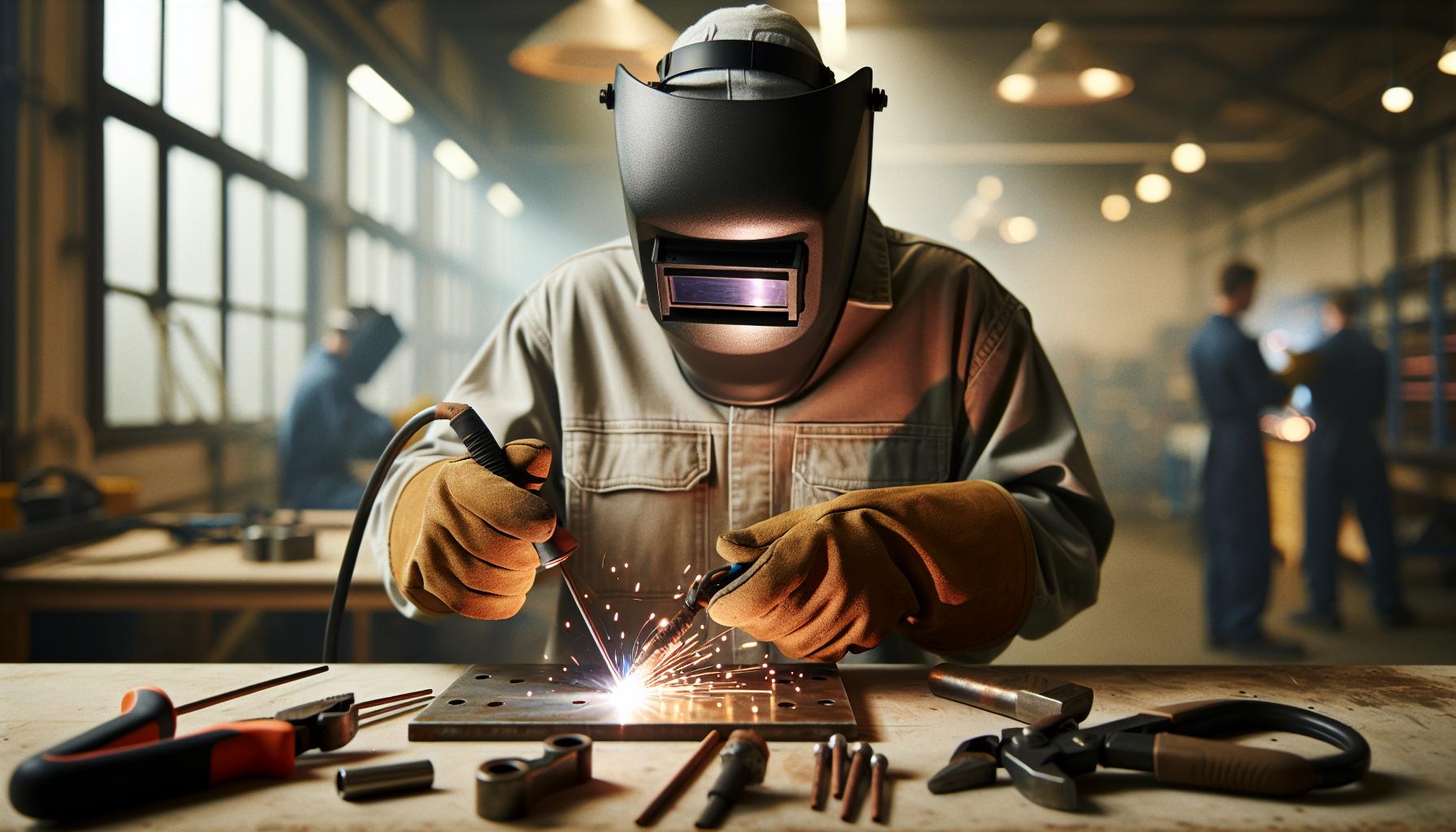
How Stick Welding Works: Principles Explained
Stick welding, also known as Shielded Metal Arc Welding (SMAW), operates on a fundamental principle: it uses an electric arc generated between a coated electrode and the base metal to melt both and form a strong bond. This process is relatively straightforward but highly effective, allowing welders to fuse various metals, including steel, iron, and some non-ferrous metals. The electrode, which serves as both filler material and shielding agent, generates heat as electricity flows through it. As the rod melts, the coating releases gases that protect the molten weld pool from atmospheric contamination, ensuring a clean and robust connection.
The versatility of stick welding stems from its adaptability to different positions and environments. It works well in outdoor conditions and on rusted or dirty surfaces, making it a popular choice for construction, maintenance, and repair tasks. The process allows for adjustments in the welding parameters, such as voltage and amperage, enabling operators to fine-tune their techniques based on the specific thickness and type of material being welded. This flexibility makes stick welding not only accessible for beginners but also a reliable method for seasoned professionals seeking strong, enduring welds.
In practice, achieving a strong weld requires a combination of skill and understanding of the welding principles involved. Factors such as the angle of the electrode, speed of motion, and maintaining the correct arc length directly influence the quality of the weld. Proper training in these techniques, alongside practical experience, is essential for mastering stick welding and producing high-quality results.
Essential Equipment for Stick Welding Success
To achieve success in stick welding, having the right equipment is paramount. The tools and gear you choose not only impact the quality of your welds but also ensure your safety and comfort throughout the process. Investing in high-quality equipment will facilitate a smoother learning curve for beginners while providing seasoned welders with the precision and reliability they need for advanced techniques.
A good stick welding machine is the cornerstone of your setup. When selecting a welder, consider factors such as power output, portability, and duty cycle. A machine with adjustable amperage settings allows for flexibility when working with varying metals and thicknesses. It’s also wise to choose a model that matches the type of work you plan to do, whether it be light fabrication or heavier construction tasks.
Your stick welder will require a range of accessories to operate effectively. Essential components include:
- Electrodes: Selecting the right type and size of electrode is crucial. Common choices include E6010 for root passes and E7018 for fill and cap, with each suited for different applications.
- Welding leads: Quality cables that can handle high currents prevent overheating and ensure a consistent arc.
- Ground clamp: A reliable clamp ensures good electrical contact with your workpiece, which is essential for an stable arc.
- Protective gear: A welding helmet with a proper shade lens, gloves, and flame-resistant clothing protect against sparks and UV radiation.
Additional tools that can enhance your welding experience include a chipping hammer for cleaning spatter, wire brushes for prepping surfaces, and a welder’s tool belt to keep your gear organized. Remember, taking the time to set up a comfortable and efficient workspace can significantly improve your weld quality and overall experience. Investing in the right equipment not only fosters safer practice but also encourages skill development, allowing you to move from beginner to expert more smoothly.
Choosing the Right Electrode for Your Project
Choosing the right electrode is a fundamental step in achieving successful stick welding results. The electrode not only serves as the filler material but also plays a crucial role in the stability of the welding arc, penetration depth, and overall weld quality. With a variety of electrode types available, understanding their specific characteristics and applications can significantly enhance your welding performance.
When selecting an electrode, consider the specific metal you are working with and the desired properties of your weld. For instance, the E6010 electrode is often used for root passes because it offers deep penetration and is ideal for welding dirty or rusty metals due to its fast-freezing slag. On the other hand, E7018 provides a smooth, stable arc and is typically preferred for fill and cap applications because of its low-hydrogen content, which reduces the risk of cracking in high-strength steels.
To further assist in making your selection, here’s a quick reference table of common stick welding electrodes and their characteristics:
| Electrode Type | Recommended Uses | Key Features |
|---|---|---|
| E6010 | Root passes, supporting structural welds | Deep penetration, fast-freezing slag, good for dirty/oxidized materials |
| E7018 | Fill and cap for structural steel work | Low-hydrogen, smooth arc, excellent for high-strength steel |
| E6013 | General-purpose welding | Easy to use, good for thin materials, versatile |
| E7024 | Flat and horizontal positions, heavy sections | Fast filling, high deposition rate, broad arc |
Given the variety of projects and materials in stick welding, it’s essential to also look at the diameter of the electrode. A larger diameter can deposit more metal but requires higher amperage and can lead to excessive heat, possibly warping thinner materials. Conversely, smaller electrodes are ideal for delicate work requiring precision.
Ultimately, testing different electrodes against your specific project requirements will enhance your skills and outcomes in stick welding. Choosing the right electrode is about aligning your tools with your tasks, ensuring both efficiency and quality in your welding endeavors.
Step-by-Step Guide to Setting Up Your Welding Station
Creating a well-organized welding station is essential for achieving efficiency and safety during any stick welding project. A properly set-up workspace not only enhances your workflow but also minimizes the risk of accidents by ensuring that all tools and materials are easily accessible. The following steps will guide you through the process of establishing an effective welding area.
Start by selecting a suitable location for your welding station. Ideally, this spot should be well-ventilated, away from flammable materials, and equipped with ample electrical outlets. Ensure the surface on which you work is non-flammable and preferably made of concrete or steel. Clear the area of any clutter and hazards, as a tidy workspace contributes to a safer working environment.
Next, gather your essential equipment, which includes the welding machine, appropriate electrodes, personal protective equipment (PPE), and any necessary tools. Arrange these items in an organized manner, placing frequently used tools within easy reach. Creating a dedicated storage solution, like pegboards or toolboxes, can help you keep your welding rods, clamps, and other tools organized and readily accessible.
Setting Up Your Welding Machine
When positioning your welding machine, ensure it is placed on a stable surface and is grounded properly to prevent electrical shocks. Plug the machine into a power source that can handle its amperage requirements. For stick welding, it is also vital to connect your workpiece to the ground clamp to complete the circuit. Remember to refer back to your machine’s manual for specific setup instructions tailored to your model and the type of welding you are performing.
Safety Equipment and Protocols
Safety should be paramount in your welding station. Equip yourself with high-quality PPE, including a welding helmet, gloves, and flame-resistant clothing. Ensure that your helmet is fitted with the appropriate lens shade for stick welding to protect your eyes from UV radiation and sparks. It’s also beneficial to keep a fire extinguisher and first aid kit accessible within your workspace.
Lastly, always conduct a thorough inspection of your equipment before beginning work. Check the cables, hoses, and connections for any signs of wear or damage that could pose a danger. Once everything is set up and inspected, taking a few minutes to familiarize yourself with your workspace layout can further enhance your operational efficiency and safety, leading to better results in your welding endeavors.
Understanding Safety Protocols in Stick Welding
Safety is a critical aspect of stick welding that cannot be overlooked. The process involves the melting of metal and can produce high levels of heat, electricity, and ultraviolet (UV) radiation, which pose significant risks if not managed properly. Proper safety protocols will not only protect the welder but also ensure a safer work environment for everyone nearby. Understanding and adhering to these protocols can significantly reduce the likelihood of accidents and injuries.
To begin with, personal protective equipment (PPE) is essential for anyone involved in stick welding. This includes a properly fitted welding helmet with a lens shade appropriate for stick welding, gloves made from flame-resistant materials, and protective clothing that covers the entire body. The clothing should be free from flammable substances and fitted to prevent sparks from becoming trapped. Additionally, steel-toe boots should be worn to protect the feet from heavy objects that may fall during the welding process.
Another vital safety protocol is ensuring proper ventilation in the welding area. Stick welding can produce hazardous fumes and gases, leading to respiratory issues if inhaled. Keeping the workspace well-ventilated can help dissipate harmful pollutants. If working indoors, consider using fume extraction systems or local exhaust ventilation to maintain air quality. Always be aware of the materials being welded, as certain metals release toxic fumes when heated. Proper training in handling these materials can enhance safety further.
Furthermore, understanding electrical safety is crucial. Always inspect your welding equipment prior to use to ensure there are no frayed cables or loose connections that could lead to electrical shock. Ensure that the welding machine is grounded correctly and that all electrical connections are secure. It’s advisable to have a designated circuit for your welding equipment to prevent overloads or failures. In addition, never work on the welding machine while it’s powered; always disconnect from the power source first.
Finally, maintain a clutter-free workspace to prevent accidents. Store welding rods, materials, and equipment in designated locations to avoid tripping hazards. Keep a fire extinguisher readily available and ensure all personnel know its location and how to use it in case of an emergency. Regular safety briefings can enhance awareness among team members, reinforcing the importance of adhering to established safety protocols. By prioritizing these safety measures, welders can focus on their craft while minimizing the associated risks.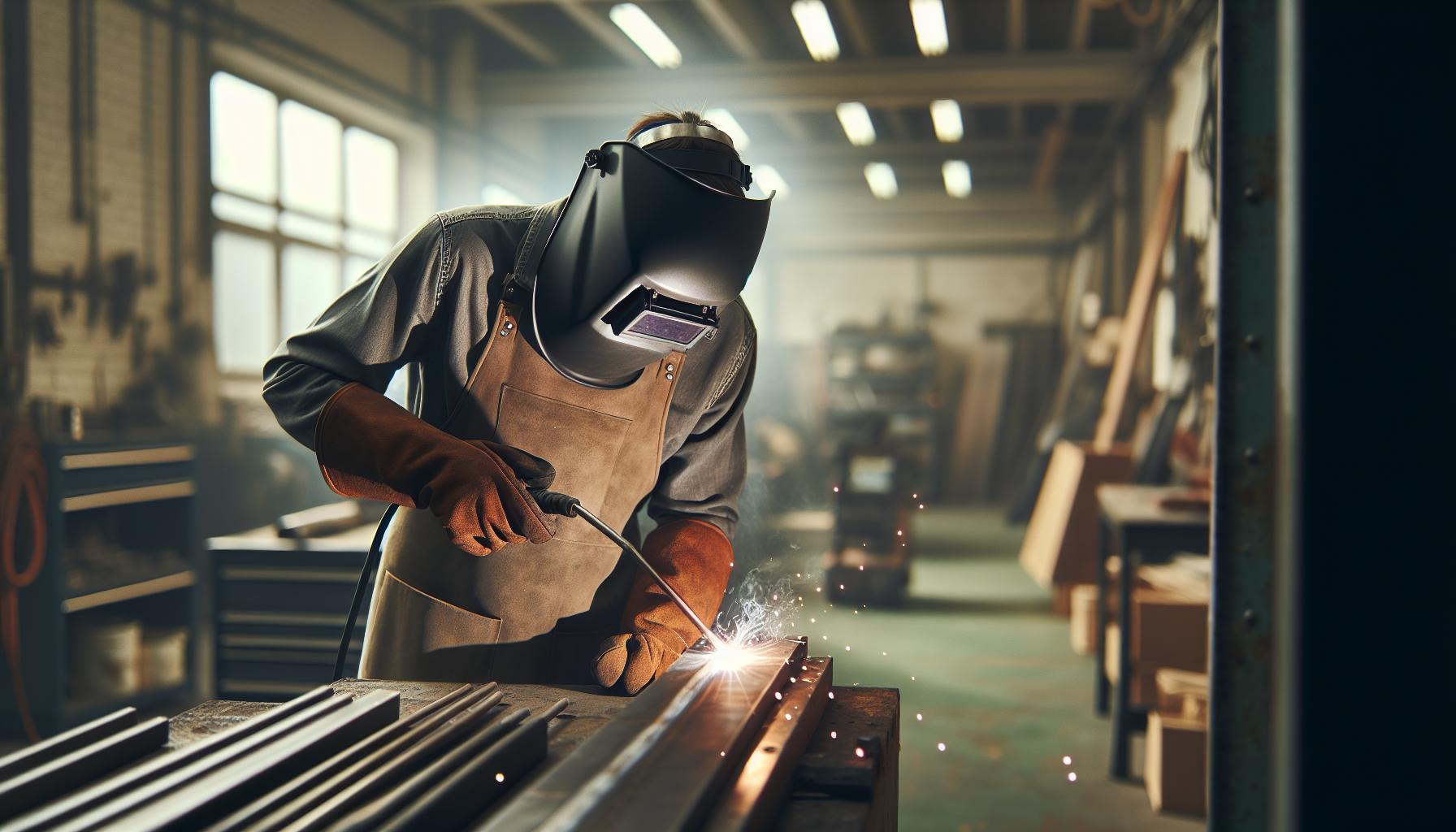
Techniques for Achieving Strong, Clean Welds
Achieving strong, clean welds in stick welding requires understanding both technique and material interaction. The foundation of a successful weld lies in maintaining the correct arc length and travel speed. An arc that is too long will result in excessive spatter and weak penetration, while a short arc may lead to burn-through, particularly on thinner materials. Strive for an arc length that is roughly equal to the diameter of the electrode; this ensures optimal heat transfer and stabilizes the arc.
Proper travel speed is just as crucial. Moving too quickly can result in lack of fusion, causing the weld to be weak, while moving too slowly can lead to excessive buildup of material, resulting in a messy and uneven bead. A consistent speed, ideally 6 to 12 inches per minute depending on the thickness of the materials, is recommended. It is also beneficial to maintain a steady hand to achieve uniform bead appearance.
When working with different materials, be aware that adjustments may be necessary. For instance, welding on rusty or dirty surfaces can compromise the weld quality. Always clean the base metal thoroughly before beginning your work. Employing the right technique also includes understanding the correct angle for electrode placement. For most applications, a 15 to 30-degree angle relative to the vertical plane can help direct the heat and molten metal effectively.
In addition to technique, the choice of electrode plays a significant role in achieving clean welds. Different electrodes produce varying arc characteristics and slag generation, and selecting the right one based on the material type and thickness is essential. Having the right practice and environment-such as maintaining a dry workspace to prevent moisture from impacting electrode performance-is just as vital to ensure that those welds are not just strong, but also clean and aesthetically pleasing.
Common Mistakes to Avoid When Stick Welding
When embarking on the journey of stick welding, a few common mistakes can hinder your progress and affect the quality of your work. Understanding these pitfalls is crucial not only for achieving strong and clean welds but also for ensuring safety and efficiency in your projects.
One frequent error is the improper setting of the arc length. New welders often struggle with maintaining a consistent arc length, which should ideally be equal to the diameter of the electrode used. A longer arc can lead to excessive spatter and insufficient penetration, while a shorter arc may cause burn-through on thinner materials. Maintaining a proper arc length allows for effective heat transfer and stabilizes the welding process.
Another mistake often seen in beginners is neglecting surface preparation. Welding over dirty, rusty, or oily materials can compromise the weld’s integrity. Properly cleaning the base metal before starting the welding process cannot be overstated. Ensure that you remove any contaminants that could hinder the weld and weaken your final product.
Additionally, positioning mistakes can lead to poor quality welds. For optimal results, the electrode should be held at a correct angle, typically between 15 to 30 degrees relative to the vertical plane. This not only directs the heat well but also helps maintain control over the molten metal during the process. Furthermore, not maintaining a steady hand and consistent travel speed can contribute to uneven beads and inadequate fusion. Aim for a steady pace of 6 to 12 inches per minute, adjusting according to material thickness.
By being mindful of these common mistakes and actively working to avoid them, welders can improve their skills while ensuring safer and more effective stick welding practices.
Tips for Troubleshooting Common Stick Welding Issues
When engaging in stick welding, it’s not uncommon for welders to encounter a range of issues that can compromise the quality of their work. An effective welder must be armed with troubleshooting skills to address these common problems swiftly and effectively. Identifying and resolving issues not only enhances the weld’s quality but also ensures a higher standard of safety in the workspace.
For instance, welders often experience issues with excessive spatter, which can be a frustrating concern. This often arises from an incorrect arc length or improper amperage settings. To troubleshoot, first check that the arc length matches the electrode diameter; a good rule of thumb is to keep it about equal. Additionally, adjusting the amperage can help reduce spatter-try lowering it to see if the quality improves. Having clean surfaces before welding and ensuring that you are using the correct electrode type for the material can also drastically reduce spattering problems.
Another common issue is incomplete fusion or poor penetration. When this occurs, it can often be traced back to either inadequate heat input or improper travel speed. To remedy this, inspect your travel technique: maintain a steady motion at a consistent speed between 6 to 12 inches per minute, depending on the material’s thickness. If you find that the melt pool is not adequately penetrating the base metals, consider increasing the amperage or slowing down your travel speed to allow the heat more time to work.
Common Troubleshooting Tips
- Excessive Spatter: Check arc length and amperage settings.
- Poor Penetration: Adjust travel speed and amperage.
- Arc Sticking: Increase the distance between the electrode and the workpiece and ensure proper amperage.
- Electrode Overheating: Check for proper electrode size and avoid excessive arc length.
Lastly, if you’re frequently finding your electrode is sticking to the workpiece, this could be due to a few factors including arc length and incorrect setting of the welding machine. To address this, adjust your technique to maintain a greater distance between the electrode and the metal being welded. Make sure that the correct amperage is set as well; using an undersized rod or too low of a setting can lead to sticking.
By proactively identifying these common problems and employing practical solutions, welders at any skill level can improve their performance and the integrity of their welds, ensuring that each project meets professional standards.
Advanced Stick Welding Techniques for Professionals
Advanced stick welding techniques can elevate your skills and welding projects to a professional standard, allowing you to tackle complex jobs with confidence. Mastery in stick welding not only requires a deep understanding of basic techniques but also the implementation of advanced strategies that cater to specific materials, settings, and applications. This knowledge can prove invaluable, especially on demanding projects where quality and precision are paramount.
One essential advanced technique is the use of different movements, such as the whip and pause method, which can enhance the quality of the weld bead. By employing a forward and backward motion combined with a slight pause, you can create a more controlled melt pool, leading to improved penetration and reduced spatter. This technique is particularly beneficial when working with thick materials or when you require a deeper weld penetration. Another effective method is the stringer bead technique, in which the electrode is angled to create a narrow weld, allowing for faster movement while ensuring a solid bond.
Additionally, understanding the role of base metal preparation cannot be overstated. For advanced projects, ensure that the metals are not only clean but also preheated if necessary to avoid cracking or warping, especially when welding high-strength steels. Proper surface preparation can significantly impact the quality of the weld. Using appropriate backing bars or blocks can also help control heat input and prevent warping in thinner materials.
Maintaining your equipment is critical when striving for high-quality welds. Regular inspection of your welding machine and maintaining proper electrode storage will ensure optimal performance. Additionally, consider practicing with different electrodes to refine your technique on various metals, including stainless steel or aluminum. Each material can react differently, and adjusting your approach can lead to significant improvements in the final product.
Advanced Techniques Overview
- Whip and Pause Movement: Improves control over melt pool and penetration.
- Stringer Bead Technique: Narrow welds for faster movement and solid bonds.
- Base Metal Preparation: Clean and possibly preheat metals to prevent defects.
- Regular Equipment Maintenance: Ensures optimal performance and longevity.
- Diverse Electrode Usage: Practicing with various electrodes expands skill set.
Incorporating these advanced techniques into your welding repertoire can set you apart as a skilled welder. Implementing these strategies while maintaining a focus on safety and best practices will help you complete projects not just with strength, but with elegance and precision.
Maintaining Your Stick Welding Equipment for Longevity
Maintaining your stick welding equipment is paramount not only for ensuring the longevity of the tools but also for producing high-quality welds consistently. Regular maintenance can prevent costly repairs and replacements while ensuring that your welding machine operates at peak performance. Professional welders often emphasize that a well-cared-for machine can make the difference between a mediocre and an exceptional weld.
Begin with the welder itself; keep it clean, free from dust, and disposed of any metal shavings that may accumulate in and around the components. Regularly check all electrical connections and hoses for signs of wear or damage. Inspect clamps, grounds, and cables for fraying or other issues, as compromised connections can lead to poor arc stability and inconsistent weld quality. If you notice any irregularities, it is advisable to replace those parts immediately to maintain optimal performance.
Electrodes need special attention as well. Proper storage in a dry environment prevents moisture from affecting them, which can lead to weld defects like porosity. Always store electrodes upright and in a container that minimizes humidity exposure. Additionally, inspect each electrode before use; any signs of discoloration or damage should warrant replacement to avoid impacting the weld quality.
Lastly, regularly calibrate your welding machine according to the manufacturer’s specifications. This not only optimizes performance but also extends the life of your equipment. Keeping records of maintenance activities can help identify patterns of wear and predict when parts may need replacing, ensuring that your welding operations run smoothly and efficiently. Implementing these maintenance practices will not only extend the life of your equipment but will also enhance your overall welding experience.
Applications of Stick Welding in Various Industries
Stick welding, known for its versatility and strength, finds applications across a variety of industries. This welding method excels in settings where durability and the ability to work in challenging environments are paramount. Whether in construction, manufacturing, or artistic endeavors, stick welding serves as a fundamental skill for many welders.
In the construction industry, stick welding is often employed for its robustness, allowing professionals to join structural steel components reliably. This technique is particularly advantageous for outdoor work, where wind and moisture might affect other welding processes. The ability to weld in various positions and the portability of the equipment contribute to its popularity in this field, ensuring that workers can complete projects effectively, even in less-than-ideal conditions.
The shipbuilding and marine sectors also heavily utilize stick welding due to its ability to produce strong, durable joints necessary for the construction of vessels. In these cases, repair work and fabrication in harsh environments, such as shipyards that are exposed to the elements, enhance the demand for stick welding expertise. The process’s adaptability allows for effective work on different materials, including thick steel plates commonly used in marine applications.
Additionally, stick welding serves a vital role in the maintenance and repair of heavy machinery and equipment. Its effectiveness in delivering strong welds makes it the go-to choice for fabricating parts that require high impact resistance. This application is critical in sectors like mining and agriculture, where equipment operates continuously under strenuous conditions.
In the realm of artistry, stick welding offers artists and metalworkers a means to create striking sculptures and installations. The aesthetic possibilities of utilizing this method allow for creative expression while also ensuring durability and stability in artwork.
Overall, the applications of stick welding span various industries, showcasing its importance from construction sites to creative studios. Each use case highlights the need for skilled welders who can harness the benefits of this technique, reinforcing the idea that mastering stick welding opens up numerous opportunities in both professional and artistic domains.
Transitioning from Beginner to Expert: Continued Learning Paths
Transitioning from a novice to an expert in stick welding is not just about accumulating hours behind the welding mask; it requires a structured approach to learning, continual practice, and a commitment to safety. The world of welding offers various avenues for skill enhancement that can significantly boost both your confidence and capabilities. Engaging with these paths will help you refine your technique, expand your knowledge of materials and methods, and prepare you for more complex projects.
Building Practical Skills Through Hands-On Experience
One of the most effective ways to develop expertise in stick welding is through consistent practice. Begin with small projects that allow you to focus on specific techniques such as vertical and overhead welding. As you grow comfortable, challenge yourself with more intricate designs, utilizing different materials and thicknesses. Joining a local welding club or community workshop can provide invaluable mentorship while also immersing you in a collaborative learning environment. These settings often host competitions or group projects, fostering both skill improvement and networking opportunities.
Formal Education and Certification
Consider enrolling in a formal training program, either at a technical school or through community colleges. Many institutions offer specialized courses in stick welding and related techniques, such as MIG and TIG welding, which can broaden your skill set. Obtaining industry-recognized certifications, like those from the American Welding Society (AWS), not only validates your skills but also enhances your resume in a competitive job market. Certifications can also provide a structured curriculum that emphasizes safety protocols and advanced techniques.
Expanding Your Knowledge Base
To deepen your understanding of welding principles, it’s beneficial to engage with educational resources beyond the shop. Read books specifically focused on welding techniques, learn about metallurgy, and stay updated on the latest industry innovations. Online platforms and welding forums can also be excellent resources for tips and advice from experienced welders. Videos demonstrating advanced techniques or troubleshooting common issues can offer insights that complement your hands-on experiences.
Networking and Mentorship
Engaging with seasoned welders through professional organizations or social media groups can also be a game-changer. Seeking mentorship can accelerate your learning curve and provide insights rooted in real-world experience. These relationships can offer guidance on career advancement, troubleshooting, and navigating potential challenges in the field, ensuring you not only grow as a welder but also build a supportive professional network.
By committing to these varied approaches, you ensure a comprehensive development journey from beginner to expert. Mastery of stick welding entails much more than just technical skills; it includes a holistic understanding of the craft, fostering the adaptability needed to thrive in diverse environments and challenges.
Frequently asked questions
Q: What safety gear is essential for stick welding?
A: Essential safety gear for stick welding includes a welding helmet with appropriate shade, fire-resistant gloves, protective clothing, and safety boots. This gear protects against UV radiation, sparks, and heat, ensuring you can focus on your work without compromising safety.
Q: How do I choose the right amperage for stick welding?
A: The right amperage for stick welding depends on the electrode size and material thickness. A common formula is to set the amperage at approximately 125 amps for every 1/8 inch of the electrode diameter. Adjust according to your specific project needs for optimal results.
Q: What are the best practice techniques for beginners in stick welding?
A: Beginners should focus on maintaining a steady travel speed, keeping the correct arc distance, and practicing on scrap metal to refine skills. It’s crucial to develop consistency in your technique before tackling more complex projects.
Q: How can I prevent warping when stick welding?
A: To prevent warping during stick welding, use a lower heat setting, move at a steady pace, and pay attention to the heat distribution. Tack welding sections before completing the weld can also help maintain alignment.
Q: What to do if my electrode keeps sticking while welding?
A: If the electrode keeps sticking, you may be using too low an amperage or holding the electrode too close to the workpiece. Check and adjust your settings, and maintain the correct angle while welding to improve your experience.
Q: Can I use stick welding for aluminum?
A: Stick welding is not typically recommended for aluminum due to its thermal conductivity and surface oxide layer. However, specialized aluminum electrodes and techniques can be employed if properly trained and equipped. Consider using TIG welding for better results.
Q: How do I clean my stick welding equipment?
A: Clean your stick welding equipment by regularly checking the connections for corrosion and dirt. Wipe down your welding machine and keep the leads and ground clamps free of debris to ensure optimal performance and longevity.
Q: What types of projects are best suited for stick welding?
A: Stick welding is versatile and well-suited for heavy materials like steel in construction, repair, and fabrication work. It excels in outdoor environments due to its resistance to wind and clean-up of contaminants, making it ideal for various industrial applications.
To Wrap It Up
Congratulations on taking the first step toward mastering stick welding! By now, you should feel equipped with fundamental techniques and key safety practices that will empower you to tackle your projects confidently. Whether you’re working with steel, aluminum, or exploring advanced methods like MIG and TIG welding, your progress doesn’t end here.
For further learning, check out our in-depth guides on MIG welding and safety protocols to expand your skills and knowledge. Don’t miss our equipment review section, which can help you choose the right tools for your next project. Remember, practice makes perfect-so get out there and start welding!
Let us know how it goes in the comments, or share your thoughts on our forum. Keep exploring, stay curious, and transform your welding potential into impressive results. Sign up for our newsletter to stay updated on the latest techniques and resources, and never stop learning!