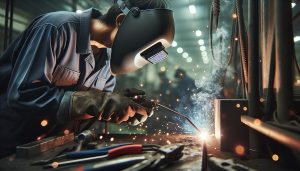
Cutting straight lines with a plasma cutter is essential for achieving precision in metal fabrication, whether you’re a seasoned professional or a DIY enthusiast. Plasma cutting offers a clean, efficient way to slice through various materials like steel and aluminum, but doing it accurately can be a challenge. Mastering this skill not only enhances the quality of your work but also boosts your confidence as a welder. By following professional techniques, you can improve your cutting accuracy and produce superior results. In this guide, we’ll delve into the pro tips and tricks that will elevate your plasma cutting skills, ensuring that your next project is executed flawlessly. Get ready to transform your cutting technique and explore the art of precision with plasma!
Essential Safety Precautions for Plasma Cutting

To prevent potential hazards associated with plasma cutting, adhering to essential safety precautions is crucial. The high temperatures and intense light from plasma arcs pose risks, making it vital to equip yourself with proper protective gear. Always wear a suitable welding helmet with appropriate filter lenses to guard against harmful ultraviolet and infrared radiation. This not only protects your eyes but also your skin from burns.
Furthermore, a fire-resistant, layered clothing selection is essential; consider using leather or heavy cotton to shield against sparks and spatter. It’s imperative to wear gloves that are specifically designed for plasma cutting, as they provide not only protection from heat but also dexterity needed for handling materials and equipment.
In addition to personal protective equipment (PPE), maintaining a clean and organized workspace can significantly reduce risks. Ensure no flammable materials are present within the cutting area to minimize the danger of fire. Use suitable fire extinguishing agents that are easily accessible during your cutting projects. Moreover, having proper ventilation is crucial for dispersing any toxic fumes generated during the process.
Lastly, always be mindful of electrical safety; inspect your equipment regularly for any signs of wear or damage, and ensure all cables are in good condition. Keeping your workspace well-lit and knowing the location of emergency stops can provide an added layer of safety. By following these guidelines, you’ll create a safer cutting environment, allowing you to focus on achieving precision in your plasma cutting projects.
Understanding Plasma Cutter Components
Understanding the intricacies of plasma cutter components is essential for anyone looking to master the craft of plasma cutting. The effectiveness and precision of your cuts heavily depend on the quality and configuration of these components. At the heart of every plasma cutter lies the torch assembly, which is responsible for generating the plasma arc. It consists of several key parts, including the electrode, nozzle, and swirl ring. Each of these components plays a critical role in producing a stable and concentrated arc that can slice through metals with remarkable accuracy.
The electrode is made of a durable material, typically tungsten or copper, and it serves as the source of the electrical arc that ionizes the gas. This ionization transforms the gas into plasma, allowing it to conduct electricity. An efficient electrode ensures longevity and minimizes the risk of arc instability. The nozzle not only directs the plasma flow but also helps shape the plasma arc, influencing cut quality and speed. Selecting the right nozzle size is crucial; larger nozzles provide thicker cuts but can compromise precision, whereas smaller nozzles yield finer cuts but may struggle with thicker materials.
Another vital component is the swirl ring, which helps organize the gas flow before it reaches the nozzle. This organized flow is essential for maintaining a consistent arc and ensuring a clean cut. An improperly functioning swirl ring can lead to turbulence that affects the quality of the plasma arc. Furthermore, understanding your plasma cutter’s power supply unit is crucial, as it affects the voltage and current delivered to the torch, influencing the cutting speed and capacity.
For achieving accurate and clean cuts, ensure that your plasma cutter is compatible with the materials you’re working with. Factors like gas type and cutting speed should be adjusted based on the thickness and type of metals. Regular maintenance of these components, including cleaning and replacing worn parts, will enhance the performance of your plasma cutter, reduce downtime, and maintain cutting quality over time. By grasping how each component functions and interacts with one another, welders can significantly improve their cutting techniques and achieve professional-level results.
Setting Up Your Workspace for Success

Establishing a workspace that promotes safety and efficiency is essential for anyone looking to achieve precise plasma cuts. The environment in which you operate your plasma cutter can significantly influence the quality of your work and also impacts your safety. To start, ensure your workspace is well-ventilated and free of flammable materials. The intense heat generated during plasma cutting can ignite nearby debris, so keep your area tidy and organized. Proper ventilation not only minimizes the buildup of harmful fumes but also provides a clearer view of your cutting project, reducing the risk of mistakes.
While setting up, pay attention to the location of your equipment. Position the plasma cutter on a stable surface to prevent movement during operation. A dedicated workbench or a heavy-duty cart works best, as it minimizes vibrations that can affect cutting accuracy. Additionally, ensure that your power sources and gas supplies are easily accessible but securely out of the way to avoid accidental contact. Having a clear layout also allows for efficient workflow, as you can access tools and materials without second-guessing where everything is located.
Another vital aspect of your workspace is the lighting. Adequate illumination is crucial for detailed work, especially when aiming for straight, clean cuts. Use bright, adjustable lighting to reduce shadows and enhance visibility on your workpiece. If cutting outdoors or in natural light, be mindful of changing conditions that could affect visibility. Installing overhead lights or work lamps can also help create consistent lighting regardless of external factors.
Lastly, consider incorporating workspace accessories, such as clamps and guides, to assist with precision cutting. Utilizing these tools can help maintain your material’s position and make it easier to achieve straight lines. Whether you’re a beginner or an experienced welder, creating an organized, well-equipped workspace is the foundation for successful plasma cutting, ensuring both high-quality results and a safe working environment.
Mastering the Basic Techniques of Plasma Cutting

Achieving precise cuts with a plasma cutter requires a mastery of basic techniques that form the foundation of your plasma cutting skills. Understanding the relationship between speed, distance, and technique is crucial when cutting straight lines. If you move the cutter too quickly, you might end up with poor penetration and a rough edge; too slowly, and you may overheat the metal, leading to warping. Aim for a consistent and moderate speed, and practice varying angles to control the direction of your cut effectively.
To ensure a straight line, your hand movement must be steady and deliberate. It can be beneficial to visualize the cut before you begin. Many experienced welders recommend using a guide, such as a straightedge or a clamp, to help maintain a steady line. This physical barrier can guide your plasma torch and keep it aligned, particularly when working on larger sheets of metal where free-hand cutting might introduce error. Additionally, consider the position of your torch: it should be held perpendicular to the material to ensure an even cut width and to maximize the effectiveness of the plasma jet.
Proper use of the torch also plays an essential role in achieving clean, straight cuts. When starting your cut, maintain the recommended distance from the workpiece-typically, this is around 1/8 inch to 1/4 inch, depending on your specific plasma cutter. Keep the nozzle at a constant angle, generally at 90 degrees to the material, and avoid pushing down too hard. Maintain a consistent arc length throughout the cut; this consistency ensures that the plasma jet maintains its efficiency and effectiveness.
Lastly, take note of the metal’s thickness and type since these factors can influence your approach. Thinner metals may require faster speeds and lighter settings, while thicker materials will need slower, more deliberate movements for deeper penetration. With practice, these fundamental techniques will enhance your comfort and precision in plasma cutting, allowing for professional-quality results.
Choosing the Right Gas and Equipment

can significantly impact the quality of your plasma cutting projects, especially when precision is key for cutting straight lines. Different gases can influence the cutting process, heat distribution, and the overall quality of the cut. The most commonly used gases for plasma cutting are air, nitrogen, and argon-hydrogen mixes. Air is the most economical and versatile option, suitable for cutting mild steel and aluminum. On the other hand, nitrogen is better for stainless steel, producing a cleaner cut without oxidation, while argon-hydrogen mixes are typically used for thicker materials, providing deeper cuts and smoother finishes.
Selecting the appropriate plasma cutter is equally crucial. When purchasing or setting up a plasma cutter, consider factors such as power output (amperage), cutting thickness capability, and the torch’s design. Portable plasma cutters offer flexibility for small jobs, while industrial models provide more power for heavier materials. Look for features like adjustable cutting speeds, which can help fine-tune your technique when aiming for that essential straight line. Ensure your equipment is compatible with the gas type you plan to use, as this can affect both performance and safety.
Before you start cutting, it’s also vital to assemble the necessary accessories such as consumables (nozzles, electrodes), a suitable ground clamp, and protective gear. The selected nozzle size can alter the arc width, impacting the precision of your cuts, so match the nozzle to the thickness of the material you’re working on. Properly maintain your equipment to prolong its lifespan and ensure consistent performance. Regularly check for wear on consumables, as worn parts can lead to poor cutting quality and uneven lines. Ultimately, continuous practice with your chosen gas and equipment will enhance your ability to execute clean, straight cuts confidently.
How to Mark a Straight Line Effectively
Achieving a precise cut with a plasma cutter relies heavily on the accuracy of your markings. A well-defined line not only sets the foundation for a clean cut but also enhances overall efficiency in your workflow. To master the art of marking straight lines effectively, begin by choosing the right tools and techniques that suit your material and project requirements.
Start with high-quality marking tools such as a straight edge, ruler, or chalk line. These instruments are essential for ensuring consistent lines across your workpiece. For metal surfaces, a soapstone pencil or a permanent marker works well, as they provide a clear, visible mark that withstands the heat of cutting. Avoid using materials that may burn or smudge, as this can compromise the visibility of your line during the cutting process.
When marking, consider the following steps:
- Measure Twice, Cut Once: Take the time to measure accurately. Use a steel ruler to ensure that you are marking the exact length and straightness needed for your cut.
- Use a Clamp: Secure your straight edge or ruler in place with a clamp. This not only keeps it steady while you mark but also helps maintain the precise angle required.
- Check for Square: Use a carpenter’s square to verify that your lines are perpendicular where necessary, especially for right angles.
- Lightly Score the Line (Optional): For added precision, consider lightly scoring the line with a scribing tool or utility knife before starting the cut. This creates a physical guide that can prevent the plasma arc from straying off course.
Remember, the visibility and longevity of your markings are crucial. If you’re working with different materials-like aluminum or stainless steel-take note of how different markers perform on them, adjusting your approach as necessary. Investing time in marking your straight line accurately not only leads to cleaner cuts but also minimizes the need for rework, saving both time and material in the long run.
Adjusting Settings for Optimal Performance
To achieve clean and precise cuts with a plasma cutter, adjusting the settings to suit the specific material and thickness is crucial. This task may seem daunting at first, but understanding how to effectively modify these parameters can substantially improve the quality of your work. Each material-be it steel, stainless steel, or aluminum-requires specific amperage, gas flow rates, and cutting speeds to perform optimally.
Start by referencing the manufacturer’s guidelines for your plasma cutter. These documents typically provide recommended settings based on the thickness of the material you’re working with. For instance, cutting a ¼-inch thick mild steel may require around 30-40 amps, while thinner materials like 1/16-inch sheet metal might need only 20-30 amps. Understanding the relationship between amperage and cutting speed is also essential; higher amperage allows for faster cuts but can lead to excessive beveling and heat distortion if not adjusted correctly.
Gas Flow Rate is another vital setting that impacts the quality of your cut. Too little flow can cause the plasma arc to become unstable and lead to poor cuts, while too much can create excessive dross. A good rule of thumb is to start with the recommended flow rate provided in the user manual, then adjust slowly, observing the cut quality. For most gases, a flow rate of around 60-70 cubic feet per hour (CFH) is ideal for clean cuts on metal.
In addition to the basic settings, consider experimenting with your cutting speed. Moving too slowly can lead to excessive melting and poor penetration, while going too fast may not allow enough time for a clean cut. As a practical approach, start with the suggested cutting speed and adjust based on trial and error. You can often find a sweet spot that delivers the best result for the specific metal thickness and type.
Maintaining consistency in your plasma cutter’s settings not only enhances the overall quality of your cuts but also prolongs the life of the equipment. Frequent adjustments can lead to wear on consumables, so strive for a balance that maintains both performance and equipment longevity. Whether you’re a novice or a seasoned pro, mastering these settings ensures that your plasma cutting experience is both efficient and effective.
Advanced Techniques for Precision Cuts
To achieve precision cuts with a plasma cutter, employing advanced techniques can significantly enhance the quality and accuracy of your work. One crucial method is the use of a guide system. Whether it’s a straight edge, a custom-built track, or specialized cutting guides, these tools help maintain straight lines and consistent distances from edges. For instance, using a metal ruler or a T-square clamped securely can provide a steadfast reference point, ensuring that the plasma cutter remains steady throughout the cut.
Another effective approach is to modify your cutting technique for different materials. For example, when working with thicker steel, starting with a higher amperage to pierce through before reducing it can improve the cut quality. Additionally, practice techniques like oscillation, where you gently rock the torch back and forth within the desired cut line. This can help reduce melting on the edges and produce a cleaner finish by evenly distributing the heat across the material.
Achieving consistent speed is paramount; erratic movement can lead to jagged edges. Consider using a template to guide your torch, especially for intricate designs or repetitive shapes. Templates can be made from scrap metal or cardboard, creating a path for the plasma cutter to follow, which is particularly useful when making multiple cuts in sheet metal.
Don’t overlook the significance of ventilation and safety measures as you master these techniques. Proper airflow not only reduces the risk of harmful fumes but also minimizes heat distortion in the material, resulting in cleaner cuts. Always ensure adequate safety equipment, including a welding helmet with appropriate shading, gloves, and protective clothing, to keep yourself safe while focusing on advancing your cutting skills.
By integrating these advanced techniques into your plasma cutting practice, you’ll enhance both the efficiency and precision of your work, leading to superior results whether you’re a hobbyist or a professional fabricator.
Troubleshooting Common Plasma Cutting Issues
One of the most frustrating experiences when using a plasma cutter is dealing with common issues that can sabotage a clean cut. Whether you’re a beginner or have prior experience, recognizing these problems and knowing how to troubleshoot them can greatly enhance your efficiency and results. Here are essential troubleshooting techniques to help maintain quality and precision.
Faulty cuts often stem from improper settings or techniques. If you’re experiencing poor cut quality, first check the amperage of your plasma cutter. Too low of an amperage can lead to incomplete cuts or excessive slag buildup. Increasing the amperage may improve cut quality, especially on thicker materials. Additionally, inspect your nozzle and electrode for wear, as damaged components can disrupt the flow of the plasma arc. Regularly replacing these parts will ensure optimal performance.
Another common issue is arc instability, which can manifest as popping noises or a flickering arc. This problem could indicate an inadequate air supply or contamination in the gas line. Ensuring that your compressor is functioning properly and that your hoses are clean and free of obstructions is crucial. If you’re using shop air, check for moisture; a drying unit on your compressor can help maintain dry air, significantly reducing problems related to arc stability.
When faced with difficult materials, remember that different metals react differently to plasma cutting. For instance, cutting aluminum may require a different gas mix and cutting speed compared to steel to avoid excessive melting or warping. If you notice excessive melting or poor edge quality, adjust your travel speed and consider switching to a more suitable gas for the material at hand.
Finally, troubles witnessing warping or distortion can often be addressed by altering your cutting path. Maintaining a consistent speed is key; avoiding sudden accelerations or decelerations will ensure that the material receives even heat distribution. Using a guide can help maintain a steady hand and improve consistency. Always remain alert to your material’s response during cutting, as it can provide valuable feedback for adjustments in real time.
By recognizing these issues and adopting proactive strategies, you can significantly enhance your plasma cutting experience and achieve the clean, precise results you strive for.
Maintaining Your Plasma Cutter for Longevity
Keeping your plasma cutter in top condition is crucial not just for its efficiency, but to ensure your safety and the longevity of your investment. A well-maintained cutter can significantly reduce downtime and enhance your cutting precision, allowing you to achieve consistently clean lines. Regular maintenance doesn’t merely extend the lifespan of the machine; it also optimizes performance, reducing the likelihood of costly repairs and the frustration of equipment failure at critical moments.
To start, routine checks of essential components like the nozzle, electrode, and retaining cap are vital. These parts experience significant wear over time, leading to decreased cutting quality. Inspect these components regularly-ideally after each use or at least weekly if the cutter is in constant operation. When worn, these parts should be replaced to avoid issues such as arc instability or incomplete cuts. It’s a minor investment that pays dividends in precision and reliability.
Another aspect to consider is the cooling system. Plasma cutters can generate a lot of heat; thus, ensuring that the cooling system is functioning properly will prevent overheating and subsequent damage. Regularly flush any accumulated debris or contaminants from the cooling lines and ensure that the cooling fluid is topped off and functioning effectively. Moreover, the quality of the gas used impacts both the performance and lifespan of the cutter. Ensuring a clean and dry gas supply-free from moisture and contaminants-is essential for maintaining optimal plasma arc stability.
Lastly, periodic cleaning of the external body and internal parts, particularly the air filter, is key. Dust and metal shavings can build up and affect operation. It’s advisable to follow the manufacturer’s guidelines for cleaning and maintenance routines, which may also recommend specific lubes or treatments to keep moving parts smooth. By committing to these maintenance practices, you’ll not only extend the life of your plasma cutter but also enhance your cuts, leaving you free to focus on the creative aspects of your projects.
Tips for Cutting Different Materials
Cutting various materials with a plasma cutter demands a nuanced understanding of how each material reacts to heat and the dynamics of cutting. For instance, while steel is robust and can handle high temperatures, aluminum requires a different approach to prevent warping and deformation. Achieving clean cuts across different materials not only enhances the aesthetic of the project but also ensures precision that is critical in various applications.
When working with mild steel, keeping the cutting speed steady and using a clean, dry air supply will ensure optimal performance. Mild steel can typically withstand the high temperatures from plasma cutting without excessive warping. However, for thicker steel, you may need to adjust the amperage and ensure the nozzle height is appropriate to maintain a clear arc. Likewise, using a drag tip can help in achieving a straighter cut by allowing the torch to touch the surface while cutting.
Aluminum, on the other hand, presents more challenges due to its thermal conductivity. It is crucial to use a higher cutting speed to prevent melting the edges excessively. Incorporating a pulsed cutting technique can also be beneficial, as it allows for better control of heat input, reducing the risk of warping while still providing a clean cut. Setting the plasma cutter to a lower amperage than for steel might also help manage the heat distribution more effectively.
For stainless steel, maintaining a consistent distance between the torch and the material is vital. Adjusting the air pressure and ensuring a turn-down feature on the cutter can help maintain a cleaner edge and prevent oxidation. Additionally, using an appropriate gas mixture, such as nitrogen instead of air, during the process can significantly enhance the quality of the cut, yielding smooth and slag-free edges.
In summary, understanding the characteristics of the materials you are cutting allows for tailored adjustments in your plasma cutting technique, ensuring high-quality results every time. Whether working with steel, aluminum, or stainless steel, each material requires specific strategies to achieve straight, clean lines effectively and efficiently.
Creative Applications of Plasma Cutting in Projects
Plasma cutting is not just a method for slicing through metal; it is a versatile tool that opens the door to myriad creative applications. From intricate art pieces to functional components in various industries, the ability to make precise cuts and diverse shapes with a plasma cutter can transform design concepts into reality. The unique characteristics of plasma cutting allow artisans and professionals alike to explore projects that demand finesse and innovation.
One popular use of plasma cutting is in the realm of metal art. Artists harness the capability of plasma cutters to create stunning sculptures and wall hangings with intricate designs. By adjusting the torch settings, they can achieve a range of finishes and textures, adding depth and character to their work. Many artists also utilize templates made from cardboard or wood to guide their cuts, ensuring consistent and clean edges. This precise control enables them to work with various materials, including stainless steel and aluminum, to ensure longevity and visual appeal.
In the automotive industry, plasma cutting is employed for custom modifications and repairs. Car enthusiasts often utilize plasma cutters to fabricate unique body panels or to remove old welds, facilitating upgrades to enhance performance. The high precision of plasma cutting allows for the creation of complex shapes that are often required in custom builds, showcasing the mechanic’s skill while achieving functional designs that can stand up to the rigors of the road.
Plasma cutting also finds significant application in industrial settings, particularly in manufacturing and construction. Components for machinery, structural elements for buildings, and even decorative architectural pieces can be crafted using plasma cutting. The ability to cut through thick materials quickly and efficiently aligns perfectly with project timelines in these fast-paced environments. Skilled technicians can create templates or CAD models that help them achieve exact specifications, ensuring that each piece fits seamlessly into its intended application.
Overall, the creative applications of plasma cutting are limited only by the imagination. Whether in art, automotive work, or industrial manufacturing, mastering this technique enables practitioners to push the boundaries of traditional metalworking. The intersection of precision and creativity not only results in visually striking outcomes but also highlights the endless possibilities that plasma cutting offers in various fields. Engaging with this technology empowers artists and craftsmen to bring their visions to life, one cut at a time.
Frequently Asked Questions
Q: What techniques can improve accuracy when cutting a straight line with a plasma cutter?
A: To enhance accuracy, use a straightedge guide or a plasma cutting cart. Mark clear lines, maintain a steady speed, and apply consistent pressure. Consider practicing on scrap material to refine control before cutting the final piece. For advanced precision, explore methods detailed in the “Advanced Techniques for Precision Cuts” section.
Q: How can I reduce slag when cutting with a plasma cutter?
A: To minimize slag buildup, adjust your cutting speed and ensure the plasma cutter’s amperage is set correctly for the material thickness. Use clean, dry materials, and maintain a steady arc length to facilitate a cleaner cut. Detailed tips can be found in the troubleshooting section of your guide.
Q: What type of plasma cutter is best for making straight cuts?
A: A plasma cutter with a built-in oscillator or motion control system is ideal for straight cuts. Look for models specifically designed for metal fabrication, which often include features like digital control for enhanced precision. Reviews and comparisons can guide you in selecting the best option.
Q: Can I use a plasma cutter on different materials while maintaining straight cuts?
A: Yes, plasma cutters are versatile and can cut through materials like steel, aluminum, and copper. However, adjustments such as amperage settings and travel speed may be necessary to ensure straight cuts on varied materials. The “Tips for Cutting Different Materials” section provides essential insights.
Q: How do I maintain my plasma cutter for optimal straight cuts?
A: Regular maintenance includes cleaning the torch, checking consumables, and ensuring electrical connections are secure. Maintain the cooling system and inspect for wear and tear. Proper upkeep ensures consistent performance and precision, as discussed in the maintenance section of your article.
Q: What common mistakes should I avoid when cutting straight lines with a plasma cutter?
A: Avoid cutting at too high a speed, which can lead to uneven edges and excessive slag. Other mistakes include improper gas settings and failure to secure the workpiece. Familiarizing yourself with the “Troubleshooting Common Plasma Cutting Issues” section can help prevent these errors.
Q: Is it important to wear protective gear while using a plasma cutter?
A: Yes, wearing protective gear such as gloves, safety goggles, and flame-resistant clothing is crucial. It shields against sparks, intense light, and harmful fumes while cutting. Always prioritize safety as outlined in the “Essential Safety Precautions for Plasma Cutting” section of your guide.
Q: How can I improve my skills in cutting straight lines with a plasma cutter?
A: Practice regularly on scrap materials to build confidence and refine techniques. Consider enrolling in workshops or online courses that focus on plasma cutting. Utilizing advanced instructions from your article’s sections will further enhance your skills.
Wrapping Up
Congratulations on enhancing your skills with the techniques shared in “How to Cut a Straight Line With a Plasma Cutter!” Mastering the art of plasma cutting opens up endless possibilities in your metalworking projects, whether you’re crafting intricate designs or tackling larger constructions. To keep your momentum going, check out our guides on MIG welding and TIG welding fundamentals to further diversify your welding capabilities.
Don’t let the learning stop here! Dive into our detailed reviews on essential plasma cutter tools, or explore best practices for safety in the workshop. Remember, each cut you make not only improves your technique but shapes your experience. If you have questions, share your thoughts in the comments or consider signing up for our newsletter for expert tips delivered straight to your inbox. Equip yourself with the knowledge and resources to elevate your work, and get ready to tackle your next project with confidence!