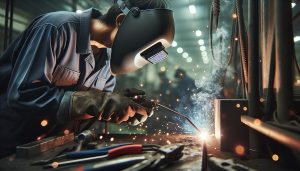
Did you know that plasma cutting is one of the most efficient methods for slicing through thick metal? Mastering this technique not only enhances your welding precision but can significantly improve your projects’ quality and efficiency. Whether you are a novice looking to cut your first piece of metal or a seasoned welder aiming to refine your skills, the ability to cut straight with a plasma cutter is essential. Straight cuts can mean the difference between a professional finish and a frustrating redo. In this guide, we will explore practical techniques, tips, and best practices to ensure your cuts are not only straight but also safe and consistent. Prepare to take your plasma cutting skills to the next level and transform the way you work with metal!
Mastering Plasma Cutter Basics for Precision Cutting
The art of mastering plasma cutting is not just about the equipment; it involves understanding the fundamental principles that govern precise cutting. Plasma cutting utilizes a high-temperature jet of ionized gas-plasma-to melt through metal, making it an essential technique in various industries, from automotive to fabrication. Central to achieving precision is the knowledge of your plasma cutter’s components, such as the torch, gas supply, and power source. Equip yourself with an understanding of how adjustments in these areas can significantly improve the accuracy of your cuts.
To enhance precision, it’s crucial to comprehend how different settings impact the outcome. For instance, the amperage setting influences the heat of the plasma torch. Higher amperage can lead to deeper cuts but can also increase the risk of warping, especially in thin materials. Fine-tuning the travel speed is equally important; a steady, controlled pace allows the molten metal to be blown away, preventing dross buildup, which can compromise the smoothness of the cut. Experimenting with various settings on scrap materials can help you develop a feel for the optimal configurations for different tasks.
Focusing on technique is another key aspect of achieving straight, clean cuts. Maintaining a consistent torch distance from the workpiece is vital; being too close may cause the tip to overheat and wear quickly, while being too far can lead to loss of cutting efficiency and less precision. A straight edge or guide can be an invaluable tool in this process, helping you maintain a consistent line throughout your cut. By combining the right techniques, understanding the settings, and practicing on different materials, you will cultivate the skills necessary for precision plasma cutting. Familiarity with these basics will not only improve your immediate results but will also ensure that you build a solid foundation for more advanced cutting techniques down the road.
Essential Tools and Equipment for Plasma Cutting
To achieve precision in plasma cutting, having the right tools and equipment is essential. A high-quality plasma cutter is the cornerstone of the process, as its efficiency dictates the overall quality of your cuts. Plasma cutters come in various models that cater to different needs, ranging from portable units for hobbyists to industrial-grade machines for heavy-duty applications. The choice of a plasma cutter should consider factors such as power output, cutting thickness capability, and portability. A cutter with a fine adjustment mechanism can enhance control, allowing for intricate cuts when required.
In addition to the plasma cutter, several other tools play crucial roles in the process. A reliable air compressor is essential for delivering the required gas pressure, ensuring optimal cutting performance. The plasma torch should feature a suitable electrode and nozzle design, which you should regularly inspect and replace to maintain cut quality. A steady hand along with effective torch guides or straight edges can help maintain line accuracy, thus preventing drift during cutting operations.
Moreover, personal protective equipment (PPE) cannot be overlooked in any plasma cutting setup. A quality welding helmet equipped with appropriate shade lenses is vital to protect your eyes from harmful UV exposure. Gloves designed for welding provide both thermal protection and a good grip on tools, while fire-resistant clothing adds a layer of safety against sparks and heat.
If you’re working with different materials like aluminum or steel, having cleaning tools such as brushes and wipes can help prepare surfaces for optimal cutting conditions. Additionally, measuring tools like calipers or rulers ensure precise layout markings, guiding your cuts. Investing in this essential toolkit not only improves your cutting experience but also enhances your overall safety and productivity in the workshop.
Understanding Plasma Cutter Settings for Straight Cuts
To achieve straight, precise cuts with a plasma cutter, understanding the correct settings is paramount. Several key adjustments can significantly influence the quality and straightness of your cuts. Factors such as amperage, gas flow rate, and cutting speed must be finely tuned to match the specific material and thickness you are working with. For example, too low of an amperage may not penetrate the material adequately, while excessive amperage can lead to excessive dross and poor cut quality.
Amperage Settings
Setting the right amperage is crucial for achieving a clean and straight cut. Each material and thickness requires a different amperage setting. A general rule of thumb is to set the amperage to about 1 amp per 0.001 inches of material thickness. For instance, if you are cutting steel that is 0.25 inches thick, you would set your plasma cutter to around 25 amps. This balance allows for a good energy output without burning through or distorting the material.
Gas Flow Rate
The gas flow rate is also essential in maintaining stability during cutting. A sufficient flow rate prevents the arc from sputtering and enhances cut quality. Too low of a flow can lead to inconsistencies and increased slag, while too high may cause waste and affect the precision of the cut. Adjust the gas flow based on the manufacturer’s specifications, typically in the range of 75-100 psi for common materials, ensuring optimal shield from contamination while cutting.
Cutting Speed
Equally important is the cutting speed, which determines how quickly the torch moves across the material. If you cut too fast, the arc may not have enough time to penetrate adequately, leading to incomplete cuts. Conversely, moving too slowly can result in excessive heat input, increasing the chances of warping and slag buildup. A steady, moderate pace works best, with practice helping to develop a consistent rhythm.
By meticulously adjusting these settings and practicing on scrap materials, welders can hone their skills to produce clean, straight cuts. Experimentation and observation during practice sessions can lead to an intuitive understanding of how these adjustments interact, ultimately leading to improved cutting proficiency.
Techniques for Achieving Straight Cuts with Precision
To achieve straight cuts with a plasma cutter, mastering specific techniques is essential. One of the most effective methods begins with the setup of your work area. Make sure your material is securely clamped down to prevent any movement during cutting. A stable work surface not only enhances safety but also ensures that your cuts are precise. Additionally, utilize straight edges or guides, such as steel bars, to help maintain a consistent path as you cut. These guides can be attached with clamps or held in place by a partner, allowing you to focus on steering the torch instead of tracking the line.
Another critical factor to consider is the angle and distance at which you hold the plasma cutter. Keeping the torch at a consistent angle between 5 to 15 degrees from vertical can help mitigate issues such as excessive dross and uneven cuts. Additionally, maintaining an appropriate standoff distance-where the tip of the torch is kept a few millimeters away from the material’s surface-ensures optimal arc stability and prevents potential damage to the cutting tip. With practice, this technique will help you develop a fluid motion, leading to cleaner lines and more accurate cuts.
Incorporating a steady pace is a technique that cannot be overstated. Rushing through cuts often results in jagged edges or incomplete penetration, while moving too slowly can generate excess heat, causing warping or melting of the material. Find a rhythm that balances speed and control; this might take some experimentation. A helpful tip is to practice running the torch over scrap metal at varied speeds until you find the sweet spot that consistently yields clean, straight cuts.
Finally, always make it a habit to inspect your consumables-such as the nozzle and electrode-before starting a new project. Worn or damaged parts can drastically affect your cutting performance. Regular maintenance not only prolongs the life of your equipment but also ensures that each cut remains sharp and accurate. By implementing these techniques and remaining patient during the learning curve, you’ll find yourself making remarkably straight and precise cuts with your plasma cutter.
Common Mistakes to Avoid While Plasma Cutting
Achieving precision with a plasma cutter requires both skill and awareness of common pitfalls that can derail your efforts. One notable mistake is improper torch angle; holding the torch at an incorrect angle can lead to uneven cuts and excessive dross. A consistent angle of 5 to 15 degrees from vertical is crucial for maintaining arc stability and achieving cleaner lines. Many beginners often overlook the importance of this detail, focusing instead on speed, which can compromise the overall quality of the cut.
Another frequent error involves the standoff distance-the gap between the torch tip and the workpiece. Cutting too close can damage the tip and generate excessive heat, while cutting too far can result in poor arc performance and lower quality cuts. It’s essential to find that sweet spot, typically a few millimeters away from the material, to ensure optimal cutting conditions.
In addition, many users neglect the maintenance of their consumables. Worn nozzles and electrodes can drastically affect performance, leading to poor cuts. Regularly inspecting and replacing these parts is vital; it ensures the reliability and accuracy of your plasma cutter, thereby reducing the likelihood of mistakes in the cutting process.
Lastly, rushing through the cut or failing to maintain a steady pace can produce jagged edges and incomplete cuts. It is vital to develop a rhythm that balances speed with control. Practicing on scrap material allows you to find a comfortable speed that results in straight, smooth cuts without compromising the integrity of the workpiece. Keeping these common mistakes in mind can significantly enhance your cutting precision and overall results when using a plasma cutter.
Tips for Maintaining Accuracy Over Long Cuts
Achieving long, straight cuts with a plasma cutter is as much about technique as it is about preparation. The right approach can dramatically improve the accuracy of your cuts, making your work not only efficient but also visually appealing. A common practice among seasoned welders is to use a guide or a straight edge as a reference point. This can be a piece of scrap metal, a ruler, or a commercial cutting guide that allows you to maintain a steady line. By anchoring your torch against a stable reference, you can minimize deviations and ensure that your cuts remain as straight as possible over long distances.
Another crucial element to consider is the adjustment of your cutting speed. Maintaining a consistent speed helps prevent the plasma arc from wandering off course. If you move too fast, the arc may not penetrate sufficiently into the material; conversely, moving too slowly can lead to excessive heat buildup and distortion of the material. A good rule of thumb is to practice on scrap material to find an ideal speed that has been proven to produce clean cuts. Additionally, consistent torch angle-5 to 15 degrees from vertical-is vital in maintaining proper arc stability throughout your cut.
Assuring that your equipment is in good condition enhances accuracy as well. Regularly check for wear and tear on the electrode and nozzle, as worn components can lead to erratic cutting behavior. Replace these parts as needed to maintain optimal performance. Furthermore, ensuring the appropriate air pressure settings for your compressor and the plasma cutter can also play a significant role. Adjustments might be required based on the thickness and type of material you are cutting; typically, lower pressure can help with thicker materials.
Finally, don’t underestimate the importance of mental focus and practice. Cutting long lines demands concentration, as the slightest distraction can cause you to veer off course. Take breaks as needed to maintain focus, and remember that practice on scrap until you feel comfortable is invaluable. As you build your skillset, integrating these techniques will lead to precision cuts that can elevate the overall quality of your projects.
Material Considerations: Aluminum vs. Steel Cutting
When it comes to precision cutting with a plasma cutter, the choice of material can significantly influence both technique and outcome. Aluminum and steel, the two most commonly used metals in various applications, respond quite differently to plasma cutting methods, and understanding these differences is crucial for achieving clean, accurate cuts. For example, aluminum is a lightweight material that can be prone to warping due to its lower melting point and higher thermal conductivity. In contrast, steel requires a different approach given its density and strength.
Aluminum Cutting Considerations
When cutting aluminum, it’s essential to adjust your plasma cutter settings accordingly. Opt for a faster cutting speed to prevent excessive heat buildup, which can lead to distortion or warpage. Maintaining a steady hand at a 5 to 15-degree angle from vertical helps stabilize the arc. Additionally, since aluminum tends to oxidize quickly, employing a higher-than-normal air pressure can assist in removing slag and ensuring a cleaner cut. Practicing on scrap pieces will also help you fine-tune settings like amperage and travel speed before moving to your final project work. In general, plasma cutting aluminum works best with a thinner thickness gauge, as thicker materials can present more challenges.
Steel Cutting Considerations
Steel, on the other hand, allows for a more forgiving cutting process. Given its higher melting point, you’ll need to adjust for both speed and amperage settings to achieve effective penetration through the material. A slower feed rate is typically required, especially for thicker sections of steel, to ensure that the plasma arc can adequately melt through the material. Using a consistent torch angle also aids in maintaining control and stability. When cutting steel, consider the potential for slag creation, which can affect the smoothness of the cut edges. It’s advisable to choose a cutting path that minimizes the risk of generating unwanted waste material.
Material Management
To effectively manage both aluminum and steel cutting, it’s beneficial to keep work surfaces clean and free from contaminants that can adversely impact the quality of the cut. Additionally, consider using techniques such as drag tips or nozzles designed specifically for each material type to optimize performance. Keep in mind that while both metals can be cut with plasma, mastering each requires its own unique skill set and adaptations.
In summary, being aware of the inherent properties of aluminum and steel will guide you to make informed choices about settings and techniques, ultimately leading to more efficient and effective cutting results. Whether you’re working on light fabrication or heavy-duty parts, understanding these material distinctions is key to achieving the straight, precise cuts that are critical in welding and metalworking projects.
Expert Insights: Pro Techniques for Straight Cuts
The art of achieving straight cuts with a plasma cutter hinges on meticulous technique and a deep understanding of equipment settings. One essential strategy is the use of a guide or straightedge. By using clamps or weights to secure this guide to your workpiece, you can maintain a consistent and steady path for the torch. This approach not only aids in visual alignment but significantly reduces the chances of drifting, ensuring cleaner, straighter edges in your cuts.
Another vital component is your stance and body mechanics. Positioning yourself appropriately can vastly improve control over the torch. Stand at a comfortable distance, ensuring you have a clear line of sight to guide the plasma arc smoothly along the designated path. Maintaining a slight bend in your knees and balancing your weight evenly will enhance stability. Consider also adopting a consistent hand position-keeping the torch at a 90-degree angle to the material is generally ideal, allowing for even penetration.
When it comes to settings on the plasma cutter, adjustments based on the thickness and type of material are crucial. For aluminum, a higher speed with slightly increased air pressure is often recommended to counteract rapid heat buildup and oxidation. Conversely, thicker gauges of steel may require slower speeds and higher amperage to penetrate effectively. Don’t hesitate to test these settings on scrap material first; this not only helps you fine-tune your approach but also builds confidence in your technique.
Identifying and correcting common cutting issues can also enhance your capabilities. Slag buildup and inconsistent cuts may point to the need for adjustments in travel speed, air flow, or machine calibration. Regular maintenance and cleaning of the cutter’s components ensure optimal performance and longevity. Integrating these professional techniques will not only elevate your plasma cutting skills but also lead to cleaner, more efficient work-making a substantial difference in your metalworking projects.
Safety Precautions While Using a Plasma Cutter
Using a plasma cutter can unleash your creativity and enhance your metalworking skills, but it also comes with significant safety risks that must be understood and mitigated. Plasma cutting involves extremely high temperatures and the potential for electrical shocks, making it crucial to take proper precautions to protect yourself and others. Before you begin, ensuring you have the right personal protective equipment (PPE) is essential. This includes a heavy-duty welding helmet with a proper shade, flame-resistant clothing, gloves, and appropriate footwear to shield against sparks and heat.
Safety Equipment and Work Environment
The workspace where you perform plasma cutting should be well-ventilated and free from any flammable materials. Always keep a fire extinguisher nearby, as the intense heat generated can ignite nearby combustibles. Furthermore, ensure that the area is organized and that tools are stored properly to prevent accidents. Use noncombustible barriers or shields if working in an area with other personnel to prevent exposure to plasma arcs.
Electrical Safety Measures
Plasma cutters operate with high-voltage electrical currents, so understanding how to manage electrical safety is critical. Always inspect your equipment for damaged cords, worn connectors, or any signs of malfunction before use. During operation, maintain a dry work environment and ensure your hands and feet are dry to minimize the risk of electrical shock. Never use a plasma cutter in wet conditions, and be cautious of water sources, grease, or oil that could present a slip hazard.
Operational Precautions
When operating a plasma cutter, ensure you maintain a safe distance from the torch and avoid wearing loose clothing that might get caught or ignited by sparks. Always check your cutter’s settings and your workpiece’s material to avoid unexpected reactions or burns. Be mindful of your posture and position, as a stable footing will help you maintain control of the torch, ensuring you keep the cutting line steady while minimizing the risk of burns from sparking or molten metal.
By adhering to these safety precautions, you can create a safer working environment, allowing you to focus on mastering your plasma cutting techniques effectively.
Troubleshooting Plasma Cutter Issues for Perfect Cuts
When working with a plasma cutter, achieving flawless cuts can sometimes feel elusive. Even experienced users can encounter common issues that may compromise the quality of their work. Identifying and troubleshooting these problems quickly can save time and material while ensuring that your cuts remain straight and precise.
One of the most frequent culprits behind uneven cuts is the condition of the consumables, such as the electrode and nozzle. If these parts are worn or damaged, they can lead to poor cutting performance. Regularly inspecting and replacing these components is essential. Check for signs of erosion, discoloration, or deformation, and replace them as needed to maintain optimal cutting quality.
Another important factor is the cutting speed. Too fast can result in an incomplete cut or excessive dross, while too slow may cause the metal to warp or burn through unexpectedly. To find the right balance, perform test cuts on scrap material and adjust your speed accordingly. Remember that different materials will have different optimal speeds, so always factor in the type and thickness of the metal you’re working with.
Voltage settings are also critical. If the voltage is set too low, you may experience poor penetration and a rough cut edge. Conversely, too high a voltage can lead to excessive heat buildup, creating burn-through or warping. It’s advisable to refer to your plasma cutter’s manual for recommended voltage settings based on the thickness of the material you’ll be cutting. Keeping a log of settings for different materials can also help streamline future projects.
Moreover, maintaining an appropriate standoff distance (the distance between the cutting nozzle and the workpiece) is crucial. A too-close position can result in excessive heat concentration and a damaged workpiece, while too far can decrease cutting efficiency. A general rule of thumb is to maintain a distance of around 1/8 inch to 1/4 inch, but refer to your equipment’s specifications for best practices.
Finally, keep an eye on the cutting surface. Any contaminants like dirt, rust, or grease can hinder the cutting process, leading to erratic cuts and increased wear on your consumables. Always clean the surface thoroughly before starting your project.
By addressing these common issues and understanding the interplay between equipment settings and material characteristics, you can elevate your plasma cutting skills and consistently achieve perfect cuts.
Enhancing Your Skills: Practice Projects for Beginners
Mastering the art of plasma cutting begins with hands-on experience, and engaging in simple practice projects can significantly enhance your skills. These initial projects allow beginners to experiment with different settings, materials, and techniques, helping them develop confidence and precision. By starting with manageable tasks, welders not only familiarize themselves with how equipment performs but also grasp how to adjust variables to achieve optimal results.
One excellent beginner project is creating straight cuts on scrap metal. Begin by selecting a basic item like a rectangular piece of mild steel. Use this piece to practice setting up your plasma cutter, focusing on maintaining an appropriate standoff distance and experimenting with cutting speeds. Measure and mark your lines carefully to ensure straight cuts, reinforcing the importance of precision. As you progress, challenge yourself with more complex shapes, incorporating angles and curves.
Another practical project could involve constructing simple brackets or frames. These can serve as utility items that provide functional use in your workshop, such as holding tools or supporting equipment. This project allows you to apply techniques learned in your straight cutting practice while also introducing elements like joint fitting and assembly. Pay attention to alignment and ensure the cuts not only look good but also fit together securely, which is crucial in welding applications.
Project Recommendations
- Rectangular Cuts: Start with basic rectangular shapes on scrap steel to practice straight cuts.
- Brackets and Frames: Move on to simple brackets that require accurate angles and joint assembly.
- Artistic Designs: Incorporate creativity by designing and cutting artistic metal pieces like wall art to improve control and finesse.
- Functional Tools: Build simple tools or holders for your workshop to combine practice with practicality.
These projects not only refine your plasma cutting techniques but also give you tangible outcomes for your efforts. With each project, reflect on your cutting experience-what worked, what didn’t, and how you can improve. Keeping a practice journal can be invaluable; jot down settings and observations after each session to build a personal resource that informs your future projects and enhances your skill set. Remember always to comply with safety protocols, wearing appropriate gear to protect yourself while you learn and grow in your plasma cutting journey.
Resources for Further Learning in Plasma Cutting Techniques
Acquiring expertise in plasma cutting requires both practice and continual learning. For those looking to deepen their understanding and enhance their skills in plasma cutter techniques, a wealth of resources can provide invaluable guidance. Whether you’re a beginner just starting out or a seasoned professional seeking to refine your skills, various educational materials can help you master the intricacies of plasma cutting.
Start by exploring online courses specializing in plasma cutting. Numerous platforms offer structured lessons that cover the fundamentals of plasma cutting, as well as advanced techniques. Websites like Udemy or Coursera feature classes that not only include video tutorials but also interactive elements to practice your skills in a simulated environment. Additionally, many manufacturers provide training resources and certification programs tailored to specific plasma cutter models, offering insights into their unique functions and settings.
Books and manuals are another great resource for learning. Titles such as “Plasma Cutting: A Beginner’s Guide” can serve as comprehensive references, detailing everything from basic safety procedures to advanced cutting techniques. Ensure you look for updated editions that reflect the latest technology and best practices in the field.
Local technical schools or community colleges often host workshops or classes dedicated to welding and plasma cutting. Participating in these in-person sessions allows hands-on experience with equipment and direct access to expert instructors who can provide immediate feedback and tailored advice. Additionally, joining online forums or local welding clubs can facilitate networking with just as passionate individuals who share knowledge and tips, often leading to practical insights and inspiration for personal projects.
Finally, below are some recommended resources for further learning:
- Online Courses: Websites like Udemy and Coursera.
- Books: “Plasma Cutting: A Beginner’s Guide” and other welding manuals.
- Workshops: Local community colleges and technical schools.
- Community Engagement: Joining forums or local welding clubs for networking.
Embracing a combination of theoretical knowledge and practical experience is key to mastering plasma cutting techniques, ultimately leading to more precise and effective cuts in your projects.
Q&A
Q: What are the best practices for holding a plasma cutter for straight cuts?
A: The best practice is to maintain a steady grip on the plasma cutter with both hands. Use balanced weight distribution to avoid sudden movements, and keep the torch perpendicular to the workpiece. Consider using guiding tools or a straight edge for improved stability and consistency, enhancing your cutting precision.
Q: How can I improve my plasma cutting skills for straight lines?
A: To improve your plasma cutting skills, practice your technique on scrap materials. Focus on steady hand movements and controlling the machine’s speed. Adjusting the cutting speed based on material thickness can also enhance accuracy. Regularly review and refine your technique to build confidence and control.
Q: What types of materials are best for practicing straight cuts with a plasma cutter?
A: Steel and aluminum are excellent materials for practicing straight cuts due to their durability. Begin with thicker sheets to understand the plasma cutter’s settings, then move to thinner materials as you gain skill. Each material behaves differently, so adapting your technique is essential.
Q: How can I troubleshoot uneven cuts while plasma cutting?
A: Uneven cuts can often be corrected by ensuring the plasma cutter settings are appropriate for the material thickness. Check for a steady hand movement and proper distance between the torch and the workpiece. If issues persist, inspect the consumables for wear and replace them if necessary.
Q: What role does speed play in achieving straight cuts with a plasma cutter?
A: Cutting speed is crucial for achieving straight cuts. Too fast can lead to rough edges and incomplete cuts, while too slow can cause excessive heat and warping. Finding the optimal speed for your specific material thickness is essential for clean, accurate cuts.
Q: How do I maintain my plasma cutter for optimal straight cutting performance?
A: Regular maintenance includes checking and replacing worn consumables like the electrode and nozzle. Clean the torch regularly to prevent blockages and ensure proper airflow. A well-maintained plasma cutter operates more efficiently, leading to straighter and cleaner cuts.
Q: What safety gear should I wear when plasma cutting?
A: Essential safety gear includes a welding helmet with appropriate shade, flame-resistant clothing, gloves, and steel-toed boots. Additionally, using protective eyewear helps shield against sparks and debris. Always follow safety protocols to minimize risks while using a plasma cutter.
Q: Can I use a plasma cutter to cut curved shapes as well as straight lines?
A: Yes, plasma cutters can effectively cut curved shapes, but achieving precision requires practice and technique adjustments. Use templates or guides for complex curves and ensure smooth hand movements to maintain control over the arc path.
In Conclusion
Mastering the art of cutting straight with a plasma cutter not only enhances your efficiency but also elevates the quality of your work. Remember, practice is key, and with the techniques you’ve learned, you’re well on your way to achieving precision that stands out. Don’t hesitate to explore more advanced topics, such as MIG and TIG welding techniques, to further broaden your skill set.
If you’re eager to dive deeper into the world of welding, check out our articles on safety protocols and equipment reviews. Additionally, consider signing up for our newsletter for the latest tips and exclusive content that can help you refine your craft. Your journey in welding is just beginning-take the next step today! Share your experiences in the comments below; we love hearing from fellow welding enthusiasts!